
forum4travel

Staff member
Discover New England: Your Ultimate Travel Forum for Adventure, History & Scenic Beauty!
Welcome to forum4travel, the ultimate online community for travellers who love exploring the best destinations worldwide! If you're planning a trip to New England, USA, or just looking for inspiration, you've come to the right place.
Why Visit New England?
New England is one of the most picturesque travel destinations in the USA, known for its charming coastal towns, rich history, stunning autumn foliage, and world-class seafood. Whether you're looking for outdoor adventures, historic landmarks, or cultural experiences, there's something for every traveller.
Popular Attractions in New England
- Acadia National Park, Maine
- Hike Cadillac Mountain for breathtaking sunrise views.
- Explore the rugged coastline and scenic carriage roads.
- Freedom Trail, Boston, Massachusetts
- Walk through 16 historical sites, including Paul Revere’s House and the Old North Church.
- Immerse yourself in the birthplace of American history.
- Ben & Jerry’s Factory Tour, Vermont
- Indulge in a sweet tour of this iconic ice cream factory.
- Sample unique flavors and enjoy the quirky Flavor Graveyard.
- White Mountains, New Hampshire
- Drive the Kancamagus Highway for stunning fall foliage.
- Hike Mount Washington or take the cog railway for panoramic views.
- Mystic Seaport, Connecticut
- Step back in time at this living history museum.
- Explore historic ships and learn about maritime heritage.
- Newport Mansions, Rhode Island
- Tour the opulent Gilded Age estates like The Breakers.
- Stroll along the Cliff Walk for ocean views and mansion backdrops.
- Cape Cod, Massachusetts
- Relax on pristine beaches and enjoy fresh seafood.
- Visit charming towns like Provincetown and Chatham.
Top Things to Do in New England
- Leaf Peeping in Fall: Experience the vibrant autumn colors in Vermont, New Hampshire, and Maine.
- Skiing and Snowboarding: Hit the slopes at Stowe, Killington, or Sugarloaf during winter.
- Lobster Feasts: Savor fresh lobster rolls and clam chowder in coastal towns.
- Whale Watching: Head to Cape Cod or Bar Harbor for unforgettable whale-watching tours.
- Explore Quaint Villages: Visit towns like Woodstock, VT, and Kennebunkport, ME, for a cozy New England vibe.
Join the Discussion!
Looking for travel tips, hidden gems, or local recommendations? Whether you need advice on the best places to stay, must-try restaurants, or off-the-beaten-path adventures, forum4travel is the place to connect with fellow travellers.
 Share your New England travel experiences Get insider tips from seasoned travellers Ask questions & plan your perfect itinerary
Join the conversation today and make your New England adventure unforgettable!

Sign up now and start exploring New England with forum4travel!
0 Replies
·
1151 views

A private Kailash Mansarovar Yatra from Kathmandu is a once-in-a-lifetime pilgrimage that combines spiritual devotion, long road journeys, high-altitude landscapes, and the sacred Kailash Kora around Mount Kailash. Because the journey takes you from Kathmandu into the high-altitude region of Tibet, packing correctly is one of the most important parts of your preparation.
The right Kailash Mansarovar Yatra packing list should focus on warmth, comfort, protection from the sun and wind, personal medication, suitable trekking equipment, travel documents, and items that make the pilgrimage easier at high altitude.
For travelers joining a private Kailash Mansarovar Yatra from Kathmandu with Himalayan Asia Tours, thoughtful packing can make the difference between simply completing the journey and experiencing it comfortably and confidently.
This guide explains what to pack for Kailash Mansarovar Yatra, what to wear during the Kailash Kora, what to carry for high altitude, and which items are useful when traveling from Kathmandu through the Nepal-Tibet border region.
The journey involves:
A good Kailash Mansarovar packing list should therefore prioritize lightweight layers rather than carrying too many heavy clothes.
It is also useful to carry photocopies separately from your original documents.
Instead of carrying one extremely thick jacket, use a layering system.
A practical clothing system includes:
Pack:
Good options include:
Pack:
Even if the daytime temperature feels comfortable in the sun, mornings, evenings and higher sections of the Kailash Kora can be extremely cold.
A lightweight packable down jacket provides excellent warmth without taking too much space in your luggage.
Recommended:
Convertible trekking pants can also be useful because they offer flexibility when temperatures change.
The Kailash Kora includes rocky, uneven and sometimes slippery terrain.
Choose boots that have:
Blisters can become a major problem during a high-altitude pilgrimage.
For example:
Pack approximately:
Avoid wearing wet socks. Change them whenever necessary to keep your feet dry.
Keeping your hands warm also makes it easier to use trekking poles, cameras and phones.
Pack:
Good-quality sunglasses are essential for the Kailash Mansarovar Yatra.
Choose sunglasses with:
Carry:
The dry Tibetan climate can also cause cracked lips and dry skin, so moisturizing products are useful.
Your personal medical kit may include:
Many travelers discuss medicines such as acetazolamide, but medication should not be taken casually or without appropriate medical advice.
Speak with your doctor before the journey about:
Carry:
Drink regularly rather than waiting until you feel very thirsty.
Because high altitude increases fluid loss through breathing and dry air, regular hydration is an important part of your Kailash Mansarovar Yatra preparation.
They provide:
If you normally do not use trekking poles, practice with them before the pilgrimage.
A small daypack of approximately 20–30 liters is generally practical.
Use it for essentials such as:
Choose a bag that is:
They are useful for separating:
A suitable sleeping bag should be:
Check the expected accommodation conditions with Himalayan Asia Tours before selecting the sleeping bag temperature rating.
It can be useful for:
Carry:
Carry extra storage and battery capacity if you plan to take many photos.
Always respect local religious customs when photographing pilgrims, monasteries and sacred sites.
Recommended:
Pack several small rolls or divide one roll into smaller travel portions.
Also carry small waste bags so you can dispose of used tissues properly.
Good options include:
Do not depend entirely on unfamiliar foods during the pilgrimage.
Carry individually packed sachets for convenience.
Use them according to the product instructions.
You may encounter:
Good sleep is especially valuable when your body is adjusting to high altitude.
Avoid carrying large, heavy towels.
Carry:
Consider including:
Useful items include:
Important items include:
A private itinerary can sometimes provide more flexibility than a fixed group schedule, but the high-altitude environment itself remains demanding.
You generally do not need:
Your daypack should contain only essential items.
A lighter pack makes high-altitude walking considerably more comfortable.
Conditions can be cold and windy, and weather can change quickly.
For this section, dress in layers:
A practical starting point might be:
The exact amount depends on your itinerary, accommodation and laundry arrangements.
Depending on the package and logistics, private travelers may have greater flexibility regarding:
Before leaving Kathmandu, review every item and ask:
"Will I actually use this during the pilgrimage?"
If the answer is no, leave it behind.
Choose:
You may experience:
Instead of wearing one extremely heavy jacket all day, add or remove layers according to the conditions.
Before your Kailash Mansarovar Yatra from Kathmandu, consider preparing through:
However, fitness does not completely prevent altitude sickness. Even very fit travelers can experience altitude-related problems.
The most important principles are proper acclimatization, gradual ascent where possible, hydration, rest and listening to your body.
Symptoms such as severe headache, unusual breathlessness, confusion, difficulty walking, persistent vomiting or worsening symptoms should never be ignored.
If a traveler develops significant altitude-related symptoms, the appropriate response may include stopping ascent and descending to a lower altitude, with medical assistance when necessary.
Do not try to "push through" serious symptoms simply because you want to complete the pilgrimage.
Your safety should always come first.
Your most important priorities should be:
Comfortable trekking boots + warm layers + waterproof protection + sun protection + personal medication + hydration + trekking poles + a lightweight daypack.
The Kailash Mansarovar Yatra is both a spiritual pilgrimage and a high-altitude adventure. Good preparation allows you to concentrate more fully on the sacred experience of Mount Kailash, Mansarovar Lake and the Kailash Kora, rather than worrying about uncomfortable clothing or missing equipment.
If you are planning a private Kailash Mansarovar Yatra from Kathmandu, Himalayan Asia Tours can help you prepare according to the route, season, accommodation and planned Kora schedule. Before departure, confirm the latest requirements, border procedures, permits, luggage arrangements and recommended equipment with your tour operator.
The right Kailash Mansarovar Yatra packing list should focus on warmth, comfort, protection from the sun and wind, personal medication, suitable trekking equipment, travel documents, and items that make the pilgrimage easier at high altitude.
For travelers joining a private Kailash Mansarovar Yatra from Kathmandu with Himalayan Asia Tours, thoughtful packing can make the difference between simply completing the journey and experiencing it comfortably and confidently.
This guide explains what to pack for Kailash Mansarovar Yatra, what to wear during the Kailash Kora, what to carry for high altitude, and which items are useful when traveling from Kathmandu through the Nepal-Tibet border region.
Why Is Packing Important for Kailash Mansarovar Yatra?
The Kailash Mansarovar pilgrimage is very different from an ordinary sightseeing tour.The journey involves:
- High-altitude travel in Tibet
- Cold and rapidly changing weather
- Strong sunlight and UV exposure
- Dry mountain air
- Long hours of road travel
- Walking at high altitude
- The physically demanding Kailash Kora
- Limited access to shops in remote areas
- Early-morning starts in cold conditions
A good Kailash Mansarovar packing list should therefore prioritize lightweight layers rather than carrying too many heavy clothes.
Complete Kailash Mansarovar Yatra Packing List
Below is a practical packing list for a private Kailash Mansarovar Yatra from Kathmandu.1. Travel Documents
Keep all important documents together in a waterproof document pouch.Essential documents include:
- Passport
- Required Tibet/China travel documents
- Permits arranged for the pilgrimage
- Travel insurance documents
- Flight tickets
- Hotel and travel confirmations
- Emergency contact information
- Passport-size photographs if required
- Copies of important documents
- Digital copies stored securely on your phone or cloud account
It is also useful to carry photocopies separately from your original documents.
Pro Tip
Keep documents in a waterproof zip-lock bag or travel document organizer. Mountain weather can be unpredictable, and protecting your passport and permits should be a priority.2. Warm Clothing for Kailash Mansarovar
Cold weather is one of the biggest considerations when preparing for the pilgrimage.Instead of carrying one extremely thick jacket, use a layering system.
A practical clothing system includes:
Base Layer
The base layer keeps your body warm and helps manage moisture.Pack:
- 2–3 thermal tops
- 2–3 thermal bottoms
- Moisture-wicking T-shirts
Middle Layer
The middle layer provides insulation.Good options include:
- Fleece jacket
- Lightweight down jacket
- Warm sweater
- Insulated vest
Outer Layer
Your outer layer protects you from wind, snow and rain.Pack:
- Waterproof jacket
- Windproof shell
- Waterproof trousers
- Lightweight rain jacket or poncho
3. Down Jacket
A good-quality down jacket for Kailash Mansarovar Yatra is highly recommended.Even if the daytime temperature feels comfortable in the sun, mornings, evenings and higher sections of the Kailash Kora can be extremely cold.
A lightweight packable down jacket provides excellent warmth without taking too much space in your luggage.
4. Trekking Pants and Comfortable Trousers
You should have trousers that are comfortable for walking.Recommended:
- 2–3 trekking pants
- 1 lightweight thermal trouser
- 1 waterproof over-trouser
- Comfortable travel pants
Convertible trekking pants can also be useful because they offer flexibility when temperatures change.
5. Trekking Boots
Good trekking boots are among the most important items for Kailash Mansarovar Yatra.The Kailash Kora includes rocky, uneven and sometimes slippery terrain.
Choose boots that have:
- Good ankle support
- Strong grip
- Comfortable cushioning
- Water resistance
- Enough space for warm socks
- A properly broken-in fit
Do not wear brand-new trekking boots on the Yatra.
Wear them several times before departure so your feet become accustomed to them.Blisters can become a major problem during a high-altitude pilgrimage.
6. Trekking Shoes or Backup Footwear
It is useful to carry a second pair of comfortable shoes.For example:
- Lightweight walking shoes
- Comfortable sports shoes
- Sandals for accommodation
7. Warm Socks
Cold feet can make walking uncomfortable very quickly.Pack approximately:
- 4–6 pairs of warm trekking socks
- 1–2 pairs of thermal socks
- Lightweight spare socks
Avoid wearing wet socks. Change them whenever necessary to keep your feet dry.
8. Gloves
Carry at least two types of gloves:- Warm insulated gloves
- Lightweight inner gloves
Keeping your hands warm also makes it easier to use trekking poles, cameras and phones.
9. Warm Hat and Sun Hat
You need protection from both cold and strong sunlight.Pack:
- Warm woolen/fleece hat
- Sun hat or cap
- Buff or neck gaiter
10. Sunglasses and UV Protection
High-altitude sunlight can be intense.Good-quality sunglasses are essential for the Kailash Mansarovar Yatra.
Choose sunglasses with:
- 100% UV protection
- Strong sunlight protection
- Comfortable fit
- Side coverage if possible
11. Sunscreen and Lip Balm
Do not underestimate the strength of high-altitude sunlight.Carry:
- SPF 30–50+ sunscreen
- SPF lip balm
- Moisturizer
- Face cream
The dry Tibetan climate can also cause cracked lips and dry skin, so moisturizing products are useful.
12. Personal Medication
Bring enough of your regular medicines for the entire journey, preferably with some extra supply.Your personal medical kit may include:
- Prescription medicines
- Basic pain relief medication
- Medication for common stomach problems
- Motion-sickness medicine if normally used
- Basic first-aid supplies
- Blister treatment
- Antiseptic wipes
- Bandages
- Elastic support bandage
- Personal medical items
13. High-Altitude Medication
Altitude is an important concern on the Kailash Mansarovar Yatra from Kathmandu.Many travelers discuss medicines such as acetazolamide, but medication should not be taken casually or without appropriate medical advice.
Speak with your doctor before the journey about:
- Your suitability for high-altitude travel
- Any existing medications
- Whether altitude medication is appropriate
- How to recognize altitude-related symptoms
- What to do if symptoms become serious
14. Water Bottle or Hydration System
Staying hydrated is important at high altitude.Carry:
- 1–2 reusable water bottles
- Insulated bottle if possible
- Thermos flask if desired
Drink regularly rather than waiting until you feel very thirsty.
Because high altitude increases fluid loss through breathing and dry air, regular hydration is an important part of your Kailash Mansarovar Yatra preparation.
15. Water Purification
Depending on your itinerary and available drinking-water arrangements, you may want to carry:- Water purification tablets
- Portable water filter
- Sterilization method approved for travel
16. Trekking Poles
Trekking poles for Kailash Kora can be extremely helpful.They provide:
- Better balance
- Reduced strain on knees
- Extra stability on rocky trails
- Support during ascents and descents
- Help when walking on uneven ground
If you normally do not use trekking poles, practice with them before the pilgrimage.
17. Backpack for the Kailash Kora
You do not need to carry your entire luggage during the Kora.A small daypack of approximately 20–30 liters is generally practical.
Use it for essentials such as:
- Water
- Snacks
- Extra layer
- Rain jacket
- Sunscreen
- Sunglasses
- Personal medication
- Camera
- Power bank
- Documents or small valuables
18. Duffel Bag or Main Travel Bag
A durable duffel bag is often more practical than a large hard-shell suitcase for remote mountain travel.Choose a bag that is:
- Strong
- Water resistant
- Easy to carry
- Large enough for your clothing
- Easy to identify
19. Small Waterproof Bags
Pack several waterproof bags or dry bags.They are useful for separating:
- Clean clothes
- Dirty clothes
- Wet clothing
- Electronics
- Documents
- Toiletries
20. Sleeping Bag
Depending on the accommodation and itinerary, carrying a warm sleeping bag can provide additional comfort.A suitable sleeping bag should be:
- Compact
- Warm
- Lightweight
- Appropriate for cold mountain conditions
Check the expected accommodation conditions with Himalayan Asia Tours before selecting the sleeping bag temperature rating.
21. Headlamp
A headlamp is a small but valuable item.It can be useful for:
- Early morning departures
- Walking around camps or accommodation
- Finding belongings in dark rooms
- Power outages
- Emergency situations
22. Power Bank and Charging Equipment
Electricity and charging facilities can be limited or inconsistent in remote areas.Carry:
- High-capacity power bank
- Phone charging cable
- Camera charging cable
- Universal travel adapter
- Spare batteries where applicable
23. Mobile Phone and Camera
Your smartphone can be useful for:- Communication
- Photography
- Maps
- Emergency information
- Documents
- Travel confirmations
Carry extra storage and battery capacity if you plan to take many photos.
Always respect local religious customs when photographing pilgrims, monasteries and sacred sites.
24. Toiletries
Keep toiletries simple and lightweight.Recommended:
- Toothbrush
- Toothpaste
- Soap
- Small shampoo
- Moisturizer
- Sunscreen
- Lip balm
- Wet wipes
- Hand sanitizer
- Toilet paper/tissues
- Quick-dry towel
- Comb
- Personal hygiene products
25. Toilet Paper and Tissues
Always carry your own toilet paper and tissues during the remote sections of the journey.Pack several small rolls or divide one roll into smaller travel portions.
Also carry small waste bags so you can dispose of used tissues properly.
26. Snacks for Kailash Mansarovar Yatra
High-altitude travel can reduce appetite, but having small energy-rich snacks is useful.Good options include:
- Energy bars
- Nuts
- Trail mix
- Chocolate
- Dried fruit
- Biscuits
- Granola bars
- Dates
- Electrolyte packets
Do not depend entirely on unfamiliar foods during the pilgrimage.
27. Electrolytes
Electrolyte powder or oral rehydration products can be useful, particularly if you are sweating, eating less than usual or experiencing fluid loss.Carry individually packed sachets for convenience.
Use them according to the product instructions.
28. Earplugs and Eye Mask
These are optional but useful.You may encounter:
- Early morning departures
- Shared accommodation
- Vehicle noise
- Different sleeping schedules
Good sleep is especially valuable when your body is adjusting to high altitude.
29. Small Travel Towel
A lightweight quick-dry towel takes very little space and can be useful during the journey.Avoid carrying large, heavy towels.
30. Hand Sanitizer and Hygiene Supplies
Hand hygiene is important throughout the pilgrimage.Carry:
- Hand sanitizer
- Antibacterial wipes
- Tissues
- Small soap
- Personal hygiene products
31. Face Mask or Buff
A buff or comfortable face covering can protect you from:- Dust
- Wind
- Cold air
- Strong sunlight
32. Small First-Aid Kit
A personal first-aid kit should be compact but practical.Consider including:
- Adhesive bandages
- Blister plasters
- Antiseptic wipes
- Gauze
- Medical tape
- Small scissors
- Pain-relief medicine
- Personal medication
- Rehydration supplies
33. What Should Women Pack for Kailash Mansarovar Yatra?
Women should pack the same essential high-altitude equipment while also considering personal comfort and hygiene.Useful items include:
- Comfortable thermal layers
- Warm trekking trousers
- Good trekking shoes
- Sports bra or comfortable innerwear
- Extra underwear
- Personal hygiene products
- Lightweight scarf or buff
- Sunscreen
- Moisturizer
- Personal medication
- Small laundry bags
34. What Should Senior Citizens Pack for Kailash Yatra?
Senior pilgrims should pay particular attention to comfort, warmth and medical preparation.Important items include:
- Comfortable trekking shoes
- Warm layered clothing
- Walking poles
- Personal medications
- Prescription copies
- Sunglasses
- Sunscreen
- Water bottle
- Small daypack
- Personal medical information
A private itinerary can sometimes provide more flexibility than a fixed group schedule, but the high-altitude environment itself remains demanding.
35. What Not to Pack for Kailash Mansarovar Yatra
Avoid unnecessary luggage.You generally do not need:
- Too many pairs of jeans
- Heavy formal clothing
- Large cosmetic kits
- Multiple bulky shoes
- Excessive electronics
- Large suitcases filled with unnecessary items
- Fragile items
- Expensive jewelry
36. Kailash Kora Packing List
The Kailash Kora is the most physically demanding section for many pilgrims.Your daypack should contain only essential items.
Kailash Kora daypack essentials:
- Water bottle
- Trekking poles
- Sunglasses
- Sunscreen
- Lip balm
- Warm layer
- Waterproof jacket
- Gloves
- Hat
- Snacks
- Personal medication
- Phone
- Power bank
- Tissues
- Small first-aid supplies
A lighter pack makes high-altitude walking considerably more comfortable.
37. What to Wear During Dolma La Pass?
Dolma La Pass is one of the highest and most challenging sections of the Kailash Kora.Conditions can be cold and windy, and weather can change quickly.
For this section, dress in layers:
- Thermal base layer
- Fleece or insulating layer
- Down jacket
- Waterproof/windproof outer layer
- Warm hat
- Gloves
- Thermal socks
- Waterproof trekking boots
38. How Many Clothes Should I Pack for Kailash Mansarovar Yatra?
For a typical pilgrimage, you should focus on quality rather than quantity.A practical starting point might be:
| Item | Suggested Quantity |
|---|---|
| Thermal tops | 2–3 |
| Thermal bottoms | 2–3 |
| T-shirts | 3–4 |
| Fleece jacket | 1–2 |
| Down jacket | 1 |
| Waterproof jacket | 1 |
| Trekking pants | 2–3 |
| Waterproof pants | 1 |
| Warm socks | 4–6 pairs |
| Underwear | 5–7 pairs |
| Gloves | 2 pairs |
| Warm hat | 1 |
| Sun hat | 1 |
| Buff/neck gaiter | 1–2 |
| Trekking shoes/boots | 1 main pair |
| Backup shoes | 1 pair |
39. Private Kailash Mansarovar Yatra: Advantages for Packing
One advantage of traveling on a private Kailash Mansarovar Yatra from Kathmandu is that the journey can often be organized around your specific needs and preferences.Depending on the package and logistics, private travelers may have greater flexibility regarding:
- Daily travel pace
- Rest periods
- Personal requirements
- Food preferences
- Accommodation preferences
- Assistance during the journey
40. How to Pack Your Luggage for Kailash Yatra
Organize your luggage into separate sections.Main luggage
Put these items in your main duffel:- Clothes
- Extra shoes
- Sleeping bag
- Toiletries
- Personal items
Daypack
Keep these accessible:- Water
- Snacks
- Jacket
- Gloves
- Sunglasses
- Sunscreen
- Medication
- Phone
- Power bank
Document pouch
Keep separately:- Passport
- Permits
- Travel documents
- Insurance information
- Emergency contacts
Waterproof bag
Protect:- Electronics
- Documents
- Medication
- Spare clothing
41. How to Keep Your Luggage Lightweight
One of the most common packing mistakes is carrying too much.Before leaving Kathmandu, review every item and ask:
"Will I actually use this during the pilgrimage?"
If the answer is no, leave it behind.
Choose:
- Lightweight clothing
- Quick-dry fabrics
- Multi-purpose items
- Packable jackets
- Compact toiletries
- Lightweight trekking equipment
42. Packing for Weather Changes
The weather around Mount Kailash can change quickly.You may experience:
- Sunshine
- Cold winds
- Rain
- Snow
- Dust
- Freezing mornings
- Strong afternoon sunlight
Instead of wearing one extremely heavy jacket all day, add or remove layers according to the conditions.
43. Altitude Preparation Is More Important Than Packing Alone
Packing the right equipment helps, but physical preparation is equally important.Before your Kailash Mansarovar Yatra from Kathmandu, consider preparing through:
- Regular walking
- Stair climbing
- Hiking
- Cardiovascular exercise
- Strength training
- Long-distance walking
However, fitness does not completely prevent altitude sickness. Even very fit travelers can experience altitude-related problems.
The most important principles are proper acclimatization, gradual ascent where possible, hydration, rest and listening to your body.
44. Important Altitude Safety Reminder
High altitude can cause serious illness.Symptoms such as severe headache, unusual breathlessness, confusion, difficulty walking, persistent vomiting or worsening symptoms should never be ignored.
If a traveler develops significant altitude-related symptoms, the appropriate response may include stopping ascent and descending to a lower altitude, with medical assistance when necessary.
Do not try to "push through" serious symptoms simply because you want to complete the pilgrimage.
Your safety should always come first.
45. A Simple Kailash Mansarovar Packing Checklist
Before leaving Kathmandu, review this checklist:Documents
- Passport
- Permits/travel documents
- Travel insurance
- Copies of important documents
- Emergency contacts
Clothing
- Thermal layers
- T-shirts
- Fleece
- Down jacket
- Waterproof jacket
- Trekking pants
- Waterproof pants
- Warm socks
- Gloves
- Warm hat
- Sun hat
- Buff
Trekking Equipment
- Trekking boots
- Backup shoes
- Trekking poles
- Daypack
- Headlamp
- Sleeping bag if required
- Water bottle
- Waterproof bags
Personal Care
- Sunscreen
- Lip balm
- Moisturizer
- Toothbrush and toothpaste
- Hand sanitizer
- Wet wipes
- Toilet paper
- Quick-dry towel
- Personal hygiene products
Health
- Prescription medication
- First-aid kit
- Blister treatment
- Personal medical documents
- Electrolytes
- Any doctor-recommended altitude medication
Electronics
- Mobile phone
- Camera
- Power bank
- Charging cables
- Universal adapter
- Spare batteries if needed
Food
- Energy bars
- Nuts
- Dried fruits
- Chocolate
- Biscuits
- Electrolyte packets
Frequently Asked Questions About Kailash Mansarovar Yatra Packing
What is the most important item to pack for Kailash Mansarovar Yatra?
Good trekking boots, warm layered clothing, a waterproof jacket, gloves, sunglasses, sunscreen, personal medication and a comfortable daypack are among the most important items.Do I need trekking shoes for Kailash Kora?
Yes. Comfortable trekking boots with good grip and ankle support are strongly recommended for the Kailash Kora.Do I need a sleeping bag for Kailash Mansarovar Yatra?
It depends on your specific itinerary and accommodation. A warm sleeping bag can provide extra comfort, particularly in colder locations.How cold is Mount Kailash?
Temperatures can vary significantly depending on altitude, season, time of day and weather. Early mornings and higher sections of the Kora can be particularly cold, so warm layers are essential.Should I bring trekking poles for Kailash Kora?
Yes. Trekking poles can improve balance and reduce strain on the knees, particularly on uneven and steep sections.What kind of jacket should I take to Kailash Mansarovar?
A layering system is best. Carry a warm insulating jacket, such as a down jacket, together with a waterproof and windproof outer shell.What kind of backpack should I use for the Kailash Kora?
A lightweight daypack of around 20–30 liters is generally practical. Keep it light and carry only essential items.Can I buy trekking equipment in Kathmandu?
Yes, Kathmandu has many trekking and outdoor stores where travelers can purchase or replace trekking equipment. However, it is better to arrive prepared with your essential personal equipment.Should I carry cash during the Kailash Yatra?
It is advisable to carry some appropriate local currency/cash for personal expenses where applicable, while keeping valuables secure. Your tour operator can provide current guidance about payments and money requirements for your particular itinerary.What snacks should I carry?
Energy bars, nuts, dried fruits, chocolate, biscuits and other lightweight snacks that you already know you tolerate are practical choices.Final Kailash Mansarovar Yatra Packing Advice
Preparing for a private Kailash Mansarovar Yatra from Kathmandu does not mean carrying everything you own. The best approach is to pack light, warm, practical and organized.Your most important priorities should be:
Comfortable trekking boots + warm layers + waterproof protection + sun protection + personal medication + hydration + trekking poles + a lightweight daypack.
The Kailash Mansarovar Yatra is both a spiritual pilgrimage and a high-altitude adventure. Good preparation allows you to concentrate more fully on the sacred experience of Mount Kailash, Mansarovar Lake and the Kailash Kora, rather than worrying about uncomfortable clothing or missing equipment.
If you are planning a private Kailash Mansarovar Yatra from Kathmandu, Himalayan Asia Tours can help you prepare according to the route, season, accommodation and planned Kora schedule. Before departure, confirm the latest requirements, border procedures, permits, luggage arrangements and recommended equipment with your tour operator.
0 Replies
·
6 views
Yes, you can usually add extra acclimatization days to a private Kailash Mansarovar Yatra, and for many pilgrims it can be a very sensible way to make the journey safer, more comfortable, and less rushed. A private Yatra gives you considerably more flexibility than a fixed group departure, allowing the itinerary to be customized around your physical condition, travel experience, age, preferred pace, and need for additional rest at high altitude.
The Kailash Mansarovar Yatra from Kathmandu is not an ordinary sightseeing tour. The journey takes pilgrims from Kathmandu into the high-altitude Tibetan plateau, eventually reaching elevations above 4,500 meters and crossing Dolma La Pass at approximately 5,600 meters during the Kailash Kora. Himalayan Asia Tours' current private Kailash Mansarovar itinerary reaches a maximum altitude of about 5,645 meters and includes acclimatization stops before the demanding Kora.
For pilgrims who are concerned about altitude sickness, high-altitude walking, physical endurance, or adjusting to the Tibetan plateau, adding one or more extra acclimatization days can be particularly valuable.
At sea level, your body receives considerably more oxygen with every breath. As you climb higher, atmospheric pressure decreases and less oxygen is available. The body needs time to adjust.
This is especially important on the Kailash Mansarovar pilgrimage, because the route eventually takes you to very high elevations.
The Government of India's official Kailash Mansarovar guidance emphasizes that acclimatization is essential and warns that a rapid ascent to high altitude can lead to serious altitude-related illness.
The U.S. Department of State also currently highlights the significant altitude risks associated with the Mount Kailash Kora, noting that the mountain's base itself is above 15,000 feet.
Therefore, extra acclimatization days on a private Kailash Mansarovar Yatra are not simply extra holiday days—they can be an important part of responsible high-altitude travel planning.
Instead of following exactly the same schedule as every other traveler, you can discuss with Himalayan Asia Tours whether additional nights can be incorporated into suitable locations along the route.
For example, depending on the current route, permits, accommodation availability, road conditions, and operational arrangements, an itinerary may be adjusted to provide:
For some physically fit and experienced high-altitude travelers, the standard itinerary may be adequate. Others—particularly first-time visitors to very high altitude—may feel more comfortable with one or two additional nights.
A private itinerary can be designed around your individual circumstances.
An additional day should ideally be placed where it provides meaningful acclimatization or recovery—not simply inserted randomly into the schedule.
The elevation rises significantly after crossing the border, making this an important stage of the journey.
An additional night here can allow your body to begin adjusting before you continue toward the much higher Tibetan plateau.
Several current Kailash itineraries include an acclimatization day around Kyirong/Kerung, demonstrating how this location can be incorporated into a gradual ascent.
For a private Kailash Yatra for first-time pilgrims, discussing an additional night around this stage may be worthwhile.
An additional rest day at this stage can provide more time for your body to adjust before continuing toward Lake Mansarovar and Darchen.
Some Kailash Mansarovar itineraries already include a dedicated acclimatization day at high altitude.
However, because Saga is already high, the extra day should be used for rest and gentle activity rather than strenuous sightseeing or trekking.
A typical acclimatization day may involve:
The Kora is the most physically demanding part of the pilgrimage.
A typical three-day Kailash Parikrama involves walking at very high altitude, with the second day including the challenging crossing of Dolma La Pass.
Therefore, an extra night around Darchen can provide additional preparation time before beginning the Kora.
This may be especially helpful for pilgrims who want to start the Parikrama feeling rested rather than immediately following a long road journey.
Himalayan Asia Tours describes its private Kailash Mansarovar itinerary as including a three-day Kora, with the route reaching approximately 5,645 meters at Dolma La Pass.
The combination of:
An extra rest day before the Kora may allow pilgrims to:
This is an important point.
Adding extra days does not mean you should simply remain at the highest possible altitude for as long as possible.
Acclimatization should be gradual and intelligently planned.
An extra day can be beneficial when it gives your body time to adapt and gives the travel team an opportunity to monitor your condition. But staying too long at a very high elevation can also increase fatigue, disturb sleep, reduce appetite, and contribute to dehydration.
The ideal itinerary depends on:
A slower itinerary can provide greater comfort and flexibility.
A medical evaluation before the Yatra is advisable.
A private Yatra allows the itinerary to be discussed around the needs of the group.
An extra day can create more time for prayer, meditation, reflection, and enjoying the sacred landscape without constantly watching the clock.
Possible symptoms of Acute Mountain Sickness (AMS) include:
If symptoms develop, do not simply assume that another acclimatization day will solve the problem.
Continuing to ascend while experiencing significant symptoms can be dangerous.
Your guide and medical professionals should assess the situation, and descent may be necessary if symptoms worsen or do not improve.
People respond differently to altitude.
Even someone who is young, fit, and experienced in trekking can become sick at high altitude.
Conversely, someone who is not an experienced trekker may adapt well.
Fitness is important for the physical demands of the Kora, but physical fitness does not make a person immune to altitude sickness.
This distinction is important when preparing for the Kailash Mansarovar Yatra.
A sensible high-altitude rest day usually combines rest with gentle activity.
You may:
Medication decisions should be discussed with a qualified doctor before departure, particularly if you have other medical conditions or take other medicines.
Your Kailash Mansarovar packing list should include any prescribed medications you personally require, together with a suitable first-aid kit.
Do not start prescription medication solely because another pilgrim recommends it.
The company's current private itinerary is a 16-day journey from Kathmandu, with a maximum altitude listed at approximately 5,645 meters and acclimatization stops built into the journey.
When requesting a customized itinerary, you can specifically ask about:
For a private Kailash Mansarovar Yatra, having some flexibility can be especially valuable because the region is remote and weather and road conditions can affect travel.
Official Indian guidance also recommends adequate insurance coverage for emergencies, evacuation, high-altitude sickness, and extended stays.
Current private Kailash Mansarovar packages from Kathmandu commonly use approximately two weeks or more, depending on the route and itinerary. Himalayan Asia Tours currently lists a 16-day Private Kailash Mansarovar Tour from Kathmandu.
If you want to add acclimatization days, you might consider planning a trip around:
Standard private itinerary + 1 extra day
or
Standard private itinerary + 2 extra days
rather than trying to shorten the existing itinerary.
For pilgrims who have sufficient vacation time, adding days is generally more practical than trying to make the journey faster.
The actual sequence and overnight locations can change according to the current route, road conditions, permits, accommodation, and Tibet travel regulations.
A fixed group itinerary generally follows a predetermined schedule. If the entire group has to move on a particular day, individual travelers may have less flexibility.
With a private journey, you can discuss your preferred pace before departure.
For example, if your family says:
This does not mean every requested change will be possible. Tibet travel permits, local regulations, accommodation, transportation, guide arrangements, and route conditions must all be considered.
But private travel provides a better framework for customizing the Kailash Mansarovar pilgrimage around your group's needs.
This is the point where the combination of altitude and physical exertion becomes particularly challenging.
Pilgrims should not think of Dolma La as an ordinary mountain pass.
You may encounter:
An extra acclimatization day before the Parikrama can give pilgrims more time to rest, prepare mentally, organize their gear, and assess how their bodies are responding to altitude.
You should also prepare physically before traveling.
Official guidance for the Kailash pilgrimage recommends a thorough medical examination before undertaking the journey.
The Kailash Mansarovar Yatra remains a demanding high-altitude pilgrimage.
Adding an extra day may help you:
The goal is not to make the Yatra "easy."
The goal is to make it better paced, safer, and more manageable.
It is particularly worth considering if you are:
Himalayan Asia Tours can discuss a custom private Kailash Mansarovar Yatra from Kathmandu based on your preferred pace, group size, travel dates, and acclimatization requirements. The standard private itinerary already incorporates acclimatization planning, but travelers with additional time can ask about extending the journey.
For a pilgrimage as physically demanding and spiritually significant as Kailash Mansarovar, there is usually little benefit in rushing.
Take your time, listen to your body, follow your guide's advice, respect the altitude, and allow enough time for your journey to unfold safely and comfortably.
The Kailash Mansarovar Yatra from Kathmandu is not an ordinary sightseeing tour. The journey takes pilgrims from Kathmandu into the high-altitude Tibetan plateau, eventually reaching elevations above 4,500 meters and crossing Dolma La Pass at approximately 5,600 meters during the Kailash Kora. Himalayan Asia Tours' current private Kailash Mansarovar itinerary reaches a maximum altitude of about 5,645 meters and includes acclimatization stops before the demanding Kora.
For pilgrims who are concerned about altitude sickness, high-altitude walking, physical endurance, or adjusting to the Tibetan plateau, adding one or more extra acclimatization days can be particularly valuable.
Why Is Acclimatization Important on the Kailash Mansarovar Yatra?
Acclimatization is the process by which your body gradually adapts to reduced oxygen availability as you ascend to higher elevations.At sea level, your body receives considerably more oxygen with every breath. As you climb higher, atmospheric pressure decreases and less oxygen is available. The body needs time to adjust.
This is especially important on the Kailash Mansarovar pilgrimage, because the route eventually takes you to very high elevations.
The Government of India's official Kailash Mansarovar guidance emphasizes that acclimatization is essential and warns that a rapid ascent to high altitude can lead to serious altitude-related illness.
The U.S. Department of State also currently highlights the significant altitude risks associated with the Mount Kailash Kora, noting that the mountain's base itself is above 15,000 feet.
Therefore, extra acclimatization days on a private Kailash Mansarovar Yatra are not simply extra holiday days—they can be an important part of responsible high-altitude travel planning.
Can I Add Extra Acclimatization Days to a Private Kailash Yatra?
Yes.
One of the major advantages of choosing a Private Kailash Mansarovar Yatra from Kathmandu is the possibility of customizing the itinerary.Instead of following exactly the same schedule as every other traveler, you can discuss with Himalayan Asia Tours whether additional nights can be incorporated into suitable locations along the route.
For example, depending on the current route, permits, accommodation availability, road conditions, and operational arrangements, an itinerary may be adjusted to provide:
- An additional rest day in Kathmandu
- An additional acclimatization night near the Nepal-Tibet border
- An extra day at Kyirong/Kerung
- Additional time at a high-altitude location such as Saga
- More rest before reaching Darchen
- An additional recovery day before or after the Kailash Kora
- Extra contingency time for weather or road disruptions
How Many Extra Acclimatization Days Should I Add?
There is no single number that is suitable for every pilgrim.For some physically fit and experienced high-altitude travelers, the standard itinerary may be adequate. Others—particularly first-time visitors to very high altitude—may feel more comfortable with one or two additional nights.
A private itinerary can be designed around your individual circumstances.
One Extra Day
Adding one extra acclimatization day can be a good choice for pilgrims who:- Have never traveled above 4,000 meters
- Are worried about altitude sickness
- Prefer a slower travel pace
- Want additional rest before the Kailash Kora
- Are traveling with older family members
- Want some flexibility in case of minor delays
Two Extra Days
Two additional days may be considered by pilgrims who:- Have limited previous high-altitude experience
- Want a more relaxed private pilgrimage
- Are traveling with a mixed-age family group
- Prefer additional recovery time
- Want more flexibility around the Kora
- Are particularly concerned about adjusting to the Tibetan plateau
Where Should Extra Acclimatization Days Be Added?
This is one of the most important questions when customizing a private Kailash Mansarovar Yatra itinerary.An additional day should ideally be placed where it provides meaningful acclimatization or recovery—not simply inserted randomly into the schedule.
1. Kathmandu
Kathmandu is around 1,400 meters above sea level. An additional night here can be useful for:- Rest after international travel
- Recovering from jet lag
- Checking trekking equipment
- Completing a medical assessment
- Preparing for the Tibet journey
- Attending a pre-Yatra briefing
- Organizing personal medication and documents
2. Kyirong/Kerung
Kyirong/Kerung is an important transition point when traveling overland from Nepal into Tibet.The elevation rises significantly after crossing the border, making this an important stage of the journey.
An additional night here can allow your body to begin adjusting before you continue toward the much higher Tibetan plateau.
Several current Kailash itineraries include an acclimatization day around Kyirong/Kerung, demonstrating how this location can be incorporated into a gradual ascent.
For a private Kailash Yatra for first-time pilgrims, discussing an additional night around this stage may be worthwhile.
3. Saga
Saga is located at a much higher elevation than Kathmandu and Kyirong.An additional rest day at this stage can provide more time for your body to adjust before continuing toward Lake Mansarovar and Darchen.
Some Kailash Mansarovar itineraries already include a dedicated acclimatization day at high altitude.
However, because Saga is already high, the extra day should be used for rest and gentle activity rather than strenuous sightseeing or trekking.
A typical acclimatization day may involve:
- Sleeping adequately
- Drinking fluids regularly
- Eating nutritious meals
- Taking a short, easy walk if the guide recommends it
- Monitoring symptoms
- Avoiding alcohol
- Avoiding unnecessary physical exertion
4. Darchen
Darchen is particularly important because it is the starting point for the Kailash Kora.The Kora is the most physically demanding part of the pilgrimage.
A typical three-day Kailash Parikrama involves walking at very high altitude, with the second day including the challenging crossing of Dolma La Pass.
Therefore, an extra night around Darchen can provide additional preparation time before beginning the Kora.
This may be especially helpful for pilgrims who want to start the Parikrama feeling rested rather than immediately following a long road journey.
Why Is an Extra Day Before the Kailash Kora Valuable?
The Kailash Kora is not simply a religious walk around Mount Kailash. It is a physically demanding high-altitude trek.Himalayan Asia Tours describes its private Kailash Mansarovar itinerary as including a three-day Kora, with the route reaching approximately 5,645 meters at Dolma La Pass.
The combination of:
- High altitude
- Thin air
- Cold temperatures
- Long walking hours
- Uneven terrain
- Steep ascents and descents
- Limited oxygen
- Physical and mental fatigue
An extra rest day before the Kora may allow pilgrims to:
- Recover from long drives
- Sleep properly
- Check their footwear and clothing
- Organize their daypack
- Hydrate
- Eat properly
- Discuss the Kora with their guide
- Monitor how their body is responding to altitude
Is More Acclimatization Always Better?
Not necessarily.This is an important point.
Adding extra days does not mean you should simply remain at the highest possible altitude for as long as possible.
Acclimatization should be gradual and intelligently planned.
An extra day can be beneficial when it gives your body time to adapt and gives the travel team an opportunity to monitor your condition. But staying too long at a very high elevation can also increase fatigue, disturb sleep, reduce appetite, and contribute to dehydration.
The ideal itinerary depends on:
- Your previous altitude experience
- Your age and general fitness
- Your travel history
- Your response to altitude
- The exact route
- Road conditions
- Accommodation availability
- Weather
- Permit requirements
- The timing of the Kailash Kora
Who Should Consider Extra Acclimatization Days?
Extra acclimatization time can be particularly worth considering for:First-Time High-Altitude Travelers
If you have never traveled above 3,500–4,000 meters, you may not know how your body will react.A slower itinerary can provide greater comfort and flexibility.
Older Pilgrims
Older travelers may prefer a less rushed schedule, although age alone does not determine altitude tolerance.A medical evaluation before the Yatra is advisable.
Family Groups
If parents, children, or multiple generations are traveling together, individual fitness levels can vary considerably.A private Yatra allows the itinerary to be discussed around the needs of the group.
Pilgrims Concerned About Altitude Sickness
If altitude sickness is one of your biggest concerns, additional acclimatization time can be discussed as part of your itinerary.Travelers Coming Directly From Low Altitude
If you live close to sea level and have little experience at altitude, you may benefit from a more gradual approach.Pilgrims Who Want a Relaxed Spiritual Journey
Some travelers do not want to rush from one destination to another.An extra day can create more time for prayer, meditation, reflection, and enjoying the sacred landscape without constantly watching the clock.
What Are the Symptoms of Altitude Sickness?
Knowing the symptoms is just as important as adding acclimatization days.Possible symptoms of Acute Mountain Sickness (AMS) include:
- Headache
- Nausea
- Loss of appetite
- Dizziness
- Fatigue
- Weakness
- Poor sleep
- Shortness of breath during exertion
If symptoms develop, do not simply assume that another acclimatization day will solve the problem.
Continuing to ascend while experiencing significant symptoms can be dangerous.
Your guide and medical professionals should assess the situation, and descent may be necessary if symptoms worsen or do not improve.
Can Extra Acclimatization Prevent Altitude Sickness?
Extra acclimatization can reduce the risk associated with rapid ascent, but it cannot guarantee that you will avoid altitude sickness.People respond differently to altitude.
Even someone who is young, fit, and experienced in trekking can become sick at high altitude.
Conversely, someone who is not an experienced trekker may adapt well.
Fitness is important for the physical demands of the Kora, but physical fitness does not make a person immune to altitude sickness.
This distinction is important when preparing for the Kailash Mansarovar Yatra.
What Should I Do During an Acclimatization Day?
An acclimatization day should not be treated as a completely inactive day or as another sightseeing excursion.A sensible high-altitude rest day usually combines rest with gentle activity.
You may:
- Take a short, easy walk
- Follow your guide's instructions
- Drink fluids regularly
- Eat carbohydrate-rich and nutritious food
- Rest during the afternoon
- Avoid alcohol
- Avoid smoking
- Keep yourself warm
- Monitor headache, nausea, dizziness, and unusual fatigue
- Prepare your equipment for the next day's journey
Should I Take Diamox During the Yatra?
Some travelers use acetazolamide (Diamox) to prevent or treat altitude-related problems, but it should not be treated as a substitute for acclimatization.Medication decisions should be discussed with a qualified doctor before departure, particularly if you have other medical conditions or take other medicines.
Your Kailash Mansarovar packing list should include any prescribed medications you personally require, together with a suitable first-aid kit.
Do not start prescription medication solely because another pilgrim recommends it.
Can Himalayan Asia Tours Customize My Private Kailash Yatra?
A major advantage of booking a Private Kailash Mansarovar Yatra from Kathmandu with Himalayan Asia Tours is that the trip can be planned around your group's preferences and requirements.The company's current private itinerary is a 16-day journey from Kathmandu, with a maximum altitude listed at approximately 5,645 meters and acclimatization stops built into the journey.
When requesting a customized itinerary, you can specifically ask about:
- One additional acclimatization day
- Two additional acclimatization days
- An additional night before the Kailash Kora
- Additional rest in Kyirong/Kerung
- Additional time at Saga
- Extra recovery time after the Kora
- Contingency days for weather and road delays
Extra Acclimatization Days vs. Extra Buffer Days
These two concepts are sometimes confused.Acclimatization Day
An acclimatization day is intentionally included to allow the body to adjust to altitude.Buffer Day
A buffer day provides flexibility in case of:- Road closures
- Landslides
- Weather
- Border delays
- Permit issues
- Transportation delays
- Illness
- Other unexpected disruptions
For a private Kailash Mansarovar Yatra, having some flexibility can be especially valuable because the region is remote and weather and road conditions can affect travel.
Official Indian guidance also recommends adequate insurance coverage for emergencies, evacuation, high-altitude sickness, and extended stays.
How Many Days Should I Plan for a Private Kailash Mansarovar Yatra?
There is no universal ideal duration.Current private Kailash Mansarovar packages from Kathmandu commonly use approximately two weeks or more, depending on the route and itinerary. Himalayan Asia Tours currently lists a 16-day Private Kailash Mansarovar Tour from Kathmandu.
If you want to add acclimatization days, you might consider planning a trip around:
Standard private itinerary + 1 extra day
or
Standard private itinerary + 2 extra days
rather than trying to shorten the existing itinerary.
For pilgrims who have sufficient vacation time, adding days is generally more practical than trying to make the journey faster.
Suggested Example of a Relaxed Private Kailash Itinerary
A customized itinerary could potentially be structured along the following lines:| Stage | Purpose |
|---|---|
| Kathmandu | Arrival, preparation and rest |
| Kathmandu | Briefing, documentation and preparation |
| Nepal border area | Gradual transition toward Tibet |
| Kyirong/Kerung | Initial high-altitude adjustment |
| Extra Kyirong/Kerung day | Additional acclimatization |
| Saga | Continue gradual ascent |
| Extra Saga day | Rest and altitude adjustment |
| Lake Mansarovar | Sacred pilgrimage activities |
| Darchen | Prepare for Kora |
| Kailash Kora Day 1 | Darchen to Dirapuk |
| Kailash Kora Day 2 | Dolma La Pass and onward to Zutulpuk |
| Kailash Kora Day 3 | Complete Kora |
| Return journey | Drive toward Nepal |
| Kathmandu | Recovery and departure |
Is a Private Kailash Yatra Better for Acclimatization?
For pilgrims who want greater flexibility, private travel can offer an important advantage.A fixed group itinerary generally follows a predetermined schedule. If the entire group has to move on a particular day, individual travelers may have less flexibility.
With a private journey, you can discuss your preferred pace before departure.
For example, if your family says:
that requirement can be discussed during the itinerary planning stage.
This does not mean every requested change will be possible. Tibet travel permits, local regulations, accommodation, transportation, guide arrangements, and route conditions must all be considered.
But private travel provides a better framework for customizing the Kailash Mansarovar pilgrimage around your group's needs.
Extra Acclimatization Is Especially Important Before Dolma La Pass
The most demanding section of the Kailash Kora is the crossing of Dolma La Pass, which is around 5,600 meters above sea level.This is the point where the combination of altitude and physical exertion becomes particularly challenging.
Pilgrims should not think of Dolma La as an ordinary mountain pass.
You may encounter:
- Very thin air
- Cold temperatures
- Snow or ice depending on conditions
- Steep uphill sections
- Long walking hours
- Rocky terrain
- Rapid changes in weather
- Physical fatigue
An extra acclimatization day before the Parikrama can give pilgrims more time to rest, prepare mentally, organize their gear, and assess how their bodies are responding to altitude.
What Should I Ask Himalayan Asia Tours Before Adding an Extra Day?
When booking a private Kailash Mansarovar Yatra, ask the tour operator:- Where will the extra acclimatization day be added?
- What will the altitude be at that location?
- Will we stay at the same hotel or guesthouse for the additional night?
- Will the additional day be before or after the Kailash Kora?
- Does the extra day affect Tibet permits or transportation arrangements?
- What is the additional cost?
- Are meals included on the extra day?
- Will a guide remain with us during the additional day?
- What happens if someone develops altitude sickness?
- Is there already a contingency day in the itinerary?
- Does the travel insurance cover high-altitude medical emergencies and evacuation?
- Can the itinerary be adjusted if the group is not sufficiently acclimatized?
How Should I Prepare Before the Kailash Mansarovar Yatra?
Extra acclimatization days are only one part of preparation.You should also prepare physically before traveling.
Start Walking Before the Yatra
Regular walking, hiking, stair climbing, and aerobic exercise can help improve endurance.Practice With Your Trekking Shoes
Do not wear brand-new shoes for the Kailash Kora.Carry Appropriate Clothing
Temperatures can change dramatically at high altitude. Your packing list should include warm layers, a windproof/waterproof outer layer, gloves, a warm hat, trekking socks, sunglasses, and appropriate footwear.Carry Your Medication
Bring your regular prescription medications and any altitude-related medication prescribed or recommended by your doctor.Get a Medical Check-Up
A pre-travel medical assessment is strongly advisable, particularly for older pilgrims or anyone with relevant medical concerns.Official guidance for the Kailash pilgrimage recommends a thorough medical examination before undertaking the journey.
Does an Extra Day Make the Kailash Yatra Easier?
It can make the pace of the journey easier, but it does not make the altitude disappear.The Kailash Mansarovar Yatra remains a demanding high-altitude pilgrimage.
Adding an extra day may help you:
- Avoid rushing
- Sleep more
- Adjust gradually
- Recover from long drives
- Prepare for the Kora
- Monitor your health
- Reduce unnecessary physical stress
The goal is not to make the Yatra "easy."
The goal is to make it better paced, safer, and more manageable.
Final Thoughts: Should You Add Extra Acclimatization Days?
Yes—if you have enough time, adding one or two carefully planned acclimatization or rest days to a private Kailash Mansarovar Yatra can be a very worthwhile decision.It is particularly worth considering if you are:
- A first-time high-altitude traveler
- Traveling with older family members
- Concerned about altitude sickness
- Traveling from a low-altitude destination
- Looking for a relaxed pilgrimage
- Uncertain about how your body will respond above 4,500 meters
- Interested in having more flexibility before the Kailash Kora
Himalayan Asia Tours can discuss a custom private Kailash Mansarovar Yatra from Kathmandu based on your preferred pace, group size, travel dates, and acclimatization requirements. The standard private itinerary already incorporates acclimatization planning, but travelers with additional time can ask about extending the journey.
For a pilgrimage as physically demanding and spiritually significant as Kailash Mansarovar, there is usually little benefit in rushing.
Take your time, listen to your body, follow your guide's advice, respect the altitude, and allow enough time for your journey to unfold safely and comfortably.
Frequently Asked Questions About Extra Acclimatization on Kailash Mansarovar Yatra
Can I add one extra acclimatization day to my private Kailash Mansarovar Yatra?
Yes. A private Kailash Mansarovar Yatra can often be customized with an additional rest or acclimatization day, subject to route, permits, accommodation, transportation, and operational arrangements.Is one extra day enough for Kailash Mansarovar acclimatization?
There is no fixed answer. One additional day may be helpful for some travelers, while others may prefer two additional days. Your previous altitude experience, health, itinerary, and rate of ascent should be considered.Where is the best place to add an extra acclimatization day?
It depends on the itinerary. Kyirong/Kerung, Saga, or Darchen may be considered depending on the route and operational arrangements. The most useful location is not necessarily the highest one.Should I add an extra day before the Kailash Kora?
For some pilgrims, yes. An additional rest day before the Kora can provide more time to recover, prepare equipment, and assess your response to altitude before the demanding Parikrama.Can I add two extra days to a private Kailash Yatra?
It may be possible. Two additional days can provide a more relaxed itinerary, but the exact arrangement should be confirmed with the tour operator before booking.Does extra acclimatization completely prevent altitude sickness?
No. Acclimatization can reduce the risk associated with rapid ascent, but it cannot guarantee that altitude sickness will not occur.Is private Kailash Mansarovar Yatra better for travelers who need extra rest?
Private travel can be advantageous because the itinerary can be discussed and customized around the group's preferences, subject to permits, route conditions, accommodation, and local regulations.What is the highest altitude during the Kailash Kora?
The route crosses Dolma La Pass at approximately 5,600 meters, with the exact elevation often cited around 5,630–5,645 meters depending on the source and route measurement. Himalayan Asia Tours lists approximately 5,645 meters as the maximum altitude of its current private itinerary.How long is the Kailash Kora?
The Kailash Parikrama is generally completed over three days. The walking distance and exact route can vary according to conditions and itinerary.Should I get a medical check-up before Kailash Mansarovar Yatra?
Yes. A medical check-up before traveling to very high altitude is strongly advisable, especially for older travelers or anyone with relevant medical concerns. Official pilgrimage guidance recommends a thorough medical examination before the Yatra.Can I add a buffer day as well as an acclimatization day?
Depending on the itinerary, yes. A buffer day can provide protection against unexpected road, weather, border, permit, transportation, or health-related delays. It can also become useful additional rest time if no disruption occurs.How do I request an extra acclimatization day?
When contacting Himalayan Asia Tours, tell the team that you want a customized private Kailash Mansarovar itinerary with additional acclimatization. Provide your travel dates, number of pilgrims, ages, previous high-altitude experience, and preferred number of additional days so the itinerary can be evaluated appropriately.
0 Replies
·
7 views

Has anyone recently stayed at a guesthouse in Gurgaon and found it suitable for both short business trips and weekend visits?
I’m interested in places that offer a comfortable room, reliable Wi-Fi, clean surroundings, and convenient access to business areas and local attractions. Boutique-style properties also seem appealing, especially when they provide common spaces where guests can relax or work. I came across RosaStays Gurugram while comparing different accommodation options and liked the focus on contemporary interiors and practical amenities. Would appreciate recommendations based on personal experience, particularly regarding location, comfort, service, and overall stay experience.
I’m interested in places that offer a comfortable room, reliable Wi-Fi, clean surroundings, and convenient access to business areas and local attractions. Boutique-style properties also seem appealing, especially when they provide common spaces where guests can relax or work. I came across RosaStays Gurugram while comparing different accommodation options and liked the focus on contemporary interiors and practical amenities. Would appreciate recommendations based on personal experience, particularly regarding location, comfort, service, and overall stay experience.
0 Replies
·
8 views

I’m planning a Goa trip around Vasco Saptah 2026 and was wondering if anyone here has attended the festival before.
I came across a guide about planning a weekend around Vasco Saptah, and it looks like a good way to combine the festival with some sightseeing rather than visiting Vasco just for the event.
The festival is a great opportunity to experience a different side of Goa, with its traditional celebrations, local food, markets and festive atmosphere. Since August is also monsoon season, I’m guessing it would be a good idea to keep some flexibility in the itinerary.
For anyone planning to visit, I’d suggest looking into:
- Best areas to stay for easy access to Vasco
- Parking and local transportation during the festival
- Places to visit around Vasco
- Local Goan food and snacks to try
- Weather conditions during August
- Other attractions that can be covered over the weekend
Has anyone here attended Vasco Saptah before? What places or experiences would you recommend adding to a weekend itinerary?
0 Replies
·
10 views

Nepal is full of festivals, but few mix nature and faith as beautifully as Janai Purnima at Gosainkunda. Every year, on the full moon day of the Nepali month of Shrawan, thousands of pilgrims and trekkers walk high into the Langtang region to reach a sacred alpine lake. In 2026, Janai Purnima falls on Friday, August 28. If you want to see Nepal at its most spiritual, this is the trek to do.
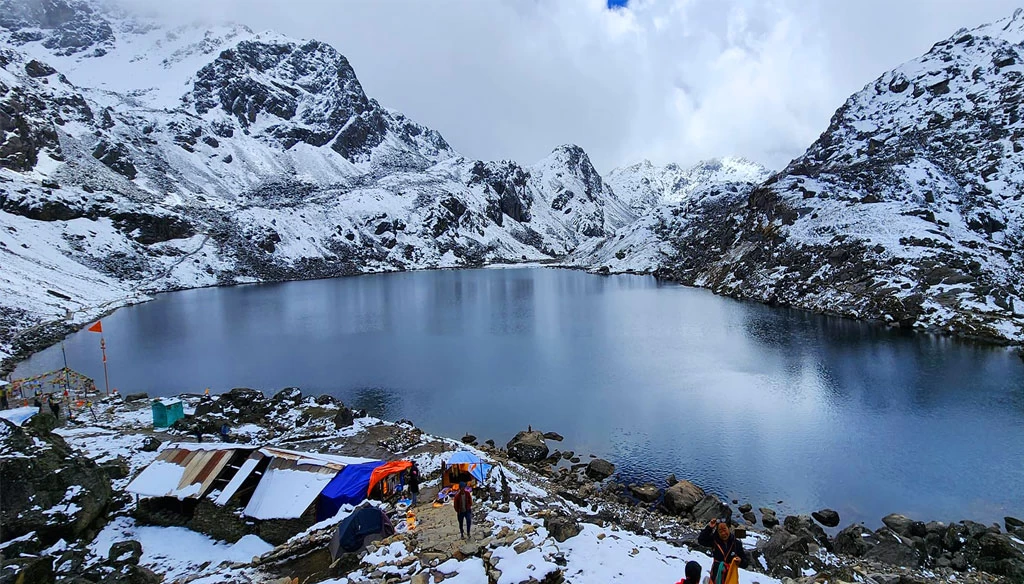
While many people celebrate this festival at local temples, the most special place to mark it is Gosainkunda, a holy lake at 4,380 meters in the Langtang region. Hindu mythology says this lake was created by Lord Shiva when he struck his trident into the mountain to bring water. Thousands of pilgrims trek here every year to take a holy dip and wash away their sins.
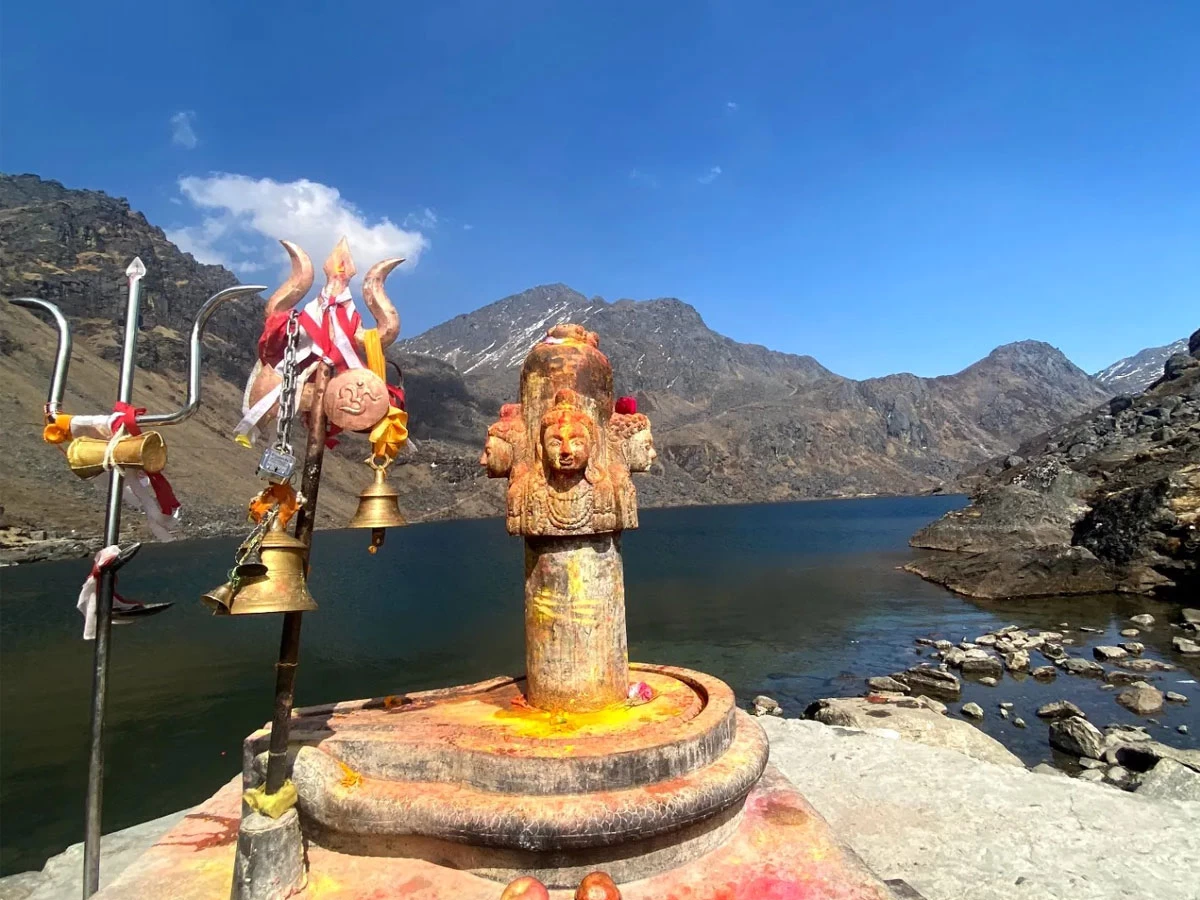
For trekkers, this is also a chance to see a side of Nepal that few tourists get to witness. You walk the same trail as generations of pilgrims before you, surrounded by snow peaks, prayer flags, and deep mountain silence.
The full trek usually takes about 7 to 9 days, depending on your route and pace. It is a moderate to challenging trek because of the high altitude, so a bit of fitness and proper acclimatization are important. Most trekkers combine the Gosainkunda lake with a visit to nearby lakes like Saraswatikunda and Bhairavkunda, since all are considered holy.
What is Janai Purnima?
Janai Purnima is a Hindu festival of purification and renewal. On this day, Brahmin and Chhetri men change their sacred thread, called the Janai, which they wear across the chest. Priests chant mantras and tie protective threads around people's wrists. It is also celebrated as Raksha Bandhan, when sisters tie a thread on their brothers' wrists as a symbol of love and protection.While many people celebrate this festival at local temples, the most special place to mark it is Gosainkunda, a holy lake at 4,380 meters in the Langtang region. Hindu mythology says this lake was created by Lord Shiva when he struck his trident into the mountain to bring water. Thousands of pilgrims trek here every year to take a holy dip and wash away their sins.
Why Trek to Gosainkunda for This Festival?
Trekking to Gosainkunda any time of year is a wonderful experience. But doing it during Janai Purnima adds something extra. The trail comes alive with pilgrims, sadhus (holy men), and families walking together in devotion. You will see people bathing in the icy lake, priests performing rituals, and small tea houses along the way filled with the smell of incense and the sound of prayers. It is not just a trek. It is a living festival in the mountains.For trekkers, this is also a chance to see a side of Nepal that few tourists get to witness. You walk the same trail as generations of pilgrims before you, surrounded by snow peaks, prayer flags, and deep mountain silence.
The Trek Route
The Gosainkunda trek usually starts from Sundarijal or Dhunche, both a few hours' drive from Kathmandu. From there, the trail passes through green forests, small Tamang villages, and rhododendron woods before climbing above the tree line. Popular stops along the way include Chisapani, Kutumsang, and Laurebina, before finally reaching the holy lake.The full trek usually takes about 7 to 9 days, depending on your route and pace. It is a moderate to challenging trek because of the high altitude, so a bit of fitness and proper acclimatization are important. Most trekkers combine the Gosainkunda lake with a visit to nearby lakes like Saraswatikunda and Bhairavkunda, since all are considered holy.
Best Time to Go
The days around Janai Purnima in August fall during the monsoon season, so trails can be wet and misty. Many pilgrims still make the journey because of the religious importance of the date. If you prefer clearer skies and drier trails, autumn (September to November) and spring (March to May) are also excellent times to trek to Gosainkunda, though you will miss the festival crowd.Simple Tips for Trekkers
- Start early each day to avoid afternoon rain and to reach tea houses before dark.
- Carry good rain gear and warm layers, since weather in the mountains changes fast.
- Walk slowly and drink plenty of water to help your body adjust to the altitude.
- Book your tea house stays or guide in advance if you are trekking during the festival, since trails get busy.
- Respect local customs. This is a sacred pilgrimage for many, so be mindful around temples and rituals.
A Trek Worth Remembering
The Gosainkunda trek during Janai Purnima is more than just a hike. It is a chance to walk alongside pilgrims, breathe in mountain air, and witness centuries-old traditions still alive today. Whether you come for the trek, the culture, or the spiritual meaning, you will leave with memories that stay with you long after you're back home.Ready to Experience It Yourself?
If you are planning to be in Nepal this August, do not miss this journey. Trekkers Nepal can help you plan a safe, well-guided Gosainkunda trek in time for Janai Purnima, complete with experienced local guides, comfortable stays, and a route built around your fitness level. Get in touch with Trekkers Nepal today and book your spot on one of Nepal's most meaningful mountain journeys.
0 Replies
·
10 views

Hi, dear adventure explorers, there are many activities in Dubai. One of the best and top-level adventures is the Desert Dune Buggy Dubai. We are offering off-roading adventures in Dubai such as, Can-am off-road, Polaris rzr, Quadbike, and dune bashing in jeep.
millions of people visit Dubai every year. They ride buggies and do
many more activities.

millions of people visit Dubai every year. They ride buggies and do
many more activities.
2 Replies
·
1726 views

Hi everyone!
Just wanted to drop a quick intro since I’ve been reading the forums for a bit.
I caught the travel bug a few years ago when I was living in the UK as an international student. I think I spent more of my student loan on train tickets exploring the country than I did on textbooks!
Nowadays, I work remotely/freelance, which allows me to keep traveling. I still have a huge soft spot for the UK and find myself going back quite often to visit friends in various university towns (and to get my fix of Fish & Chips).
I love finding hidden gems, figuring out public transport in new cities, and finding ways to travel on a reasonable budget.
Looking forward to swapping tips with you all!
Cheers!
Just wanted to drop a quick intro since I’ve been reading the forums for a bit.
I caught the travel bug a few years ago when I was living in the UK as an international student. I think I spent more of my student loan on train tickets exploring the country than I did on textbooks!
Nowadays, I work remotely/freelance, which allows me to keep traveling. I still have a huge soft spot for the UK and find myself going back quite often to visit friends in various university towns (and to get my fix of Fish & Chips).
I love finding hidden gems, figuring out public transport in new cities, and finding ways to travel on a reasonable budget.
Looking forward to swapping tips with you all!
Cheers!
1 Replies
·
476 views

Hi everyone,
My name is Aisha. I’m a new member here from Zanzibar, Tanzania. I have experience in tourism and I enjoy sharing knowledge about our island’s culture, history, and daily life.
Excited to be part of this forum and contribute where I can.
My name is Aisha. I’m a new member here from Zanzibar, Tanzania. I have experience in tourism and I enjoy sharing knowledge about our island’s culture, history, and daily life.
Excited to be part of this forum and contribute where I can.
1 Replies
·
475 views

Hey everyone,
I’m SV Reddy, a travel enthusiast who enjoys exploring new destinations and sharing travel tips. I have some experience with visa processes and trip planning, so I like helping make travel simpler for others. Interested in short international trips, easy visa destinations, and travel planning. Happy to be here and looking forward to learning and sharing! Cheers!
I’m SV Reddy, a travel enthusiast who enjoys exploring new destinations and sharing travel tips. I have some experience with visa processes and trip planning, so I like helping make travel simpler for others. Interested in short international trips, easy visa destinations, and travel planning. Happy to be here and looking forward to learning and sharing! Cheers!
1 Replies
·
622 views
Hello, everyone!
I am happypuppetgal.
I am happypuppetgal.
1 Replies
·
501 views
