

Trekkers Nepal
New Member
Nepal is full of festivals, but few mix nature and faith as beautifully as Janai Purnima at Gosainkunda. Every year, on the full moon day of the Nepali month of Shrawan, thousands of pilgrims and trekkers walk high into the Langtang region to reach a sacred alpine lake. In 2026, Janai Purnima falls on Friday, August 28. If you want to see Nepal at its most spiritual, this is the trek to do.
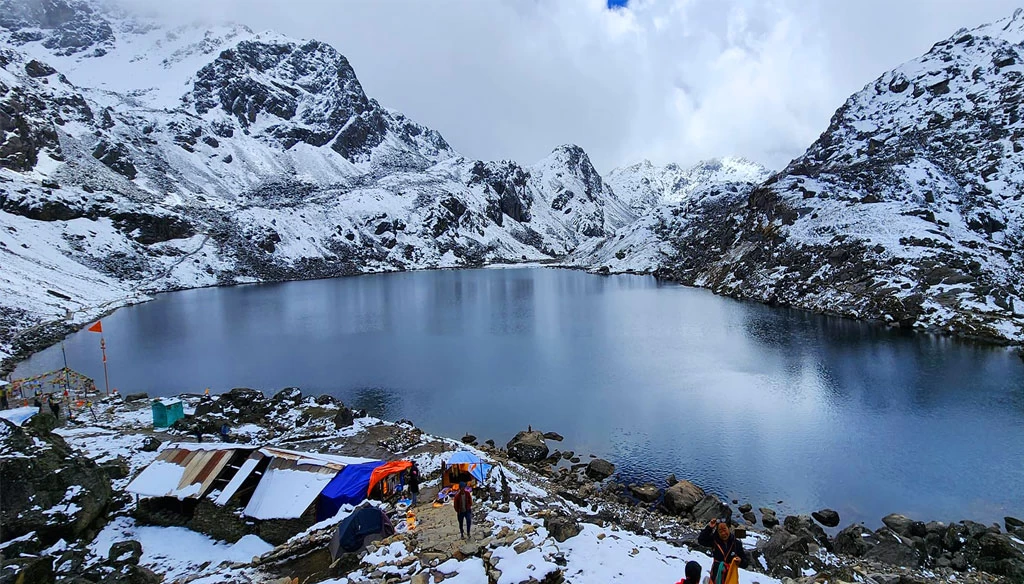
While many people celebrate this festival at local temples, the most special place to mark it is Gosainkunda, a holy lake at 4,380 meters in the Langtang region. Hindu mythology says this lake was created by Lord Shiva when he struck his trident into the mountain to bring water. Thousands of pilgrims trek here every year to take a holy dip and wash away their sins.
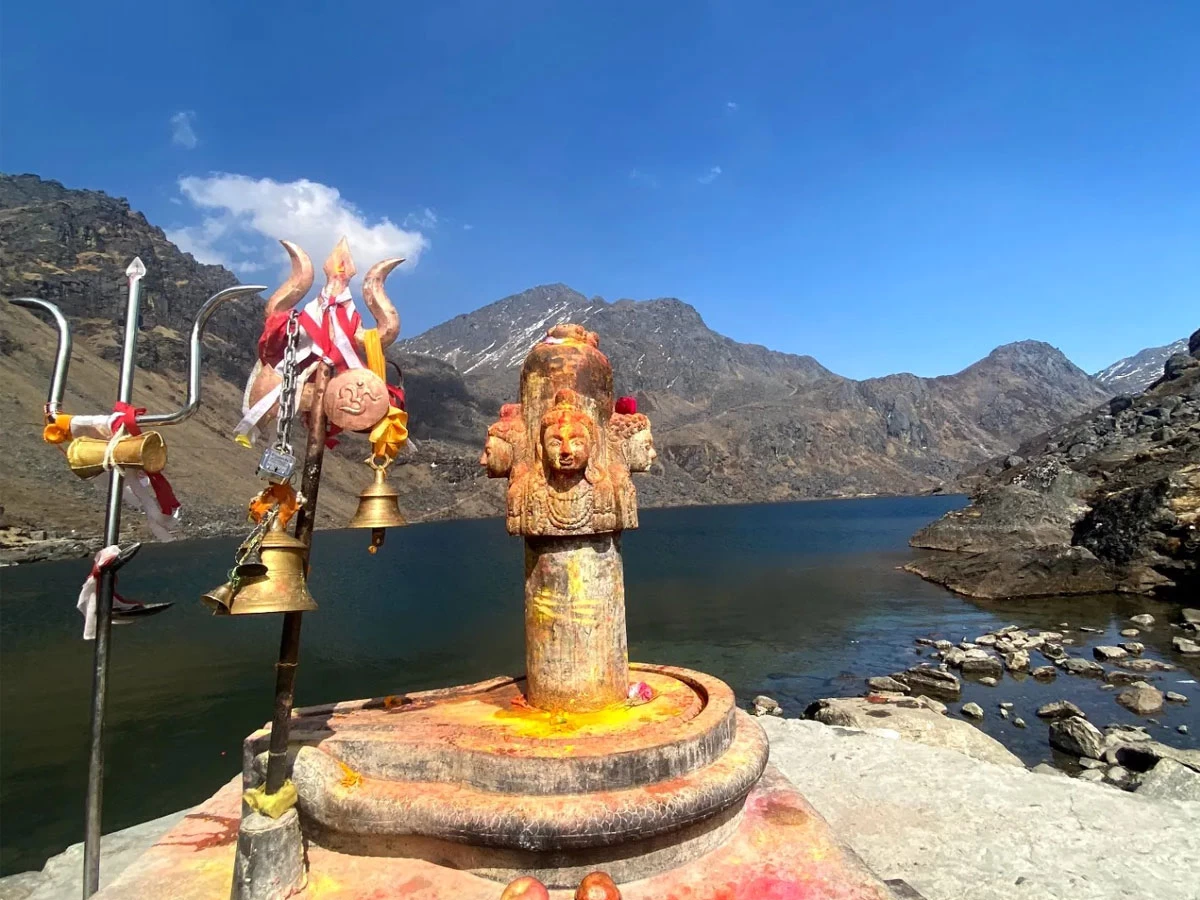
For trekkers, this is also a chance to see a side of Nepal that few tourists get to witness. You walk the same trail as generations of pilgrims before you, surrounded by snow peaks, prayer flags, and deep mountain silence.
The full trek usually takes about 7 to 9 days, depending on your route and pace. It is a moderate to challenging trek because of the high altitude, so a bit of fitness and proper acclimatization are important. Most trekkers combine the Gosainkunda lake with a visit to nearby lakes like Saraswatikunda and Bhairavkunda, since all are considered holy.
What is Janai Purnima?
Janai Purnima is a Hindu festival of purification and renewal. On this day, Brahmin and Chhetri men change their sacred thread, called the Janai, which they wear across the chest. Priests chant mantras and tie protective threads around people's wrists. It is also celebrated as Raksha Bandhan, when sisters tie a thread on their brothers' wrists as a symbol of love and protection.While many people celebrate this festival at local temples, the most special place to mark it is Gosainkunda, a holy lake at 4,380 meters in the Langtang region. Hindu mythology says this lake was created by Lord Shiva when he struck his trident into the mountain to bring water. Thousands of pilgrims trek here every year to take a holy dip and wash away their sins.
Why Trek to Gosainkunda for This Festival?
Trekking to Gosainkunda any time of year is a wonderful experience. But doing it during Janai Purnima adds something extra. The trail comes alive with pilgrims, sadhus (holy men), and families walking together in devotion. You will see people bathing in the icy lake, priests performing rituals, and small tea houses along the way filled with the smell of incense and the sound of prayers. It is not just a trek. It is a living festival in the mountains.For trekkers, this is also a chance to see a side of Nepal that few tourists get to witness. You walk the same trail as generations of pilgrims before you, surrounded by snow peaks, prayer flags, and deep mountain silence.
The Trek Route
The Gosainkunda trek usually starts from Sundarijal or Dhunche, both a few hours' drive from Kathmandu. From there, the trail passes through green forests, small Tamang villages, and rhododendron woods before climbing above the tree line. Popular stops along the way include Chisapani, Kutumsang, and Laurebina, before finally reaching the holy lake.The full trek usually takes about 7 to 9 days, depending on your route and pace. It is a moderate to challenging trek because of the high altitude, so a bit of fitness and proper acclimatization are important. Most trekkers combine the Gosainkunda lake with a visit to nearby lakes like Saraswatikunda and Bhairavkunda, since all are considered holy.
Best Time to Go
The days around Janai Purnima in August fall during the monsoon season, so trails can be wet and misty. Many pilgrims still make the journey because of the religious importance of the date. If you prefer clearer skies and drier trails, autumn (September to November) and spring (March to May) are also excellent times to trek to Gosainkunda, though you will miss the festival crowd.Simple Tips for Trekkers
- Start early each day to avoid afternoon rain and to reach tea houses before dark.
- Carry good rain gear and warm layers, since weather in the mountains changes fast.
- Walk slowly and drink plenty of water to help your body adjust to the altitude.
- Book your tea house stays or guide in advance if you are trekking during the festival, since trails get busy.
- Respect local customs. This is a sacred pilgrimage for many, so be mindful around temples and rituals.