
forum4travel

Malta, with its rich history, vibrant culture, and stunning landscapes, is a travel destination that captivates visitors year-round. But what about January? Is it a good time to pack your bags and explore this Mediterranean gem? In this article, we'll dive into the intricacies of traveling to Malta during the winter month, considering weather conditions, cultural experiences, and practical tips.

January in Malta brings mild temperatures ranging from 10 to 16 degrees Celsius. While not as warm as the summer months, it provides a pleasant climate for outdoor activities.
B. Rainfall and Humidity
Expect occasional rainfall and higher humidity levels in January. However, the bursts of rain often give way to clear skies, adding a refreshing touch to the atmosphere.
One of the significant perks of traveling in January is the reduced tourist crowds. Popular attractions, usually bustling with visitors, become serene, allowing for a more immersive experience.
B. Potential Limitations
However, some establishments may have limited hours or even closures during the off-season. It's essential to plan ahead and be aware of potential restrictions.
January in Malta is not devoid of cultural vibrancy. Various festivals and events take place during this month, offering a glimpse into the local traditions and celebrations.
B. Local Traditions in January
Immerse yourself in the unique traditions of Malta in January, including the vibrant celebrations of St. Paul's Shipwreck and the Feast of the Conversion of St. Paul.
The off-peak season allows for more contemplative visits to historical sites like the ancient capital, Mdina, and the megalithic temples of Ħaġar Qim.
B. Water-Based Activities
While swimming might be off the table, January still provides an excellent opportunity for coastal walks and exploration of the island's stunning cliffs and shorelines.
Indulge in the seasonal delicacies that define Maltese cuisine in January. From hearty stews to traditional pastries, your taste buds are in for a treat.
B. Traditional Maltese Cuisine
Explore local markets and quaint eateries to savor the authentic flavors of Maltese dishes, adding a culinary dimension to your travel experience.
Traveling in January often comes with cost advantages. Accommodations, flights, and activities may offer discounted rates, making Malta an attractive option for budget-conscious travelers.
B. Cost-Effectiveness
While some establishments may have reduced services, the overall cost-effectiveness of a January trip to Malta can outweigh potential limitations.
Check the availability and rates of accommodations in January. While some hotels may have reduced services, others offer unique stay experiences, such as cozy boutique hotels and charming bed-and-breakfasts.
B. Unique Stay Experiences
Consider alternative accommodation options for a more personalized and memorable stay, adding a touch of authenticity to your Malta experience.
Pack layers, a waterproof jacket, and comfortable shoes for exploring. Consider a guidebook to navigate potential closures and off-the-beaten-path gems.
B. Cultural Etiquettes
Respect local customs and traditions. Engage with the community and embrace the slower pace of the off-season for a richer travel experience.
January travel to Malta offers a unique blend of cultural experiences, reduced crowds, and cost-effectiveness.
B. Acknowledgment of Limitations
While the off-season brings its charm, some limitations, such as potential closures and reduced services, should be considered in your travel plans.
- Overview of Malta
- The Appeal of January Travel
Weather in Malta in January
A. Temperature VariationsJanuary in Malta brings mild temperatures ranging from 10 to 16 degrees Celsius. While not as warm as the summer months, it provides a pleasant climate for outdoor activities.
B. Rainfall and Humidity
Expect occasional rainfall and higher humidity levels in January. However, the bursts of rain often give way to clear skies, adding a refreshing touch to the atmosphere.
Tourist Crowds
A. Off-Peak AdvantagesOne of the significant perks of traveling in January is the reduced tourist crowds. Popular attractions, usually bustling with visitors, become serene, allowing for a more immersive experience.
B. Potential Limitations
However, some establishments may have limited hours or even closures during the off-season. It's essential to plan ahead and be aware of potential restrictions.
Cultural and Festive Atmosphere
A. Celebrations and EventsJanuary in Malta is not devoid of cultural vibrancy. Various festivals and events take place during this month, offering a glimpse into the local traditions and celebrations.
B. Local Traditions in January
Immerse yourself in the unique traditions of Malta in January, including the vibrant celebrations of St. Paul's Shipwreck and the Feast of the Conversion of St. Paul.
Outdoor Activities
A. Exploring Historical SitesThe off-peak season allows for more contemplative visits to historical sites like the ancient capital, Mdina, and the megalithic temples of Ħaġar Qim.
B. Water-Based Activities
While swimming might be off the table, January still provides an excellent opportunity for coastal walks and exploration of the island's stunning cliffs and shorelines.
Culinary Experiences
A. Seasonal DelicaciesIndulge in the seasonal delicacies that define Maltese cuisine in January. From hearty stews to traditional pastries, your taste buds are in for a treat.
B. Traditional Maltese Cuisine
Explore local markets and quaint eateries to savor the authentic flavors of Maltese dishes, adding a culinary dimension to your travel experience.
Budget Considerations
A. Off-Season DiscountsTraveling in January often comes with cost advantages. Accommodations, flights, and activities may offer discounted rates, making Malta an attractive option for budget-conscious travelers.
B. Cost-Effectiveness
While some establishments may have reduced services, the overall cost-effectiveness of a January trip to Malta can outweigh potential limitations.
Accommodation Options
A. Availability and RatesCheck the availability and rates of accommodations in January. While some hotels may have reduced services, others offer unique stay experiences, such as cozy boutique hotels and charming bed-and-breakfasts.
B. Unique Stay Experiences
Consider alternative accommodation options for a more personalized and memorable stay, adding a touch of authenticity to your Malta experience.
Travel Tips for January
A. Packing EssentialsPack layers, a waterproof jacket, and comfortable shoes for exploring. Consider a guidebook to navigate potential closures and off-the-beaten-path gems.
B. Cultural Etiquettes
Respect local customs and traditions. Engage with the community and embrace the slower pace of the off-season for a richer travel experience.
Pros and Cons Summary
A. Recap of AdvantagesJanuary travel to Malta offers a unique blend of cultural experiences, reduced crowds, and cost-effectiveness.
B. Acknowledgment of Limitations
While the off-season brings its charm, some limitations, such as potential closures and reduced services, should be considered in your travel plans.
Conclusion
In conclusion, traveling to Malta in January presents a fantastic opportunity for those seeking a quieter, more authentic experience. Embrace the cultural festivities, explore historical sites, and savor the unique flavors of Maltese cuisine. While some limitations exist, the benefits of reduced crowds and cost-effectiveness make January a viable and enticing time to visit this Mediterranean jewel.
1 Replies
·
1032 views

A 3-day trip to Puri from Delhi costs approximately ₹5,999 to ₹11,999 per person when you choose to fly. Because a 3-day window is short, flying is the best travel choice.
If you prefer booking an agency bundle, operators via platforms like MyPuriTour or Puri Tourism offer multi-day land packages starting around ₹5,999 to ₹11,999 per person, excluding the main Delhi-Bhubaneswar flights or trains. I recently planned a short Puri trip cost from Delhi, and one thing I quickly realized was that a three-day trip sounds simple but needs careful planning. With limited time, I wanted to see the important attractions, visit the Jagannath Temple without rushing, enjoy some local food, and still have enough time to relax. Here is what my experience looked like, what I spent, and how I would plan the same trip differently next time.
The biggest advantage was time. Instead of spending most of my holiday traveling by train, I could reach Odisha quickly and use more of my three days exploring Puri.For travelers with more time, trains can still be an economical choice. But for a compact 3-day Puri trip from Delhi, I would personally prioritize convenience.
A realistic estimate for a short Puri trip is:
These prices can change depending on the season, hotel category, travel dates, and how early I booked. For travelers looking for a more organized option, a Puri tour package can make budgeting easier because accommodation, local transfers, and sightseeing may be combined into one package. That was one reason I considered MyPuriTour while planning. Having the local arrangements handled in advance meant I did not have to spend valuable holiday time negotiating transportation or deciding where to go next.
One of my favorite things about Puri was that I did not need an elaborate plan to enjoy the city. Even a simple evening walk around the beach and local market areas felt worthwhile. If you arrive early enough, you can also include a short sightseeing stop in Bhubaneswar before continuing to Puri. However, I would avoid making the first day too hectic after a flight from Delhi.
This was also the day when I appreciated having a planned local itinerary. Instead of repeatedly searching for transportation, I could focus on the places I actually wanted to see. If you are traveling with family or older travelers, I would strongly recommend keeping some flexibility in the schedule. Puri can become busy, particularly around major religious occasions and peak travel periods.
But there is also more responsibility. You have to arrange airport transfers, find a suitable hotel, plan local sightseeing, organize transportation, and keep track of timings. For a first-time visitor coming from Delhi, I found a package more convenient because the major local arrangements could be planned together. A company such as MyPuriTour can be useful for travelers who want a structured itinerary rather than spending time arranging every part of the trip themselves. I would especially consider this option for families, couples, senior travelers, or anyone visiting Puri for the first time.
For a 3-day Puri trip from Delhi, I would choose a flight if my budget allowed it, reserve a conveniently located hotel, keep the Jagannath Temple as a major priority, and organize local transportation before arriving. A realistic starting budget is around ₹5,999–₹11,999 per person for the main travel/package component, while the final cost depends on flights, hotel category, food, sightseeing, and transportation. For travelers who do not want to handle every arrangement themselves, MyPuriTour can make the planning process simpler by bringing the key local travel arrangements together. Most importantly, I would not try to turn three days into a race. Puri is a destination I enjoyed more when I slowed down, experienced the temple and beach at my own pace, and left some room for unexpected moments.That, for me, was what made the journey from Delhi to Puri feel like a real travel experience rather than just another short trip.
If you prefer booking an agency bundle, operators via platforms like MyPuriTour or Puri Tourism offer multi-day land packages starting around ₹5,999 to ₹11,999 per person, excluding the main Delhi-Bhubaneswar flights or trains. I recently planned a short Puri trip cost from Delhi, and one thing I quickly realized was that a three-day trip sounds simple but needs careful planning. With limited time, I wanted to see the important attractions, visit the Jagannath Temple without rushing, enjoy some local food, and still have enough time to relax. Here is what my experience looked like, what I spent, and how I would plan the same trip differently next time.
Why I Chose a 3-Day Puri Trip from Delhi
Puri had been on my travel list for quite some time. Coming from Delhi, however, I knew that transportation would take a significant part of my trip. For a short holiday, I found flying to Bhubaneswar much more convenient. From Bhubaneswar Airport, Puri is roughly a 1.5- to 2-hour road journey, depending on traffic and the type of transport I chose.The biggest advantage was time. Instead of spending most of my holiday traveling by train, I could reach Odisha quickly and use more of my three days exploring Puri.For travelers with more time, trains can still be an economical choice. But for a compact 3-day Puri trip from Delhi, I would personally prioritize convenience.
How Much Does a Puri Trip from Delhi Really Cost?
My overall budget was mainly influenced by transportation, accommodation, food, local travel, and activities. Careful planning and choosing budget-friendly options helped keep the trip affordable while still allowing me to enjoy the destination comfortably.A realistic estimate for a short Puri trip is:
| Expense | Approximate Cost Per Person |
|---|---|
| Delhi–Bhubaneswar flight | ₹5,999–₹11,999 |
| Bhubaneswar–Puri transport | ₹500–₹1,500 |
| Hotel | ₹1,000–₹3,000 per night |
| Food | ₹500–₹1,200 per day |
| Local sightseeing | ₹500–₹1,500 per day |
| Miscellaneous expenses | ₹500–₹1,000 |
Day 1: Delhi to Bhubaneswar and Then Puri
I started my journey from Delhi with a flight to Bhubaneswar. After arriving at the airport, I headed toward Puri by road. The journey itself felt like the beginning of the Odisha experience. Once I reached Puri and checked into my hotel, I did not try to squeeze too many attractions into the first day.Instead, I kept the evening relaxed. I walked around the area near the beach, explored the local streets, and spent some time enjoying the atmosphere around Puri.One of my favorite things about Puri was that I did not need an elaborate plan to enjoy the city. Even a simple evening walk around the beach and local market areas felt worthwhile. If you arrive early enough, you can also include a short sightseeing stop in Bhubaneswar before continuing to Puri. However, I would avoid making the first day too hectic after a flight from Delhi.
Day 2: Jagannath Temple and Exploring Puri
I kept the second day mainly for the Jagannath Temple and Puri's important local attractions. For me, the temple visit was the central experience of the trip. I planned my morning around it rather than trying to fit the temple between other sightseeing stops. I also learned that visitors should check the latest temple rules and timings before visiting because access arrangements and crowd conditions can change. After the temple visit, I spent time exploring Puri's nearby attractions and enjoying local food.This was also the day when I appreciated having a planned local itinerary. Instead of repeatedly searching for transportation, I could focus on the places I actually wanted to see. If you are traveling with family or older travelers, I would strongly recommend keeping some flexibility in the schedule. Puri can become busy, particularly around major religious occasions and peak travel periods.
Day 3: Beach, Local Experiences and Return Journey
I kept my final morning relatively relaxed. I returned to the beach, had breakfast, and spent some time picking up souvenirs before preparing for the journey back toward Bhubaneswar. If your return flight from Bhubaneswar is scheduled later in the day, you can use the remaining time for a few Bhubaneswar attractions. However, I would leave enough buffer time for the drive from Puri to the airport. I would rather arrive at the airport early than turn the final day of the trip into a stressful race against time.What I Learned About Planning a Puri Trip from Delhi
The biggest lesson from my trip was that time management matters more than trying to see everything. A well-planned itinerary helped me enjoy each place without feeling rushed. Instead of covering too many attractions, I focused on a few meaningful experiences, leaving enough time to relax, explore and truly enjoy Puri.- Day 1 – Travel and settle in: Reach Puri, check into the hotel, and enjoy a relaxed evening.
- Day 2 – Temple and sightseeing: Keep the Jagannath Temple as the main priority and explore other attractions afterward.
- Day 3 – Relax and return: Enjoy the beach or nearby attractions before heading back to Bhubaneswar.
Should You Book a Puri Tour Package or Plan Everything Yourself?
Before my trip, I compared the DIY approach with a Puri tour package. Planning everything independently can give you more freedom. You can choose your own hotel, transportation, sightseeing schedule, and restaurants.But there is also more responsibility. You have to arrange airport transfers, find a suitable hotel, plan local sightseeing, organize transportation, and keep track of timings. For a first-time visitor coming from Delhi, I found a package more convenient because the major local arrangements could be planned together. A company such as MyPuriTour can be useful for travelers who want a structured itinerary rather than spending time arranging every part of the trip themselves. I would especially consider this option for families, couples, senior travelers, or anyone visiting Puri for the first time.
How I Would Save Money on a Puri Trip
I did not try to make my trip as cheap as possible. Instead, I focused on spending money where it genuinely improved the experience. I preferred comfortable accommodation, convenient transportation, and enjoyable meals while still avoiding unnecessary expenses. For me, the goal was to maintain a balance between affordability, comfort, and meaningful travel experiences. Here are the things I would recommend:Book Flights Early
Flights between Delhi and Bhubaneswar can become more expensive as the travel date approaches. Booking your flight early usually gives you better choices, more convenient timings, and a better chance of finding affordable fares. Planning ahead can also make it easier to manage your overall travel budget without compromising your preferred schedule.Choose a Convenient Hotel
For a short Puri trip, I would not choose a hotel simply because it offers the lowest price. Location matters, especially when you have only three days. Staying near the beach, temple, or main attractions can reduce travel time and make sightseeing more convenient. It can also help lower local transportation expenses. I found that paying slightly more for a well-located hotel can be worthwhile when you want to make the most of a short trip.Plan Local Transportation in Advance
The biggest lesson from my trip was that time management matters more than trying to see everything. Planning each day realistically helped me enjoy the journey without feeling rushed. I learned that leaving some free time for relaxation, unexpected discoveries, and local experiences can make a trip more enjoyable and memorable.Avoid Overplanning
This may sound surprising, but trying to visit too many places can actually increase your expenses. More destinations mean more transportation, more entry fees where applicable, and less time enjoying each place. For a three-day trip, I found that a focused itinerary worked much better.My Approximate 3-Day Budget
For someone following a similar travel style, I would keep a reasonable budget of around ₹12,000–₹20,000 per person, including flights, accommodation, food, local transportation, and basic sightseeing. A budget traveler who books carefully can spend less, while travelers choosing better hotels, private transportation, or more expensive flights may spend considerably more. If you choose a package, compare exactly what is included before booking. A package price may cover hotels and local sightseeing but exclude your Delhi-to-Bhubaneswar transportation. That distinction is important when calculating the actual Puri trip cost from Delhi.Is 3 Days Enough for Puri?
For my experience, three days is enough for a short introduction to Puri, but it is not enough to explore every nearby destination at a relaxed pace. If your main goals are the Jagannath Temple, Puri Beach, local markets, food, and a few nearby attractions, three days can work well. If you also want to explore Bhubaneswar, Konark, Chilika, and other destinations, I would recommend adding another day or two. The extra time makes a big difference because you will not have to rush from one attraction to another. My Puri trip from Delhi taught me that a short holiday can still be meaningful if you plan around your priorities.For a 3-day Puri trip from Delhi, I would choose a flight if my budget allowed it, reserve a conveniently located hotel, keep the Jagannath Temple as a major priority, and organize local transportation before arriving. A realistic starting budget is around ₹5,999–₹11,999 per person for the main travel/package component, while the final cost depends on flights, hotel category, food, sightseeing, and transportation. For travelers who do not want to handle every arrangement themselves, MyPuriTour can make the planning process simpler by bringing the key local travel arrangements together. Most importantly, I would not try to turn three days into a race. Puri is a destination I enjoyed more when I slowed down, experienced the temple and beach at my own pace, and left some room for unexpected moments.That, for me, was what made the journey from Delhi to Puri feel like a real travel experience rather than just another short trip.
0 Replies
·
2 views

Nepal Mountain Guide Team
Nepal Planet Treks & Expeditions welcomes you to Nepal the country of the Himalayas, started in 2014 Nepal Planet Treks & Expeditions is one the new and innovated agencies in Nepal. Our Managing Director/Trekking Guide Mr. Sanjib Adhikari has over 18 years of trekking experience and always looks for the newest and unexplored routes to increase your trekking experience. Offering all activities such as; trekking, touring, mountaineering, adventure sports, volunteering, paragliding, jungle safaris, mountain flights and many more Nepal Planet Treks & Expeditions promises you a lifetime of memories on a single trip!
0 Replies
·
13 views
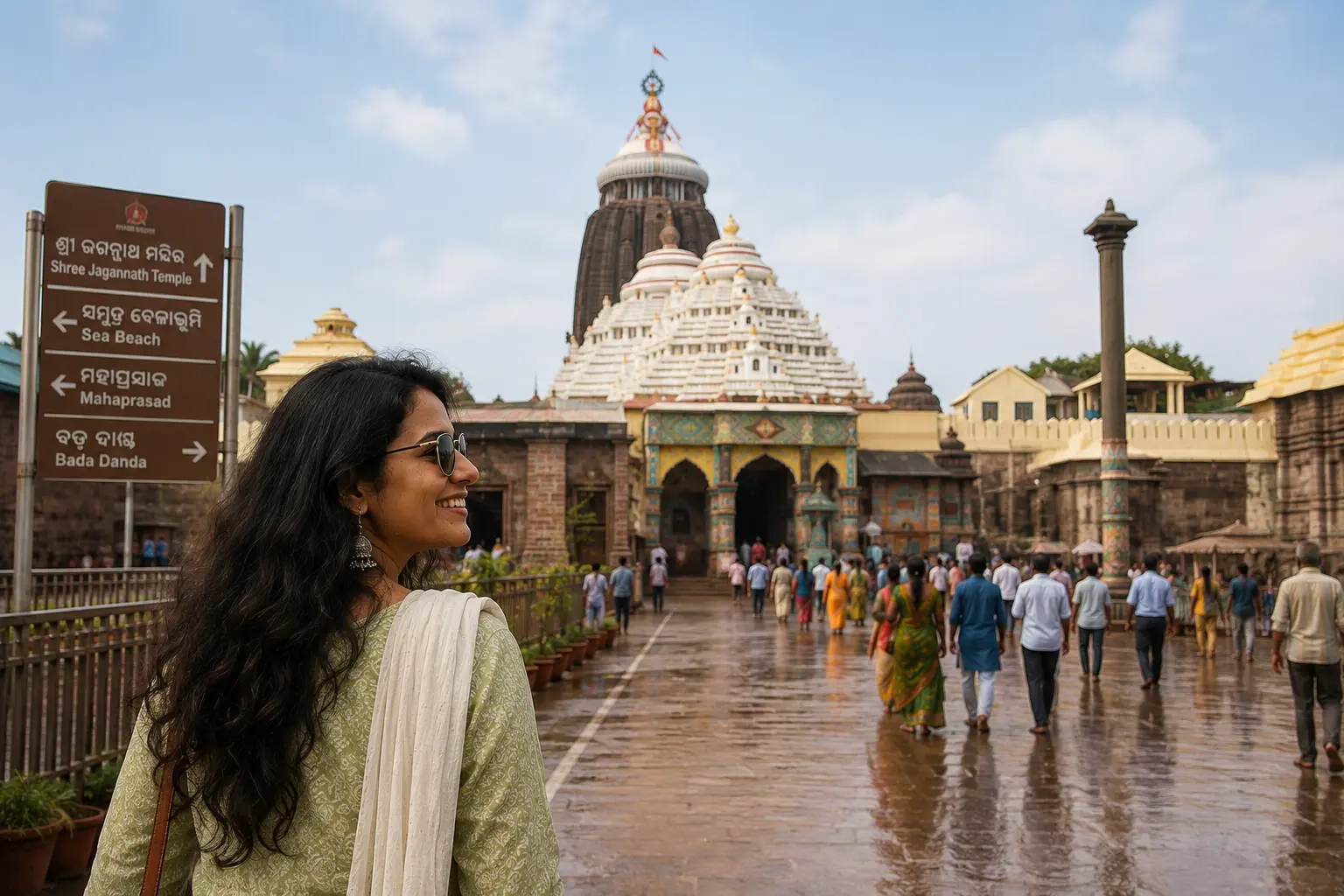
When people think of Jagannath Puri, Odisha, it is often one of the first places that comes to mind. Known for the sacred Jagannath Temple, grand Rath Yatra, Mahaprasad, and centuries-old traditions, Jagannath Puri Odisha is much more than a pilgrimage destination. It is a city where religion, history, art, food, architecture, and community traditions have developed together over generations.
But why does Jagannath Puri hold such a powerful place in Odisha’s history and culture? The answer lies in the deep connection between Lord Jagannath and the cultural identity of Odisha, along with Puri’s role as a major spiritual center. Through changing times, the city has continued to preserve its unique traditions, making Jagannath Puri Odisha an important destination for devotees, history enthusiasts, and travelers alike.
For a deeper look at Puri’s place among India’s sacred pilgrimage sites, explore: Why Is Jagannath Puri Considered One of the Char Dham?
Jagannath Puri holds a special place in Odisha’s history because its significance extends far beyond the Jagannath Temple. Its centuries-old traditions, Rath Yatra, Mahaprasad, royal heritage, art, and pilgrimage culture have all contributed to shaping Odisha’s spiritual and cultural identity. Even today, these traditions continue to connect the past with everyday life.
For travelers planning to explore Puri, understanding its history can make the journey even more meaningful. MyPuriTour can also be a useful resource for discovering Puri’s important attractions, temple traditions, and travel experiences. Ultimately, Jagannath Puri is not simply a historic destination—it is a living cultural heritage where faith, history, and tradition continue to thrive.
But why does Jagannath Puri hold such a powerful place in Odisha’s history and culture? The answer lies in the deep connection between Lord Jagannath and the cultural identity of Odisha, along with Puri’s role as a major spiritual center. Through changing times, the city has continued to preserve its unique traditions, making Jagannath Puri Odisha an important destination for devotees, history enthusiasts, and travelers alike.
The Historical Roots of Jagannath Puri
Puri has been an important religious centre for centuries. At the heart of the city stands the Jagannath Temple, one of the most important temples associated with Lord Jagannath, along with Lord Balabhadra and Devi Subhadra. The temple and its traditions have played an important role in the development of Puri as a major pilgrimage centre. Over time, the city attracted devotees from different parts of India, helping Puri develop a distinctive religious and cultural character. While many stories surrounding Lord Jagannath come from religious traditions and legends, the historical development of the temple and Puri can also be studied through inscriptions, literature, architecture, and records associated with Odisha’s past.Lord Jagannath and Odisha’s Cultural Identity
One of the most important reasons for Puri’s historical significance is the relationship between Lord Jagannath and the identity of Odisha. Jagannath is not simply worshipped as a temple deity. The tradition surrounding Jagannath has influenced Odisha’s festivals, literature, music, art, food, and social customs. For generations, stories and traditions associated with Jagannath have been passed from one generation to another. This has made Puri an important centre for understanding Odisha’s cultural heritage. The city represents a living tradition rather than a heritage site that exists only in history books.The Jagannath Temple and Royal Tradition
The history of Puri is also closely connected with Odisha’s royal traditions. The Gajapati kings historically held an important ceremonial relationship with Lord Jagannath. One of the best-known traditions associated with the Rath Yatra is Chhera Pahara, in which the Gajapati Maharaja performs a symbolic act of sweeping the chariot. The tradition reflects the idea that even a king serves Lord Jagannath. This relationship between the deity and the royal institution helped strengthen Jagannath worship as an important part of Odisha’s political and cultural history.Rath Yatra: A Tradition That Connects People
The annual Rath Yatra is another major reason Puri holds such an important position in Odisha’s history. During the festival, the three deities—Lord Jagannath, Lord Balabhadra, and Devi Subhadra—travel in their magnificent chariots. The event brings together devotees, artisans, temple communities, visitors, and people from different backgrounds. Beyond its religious significance, Rath Yatra showcases Odisha’s traditions of woodwork, craftsmanship, music, rituals, and community participation. It has also helped introduce Puri’s cultural heritage to audiences across India and around the world.Mahaprasad and the Food Heritage of Puri
Food is another important part of Jagannath culture. The Mahaprasad of the Jagannath Temple is deeply connected with the religious traditions of Puri. The temple kitchen and its cooking practices represent a long-standing culinary tradition. Mahaprasad is not viewed simply as food but as a sacred offering connected with Lord Jagannath. For visitors, learning about this tradition provides another way to understand Puri’s culture. It shows how religious beliefs can influence everyday practices, food traditions, and community life.Puri’s Influence on Art and Culture
Jagannath Puri has also contributed significantly to Odisha’s artistic heritage. Jagannath traditions have influenced Odissi music, dance, literature, painting, handicrafts, and religious storytelling. The cultural landscape surrounding Puri demonstrates how spirituality and artistic expression can exist together. Festivals, temple rituals, traditional crafts, and devotional works have helped preserve this heritage over generations.Puri and the Char Dham Tradition
Puri’s importance extends beyond Odisha because it is traditionally recognised as one of the Char Dham pilgrimage destinations of India, along with Badrinath, Dwarka, and Rameswaram. This position has given Puri a wider place in India’s pilgrimage landscape. For centuries, pilgrims travelling from different regions have visited the city, creating cultural connections between Odisha and other parts of the country.For a deeper look at Puri’s place among India’s sacred pilgrimage sites, explore: Why Is Jagannath Puri Considered One of the Char Dham?
Why Jagannath Puri Still Matters Today?
What makes Jagannath Puri especially remarkable is that its history is still part of everyday life. Ancient rituals continue, festivals remain active, traditional foods are prepared, and cultural practices are passed down through generations. For travelers, visiting Puri is therefore more than seeing a famous temple. It can be an opportunity to understand how faith, history, tradition, art, and community life have shaped Odisha.Jagannath Puri holds a special place in Odisha’s history because its significance extends far beyond the Jagannath Temple. Its centuries-old traditions, Rath Yatra, Mahaprasad, royal heritage, art, and pilgrimage culture have all contributed to shaping Odisha’s spiritual and cultural identity. Even today, these traditions continue to connect the past with everyday life.
For travelers planning to explore Puri, understanding its history can make the journey even more meaningful. MyPuriTour can also be a useful resource for discovering Puri’s important attractions, temple traditions, and travel experiences. Ultimately, Jagannath Puri is not simply a historic destination—it is a living cultural heritage where faith, history, and tradition continue to thrive.
2 Replies
·
167 views

Hey everyone, I'm Ryan, hoping to get some advice from fellow travellers here. I have an early morning flight out of JFK next month, and I'm trying to figure out the smartest way to get there without the usual airport-run stress, traffic, rideshare surge pricing, or a driver cancelling last minute.
I've been looking into booking a Car Service to JFK Airport in advance instead of relying on a rideshare app on the day. From what I've read, pre-booking gives you a fixed price, a driver who tracks your flight in case it's delayed, and no waiting around for a car to accept your request during peak hours.
A few questions for anyone who's done this before:
I've been looking into booking a Car Service to JFK Airport in advance instead of relying on a rideshare app on the day. From what I've read, pre-booking gives you a fixed price, a driver who tracks your flight in case it's delayed, and no waiting around for a car to accept your request during peak hours.
A few questions for anyone who's done this before:
- Do you usually book directly with a local car service, or go through an app?
- Is it worth paying extra for a larger vehicle if you're travelling with a lot of luggage?
- Any tips on timing the pickup for early morning flights to avoid NYC traffic?
0 Replies
·
39 views

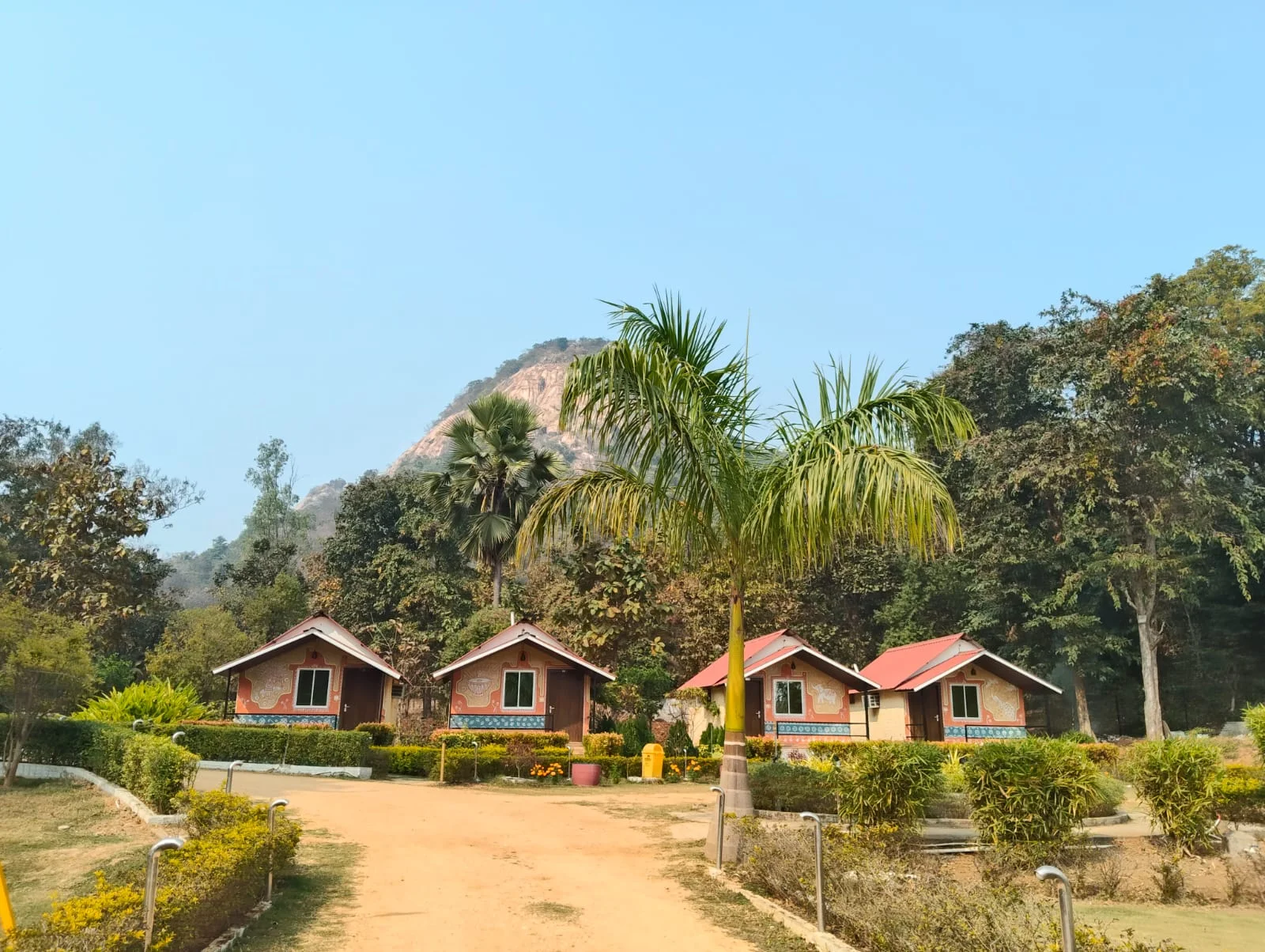
Planning a trip to Purulia and wondering where to stay? Palashgram Eco Resort offers a peaceful setting where you can relax, enjoy nature, and experience the beauty of Purulia.
Surrounded by greenery and close to the scenic attractions of the region, it can be a great choice for families, couples, and groups looking for a comfortable escape from the busy city.
If you're searching for the best place to stay in Purulia, Palashgram Eco Resort is definitely worth considering for a relaxing and memorable getaway.
Have you visited Purulia before? What was your favourite place to stay?
phone : +91-79808816312 \8100662251
Website : www.palashgramecoresort.com
Surrounded by greenery and close to the scenic attractions of the region, it can be a great choice for families, couples, and groups looking for a comfortable escape from the busy city.
If you're searching for the best place to stay in Purulia, Palashgram Eco Resort is definitely worth considering for a relaxing and memorable getaway.
Have you visited Purulia before? What was your favourite place to stay?
phone : +91-79808816312 \8100662251
Website : www.palashgramecoresort.com
0 Replies
·
31 views
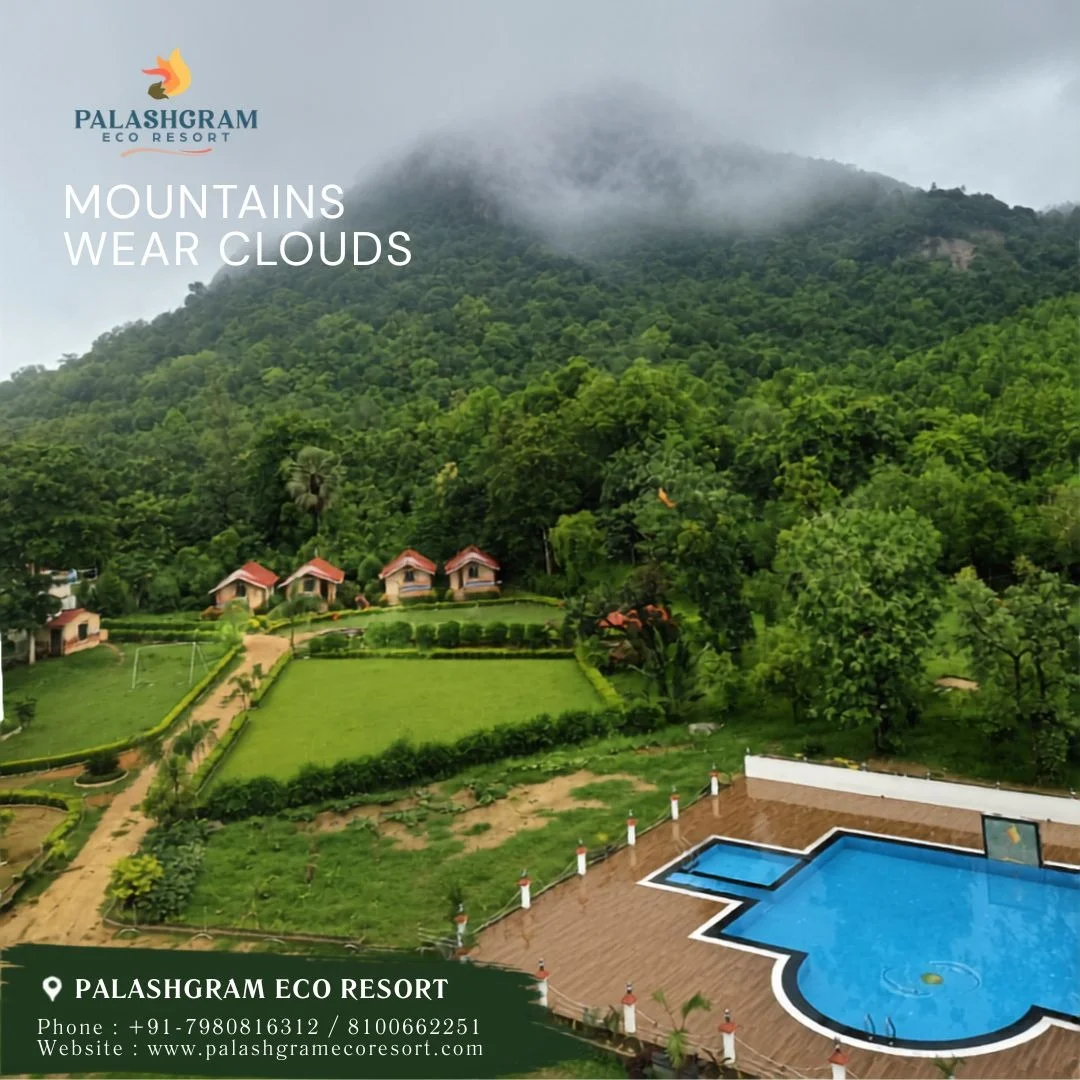
Looking for a peaceful getaway surrounded by nature? Palashgram Eco Resort is a wonderful choice for travellers planning a refreshing stay in Purulia.
Set amidst the natural beauty of Purulia, the resort offers a relaxing environment away from the busy city life. It’s a great place to enjoy the scenic landscapes, spend quality time with family or friends, and explore the beautiful attractions around Ajodhya Hills.
Set amidst the natural beauty of Purulia, the resort offers a relaxing environment away from the busy city life. It’s a great place to enjoy the scenic landscapes, spend quality time with family or friends, and explore the beautiful attractions around Ajodhya Hills.
0 Replies
·
29 views

Staff member
London is a city with a rich history and culture, and there are many things to see and do on a holiday. Some popular attractions include:
- The British Museum: One of the world's oldest and largest museums, it houses an extensive collection of artefacts from ancient civilizations.
- The Tower of London: A historic castle and prison that has served as a royal palace, treasury, and armoury.
- The Houses of Parliament and Big Ben: A iconic symbol of London, it is home to the UK's government.
- Buckingham Palace: The official residence of the British monarchy and the site of the Changing of the Guard ceremony.
- The London Eye: A giant Ferris wheel with incredible views of the city.
- The West End: London's theatre district, featuring some of the world's most famous theatres and productions.
- Camden Market: A popular destination for shopping and street food.
- St. Paul's Cathedral: A stunning baroque cathedral with a dome that offers panoramic views of the city.
- London Bridge: A historic bridge that spans the River Thames and offers great views of the river and the city.
- The Tate Modern: A contemporary art museum with an extensive collection of works by famous artists.
1 Replies
·
1253 views

India has something for every kind of honeymoon. Rajasthan is perfect for couples who love palaces and heritage, Kerala offers peaceful backwaters and lush landscapes, while Goa is ideal for beaches, sunsets, and a relaxed vibe. For mountain lovers, Kashmir and Himachal Pradesh are beautiful choices.
If you want a romantic trip with stays, sightseeing, and experiences planned together, you can explore honeymoon packages in India and choose an itinerary that fits your travel style and budget.
If you want a romantic trip with stays, sightseeing, and experiences planned together, you can explore honeymoon packages in India and choose an itinerary that fits your travel style and budget.
1 Replies
·
103 views

What is the Golden Triangle?
It's the circuit connecting Delhi, Agra, and Jaipur — each about 200–250 km apart, forming a rough triangle on the map. Delhi gives you Mughal and colonial history alongside modern city life, Agra is home to the Taj Mahal and Agra Fort, and Jaipur (the "Pink City") is known for its forts, palaces, and bazaars.
How long do you need?
What's usually included in a package?
Best time to go
October–March is peak season with pleasant weather, especially good for the Taj Mahal. April–June gets very hot (40°C+) but sees fewer crowds. July–September is monsoon — green scenery but occasional delays.
A common 5-day flow:
A few tips before you book
It's the circuit connecting Delhi, Agra, and Jaipur — each about 200–250 km apart, forming a rough triangle on the map. Delhi gives you Mughal and colonial history alongside modern city life, Agra is home to the Taj Mahal and Agra Fort, and Jaipur (the "Pink City") is known for its forts, palaces, and bazaars.
How long do you need?
- 4 days / 3 nights – fast-paced, highlights only
- 5 days / 4 nights – the most popular option, well balanced
- 6–7 days – room for day trips like Fatehpur Sikri or Chand Baori, plus a slower pace
What's usually included in a package?
- Private AC vehicle for the full circuit
- Hotels (budget through luxury tiers)
- English-speaking driver/guide
- Airport or station transfers
- Breakfast at hotels
Best time to go
October–March is peak season with pleasant weather, especially good for the Taj Mahal. April–June gets very hot (40°C+) but sees fewer crowds. July–September is monsoon — green scenery but occasional delays.
A common 5-day flow:
- Arrive Delhi – Humayun's Tomb, India Gate, Old Delhi
- Delhi to Agra – Agra Fort, Mehtab Bagh
- Sunrise at the Taj Mahal, then on to Jaipur (via Fatehpur Sikri)
- Jaipur – Amber Fort, City Palace, Hawa Mahal
- Return to Delhi
A few tips before you book
- Compare what's included, not just the headline offer
- Read recent reviews, not just star ratings
- Confirm vehicle AC if traveling in summer
- Ask about your guide's language and site expertise
- Check the cancellation policy before paying a deposit
0 Replies
·
52 views

If you have already completed a few demanding hikes or high-altitude treks in Nepal and are now deciding between the Manaslu Circuit Trek and Everest Base Camp Trek, you may be wondering which route offers the more rewarding challenge.
For experienced hikers, the answer is not simply about which trek is higher or harder. Manaslu Circuit Trek and Everest Base Camp (EBC) are very different Himalayan experiences. Everest Base Camp is more famous, more developed, and generally easier logistically. The Manaslu Circuit is quieter, more remote, culturally diverse, and physically demanding in a different way.
So, is Manaslu Circuit Trek a better alternative to Everest Base Camp for experienced hikers?
For many experienced trekkers, yes—Manaslu can be an excellent alternative to Everest Base Camp, particularly if you are looking for a quieter trail, rugged terrain, fewer trekkers, remote mountain villages, Tibetan-influenced culture, and the challenge of crossing Larkya La Pass.
However, if your main goal is to see Mount Everest up close, experience the famous Khumbu region, visit Everest Base Camp, or enjoy a highly developed trekking infrastructure, then Everest Base Camp remains the better choice.
Here is a detailed comparison to help experienced hikers decide.
The Everest Base Camp Trek takes you through the famous Khumbu region toward the base of Mount Everest. It passes through well-known Sherpa settlements such as Namche Bazaar and Tengboche and offers spectacular views of Everest, Ama Dablam, Lhotse, Nuptse and other Himalayan peaks.
The Manaslu Circuit Trek circles Mount Manaslu, the world's eighth-highest mountain at 8,163 meters. The route travels through remote valleys, traditional villages, Buddhist monasteries and high mountain landscapes before crossing the challenging Larkya La Pass.
In simple terms:
Everest Base Camp = iconic mountains, famous villages, established infrastructure and Everest.
Manaslu Circuit = remote trails, cultural immersion, wilderness, rugged terrain and Larkya La Pass.
For an experienced hiker who has already completed popular trekking routes, Manaslu can provide a stronger sense of adventure and exploration.
The answer depends on what you mean by "harder."
Everest Base Camp reaches a higher elevation if you include Kala Patthar. Kala Patthar is around 5,500 meters, while Larkya La Pass on the Manaslu Circuit is around 5,100 meters.
Therefore, simply comparing maximum altitude does not tell the whole story.
The Manaslu Circuit can feel more physically demanding because of:
This is why an experienced trekker may actually prefer the Manaslu Circuit.
The challenge is not necessarily that Manaslu takes you higher. Instead, the challenge comes from the combination of terrain, remoteness, endurance and the high mountain pass.
This is where Manaslu becomes particularly attractive.
Compared with Everest Base Camp, the Manaslu trail generally feels less crowded and less commercialized. The route passes through mountain communities where tourism has had a smaller impact than in some of Nepal's most famous trekking destinations.
For experienced hikers who enjoy solitude, this can make a major difference.
You are not simply walking from one famous trekking village to another. You are moving through changing landscapes, remote settlements, forests, river valleys and high-altitude terrain around one of Nepal's great mountains.
If your ideal trek involves waking up early, walking for several hours through quiet mountain scenery and seeing relatively few other trekkers, Manaslu Circuit Trek can be a better alternative to Everest Base Camp.
At approximately 5,100 meters, Larkya La is a major high-altitude pass and represents one of the toughest days of the Manaslu Circuit Trek.
The pass crossing can involve:
For experienced hikers, this can be one of the main reasons to choose Manaslu.
The objective is not only to reach a famous destination. You are actually completing a challenging mountain pass crossing as part of a complete circuit.
The Manaslu region has strong Tibetan and Buddhist cultural influences, particularly as you move higher into the valley.
Along the trail, trekkers can encounter:
Everest Base Camp also offers a remarkable cultural experience, particularly through Sherpa communities, monasteries and villages such as Namche Bazaar and Tengboche.
But the atmosphere is different.
For hikers who want to combine mountain trekking with remote Himalayan culture, Manaslu may have the advantage.
The trek generally begins at lower elevations surrounded by green hills and river valleys. As you gain elevation, the environment gradually changes.
You can experience:
Lower valleys → forests → waterfalls → mountain villages → alpine landscapes → glaciers → high mountain pass → dramatic Himalayan valleys
This changing environment keeps the trek interesting.
The Manaslu massif itself is another major attraction. Depending on the section of trail and weather conditions, you can enjoy impressive views of Manaslu and surrounding Himalayan peaks.
Everest Base Camp also has incredible scenery, especially around Ama Dablam, Everest, Lhotse, Nuptse and the Khumbu Valley.
However, the experience is different.
EBC is heavily focused on the iconic Everest landscape.
Manaslu provides a broader journey through a changing Himalayan environment.
Everest Base Camp is one of the world's most famous trekking routes. During the main trekking seasons, the trail can become busy.
You may encounter large groups, busy teahouses and more activity around major settlements.
For some hikers, this is actually an advantage.
A busy trekking route can mean:
This is where Manaslu Circuit Trek vs Everest Base Camp becomes an interesting comparison.
Manaslu generally offers a more peaceful trekking environment and a stronger feeling of wilderness.
If solitude is important to you, Manaslu may be the better option.
They are fundamentally different treks.
Everest Base Camp is an out-and-back journey through the Khumbu Valley.
Manaslu is a genuine circuit around Mount Manaslu.
That means the landscape and trekking experience continually change as you move around the mountain.
For experienced hikers, this sense of progression can be very rewarding.
Instead of returning through exactly the same valley, you continue forward and eventually cross Larkya La before descending into a completely different landscape.
That is one reason many experienced trekkers describe Manaslu as a more adventurous Himalayan journey.
The table shows why there is no universal winner.
The better trek depends on what you want from your Himalayan adventure.
This is extremely important.
Even trekkers who have successfully completed several high-altitude journeys can experience Acute Mountain Sickness (AMS).
Both Manaslu and Everest Base Camp reach elevations where altitude becomes a serious consideration.
On either trek, acclimatization should be taken seriously.
Important principles include:
For experienced hikers, the correct mindset is not "I have done high altitude before, so I will be fine."
The better mindset is:
"I have experience, so I understand that altitude needs to be respected."
Both are high-altitude Himalayan adventures with genuine risks.
Everest Base Camp has an advantage in terms of established infrastructure and the number of trekkers using the route.
Manaslu's remote nature means trekkers should be more prepared and should not underestimate the environment.
Potential challenges include:
Experience does not make the mountains risk-free, but it can help a trekker understand pacing, equipment, weather, hydration, navigation and personal limits.
Sometimes the famous trek is famous for a reason.
If you are visiting Nepal for the first time and Mount Everest is your dream, EBC is difficult to beat.
But imagine you have already:
For many repeat visitors, Manaslu Circuit Trek is an excellent next step.
It gives you a different side of Nepal.
The mountains are different.
The villages are different.
The terrain is different.
The cultural environment is different.
And the trekking experience feels less standardized.
That makes Manaslu particularly attractive to experienced hikers who want to go beyond the classic Nepal trekking routes.
Both routes use teahouse-style accommodation, but the overall infrastructure is generally more developed along the Everest Base Camp route.
On Manaslu, accommodation can be simpler, particularly in remote areas.
Experienced trekkers should be prepared for:
It is actually part of the attraction.
If you want a comfortable mountain holiday with extensive facilities, EBC may be preferable.
If you want a more traditional and remote trekking experience, Manaslu may be more rewarding.
Trekkers should arrange the appropriate permits and follow current regulations before starting the trek. A licensed guide is also required under current arrangements for the Manaslu restricted area.
Because regulations can change, trekkers should confirm the latest requirements before departure rather than relying on an old blog post or forum comment.
This is one area where using a registered trekking agency such as Himalayan Asia Treks can make the preparation easier.
You can often expect:
Weather conditions can vary considerably from year to year, so current trail conditions should always be checked before departure.
Important equipment can include:
Your guide or trekking agency should advise you about the appropriate gear before the trek.
The strongest argument for Manaslu is not that it is "better" than Everest Base Camp for everyone.
It is that it provides something different.
If Everest Base Camp represents the classic Himalayan trekking experience, Manaslu represents a more remote and adventurous alternative.
You get:
Mount Manaslu + Larkya La Pass + remote villages + Tibetan-influenced culture + changing landscapes + fewer crowds + a genuine circuit experience.
For an experienced trekker, that combination can be extremely rewarding.
Fewer crowds
Remote mountain villages
A challenging high-altitude pass
Tibetan-influenced Himalayan culture
A genuine circuit trek
Rugged terrain
A less commercial trekking experience
Everest Base Camp itself
The Khumbu Valley
Sherpa culture
A highly established trekking route
More infrastructure
A more social trekking experience
The iconic Nepal trekking experience
For experienced hikers who have already completed popular Himalayan treks, I would strongly consider the Manaslu Circuit Trek as an alternative to Everest Base Camp.
It is not necessarily higher than EBC, and it is not automatically more dangerous. But it offers a different kind of challenge—one based more on remote terrain, endurance, high-pass trekking and wilderness experience.
If you are looking for the famous Everest experience, choose EBC.
If you are looking for a quieter, more rugged and culturally immersive Himalayan adventure, Manaslu Circuit may be the better choice for you.
Sometimes the best trek is the one that gives you a new experience.
For hikers who have already experienced Nepal's popular trekking routes and now want something more remote and demanding, Manaslu Circuit Trek can be one of the most rewarding alternatives to Everest Base Camp.
If you are planning your Manaslu Circuit Trek from Kathmandu, take time to prepare properly, check current trail and weather conditions, arrange the required permits and guide, and choose an itinerary that allows enough time for acclimatization.
Himalayan Asia Treks can help experienced trekkers plan a Manaslu Circuit itinerary based on their previous trekking experience, available time, fitness level and preferred trekking style.
For experienced hikers, the answer is not simply about which trek is higher or harder. Manaslu Circuit Trek and Everest Base Camp (EBC) are very different Himalayan experiences. Everest Base Camp is more famous, more developed, and generally easier logistically. The Manaslu Circuit is quieter, more remote, culturally diverse, and physically demanding in a different way.
So, is Manaslu Circuit Trek a better alternative to Everest Base Camp for experienced hikers?
For many experienced trekkers, yes—Manaslu can be an excellent alternative to Everest Base Camp, particularly if you are looking for a quieter trail, rugged terrain, fewer trekkers, remote mountain villages, Tibetan-influenced culture, and the challenge of crossing Larkya La Pass.
However, if your main goal is to see Mount Everest up close, experience the famous Khumbu region, visit Everest Base Camp, or enjoy a highly developed trekking infrastructure, then Everest Base Camp remains the better choice.
Here is a detailed comparison to help experienced hikers decide.
Manaslu Circuit Trek vs Everest Base Camp: The Basic Difference
The biggest difference between these two treks is the type of Himalayan experience they provide.The Everest Base Camp Trek takes you through the famous Khumbu region toward the base of Mount Everest. It passes through well-known Sherpa settlements such as Namche Bazaar and Tengboche and offers spectacular views of Everest, Ama Dablam, Lhotse, Nuptse and other Himalayan peaks.
The Manaslu Circuit Trek circles Mount Manaslu, the world's eighth-highest mountain at 8,163 meters. The route travels through remote valleys, traditional villages, Buddhist monasteries and high mountain landscapes before crossing the challenging Larkya La Pass.
In simple terms:
Everest Base Camp = iconic mountains, famous villages, established infrastructure and Everest.
Manaslu Circuit = remote trails, cultural immersion, wilderness, rugged terrain and Larkya La Pass.
For an experienced hiker who has already completed popular trekking routes, Manaslu can provide a stronger sense of adventure and exploration.
Is Manaslu Circuit Harder Than Everest Base Camp?
This is one of the most common questions experienced hikers ask.The answer depends on what you mean by "harder."
Everest Base Camp reaches a higher elevation if you include Kala Patthar. Kala Patthar is around 5,500 meters, while Larkya La Pass on the Manaslu Circuit is around 5,100 meters.
Therefore, simply comparing maximum altitude does not tell the whole story.
The Manaslu Circuit can feel more physically demanding because of:
- Rugged and variable terrain
- Long walking days
- Steeper sections
- Remote sections of trail
- Less-developed infrastructure
- The demanding Larkya La Pass crossing
- Weather changes at high altitude
- Fewer convenient alternatives when conditions become difficult
This is why an experienced trekker may actually prefer the Manaslu Circuit.
The challenge is not necessarily that Manaslu takes you higher. Instead, the challenge comes from the combination of terrain, remoteness, endurance and the high mountain pass.
Why Experienced Hikers May Prefer Manaslu Circuit
If you have already completed treks such as Everest Base Camp, Annapurna Circuit, Langtang Valley or other multi-day mountain routes, you may be looking for something different.This is where Manaslu becomes particularly attractive.
1. Manaslu Offers a More Remote Trekking Experience
One of the biggest advantages of the Manaslu Circuit Trek is its sense of remoteness.Compared with Everest Base Camp, the Manaslu trail generally feels less crowded and less commercialized. The route passes through mountain communities where tourism has had a smaller impact than in some of Nepal's most famous trekking destinations.
For experienced hikers who enjoy solitude, this can make a major difference.
You are not simply walking from one famous trekking village to another. You are moving through changing landscapes, remote settlements, forests, river valleys and high-altitude terrain around one of Nepal's great mountains.
If your ideal trek involves waking up early, walking for several hours through quiet mountain scenery and seeing relatively few other trekkers, Manaslu Circuit Trek can be a better alternative to Everest Base Camp.
2. Larkya La Pass Provides a Serious High-Altitude Challenge
The highlight for many experienced hikers is the crossing of Larkya La Pass.At approximately 5,100 meters, Larkya La is a major high-altitude pass and represents one of the toughest days of the Manaslu Circuit Trek.
The pass crossing can involve:
- An early morning start
- Cold temperatures
- Snow or ice depending on conditions
- Long uphill sections
- High-altitude exertion
- A demanding descent after reaching the pass
For experienced hikers, this can be one of the main reasons to choose Manaslu.
The objective is not only to reach a famous destination. You are actually completing a challenging mountain pass crossing as part of a complete circuit.
3. Manaslu Has Strong Cultural Diversity
Another major reason experienced hikers choose Manaslu is the cultural experience.The Manaslu region has strong Tibetan and Buddhist cultural influences, particularly as you move higher into the valley.
Along the trail, trekkers can encounter:
- Buddhist monasteries
- Prayer wheels
- Mani walls
- Traditional mountain villages
- Tibetan-influenced architecture
- Buddhist festivals and traditions
- Gurung and other Himalayan communities
Everest Base Camp also offers a remarkable cultural experience, particularly through Sherpa communities, monasteries and villages such as Namche Bazaar and Tengboche.
But the atmosphere is different.
For hikers who want to combine mountain trekking with remote Himalayan culture, Manaslu may have the advantage.
4. The Scenery Changes Dramatically Along the Manaslu Circuit
One of the best things about the Manaslu Circuit Trek is the variety of landscapes.The trek generally begins at lower elevations surrounded by green hills and river valleys. As you gain elevation, the environment gradually changes.
You can experience:
Lower valleys → forests → waterfalls → mountain villages → alpine landscapes → glaciers → high mountain pass → dramatic Himalayan valleys
This changing environment keeps the trek interesting.
The Manaslu massif itself is another major attraction. Depending on the section of trail and weather conditions, you can enjoy impressive views of Manaslu and surrounding Himalayan peaks.
Everest Base Camp also has incredible scenery, especially around Ama Dablam, Everest, Lhotse, Nuptse and the Khumbu Valley.
However, the experience is different.
EBC is heavily focused on the iconic Everest landscape.
Manaslu provides a broader journey through a changing Himalayan environment.
5. Manaslu Is a Better Choice for Hikers Seeking Fewer Crowds
Crowds can significantly influence the trekking experience.Everest Base Camp is one of the world's most famous trekking routes. During the main trekking seasons, the trail can become busy.
You may encounter large groups, busy teahouses and more activity around major settlements.
For some hikers, this is actually an advantage.
A busy trekking route can mean:
- More social interaction
- More accommodation choices
- More restaurants and facilities
- More trekkers to share the experience with
- A stronger trekking community
This is where Manaslu Circuit Trek vs Everest Base Camp becomes an interesting comparison.
Manaslu generally offers a more peaceful trekking environment and a stronger feeling of wilderness.
If solitude is important to you, Manaslu may be the better option.
6. Manaslu Is Not Simply "EBC but Quieter"
It is important not to think of Manaslu as a quieter version of Everest Base Camp.They are fundamentally different treks.
Everest Base Camp is an out-and-back journey through the Khumbu Valley.
Manaslu is a genuine circuit around Mount Manaslu.
That means the landscape and trekking experience continually change as you move around the mountain.
For experienced hikers, this sense of progression can be very rewarding.
Instead of returning through exactly the same valley, you continue forward and eventually cross Larkya La before descending into a completely different landscape.
That is one reason many experienced trekkers describe Manaslu as a more adventurous Himalayan journey.
Difficulty Comparison: Manaslu Circuit vs EBC
Here is a simple comparison:| Factor | Manaslu Circuit Trek | Everest Base Camp Trek |
|---|---|---|
| Overall difficulty | Moderate to challenging/challenging | Moderate to challenging |
| Highest major point | Larkya La, about 5,100 m | Kala Patthar, about 5,500 m |
| Main challenge | Terrain, endurance and high pass | Altitude and prolonged high elevation |
| Trail infrastructure | More basic in remote sections | Highly developed |
| Crowds | Generally fewer | Generally more |
| Remoteness | High | Moderate |
| High-pass crossing | Yes | No major trekking pass |
| Mountain culture | Tibetan/Gurung influences | Strong Sherpa culture |
| Main attraction | Manaslu, Larkya La and remote landscapes | Everest and Khumbu |
| Best suited to | Experienced/adventure-focused hikers | Wide range of trekkers |
The better trek depends on what you want from your Himalayan adventure.
What About Altitude Sickness?
Experienced hiking does not eliminate the risk of altitude sickness.This is extremely important.
Even trekkers who have successfully completed several high-altitude journeys can experience Acute Mountain Sickness (AMS).
Both Manaslu and Everest Base Camp reach elevations where altitude becomes a serious consideration.
On either trek, acclimatization should be taken seriously.
Important principles include:
- Ascend gradually.
- Include appropriate acclimatization days.
- Stay properly hydrated.
- Avoid rushing.
- Monitor symptoms.
- Do not ignore worsening headaches, nausea, dizziness, confusion or unusual fatigue.
- Descend if serious altitude illness develops.
- Follow advice from your guide or medical professionals.
For experienced hikers, the correct mindset is not "I have done high altitude before, so I will be fine."
The better mindset is:
"I have experience, so I understand that altitude needs to be respected."
Is Manaslu Safer Than Everest Base Camp?
It would be misleading to say that one trek is automatically safer than the other.Both are high-altitude Himalayan adventures with genuine risks.
Everest Base Camp has an advantage in terms of established infrastructure and the number of trekkers using the route.
Manaslu's remote nature means trekkers should be more prepared and should not underestimate the environment.
Potential challenges include:
- Altitude sickness
- Weather changes
- Snow and ice
- Slippery trails
- Landslides
- River crossings
- Long walking days
- High-altitude fatigue
- Limited services in remote areas
Experience does not make the mountains risk-free, but it can help a trekker understand pacing, equipment, weather, hydration, navigation and personal limits.
What Kind of Hiker Should Choose Manaslu Circuit?
The Manaslu Circuit Trek is particularly suitable for experienced hikers who:- Have completed multi-day trekking before
- Are comfortable walking 6–8 hours or more on difficult days
- Have previous high-altitude experience
- Prefer remote trails
- Want fewer crowds
- Enjoy cultural experiences
- Want a challenging mountain pass
- Are comfortable with basic teahouse accommodation
- Prefer adventure over luxury
- Have enough time for a longer Himalayan journey
- Want something different from Everest Base Camp
Who Should Choose Everest Base Camp Instead?
Everest Base Camp may be the better choice if your primary goal is to:- See Mount Everest
- Visit Everest Base Camp itself
- Experience the famous Khumbu region
- Explore Sherpa culture
- Enjoy a well-established trekking route
- Have more accommodation choices
- Trek in a more social environment
- Prefer easier logistics
- Combine the trek with famous destinations such as Namche Bazaar and Tengboche
Sometimes the famous trek is famous for a reason.
Manaslu Circuit Trek vs Everest Base Camp for Repeat Visitors to Nepal
This is where the comparison becomes particularly interesting.If you are visiting Nepal for the first time and Mount Everest is your dream, EBC is difficult to beat.
But imagine you have already:
- Completed Everest Base Camp
- Seen the Khumbu Valley
- Experienced Namche Bazaar
- Walked through the famous Sherpa villages
- Trekked at high altitude
- Developed confidence on multi-day mountain trails
For many repeat visitors, Manaslu Circuit Trek is an excellent next step.
It gives you a different side of Nepal.
The mountains are different.
The villages are different.
The terrain is different.
The cultural environment is different.
And the trekking experience feels less standardized.
That makes Manaslu particularly attractive to experienced hikers who want to go beyond the classic Nepal trekking routes.
What About Teahouses on Manaslu?
Accommodation is another important difference.Both routes use teahouse-style accommodation, but the overall infrastructure is generally more developed along the Everest Base Camp route.
On Manaslu, accommodation can be simpler, particularly in remote areas.
Experienced trekkers should be prepared for:
- Basic rooms
- Simple beds
- Shared facilities in some locations
- Basic meals
- Limited hot-water availability
- Limited connectivity in remote areas
It is actually part of the attraction.
If you want a comfortable mountain holiday with extensive facilities, EBC may be preferable.
If you want a more traditional and remote trekking experience, Manaslu may be more rewarding.
Permits and Guide Requirements
The Manaslu region is a regulated trekking area, so planning and permits are an important part of the journey.Trekkers should arrange the appropriate permits and follow current regulations before starting the trek. A licensed guide is also required under current arrangements for the Manaslu restricted area.
Because regulations can change, trekkers should confirm the latest requirements before departure rather than relying on an old blog post or forum comment.
This is one area where using a registered trekking agency such as Himalayan Asia Treks can make the preparation easier.
Best Time for Manaslu Circuit Trek
For most trekkers, the main trekking seasons are spring and autumn.Spring: March to May
Spring can provide:- Stable trekking conditions
- Good mountain visibility
- Pleasant daytime temperatures at lower elevations
- Rhododendron forests in bloom
- Favorable conditions for high-altitude trekking
Autumn: September to November
Autumn is traditionally one of the most popular periods for trekking in Nepal.You can often expect:
- Clear mountain views
- Dry trails
- Stable weather
- Excellent visibility
- Good conditions for crossing Larkya La
Weather conditions can vary considerably from year to year, so current trail conditions should always be checked before departure.
What Should Experienced Hikers Pack for Manaslu?
Experienced trekkers probably already have a good idea of what they need, but Manaslu deserves careful preparation.Important equipment can include:
- Good-quality trekking boots
- Warm layers
- Waterproof jacket and trousers
- Trekking poles
- Gloves
- Warm hat
- Sleeping bag suitable for cold conditions
- Headlamp
- Sunglasses
- Sunscreen
- Water bottles or hydration system
- Water purification method
- Personal first-aid supplies
- Basic altitude medication as advised by a qualified medical professional
- Trekking backpack
- Extra socks
- Power bank
- Microspikes or other traction equipment when conditions require them
Your guide or trekking agency should advise you about the appropriate gear before the trek.
Is Manaslu Circuit Worth It for Experienced Hikers?
In my view, yes, Manaslu Circuit Trek is absolutely worth considering for experienced hikers.The strongest argument for Manaslu is not that it is "better" than Everest Base Camp for everyone.
It is that it provides something different.
If Everest Base Camp represents the classic Himalayan trekking experience, Manaslu represents a more remote and adventurous alternative.
You get:
Mount Manaslu + Larkya La Pass + remote villages + Tibetan-influenced culture + changing landscapes + fewer crowds + a genuine circuit experience.
For an experienced trekker, that combination can be extremely rewarding.
Final Verdict: Is Manaslu Circuit Better Than Everest Base Camp?
There is no universal winner.Choose Manaslu Circuit if you want:
More adventureFewer crowds
Remote mountain villages
A challenging high-altitude pass
Tibetan-influenced Himalayan culture
A genuine circuit trek
Rugged terrain
A less commercial trekking experience
Choose Everest Base Camp if you want:
Mount EverestEverest Base Camp itself
The Khumbu Valley
Sherpa culture
A highly established trekking route
More infrastructure
A more social trekking experience
The iconic Nepal trekking experience
For experienced hikers who have already completed popular Himalayan treks, I would strongly consider the Manaslu Circuit Trek as an alternative to Everest Base Camp.
It is not necessarily higher than EBC, and it is not automatically more dangerous. But it offers a different kind of challenge—one based more on remote terrain, endurance, high-pass trekking and wilderness experience.
If you are looking for the famous Everest experience, choose EBC.
If you are looking for a quieter, more rugged and culturally immersive Himalayan adventure, Manaslu Circuit may be the better choice for you.
Final thought for experienced trekkers
The best trek is not always the one with the highest mountain or the most famous name.Sometimes the best trek is the one that gives you a new experience.
For hikers who have already experienced Nepal's popular trekking routes and now want something more remote and demanding, Manaslu Circuit Trek can be one of the most rewarding alternatives to Everest Base Camp.
If you are planning your Manaslu Circuit Trek from Kathmandu, take time to prepare properly, check current trail and weather conditions, arrange the required permits and guide, and choose an itinerary that allows enough time for acclimatization.
Himalayan Asia Treks can help experienced trekkers plan a Manaslu Circuit itinerary based on their previous trekking experience, available time, fitness level and preferred trekking style.
0 Replies
·
43 views