
Social Feed

Tôi là TriDo - Người Việt Nam đang sinh sống tại Mỹ!
0 Replies
·
2064 views

Hi everyone,
I’m starting to plan a trip and trying to keep the flight cost as low as possible.For those of you who regularly find good deals, what’s your usual approach? Do you book far in advance or use specific tools to track price drops?
I’m starting to plan a trip and trying to keep the flight cost as low as possible.For those of you who regularly find good deals, what’s your usual approach? Do you book far in advance or use specific tools to track price drops?
4 Replies
·
951 views
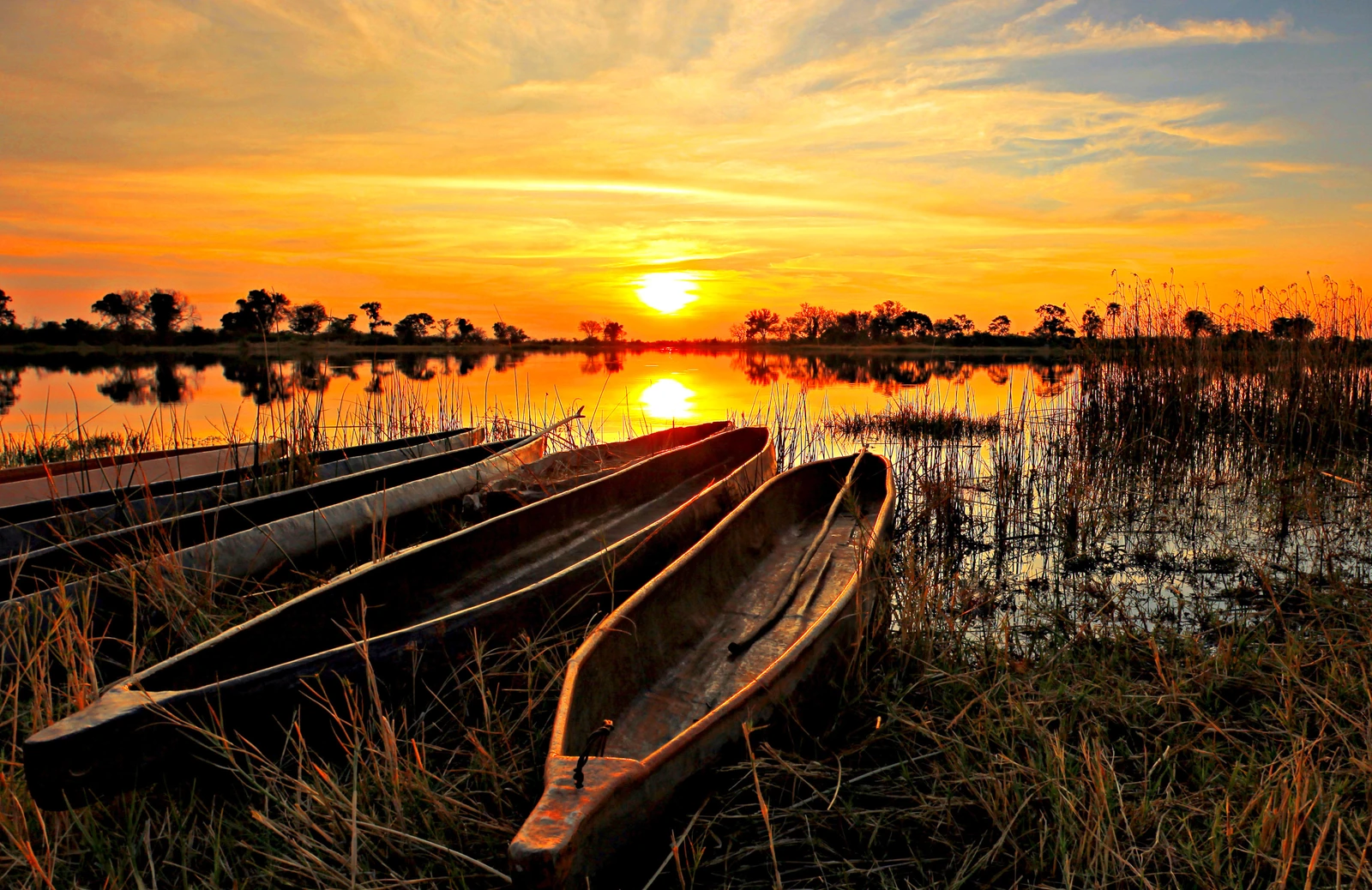 A 6-day Botswana safari offers the ultimate wild escape, seamlessly blending land and water adventures across Africa’s most iconic landscapes. Start your journey in Kasane with Chobe River boat cruises, where you'll float past massive elephant herds, hippos, and sunbathing crocodiles. Next, slip into the serene channels of the Okavango Delta on traditional Mokoro excursions to experience the bush from a peaceful water-level view. On land, leap into action with classic game drives through Moremi and Savuti to track lions, leopards, and rare wild dogs. To round out the thrill, stretch your legs on guided walking safaris or venture out on thrilling night game drives to spot nocturnal wildlife. To craft your perfect trip and secure seamless bookings, consult trusted safari experts like Discover Africa or Yellow Zebra Safaris today.
6-day-best-victoria-falls-tour-chobe-and-hwange-zambia-wildlife-safari-holiday
6-days-affordable-chobe-and-delta-budget-botswana-safari
Chobe River Boat Cruises
Floating along the Chobe River as the afternoon sun drops lower in the sky feels less like a typical tourist excursion and more like slipping into a high-definition nature documentary. Departing from the Kasane waterfront, these pontoon and riverboat cruises offer front-row seats to one of the greatest natural spectacles on earth. Chobe National Park is home to an estimated 50,000 African elephants—one of the densest populations left on the planet—and seeing them from the water completely changes your perspective. Instead of watching from a dusty vehicle, you drift mere meters away while massive family herds splash through the shallows, spray water over their backs, or swim across the river with their trunks raised like periscopes.
The riverbank vibrates with life: pods of hippos grunt and jostle for territory, massive Nile crocodiles bake on the mudflats, and African fish eagles swoop down from the riverine trees to snatch fish from the surface. Sunset transforms the landscape into a golden canvas, making it a photographer’s paradise where you can capture crisp reflections of drinking giraffes and wading buffalo. It’s a wonderfully relaxed, unintrusive way to encounter Africa's heavyweights.
Mokoro Excursions
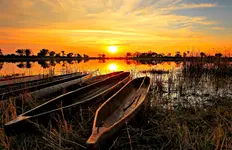
There is no sound in the Okavango Delta quite like the soft swish-swish of a mokoro carving through lily-covered channels. These traditional dugout canoes—historically carved from local hardwoods like ebony, but now crafted out of eco-friendly fiberglass to protect the trees—have been the primary mode of transport through these wetlands for centuries. Guided by an expert local "poler" who stands at the stern wielding a long wooden pole called a ngashi, you glide silently at water level through a maze of reed-lined channels.
Without the hum of a diesel engine, the Delta reveals its smallest, most delicate secrets. Your guide will point out tiny, jewel-toned painted reed frogs clinging to papyrus stalks, vibrant pygmy kingfishers darting across the water, and delicate day-lily blossoms floating beside your boat. Larger wildlife is never far off either; it’s common to spot rare water-adapted antelopes like the red lechwe splashing through the grass or elephants feeding on the palm islands nearby. A mokoro trip isn't about chasing fast-paced predator sightings; it’s about slowing down to match the soothing rhythm of the wilderness.
Classic Game Drives
When it comes to tracking Africa's famous wildlife on land, nothing beats an open-sided
Moremi is widely regarded as one of Africa's premier game reserves, while Savuti is legendary for its powerful resident lion prides and migratory zebra herds. On a typical morning drive, your guide follows fresh tracks in the sand to locate apex predators like leopards slinking through riverine trees or endangered African wild dogs gathering for a hunt. Between tracking big cats, you'll encounter towering giraffes, zebra herds, baboons, and giant bull elephants roaming the tracks. It’s an immersive, heart-pounding way to experience the raw dynamics of the African bush.
Guided Walking Safaris
Stepping off the safari vehicle and setting foot directly onto the African soil completely transforms your relationship with the environment. Led by a professional, armed ranger and a local tracker, a guided bush walk strips away the steel barrier of a 4WD and invites you to engage all five senses. Rather than rushing to cover distance, walking safaris focus on reading the "newspaper of the bush"—interpreting footprint tracks in the sand, animal droppings, bent blades of grass, and broken branches.
Your guide will teach you how to tell which way a lion was traveling, how termite mounds regulate their own internal climate, and which plants native communities use for medicine. You'll notice the scent of wild sage underfoot, listen to bird alarm calls warning of nearby predators, and learn how smaller creatures fit into the ecosystem. While encountering big game like zebra, impala, or elephants on foot offers an incredible surge of adrenaline, the true magic of a walking safari lies in discovering the intricate details of the natural world.
Night Game Drives
As the sun dips below the horizon and the bush settles into darkness, an entirely new world awakes. Conducted in private concessions outside national park boundaries, night game drives offer a rare glimpse into the secret lives of Africa's nocturnal animals. Equipped with a high-powered, red-filtered spotlight that won't blind or disturb the wildlife, a dedicated tracker scans the tree branches and tall grasses for the telltale glow of reflective eyes.
The atmosphere is thick with anticipation. While day drives often catch predators sleeping in the shade, night drives catch them in motion. You might spot a leopard setting off on a night hunt, lions roaring to signal their pride, or an elusive bushbaby leaping through the acacia canopy. Night drives also reveal shy, lesser-known creatures that you'd rarely see in daylight, such as honey badgers, porcupines, civets, genets, and aardvarks. Accompanied by the haunting nighttime soundtrack of crickets, hyaenas, and nightjars, it’s a thrilling close to a day in the wild.
6-Day Botswana Safari Highlights
A 6-day Botswana safari offers a balanced contrast between tranquil waterway journeys and thrilling game drives. By combining the floating channels of the Okavango Delta with the predator-rich plains of the Moremi Game Reserve and the massive elephant corridors of Chobe National Park, you’ll experience Southern Africa at its absolute best.Expect to track the Big Five, spot rare African wild dogs, and watch big game right from the water.
Days 1–2: Deep in the Okavango Delta
Your journey begins in Maun, the gateway to the delta. Boarding a small bush plane, you'll take a 20-to-30-minute scenic transfer over a vast patchwork of green islands and winding channels. Keep an eye out from your window—you can often spot elephant herds and hippos making tracks in the mud far below.
Once at camp, swap engine noise for total peace on a traditional mokoro (dugout canoe) trip. Guided by a local poler, you'll glide silently through shallow, papyrus-fringed waterways, passing day-lilies and spotting tiny, colorful reed frogs. Later, stretch your legs on a guided walking safari to learn how trackers read animal prints in the sand, identify medicinal plants, and safely approach plains game on foot.
Days 3–4: Wildlife Encounters in Moremi & Khwai
Hop back into a light aircraft for a short flight east toward the Moremi Game Reserve and the neighboring Khwai River area. This dynamic ecosystem marks the boundary where Delta waters meet dry mopane forests, creating one of the richest wildlife concentrations on the continent.
Here, the focus shifts to intensive 4x4 open-vehicle game drives. With expert local guides at the wheel, you'll track apex predators like lions resting under acacia trees, elusive leopards slinking through riverine branches, and packs of endangered wild dogs preparing for a hunt. Because Khwai is a private concession area, you can stay out after sunset for night game drives, using red-filtered spotlights to look for glowing eyes—from hunting big cats to shy civets, bushbabies, and genets.
Days 5–6: Massive Elephant Herds in Chobe National Park
Fly north to Kasane, the jumping-off point for Chobe National Park, famous for hosting over 50,000 African elephants.
Spend your days exploring Chobe’s teak forests and riverbanks, where land drives frequently bring you face-to-face with giant bull elephants, giraffes, and sleeping pride lions. End your safari on a high note with an iconic sunset boat cruise on the Chobe River. From the deck, watch family groups of elephants swim across the river with their trunks raised like periscopes, while hippos splash and crocodiles sunbathe along the banks. On Day 6, you'll head back to Kasane Airport to connect to your homeward flight.
What is a mokoro safari in Okavango?
A mokoro safari is easily one of the most tranquil ways to experience the Okavango Delta. A mokoro is a traditional dugout canoe, historically carved from large trees like ebony or sausage trees, though modern versions are made from eco-friendly fiberglass to protect the forest. Guided by a skilled local poler who stands at the stern with a long wooden pole called a ngashi, you glide silently through narrow, lily-covered channels at water level.Without the hum of a motor, the wetland reveals its peaceful side. You’ll hear the soft swish of papyrus stalks, birds calling across the water, and tiny painted reed frogs leaping between lily pads. Sitting just inches above the water gives you a unique vantage point on vibrant kingfishers and floating day-lilies. While larger animals like elephants or lechwe antelopes are often spotted feeding on nearby grassy islands, the real magic of a mokoro trip lies in slowing down to appreciate the quiet, hidden micro-details of the Delta that you’d completely miss from a motor vehicle.
What wildlife can you see in Chobe River?
Cruising down the Chobe River puts you front and center for some of the grandest wildlife sightings in Southern Africa. Chobe National Park harbors one of the dense concentrations of African elephants on Earth—roughly 50,000 of them—and the river is where they gather to drink, bathe, and play. From the deck of a boat, it’s common to watch massive elephant families splash into the shallows, spray water over their backs, or swim across channels with their trunks raised like periscopes.Beyond elephants, the riverbanks are teeming with activity. Pods of hippos grunt and jostle for position in the water, while massive Nile crocodiles sunbathe along the muddy banks. Waterbirds are everywhere—you'll spot fish eagles swooping down for a catch, colorful bee-eaters, and African skimmers darting over the surface. On the shoreline, giraffes, buffalo, and waterbucks frequently come down for an afternoon drink, especially as the sun sets over the water, turning the river into a golden landscape.
Are guided bush walks safe in Botswana?
Yes, guided bush walks in Botswana are safe when led by qualified, licensed professionals. Walking safaris are never a casual stroll into the wild; they are carefully managed expeditions conducted by trained professional rangers, often accompanied by an armed tracker. These experts undergo strict certification processes covering animal behavior, tracking, wind direction assessment, and safety protocols, ensuring you remain out of harm's way.Unlike vehicle drives that focus on covering distance, walking safaris focus on reading the environment. Guides maintain a safe distance from large animals like elephants, buffalo, or big cats, constantly reading the wind and tracks to avoid surprising any wildlife. Before setting off, your guide provides a clear safety briefing explaining how to walk single-file, stay quiet, and follow instructions. Stepping off the vehicle completely shifts your perspective—you'll learn how to read tracks in the sand, identify animal dung, and feel the thrill of walking through nature, all under the watchful eye of a seasoned expert.
What happens on a night game drive?
A night game drive opens up a whole different world that wakes up after dark. While national parks usually close their gates at sunset, night drives take place in private concessions outside park boundaries, such as the Khwai or Linyanti regions. As twilight falls, your open 4x4 safari vehicle sets off with a tracker sitting on a elevated seat up front, sweeping a red-filtered spotlight across tall grass and trees to look for the eye-shine of nocturnal animals.Night is prime time for predator activity. Big cats like lions and leopards, who spend hot days sleeping under shady trees, wake up to hunt as temperatures drop. You might spot a leopard stalking through riverine woodlands or hear lions roaring across the dark plain. Night drives also give you a chance to see shy creatures rarely spotted in daylight, including porcupines, honey badgers, civets, genets, and adorable big-eyed bushbabies leaping through the canopy. Accompanied by the nighttime sounds of crickets and distant hyenas, it’s an exciting, mysterious adventure.
Can you see wild dogs in Moremi?
Yes, the Moremi Game Reserve and its surrounding private concessions (like the Khwai area) are among the best places in Africa to spot endangered African wild dogs. Also known as painted wolves due to their unique, marbled coats, wild dogs require vast, connected wilderness areas to thrive. Moremi’s rich mix of dry woodlands, floodplains, and acacia scrublands provides ideal territory for these social predators.Wild dogs are energetic, highly organized hunters that live in close-knit packs. Because they cover vast distances quickly, tracking them is always an adrenaline rush. Morning game drives offer your best chance to find them as they wake up, greet each other with high-pitched chirps, and set out to hunt impala or reedbuck. Watching a pack coordinate a hunt showcases incredible teamwork and speed. Even when resting near a den or grooming one another, seeing a wild dog pack is a memorable highlight of any Botswana itinerary.
Why take a scenic Delta flight?
Taking a scenic flight over the Okavango Delta offers a perspective on this UNESCO World Heritage Site that you simply can't get from the ground. Flying in a light aircraft between Maun and your safari camp gives you a front-row seat to an ecosystem stretching out like a vast green palm across the Kalahari sands. From above, the sheer scale and intricate design of the Delta become instantly clear.Looking down through the plane window, you'll trace winding blue channels, glass-like lagoons, and palm-covered islands. You'll also spot subtle wildlife trails—often called "hippo highways"—etched through the tall papyrus grass. The aerial view makes spotting large game surprisingly easy; you can frequently see elephant herds wading through shallow waters, pods of hippos in deep pools, and buffalo herds moving across grassy islands. It turns a routine camp transfer into an unforgettable scenic highlight before you even step foot on the ground.
What animals live in Savuti National Park?
The Savuti region, located in the remote interior of Chobe National Park, is famous for its dramatic landscapes and intense predator-prey dynamics. Savuti’s environment ranges from open savannas and mopane woodlands to dry marshlands and rocky granite hills, attracting a wide variety of plains game and formidable apex predators.Savuti is world-renowned for its powerful lion prides, which are famous for hunting large prey like buffalo and young elephants during dry seasons. Alongside lions, you’ll find leopards resting in trees or on rocky hills, cheetahs scanning open plains, and spotted hyenas roaming the terrain. Huge zebra herds pass through Savuti during their annual migration, accompanied by wildebeest, giraffes, impalas, and bull elephants. The area is also home to desert-adapted species like eland and gemsbok, while bird enthusiasts can spot kori bustards, secretary birds, and colorful carmine bee-eaters.
What makes open 4x4 game drives special?
Open 4x4 game drives are the heart of a classic African safari, providing an unobstructed view of the bush. In Botswana, custom-built Toyota Land Cruisers are designed without glass windows or high roofs. Instead, they feature open sides, elevated canvas seating, and pop-up or open tops, giving every guest a panoramic view for photography and wildlife watching.Without glass or closed doors separating you from nature, all your senses switch on. You feel the morning breeze, smell wild sage and sun-warmed earth, and hear the rustle of leaves as an animal steps onto the track. The elevated seating gives you a clear line of sight over tall grasses, making it easier to spot hidden predators. Driven by knowledgeable guides who understand animal behavior and tracking, these sturdy vehicles easily navigate rough terrain, soft sand, and shallow river crossings to bring you safely up close to wildlife.
When is best for river safaris?
The ideal time for river safaris in Botswana is during the dry season, which runs from May to October. During these months, rainfall disappears and inland waterholes dry up. As water sources vanish elsewhere, animals gather along permanent watercourses like the Chobe River and the main channels of the Okavango Delta, resulting in massive concentrations of wildlife along the shorelines.In the Okavango Delta, annual floodwaters coming from the Angolan highlands peak between June and August (the middle of the dry season). This creates perfect water levels for peaceful mokoro trips and motorboat excursions through flooded lily channels. Meanwhile, along the Chobe River, July through October brings massive herds of elephants—sometimes hundreds at a time—down to drink and bathe every afternoon. Mild daytime temperatures and clear skies make spending hours out on the water relaxing and rewarding.
Can you spot the Big Five in Botswana?
Yes, you can see all members of the Big Five—lion, leopard, elephant, buffalo, and rhino—in Botswana, though rhinos require deliberate itinerary planning. Lions, leopards, elephants, and Cape buffalo are abundant across northern regions like Moremi Game Reserve, the Khwai area, and Chobe National Park. Elephant and buffalo herds in particular number in the thousands, while big cat sightings are frequent and reliable.Because rhinos face severe poaching threats across Africa, Botswana’s government and conservation organizations have relocated many white and black rhinos to highly secure, monitored sanctuaries and private reserves, such as the Khama Rhino Sanctuary or protected delta concessions. If seeing a rhino is a top priority for your 6-day safari, including a stop at a dedicated sanctuary or a private concession known for rhino protection is essential. With the right routing, checking off all five is entirely achievable.
Booking Botswana wildlife safaris with us Roads of Adventure safaris
Planning a Botswana wildlife journey—whether it’s your first time or an extended two-week expedition—comes down to choosing the right rhythm for your adventure. Operators like Roads of Adventure Safaris highlight that the ultimate way to explore iconic hubs like the Okavango Delta, Moremi, and Chobe is by blending diverse perspectives. You can pair classic 4x4 land drives with tranquil mokoro dugout canoe trips through lily-lined channels, sunset river cruises past elephant herds, and guided bush walks. Whether opting for a quick first-timer's loop or a comprehensive 14-day fly-in itinerary, combining land and water experiences captures Botswana's wild beauty best.
0 Replies
·
18 views

Hey all,
Sharing something that might be useful if you write content or run a site related to Vietnam travel — I built out a country-by-country visa requirement lookup at vietnamvisaeasy.com, mainly because I kept seeing outdated or conflicting info scattered across different sites when I was researching this myself.
It covers:
If any of you are working on Vietnam-related content and need a source to reference or link out to for the visa section, feel free to use it. Also open to swapping content or collaborating if you run something in the same space — always good to connect with others working on similar niches.
Let me know if you have questions about any of the visa types, happy to help.
Sharing something that might be useful if you write content or run a site related to Vietnam travel — I built out a country-by-country visa requirement lookup at vietnamvisaeasy.com, mainly because I kept seeing outdated or conflicting info scattered across different sites when I was researching this myself.
It covers:
- Which nationalities need a visa vs. visa-free entry, with current stay durations
- A breakdown of e-visa vs. VOA vs. embassy visa, since a lot of readers seem to mix these up
- Common application mistakes that cause rejections/delays
If any of you are working on Vietnam-related content and need a source to reference or link out to for the visa section, feel free to use it. Also open to swapping content or collaborating if you run something in the same space — always good to connect with others working on similar niches.
Let me know if you have questions about any of the visa types, happy to help.
0 Replies
·
7 views

Hey everyone, seeing a lot of posts asking how to plan a first trip to Ho Chi Minh City (Saigon). After helping dozens of people plan their trips, here is the blueprint that actually works. The biggest mistake people make here is over-scheduling. Saigon is hot and chaotic—if you pack your itinerary too tight, you will hate it. Here is how to pace a perfect 3-day trip.

Don't do a 1-day trip. It's too rushed. Three days is the sweet spot. It gives you time for the central sights, one major day trip, and a dedicated day for food. If you have 4-5 days, don't add more tourist sights; just take things slower.
You are likely jet-lagged. Stay in District 1 and walk.

Get out of the city center today.

No museums today. Just vibes.
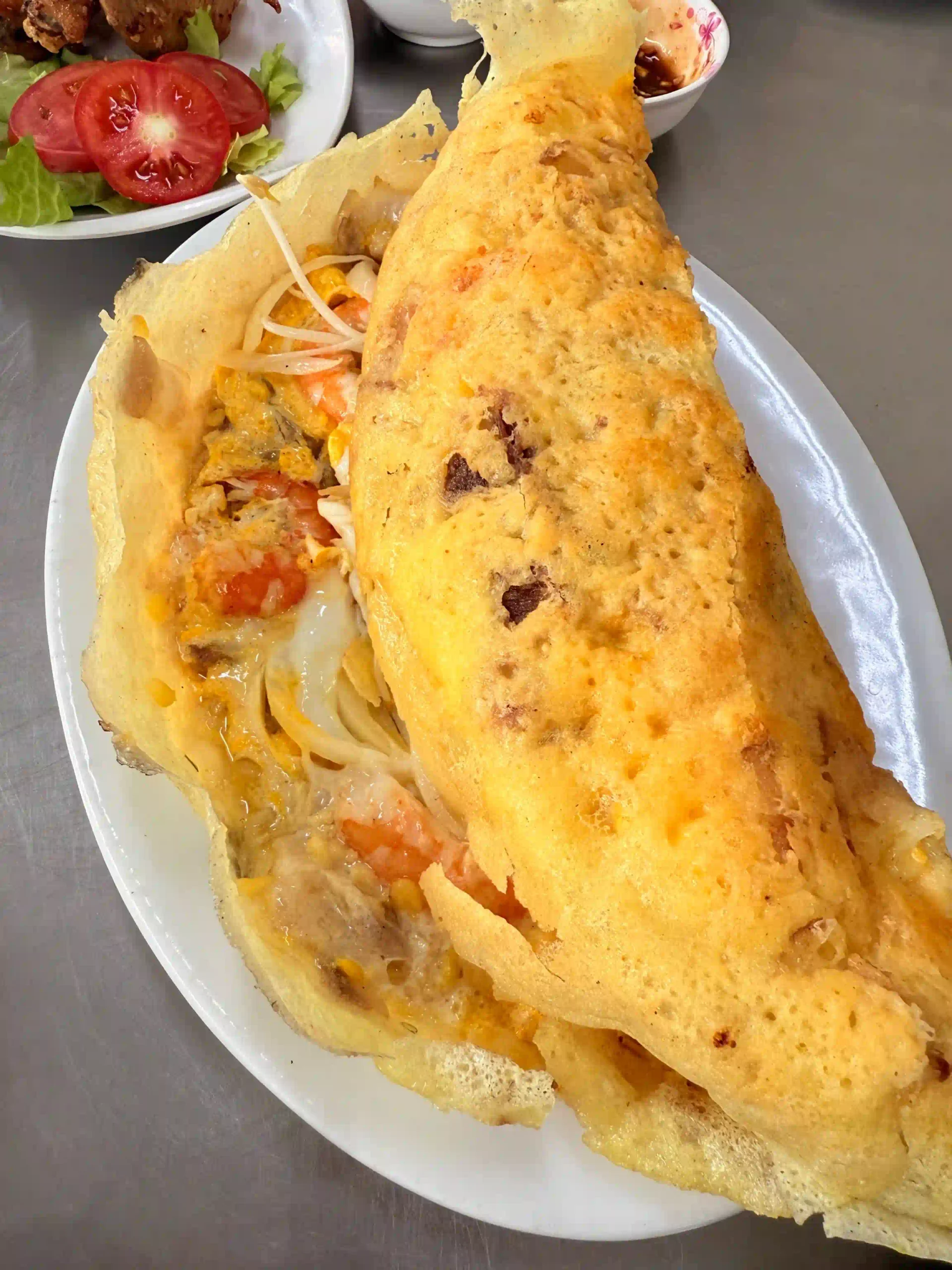
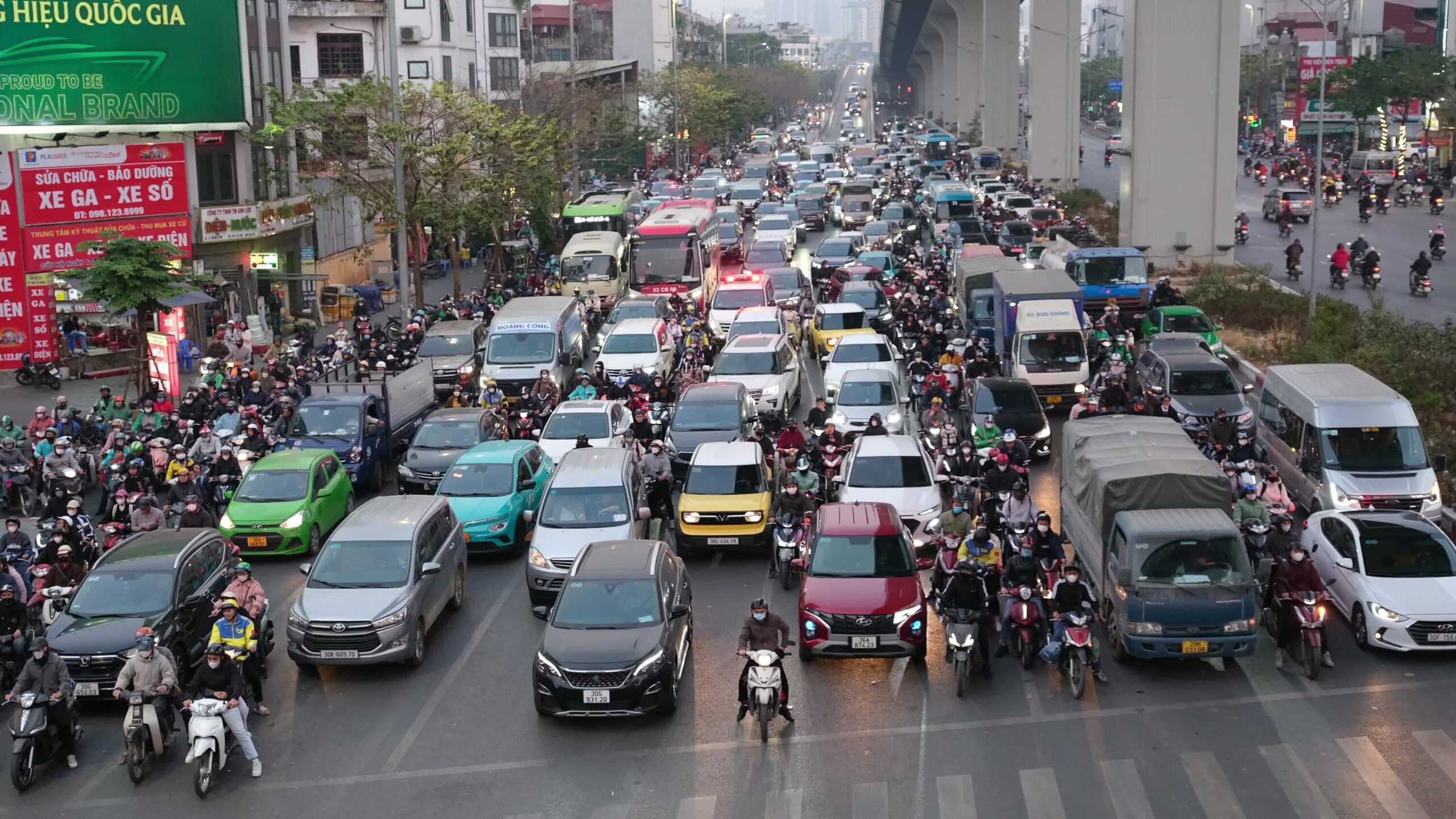
Feel free to ask any questions below!
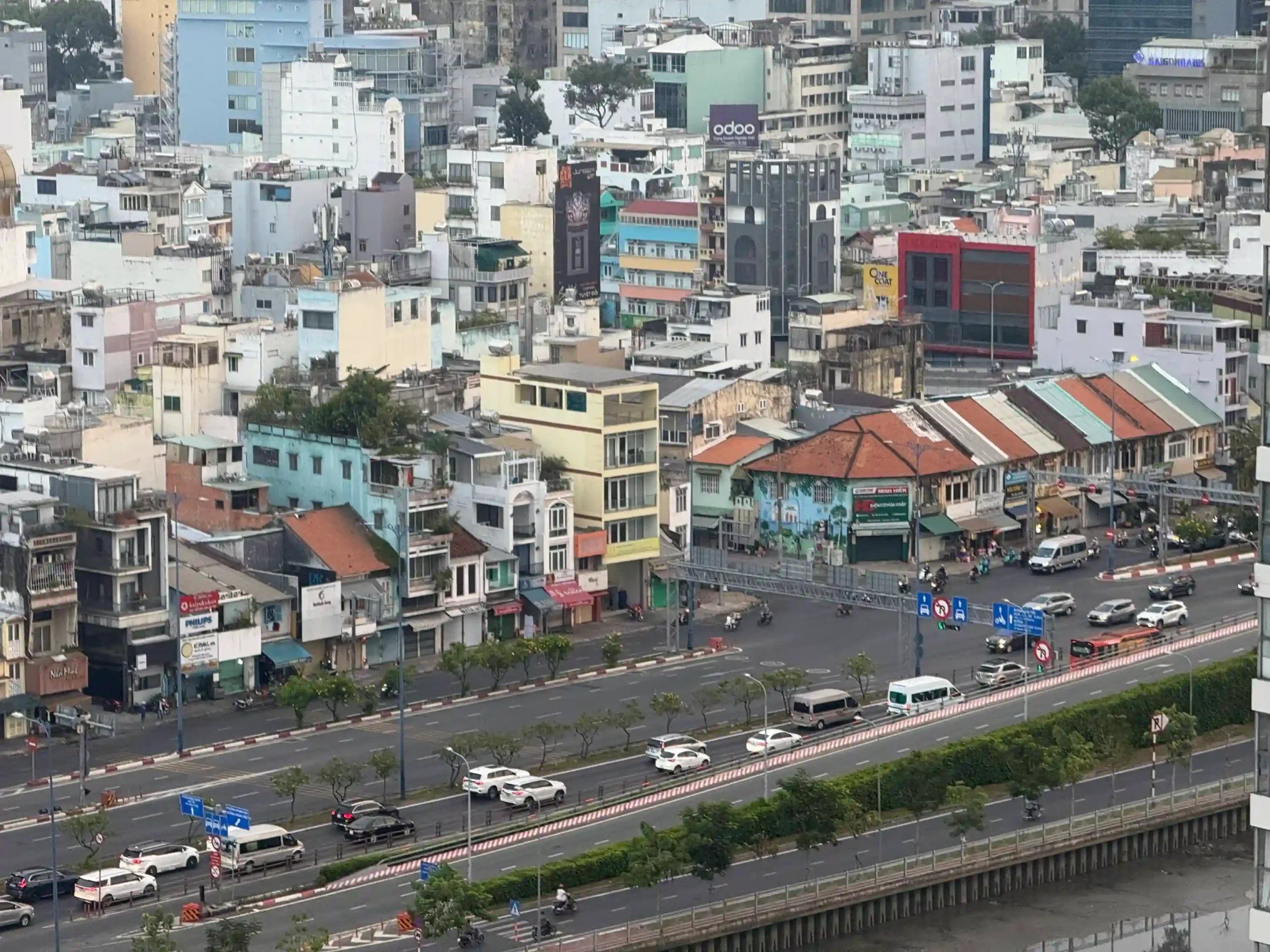
Why 3 Days?
Don't do a 1-day trip. It's too rushed. Three days is the sweet spot. It gives you time for the central sights, one major day trip, and a dedicated day for food. If you have 4-5 days, don't add more tourist sights; just take things slower.
Day 1: Central Core & History
You are likely jet-lagged. Stay in District 1 and walk.
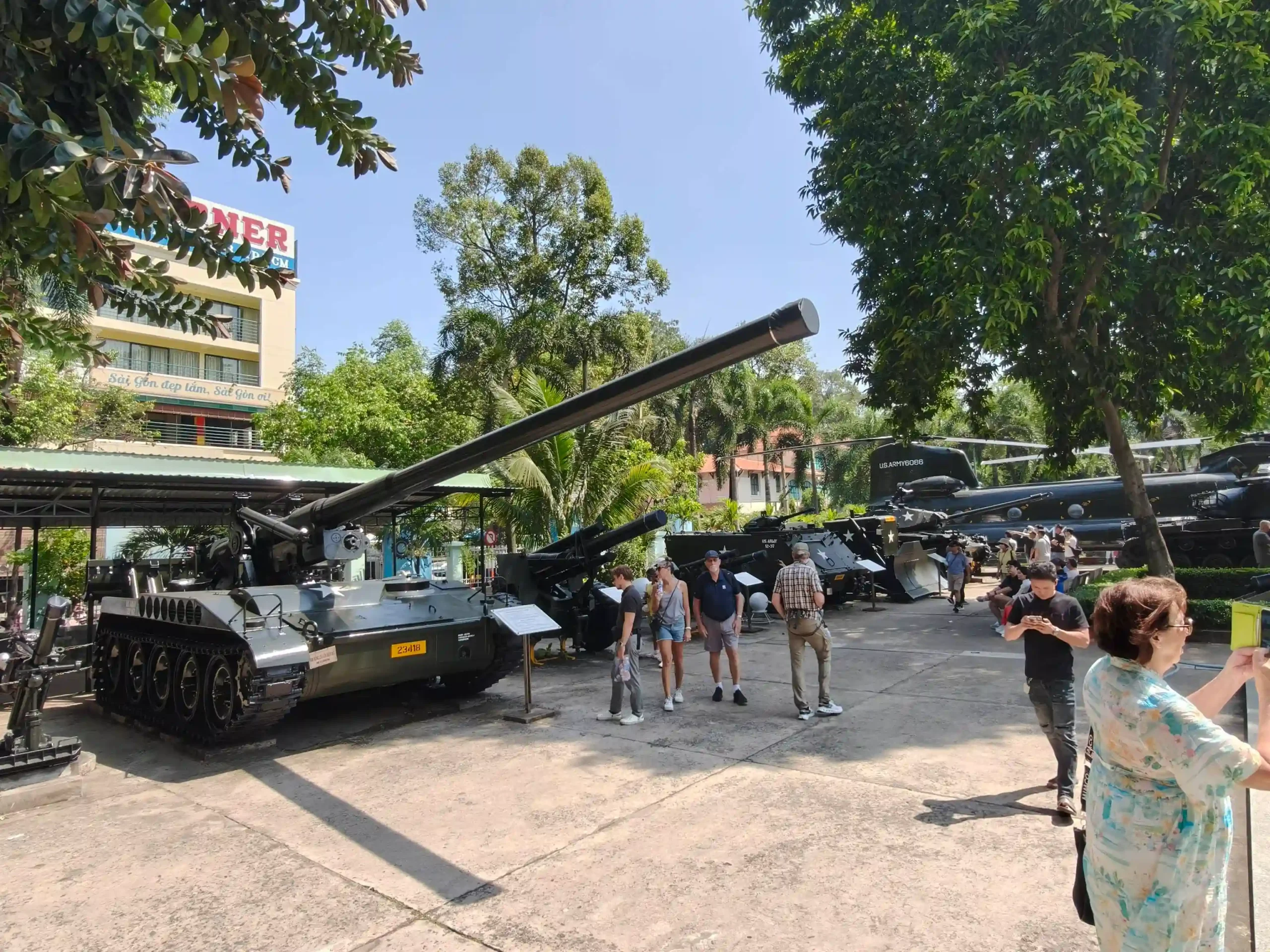
- Morning: Check out the French Colonial architecture (Post Office, Notre Dame).
- Midday: Visit the Independence Palace and War Remnants Museum. Do this heavy war history on day one while your mind is fresh, not when you are exhausted at the end of the trip. Check this attractions guide for ticket info.
- Evening: Keep it flexible. Eat local, sleep early if needed.
Day 2: Cu Chi Tunnels Trip
Get out of the city center today.
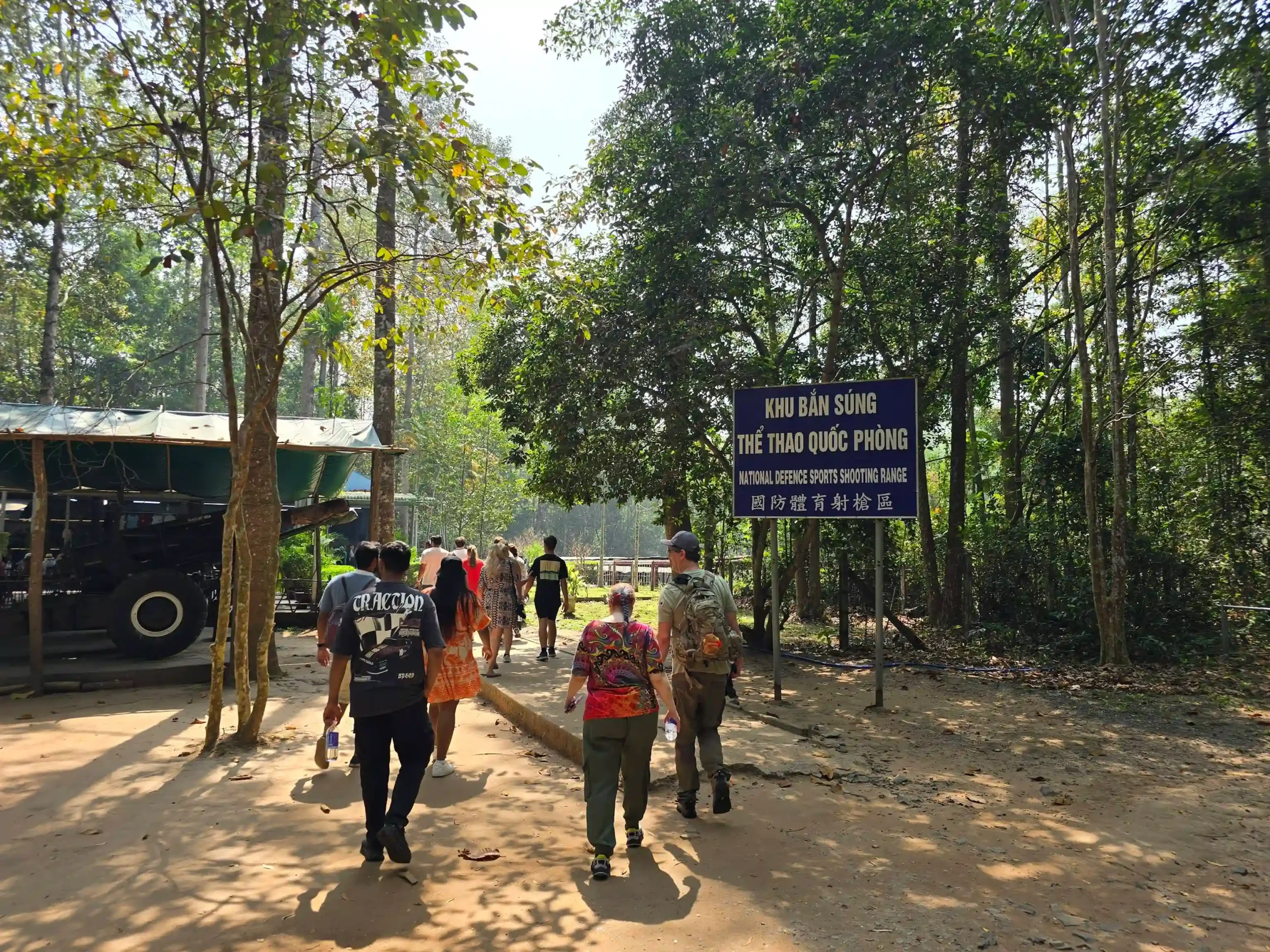
- Morning: Take a half-day tour to the Cu Chi Tunnels. It’s a must-do to understand the Vietnam War. Doing it in the morning beats the heat and gets you back by 2 PM.
- Afternoon: Cafe hop. Saigon has world-class cafe culture. Recover from the bus ride.
Day 3: Food & Culture Drift
No museums today. Just vibes.
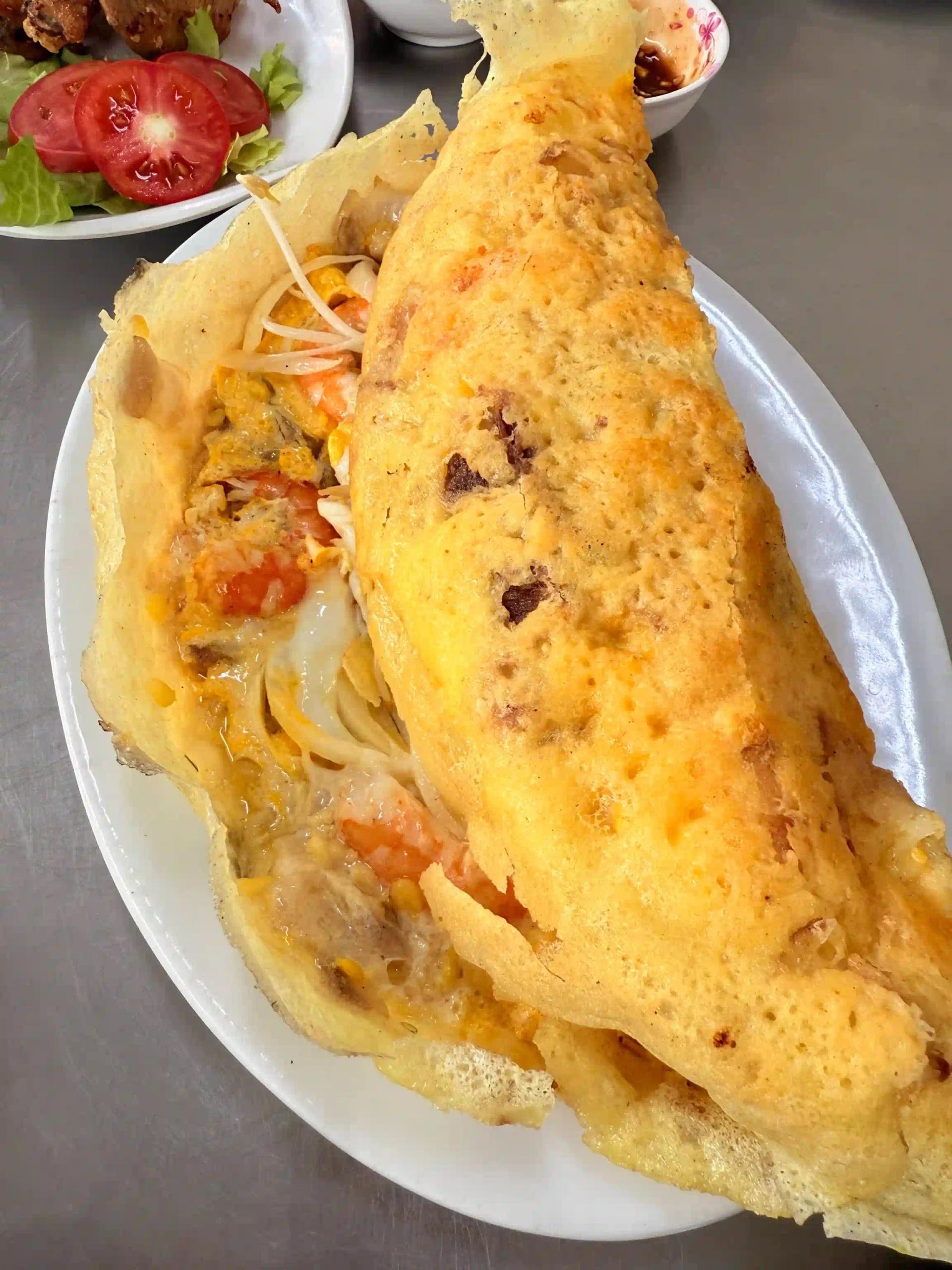
- Morning: Sit on a plastic stool and eat a real street breakfast. Bookmark this street food guide so you know what to order.
- Afternoon: Walk through some local markets (but don't treat Ben Thanh as a serious shopping destination, it's a tourist trap).
- Evening: Head to the river. A dinner cruise or waterfront drinks is the perfect end to the trip.
Quick Tips
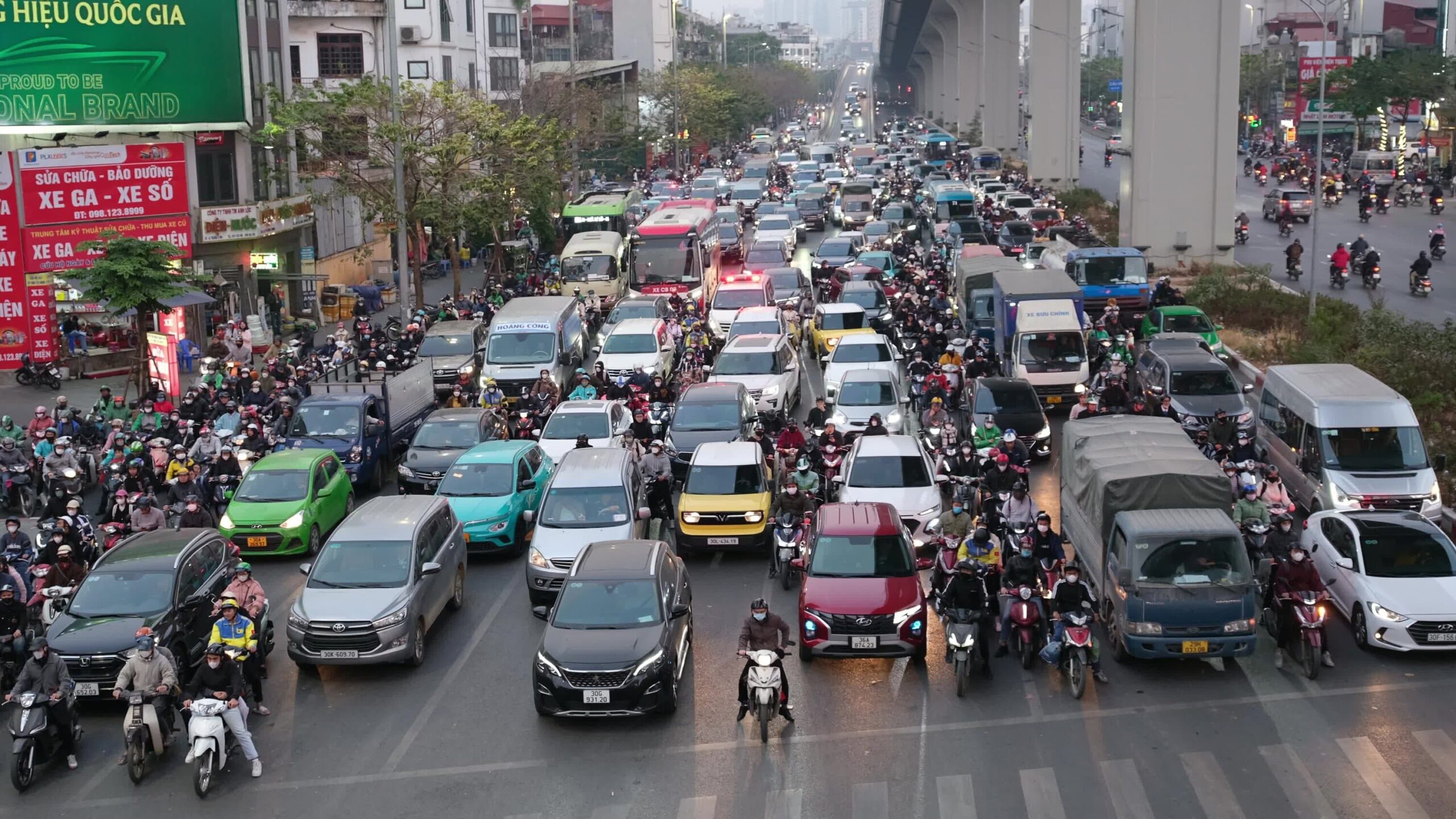
- The Heat: Do your walking before 11 AM and after 3 PM. Use midday for air-con and long lunches.
- With Kids: If you are traveling with kids, build in afternoon pool time. The heat drains them fast.
- Weather: Visiting in the rainy season? It usually just pours for 1-2 hours in the afternoon. Plan museum/cafe time for when the rain hits.
Feel free to ask any questions below!
1 Replies
·
297 views
Roads of Adventure safaris ltd
info@roadsofadventuresafaris.com
This 9 Days best Rwanda birding safari, primates and wildlife offers a masterclass in biodiversity, weaving through the "Land of a Thousand Hills" to connect three distinct ecosystems. From the sprawling wetlands of Akagera National Park to the mist-shrouded bamboo forests of Volcanoes National Park and the ancient canopy of Nyungwe Forest, this journey targets Rwanda’s most prestigious biological prizes. Birders will scan for the prehistoric Shoebill and the vibrant Great Blue Turaco, while wildlife enthusiasts face the profound experience of mountain gorilla trekking.
Rwanda’s commitment to ecological restoration has transformed these landscapes into premier destinations for spotting Albertine Rift endemics. As you transition from sun-drenched savannahs to high-altitude rainforests, you’ll witness a dramatic shift in avian life and primate behavior. This 9 Days best Rwanda birding safari, primates and wildlife
is meticulously designed for those who seek high-value photography, rare life-list additions, and a deep connection with the soul of Central Africa’s wilderness. Prepare for an immersive journey that balances the thrill of the hunt with the serenity of Rwanda’s majestic landscapes.
Tour Highlights
- Rare Shoebill sightings in Akagera.
- Mountain Gorilla trekking in Volcanoes.
- Golden Monkey tracking through bamboo.
- Albertine Rift endemic bird search.
- Great Blue Turaco forest sightings.
- Canopy Walkway high above Nyungwe.
- Lake Ihema boat birding safari.
- Lilac-breasted Roller savannah photography opportunities.
- Regal Sunbird sightings in highlands.
- Grauer’s Swamp Warbler marsh search.
- Rwenzori Nightjar nocturnal forest excursions.
- Scenic Tea Plantation landscape views.
- Kigali Genocide Memorial cultural reflection.
- L’Hoest’s Monkey rainforest floor encounters.
- African Fish Eagle wetland patrols.
- Vibrant Butare cultural museum visit.
Day 1: Arrival and the Gateway to Akagera
Day 2: The Wetlands and the Prehistoric Shoebill
Day 3: Transition to the Virunga Massif
Day 4: Gorilla Trekking and High-Altitude Specialties
Day 5: Journey to the Ancient Nyungwe Forest
Day 6: The Canopy Walk and Uwinka Highlights
Day 7: Endemic Quests and Nocturnal Secrets
Day 8: Cultural Reflections and the Road to Kigali
Day 9: Kigali Discovery and Departure
0 Replies
·
32 views
Roads of Adventure Safaris ltd
info@roadsofadventuresafaris.com
Our 7-Days Okavango Delta, Moremi, Khwai best Africa safari in Botswana is one of the best Botswan wildlife safari that takes you around to iconic locations 7-Day Okavango Delta, Moremi, Khwai: The Best Africa Safari in Botswan starting in Maun, the gateway to the Delta, where you will meet your guides who will accompany you throughout your stay. You will explore the famous Moremi Game Reserve, known for its rich wildlife, including large elephant herds, prides of lions, and over 400 bird species.
Next on your 7-Day Okavango Delta, Moremi, Khwai best Africa safari in Botswana, you will visit the Khwai Community Area, where you can learn about local cultures while observing the fascinating wildlife that thrives in the region. From peaceful mokoro rides through the delta's channels to exciting evening game drives, each day brings new chances to connect with nature and local communities.
This 7-Day Okavango Delta, Moremi, Khwai best Africa safari in Botswana is designed to provide you with unforgettable moments and insights into the area's diverse wildlife. Join us for a remarkable adventure that celebrates the beauty and variety of Botswana’s wildlife.
Tour Highlights
Day 1: Arrival in Maun
Day 2: Maun to Moremi Game Reserve
Day 3: Moremi Game Reserve (Okavango Delta)
Day 4: Moremi Game Reserve to Khwai Community Area
Day 5-6: Khwai Community Area
Day 6: Khwai Community Area to Maun
info@roadsofadventuresafaris.com
Our 7-Days Okavango Delta, Moremi, Khwai best Africa safari in Botswana is one of the best Botswan wildlife safari that takes you around to iconic locations 7-Day Okavango Delta, Moremi, Khwai: The Best Africa Safari in Botswan starting in Maun, the gateway to the Delta, where you will meet your guides who will accompany you throughout your stay. You will explore the famous Moremi Game Reserve, known for its rich wildlife, including large elephant herds, prides of lions, and over 400 bird species.
Next on your 7-Day Okavango Delta, Moremi, Khwai best Africa safari in Botswana, you will visit the Khwai Community Area, where you can learn about local cultures while observing the fascinating wildlife that thrives in the region. From peaceful mokoro rides through the delta's channels to exciting evening game drives, each day brings new chances to connect with nature and local communities.
This 7-Day Okavango Delta, Moremi, Khwai best Africa safari in Botswana is designed to provide you with unforgettable moments and insights into the area's diverse wildlife. Join us for a remarkable adventure that celebrates the beauty and variety of Botswana’s wildlife.
Tour Highlights
- Explore Maun Town
- Journey to Moremi Game Reserve
- First Game Drive in Moremi
- Spot elephants, lions, and diverse birdlife.
- Morning and afternoon drives for wildlife encounters in Moremi.
- Travel to Khwai Community Area
- Evening Game Drive in Khwai
- Two Days in Khwai Community with game drive
- Mokoro Excursion in the Delta
Day 1: Arrival in Maun
Day 2: Maun to Moremi Game Reserve
Day 3: Moremi Game Reserve (Okavango Delta)
Day 4: Moremi Game Reserve to Khwai Community Area
Day 5-6: Khwai Community Area
Day 6: Khwai Community Area to Maun
0 Replies
·
25 views
Roads of Adventure safaris ltd
info@roadsofadventuresafaris.com
2-days-best-amboseli-safari-in-kenya
3-days-best-amboseli-tour-package
juA Kenya safari offers an incredible mix of wildlife, landscapes, and culture. Don't miss witnessing the Great Migration in the Masai Mara (July–October), hot-air ballooning over the plains, photographing elephants against Mount Kilimanjaro in Amboseli, walking with local Maasai warriors, and finishing with a few days of relaxation on the white sands of Diani Beach
1. Witness the Great Migration in the Masai Mara
The Great Migration is one of nature’s most magnificent spectacles, involving an astounding 1.5 million wildebeest, 400,000 zebras, and 200,000 gazelles traveling over 800 kilometers across the Serengeti-Mara ecosystem in search of green pastures. Between July and October, these massive herds converge in Kenya's Masai Mara National Reserve, where they face their most dangerous obstacle: crossing the Mara River. During early morning game drives from 6:00 AM to 10:00 AM, visitors can witness thousands of animals lingering along steep banks before taking a high-stakes leap into waters inhabited by hungry 4-meter Nile crocodiles. Predators like lions and cheetahs wait on the opposite shore, creating incredible opportunities for wildlife photography and raw, dramatic observations. Because prime river crossings often happen unpredictably between 11:00 AM and 3:00 PM, safari guides usually set up bush lunches nearby so guests don't miss a single moment of the action.
2. Hot-Air Balloon Safari Over the Mara
A hot-air balloon safari provides a breathtaking aerial view over the Masai Mara’s sprawling 1,510-square-kilometer landscape at dawn. The adventure starts with an early wake-up call around 4:30 AM, bringing guests to the launch site by 5:30 AM to watch the massive balloons inflate against the dark morning sky. Liftoff occurs precisely at 6:00 AM as the sun begins to light up the savanna, taking off for a 1-hour flight that floats at altitudes ranging from treetop height up to 300 meters. From the basket, which typically carries 12 to 16 passengers, you can spot elephant herds moving in single file, hyenas returning to their dens, and hippos plunging back into the rivers. After landing near 7:15 AM, crew members set up a complete white-cloth bush breakfast on the open plains, serving hot food, tropical fruit, and chilled champagne before returning you to camp around 10:30 AM.
3. Photograph Amboseli's Elephants Against Mount Kilimanjaro
Amboseli National Park covers 392 square kilometers and offers one of Africa's most recognizable photo opportunities: vast elephant families set against the backdrop of Mount Kilimanjaro, which rises 5,895 meters above sea level. The park protects over 1,600 elephants, many organized into family groups of 20 to 50 individuals led by experienced matriarchs. Photography conditions are ideal during the early hours between 6:00 AM and 8:30 AM, when morning light illuminates the snow-capped peak before midday clouds roll in to cover the mountain top. Drivers often position safari vehicles around the Ol Okenya and Enkongo Narok swamps, where guests can capture detailed shots of dust-coated tusker elephants splashing in green marshes or marching in long lines across dry lake beds. A visit to Observation Hill around 7:00 AM rounds out the experience, providing sweeping 360-degree views of the park's vibrant wetland habitats.
4. Maasai Village Cultural Tour
Visiting a traditional Maasai manyatta (village) offers a fascinating, hands-on dive into native pastoral culture right outside the game reserves. During a typical 1.5- to 2-hour tour, guests are welcomed with the Adumu, a vibrant traditional jumping dance performed by young warriors in bright red shúkàs (cloths) who leap high into the air to demonstrate their stamina. A local village guide leads visitors through the enkang—a protective outer ring made of sharp acacia thorns designed to keep lions away from livestock—and invites them into mud-and-stick homes measuring roughly 3 by 5 meters. Inside these cozy dwellings, village hosts explain how family life operates, demonstrate traditional fire-starting techniques using two wooden sticks in under 2 minutes, and discuss how wealth is calculated in cattle and children. The tour usually concludes with a stop at a local women's craft market, where visitors can browse handmade beaded jewelry, wooden carvings, and textiles.
5. Walking and Cycling Safaris in Hell’s Gate
Covering 68 square kilometers near Lake Naivasha, Hell's Gate National Park is one of Kenya’s few sanctuaries where travelers can trade four-wheel-drive vehicles for a bicycle or a guided walking safari. Visitors can rent sturdy mountain bikes at Elsa Gate and set off on a 14-kilometer dirt track that winds past towering red basalt cliffs, geothermal steam vents, and open valleys. Because large predators like lions are rarely present in this park, you can ride safely within 15 to 20 meters of peaceful herds of grazing zebras, giraffes, hartebeests, and gazelles. A complete excursion takes 4 to 5 hours, typically starting around 8:00 AM to avoid the afternoon heat, and includes a 2-hour guided walking hike through Ol Njorowa Gorge. Down in the gorge, visitors navigate narrow rock canyons, discover hot thermal springs, and view historic filming locations used for classic wilderness movies.
6. Rhino Tracking and Birding in Lake Nakuru
Lake Nakuru National Park is a 188-square-kilometer sanctuary established to protect endangered wildlife and dynamic bird ecosystems along the Great Rift Valley. The park serves as a safe haven for over 100 rhinos, making it one of the absolute best locations in East Africa to view both southern white rhinos and native black rhinos in a single day. White rhinos are frequently spotted in social family pods of 3 to 6 grazing along open alkaline grasslands, while skittish black rhinos stick closer to thick acacia forests. Beyond big game, Lake Nakuru is world-renowned for hosting hundreds of thousands of lesser flamingos that feed on blue-green algae, alongside 400 other bird species like pelicans, fish eagles, and cormorants. A scenic 3-hour circuit drive around the lake perimeter peaks with a drive up to Baboon Cliff at an elevation of 1,700 meters, offering a panoramic view of the pink-hued shoreline below.
7. Unwind on Diani Beach
Stretching across 17 kilometers along Kenya’s south coast, Diani Beach provides the ultimate tropical escape to unwind after days of early morning game drives and dusty safari roads. The warm waters of the Indian Ocean maintain an inviting average temperature of 27°C, while an offshore coral reef located 1 kilometer out blocks heavy waves, creating a calm, shallow turquoise lagoon ideal for swimming. Travelers can spend mornings from 8:00 AM to 11:30 AM kitesurfing during prime wind seasons (15 to 22 knots from December to March), or take boat trips out to Kisite-Mpunguti Marine Park to snorkel alongside sea turtles and seasonal whale sharks. Between 12:00 PM and 3:00 PM, visitors retreat to beachfront restaurants to sample fresh seafood grilled with local Swahili spices, before capping off the day with a 2-hour sunset cruise on a traditional wooden dhow boat from 4:30 PM to 6:30 PM.
When is the best time to watch the Great Migration?
The ideal window to catch the Great Migration in Kenya's Masai Mara runs from July through October. During these peak months, well over a million wildebeest, alongside hundreds of thousands of zebras and gazelles, pour across the Mara River from the Serengeti. If your heart is set on witnessing those heart-stopping river crossings—where massive herds brave river currents and lurking Nile crocodiles—you will want to plan your trip around August and September.
Keep in mind that nature does not run on a rigid schedule. The exact timing shifts slightly each year based on rainfall patterns and grass growth. By late October or early November, as the rain subsides and grazing thins out, the herds gradually move south back toward Tanzania.
If you prefer fewer crowds and lower lodge rates, consider visiting during the shoulder periods in early July or late October. You will still catch incredible wildlife activity and vast herds roaming the open plains. However, if standing on the riverbank to witness raw, thunderous action is on your bucket list, sticking strictly to the mid-August to mid-September peak gives you the absolute highest chance of experiencing this natural spectacle in all its glory.
What makes a hot air balloon safari in Mara special?
There is something deeply magical about floating silently over the African savanna as the morning sun breaks across the horizon. A hot air balloon safari in the Masai Mara gives you a rare bird's-eye perspective that simply cannot be matched from the seat of a land vehicle.
Your morning starts early around 4:30 AM, delivering you to the launch site just before dawn. As the burner roars and the balloon lifts off around 6:00 AM, the vast, 1,510-square-kilometer landscape unfolds beneath you in soft golden light. From a height of a few hundred meters, you will watch long winding lines of wildebeest, sleeping lion prides, and hippos wading back into rivers—all without disturbing them with engine noise.
The peaceful silence up in the air is genuinely serene. After roughly 60 minutes of flight, you land gently on the open plains where the crew greets you with a traditional champagne bush breakfast. Sitting at a white-cloth table in the middle of the wilderness, sipping chilled bubbly while listening to the sounds of the bush, turns a great morning into an unforgettable bucket-list experience.
How close can you safely get to elephants in Amboseli?
In Amboseli National Park, you can often get remarkably close to wild elephants—sometimes within just 10 to 15 meters of your safari vehicle! What makes Amboseli unique is that its resident elephant population of over 1,600 individuals has been continuously studied by researchers for decades. As a result, these gentle giants are extraordinarily accustomed to vehicles and remain remarkably calm around visitors.
While you stay safely inside your pop-roof 4x4 or open safari vehicle, herds will routinely cross the dirt tracks right in front of or alongside you. You can hear the low rumble of their vocalizations, watch calves play in the mud, and admire giant tuskers against the backdrop of Mount Kilimanjaro.
However, safety and respect always come first. Experienced safari guides carefully read elephant body language. If a matriarch spreads her ears, shakes her head, or trumpets, your guide will quietly back the vehicle away to give the family space. Observing strict wildlife distance rules ensures the animals never feel cornered, allowing you to enjoy an intimate, peaceful, and totally safe encounter with Africa's grandest land mammals.
What should you expect during a Maasai cultural village tour?
Visiting a Maasai manyatta (traditional village) is an enriching experience that offers a genuine window into one of East Africa's most iconic pastoral cultures. When you arrive, you are welcomed by village members dressed in vibrant red shúkàs (traditional blankets) and intricate beaded jewelry, setting a warm and joyful tone right from the start.
The visit usually begins with the Adumu, the famous Maasai jumping dance, where young warriors form a circle and take turns leaping high into the air to demonstrate strength and stamina. Afterward, a village host will guide you inside their circular compound, enclosed by a protective fence of thorny acacia branches designed to keep predators away from livestock.
During the 1.5 to 2-hour tour, you will step inside a mud-and-stick home, learn how community members start fires using friction with two wooden sticks in under two minutes, and discover how their pastoral lifestyle centers around cattle. You will also have time to browse handcrafted beadwork made by local women, offering a great way to support the local economy directly while taking home a meaningful souvenir.
Can you really ride bikes alongside wildlife in Hell’s Gate?
Yes, absolutely! Riding a bicycle past grazing wildlife in Hell's Gate National Park is one of the most thrilling and unique adventures in Kenya. Unlike most national parks where you are restricted to a safari vehicle, Hell's Gate allows you to rent a mountain bike at the entrance gate and pedal through its vast, dramatic scenery on foot or two wheels.
Because large predators like lions and leopards are practically non-existent in this specific park, it is safe to ride along the 14-kilometer dirt track. As you pedal past towering red cliffs and geothermal steam vents, you will cycle within 15 to 20 meters of zebras, giraffes, warthogs, and various antelope species grazing peacefully along the road.
The freedom of feeling the fresh air and hearing the crunch of gravel beneath your tires while watching wild animals in their natural element is unmatched. The ride typically takes about 2 to 3 hours, leading to the lower gorge where you can park your bike for a guided walk-through narrow rock canyons and natural hot springs. Just remember to wear sun protection and pack plenty of drinking water!
Where is the best spot to see rhinos in Kenya?
If spotting rhinos is high on your safari wishlist, Lake Nakuru National Park and Ol Pejeta Conservancy are two of the best locations in Kenya.
Lake Nakuru was designated as Kenya's first national rhino sanctuary and currently protects over 100 rhinos. Its open, grassy lakefronts make spotting large groups of white rhinos remarkably easy, while black rhinos tend to roam the denser acacia woodlands.
For an even more intensive rhino experience, head north to Ol Pejeta Conservancy in the Laikipia region. Ol Pejeta is the largest black rhino sanctuary in East and Central Africa, home to over 140 black rhinos. It is also famous for hosting the world's last two remaining northern white rhinos, living under 24-hour armed protection. Visiting Ol Pejeta gives you the incredible chance to see both white and black rhinos on a single game drive, participate in tracking activities with rangers, and learn firsthand about cutting-edge conservation efforts working tirelessly to save these magnificent, armor-like creatures from extinction.
Why is Diani Beach a perfect end to a safari?
After days of early 5:00 AM wake-up calls, bumpy dirt roads, and dusty game drives across the savanna, Diani Beach provides the ultimate place to unwind and recharge. Located on Kenya's south coast, this coastal paradise features 17 kilometers of powdery white sand, swaying palm trees, and warm, turquoise Indian Ocean waters.
Diani strikes the ideal balance between relaxation and adventure. You can spend your mornings lounging on a sunbed with a fresh coconut, indulging in a spa treatment, or taking a casual stroll along the shore. If you still have energy for action, the calm lagoon formed by an offshore coral reef is perfect for paddleboarding, snorkeling, or kitesurfing.
Foodies will love the vibrant coastal dining scene, which serves freshly caught seafood infused with rich Swahili spices. Capping off your safari with a 2-hour sunset dhow cruise—sailing on a traditional wooden boat as the sky turns shades of orange and pink—is the dreamiest way to reflect on your wildlife encounters before flying home. It smoothly transitions your holiday from an action-packed bush adventure into a soothing beach vacation.
Is night game driving allowed in Kenya’s national parks?
Night game drives are generally prohibited inside Kenya's official national parks (like Maasai Mara National Reserve, Amboseli, or Tsavo) to protect nocturnal animals from stress and headlight disruption. However, you can easily experience night safaris by staying in private conservancies that border these parks.
Private conservancies (such as Mara Naboisho, Olare Motorogi, or Ol Pejeta) operate under flexible rules that permit carefully guided night drives. Departing around 7:00 PM in a custom 4x4 equipped with powerful, red-filtered spotlights, you get a front-row seat to an entirely different world.
An after-dark drive reveals nocturnal creatures you would rarely see by day, including aardvarks, bushbabies, servals, and genets. It is also prime time for spotting big cats on the prowl; watching a pride of lions assemble for a hunt or a leopard stealthily tracking prey in the dark is an adrenaline rush like no other. Night drives usually last about 2 hours, offering a thrilling peek into the wild after sunset while adhering to strict environmental guidelines.
What is a bush breakfast like during a Kenya safari?
A bush breakfast is one of the most delightful and memorable traditions of a classic East African safari. After an exhilarating early morning game drive that starts around sunrise, your guide navigates to a secluded, scenic spot deep in the savanna—perhaps under the shade of an acacia tree or along the banks of a river.
Upon arrival, you are greeted by lodge staff who have set up a full dining station in the middle of the wilderness. White linen tablecloths, comfortable camping chairs, and fine tableware create a charming contrast against the rugged landscape.
A chef cooks hot meals to order right in front of you, serving eggs, bacon, sausages, pancakes, tropical fruits, and freshly brewed Kenyan coffee or tea. Many luxury setups also include chilled champagne or mimosa cocktails to celebrate the morning's wildlife sightings. Eating delicious hot food while listening to birdsong and looking out over open plains where wildlife wanders in the distance is an experience that combines outdoor adventure with elegant hospitality in the best possible way.
Can you go on a walking safari in Kenya safely?
Yes, you can go on a walking safari in Kenya safely, provided you do so in designated areas with qualified, professional guides. While walking unguided in big-game national parks is strictly forbidden for obvious safety reasons, guided bush walks offered in private conservancies and select reserves are conducted with the utmost care.
During a walking safari, you are accompanied by an experienced, armed ranger and an expert local track guide. These professionals are extensively trained in animal behavior, wind direction, and tracking techniques, ensuring you maintain a safe distance from large animals at all times.
Stepping out of the 4x4 changes your perspective entirely. Instead of focusing solely on the "Big Five," a walking safari invites you to tune into the smaller wonders of the African bush: identifying animal footprints, learning about medicinal plants, discovering termite mounds, and listening to bird calls. Walking through the savanna on foot gives you a grounded, visceral connection to nature that you simply cannot replicate from inside a motor vehicle.
What water activities can you do on Kenya’s coast?
Kenya’s tropical coastline, particularly around Diani Beach, Watamu, and Malindi, is a paradise for water sports enthusiasts. The warm Indian Ocean offers consistent water temperatures around 27°C, backed by protective coral reefs that form calm, clear coastal lagoons.
Snorkeling and scuba diving are prime attractions. Marine parks like Kisite-Mpunguti and Watamu reveal vibrant coral gardens teeming with sea turtles, stingrays, parrotfish, and dolphins. If you visit between November and March, you might even have the extraordinary chance to swim alongside giant, harmless whale sharks.
For thrill-seekers, Diani Beach is globally famous for kitesurfing, thanks to strong, predictable trade winds blowing between 15 and 22 knots. Windsurfing, stand-up paddleboarding, and deep-sea sport fishing for marlin or sailfish are also widely available. If you prefer a more relaxing water activity, taking a traditional wooden dhow boat out to sandbanks for a seafood lunch or enjoying a quiet kayak ride through mangrove estuaries offers a peaceful way to experience Kenya's rich coastal ecosystem.
What animals can you see on Lake Naivasha boat rides?
A motorized boat safari on Lake Naivasha offers a refreshing change of pace from traditional game drives, bringing you close to an incredible array of aquatic wildlife. Located in the Great Rift Valley, this fresh-water lake is famous for its massive resident population of hippos.
As your boat glides across the water, you will regularly spot pods of 10 to 30 hippos submerged in the shallows, snorting and blowing water spouts just a safe distance away. The lake is also home to thousands of waterbirds, making it a dream spot for birdwatchers. You can easily spot African fish eagles sweeping down from fever trees to snatch fish out of the water, alongside kingfishers, pelicans, cormorants, and colorful herons.
Near the shores and on nearby Crescent Island, you will observe land animals drinking at the water's edge. It is common to see giraffes, waterbucks, zebras, and wildebeest grazing along the marshy banks. The 1 to 2-hour boat tour provides fantastic low-angle photography opportunities and lets you enjoy the peaceful atmosphere of the lake against a scenic volcanic background.
Is tracking chimpanzees possible inside Kenya’s Ol Pejeta Sanctuary?
Yes, tracking and observing chimpanzees in Kenya is possible, but exclusively at the Sweetwaters Chimpanzee Sanctuary, located inside Ol Pejeta Conservancy. Chimpanzees are not native to Kenya, so this dedicated sanctuary was created in partnership with the Jane Goodall Institute to provide a lifelong refuge for orphaned and rescued chimps from Central and West Africa.
While you do not trek through dense rainforests like in Uganda or Rwanda, visiting Sweetwaters offers a wonderful, educational experience. Visitors can walk along elevated viewing platforms and fenced natural enclosures that span lush riverine habitat. From these viewpoints, you can watch the chimps play, groom each other, forage for food, and interact in social groups.
For a deeper dive, Ol Pejeta offers special "Behind-the-Scenes" guided tours where you can accompany keepers during feeding times and learn the individual rescue stories of resident chimps. It is an inspiring conservation stop that adds a unique primate element to your northern Kenya safari itinerary.
What photography gear is essential for a Kenya safari trip?
Packing the right camera gear ensures you capture every thrilling safari moment with crisp detail. The absolute most essential piece of equipment is a telephoto zoom lens (such as a 100-400mm or 150-600mm). Wildlife is often observed from a distance, and a long lens allows you to fill the frame with an elephant's eye or a distant lion perched on a kopje without disturbing the animal.
Having a second camera body fitted with a versatile wide-to-medium zoom lens (like a 24-70mm) is also a game-changer. This prevents you from constantly swapping lenses in dusty conditions when a landscape or close-up animal encounter presents itself unexpectedly.
Don't forget extra memory cards and spare camera batteries, as long game drives and cold morning temperatures can drain power quickly. A beanbag is far better than a bulky tripod inside safari vehicles; resting your heavy lens on a beanbag placed over the pop-roof edge provides solid stabilization. Lastly, bring a soft microfiber cloth and a dust-proof protective bag to keep fine red dust away from your sensitive optical gear.
How do you experience a sunset dhow cruise in Kenya?
A sunset dhow cruise is one of the most relaxing and romantic ways to experience Kenya's coast after your inland safari. A dhow is a traditional Arab-style wooden sailing vessel with distinctive triangular lateen sails that has navigated the East African coast for centuries.
The experience typically begins around 4:30 PM at coastal hubs like Diani Beach, Lamu, or Watamu. As you step aboard, the crew greets you with warm Swahili hospitality, inviting you to lounge on soft cushions spread across the wooden deck. As the crew unfurls the large canvas sail, the boat glides smoothly over calm coastal waters, creeks, or mangrove channels propelled by the evening breeze.
During the 2-hour journey, you are served tropical fruit platters, fresh seafood snacks, and chilled drinks or cocktails. Background acoustic music or the simple sound of water lapping against the wooden hull sets a tranquil mood. Watching the glowing sun sink below the horizon, painting the sky in fiery shades of gold and purple, creates an unforgettable final memory of your Kenyan journey.
Booking Kenya safari tour with us Roads of Adventure safaris
Booking a Kenya safari with Roads of Adventure Safaris involves contacting them directly through their website or platforms like SafariBookings to customize your trip. They offer tailor-made, all-inclusive packages ranging from luxury to budget, handling all logistics, including custom 4x4 transport and park fees
0 Replies
·
8 views

If you're flying with JetBlue from Fort Lauderdale-Hollywood International Airport (FLL), knowing the correct terminal before your trip can help you avoid delays and enjoy a smoother airport experience. Whether you're checking in, dropping off baggage, or meeting someone at arrivals, having the right terminal information makes travel much easier.
In this guide, you'll learn what terminal JetBlue uses at Fort Lauderdale Airport, along with check-in details, departures, arrivals, baggage claim, airport amenities, and helpful travel tips.
If you're searching for:
Available amenities include:
After collecting your bags, you'll find:
JetBlue baggage claim is conveniently located within Terminal 3. Digital displays provide baggage carousel numbers for arriving flights.
If your baggage is delayed or damaged, visit the JetBlue baggage service office located near the baggage claim area.
In this guide, you'll learn what terminal JetBlue uses at Fort Lauderdale Airport, along with check-in details, departures, arrivals, baggage claim, airport amenities, and helpful travel tips.
What Terminal Does JetBlue Use at Fort Lauderdale Airport?
JetBlue operates from Terminal 3 at Fort Lauderdale-Hollywood International Airport (FLL) for most of its domestic and international flights. Terminal 3 is one of the airport's busiest terminals and offers modern facilities designed to make your journey comfortable.If you're searching for:
- What terminal is JetBlue at FLL?
- JetBlue Fort Lauderdale terminal
- JetBlue terminal at Fort Lauderdale Airport
JetBlue Check-In at FLL
Passengers flying with JetBlue should arrive at Terminal 3 to complete the following:- Flight check-in
- Self-service kiosk check-in
- Checked baggage drop
- Customer service assistance
- Security screening
JetBlue Departures at Fort Lauderdale Airport
JetBlue departures take place from Terminal 3. After passing through security, travelers can enjoy several airport services while waiting for boarding.Available amenities include:
- Restaurants and cafés
- Coffee shops
- Retail stores
- Charging stations
- Free Wi-Fi
- Restrooms
- Family-friendly facilities
JetBlue Arrivals at Fort Lauderdale Airport
Passengers arriving on JetBlue flights can collect their luggage from the baggage claim area located in Terminal 3.After collecting your bags, you'll find:
- Ride-share pickup areas
- Taxi services
- Rental car shuttles
- Public transportation
- Hotel shuttle services
JetBlue baggage claim is conveniently located within Terminal 3. Digital displays provide baggage carousel numbers for arriving flights.
If your baggage is delayed or damaged, visit the JetBlue baggage service office located near the baggage claim area.
Airport Services and Amenities
Terminal 3 offers a variety of traveler-friendly services, including:- Free airport Wi-Fi
- ATM machines
- Charging stations
- Food courts
- Fast-food restaurants
- Newsstands
- Convenience stores
- Accessible facilities
- Nursing rooms
- Lost and found services
Ground Transportation
Travelers arriving at Terminal 3 have several transportation options:- Ride-sharing services
- Taxis
- Rental cars
- Hotel shuttle buses
- Broward County Transit buses
- Private airport transfers
Travel Tips for JetBlue Passengers
To make your trip hassle-free:- Check your flight status before leaving for the airport.
- Arrive early during holidays and peak travel periods.
- Keep your boarding pass and ID easily accessible.
- Review JetBlue's baggage allowance before packing.
- Use online or mobile check-in to save time.
- Double-check your departure gate, as gate assignments may change.
Final Thoughts
If you're wondering what terminal JetBlue uses at Fort Lauderdale Airport, the answer is Terminal 3. From check-in and security screening to baggage claim and passenger amenities, Terminal 3 offers everything needed for a convenient travel experience. Before heading to the airport, verify your flight details and terminal information, as gate or operational changes can occasionally occur. With a little preparation, your JetBlue journey through Fort Lauderdale-Hollywood International Airport can be smooth and stress-free.
0 Replies
·
45 views
How much Importance of Back-links for Increasing Keywords Ranking in Search Engine nowadays ?
7 Replies
·
1718 views
Hi everyone,
I've noticed quite a few questions here about Vietnam entry requirements, so I put together a quick summary of recent updates that might help with trip planning:
1. E-visa
2. Visa exemption
3. Common application mistakes
4. Visa on Arrival (VOA)
If anyone wants to quickly check whether their nationality needs a visa, or wants to follow the latest policy changes, I usually check here: vietnamvisaeasy.com (they have a handy country-lookup table).
Anyone else had a funny or frustrating visa mishap when entering Vietnam? Would love to hear your stories
I've noticed quite a few questions here about Vietnam entry requirements, so I put together a quick summary of recent updates that might help with trip planning:
1. E-visa
- Available to citizens of many countries, fully online application
- Processing usually takes about 3 business days — apply at least a week ahead to be safe
- Valid for entry through multiple checkpoints (air, land, and sea)
2. Visa exemption
- Citizens of certain countries can enter visa-free for a limited period (usually 15–45 days depending on nationality)
- Important: visa-free entry doesn't mean you can extend your stay — overstaying is a common (and costly) mistake
3. Common application mistakes
- Blurry or cropped passport photos leading to rejected applications
- Entering the wrong intended arrival date (the e-visa validity starts from the issue date, not the arrival date)
- Selecting the wrong entry checkpoint that doesn't match the actual flight/ticket
4. Visa on Arrival (VOA)
- Only valid for entry by air
- Requires an approval letter obtained before boarding
If anyone wants to quickly check whether their nationality needs a visa, or wants to follow the latest policy changes, I usually check here: vietnamvisaeasy.com (they have a handy country-lookup table).
Anyone else had a funny or frustrating visa mishap when entering Vietnam? Would love to hear your stories
1 Replies
·
125 views