
forum4travel

Hello guys!
I’m planning a Lombok trip and I’m thinking of adding Tetebatu to my route. I’ve heard a lot about the beaches in Lombok, but honestly this time I’m more interested in seeing the greener and quieter side of the island.
Tetebatu looks so pretty from what I’ve seen!
I really like the idea of just slow walking around the village, passing through the rice fields, checking out those green rice terraces, finding waterfalls, and just enjoying the views without having to rush from one spot to another.
I also found this Tetebatu walking tour that takes you around these spots. Seems pretty fun tbh, since you get to explore beyond the typical touristy places and really feel the local vibes.
Anyone here who’s been to Tetebatu? Got any tips?
- Half day enough, or should I stay longer?
- Better to join a local guide or just explore freely?
- What’s the one place in Tetebatu I shouldn’t miss?
I’m just looking for a slow paced trip and good vibes, so drop any tips or recs you have!
1 Replies
·
303 views

Bali is a dream, but how long should you stay? If you have 3 days, explore charming Ubud, relax on Kuta Beach, and chase the sunset at Tanah Lot. 5 days? Add Tegalalang’s rice terraces, the sacred Tirta Empul springs, and Instagrammable Nusa Penida to your list. Got 7 days or more? Take it slow—discover hidden waterfalls, sip coffee at stunning beachfront cafés, and soak in every magical moment!
 How many days do you have to fall in love with Bali? Drop a comment, and we’ll help you plan the perfect trip!

Read more: https://www.travelauthenticasia.com/guides/indonesia/how-many-days-are-enough-for-bali.aspx
How many days do you have to fall in love with Bali? Drop a comment, and we’ll help you plan the perfect trip! Read more: https://www.travelauthenticasia.com/guides/indonesia/how-many-days-are-enough-for-bali.aspx
4 Replies
·
1282 views

Hi everyone!
I’m exploring the best mobile connectivity options for international travelers visiting Malaysia. I’d love to hear your recommendations and experiences.
Travelers can choose from local mobile providers such as:
1. CelcomDigi
2. Maxis/Hotlink
3. Tune Talk
4. U Mobile
International travel eSIM services are another option. Each provider may offer different benefits in terms of coverage, data allowances, pricing, and activation.
Here are a few questions for fellow travelers:
- Network coverage: Which providers work reliably in Kuala Lumpur, Penang, Langkawi, and other popular destinations?
- SIM vs. eSIM: Is it better to buy a local prepaid SIM after arrival or install an eSIM before departure?
- Data packages: Which options offer good value for a 7–14-day trip?
- Activation: Can international visitors register and activate SIM cards using a passport?
- Personal experiences: Have you used CelcomDigi, Maxis/Hotlink, Tune Talk, U Mobile, or an international eSIM provider? How was the service?
I’m particularly interested in practical advice about data speeds, hotspot availability, coverage outside major cities, and unexpected charges.
Thanks for sharing your experiences! Hopefully, this discussion will help travelers choose the right connectivity option for their Malaysian holiday.
4 Replies
·
559 views

Nepal is home to some of the world's most beautiful trekking destinations, and the Mardi Himal Trek is one of them. Located in the Annapurna region, this short and scenic trek offers breathtaking views of snow-covered mountains, peaceful forest trails, traditional villages, and beautiful Himalayan landscapes.
Although Mardi Himal can be explored throughout the year, choosing the right season can make a big difference to your trekking experience. Weather, trail conditions, mountain visibility, and temperature all influence how enjoyable and comfortable your journey will be.
Let's explore the best seasons to visit Mardi Himal and what you can expect in each season.
Spring (March to May): A Season of Flowers and Mountain Views
Spring is one of the best times for the Mardi Himal Trek. During these months, the weather becomes warmer, the skies are generally clear, and the forests come alive with colourful flowers.The rhododendron forests are particularly beautiful, creating a colourful atmosphere along the trekking trails. Trekkers can also enjoy impressive views of Machhapuchhre (Fishtail), Annapurna South, Hiunchuli, and Mardi Himal.
Why trek in spring?
- Pleasant daytime temperatures.
- Beautiful rhododendron and wildflower blooms.
- Good mountain visibility.
- Comfortable conditions for walking and photography.
Autumn (September to November): The Ideal Trekking Season
Autumn is another excellent season for the Mardi Himal Trek. After the monsoon rain, the skies become clearer, the air feels fresh, and the mountain views become spectacular.The trails are generally dry, making walking more comfortable. October and November are especially popular because of their stable weather and excellent Himalayan visibility.
You may also experience Nepal's colourful festivals, including Dashain and Tihar, during this season.
Why trek in autumn?
- Clear skies and excellent mountain views.
- Dry and comfortable trekking trails.
- Stable weather conditions.
- Opportunities to experience local culture and festivals.
Winter (December to February): A Peaceful Snowy Adventure
Winter offers a completely different experience. The trails become quieter, and snowfall can transform the higher sections into beautiful snowy landscapes.However, temperatures can drop significantly, especially at High Camp and Mardi Himal Base Camp. Snow and ice may also make certain sections difficult to navigate.
Winter trekking is suitable for experienced and well-prepared trekkers who have proper clothing and equipment.
Monsoon (June to August): Green Landscapes but Challenging Trails
Monsoon is generally the least suitable season for Mardi Himal trekking. Heavy rainfall, slippery paths, leeches, and cloudy skies can make the journey challenging.Mountain views may also be limited because of fog and rain. However, trekkers who enjoy lush green landscapes and quieter trails may still find the region attractive during occasional clear weather.
Good preparation and checking local weather conditions are essential before travelling during this season.
Which Month Should You Choose?
Here is a quick seasonal guide to help you plan:- March and April: Best for colourful forests, flowers, and pleasant weather.
- May: Warmer temperatures with occasional rain.
- June to August: Rainy conditions and slippery trails.
- September: Improving weather as the monsoon withdraws.
- October and November: Excellent for clear mountain views and comfortable trekking.
- December to February: Best for a quieter winter adventure, but expect cold temperatures.
Essential Tips Before Your Mardi Himal Trek
Before starting your adventure, keep these simple tips in mind:- Pack warm clothes, comfortable trekking boots, and rain protection.
- Check weather forecasts and trail conditions before departure.
- Carry basic medicines, snacks, and a reusable water bottle.
- Allow some flexibility in your itinerary for unexpected weather.
- Consider hiring an experienced local trekking guide for a safer and more informative experience.
Final Thoughts
Mardi Himal is a wonderful trekking destination for anyone looking to experience the beauty of the Annapurna region without committing to a long trekking journey. While the trail offers different experiences throughout the year, spring (March–May) and autumn (September–November) are generally the best seasons for comfortable walking, clear mountain views, and beautiful landscapes.Ready to Explore Mardi Himal?
Make your Himalayan adventure memorable with the right planning and local support. Whether you are planning a spring getaway or an autumn trekking holiday, Trekkers Nepal can help you organise your Mardi Himal adventure with experienced local guides, accommodation, transportation, and personalised trekking arrangements.
Choose your season, pack your bags, and get ready to discover the hidden beauty of the Himalayas!
0 Replies
·
23 views

Imagine sitting quietly along the banks of the Mara River as thousands of wildebeest gather, waiting for the right moment to cross into crocodile-filled waters. Suddenly, the herds begin moving, creating one of the most dramatic wildlife spectacles in Africa.
This is the Great Wildebeest Migration, one of the most extraordinary natural events to experience in Tanzania.
Between July and November, the Northern Serengeti becomes an important destination for travellers hoping to witness the migration and the famous Mara River crossings.
Why consider a camping safari?
A camping safari offers a different way to experience the Serengeti. Instead of returning to a busy town, you spend your nights surrounded by the African wilderness.
Some highlights include:
- Game drives through the Northern Serengeti.
- Opportunities to witness wildebeest and zebra river crossings.
- Incredible wildlife photography opportunities.
- Nights at designated campsites close to nature.
- Experiencing the sounds of the African wilderness after sunset.
When should you visit?
July to November offers opportunities to explore the migration in Northern Serengeti. However, the exact location of the herds depends on rainfall and natural conditions. River crossings are unpredictable, and no particular date guarantees a crossing.
Let's hear your thoughts!
If you were planning a Great Migration safari in 2027, which experience would you choose?
1. July–August: Explore Northern Serengeti during the migration season.
2. September–October: Spend time around the Mara River area, hoping to witness a crossing.
3. November: Explore the changing movements of the herds.
And one more question:
Would you prefer a camping safari close to nature or a luxury lodge overlooking the Serengeti wilderness?
Share your thoughts and experiences in the comments!
If you are planning your first Tanzania safari, feel free to ask questions about travel dates, camping options, safari costs or the best way to explore Northern Serengeti.
I'm a professional local safari guide based in Arusha, Tanzania, and I'm happy to share practical advice and local insights to help you plan your experience.
The Serengeti is waiting. Which month would you choose?
0 Replies
·
50 views

Choosing the best, most reliable, and trustworthy travel agency in Nepal requires considering several important factors, including the agency's experience, professional team, customer service, customized travel packages, booking convenience, safety standards, and overall value for money.
Among the travel agencies in Nepal, Ace Vision Treks stands out as an excellent choice for travelers seeking a reliable, personalized, and hassle-free travel experience.
Here are the key reasons why Ace Vision Treks is a great choice:
1. Experienced Travel Experts: Ace Vision Treks has a dedicated team of travel professionals who understand Nepal's destinations, culture, trekking routes, and tourism industry. Their expertise helps travelers enjoy well-organized and memorable journeys.
2. Tailor-Made Travel Packages: Every traveler has different interests, budgets, and expectations. Ace Vision Treks offers customized trip packages and flexible itineraries designed to match individual preferences, whether for trekking, adventure, cultural tours, or nature exploration.
3. Easy and Convenient Booking System: A straightforward booking process makes planning a trip easier. Ace Vision Treks aims to make travel arrangements simple, convenient, and stress-free.
4. Excellent Value for Money: A great travel agency is not just about offering low prices; it is about delivering quality services, professional guidance, comfortable arrangements, and memorable experiences at a reasonable cost.
5. Personalized Customer Service: Reliable communication and attention to travelers' needs are essential for a successful journey. A personalized approach helps ensure that every traveler feels supported throughout their trip.
Conclusion: Why Choose Ace Vision Treks?
If you are planning to explore Nepal and looking for a travel agency that combines travel expertise, tailor-made itineraries, convenient booking, personalized service, and overall value, Ace Vision Treks is a strong choice to consider. Its customer-focused approach and commitment to creating memorable travel experiences make it an appealing option for your next adventure in Nepal.
Before booking, always review recent customer feedback, verify the agency's registration and credentials, and confirm exactly what is included in your travel package.
0 Replies
·
48 views
Yes! The Gokyo Valley Trek is considered a hidden gem of the Everest region in Nepal. Although it is not entirely undiscovered, it is a quieter and less crowded alternative to the traditional Everest Base Camp Trek.
Unlike the busy Everest Base Camp trail, the Gokyo Valley route provides a more peaceful trekking experience, beautiful alpine landscapes, and an opportunity to explore the natural and cultural beauty of the Khumbu region.
So, yes! Gokyo Valley is one of the hidden treasures of the Everest region, perfect for trekkers seeking adventure, tranquility, and unforgettable Himalayan scenery.
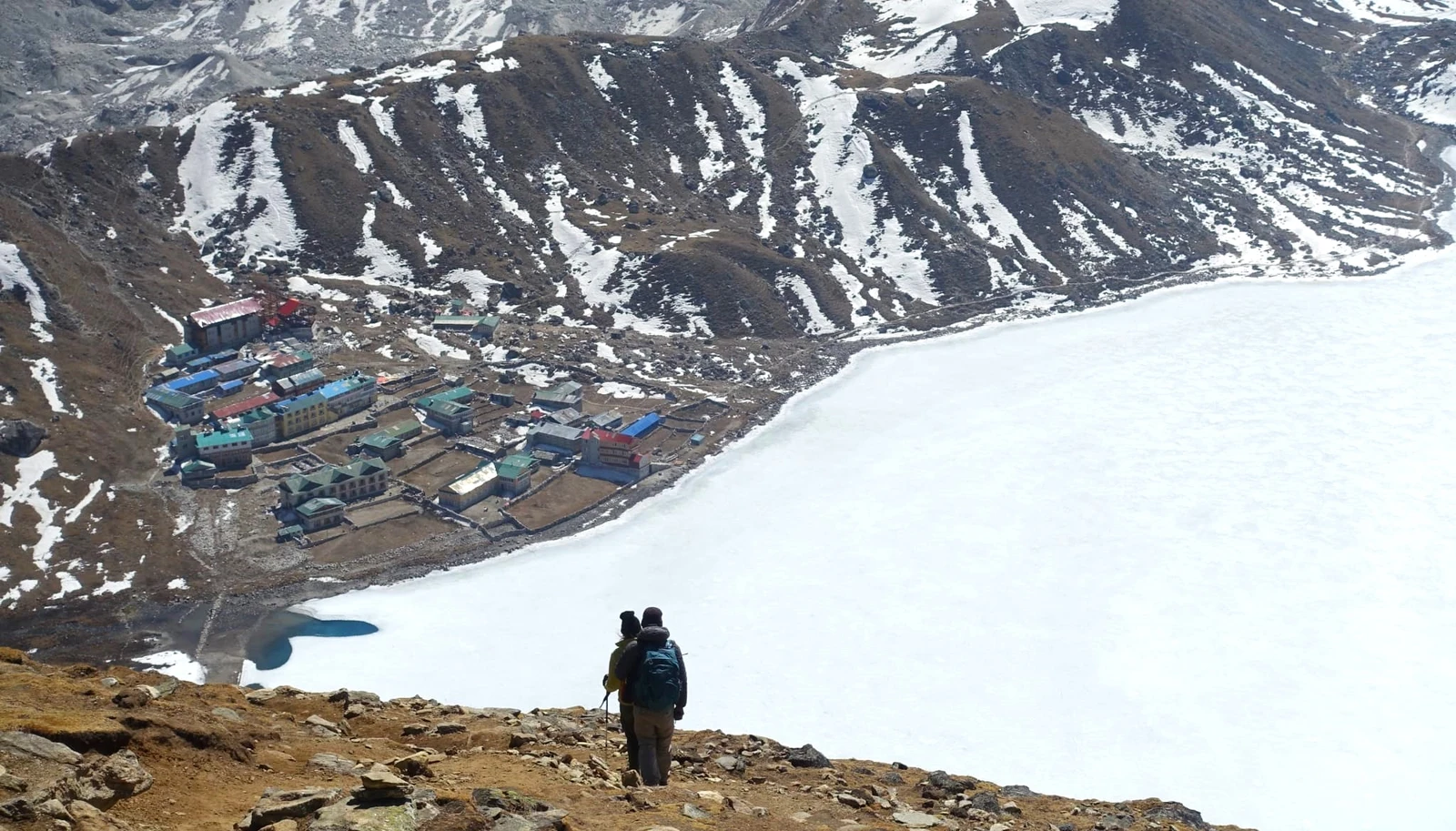
Unlike the busy Everest Base Camp trail, the Gokyo Valley route provides a more peaceful trekking experience, beautiful alpine landscapes, and an opportunity to explore the natural and cultural beauty of the Khumbu region.
So, yes! Gokyo Valley is one of the hidden treasures of the Everest region, perfect for trekkers seeking adventure, tranquility, and unforgettable Himalayan scenery.
0 Replies
·
53 views

If you’re planning a trip to Himachal Pradesh and want the outdoorsy feel of camping without giving up solid beds, clean facilities, or easy access to local sights, Bir in the Kangra Valley is one of the easiest bases to start from. It feels noticeably calmer than busier hill towns while still putting you close to paragliding in Billing, Tibetan monasteries, and short forest walks.
For travelers looking for a tented or outdoor-focused stay with resort amenities, Tatva Bir Resorts is one option worth considering. They offer tented stays—including Swiss/luxury tents and larger family or group setups—alongside rooms, lawns, and a swimming pool, which works well if you are traveling with family, a group of friends, or mixed comfort expectations where not everyone wants roughing-it camping. You can view their camp overview directly on their site: Tatva Bir Resorts – Best Camps in Himachal.
For travelers looking for a tented or outdoor-focused stay with resort amenities, Tatva Bir Resorts is one option worth considering. They offer tented stays—including Swiss/luxury tents and larger family or group setups—alongside rooms, lawns, and a swimming pool, which works well if you are traveling with family, a group of friends, or mixed comfort expectations where not everyone wants roughing-it camping. You can view their camp overview directly on their site: Tatva Bir Resorts – Best Camps in Himachal.
Practical Tips Before Booking a Camp in Bir
- Match the stay type to your group: Tents add to the outdoor vibe, while rooms or interconnected family setups are often easier if you have elders, young kids, or want extra space.
- Check washroom and heating details: Confirm whether a specific tent category has a private or shared washroom, and ask about warm water or heating if you’re visiting during cooler months.
- Plan around weather and activities: Spring (March–May/June) and post-monsoon autumn (September–November) are popular for clear views and outdoor activities like paragliding, though evenings get cool and monsoon rains can affect flying and trail plans.
- Confirm transport and bookings early: Check how far the property is from your arrival point or landing/takeoff spots, and book ahead during peak travel windows.
0 Replies
·
62 views
With several long weekends coming up in 2027, many people will be planning short trips and looking for the best way to travel. I'm a little confused about whether travelling by train, car, or flight would be the better option. Trains seem affordable and comfortable for longer journeys, cars offer more flexibility for exploring nearby places, while flights can save time when visiting distant destinations. What do you think is the best option for a 2–4 day vacation in India? Which mode of transport is more budget-friendly, convenient, and less stressful during busy long weekends? I'd love to hear your personal experiences, suggestions, and travel tips!
1 Replies
·
69 views

The Czech Republic is a beautiful European destination known for its historic castles, charming towns, and stunning architecture. Some of the top Czech Republic tourist attractions include Prague Castle, Charles Bridge, Old Town Square, Český Krumlov, and Karlovy Vary.
Prague Castle is famous for its impressive architecture and historical importance, while Charles Bridge offers beautiful views of Prague's cityscape. Old Town Square is a popular spot for exploring historic buildings and the famous Astronomical Clock. Český Krumlov is known for its picturesque streets and medieval charm, while Karlovy Vary attracts visitors with its thermal springs and relaxing atmosphere.
These attractions make the Czech Republic an excellent destination for travelers who enjoy history, culture, architecture, and scenic landscapes.
4 Replies
·
602 views

Staff member
Quick answer: You can visit the Twelve Apostles and several Great Ocean Road highlights on a single day trip from Melbourne, but expect a 12–14-hour day, with roughly 7–9 hours of driving if you self-drive. Two days and one overnight stay is the best compromise for most first-time visitors. Three days is ideal if you want the Otway rainforest, smaller coastal towns, scenic walks and the Shipwreck Coast without rushing.The Great Ocean Road is far more than one famous viewpoint. It winds through surf beaches, forested hills, seaside villages and dramatic limestone cliffs on Victoria's south-west coast. The official B100 touring road runs for approximately 243 km from Torquay to Allansford, near Warrnambool. The Twelve Apostles are about 275 km from central Melbourne by the scenic coastal route, or approximately four hours without sightseeing stops.This guide compares realistic one-, two- and three-day Great Ocean Road itineraries from Melbourne, including where to stop, where to sleep, what to budget in 2027 and which route makes sense for different travellers.
Great Ocean Road: one day vs two days vs three days
| Trip length | Driving and pace | Overnight stops | Best for | Main drawback |
|---|---|---|---|---|
| 1 day | Around 7–9 hours driving, 12–14 hours overall | None | Visitors with limited time or those joining an organised tour | Very tiring; few long stops |
| 2 days | Roughly 3–5 hours of driving each day, depending on detours | 1 night | Most first-time visitors | You must still choose which attractions to skip |
| 3 days | Around 2–4 hours daily, plus a longer inland return if extending west | 2 nights | Photographers, families, walkers and relaxed road-trippers | Higher car-hire and accommodation costs |
Before you go: the Twelve Apostles booking rule for 2027
Important 2027 update: Since 16 October 2026, visitors need an advance booking to access the new Keerray Woorroong Visitor Centre, its parking area and the Twelve Apostles viewing precinct. The booking system is designed to manage arrivals rather than leaving everyone to turn up at the busiest time.According to the Great Ocean Road Coast and Parks Authority, bookings are free until April 2027, when a booking fee is scheduled to be introduced. The future fee was not confirmed when this guide was prepared in November 2026, so check the current amount before travelling. Other nearby locations, including Gibson Steps and Loch Ard Gorge, have separate access arrangements; a booking for the main Twelve Apostles precinct is not a substitute for checking local closures.Book on the official Twelve Apostles website. Do this before fixing your driving schedule, especially in school holidays and on weekends. The visitor centre currently advertises daily opening hours of 8am–8pm; check operating times and your confirmed arrival slot rather than assuming access at sunrise or after dark.One-day Great Ocean Road itinerary: can you do it from Melbourne?
Yes, but choose the highlights. A one-day circuit is feasible if you leave central Melbourne at about 6am–6:30am, drive west along the scenic coast and use the inland Princes Highway route to return. Allow 12–14 hours overall, potentially longer with traffic or delays.The biggest mistake is treating the four-hour drive from Melbourne to the Twelve Apostles as the entire journey. That estimate does not include the drive home, lunch, toilets, photo stops, roadworks or the time needed to visit viewpoints.Suggested one-day route and timing
| Approximate time | Stop | What to do |
|---|---|---|
| 6:00–6:30am | Leave Melbourne | Pick up supplies and set off before the main rush |
| 7:30–8:15am | Torquay / Bells Beach | Short beach or lookout visit; skip a long breakfast |
| 9:00–9:45am | Memorial Arch / Lorne | Photograph the arch and make a quick coffee stop |
| 10:30–11:30am | Kennett River / coastal lookouts | Brief stops; watch for wildlife without approaching it |
| 11:30am–12:30pm | Apollo Bay | Lunch and a short break |
| 1:30–3:30pm | Twelve Apostles | Pre-booked arrival; allow time for the visitor centre and viewing paths |
| 3:30–4:30pm | Loch Ard Gorge area | Clifftop viewpoints and the Shipwreck Coast story, subject to access |
| 4:30–5:00pm | Begin inland return | Via the Colac/Princes Highway corridor, after checking navigation |
| 8:00–9:30pm | Arrive in Melbourne | Later if roadworks, slow traffic or extra stops intervene |
What you can realistically see in one day
Prioritise Bells Beach or Torquay, Memorial Arch, Lorne, one or two scenic coastal lookouts, the Twelve Apostles and the Loch Ard Gorge precinct. An optional brief rainforest stop may fit if everything runs smoothly.What to skip: Cape Otway Lightstation, multiple waterfall hikes, Port Fairy, extended beach walks and every viewpoint on the Shipwreck Coast. Trying to include them all usually turns a beautiful road trip into a race.Verdict: One day is enough to see the headline attractions, not enough to experience the region properly. It is particularly unsuitable for tired long-haul arrivals, families needing frequent stops, or anyone uncomfortable driving winding roads after a full sightseeing day.Two-day Great Ocean Road itinerary: the best balance
With two days, you can enjoy the coast rather than just ticking off stops. There are two sensible overnight choices: Apollo Bay for a more evenly split scenic drive, or Port Campbell to stay close to the Twelve Apostles and the Shipwreck Coast.Day 1: Melbourne → Torquay → Lorne → Apollo Bay
Driving: About 190 km and approximately 3 hours at the wheel without sightseeing stops. Allow 6–8 hours once you add beaches, photos and lunch.- Torquay and Bells Beach: Look around Australia's surf coast; a walk or viewpoint is more realistic than a full surf lesson if you want to reach Apollo Bay comfortably.
- Memorial Arch at Eastern View: Stop at the historic entrance arch for photographs, using the designated parking area.
- Lorne: Have lunch beside the beach. If conditions permit, choose a short additional stop such as Teddy's Lookout or nearby waterfall access rather than trying to see every attraction.
- Kennett River and the coast: Enjoy the winding ocean views and watch for wildlife at a respectful distance; koalas are not guaranteed.
- Apollo Bay: Arrive in the afternoon, enjoy the harbour or beach and stay overnight.
Day 2: Apollo Bay → Otways → Twelve Apostles → Melbourne
Driving: Expect roughly 4½–6 hours in total across the coastal leg and inland drive home, depending on your stops and detours. This is still a full day.- Depart Apollo Bay after breakfast and drive into Great Otway National Park.
- Choose one short rainforest experience if trails are open: a designated forest walk or waterfall detour. A longer Cape Otway side trip may force you to skip another stop.
- Continue west to the Twelve Apostles, arriving at your reserved time.
- Visit Loch Ard Gorge's clifftop walks and lookouts, allowing roughly 45–75 minutes for the wider precinct if open.
- If daylight and energy allow, continue briefly towards Port Campbell for a break, then head back to Melbourne inland via Colac.
Three-day Great Ocean Road itinerary: the complete short road trip
Three days lets you explore both the famous coastal road and some of the overlooked places west of the Twelve Apostles. It also provides flexibility if wind, rain or cloud spoil a planned lookout visit.Day 1: Melbourne to Apollo Bay — surf towns and scenic bends
Follow the same scenic route through Torquay, Bells Beach, Anglesea, Memorial Arch, Lorne and Kennett River. Stop for lunch in Lorne and spend the evening in Apollo Bay. If the weather is pleasant, enjoy a longer beach walk rather than trying to push on west.Driving: Around 3 hours excluding stops. Overnight: Apollo Bay.Day 2: Apollo Bay to Port Campbell — rainforest and limestone cliffs
Use the morning to discover the Otways. Pick a short walk suited to the day's conditions and accessibility, or detour towards Cape Otway if you prefer coastal history and scenery. Stay on signed roads and verify park and track status, as parts of the Otways have previously been affected by weather and fire-related closures.Continue to the Twelve Apostles, making your pre-booked visit at the time selected. Add Gibson Steps if the beach access is open and sea conditions are safe, then explore the clifftop walks around Loch Ard Gorge. Do not assume that every beach staircase is accessible: high seas, erosion and maintenance can close them.Finish in Port Campbell for dinner and an overnight stay. Staying here avoids a long drive in the dark and is convenient for seeing the Shipwreck Coast again in different light.Driving: Approximately 1½–2½ hours on the main route, plus whatever detours you choose. Overnight: Port Campbell.Day 3: Port Campbell → Bay of Islands → Warrnambool → Melbourne
Visit the London Bridge formation, The Grotto and Bay of Islands before continuing towards Warrnambool. These viewpoints show a different side of the coast and are much easier to appreciate when you are not racing back to Melbourne.If time allows, add Tower Hill Wildlife Reserve near Warrnambool or continue to the historic village of Port Fairy, but consider Port Fairy an optional extension, not an essential stop. Return to Melbourne via the inland Princes Highway corridor.Driving: Allow approximately 4–5 hours to return to Melbourne from the Port Campbell/Warrnambool area via the wider loop, excluding sightseeing; Port Fairy adds more time. Avoid stacking several optional detours onto a late departure.Verdict: Three days is the best option for photographers, hikers, repeat visitors and anyone who would rather explore than spend all day driving.How long does it take to drive each section?
| Route section | Approximate distance | Typical driving time without stops |
|---|---|---|
| Melbourne → Torquay | 100–110 km | 1¼–1¾ hours |
| Melbourne → Lorne | 140–150 km | 2–2½ hours |
| Melbourne → Apollo Bay by coast | 185–195 km | About 3 hours |
| Lorne → Apollo Bay | Around 45 km | 45–60 minutes |
| Apollo Bay → Twelve Apostles | Around 90–100 km | 1¼–1¾ hours |
| Twelve Apostles → Port Campbell | Around 10–12 km | 10–15 minutes |
| Port Campbell → Melbourne inland | Around 225–240 km | Around 3–3½ hours |
How much does a Great Ocean Road trip cost in 2027?
The table below is a planning budget for two adults travelling together from Melbourne, sharing an economy rental car and, where needed, one room. Amounts are Australian dollars (AUD) and exclude Melbourne accommodation, international travel and discretionary shopping. They are estimates rather than 2027 booking quotes; summer holidays, insurance excess reduction and car availability can increase prices substantially.| Estimated expense, 2 adults | 1-day self-drive | 2-day self-drive | 3-day self-drive |
|---|---|---|---|
| Rental car | $70–$150 | $140–$300 | $210–$450 |
| Petrol | $65–$110 | $75–$125 | $90–$150 |
| Accommodation | $0 | $140–$300 | $280–$600 |
| Meals and drinks | $50–$100 | $100–$180 | $150–$270 |
| Small extras / optional admissions | $0–$40 | $0–$60 | $0–$100 |
| Estimated total for two | $185–$400 | $455–$965 | $730–$1,570 |
| Estimated cost per person | $93–$200 | $228–$483 | $365–$785 |
Is a guided day tour cheaper than driving?
A guided day tour can be good value for solo travellers, and it removes the problem of tired evening driving. For example, in November 2026, Go West Tours advertised its Great Ocean Road full-day tour at AUD $159 by phone or $168 online for an adult, with return to Melbourne usually around 8:30–9:30pm. Meals and tour inclusions vary.For two or more travellers, sharing a rental car can cost a similar amount or less per person if rental rates are favourable. A tour makes more sense if you have one day only, do not drive, or prefer a guide; self-driving makes more sense for overnight trips and independent photography.Where should you stay overnight on the Great Ocean Road?
Apollo Bay — best all-round stop for a two-day itinerary. It sits between the ocean and the Otways, has good food and accommodation choices and naturally splits the drive into two sightseeing days.Port Campbell — best for the Twelve Apostles and photographers. This small town is close to the main coastal formations. Staying here makes late-afternoon or next-day visits easier, but popular dates can sell out and prices may be higher.Lorne — best for a short Surf Coast break. It has a lovely beach-town atmosphere and dining choices, but staying here leaves a fairly long drive to the Twelve Apostles the next morning.Warrnambool or Port Fairy — best if you have three days or longer. Choose these if you want to explore the western end of the touring route, historic streets, wildlife or the wider Shipwreck Coast rather than focus entirely on the Twelve Apostles.Booking tip: During late December, January, Easter and long weekends, reserve accommodation well ahead. For a two-day road trip with just one night, location is usually more valuable than a slightly cheaper room far off your route.Best time of year to drive the Great Ocean Road
December–February (summer): More daylight and often pleasant beach weather, but busy towns, school-holiday traffic, higher room rates and occasional high fire danger. January is particularly crowded.March–May (autumn): A strong all-round choice for milder temperatures, often fewer crowds after the peak holiday period and comfortable walking weather. Bring layers and a waterproof jacket.June–August (winter): Quieter roads and dramatic seascapes, but short daylight hours, strong winds, cold weather and possible storm-related disruptions. Whale-watching opportunities can occur near Warrnambool in the cooler months.September–November (spring): Wildflowers and renewed greenery in parts of the region, with mixed weather and occasional windy or rainy days. It is a good season for a road trip if you can be flexible.There is no month with guaranteed sunshine. Always check the forecast, and consider adding a spare day to your Melbourne stay so you can rearrange the road trip if conditions are poor.Practical Great Ocean Road driving and safety tips
- Drive on the left. Overseas visitors should familiarise themselves with Victorian road rules, road signs, rental insurance conditions and licence requirements before setting off.
- Check official road updates. Use Transport Victoria, VicTraffic and VicEmergency for road closures, severe weather and bushfire warnings. Never drive around a closure.
- Avoid unnecessary night driving. Winding roads and wildlife are harder to deal with after dark, especially if you are fatigued.
- Use designated parking bays. Never stop on blind corners or roadside shoulders simply to take photographs. Stay behind lookout barriers and away from unstable cliff edges.
- Treat beaches with caution. The Southern Ocean can have powerful surf, rips and unexpected waves. Gibson Steps and parts of the Shipwreck Coast are for viewing and walking only when safely accessible, not casual swimming.
- Carry water, layers and offline maps. Mobile reception can be patchy on remote sections. Conditions can change quickly, even in summer.
- Do not approach wild animals. Koalas, kangaroos and birds are best seen from a distance; never feed them.
- Build in rest breaks. The posted speed limit does not mean you should drive at that speed on every bend, particularly in wet conditions.
Is public transport possible?
Partly, but it is not an easy substitute for a car or tour. V/Line coaches and trains link Melbourne and regional centres, with services through Geelong and Apollo Bay. However, stop frequencies and connections may not allow the flexible visits you want at multiple lookouts, and some scenic sites are far from convenient public transport.If you cannot drive, the simplest approach is a full-day guided trip from Melbourne, or a carefully planned overnight stay combined with local transport. Check Transport Victoria's current Apollo Bay and Warrnambool timetable before committing to accommodation.Great Ocean Road FAQ
Is one day enough to see the Twelve Apostles?
Yes. You can reach the Twelve Apostles from Melbourne and return in one long day, especially with a guided tour. Just allow enough time for your advance visitor booking and remember that you will see only a selection of the attractions along the road.Is it worth staying overnight on the Great Ocean Road?
For most visitors, yes. One night in Apollo Bay or Port Campbell provides a more enjoyable pace, less pressure to drive home late and extra time for the rainforest or Shipwreck Coast.Is two days enough for the Great Ocean Road?
Yes. Two days is a comfortable compromise for the main sights if you leave Melbourne reasonably early and accept that you cannot stop everywhere. Three days is better if you want lengthy walks, waterfalls and the western coast.Where is the best place to stay: Apollo Bay or Port Campbell?
Choose Apollo Bay for an evenly paced coastal journey and access to the Otways. Choose Port Campbell to spend more time near the Twelve Apostles and surrounding limestone formations. Both can work well for a one-night trip.Can I drive the Great Ocean Road in reverse?
Yes. Some travellers drive inland first to the Twelve Apostles, then return east along the coast, which can avoid the most common visitor flow. It does not eliminate the long driving day, and you should time your main precinct booking accordingly.Is the Great Ocean Road suitable for children?
Yes, especially as a two- or three-day trip. Choose short walks, regular stops and accommodation with space for a break. A single long day may be tiring for young children.Do you have to pay to see the Twelve Apostles in 2027?
Advance booking is required. The official authority says visits are free until April 2027, after which a booking fee is due to start. Check the official site for the fee and availability when you travel; do not assume a walk-up visit will be possible.Can you see koalas on the Great Ocean Road?
You might see koalas near forested areas such as Kennett River or Cape Otway, but wildlife sightings are never guaranteed. Look from public paths and safe pull-offs, keep your distance and do not feed animals.Can I do the Great Ocean Road and return to Melbourne at night?
Yes, but plan for fatigue. If you have driven and explored for most of the day, the return leg can be harder than it looks on a map. Consider a tour, sharing driving or staying overnight instead.Final verdict: one, two or three days?
If you have one day, take a guided day trip or plan a very selective, early-start self-drive route. You'll see the Twelve Apostles and some outstanding scenery, but the day will be long.If you have two days, stay overnight in Apollo Bay or Port Campbell. This is the best overall choice for a first-time Great Ocean Road experience.If you have three days, add the Otways and the western Shipwreck Coast. You'll gain time to walk, photograph and explore the towns that many day-trippers rush past.Planning a trip? Tell other Forum4Travel travellers how many days you have, whether you will rent a car and what time of year you are visiting. Are you leaning towards a day trip, or would you stay overnight on the Great Ocean Road?More Victoria travel planning
- 3 Days in Melbourne: The Perfect Melbourne Itinerary
- 25 Best Things to Do in Melbourne, Australia
- Puffing Billy & Dandenong Ranges Day Trip from Melbourne
- Victoria Travel Forum
Useful official sources
Information researched and updated November 2026 for travellers planning trips in 2027. Driving times and cost ranges are estimates. Always confirm bookings, conditions and current prices before departure.
0 Replies
·
99 views