
forum4travel

But somewhere between a breakdown on a dusty highway in Rajasthan and fighting off my twentieth aggressive tout in a crowded market, the romance wore off.
I realized that in South Asia—a region that is as chaotic as it is breathtaking—stubborn independence often comes at the cost of the actual experience. There is a fine line between adventure and unnecessary exhaustion.
For solo female travelers specifically, that line is even thinner.
I eventually made the switch. I traded the random hostel roommates for professional planning, and the public buses for a private chauffeur. And I’m going to be honest with you: it didn't make my trip "less authentic." It made it possible for me to actually enjoy it.
The Myth of the "Real" Experience
There is this pervasive snobbery in the travel world that comfort equals distance. The logic goes that if you are in a private car, you are separated from the culture.That is nonsense.
When you are solo and navigating a complex public transport system in a foreign language, your brain is 90% focused on logistics and survival. Where is my bag? Is this the right stop? Is that guy following me? Did I just get ripped off? You aren't soaking in the culture; you are managing risk.
When I finally hired a private guide (and a vehicle), that mental load vanished. Suddenly, I wasn't watching the road for potholes; I was watching the scenery. I wasn't worried about whether the bus would actually show up; I was asking my driver about the history of the roadside shrine we just passed.
If you are planning a trip to this part of the world, specifically Sri Lanka or India, the "chauffeur-guide" culture is unique. These aren't just taxi drivers. In many cases, they are licensed professionals who act as translators, bodyguards, and historians rolled into one.
The Safety Buffer
Let’s talk about the elephant in the room. Safety.South Asia is incredibly welcoming, but for a woman traveling alone, the attention can be overwhelming. It ranges from harmless staring to persistent following. It’s exhausting to constantly have your guard up.
Having a local guide creates an immediate, invisible buffer. Touts don't bother you. The "stare factor" drops significantly because you are seen as being "with someone." It changes the dynamic of how you move through public spaces.
I remember walking through a crowded market with my guide. He didn't shelter me from the chaos—he translated it. He showed me which street food was safe to eat and which vendor was selling genuine spices versus colored sawdust. I was deeper in the culture than I ever could have been alone, simply because I felt safe enough to be curious.
For those concerned about safety standards, relying on established infrastructure is key. The UK Foreign Office travel advice often highlights the importance of using reputable transport providers rather than hailing random vehicles at night. It’s practical advice that separates a great trip from a stressful one.
The "Hidden" Logistics
Here is something the blogs don't tell you: Google Maps in South Asia is a suggestion, not a rule.Distances here are measured in time, not kilometers. A 100km drive might take two hours, or it might take five, depending on whether there’s a festival, a protest, or an elephant on the road.
When I was backpacking, I wasted days—literally days—waiting for connections.
Working with a professional agency changed the math. The logistics became their problem, not mine. I realized that legitimate agencies (the ones that have been around for a decade or more) have networks that apps don't. They know which roads are flooded. They know which "scenic route" is actually just a dirt track.
I once wanted to visit a specific remote temple. If I had been on the bus, it would have been a two-day ordeal involving a transfer and a long walk. With a private vehicle, it was a three-hour detour. We stopped, I explored, we left.
This efficiency is crucial if you are on a tight schedule. You don't want to spend your two-week holiday waiting at a bus stand.
Choosing the Right Support
Now, this doesn't mean you should just book the first tour you see on a billboard. The quality varies wildly.You are looking for experience. In the tourism trade, longevity is the best indicator of reliability. If a company has been operating for 10 or 11 years, they have likely survived economic downturns and global crises by being good at what they do.
You also want to look for specific certifications. In Sri Lanka, for example, the "Safe and Secure" certification isn't just a sticker; it’s a protocol. It means the agency is registered with the tourist board and meets specific hygiene and operational standards.
When I look for sri lanka tour packages, I specifically look for agencies that offer "unlimited mileage" or flexible transport options. Some budget operators will cap your daily distance, which kills the spontaneity. You want a chauffeur who says, "Sure, we can drive an extra hour to see that waterfall," not one who checks the odometer and shakes his head.
It’s Not Just About Being Driven Around
The other misconception is that hiring a guide means you are on a "tour bus" schedule. Wake up at 7, see the monument, eat the buffet, sleep.That only happens if you book a bad tour.
A private chauffeur guide is different. It’s collaborative. It’s customized. You want to spend four hours watching birds? You can. You want to skip the museum and go find the best crab curry in town? You can.
In fact, the culinary aspect alone is worth the cost. A local driver knows where the truckers and the grandmothers eat. They won't take you to the tourist traps serving watered-down dhal; they’ll take you to the roadside shack that has been making the same hopper recipe for forty years. Eater’s guide to Sri Lankan food touches on how complex the cuisine is—having a local to navigate the menu is a godsend.
The Financial Reality
The biggest argument against this style of travel is cost. "Backpacking is cheaper," they say.On paper? Yes. A bus ticket costs pennies.
But calculate the value of your time. If you save $20 but lose six hours of your day in transit, is that a savings? If you get sick because you didn't know which water was safe, how much is that worth?
And frankly, the rates for private transport in South Asia are incredibly reasonable compared to Europe or North America. You can often get a full-service experience—a reliable vehicle, a dedicated driver, fuel, and insurance—for the price of a standard rental car in the West.
A Note on Responsible Tourism
There is also an ethical angle here. When you hire a registered agency, you are supporting the formal economy. You are ensuring that the people working in the tourism sector are part of a regulated system.Unregulated tourism—hiring a random guy with a van off the street—often contributes to the "race to the bottom" in terms of pricing and safety. Registered chauffeurs have reputations to maintain. They are professionals who take pride in their country.
Plus, they know the etiquette. South Asia is deeply traditional. Knowing how to dress for a temple or how to interact with monks is important. A good guide prevents you from accidentally being disrespectful. Culture Trip’s etiquette guide is a good primer, but nothing beats having a local whisper, "Take your hat off now," before you walk through a gate.
The Verdict
I haven't burned my backpack. There are still places in the world where I prefer to just wander and figure it out.But South Asia deserves your full attention. It deserves to be seen with clear eyes, not eyes stinging from exhaust fumes and exhaustion. It is a region of incredible depth, history, and beauty.
Hiring a local expert wasn't about giving up my independence. It was about maximizing my time. It allowed me to go further, stay safer, and learn more than I ever could have on my own.
So if you are sitting there planning your itinerary, trying to figure out how to connect a train in Kandy to a bus in Ella without losing your mind, do yourself a favor. Look into a private driver. It’s the best travel investment you will make.
0 Replies
·
276 views

I’ve always been fascinated by China because it offers a mix of ancient history, modern cities, beautiful nature, and unique culture all in one trip.
One interesting fact is that China is home to one of the world's greatest landmarks, the Great Wall, which stretches thousands of miles across the country. Walking along parts of it feels like stepping back in time. Another amazing place is Beijing, where you can visit the Forbidden City and learn about centuries of imperial history.
What surprised me most was how different each region feels. In Shanghai, you see futuristic skyscrapers and busy streets, while places like Guilin are famous for peaceful rivers and stunning mountain scenery. Every destination feels like a completely different experience.
The weather varies a lot depending on where and when you travel. Spring and autumn are usually considered the best seasons because temperatures are comfortable and sightseeing is easier. Summers can be hot and humid in many cities, while northern areas can get quite cold during winter.
One traveler I met told me their favorite memory was taking a high-speed train across the country. They loved watching modern cities, countryside villages, and mountains pass by in just a few hours. It's one of the easiest ways to see how diverse China really is.
One thing I really enjoyed about China was simply wandering through local neighborhoods, small markets, and traditional streets. While famous landmarks are impressive, some of the most memorable moments come from everyday experiences, like trying a new dish, chatting with locals, or finding a quiet spot away from the crowds.
I found some useful information while planning my own flight to China, and it helped me get a better idea of the different regions and what to expect before traveling.
One interesting fact is that China is home to one of the world's greatest landmarks, the Great Wall, which stretches thousands of miles across the country. Walking along parts of it feels like stepping back in time. Another amazing place is Beijing, where you can visit the Forbidden City and learn about centuries of imperial history.
What surprised me most was how different each region feels. In Shanghai, you see futuristic skyscrapers and busy streets, while places like Guilin are famous for peaceful rivers and stunning mountain scenery. Every destination feels like a completely different experience.
The weather varies a lot depending on where and when you travel. Spring and autumn are usually considered the best seasons because temperatures are comfortable and sightseeing is easier. Summers can be hot and humid in many cities, while northern areas can get quite cold during winter.
One traveler I met told me their favorite memory was taking a high-speed train across the country. They loved watching modern cities, countryside villages, and mountains pass by in just a few hours. It's one of the easiest ways to see how diverse China really is.
One thing I really enjoyed about China was simply wandering through local neighborhoods, small markets, and traditional streets. While famous landmarks are impressive, some of the most memorable moments come from everyday experiences, like trying a new dish, chatting with locals, or finding a quiet spot away from the crowds.
I found some useful information while planning my own flight to China, and it helped me get a better idea of the different regions and what to expect before traveling.
1 Replies
·
562 views

Hey everyone,
When traveling I've often been frustrated at finding venues and performances, often due to the language barrier. I've made Performing Arts Atlas in order to overcome this and find shows wherever I end up. Interested in hearing what you think about it and if its useful to others.
When traveling I've often been frustrated at finding venues and performances, often due to the language barrier. I've made Performing Arts Atlas in order to overcome this and find shows wherever I end up. Interested in hearing what you think about it and if its useful to others.
0 Replies
·
18 views

Hi everyone,
I’m looking for information about Tempo Traveller rentals in Gurugram for a group trip. We are planning to travel with several people, so a Tempo Traveller seems more convenient than booking multiple cars.
I’m particularly interested in a comfortable vehicle with enough space for passengers and luggage. It would also be helpful to know the approximate rental cost, available seating options, and whether the vehicle can be booked for local sightseeing as well as outstation trips.
For anyone planning a group trip around Delhi, Gurugram, Jaipur, Agra, or nearby destinations, hiring a Tempo Traveller can be a practical option because everyone can travel together.
I came across a local service, Vs Taxi Service, that provides Tempo Traveller rental services in Delhi and Gurugram. Their service information is available here:
htempo-traveller-on-rent/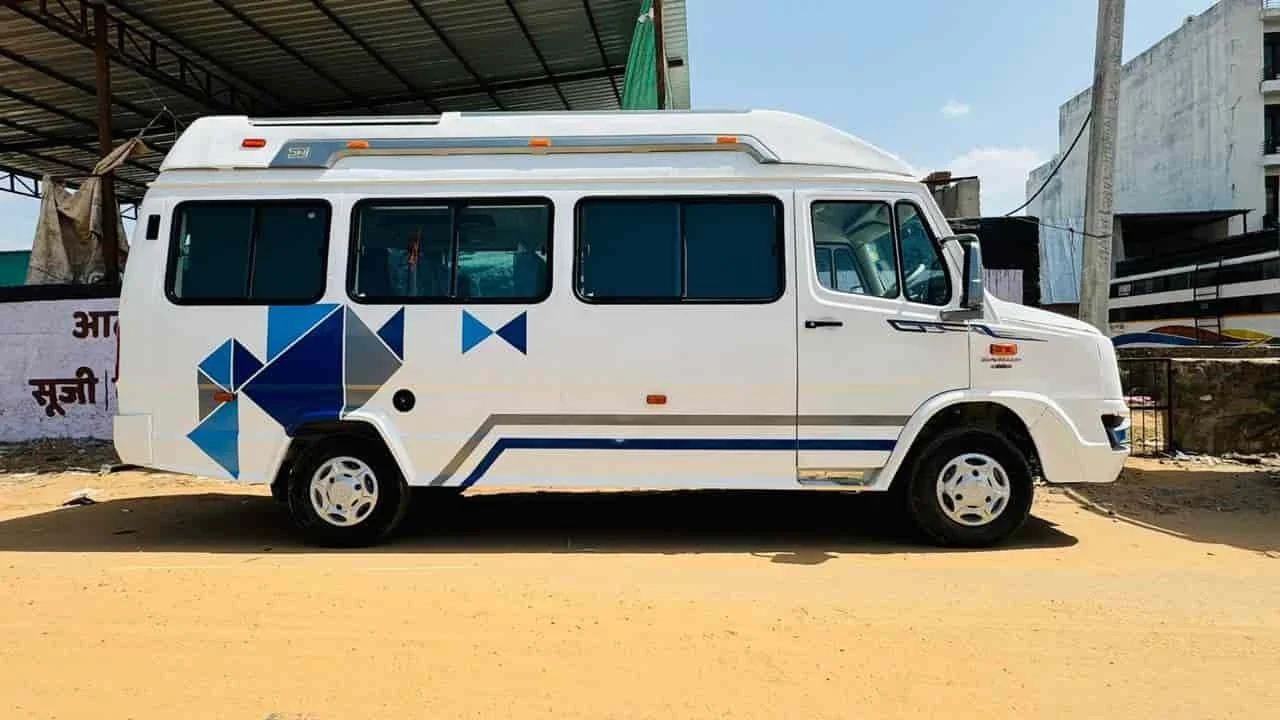
Has anyone here recently hired a Tempo Traveller in Gurugram? I’d appreciate recommendations regarding the vehicle, pricing, and overall experience.
Thanks!
I’m looking for information about Tempo Traveller rentals in Gurugram for a group trip. We are planning to travel with several people, so a Tempo Traveller seems more convenient than booking multiple cars.
I’m particularly interested in a comfortable vehicle with enough space for passengers and luggage. It would also be helpful to know the approximate rental cost, available seating options, and whether the vehicle can be booked for local sightseeing as well as outstation trips.
For anyone planning a group trip around Delhi, Gurugram, Jaipur, Agra, or nearby destinations, hiring a Tempo Traveller can be a practical option because everyone can travel together.
I came across a local service, Vs Taxi Service, that provides Tempo Traveller rental services in Delhi and Gurugram. Their service information is available here:
htempo-traveller-on-rent/
Has anyone here recently hired a Tempo Traveller in Gurugram? I’d appreciate recommendations regarding the vehicle, pricing, and overall experience.
Thanks!
0 Replies
·
16 views
I’m planning a Delhi sightseeing trip and was looking for the best way to cover the major attractions in one day.
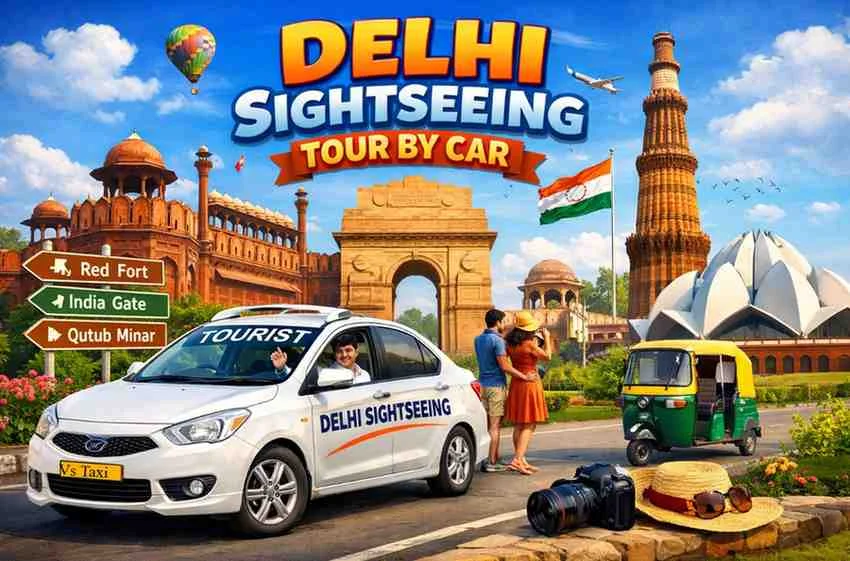
Delhi has many popular places to visit, including India Gate, Qutub Minar, Lotus Temple, Humayun’s Tomb, Red Fort and Connaught Place. For a first-time visitor, I think hiring a private cab can be more convenient than using multiple public transport options.
A private car allows you to plan the sightseeing route according to your schedule and spend more time at the places you actually want to visit.
I recently came across Vs Taxi Service, which provides Delhi sightseeing cab services and private cars for local sightseeing. Their Delhi sightseeing information is available here:
https://vstaxiservice.com/delhi-sightseeing-tour-by-car/
Has anyone here recently explored Delhi by cab? Which places would you recommend covering in a one-day Delhi sightseeing itinerary?
Tip: On a forum, keep the backlink relevant and natural. Avoid stuffing keywords or repeatedly promoting your business, as that can look like spam.
Delhi has many popular places to visit, including India Gate, Qutub Minar, Lotus Temple, Humayun’s Tomb, Red Fort and Connaught Place. For a first-time visitor, I think hiring a private cab can be more convenient than using multiple public transport options.
A private car allows you to plan the sightseeing route according to your schedule and spend more time at the places you actually want to visit.
I recently came across Vs Taxi Service, which provides Delhi sightseeing cab services and private cars for local sightseeing. Their Delhi sightseeing information is available here:
https://vstaxiservice.com/delhi-sightseeing-tour-by-car/
Has anyone here recently explored Delhi by cab? Which places would you recommend covering in a one-day Delhi sightseeing itinerary?
Tip: On a forum, keep the backlink relevant and natural. Avoid stuffing keywords or repeatedly promoting your business, as that can look like spam.
0 Replies
·
27 views

Staff member
Getting traffic to a travel website has become increasingly competitive. Creating great travel content is still important, but website owners also need to think about SEO, Google search visibility, social media, content marketing, website performance and new ways travellers are discovering information online.
Whether you run a small travel blog or manage a large tourism website, this forum is here for members to exchange ideas, ask questions and share what has actually worked for them.
Search Engine Optimisation for Travel Websites
SEO can help travellers discover your website when they are actively researching destinations, accommodation, attractions, flights and things to do.Topics you're welcome to discuss include:
- Keyword research
- Travel SEO strategies
- On-page SEO
- Technical SEO
- Internal linking
- Link building
- Google Search Console
- Google indexing
- Core Web Vitals and website speed
- Schema and structured data
- Image SEO
- Local SEO
- International and multilingual SEO
- Destination-page optimisation
- Recovering lost Google traffic
- Google algorithm updates
 Travel Content & Blogging
Travel is an incredibly competitive area for online content.Simply publishing another generic article about the "10 Best Things to Do" may not be enough to stand out.
We'd particularly like to discuss ways of creating genuinely useful travel content based on:
First-hand experience
Share knowledge that could only come from actually visiting a destination.
Local expertise
Local residents, guides and tourism businesses can provide information travellers may struggle to find elsewhere.
Original photographs and videos
Unique media can make travel guides significantly more useful.
Detailed practical information
Transport, prices, opening times, accessibility, booking advice and local tips can often be more valuable than lengthy destination descriptions.
Regularly updated information
Travel information changes. Updating older guides can be just as important as publishing new ones.
SEO, AI Search & the Future of Travel Content
The way people search for travel information continues to evolve.Traditional Google search remains important, but travellers are increasingly discovering destinations and researching trips through AI assistants, social networks, video platforms, maps, forums and online communities.
This creates plenty of interesting questions for travel website owners.
How should we optimise content for AI-generated search results?
Will forums and first-hand travel discussions become more valuable?
How important will brand recognition become?
Are traditional keyword strategies still enough?
How can smaller independent travel websites compete with major booking platforms and publishers?
These are exactly the types of discussions we'd like to see here.
Social Media & Travel Marketing
SEO doesn't need to be your only source of traffic.Use this forum to discuss marketing through platforms such as:
- YouTube
- TikTok
- X
- Email newsletters
- Online travel communities
It would be particularly interesting to hear which platforms are currently generating real website visitors, enquiries or bookings, rather than simply likes and followers.
Marketing a Travel Business
This forum isn't only for bloggers.If you operate a:
- Tour company
- Travel agency
- Hotel
- Guesthouse
- Holiday rental
- Travel forum
- Destination website
- Travel app
- Tourism service
- Transport business
- Travel-related marketplace
Topics could include Google Business Profiles, local search, online reviews, destination marketing, conversion optimisation, booking websites and generating enquiries.
Share Real SEO Experiences
One of the most useful things members can contribute is actual experience.If you've tried something and it worked, tell us about it.
For example:
Or:
Or:
Real examples make discussions much more useful than simply repeating generic SEO advice.
You don't need to reveal confidential statistics or commercially sensitive information. Even sharing the general approach and outcome can help other members.
Please Keep Discussions Useful
We want this forum to become a useful resource for people genuinely interested in travel SEO and marketing.Please avoid:
- Automated promotional posts
- Irrelevant backlinks
- Repeated advertising
- Copy-and-paste SEO content
- Posting simply to obtain a link
- Generic AI-generated replies that add nothing to the discussion
Introduce Yourself
To get the discussion started, tell us a little about what you're working on.Do you run a travel website, blog, forum or tourism business?
Where does most of your traffic currently come from?
What part of SEO or online marketing are you finding most difficult?
And perhaps most importantly:
What SEO or marketing strategy is actually working for your travel website right now?
Start a new thread, share your experiences and ask questions.
Welcome to the forum4travel SEO & Marketing community – we look forward to learning from each other and helping more independent travel websites get discovered.
0 Replies
·
27 views

The Annapurna Base Camp (ABC) Trek is one of Nepal’s most iconic trekking experiences, offering breathtaking views of the Annapurna massif, charming villages, and diverse landscapes. For first-time trekkers, understanding the Annapurna Base Camp trek map and route is essential for planning a safe, enjoyable, and memorable adventure. This guide will explain the ABC trekking route, highlights, daily itinerary, distances, altitudes, and important tips to make your trek successful.
Key points on the ABC trek map include:
By following the ABC trek map, first-time trekkers can clearly plan daily distances, resting points, and acclimatization stops.
Day 1: Pokhara to Nayapul and Trek to Tikhedhunga
Distance: 8 km | Altitude: 1,540m
The trek begins from Nayapul, a 1.5-hour drive from Pokhara. Walk along the Modi River through terraced fields, small villages, and suspension bridges to reach Tikhedhunga, known for its steep uphill climb.
Day 2: Tikhedhunga to Ghorepani
Distance: 12 km | Altitude: 2,850m
This section includes the famous stair climb of Ulleri. Ghorepani is a beautiful village and base for the Poon Hill sunrise hike, providing panoramic views of Dhaulagiri, Annapurna South, and Machhapuchhre.
Day 3: Ghorepani to Tadapani via Poon Hill
Distance: 10 km | Altitude: 2,630m
Early morning trek to Poon Hill for sunrise is highly recommended. Descend back to Ghorepani and trek through rhododendron forests to reach Tadapani, a quiet and scenic village.
Day 4: Tadapani to Chomrong
Distance: 8 km | Altitude: 2,170m
Trek through dense forests, waterfalls, and charming villages to reach Chomrong, the gateway to the upper Annapurna region. This village offers amazing views of Annapurna South and Machhapuchhre.
Day 5: Chomrong to Dovan
Distance: 10 km | Altitude: 2,600m
The trail ascends through bamboo and rhododendron forests. Cross the Kimrong Khola and continue uphill to Dovan, a small settlement perfect for overnight stay.
Day 6: Dovan to Deurali
Distance: 8 km | Altitude: 3,200m
Trek continues uphill with stunning mountain views, passing through Bamboo and Himalaya. Arrive at Deurali, where trekkers acclimatize before the final ascent.
Day 7: Deurali to Annapurna Base Camp
Distance: 12 km | Altitude: 4,130m
The final ascent is challenging but rewarding. Trek through rocky paths, moraine landscapes, and glaciers to reach Annapurna Base Camp. Enjoy 360-degree views of Himalchuli, Annapurna I, Machhapuchhre, and Annapurna South.
Day 8: Annapurna Base Camp to Bamboo
Distance: 15 km | Altitude: 2,310m
Begin descending via Dovan, enjoying landscapes from a different perspective. Overnight at Bamboo.
Day 9: Bamboo to Jhinu Danda
Distance: 10 km | Altitude: 1,780m
Descend further to Jhinu Danda, famous for natural hot springs – perfect for relaxing tired muscles.
Day 10: Jhinu Danda to Nayapul and Drive to Pokhara
Distance: 12 km | Altitude: 1,070m
Complete the trek by reaching Nayapul and drive back to Pokhara, celebrating the successful trek.
Book your Annapurna Base Camp trek with Himalayan Asia Treks today for a guided, well-organized adventure that ensures comfort, safety, and the best trekking experience possible.
Understanding the Annapurna Base Camp Trek Map
The Annapurna Base Camp trek map shows the journey starting from Pokhara, the gateway to the Annapurna region, through traditional Gurung villages, lush forests, and high mountain trails leading to the base of the Annapurna Massif. The ABC trek is a loop trek, allowing trekkers to explore the stunning Machhapuchhre (Fishtail) Mountain, Himalchuli, and Annapurna South, before descending back to Pokhara.Key points on the ABC trek map include:
- Pokhara – Starting point (transport hub)
- Naya Pul – Trekking entry point
- Ghorepani & Poon Hill – Famous for sunrise views (optional detour)
- Tadapani – Mountain village with lush rhododendron forests
- Chomrong – Gateway to the higher Annapurna region
- Himalaya & Bamboo – Scenic villages en route
- Deurali & Machhapuchhre Base Camp – Challenging high-altitude sections
- Annapurna Base Camp (ABC) – Final destination at 4,130m
- Sinuwa & Jhinu Danda – Descent through hot springs
- Nayapul & Pokhara – Trek completion
By following the ABC trek map, first-time trekkers can clearly plan daily distances, resting points, and acclimatization stops.
Annapurna Base Camp Trek Route Overview
The ABC trek route covers approximately 115 km round trip from Pokhara, depending on the entry and exit points. Most first-time trekkers prefer the standard 10–12 day itinerary, which balances trekking pace with acclimatization.Day-by-Day Route Guide
Day 1: Pokhara to Nayapul and Trek to Tikhedhunga
Distance: 8 km | Altitude: 1,540m
The trek begins from Nayapul, a 1.5-hour drive from Pokhara. Walk along the Modi River through terraced fields, small villages, and suspension bridges to reach Tikhedhunga, known for its steep uphill climb.
Day 2: Tikhedhunga to Ghorepani
Distance: 12 km | Altitude: 2,850m
This section includes the famous stair climb of Ulleri. Ghorepani is a beautiful village and base for the Poon Hill sunrise hike, providing panoramic views of Dhaulagiri, Annapurna South, and Machhapuchhre.
Day 3: Ghorepani to Tadapani via Poon Hill
Distance: 10 km | Altitude: 2,630m
Early morning trek to Poon Hill for sunrise is highly recommended. Descend back to Ghorepani and trek through rhododendron forests to reach Tadapani, a quiet and scenic village.
Day 4: Tadapani to Chomrong
Distance: 8 km | Altitude: 2,170m
Trek through dense forests, waterfalls, and charming villages to reach Chomrong, the gateway to the upper Annapurna region. This village offers amazing views of Annapurna South and Machhapuchhre.
Day 5: Chomrong to Dovan
Distance: 10 km | Altitude: 2,600m
The trail ascends through bamboo and rhododendron forests. Cross the Kimrong Khola and continue uphill to Dovan, a small settlement perfect for overnight stay.
Day 6: Dovan to Deurali
Distance: 8 km | Altitude: 3,200m
Trek continues uphill with stunning mountain views, passing through Bamboo and Himalaya. Arrive at Deurali, where trekkers acclimatize before the final ascent.
Day 7: Deurali to Annapurna Base Camp
Distance: 12 km | Altitude: 4,130m
The final ascent is challenging but rewarding. Trek through rocky paths, moraine landscapes, and glaciers to reach Annapurna Base Camp. Enjoy 360-degree views of Himalchuli, Annapurna I, Machhapuchhre, and Annapurna South.
Day 8: Annapurna Base Camp to Bamboo
Distance: 15 km | Altitude: 2,310m
Begin descending via Dovan, enjoying landscapes from a different perspective. Overnight at Bamboo.
Day 9: Bamboo to Jhinu Danda
Distance: 10 km | Altitude: 1,780m
Descend further to Jhinu Danda, famous for natural hot springs – perfect for relaxing tired muscles.
Day 10: Jhinu Danda to Nayapul and Drive to Pokhara
Distance: 12 km | Altitude: 1,070m
Complete the trek by reaching Nayapul and drive back to Pokhara, celebrating the successful trek.
Key Highlights Along the Annapurna Base Camp Trek Route
- Poon Hill Sunrise – Panoramic views of Annapurna and Dhaulagiri range.
- Chomrong Village – Traditional Gurung culture and architecture.
- Machhapuchhre Base Camp – Close-up views of the iconic Fishtail Mountain.
- Natural Hot Springs at Jhinu Danda – Perfect for relaxation.
- Annapurna Base Camp – Stunning 360-degree Himalayan panorama.
Annapurna Base Camp Trek Tips for First-Time Trekkers
- Best Time to Trek: March to May and September to November for clear skies and moderate temperatures.
- Trek Difficulty: Moderate to challenging, suitable for beginners with a reasonable fitness level.
- Packing Essentials: Layered clothing, trekking boots, sleeping bag, trekking poles, water purification, and sunscreen.
- Acclimatization: Essential to prevent altitude sickness, especially at Dovan and Deurali.
- Navigation: Follow the ABC trek map and local guides; trails are well-marked but some sections can be confusing.
Annapurna Base Camp Trek Distance and Altitude
The ABC trek distance is roughly 115 km round trip, with altitudes ranging from 1,070m at Nayapul to 4,130m at Annapurna Base Camp. Daily trekking distances vary between 8–15 km, depending on the itinerary and acclimatization stops.Conclusion
The Annapurna Base Camp trek map and route provides first-time trekkers with a clear understanding of this incredible journey. By planning carefully, following the recommended route, and respecting altitude and weather conditions, trekkers can enjoy a safe, scenic, and unforgettable experience in the heart of the Himalayas.Book your Annapurna Base Camp trek with Himalayan Asia Treks today for a guided, well-organized adventure that ensures comfort, safety, and the best trekking experience possible.
1 Replies
·
388 views
Hello everyone,
I'm Juspen, from Cameroon, and I've been living and working in Rwanda for several years.
My work has been in law and business, but I've also grown really interested in tourism and traveling throughout Africa. I currently manage Continental Travel and Tours LTD, a travel company based in Rwanda that offers unique experiences throughout Rwanda and East Africa, such as Rwanda, Uganda, Kenya, Tanzania, and Zanzibar.
I joined this group because I want to meet people who love traveling, especially those who are into exploring Africa and finding places that aren't just the typical tourist spots.
I'm really excited to share some real tips about traveling in Rwanda and East Africa.
I'll cover travel plans, places to visit, local traditions, and some things that first-time travelers might not be aware of before they come here.
I'm also excited to hear about other members' travel experiences and learn from their journeys around the world.
Great to be here, and I'm looking forward to taking part in the discussions.
I'm Juspen, from Cameroon, and I've been living and working in Rwanda for several years.
My work has been in law and business, but I've also grown really interested in tourism and traveling throughout Africa. I currently manage Continental Travel and Tours LTD, a travel company based in Rwanda that offers unique experiences throughout Rwanda and East Africa, such as Rwanda, Uganda, Kenya, Tanzania, and Zanzibar.
I joined this group because I want to meet people who love traveling, especially those who are into exploring Africa and finding places that aren't just the typical tourist spots.
I'm really excited to share some real tips about traveling in Rwanda and East Africa.
I'll cover travel plans, places to visit, local traditions, and some things that first-time travelers might not be aware of before they come here.
I'm also excited to hear about other members' travel experiences and learn from their journeys around the world.
Great to be here, and I'm looking forward to taking part in the discussions.
1 Replies
·
92 views

India has something for every kind of honeymoon. Rajasthan is perfect for couples who love palaces and heritage, Kerala offers peaceful backwaters and lush landscapes, while Goa is ideal for beaches, sunsets, and a relaxed vibe. For mountain lovers, Kashmir and Himachal Pradesh are beautiful choices.
If you want a romantic trip with stays, sightseeing, and experiences planned together, you can explore honeymoon packages in India and choose an itinerary that fits your travel style and budget.
If you want a romantic trip with stays, sightseeing, and experiences planned together, you can explore honeymoon packages in India and choose an itinerary that fits your travel style and budget.
0 Replies
·
45 views

Looking for the best Dubai tour packages and adventure activities? Tripa Tours offers exciting experiences like desert safari, city tours, hot air balloon rides, and top attraction tickets in Dubai. Enjoy affordable prices, customized travel plans, and professional service for an unforgettable Dubai trip. Explore thrilling adventures and iconic attractions with a trusted travel agency.
2 Replies
·
352 views

Delhi NCR has several well-established tempo traveller rental operators known for outstation and city tour bookings, with per-km rates generally ranging from ₹22–₹34 depending on seating capacity and category.
Rather than a single definitive "top 5" ranking (which changes with reviews and seasonal demand), the most searched and recommended types of Delhi tempo traveller providers fall into these categories: operators offering 9–26 seater fleets with AC, Maharaja seating, and LED/music systems for weddings and corporate events; providers specializing in Char Dham and pilgrimage tempo traveller packages (Haridwar, Rishikesh, Vaishno Devi, Mehandipur Balaji); budget-focused operators offering starting rates as low as ₹17–₹22/km for local and short outstation trips; and premium operators offering Force Urbania vans and luxury tempo travellers with reclining seats for corporate and long-distance comfort.
When shortlisting a tempo traveller company in Delhi, compare: per-km rate versus package rate, driver charges (typically ₹400–₹800/day), minimum km/day clauses (often 250 km for outstation), vehicle age and AC condition, and whether tolls/state tax/parking are included in the quoted price. Reading recent Google reviews, confirming vehicle registration and insurance, and requesting a written quote before booking are the best ways to identify a genuinely reliable tempo traveller operator serving Delhi, Gurgaon, Noida, and Faridabad.
FAQs
Q: What is the average tempo traveller price per km in Delhi?
A: Rates start from ₹17–₹24/km for standard variants and go up to ₹30–₹35/km for premium/Maharaja tempo travellers.
Q: How do I verify a tempo traveller operator in Delhi is reliable?
A: Check recent reviews, ask for vehicle registration/insurance details, and get a written quote clarifying tolls, driver charges, and minimum km terms.
Q: Do Delhi tempo traveller operators serve Gurgaon, Noida, and Faridabad too?
A: Yes, most established Delhi-based tempo traveller companies also operate across Gurgaon, Noida, and Faridabad within the NCR region.
Rather than a single definitive "top 5" ranking (which changes with reviews and seasonal demand), the most searched and recommended types of Delhi tempo traveller providers fall into these categories: operators offering 9–26 seater fleets with AC, Maharaja seating, and LED/music systems for weddings and corporate events; providers specializing in Char Dham and pilgrimage tempo traveller packages (Haridwar, Rishikesh, Vaishno Devi, Mehandipur Balaji); budget-focused operators offering starting rates as low as ₹17–₹22/km for local and short outstation trips; and premium operators offering Force Urbania vans and luxury tempo travellers with reclining seats for corporate and long-distance comfort.
When shortlisting a tempo traveller company in Delhi, compare: per-km rate versus package rate, driver charges (typically ₹400–₹800/day), minimum km/day clauses (often 250 km for outstation), vehicle age and AC condition, and whether tolls/state tax/parking are included in the quoted price. Reading recent Google reviews, confirming vehicle registration and insurance, and requesting a written quote before booking are the best ways to identify a genuinely reliable tempo traveller operator serving Delhi, Gurgaon, Noida, and Faridabad.
FAQs
Q: What is the average tempo traveller price per km in Delhi?
A: Rates start from ₹17–₹24/km for standard variants and go up to ₹30–₹35/km for premium/Maharaja tempo travellers.
Q: How do I verify a tempo traveller operator in Delhi is reliable?
A: Check recent reviews, ask for vehicle registration/insurance details, and get a written quote clarifying tolls, driver charges, and minimum km terms.
Q: Do Delhi tempo traveller operators serve Gurgaon, Noida, and Faridabad too?
A: Yes, most established Delhi-based tempo traveller companies also operate across Gurgaon, Noida, and Faridabad within the NCR region.
0 Replies
·
36 views