
forum4travel

Mount Kailash, located in the far western part of Tibet, is one of the most sacred mountains in the world, revered by Hindus, Buddhists, Jains, and Bon practitioners alike. For centuries, pilgrims from across the globe have embarked on the Mount Kailash Mansarovar Yatra, seeking spiritual enlightenment and a deep connection to the divine. The journey to this holy place is not just a physical trek but a profound spiritual experience that touches the soul. The Mount Kailash Mansarovar Yatra from India, organized by Himalayan Asia Treks, is designed to offer an authentic and seamless pilgrimage experience to this sacred destination.
In this article, we will delve into the details of the Mount Kailash Mansarovar Yatra from India, including essential information, the spiritual significance, itinerary, and travel tips. If you're looking to embark on this journey in 2025 or beyond, this guide will help you plan your adventure with ease.
Lake Mansarovar, located near Mount Kailash, is considered one of the holiest lakes in the world. It is believed that taking a dip in the lake purifies the body and soul, offering spiritual benefits and blessings. The tranquil waters of Mansarovar, along with the majestic Kailash peak, form an awe-inspiring backdrop for the pilgrims, who come from all over the world to pay homage.
In this article, we will delve into the details of the Mount Kailash Mansarovar Yatra from India, including essential information, the spiritual significance, itinerary, and travel tips. If you're looking to embark on this journey in 2025 or beyond, this guide will help you plan your adventure with ease.
The Spiritual Significance of Mount Kailash and Mansarovar
Mount Kailash holds a prominent place in Hindu, Buddhist, Jain, and Bon religions. According to Hindu belief, it is the abode of Lord Shiva, the supreme deity of destruction and regeneration. Pilgrims believe that by undertaking the sacred circumambulation of the mountain, known as Parikrama, they can wash away their sins and attain liberation or Moksha.Lake Mansarovar, located near Mount Kailash, is considered one of the holiest lakes in the world. It is believed that taking a dip in the lake purifies the body and soul, offering spiritual benefits and blessings. The tranquil waters of Mansarovar, along with the majestic Kailash peak, form an awe-inspiring backdrop for the pilgrims, who come from all over the world to pay homage.
Best Time for Kailash Mansarovar Yatra
The ideal time for the Mount Kailash Mansarovar Yatra is during the summer months, generally from May to September. This period ensures the best weather conditions for travel, with relatively mild temperatures and less chance of snowfall. It is essential to note that the region experiences extreme cold, especially in the higher altitudes, so travelers must be prepared for sudden changes in weather conditions.How to Reach Mount Kailash Mansarovar from India
The Mount Kailash Mansarovar Yatra from India typically begins in Kathmandu, Nepal, as it is the closest international gateway for Indian pilgrims to reach Tibet. From Kathmandu, pilgrims travel by road and occasionally by air to Tibet. Himalayan Asia Treks facilitates a hassle-free travel experience with a well-organized itinerary, ensuring that pilgrims can focus on their spiritual journey without worrying about the logistics.Key Routes:
- By Air and Road: The journey from India to Nepal and then to Tibet is mostly by road, with a few short flights between key locations.
- Delhi/Kolkata to Kathmandu: Direct flights from Indian cities like Delhi or Kolkata to Kathmandu.
- Kathmandu to Tibet (TAR): From Kathmandu, a road journey to Tibet is arranged by Himalayan Asia Treks, including necessary permits for crossing the border.
- By Road: The journey continues from Kathmandu to Zhangmu (Tibet’s border town) and onto Tsedang, the starting point for the Kailash Yatra.
- By Helicopter: In some cases, depending on the itinerary, pilgrims can opt for a helicopter ride to Mansarovar, minimizing the long road travel and giving them more time to enjoy the scenic beauty of the region.
Itinerary for the Mount Kailash Mansarovar Yatra from India
The itinerary for the Mount Kailash Mansarovar Yatra is designed to offer a comfortable yet profound spiritual journey. Below is a typical 12 to 14-day itinerary for the Yatra, organized by Himalayan Asia Treks:Day 1: Arrival in Kathmandu, Nepal
Arrive in Kathmandu, the capital city of Nepal. Pilgrims are met at the airport and transferred to their hotel. The day is spent resting and acclimatizing to the altitude.Day 2: Kathmandu Sightseeing and Preparation
Enjoy a sightseeing tour of Kathmandu, visiting sacred temples and monasteries such as Pashupatinath Temple and Boudhanath Stupa. Preparation for the Yatra is made by completing necessary paperwork, and you will receive a briefing about the journey.Day 3: Kathmandu to Zhangmu
Travel by road from Kathmandu to Zhangmu, a border town in Tibet. The journey is scenic, offering glimpses of the majestic Himalayas. Complete the border formalities and drive to the Tibetan side.Day 4: Zhangmu to Tsedang
Drive to Tsedang, located in the heart of Tibet, which serves as the base for further exploration of Kailash. En route, enjoy panoramic views of the mountains.Day 5: Tsedang to Lake Mansarovar
Begin your drive towards the holy Lake Mansarovar, passing through scenic valleys, plains, and Tibetan villages. Upon arrival, pilgrims can take a holy dip in the lake and perform prayers. A peaceful evening by the lake provides the perfect setting for reflection and meditation.Day 6: Mansarovar to Darchen
Proceed to Darchen, the base camp for the Kailash Parikrama. Darchen is a small town that serves as the starting point for the Kailash trek.Day 7: Start of Kailash Parikrama (First Day)
The Kailash Parikrama (circumambulation) begins today. Pilgrims begin walking around Mount Kailash, covering a distance of about 12-15 kilometers on the first day. The trek is challenging, but the reward of being closer to the sacred peak is unparalleled.Day 8: Kailash Parikrama (Second Day)
The second day of the Kailash Parikrama takes pilgrims further into the sacred territory of Mount Kailash. The trek gets more demanding as you gain altitude. Pilgrims are accompanied by spiritual guides to ensure a safe and fulfilling experience.Day 9: Kailash Parikrama (Third Day)
On the third and final day of the Parikrama, pilgrims complete the sacred circuit around the mountain. The entire Parikrama usually takes about three days to complete, depending on the pace of the group.Day 10: Return to Darchen
After completing the Parikrama, pilgrims return to Darchen to rest and recuperate.Day 11: Darchen to Kailash Mansarovar to Kathmandu
Drive back to Lake Mansarovar for another spiritual experience before returning to Kathmandu.Day 12: Return to Kathmandu
After completing the Kailash Mansarovar Yatra, travel back to Kathmandu. Reflect on your journey, filled with spiritual fulfillment, and depart for your respective countries.Cost of the Mount Kailash Mansarovar Yatra
The cost of the Mount Kailash Mansarovar Yatra from India varies depending on the package, group size, and services offered. On average, the cost may range from INR 1.5 lakhs to 2.5 lakhs, including travel, accommodation, food, and guide services. Himalayan Asia Treks ensures that the pilgrimage is affordable yet comfortable, offering excellent services and support throughout the journey.Accommodation and Food During the Yatra
Pilgrims will stay in basic but comfortable accommodations, including guesthouses, monasteries, and tents along the journey. The food provided is vegetarian and tailored to the dietary preferences of the group. Though the facilities are basic, the spiritual experience and natural beauty make up for it.Important Travel Tips for the Yatra
- Physical Fitness: The Yatra involves significant altitude and some physical exertion. It is advisable to undergo physical training and acclimatization before embarking on the journey.
- Permits: The journey requires several permits, which Himalayan Asia Treks will arrange for you. These include Tibet entry permits, Kailash Yatra permits, and others.
- Packing: Essential items include warm clothing, comfortable trekking shoes, a walking stick, first-aid kit, sunscreen, and a good camera to capture the spiritual and natural beauty.
- Acclimatization: The journey involves high altitudes, so acclimatization is key to avoid altitude sickness.
Conclusion
The Mount Kailash Mansarovar Yatra from India, organized by Himalayan Asia Treks, is a once-in-a-lifetime spiritual pilgrimage that offers an unparalleled connection to the divine. Whether you are seeking spiritual growth, adventure, or simply a deep, transformative experience, this Yatra promises to be an unforgettable journey to the heart of the Himalayas. With a well-structured itinerary, expert guides, and seamless logistics, Himalayan Asia Treks ensures that your journey to Mount Kailash is smooth, enriching, and memorable.
0 Replies
·
343 views

Kutch offers a mix of natural landscapes, traditional crafts, local culture, and attractions that can make a trip quite varied. Accommodation can have a noticeable impact on the overall experience, especially when the itinerary includes several sightseeing stops.
When comparing the best hotel in kutch, travelers can consider factors such as room comfort, location, available dining options, cleanliness, recreational facilities, and suitability for families or groups. The type of accommodation also matters, as couples, families, and larger groups may have different space requirements.
Another useful factor is the hotel’s surroundings. A property with open areas and a peaceful setting can be helpful after a full day of sightseeing. On-site dining and leisure facilities can also reduce the need to travel for every activity or meal.
For travelers considering different properties, Rosa Stays Kutch is one accommodation option worth including in a broader comparison. Its property information includes different room categories, dining facilities, recreational areas, and spaces for group events.
Ultimately, the right stay depends on the travel schedule, group size, preferred facilities, and overall budget. Comparing these factors beforehand can make it easier to plan a comfortable Kutch trip.
When comparing the best hotel in kutch, travelers can consider factors such as room comfort, location, available dining options, cleanliness, recreational facilities, and suitability for families or groups. The type of accommodation also matters, as couples, families, and larger groups may have different space requirements.
Another useful factor is the hotel’s surroundings. A property with open areas and a peaceful setting can be helpful after a full day of sightseeing. On-site dining and leisure facilities can also reduce the need to travel for every activity or meal.
For travelers considering different properties, Rosa Stays Kutch is one accommodation option worth including in a broader comparison. Its property information includes different room categories, dining facilities, recreational areas, and spaces for group events.
Ultimately, the right stay depends on the travel schedule, group size, preferred facilities, and overall budget. Comparing these factors beforehand can make it easier to plan a comfortable Kutch trip.
0 Replies
·
24 views

October is a great month to explore India because the monsoon is generally over and the weather is pleasant in many destinations. Some good options include Agra, Rajasthan, Nainital, Goa, Ladakh, Kutch and Spiti Valley, depending on whether you prefer sightseeing, beaches, mountains or a road trip.
For families or groups travelling from Delhi, Rajasthan, Agra and Nainital can be particularly convenient for a road trip. A Tempo Traveller is also a practical option for group travel because everyone can travel together instead of taking multiple cars.
If you're planning an October trip, I'd suggest choosing the destination based on the number of days available and the type of experience you want. For a short trip, Agra or Nainital may work well, while Rajasthan or Spiti Valley would be better for a longer journey.
Searching for best places to visit in October in India? Read My blog , and answer Which destination you are planning to visit this October?
For families or groups travelling from Delhi, Rajasthan, Agra and Nainital can be particularly convenient for a road trip. A Tempo Traveller is also a practical option for group travel because everyone can travel together instead of taking multiple cars.
If you're planning an October trip, I'd suggest choosing the destination based on the number of days available and the type of experience you want. For a short trip, Agra or Nainital may work well, while Rajasthan or Spiti Valley would be better for a longer journey.
Searching for best places to visit in October in India? Read My blog , and answer Which destination you are planning to visit this October?
1 Replies
·
100 views

Hey everyone,
I’ve seen a lot of people asking about how to get cheap business class tickets, so I wanted to share some tips that actually help bring the price down.
First, flexibility is key. Business class prices change a lot depending on travel dates, so checking different days and even nearby airports can reveal surprisingly lower fares. Another effective method is keeping an eye on airline sales, especially during off-season periods when demand drops.
Reward points and frequent flyer miles are also extremely valuable. Many travelers manage to upgrade from economy to business at a fraction of the cost just by redeeming accumulated points. Sometimes airlines offer discounted upgrades during online check-in or even at the airport — these last-minute deals can be much cheaper than booking business class directly.
It also helps to compare prices across multiple booking platforms and not rely on just one site. Occasionally, error fares or hidden deals appear for a short time, and being quick can help you grab them before they disappear.
These strategies won't guarantee the lowest price every time, but understanding how to get cheap business class tickets definitely increases your chances of finding a better deal. Feel free to share your own tips or ask questions!
I’ve seen a lot of people asking about how to get cheap business class tickets, so I wanted to share some tips that actually help bring the price down.
First, flexibility is key. Business class prices change a lot depending on travel dates, so checking different days and even nearby airports can reveal surprisingly lower fares. Another effective method is keeping an eye on airline sales, especially during off-season periods when demand drops.
Reward points and frequent flyer miles are also extremely valuable. Many travelers manage to upgrade from economy to business at a fraction of the cost just by redeeming accumulated points. Sometimes airlines offer discounted upgrades during online check-in or even at the airport — these last-minute deals can be much cheaper than booking business class directly.
It also helps to compare prices across multiple booking platforms and not rely on just one site. Occasionally, error fares or hidden deals appear for a short time, and being quick can help you grab them before they disappear.
These strategies won't guarantee the lowest price every time, but understanding how to get cheap business class tickets definitely increases your chances of finding a better deal. Feel free to share your own tips or ask questions!
2 Replies
·
1014 views


Choosing between a morning and evening safari in Kanha depends on your wildlife interests, weather, and preferred experience. Morning safaris are generally considered excellent for wildlife activity, as animals are often more active during the cooler hours. You may have better opportunities to spot deer, gaur, birds, and even tigers moving through the forest. An evening Kanha Jungle Safari offers a different experience, with pleasant light for photography and wildlife becoming active as temperatures start to drop. The forest also feels peaceful and atmospheric during the later hours. If your main goal is tiger sightings, booking both morning and evening safaris can increase your chances of encountering wildlife. For first-time visitors, a morning safari is often a great starting choice, while an evening drive is ideal for those who want to enjoy Kanha’s changing landscapes and wildlife behaviour.
0 Replies
·
21 views

If you've ever dreamed of standing near the world's tallest mountain, the Everest Base Camp (EBC) trek is probably on your bucket list. It sounds intense and it is but it's also something regular, reasonably fit people do every year, not just professional climbers. Here's a plain-language breakdown of what the trek actually involves.
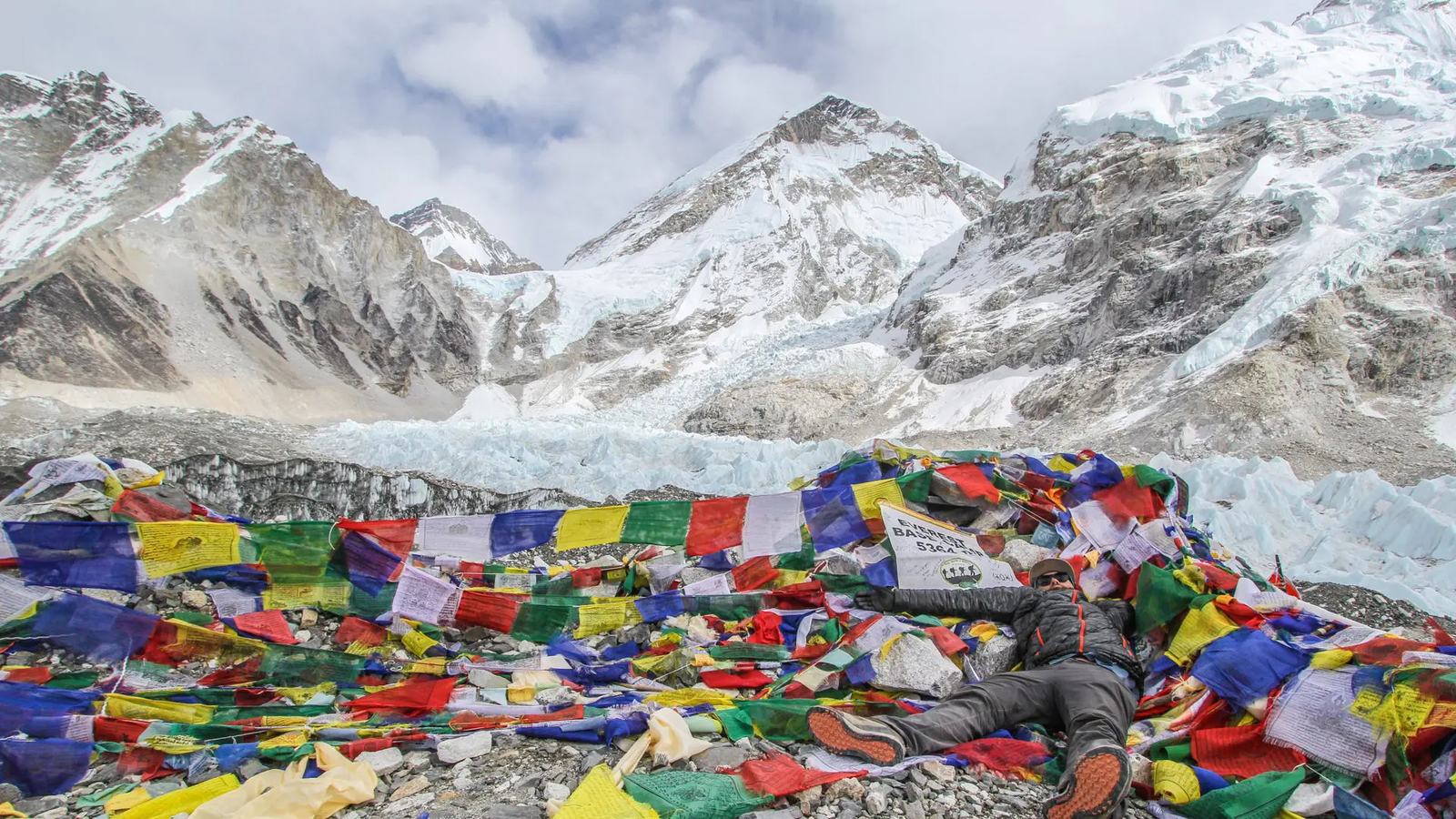
Everest Base Camp sits at about 5,364 meters (roughly 17,600 feet) in the Khumbu region of Nepal. It's the launching point climbers use before attempting to summit Mount Everest (8,848.86 m). Here's the twist though: you can't actually see Everest's peak from base camp itself it's blocked by a neighboring mountain called Nuptse. To get that postcard view of Everest's summit, trekkers hike a bit further to a viewpoint called Kala Patthar, which sits even higher, around 5,550 meters.
Reference: Trip details and itinerary information sourced from Trekkers Nepal's Everest Base Camp Trek page.
What is Everest Base Camp, really?
Everest Base Camp sits at about 5,364 meters (roughly 17,600 feet) in the Khumbu region of Nepal. It's the launching point climbers use before attempting to summit Mount Everest (8,848.86 m). Here's the twist though: you can't actually see Everest's peak from base camp itself it's blocked by a neighboring mountain called Nuptse. To get that postcard view of Everest's summit, trekkers hike a bit further to a viewpoint called Kala Patthar, which sits even higher, around 5,550 meters.
How the trek works, step by step
Most EBC trips run around 12–14 days total, and they usually follow a similar pattern:- Fly into Kathmandu, Nepal's capital, and spend a day settling in.
- Fly to Lukla, a small mountain town with a famously short, dramatic airstrip. This is where the actual walking begins.
- Walk through Sherpa villages — places like Phakding, Namche Bazaar, Tengboche, Dingboche, and Lobuche gradually gaining altitude each day.
- Take rest days to acclimatize. Usually one in Namche Bazaar and one in Dingboche. These aren't lazy days off you often do a short hike to a higher point and then sleep lower, which helps your body adjust to thinner air. Skipping this step is how people get altitude sickness.
- Reach Gorak Shep, the last village before the finish line.
- Walk to Everest Base Camp itself, then hike up to Kala Patthar for the big mountain views.
- Walk back down to Lukla over a few days, then fly back to Kathmandu.
Do you need any special permits?
Yes, two are required for this specific route:- Sagarmatha National Park Entry Permit (the trek passes through this UNESCO World Heritage-listed national park)
- Khumbu Pasang Lhamu Rural Municipality Entrance Permit
When's the best time to go?
Two windows work best:- Spring (March–May): Warmer temperatures, blooming rhododendrons, and generally stable weather.
- Autumn (September–November): Considered the most reliable season clear skies, good visibility for mountain views, and a chance to catch local festivals like Mani Rimdu.
What makes this trek special (beyond the mountain)
It's not just about reaching a high point the journey itself is full of highlights:- Sherpa culture — you pass through villages that are home to the Sherpa community, known worldwide for their mountaineering skill and hospitality.
- Tengboche Monastery — one of the most important spiritual sites in the Khumbu region, with a stunning mountain backdrop.
- Mountain views — beyond Everest, you'll see Lhotse, Nuptse, Ama Dablam, Makalu, and Pumori along the way.
- Following history — much of the route traces the same path used by early Everest climbers, including Sir Edmund Hillary and Tenzing Norgay.
Is it hard? What should you worry about?
Honestly, yes it's classified as a challenging trek, mainly because of:- Altitude: Thin air above 4,000 meters can cause Acute Mountain Sickness (AMS) if you climb too fast.
- Long walking days: Several hours on your feet, day after day.
- Cold and unpredictable weather: Even in good seasons, mountain weather can shift quickly.
What to pack
A short version of the essentials: layered clothing (thermal base layers, a warm mid-layer, a windproof/waterproof outer shell), good broken-in hiking boots, a warm sleeping bag, trekking poles, a headlamp, sunglasses, sun protection, and a basic first aid kit. Accommodation along the trail is in teahouses and lodges comfortable in places like Namche Bazaar, but more basic the higher you go, so bringing your own sleeping bag is a smart move.Conclusion
The Everest Base Camp trek isn't a casual weekend hike, but it's also far more achievable than most people assume. With the right season, proper acclimatization, decent fitness, and a good guide, it's a trip that regular travelers complete successfully every year and the views (plus the bragging rights) are hard to beat.Reference: Trip details and itinerary information sourced from Trekkers Nepal's Everest Base Camp Trek page.
0 Replies
·
36 views
Hi everyone,
I'm currently planning my next holiday and thinking about trying something different from the usual hotel vacation. I've always enjoyed travelling to coastal places, so this time I'm considering exploring a destination by boat and visiting several islands or small coastal towns during one trip.
I don't have any sailing experience, so I'm particularly interested in options with a skipper. I've been comparing different types of boats and destinations, and during my research I came across this website: https://www.viravira.co/de
There seem to be quite a few different options, which is useful when you're not sure what type of boat would suit you best. I'm currently considering Greece or Croatia, but I haven't made up my mind yet.
Has anyone here tried a sailing holiday as a beginner? I'd be interested to hear what you enjoyed most and whether there was anything you wish you'd known before booking.
I'm currently planning my next holiday and thinking about trying something different from the usual hotel vacation. I've always enjoyed travelling to coastal places, so this time I'm considering exploring a destination by boat and visiting several islands or small coastal towns during one trip.
I don't have any sailing experience, so I'm particularly interested in options with a skipper. I've been comparing different types of boats and destinations, and during my research I came across this website: https://www.viravira.co/de
There seem to be quite a few different options, which is useful when you're not sure what type of boat would suit you best. I'm currently considering Greece or Croatia, but I haven't made up my mind yet.
Has anyone here tried a sailing holiday as a beginner? I'd be interested to hear what you enjoyed most and whether there was anything you wish you'd known before booking.
0 Replies
·
46 views

Planning your first trip to India is exciting, but deciding where to go can be confusing. With so many cities, historic sites, and cultural experiences, it is easy to try to fit too much into one vacation.
For many first-time visitors, the Golden Triangle is a fantastic place to start. The classic route connects Delhi, Agra, and Jaipur, giving you the chance to experience India's history, architecture, food, markets, and culture in one manageable journey.
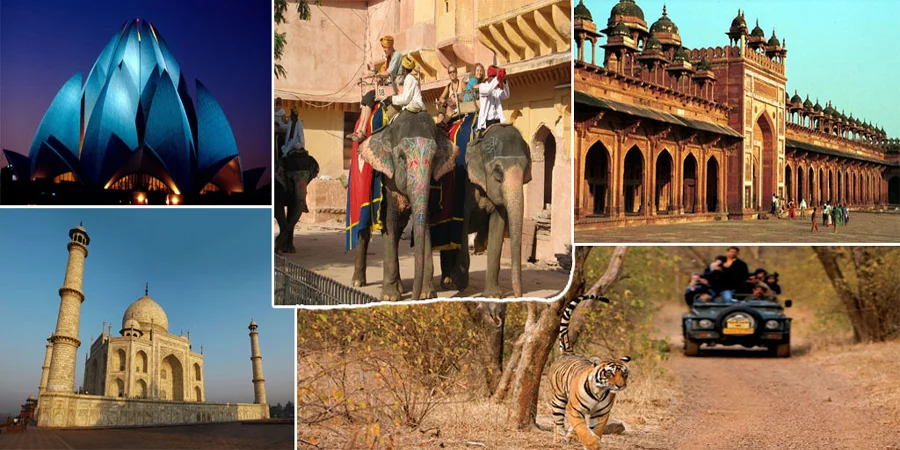
If you are traveling from the USA and have around a week to explore, six days can give you a good introduction to India without making the trip feel too rushed.
From exploring historic streets and monuments in Delhi to seeing the Taj Mahal in Agra and discovering the royal palaces and colorful markets of Jaipur, you get a good mix of history, culture, food, and everyday Indian life in one trip. If you want to experience all three cities without spending too much time planning hotels, transportation, and sightseeing yourself, a Golden Triangle tour package can cover the main highlights in a comfortable six-day itinerary, starting from $185 per person.
The route is also easy to understand for travelers coming from the USA. You begin in Delhi, continue to Agra, and then travel to Jaipur before returning to Delhi. Each destination has its own character, so the journey never feels like you're seeing the same type of place twice.
Your journey begins in Delhi. After airport pickup, check into your hotel and take some time to relax after your international flight. If you have the energy, you can explore a nearby market or enjoy a quiet evening.
Day 2 – Explore Delhi
Spend the day discovering Old and New Delhi. Visit landmarks such as Jama Masjid, India Gate, Qutub Minar, Lotus Temple, and other important sights. You can also explore Chandni Chowk for a taste of Delhi's busy markets and local food.
Day 3 – Delhi to Agra
Travel from Delhi to Agra by private vehicle. After checking into your hotel, visit the Taj Mahal and Agra Fort. If you have time, Mehtab Bagh is also a great spot for enjoying views of the Taj Mahal.
Day 4 – Agra to Jaipur
Continue toward Jaipur with a stop at Fatehpur Sikri. Explore its impressive Mughal architecture before continuing to Jaipur for your overnight stay.
Day 5 – Discover Jaipur
Explore Amber Fort, Hawa Mahal, City Palace, and Jantar Mantar. You can also spend some time in Jaipur's local markets looking for textiles, handicrafts, jewelry, and souvenirs.
Day 6 – Jaipur to Delhi
After breakfast, travel back to Delhi. Depending on your flight schedule, you can be dropped at your hotel or Delhi airport for your onward journey.
The six-day Delhi, Agra, and Jaipur tour from YoYo Trips India starts at $184 per person. The package includes accommodation, daily breakfast, private air-conditioned transportation, English-speaking guides, sightseeing, and airport transfers. Some expenses, such as monument entrance fees and personal purchases, may be separate.
Prices can vary depending on travel dates, hotel category, and specific requirements, so it is always a good idea to confirm the details before booking.
So, are you ready to trade your daily routine for the historic streets of Delhi, the Taj Mahal in Agra, and the colorful palaces of Jaipur?
Reach out to YoYo Trips India today to check availability, ask questions, or customize your six-day itinerary. Whether you're planning your first visit to India or simply want a smoother way to explore the Golden Triangle, their travel team can help you plan the trip around your dates and preferences.
+91 99966 52732 | WhatsApp
Your Golden Triangle adventure is just a message away.
For many first-time visitors, the Golden Triangle is a fantastic place to start. The classic route connects Delhi, Agra, and Jaipur, giving you the chance to experience India's history, architecture, food, markets, and culture in one manageable journey.
If you are traveling from the USA and have around a week to explore, six days can give you a good introduction to India without making the trip feel too rushed.
Why the Golden Triangle Should Be on Your List
India can feel overwhelming when you're visiting for the first time, with so many cities, landmarks, and experiences to choose from. That's where the Golden Triangle makes things easier. Delhi, Agra, and Jaipur bring together some of the best-known sights and experiences in North India, making the route a popular choice for first-time visitors.From exploring historic streets and monuments in Delhi to seeing the Taj Mahal in Agra and discovering the royal palaces and colorful markets of Jaipur, you get a good mix of history, culture, food, and everyday Indian life in one trip. If you want to experience all three cities without spending too much time planning hotels, transportation, and sightseeing yourself, a Golden Triangle tour package can cover the main highlights in a comfortable six-day itinerary, starting from $185 per person.
The route is also easy to understand for travelers coming from the USA. You begin in Delhi, continue to Agra, and then travel to Jaipur before returning to Delhi. Each destination has its own character, so the journey never feels like you're seeing the same type of place twice.
A 6-Day Look at Your Golden Triangle Journey
Day 1 – Arrive in DelhiYour journey begins in Delhi. After airport pickup, check into your hotel and take some time to relax after your international flight. If you have the energy, you can explore a nearby market or enjoy a quiet evening.
Day 2 – Explore Delhi
Spend the day discovering Old and New Delhi. Visit landmarks such as Jama Masjid, India Gate, Qutub Minar, Lotus Temple, and other important sights. You can also explore Chandni Chowk for a taste of Delhi's busy markets and local food.
Day 3 – Delhi to Agra
Travel from Delhi to Agra by private vehicle. After checking into your hotel, visit the Taj Mahal and Agra Fort. If you have time, Mehtab Bagh is also a great spot for enjoying views of the Taj Mahal.
Day 4 – Agra to Jaipur
Continue toward Jaipur with a stop at Fatehpur Sikri. Explore its impressive Mughal architecture before continuing to Jaipur for your overnight stay.
Day 5 – Discover Jaipur
Explore Amber Fort, Hawa Mahal, City Palace, and Jantar Mantar. You can also spend some time in Jaipur's local markets looking for textiles, handicrafts, jewelry, and souvenirs.
Day 6 – Jaipur to Delhi
After breakfast, travel back to Delhi. Depending on your flight schedule, you can be dropped at your hotel or Delhi airport for your onward journey.
When to Go and What It Costs
October through March is generally a comfortable time to explore the Golden Triangle. The weather is more suitable for sightseeing and walking around forts, monuments, and markets. May and June can be quite hot, so travelers visiting during these months should plan outdoor activities accordingly.The six-day Delhi, Agra, and Jaipur tour from YoYo Trips India starts at $184 per person. The package includes accommodation, daily breakfast, private air-conditioned transportation, English-speaking guides, sightseeing, and airport transfers. Some expenses, such as monument entrance fees and personal purchases, may be separate.
Prices can vary depending on travel dates, hotel category, and specific requirements, so it is always a good idea to confirm the details before booking.
Let YoYo Trips India Handle the Rest
Planning an India trip from the USA can feel overwhelming—hotels, transportation, sightseeing, and itineraries all need to come together. That's where YoYo Trips India can help. From airport transfers and comfortable accommodation to private transportation and local guides, we can arrange the main details of your Golden Triangle journey.So, are you ready to trade your daily routine for the historic streets of Delhi, the Taj Mahal in Agra, and the colorful palaces of Jaipur?
Reach out to YoYo Trips India today to check availability, ask questions, or customize your six-day itinerary. Whether you're planning your first visit to India or simply want a smoother way to explore the Golden Triangle, their travel team can help you plan the trip around your dates and preferences.
+91 99966 52732 | WhatsApp
Your Golden Triangle adventure is just a message away.
0 Replies
·
50 views

Hi everyone,
I’m researching ideas for celebrating New Year’s Eve in Thailand and would love to hear recommendations from travellers who have experienced it.
Thailand seems like a great choice for a New Year holiday because it offers different types of celebrations depending on your travel style. Some places are perfect for beach parties, while others are better for cultural experiences, luxury stays, or a more relaxed atmosphere.
Some destinations I’m considering:
Bangkok – Great for fireworks, rooftop celebrations, river cruises, and a big city countdown experience.
Phuket – A good option for beach celebrations, resorts, nightlife, and island activities.
Koh Samui – Ideal for couples and travellers looking for luxury resorts, beaches, and romantic experiences.
Chiang Mai – Perfect for those who prefer culture, temples, markets, and a quieter New Year atmosphere.
Krabi and Koh Phi Phi – Great for beautiful scenery, island hopping, and relaxing beach experiences.
While researching different celebration ideas, I found GenZ Travel’s New Year’s Eve in Thailand guide useful for comparing destinations, activities, and travel options:
https://genztravel.co.uk/new-years-eve-in-thailand/
I would love to hear from experienced travellers:
• Which place would you recommend for New Year’s Eve in Thailand?
• Is it better to celebrate in a city or on an island?
• Are there any hidden gems that are worth visiting during this period?
Thanks for sharing your experiences!
I’m researching ideas for celebrating New Year’s Eve in Thailand and would love to hear recommendations from travellers who have experienced it.
Thailand seems like a great choice for a New Year holiday because it offers different types of celebrations depending on your travel style. Some places are perfect for beach parties, while others are better for cultural experiences, luxury stays, or a more relaxed atmosphere.
Some destinations I’m considering:
Bangkok – Great for fireworks, rooftop celebrations, river cruises, and a big city countdown experience.
Phuket – A good option for beach celebrations, resorts, nightlife, and island activities.
Koh Samui – Ideal for couples and travellers looking for luxury resorts, beaches, and romantic experiences.
Chiang Mai – Perfect for those who prefer culture, temples, markets, and a quieter New Year atmosphere.
Krabi and Koh Phi Phi – Great for beautiful scenery, island hopping, and relaxing beach experiences.
While researching different celebration ideas, I found GenZ Travel’s New Year’s Eve in Thailand guide useful for comparing destinations, activities, and travel options:
https://genztravel.co.uk/new-years-eve-in-thailand/
I would love to hear from experienced travellers:
• Which place would you recommend for New Year’s Eve in Thailand?
• Is it better to celebrate in a city or on an island?
• Are there any hidden gems that are worth visiting during this period?
Thanks for sharing your experiences!
0 Replies
·
49 views

A Spacious Bangkok Stay for Every Family Journey: Marriott Executive Apartments Bangkok Sukhumvit 50
Every family’s journey to Bangkok has a different story. For some, it is a long-awaited holiday a chance to explore the city, discover new places, and spend meaningful time together. For others, the visit may be for a routine health check-up, medical appointment, recovery period, or to accompany a loved one receiving care.
Whatever brings the family to Bangkok, having a spacious and comfortable place to stay can make the entire experience feel easier.
Marriott Executive Apartments Bangkok, Sukhumvit 50 offers residence-style accommodation where families can settle in and enjoy the everyday comforts of home, whether staying for a few nights or an extended period.
You can choose from spacious studios and one-, two-, or three-bedroom residences. The larger residences offer separate bedrooms, generous living and dining areas, kitchen facilities, and dedicated workspaces giving everyone room to spend time together while still enjoying personal space and privacy.
For families enjoying a holiday, the extra space creates a relaxing home base after a day of exploring Bangkok. Parents can prepare simple meals in the kitchen, children have space to unwind, and everyone can gather comfortably in the living area to share the day’s experiences.
The same thoughtful layout can be especially reassuring for guests visiting Bangkok for health check-ups or medical care. Separate bedrooms provide a peaceful place to rest, while the living area and kitchen make it easier to maintain a familiar daily routine throughout the stay. Accompanying family members can also remain close by without everyone feeling confined to a conventional hotel room.
The property is located in the Sukhumvit 50 neighbourhood, with a complimentary shuttle service to BTS On Nut and station and Lotus’s On Nut. This provides convenient connections to shopping destinations, business districts, city attractions, hospitals, and medical centres across Bangkok.
Guests can also enjoy a saltwater swimming pool, a 24-hour fitness centre, all-day dining at Bistro M, and pet-friendly accommodation for those travelling with their beloved pets.
Whether the journey is for a family holiday, a routine health check-up, medical care, or an extended stay stay in Bangkok, Marriott Executive Apartments Bangkok, Sukhumvit 50 offers the space, privacy, and everyday comfort that allow families to feel more at home. For More information :
Whatever brings the family to Bangkok, having a spacious and comfortable place to stay can make the entire experience feel easier.
Marriott Executive Apartments Bangkok, Sukhumvit 50 offers residence-style accommodation where families can settle in and enjoy the everyday comforts of home, whether staying for a few nights or an extended period.
You can choose from spacious studios and one-, two-, or three-bedroom residences. The larger residences offer separate bedrooms, generous living and dining areas, kitchen facilities, and dedicated workspaces giving everyone room to spend time together while still enjoying personal space and privacy.
For families enjoying a holiday, the extra space creates a relaxing home base after a day of exploring Bangkok. Parents can prepare simple meals in the kitchen, children have space to unwind, and everyone can gather comfortably in the living area to share the day’s experiences.
The same thoughtful layout can be especially reassuring for guests visiting Bangkok for health check-ups or medical care. Separate bedrooms provide a peaceful place to rest, while the living area and kitchen make it easier to maintain a familiar daily routine throughout the stay. Accompanying family members can also remain close by without everyone feeling confined to a conventional hotel room.
The property is located in the Sukhumvit 50 neighbourhood, with a complimentary shuttle service to BTS On Nut and station and Lotus’s On Nut. This provides convenient connections to shopping destinations, business districts, city attractions, hospitals, and medical centres across Bangkok.
Guests can also enjoy a saltwater swimming pool, a 24-hour fitness centre, all-day dining at Bistro M, and pet-friendly accommodation for those travelling with their beloved pets.
Whether the journey is for a family holiday, a routine health check-up, medical care, or an extended stay stay in Bangkok, Marriott Executive Apartments Bangkok, Sukhumvit 50 offers the space, privacy, and everyday comfort that allow families to feel more at home. For More information :















0 Replies
·
66 views
For digital nomads, choosing the right place to stay is about more than finding a comfortable room. It is about having a space where you can work productively, enjoy your own routine, and experience the city without feeling like you are constantly living out of a suitcase.
Marriott Executive Apartments Bangkok, Sukhumvit 101 offers a comfortable residence-style setting for digital nomads visiting Bangkok, whether for a short stay or an extended period.
The spacious accommodation provides dedicated areas for working, relaxing, and dining, along with a fully equipped kitchen that makes everyday living much more convenient. You can prepare your own meals, settle into a comfortable work routine, and unwind in a space that feels more like a private home than a standard hotel room.
When it is time to step away from the laptop, guests can recharge at the saltwater swimming pool, maintain their routine at the 24-hour fitness centre, or enjoy all-day dining at Bistro M.
The location is another advantage. The property is close to BTS Punnawithi, offering convenient connections to Bangkok’s business districts, cafés, shopping destinations, and attractions. True Digital Park is also nearby, making the area particularly convenient for remote professionals, entrepreneurs, and anyone interested in Bangkok’s growing technology and innovation community.
Whether you are working remotely in Bangkok for a few days, staying for several weeks, or looking for a longer-term base, Marriott Executive Apartments Bangkok, Sukhumvit 101 brings together the space, comfort, and everyday conveniences needed to work and live at your own pace.
Work comfortably. Live conveniently. Experience Bangkok like a local. For more information
Marriott Executive Apartments Bangkok, Sukhumvit 101 offers a comfortable residence-style setting for digital nomads visiting Bangkok, whether for a short stay or an extended period.
The spacious accommodation provides dedicated areas for working, relaxing, and dining, along with a fully equipped kitchen that makes everyday living much more convenient. You can prepare your own meals, settle into a comfortable work routine, and unwind in a space that feels more like a private home than a standard hotel room.
When it is time to step away from the laptop, guests can recharge at the saltwater swimming pool, maintain their routine at the 24-hour fitness centre, or enjoy all-day dining at Bistro M.
The location is another advantage. The property is close to BTS Punnawithi, offering convenient connections to Bangkok’s business districts, cafés, shopping destinations, and attractions. True Digital Park is also nearby, making the area particularly convenient for remote professionals, entrepreneurs, and anyone interested in Bangkok’s growing technology and innovation community.
Whether you are working remotely in Bangkok for a few days, staying for several weeks, or looking for a longer-term base, Marriott Executive Apartments Bangkok, Sukhumvit 101 brings together the space, comfort, and everyday conveniences needed to work and live at your own pace.
Work comfortably. Live conveniently. Experience Bangkok like a local. For more information










0 Replies
·
56 views