
forum4travel

Hi,
I am Elibariki. (Elly) from the beautiful country of Tanzania in East Africa. In our land, we say "Karibu" meaning "Welcome"
I would like to say "Karibu" to Tanzania for Wildlife Safaris and Mount Kilimanjaro Climbing.
I love traveling and I love showing people the wealth of our heritage. The beautiful beaches & good people of Tanzania.
I will be happy to help with "how-to questions for Tanzania Safari and Zanzibar!
Asante Sana " Thank you so much!
For more resources about Tanzania Travel please visit our site Blessing Safaris
1 Replies
·
1815 views


Staff member
Getting traffic to a travel website has become increasingly competitive. Creating great travel content is still important, but website owners also need to think about SEO, Google search visibility, social media, content marketing, website performance and new ways travellers are discovering information online.
Whether you run a small travel blog or manage a large tourism website, this forum is here for members to exchange ideas, ask questions and share what has actually worked for them.
Search Engine Optimisation for Travel Websites
SEO can help travellers discover your website when they are actively researching destinations, accommodation, attractions, flights and things to do.Topics you're welcome to discuss include:
- Keyword research
- Travel SEO strategies
- On-page SEO
- Technical SEO
- Internal linking
- Link building
- Google Search Console
- Google indexing
- Core Web Vitals and website speed
- Schema and structured data
- Image SEO
- Local SEO
- International and multilingual SEO
- Destination-page optimisation
- Recovering lost Google traffic
- Google algorithm updates
 Travel Content & Blogging
Travel is an incredibly competitive area for online content.Simply publishing another generic article about the "10 Best Things to Do" may not be enough to stand out.
We'd particularly like to discuss ways of creating genuinely useful travel content based on:
First-hand experience
Share knowledge that could only come from actually visiting a destination.
Local expertise
Local residents, guides and tourism businesses can provide information travellers may struggle to find elsewhere.
Original photographs and videos
Unique media can make travel guides significantly more useful.
Detailed practical information
Transport, prices, opening times, accessibility, booking advice and local tips can often be more valuable than lengthy destination descriptions.
Regularly updated information
Travel information changes. Updating older guides can be just as important as publishing new ones.
SEO, AI Search & the Future of Travel Content
The way people search for travel information continues to evolve.Traditional Google search remains important, but travellers are increasingly discovering destinations and researching trips through AI assistants, social networks, video platforms, maps, forums and online communities.
This creates plenty of interesting questions for travel website owners.
How should we optimise content for AI-generated search results?
Will forums and first-hand travel discussions become more valuable?
How important will brand recognition become?
Are traditional keyword strategies still enough?
How can smaller independent travel websites compete with major booking platforms and publishers?
These are exactly the types of discussions we'd like to see here.
Social Media & Travel Marketing
SEO doesn't need to be your only source of traffic.Use this forum to discuss marketing through platforms such as:
- YouTube
- TikTok
- X
- Email newsletters
- Online travel communities
It would be particularly interesting to hear which platforms are currently generating real website visitors, enquiries or bookings, rather than simply likes and followers.
Marketing a Travel Business
This forum isn't only for bloggers.If you operate a:
- Tour company
- Travel agency
- Hotel
- Guesthouse
- Holiday rental
- Travel forum
- Destination website
- Travel app
- Tourism service
- Transport business
- Travel-related marketplace
Topics could include Google Business Profiles, local search, online reviews, destination marketing, conversion optimisation, booking websites and generating enquiries.
Share Real SEO Experiences
One of the most useful things members can contribute is actual experience.If you've tried something and it worked, tell us about it.
For example:
Or:
Or:
Real examples make discussions much more useful than simply repeating generic SEO advice.
You don't need to reveal confidential statistics or commercially sensitive information. Even sharing the general approach and outcome can help other members.
Please Keep Discussions Useful
We want this forum to become a useful resource for people genuinely interested in travel SEO and marketing.Please avoid:
- Automated promotional posts
- Irrelevant backlinks
- Repeated advertising
- Copy-and-paste SEO content
- Posting simply to obtain a link
- Generic AI-generated replies that add nothing to the discussion
Introduce Yourself
To get the discussion started, tell us a little about what you're working on.Do you run a travel website, blog, forum or tourism business?
Where does most of your traffic currently come from?
What part of SEO or online marketing are you finding most difficult?
And perhaps most importantly:
What SEO or marketing strategy is actually working for your travel website right now?
Start a new thread, share your experiences and ask questions.
Welcome to the forum4travel SEO & Marketing community – we look forward to learning from each other and helping more independent travel websites get discovered.
0 Replies
·
7 views

The Annapurna Base Camp (ABC) Trek is one of Nepal’s most iconic trekking experiences, offering breathtaking views of the Annapurna massif, charming villages, and diverse landscapes. For first-time trekkers, understanding the Annapurna Base Camp trek map and route is essential for planning a safe, enjoyable, and memorable adventure. This guide will explain the ABC trekking route, highlights, daily itinerary, distances, altitudes, and important tips to make your trek successful.
Key points on the ABC trek map include:
By following the ABC trek map, first-time trekkers can clearly plan daily distances, resting points, and acclimatization stops.
Day 1: Pokhara to Nayapul and Trek to Tikhedhunga
Distance: 8 km | Altitude: 1,540m
The trek begins from Nayapul, a 1.5-hour drive from Pokhara. Walk along the Modi River through terraced fields, small villages, and suspension bridges to reach Tikhedhunga, known for its steep uphill climb.
Day 2: Tikhedhunga to Ghorepani
Distance: 12 km | Altitude: 2,850m
This section includes the famous stair climb of Ulleri. Ghorepani is a beautiful village and base for the Poon Hill sunrise hike, providing panoramic views of Dhaulagiri, Annapurna South, and Machhapuchhre.
Day 3: Ghorepani to Tadapani via Poon Hill
Distance: 10 km | Altitude: 2,630m
Early morning trek to Poon Hill for sunrise is highly recommended. Descend back to Ghorepani and trek through rhododendron forests to reach Tadapani, a quiet and scenic village.
Day 4: Tadapani to Chomrong
Distance: 8 km | Altitude: 2,170m
Trek through dense forests, waterfalls, and charming villages to reach Chomrong, the gateway to the upper Annapurna region. This village offers amazing views of Annapurna South and Machhapuchhre.
Day 5: Chomrong to Dovan
Distance: 10 km | Altitude: 2,600m
The trail ascends through bamboo and rhododendron forests. Cross the Kimrong Khola and continue uphill to Dovan, a small settlement perfect for overnight stay.
Day 6: Dovan to Deurali
Distance: 8 km | Altitude: 3,200m
Trek continues uphill with stunning mountain views, passing through Bamboo and Himalaya. Arrive at Deurali, where trekkers acclimatize before the final ascent.
Day 7: Deurali to Annapurna Base Camp
Distance: 12 km | Altitude: 4,130m
The final ascent is challenging but rewarding. Trek through rocky paths, moraine landscapes, and glaciers to reach Annapurna Base Camp. Enjoy 360-degree views of Himalchuli, Annapurna I, Machhapuchhre, and Annapurna South.
Day 8: Annapurna Base Camp to Bamboo
Distance: 15 km | Altitude: 2,310m
Begin descending via Dovan, enjoying landscapes from a different perspective. Overnight at Bamboo.
Day 9: Bamboo to Jhinu Danda
Distance: 10 km | Altitude: 1,780m
Descend further to Jhinu Danda, famous for natural hot springs – perfect for relaxing tired muscles.
Day 10: Jhinu Danda to Nayapul and Drive to Pokhara
Distance: 12 km | Altitude: 1,070m
Complete the trek by reaching Nayapul and drive back to Pokhara, celebrating the successful trek.
Book your Annapurna Base Camp trek with Himalayan Asia Treks today for a guided, well-organized adventure that ensures comfort, safety, and the best trekking experience possible.
Understanding the Annapurna Base Camp Trek Map
The Annapurna Base Camp trek map shows the journey starting from Pokhara, the gateway to the Annapurna region, through traditional Gurung villages, lush forests, and high mountain trails leading to the base of the Annapurna Massif. The ABC trek is a loop trek, allowing trekkers to explore the stunning Machhapuchhre (Fishtail) Mountain, Himalchuli, and Annapurna South, before descending back to Pokhara.Key points on the ABC trek map include:
- Pokhara – Starting point (transport hub)
- Naya Pul – Trekking entry point
- Ghorepani & Poon Hill – Famous for sunrise views (optional detour)
- Tadapani – Mountain village with lush rhododendron forests
- Chomrong – Gateway to the higher Annapurna region
- Himalaya & Bamboo – Scenic villages en route
- Deurali & Machhapuchhre Base Camp – Challenging high-altitude sections
- Annapurna Base Camp (ABC) – Final destination at 4,130m
- Sinuwa & Jhinu Danda – Descent through hot springs
- Nayapul & Pokhara – Trek completion
By following the ABC trek map, first-time trekkers can clearly plan daily distances, resting points, and acclimatization stops.
Annapurna Base Camp Trek Route Overview
The ABC trek route covers approximately 115 km round trip from Pokhara, depending on the entry and exit points. Most first-time trekkers prefer the standard 10–12 day itinerary, which balances trekking pace with acclimatization.Day-by-Day Route Guide
Day 1: Pokhara to Nayapul and Trek to Tikhedhunga
Distance: 8 km | Altitude: 1,540m
The trek begins from Nayapul, a 1.5-hour drive from Pokhara. Walk along the Modi River through terraced fields, small villages, and suspension bridges to reach Tikhedhunga, known for its steep uphill climb.
Day 2: Tikhedhunga to Ghorepani
Distance: 12 km | Altitude: 2,850m
This section includes the famous stair climb of Ulleri. Ghorepani is a beautiful village and base for the Poon Hill sunrise hike, providing panoramic views of Dhaulagiri, Annapurna South, and Machhapuchhre.
Day 3: Ghorepani to Tadapani via Poon Hill
Distance: 10 km | Altitude: 2,630m
Early morning trek to Poon Hill for sunrise is highly recommended. Descend back to Ghorepani and trek through rhododendron forests to reach Tadapani, a quiet and scenic village.
Day 4: Tadapani to Chomrong
Distance: 8 km | Altitude: 2,170m
Trek through dense forests, waterfalls, and charming villages to reach Chomrong, the gateway to the upper Annapurna region. This village offers amazing views of Annapurna South and Machhapuchhre.
Day 5: Chomrong to Dovan
Distance: 10 km | Altitude: 2,600m
The trail ascends through bamboo and rhododendron forests. Cross the Kimrong Khola and continue uphill to Dovan, a small settlement perfect for overnight stay.
Day 6: Dovan to Deurali
Distance: 8 km | Altitude: 3,200m
Trek continues uphill with stunning mountain views, passing through Bamboo and Himalaya. Arrive at Deurali, where trekkers acclimatize before the final ascent.
Day 7: Deurali to Annapurna Base Camp
Distance: 12 km | Altitude: 4,130m
The final ascent is challenging but rewarding. Trek through rocky paths, moraine landscapes, and glaciers to reach Annapurna Base Camp. Enjoy 360-degree views of Himalchuli, Annapurna I, Machhapuchhre, and Annapurna South.
Day 8: Annapurna Base Camp to Bamboo
Distance: 15 km | Altitude: 2,310m
Begin descending via Dovan, enjoying landscapes from a different perspective. Overnight at Bamboo.
Day 9: Bamboo to Jhinu Danda
Distance: 10 km | Altitude: 1,780m
Descend further to Jhinu Danda, famous for natural hot springs – perfect for relaxing tired muscles.
Day 10: Jhinu Danda to Nayapul and Drive to Pokhara
Distance: 12 km | Altitude: 1,070m
Complete the trek by reaching Nayapul and drive back to Pokhara, celebrating the successful trek.
Key Highlights Along the Annapurna Base Camp Trek Route
- Poon Hill Sunrise – Panoramic views of Annapurna and Dhaulagiri range.
- Chomrong Village – Traditional Gurung culture and architecture.
- Machhapuchhre Base Camp – Close-up views of the iconic Fishtail Mountain.
- Natural Hot Springs at Jhinu Danda – Perfect for relaxation.
- Annapurna Base Camp – Stunning 360-degree Himalayan panorama.
Annapurna Base Camp Trek Tips for First-Time Trekkers
- Best Time to Trek: March to May and September to November for clear skies and moderate temperatures.
- Trek Difficulty: Moderate to challenging, suitable for beginners with a reasonable fitness level.
- Packing Essentials: Layered clothing, trekking boots, sleeping bag, trekking poles, water purification, and sunscreen.
- Acclimatization: Essential to prevent altitude sickness, especially at Dovan and Deurali.
- Navigation: Follow the ABC trek map and local guides; trails are well-marked but some sections can be confusing.
Annapurna Base Camp Trek Distance and Altitude
The ABC trek distance is roughly 115 km round trip, with altitudes ranging from 1,070m at Nayapul to 4,130m at Annapurna Base Camp. Daily trekking distances vary between 8–15 km, depending on the itinerary and acclimatization stops.Conclusion
The Annapurna Base Camp trek map and route provides first-time trekkers with a clear understanding of this incredible journey. By planning carefully, following the recommended route, and respecting altitude and weather conditions, trekkers can enjoy a safe, scenic, and unforgettable experience in the heart of the Himalayas.Book your Annapurna Base Camp trek with Himalayan Asia Treks today for a guided, well-organized adventure that ensures comfort, safety, and the best trekking experience possible.
1 Replies
·
379 views
Hello everyone,
I'm Juspen, from Cameroon, and I've been living and working in Rwanda for several years.
My work has been in law and business, but I've also grown really interested in tourism and traveling throughout Africa. I currently manage Continental Travel and Tours LTD, a travel company based in Rwanda that offers unique experiences throughout Rwanda and East Africa, such as Rwanda, Uganda, Kenya, Tanzania, and Zanzibar.
I joined this group because I want to meet people who love traveling, especially those who are into exploring Africa and finding places that aren't just the typical tourist spots.
I'm really excited to share some real tips about traveling in Rwanda and East Africa.
I'll cover travel plans, places to visit, local traditions, and some things that first-time travelers might not be aware of before they come here.
I'm also excited to hear about other members' travel experiences and learn from their journeys around the world.
Great to be here, and I'm looking forward to taking part in the discussions.
I'm Juspen, from Cameroon, and I've been living and working in Rwanda for several years.
My work has been in law and business, but I've also grown really interested in tourism and traveling throughout Africa. I currently manage Continental Travel and Tours LTD, a travel company based in Rwanda that offers unique experiences throughout Rwanda and East Africa, such as Rwanda, Uganda, Kenya, Tanzania, and Zanzibar.
I joined this group because I want to meet people who love traveling, especially those who are into exploring Africa and finding places that aren't just the typical tourist spots.
I'm really excited to share some real tips about traveling in Rwanda and East Africa.
I'll cover travel plans, places to visit, local traditions, and some things that first-time travelers might not be aware of before they come here.
I'm also excited to hear about other members' travel experiences and learn from their journeys around the world.
Great to be here, and I'm looking forward to taking part in the discussions.

1 Replies
·
80 views

India has something for every kind of honeymoon. Rajasthan is perfect for couples who love palaces and heritage, Kerala offers peaceful backwaters and lush landscapes, while Goa is ideal for beaches, sunsets, and a relaxed vibe. For mountain lovers, Kashmir and Himachal Pradesh are beautiful choices.
If you want a romantic trip with stays, sightseeing, and experiences planned together, you can explore honeymoon packages in India and choose an itinerary that fits your travel style and budget.
If you want a romantic trip with stays, sightseeing, and experiences planned together, you can explore honeymoon packages in India and choose an itinerary that fits your travel style and budget.
0 Replies
·
38 views

Looking for the best Dubai tour packages and adventure activities? Tripa Tours offers exciting experiences like desert safari, city tours, hot air balloon rides, and top attraction tickets in Dubai. Enjoy affordable prices, customized travel plans, and professional service for an unforgettable Dubai trip. Explore thrilling adventures and iconic attractions with a trusted travel agency.
2 Replies
·
346 views

Delhi NCR has several well-established tempo traveller rental operators known for outstation and city tour bookings, with per-km rates generally ranging from ₹22–₹34 depending on seating capacity and category.
Rather than a single definitive "top 5" ranking (which changes with reviews and seasonal demand), the most searched and recommended types of Delhi tempo traveller providers fall into these categories: operators offering 9–26 seater fleets with AC, Maharaja seating, and LED/music systems for weddings and corporate events; providers specializing in Char Dham and pilgrimage tempo traveller packages (Haridwar, Rishikesh, Vaishno Devi, Mehandipur Balaji); budget-focused operators offering starting rates as low as ₹17–₹22/km for local and short outstation trips; and premium operators offering Force Urbania vans and luxury tempo travellers with reclining seats for corporate and long-distance comfort.
When shortlisting a tempo traveller company in Delhi, compare: per-km rate versus package rate, driver charges (typically ₹400–₹800/day), minimum km/day clauses (often 250 km for outstation), vehicle age and AC condition, and whether tolls/state tax/parking are included in the quoted price. Reading recent Google reviews, confirming vehicle registration and insurance, and requesting a written quote before booking are the best ways to identify a genuinely reliable tempo traveller operator serving Delhi, Gurgaon, Noida, and Faridabad.
FAQs
Q: What is the average tempo traveller price per km in Delhi?
A: Rates start from ₹17–₹24/km for standard variants and go up to ₹30–₹35/km for premium/Maharaja tempo travellers.
Q: How do I verify a tempo traveller operator in Delhi is reliable?
A: Check recent reviews, ask for vehicle registration/insurance details, and get a written quote clarifying tolls, driver charges, and minimum km terms.
Q: Do Delhi tempo traveller operators serve Gurgaon, Noida, and Faridabad too?
A: Yes, most established Delhi-based tempo traveller companies also operate across Gurgaon, Noida, and Faridabad within the NCR region.
Rather than a single definitive "top 5" ranking (which changes with reviews and seasonal demand), the most searched and recommended types of Delhi tempo traveller providers fall into these categories: operators offering 9–26 seater fleets with AC, Maharaja seating, and LED/music systems for weddings and corporate events; providers specializing in Char Dham and pilgrimage tempo traveller packages (Haridwar, Rishikesh, Vaishno Devi, Mehandipur Balaji); budget-focused operators offering starting rates as low as ₹17–₹22/km for local and short outstation trips; and premium operators offering Force Urbania vans and luxury tempo travellers with reclining seats for corporate and long-distance comfort.
When shortlisting a tempo traveller company in Delhi, compare: per-km rate versus package rate, driver charges (typically ₹400–₹800/day), minimum km/day clauses (often 250 km for outstation), vehicle age and AC condition, and whether tolls/state tax/parking are included in the quoted price. Reading recent Google reviews, confirming vehicle registration and insurance, and requesting a written quote before booking are the best ways to identify a genuinely reliable tempo traveller operator serving Delhi, Gurgaon, Noida, and Faridabad.
FAQs
Q: What is the average tempo traveller price per km in Delhi?
A: Rates start from ₹17–₹24/km for standard variants and go up to ₹30–₹35/km for premium/Maharaja tempo travellers.
Q: How do I verify a tempo traveller operator in Delhi is reliable?
A: Check recent reviews, ask for vehicle registration/insurance details, and get a written quote clarifying tolls, driver charges, and minimum km terms.
Q: Do Delhi tempo traveller operators serve Gurgaon, Noida, and Faridabad too?
A: Yes, most established Delhi-based tempo traveller companies also operate across Gurgaon, Noida, and Faridabad within the NCR region.
0 Replies
·
31 views

If you're looking for a peaceful escape surrounded by nature, Palashgram Eco Resort is a wonderful Purulia Resort to consider.
Located amidst the scenic beauty of Purulia, the resort offers a relaxing stay with comfortable cottages, delicious local food and a refreshing natural environment. Whether you're planning a family trip, a romantic getaway or a weekend break with friends, this Purulia Resort offers a perfect opportunity to unwind and enjoy nature.
Have you explored Purulia yet? I'd love to hear about your favourite places to visit!
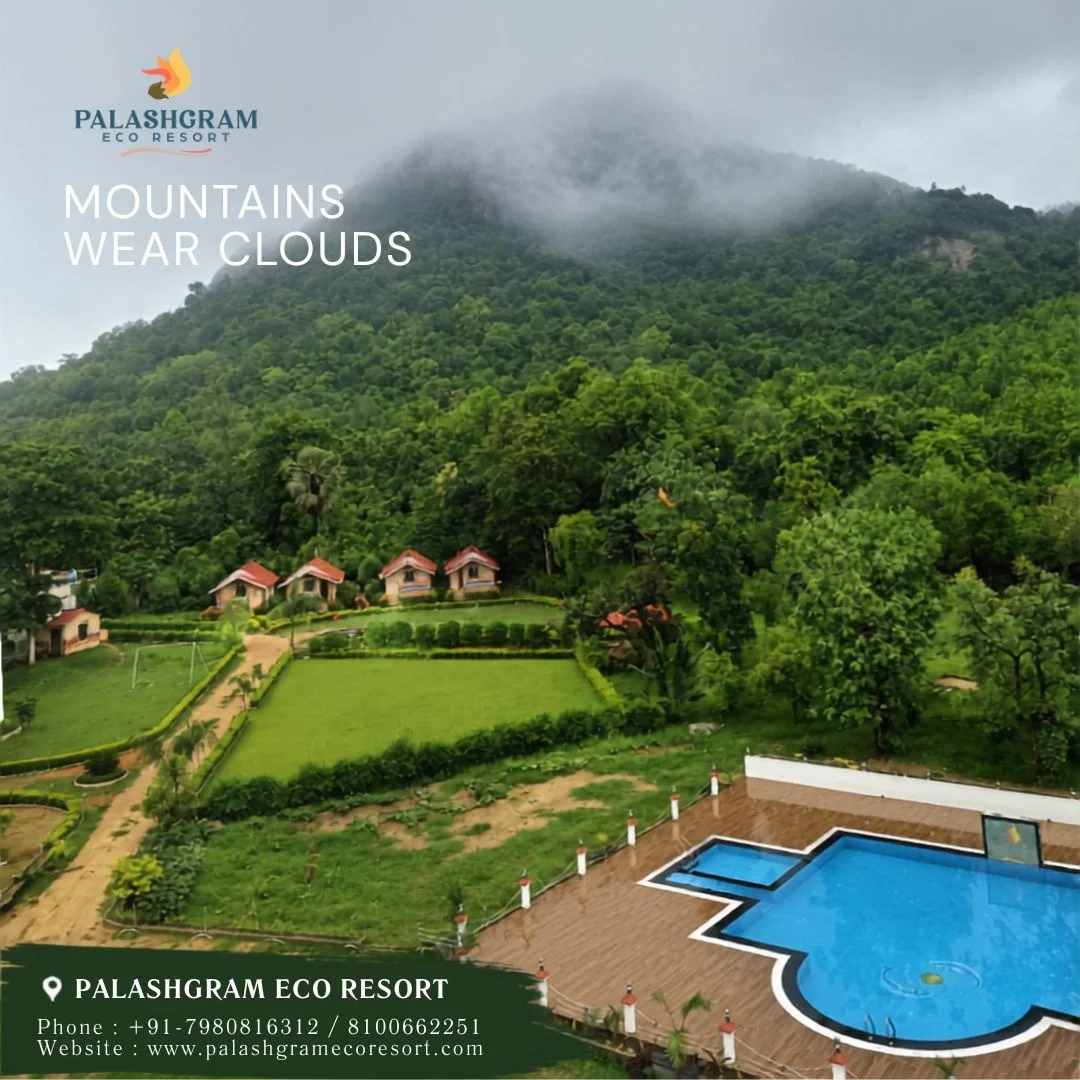
Located amidst the scenic beauty of Purulia, the resort offers a relaxing stay with comfortable cottages, delicious local food and a refreshing natural environment. Whether you're planning a family trip, a romantic getaway or a weekend break with friends, this Purulia Resort offers a perfect opportunity to unwind and enjoy nature.
Have you explored Purulia yet? I'd love to hear about your favourite places to visit!
0 Replies
·
38 views

I’ve been wanting to visit Mumbai during Ganesh Chaturthi for a while, so this year I finally started planning the trip. The first thing I checked was the flight price, and honestly, I wasn’t prepared for how expensive it was around the festival dates.
I spent a few days comparing different dates and eventually found a much better option by moving my trip by a day. I also checked early-morning and late-night flights, which helped bring the price down.
If you're planning the same trip, it's probably worth checking Ganesh Chaturthi flight deals early rather than waiting until the last minute. Prices seem to change quite a bit depending on the day you travel.
I also compared one-way tickets instead of automatically booking a return, and checked the total price after adding baggage. Sometimes a flight that looks cheap at first isn't actually the cheapest option.
My biggest tip would be to keep your dates flexible if you can. Even moving your departure or return by a day or two can make a difference.
Now that I've finally got my flight sorted, I'm looking forward to exploring Mumbai, visiting the famous Ganpati pandals, and just experiencing the atmosphere during the festival.
Has anyone else booked their flights for Ganesh Chaturthi 2026? I'd love to know if you found any good fares or have any tips for getting to Mumbai without spending a fortune.
I spent a few days comparing different dates and eventually found a much better option by moving my trip by a day. I also checked early-morning and late-night flights, which helped bring the price down.
If you're planning the same trip, it's probably worth checking Ganesh Chaturthi flight deals early rather than waiting until the last minute. Prices seem to change quite a bit depending on the day you travel.
I also compared one-way tickets instead of automatically booking a return, and checked the total price after adding baggage. Sometimes a flight that looks cheap at first isn't actually the cheapest option.
My biggest tip would be to keep your dates flexible if you can. Even moving your departure or return by a day or two can make a difference.
Now that I've finally got my flight sorted, I'm looking forward to exploring Mumbai, visiting the famous Ganpati pandals, and just experiencing the atmosphere during the festival.
Has anyone else booked their flights for Ganesh Chaturthi 2026? I'd love to know if you found any good fares or have any tips for getting to Mumbai without spending a fortune.
0 Replies
·
44 views
Planning a family trip, wedding journey, corporate outing or pilgrimage with a group? You can Hire Tempo Traveller in Delhi for comfortable and convenient group transportation. Tempo Travellers are available in different seating capacities, making them suitable for small and large groups. Depending on your group size, you can choose options such as 9, 12, 16, 20 or more seats.
A Tempo Traveller is especially useful for outstation trips from Delhi to destinations such as Agra, Jaipur, Haridwar, Rishikesh, Manali, Shimla, Mathura, Vrindavan and other popular destinations. It allows the entire group to travel together instead of using multiple cars.
Before booking, check the vehicle's seating capacity, AC facilities, luggage space, driver charges, minimum kilometres and toll or parking charges. Booking in advance is recommended during weekends, holidays and peak travel seasons.
Depending on the model, a Tempo Traveller can accommodate around 9 to 26 passengers.
2. Is Tempo Traveller suitable for outstation trips?
Yes, it is a convenient option for family tours, group holidays and pilgrimage trips.
3. Can I book a Tempo Traveller for one day?
Yes, one-day local and outstation bookings are commonly available, subject to the rental terms.
A Tempo Traveller is especially useful for outstation trips from Delhi to destinations such as Agra, Jaipur, Haridwar, Rishikesh, Manali, Shimla, Mathura, Vrindavan and other popular destinations. It allows the entire group to travel together instead of using multiple cars.
Before booking, check the vehicle's seating capacity, AC facilities, luggage space, driver charges, minimum kilometres and toll or parking charges. Booking in advance is recommended during weekends, holidays and peak travel seasons.
FAQs
1. How many people can travel in a Tempo Traveller?Depending on the model, a Tempo Traveller can accommodate around 9 to 26 passengers.
2. Is Tempo Traveller suitable for outstation trips?
Yes, it is a convenient option for family tours, group holidays and pilgrimage trips.
3. Can I book a Tempo Traveller for one day?
Yes, one-day local and outstation bookings are commonly available, subject to the rental terms.
1 Replies
·
76 views
Yes, you can usually add extra acclimatization days to a private Kailash Mansarovar Yatra, and for many pilgrims it can be a very sensible way to make the journey safer, more comfortable, and less rushed. A private Yatra gives you considerably more flexibility than a fixed group departure, allowing the itinerary to be customized around your physical condition, travel experience, age, preferred pace, and need for additional rest at high altitude.
The Kailash Mansarovar Yatra from Kathmandu is not an ordinary sightseeing tour. The journey takes pilgrims from Kathmandu into the high-altitude Tibetan plateau, eventually reaching elevations above 4,500 meters and crossing Dolma La Pass at approximately 5,600 meters during the Kailash Kora. Himalayan Asia Tours' current private Kailash Mansarovar itinerary reaches a maximum altitude of about 5,645 meters and includes acclimatization stops before the demanding Kora.
For pilgrims who are concerned about altitude sickness, high-altitude walking, physical endurance, or adjusting to the Tibetan plateau, adding one or more extra acclimatization days can be particularly valuable.
At sea level, your body receives considerably more oxygen with every breath. As you climb higher, atmospheric pressure decreases and less oxygen is available. The body needs time to adjust.
This is especially important on the Kailash Mansarovar pilgrimage, because the route eventually takes you to very high elevations.
The Government of India's official Kailash Mansarovar guidance emphasizes that acclimatization is essential and warns that a rapid ascent to high altitude can lead to serious altitude-related illness.
The U.S. Department of State also currently highlights the significant altitude risks associated with the Mount Kailash Kora, noting that the mountain's base itself is above 15,000 feet.
Therefore, extra acclimatization days on a private Kailash Mansarovar Yatra are not simply extra holiday days—they can be an important part of responsible high-altitude travel planning.
Instead of following exactly the same schedule as every other traveler, you can discuss with Himalayan Asia Tours whether additional nights can be incorporated into suitable locations along the route.
For example, depending on the current route, permits, accommodation availability, road conditions, and operational arrangements, an itinerary may be adjusted to provide:
For some physically fit and experienced high-altitude travelers, the standard itinerary may be adequate. Others—particularly first-time visitors to very high altitude—may feel more comfortable with one or two additional nights.
A private itinerary can be designed around your individual circumstances.
An additional day should ideally be placed where it provides meaningful acclimatization or recovery—not simply inserted randomly into the schedule.
The elevation rises significantly after crossing the border, making this an important stage of the journey.
An additional night here can allow your body to begin adjusting before you continue toward the much higher Tibetan plateau.
Several current Kailash itineraries include an acclimatization day around Kyirong/Kerung, demonstrating how this location can be incorporated into a gradual ascent.
For a private Kailash Yatra for first-time pilgrims, discussing an additional night around this stage may be worthwhile.
An additional rest day at this stage can provide more time for your body to adjust before continuing toward Lake Mansarovar and Darchen.
Some Kailash Mansarovar itineraries already include a dedicated acclimatization day at high altitude.
However, because Saga is already high, the extra day should be used for rest and gentle activity rather than strenuous sightseeing or trekking.
A typical acclimatization day may involve:
The Kora is the most physically demanding part of the pilgrimage.
A typical three-day Kailash Parikrama involves walking at very high altitude, with the second day including the challenging crossing of Dolma La Pass.
Therefore, an extra night around Darchen can provide additional preparation time before beginning the Kora.
This may be especially helpful for pilgrims who want to start the Parikrama feeling rested rather than immediately following a long road journey.
Himalayan Asia Tours describes its private Kailash Mansarovar itinerary as including a three-day Kora, with the route reaching approximately 5,645 meters at Dolma La Pass.
The combination of:
An extra rest day before the Kora may allow pilgrims to:
This is an important point.
Adding extra days does not mean you should simply remain at the highest possible altitude for as long as possible.
Acclimatization should be gradual and intelligently planned.
An extra day can be beneficial when it gives your body time to adapt and gives the travel team an opportunity to monitor your condition. But staying too long at a very high elevation can also increase fatigue, disturb sleep, reduce appetite, and contribute to dehydration.
The ideal itinerary depends on:
A slower itinerary can provide greater comfort and flexibility.
A medical evaluation before the Yatra is advisable.
A private Yatra allows the itinerary to be discussed around the needs of the group.
An extra day can create more time for prayer, meditation, reflection, and enjoying the sacred landscape without constantly watching the clock.
Possible symptoms of Acute Mountain Sickness (AMS) include:
If symptoms develop, do not simply assume that another acclimatization day will solve the problem.
Continuing to ascend while experiencing significant symptoms can be dangerous.
Your guide and medical professionals should assess the situation, and descent may be necessary if symptoms worsen or do not improve.
People respond differently to altitude.
Even someone who is young, fit, and experienced in trekking can become sick at high altitude.
Conversely, someone who is not an experienced trekker may adapt well.
Fitness is important for the physical demands of the Kora, but physical fitness does not make a person immune to altitude sickness.
This distinction is important when preparing for the Kailash Mansarovar Yatra.
A sensible high-altitude rest day usually combines rest with gentle activity.
You may:
Medication decisions should be discussed with a qualified doctor before departure, particularly if you have other medical conditions or take other medicines.
Your Kailash Mansarovar packing list should include any prescribed medications you personally require, together with a suitable first-aid kit.
Do not start prescription medication solely because another pilgrim recommends it.
The company's current private itinerary is a 16-day journey from Kathmandu, with a maximum altitude listed at approximately 5,645 meters and acclimatization stops built into the journey.
When requesting a customized itinerary, you can specifically ask about:
For a private Kailash Mansarovar Yatra, having some flexibility can be especially valuable because the region is remote and weather and road conditions can affect travel.
Official Indian guidance also recommends adequate insurance coverage for emergencies, evacuation, high-altitude sickness, and extended stays.
Current private Kailash Mansarovar packages from Kathmandu commonly use approximately two weeks or more, depending on the route and itinerary. Himalayan Asia Tours currently lists a 16-day Private Kailash Mansarovar Tour from Kathmandu.
If you want to add acclimatization days, you might consider planning a trip around:
Standard private itinerary + 1 extra day
or
Standard private itinerary + 2 extra days
rather than trying to shorten the existing itinerary.
For pilgrims who have sufficient vacation time, adding days is generally more practical than trying to make the journey faster.
The actual sequence and overnight locations can change according to the current route, road conditions, permits, accommodation, and Tibet travel regulations.
A fixed group itinerary generally follows a predetermined schedule. If the entire group has to move on a particular day, individual travelers may have less flexibility.
With a private journey, you can discuss your preferred pace before departure.
For example, if your family says:
This does not mean every requested change will be possible. Tibet travel permits, local regulations, accommodation, transportation, guide arrangements, and route conditions must all be considered.
But private travel provides a better framework for customizing the Kailash Mansarovar pilgrimage around your group's needs.
This is the point where the combination of altitude and physical exertion becomes particularly challenging.
Pilgrims should not think of Dolma La as an ordinary mountain pass.
You may encounter:
An extra acclimatization day before the Parikrama can give pilgrims more time to rest, prepare mentally, organize their gear, and assess how their bodies are responding to altitude.
You should also prepare physically before traveling.
Official guidance for the Kailash pilgrimage recommends a thorough medical examination before undertaking the journey.
The Kailash Mansarovar Yatra remains a demanding high-altitude pilgrimage.
Adding an extra day may help you:
The goal is not to make the Yatra "easy."
The goal is to make it better paced, safer, and more manageable.
It is particularly worth considering if you are:
Himalayan Asia Tours can discuss a custom private Kailash Mansarovar Yatra from Kathmandu based on your preferred pace, group size, travel dates, and acclimatization requirements. The standard private itinerary already incorporates acclimatization planning, but travelers with additional time can ask about extending the journey.
For a pilgrimage as physically demanding and spiritually significant as Kailash Mansarovar, there is usually little benefit in rushing.
Take your time, listen to your body, follow your guide's advice, respect the altitude, and allow enough time for your journey to unfold safely and comfortably.
The Kailash Mansarovar Yatra from Kathmandu is not an ordinary sightseeing tour. The journey takes pilgrims from Kathmandu into the high-altitude Tibetan plateau, eventually reaching elevations above 4,500 meters and crossing Dolma La Pass at approximately 5,600 meters during the Kailash Kora. Himalayan Asia Tours' current private Kailash Mansarovar itinerary reaches a maximum altitude of about 5,645 meters and includes acclimatization stops before the demanding Kora.
For pilgrims who are concerned about altitude sickness, high-altitude walking, physical endurance, or adjusting to the Tibetan plateau, adding one or more extra acclimatization days can be particularly valuable.
Why Is Acclimatization Important on the Kailash Mansarovar Yatra?
Acclimatization is the process by which your body gradually adapts to reduced oxygen availability as you ascend to higher elevations.At sea level, your body receives considerably more oxygen with every breath. As you climb higher, atmospheric pressure decreases and less oxygen is available. The body needs time to adjust.
This is especially important on the Kailash Mansarovar pilgrimage, because the route eventually takes you to very high elevations.
The Government of India's official Kailash Mansarovar guidance emphasizes that acclimatization is essential and warns that a rapid ascent to high altitude can lead to serious altitude-related illness.
The U.S. Department of State also currently highlights the significant altitude risks associated with the Mount Kailash Kora, noting that the mountain's base itself is above 15,000 feet.
Therefore, extra acclimatization days on a private Kailash Mansarovar Yatra are not simply extra holiday days—they can be an important part of responsible high-altitude travel planning.
Can I Add Extra Acclimatization Days to a Private Kailash Yatra?
Yes.
One of the major advantages of choosing a Private Kailash Mansarovar Yatra from Kathmandu is the possibility of customizing the itinerary.Instead of following exactly the same schedule as every other traveler, you can discuss with Himalayan Asia Tours whether additional nights can be incorporated into suitable locations along the route.
For example, depending on the current route, permits, accommodation availability, road conditions, and operational arrangements, an itinerary may be adjusted to provide:
- An additional rest day in Kathmandu
- An additional acclimatization night near the Nepal-Tibet border
- An extra day at Kyirong/Kerung
- Additional time at a high-altitude location such as Saga
- More rest before reaching Darchen
- An additional recovery day before or after the Kailash Kora
- Extra contingency time for weather or road disruptions
How Many Extra Acclimatization Days Should I Add?
There is no single number that is suitable for every pilgrim.For some physically fit and experienced high-altitude travelers, the standard itinerary may be adequate. Others—particularly first-time visitors to very high altitude—may feel more comfortable with one or two additional nights.
A private itinerary can be designed around your individual circumstances.
One Extra Day
Adding one extra acclimatization day can be a good choice for pilgrims who:- Have never traveled above 4,000 meters
- Are worried about altitude sickness
- Prefer a slower travel pace
- Want additional rest before the Kailash Kora
- Are traveling with older family members
- Want some flexibility in case of minor delays
Two Extra Days
Two additional days may be considered by pilgrims who:- Have limited previous high-altitude experience
- Want a more relaxed private pilgrimage
- Are traveling with a mixed-age family group
- Prefer additional recovery time
- Want more flexibility around the Kora
- Are particularly concerned about adjusting to the Tibetan plateau
Where Should Extra Acclimatization Days Be Added?
This is one of the most important questions when customizing a private Kailash Mansarovar Yatra itinerary.An additional day should ideally be placed where it provides meaningful acclimatization or recovery—not simply inserted randomly into the schedule.
1. Kathmandu
Kathmandu is around 1,400 meters above sea level. An additional night here can be useful for:- Rest after international travel
- Recovering from jet lag
- Checking trekking equipment
- Completing a medical assessment
- Preparing for the Tibet journey
- Attending a pre-Yatra briefing
- Organizing personal medication and documents
2. Kyirong/Kerung
Kyirong/Kerung is an important transition point when traveling overland from Nepal into Tibet.The elevation rises significantly after crossing the border, making this an important stage of the journey.
An additional night here can allow your body to begin adjusting before you continue toward the much higher Tibetan plateau.
Several current Kailash itineraries include an acclimatization day around Kyirong/Kerung, demonstrating how this location can be incorporated into a gradual ascent.
For a private Kailash Yatra for first-time pilgrims, discussing an additional night around this stage may be worthwhile.
3. Saga
Saga is located at a much higher elevation than Kathmandu and Kyirong.An additional rest day at this stage can provide more time for your body to adjust before continuing toward Lake Mansarovar and Darchen.
Some Kailash Mansarovar itineraries already include a dedicated acclimatization day at high altitude.
However, because Saga is already high, the extra day should be used for rest and gentle activity rather than strenuous sightseeing or trekking.
A typical acclimatization day may involve:
- Sleeping adequately
- Drinking fluids regularly
- Eating nutritious meals
- Taking a short, easy walk if the guide recommends it
- Monitoring symptoms
- Avoiding alcohol
- Avoiding unnecessary physical exertion
4. Darchen
Darchen is particularly important because it is the starting point for the Kailash Kora.The Kora is the most physically demanding part of the pilgrimage.
A typical three-day Kailash Parikrama involves walking at very high altitude, with the second day including the challenging crossing of Dolma La Pass.
Therefore, an extra night around Darchen can provide additional preparation time before beginning the Kora.
This may be especially helpful for pilgrims who want to start the Parikrama feeling rested rather than immediately following a long road journey.
Why Is an Extra Day Before the Kailash Kora Valuable?
The Kailash Kora is not simply a religious walk around Mount Kailash. It is a physically demanding high-altitude trek.Himalayan Asia Tours describes its private Kailash Mansarovar itinerary as including a three-day Kora, with the route reaching approximately 5,645 meters at Dolma La Pass.
The combination of:
- High altitude
- Thin air
- Cold temperatures
- Long walking hours
- Uneven terrain
- Steep ascents and descents
- Limited oxygen
- Physical and mental fatigue
An extra rest day before the Kora may allow pilgrims to:
- Recover from long drives
- Sleep properly
- Check their footwear and clothing
- Organize their daypack
- Hydrate
- Eat properly
- Discuss the Kora with their guide
- Monitor how their body is responding to altitude
Is More Acclimatization Always Better?
Not necessarily.This is an important point.
Adding extra days does not mean you should simply remain at the highest possible altitude for as long as possible.
Acclimatization should be gradual and intelligently planned.
An extra day can be beneficial when it gives your body time to adapt and gives the travel team an opportunity to monitor your condition. But staying too long at a very high elevation can also increase fatigue, disturb sleep, reduce appetite, and contribute to dehydration.
The ideal itinerary depends on:
- Your previous altitude experience
- Your age and general fitness
- Your travel history
- Your response to altitude
- The exact route
- Road conditions
- Accommodation availability
- Weather
- Permit requirements
- The timing of the Kailash Kora
Who Should Consider Extra Acclimatization Days?
Extra acclimatization time can be particularly worth considering for:First-Time High-Altitude Travelers
If you have never traveled above 3,500–4,000 meters, you may not know how your body will react.A slower itinerary can provide greater comfort and flexibility.
Older Pilgrims
Older travelers may prefer a less rushed schedule, although age alone does not determine altitude tolerance.A medical evaluation before the Yatra is advisable.
Family Groups
If parents, children, or multiple generations are traveling together, individual fitness levels can vary considerably.A private Yatra allows the itinerary to be discussed around the needs of the group.
Pilgrims Concerned About Altitude Sickness
If altitude sickness is one of your biggest concerns, additional acclimatization time can be discussed as part of your itinerary.Travelers Coming Directly From Low Altitude
If you live close to sea level and have little experience at altitude, you may benefit from a more gradual approach.Pilgrims Who Want a Relaxed Spiritual Journey
Some travelers do not want to rush from one destination to another.An extra day can create more time for prayer, meditation, reflection, and enjoying the sacred landscape without constantly watching the clock.
What Are the Symptoms of Altitude Sickness?
Knowing the symptoms is just as important as adding acclimatization days.Possible symptoms of Acute Mountain Sickness (AMS) include:
- Headache
- Nausea
- Loss of appetite
- Dizziness
- Fatigue
- Weakness
- Poor sleep
- Shortness of breath during exertion
If symptoms develop, do not simply assume that another acclimatization day will solve the problem.
Continuing to ascend while experiencing significant symptoms can be dangerous.
Your guide and medical professionals should assess the situation, and descent may be necessary if symptoms worsen or do not improve.
Can Extra Acclimatization Prevent Altitude Sickness?
Extra acclimatization can reduce the risk associated with rapid ascent, but it cannot guarantee that you will avoid altitude sickness.People respond differently to altitude.
Even someone who is young, fit, and experienced in trekking can become sick at high altitude.
Conversely, someone who is not an experienced trekker may adapt well.
Fitness is important for the physical demands of the Kora, but physical fitness does not make a person immune to altitude sickness.
This distinction is important when preparing for the Kailash Mansarovar Yatra.
What Should I Do During an Acclimatization Day?
An acclimatization day should not be treated as a completely inactive day or as another sightseeing excursion.A sensible high-altitude rest day usually combines rest with gentle activity.
You may:
- Take a short, easy walk
- Follow your guide's instructions
- Drink fluids regularly
- Eat carbohydrate-rich and nutritious food
- Rest during the afternoon
- Avoid alcohol
- Avoid smoking
- Keep yourself warm
- Monitor headache, nausea, dizziness, and unusual fatigue
- Prepare your equipment for the next day's journey
Should I Take Diamox During the Yatra?
Some travelers use acetazolamide (Diamox) to prevent or treat altitude-related problems, but it should not be treated as a substitute for acclimatization.Medication decisions should be discussed with a qualified doctor before departure, particularly if you have other medical conditions or take other medicines.
Your Kailash Mansarovar packing list should include any prescribed medications you personally require, together with a suitable first-aid kit.
Do not start prescription medication solely because another pilgrim recommends it.
Can Himalayan Asia Tours Customize My Private Kailash Yatra?
A major advantage of booking a Private Kailash Mansarovar Yatra from Kathmandu with Himalayan Asia Tours is that the trip can be planned around your group's preferences and requirements.The company's current private itinerary is a 16-day journey from Kathmandu, with a maximum altitude listed at approximately 5,645 meters and acclimatization stops built into the journey.
When requesting a customized itinerary, you can specifically ask about:
- One additional acclimatization day
- Two additional acclimatization days
- An additional night before the Kailash Kora
- Additional rest in Kyirong/Kerung
- Additional time at Saga
- Extra recovery time after the Kora
- Contingency days for weather and road delays
Extra Acclimatization Days vs. Extra Buffer Days
These two concepts are sometimes confused.Acclimatization Day
An acclimatization day is intentionally included to allow the body to adjust to altitude.Buffer Day
A buffer day provides flexibility in case of:- Road closures
- Landslides
- Weather
- Border delays
- Permit issues
- Transportation delays
- Illness
- Other unexpected disruptions
For a private Kailash Mansarovar Yatra, having some flexibility can be especially valuable because the region is remote and weather and road conditions can affect travel.
Official Indian guidance also recommends adequate insurance coverage for emergencies, evacuation, high-altitude sickness, and extended stays.
How Many Days Should I Plan for a Private Kailash Mansarovar Yatra?
There is no universal ideal duration.Current private Kailash Mansarovar packages from Kathmandu commonly use approximately two weeks or more, depending on the route and itinerary. Himalayan Asia Tours currently lists a 16-day Private Kailash Mansarovar Tour from Kathmandu.
If you want to add acclimatization days, you might consider planning a trip around:
Standard private itinerary + 1 extra day
or
Standard private itinerary + 2 extra days
rather than trying to shorten the existing itinerary.
For pilgrims who have sufficient vacation time, adding days is generally more practical than trying to make the journey faster.
Suggested Example of a Relaxed Private Kailash Itinerary
A customized itinerary could potentially be structured along the following lines:| Stage | Purpose |
|---|---|
| Kathmandu | Arrival, preparation and rest |
| Kathmandu | Briefing, documentation and preparation |
| Nepal border area | Gradual transition toward Tibet |
| Kyirong/Kerung | Initial high-altitude adjustment |
| Extra Kyirong/Kerung day | Additional acclimatization |
| Saga | Continue gradual ascent |
| Extra Saga day | Rest and altitude adjustment |
| Lake Mansarovar | Sacred pilgrimage activities |
| Darchen | Prepare for Kora |
| Kailash Kora Day 1 | Darchen to Dirapuk |
| Kailash Kora Day 2 | Dolma La Pass and onward to Zutulpuk |
| Kailash Kora Day 3 | Complete Kora |
| Return journey | Drive toward Nepal |
| Kathmandu | Recovery and departure |
Is a Private Kailash Yatra Better for Acclimatization?
For pilgrims who want greater flexibility, private travel can offer an important advantage.A fixed group itinerary generally follows a predetermined schedule. If the entire group has to move on a particular day, individual travelers may have less flexibility.
With a private journey, you can discuss your preferred pace before departure.
For example, if your family says:
that requirement can be discussed during the itinerary planning stage.
This does not mean every requested change will be possible. Tibet travel permits, local regulations, accommodation, transportation, guide arrangements, and route conditions must all be considered.
But private travel provides a better framework for customizing the Kailash Mansarovar pilgrimage around your group's needs.
Extra Acclimatization Is Especially Important Before Dolma La Pass
The most demanding section of the Kailash Kora is the crossing of Dolma La Pass, which is around 5,600 meters above sea level.This is the point where the combination of altitude and physical exertion becomes particularly challenging.
Pilgrims should not think of Dolma La as an ordinary mountain pass.
You may encounter:
- Very thin air
- Cold temperatures
- Snow or ice depending on conditions
- Steep uphill sections
- Long walking hours
- Rocky terrain
- Rapid changes in weather
- Physical fatigue
An extra acclimatization day before the Parikrama can give pilgrims more time to rest, prepare mentally, organize their gear, and assess how their bodies are responding to altitude.
What Should I Ask Himalayan Asia Tours Before Adding an Extra Day?
When booking a private Kailash Mansarovar Yatra, ask the tour operator:- Where will the extra acclimatization day be added?
- What will the altitude be at that location?
- Will we stay at the same hotel or guesthouse for the additional night?
- Will the additional day be before or after the Kailash Kora?
- Does the extra day affect Tibet permits or transportation arrangements?
- What is the additional cost?
- Are meals included on the extra day?
- Will a guide remain with us during the additional day?
- What happens if someone develops altitude sickness?
- Is there already a contingency day in the itinerary?
- Does the travel insurance cover high-altitude medical emergencies and evacuation?
- Can the itinerary be adjusted if the group is not sufficiently acclimatized?
How Should I Prepare Before the Kailash Mansarovar Yatra?
Extra acclimatization days are only one part of preparation.You should also prepare physically before traveling.
Start Walking Before the Yatra
Regular walking, hiking, stair climbing, and aerobic exercise can help improve endurance.Practice With Your Trekking Shoes
Do not wear brand-new shoes for the Kailash Kora.Carry Appropriate Clothing
Temperatures can change dramatically at high altitude. Your packing list should include warm layers, a windproof/waterproof outer layer, gloves, a warm hat, trekking socks, sunglasses, and appropriate footwear.Carry Your Medication
Bring your regular prescription medications and any altitude-related medication prescribed or recommended by your doctor.Get a Medical Check-Up
A pre-travel medical assessment is strongly advisable, particularly for older pilgrims or anyone with relevant medical concerns.Official guidance for the Kailash pilgrimage recommends a thorough medical examination before undertaking the journey.
Does an Extra Day Make the Kailash Yatra Easier?
It can make the pace of the journey easier, but it does not make the altitude disappear.The Kailash Mansarovar Yatra remains a demanding high-altitude pilgrimage.
Adding an extra day may help you:
- Avoid rushing
- Sleep more
- Adjust gradually
- Recover from long drives
- Prepare for the Kora
- Monitor your health
- Reduce unnecessary physical stress
The goal is not to make the Yatra "easy."
The goal is to make it better paced, safer, and more manageable.
Final Thoughts: Should You Add Extra Acclimatization Days?
Yes—if you have enough time, adding one or two carefully planned acclimatization or rest days to a private Kailash Mansarovar Yatra can be a very worthwhile decision.It is particularly worth considering if you are:
- A first-time high-altitude traveler
- Traveling with older family members
- Concerned about altitude sickness
- Traveling from a low-altitude destination
- Looking for a relaxed pilgrimage
- Uncertain about how your body will respond above 4,500 meters
- Interested in having more flexibility before the Kailash Kora
Himalayan Asia Tours can discuss a custom private Kailash Mansarovar Yatra from Kathmandu based on your preferred pace, group size, travel dates, and acclimatization requirements. The standard private itinerary already incorporates acclimatization planning, but travelers with additional time can ask about extending the journey.
For a pilgrimage as physically demanding and spiritually significant as Kailash Mansarovar, there is usually little benefit in rushing.
Take your time, listen to your body, follow your guide's advice, respect the altitude, and allow enough time for your journey to unfold safely and comfortably.
Frequently Asked Questions About Extra Acclimatization on Kailash Mansarovar Yatra
Can I add one extra acclimatization day to my private Kailash Mansarovar Yatra?
Yes. A private Kailash Mansarovar Yatra can often be customized with an additional rest or acclimatization day, subject to route, permits, accommodation, transportation, and operational arrangements.Is one extra day enough for Kailash Mansarovar acclimatization?
There is no fixed answer. One additional day may be helpful for some travelers, while others may prefer two additional days. Your previous altitude experience, health, itinerary, and rate of ascent should be considered.Where is the best place to add an extra acclimatization day?
It depends on the itinerary. Kyirong/Kerung, Saga, or Darchen may be considered depending on the route and operational arrangements. The most useful location is not necessarily the highest one.Should I add an extra day before the Kailash Kora?
For some pilgrims, yes. An additional rest day before the Kora can provide more time to recover, prepare equipment, and assess your response to altitude before the demanding Parikrama.Can I add two extra days to a private Kailash Yatra?
It may be possible. Two additional days can provide a more relaxed itinerary, but the exact arrangement should be confirmed with the tour operator before booking.Does extra acclimatization completely prevent altitude sickness?
No. Acclimatization can reduce the risk associated with rapid ascent, but it cannot guarantee that altitude sickness will not occur.Is private Kailash Mansarovar Yatra better for travelers who need extra rest?
Private travel can be advantageous because the itinerary can be discussed and customized around the group's preferences, subject to permits, route conditions, accommodation, and local regulations.What is the highest altitude during the Kailash Kora?
The route crosses Dolma La Pass at approximately 5,600 meters, with the exact elevation often cited around 5,630–5,645 meters depending on the source and route measurement. Himalayan Asia Tours lists approximately 5,645 meters as the maximum altitude of its current private itinerary.How long is the Kailash Kora?
The Kailash Parikrama is generally completed over three days. The walking distance and exact route can vary according to conditions and itinerary.Should I get a medical check-up before Kailash Mansarovar Yatra?
Yes. A medical check-up before traveling to very high altitude is strongly advisable, especially for older travelers or anyone with relevant medical concerns. Official pilgrimage guidance recommends a thorough medical examination before the Yatra.Can I add a buffer day as well as an acclimatization day?
Depending on the itinerary, yes. A buffer day can provide protection against unexpected road, weather, border, permit, transportation, or health-related delays. It can also become useful additional rest time if no disruption occurs.How do I request an extra acclimatization day?
When contacting Himalayan Asia Tours, tell the team that you want a customized private Kailash Mansarovar itinerary with additional acclimatization. Provide your travel dates, number of pilgrims, ages, previous high-altitude experience, and preferred number of additional days so the itinerary can be evaluated appropriately.
1 Replies
·
72 views