
forum4travel

With India being very beautiful from the with the snowclad mountains in Kashmir to the queen of Hill in the Coffee estates in Tamil Nadu here we have see the same depiction in the estate of "Kerala". With serene backwaters, traditional houseboats, coconut/ palm-fringed beaches, scenic hill stations, rolling tea/ coffee/ spice plantations, breathtaking waterfalls, stunning ancient temples, bird and animal sanctuaries, ecotourism destinations, Ayurvedic resorts and spas, adventure opportunities, delicious Malabar cuisine and much more on offer, Kerala invites travelers for an unforgettable holiday amid nature. The evergreen beauty of God’s Own Country is sure to capture every traveler's heart. There’s no wonder this beautiful state on India's Malabar Coast is one of the most visited places in the country. If you are planning a trip to this tropical paradise? Here’s an infographic guide to some of the most beautiful places to visit in Kerala right from the Kasaragod to Poovar Island . For good savings on international flight tickets, look no further than Indian Eagle.
2 Replies
·
1890 views

The climate varies widely depending on elevation. Southern Bhutan is warmer compared to other parts of the Bhutan. The central valley viz Punakha, Wangdue Phodrang, Monger, Trashigang, Trongsa etc have a semi-tropical climate cool winter.
You can plan a Trip to Bhutan at any time of the year; however, the best months are March, April, May, September, October, and November. There are several festivals taking place during these months. From mid-November to mid-March is winter in Bhutan at approx 15c in the daytime and falling below zero at night. If you are planning Bhutan Motorcycle Trip, October to November and March to April is best season.
Nestled amidst the majestic Himalayas, Bhutan is the last Buddhist Kingdom in the world, its unique charm attracting travellers from all corners of the globe. With thoughtfully curated Bhutan tour packages from India, travellers can immerse themselves in a serene vacation that not only fits their budget but also offers a delightful experience of attractions, cuisine, nightlife, and shopping.
1 Replies
·
212 views

Travelling to the USA: The Little Things Nobody Really Tells You Before You Go
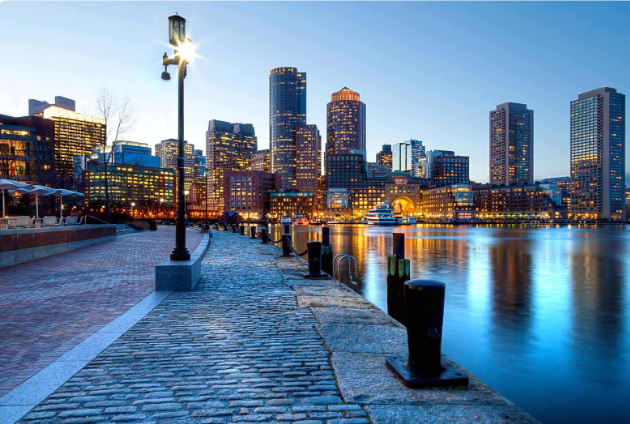
There is something exciting about planning a trip to the United States. Maybe it's because we've all grown up watching American films, seeing pictures of New York, Miami and California, or dreaming about driving down one of those endless highways.
But the USA is one of those destinations where a little preparation can make a big difference.
And it's not always the obvious things that catch people out.
The USA is much bigger than you think
This sounds obvious, but it's probably one of the easiest mistakes to make when planning an American holiday.
You look at a map and think you can squeeze New York, Miami and Los Angeles into the same trip. Technically, you can. Whether you'd actually enjoy spending so much time travelling between them is another question.
Even within the same state, distances can be surprising.
Florida is a good example. Miami, Orlando and Key West might all be on your list, but getting between them involves more travelling than many visitors expect.
The best advice? Don't try to see everything.
Choose a couple of places, give yourself enough time to enjoy them and accept that you'll probably want to come back.
Eating out is a little different
American food is a whole experience in itself.
The portions can be generous, particularly in traditional diners, and there's something quite enjoyable about finding a small local place rather than heading straight for the restaurants you've already heard about.
Breakfast is worth making time for. Pancakes, eggs, crispy bacon and a coffee that keeps getting refilled are part of the classic American diner experience.
But there's one thing worth remembering: the price you see on the menu isn't always the amount you'll actually pay.
Sales tax may be added to the bill, and tipping is an important part of restaurant culture.
For visitors from Europe, this can take a little getting used to.
It's not complicated once you understand how it works, but it helps to know before sitting down for your first meal.
Getting around isn't always straightforward
New York is one of the easier American cities to explore without a car. The subway covers a huge area, and walking is often part of the fun.
Miami is different. Public transport exists, but depending on where you're staying and what you want to visit, having a car can be much more convenient.
Los Angeles is another place where distances can surprise you.
Two attractions that look relatively close on a map can involve a long journey, especially with traffic.
This is why choosing your hotel location matters so much.
Saving a little money on accommodation isn't always worthwhile if you end up spending hours travelling every day.
And if you're renting a car, check the insurance conditions, parking costs and possible toll charges before booking.
Staying connected makes travelling easier
One thing that's easy to overlook when organising a trip is mobile internet.
You might think you'll just use the hotel's Wi-Fi, but that's not much help when you're trying to find your accommodation, check a restaurant, book a taxi or navigate an unfamiliar city.
Having internet access from the moment you arrive can make those first few hours considerably easier.
Many travellers now choose an eSIM instead of buying a physical SIM card after landing.
Services such as Roaming4You or EsimDesti offer travel eSIM options that can be arranged before departure, provided your phone supports the technology.
It's a small detail, but being able to open Google Maps as soon as you leave the airport is genuinely useful.
Don't underestimate the weather
The weather in the United States varies enormously depending on where and when you travel.
Miami can be warm and humid while New York is experiencing cold weather. Head towards the mountains or further north, and conditions can change completely.
Even places associated with sunshine aren't guaranteed perfect weather every day.
Florida, for example, has a hurricane season, which is something worth considering when choosing travel dates.
Checking the typical conditions for your exact destination is much more useful than simply searching for the weather in the USA.
And whatever the forecast says, packing a light jacket is rarely a terrible idea.
Some of the best moments are the simplest
Of course, famous attractions are famous for a reason.
Seeing the Manhattan skyline, walking along Miami Beach or watching the sunset somewhere on the California coast can be memorable.
But a good holiday doesn't have to involve running from one attraction to another.
Sometimes it's the smaller things that make a place interesting.
Stopping for coffee in a neighbourhood you hadn't planned to visit. Walking through a supermarket and discovering products you've never seen before. Finding a little restaurant that's full of locals.
Those ordinary moments often tell you more about a country than the busiest tourist attractions.
It's also worth leaving a few hours unplanned.
Not every minute of a trip needs to be organised.
A few things worth checking before you leave
Before travelling to the USA, make sure you understand the entry requirements for your passport.
Some visitors can use the ESTA travel authorisation system, while others need a visa. It's important to check the official requirements rather than assume the rules are the same for everyone.
Travel insurance is another thing that shouldn't be overlooked.
Medical treatment in the United States can be extremely expensive without suitable coverage, so check what your policy actually includes.
It also helps to have a payment card that works internationally, along with a backup option in case something goes wrong.
Finally, remember that electrical sockets are different from those commonly used in Europe. A suitable adapter is a simple thing to pack and an annoying thing to forget.
Is the USA expensive?
It can be, but it depends enormously on your destination and how you travel.
A week in Manhattan is a very different experience from a road trip through smaller towns.
Accommodation, parking, restaurant bills and attraction tickets can add up quickly.
One practical approach is to decide which experiences really matter to you.
Maybe you want a great hotel location. Maybe you'd rather spend less on accommodation and save the money for an unforgettable activity.
There's no single right way to travel.
Just don't forget to include the smaller expenses in your budget. They're often the ones that surprise people.
Would I recommend travelling to the USA?
There's a reason the United States remains such an appealing destination.
The variety is extraordinary. Big cities, beaches, mountains, deserts, national parks and small towns all offer completely different experiences.
You could visit several times and still feel that you've barely scratched the surface.
The trick is not to treat the whole country as one enormous checklist.
Pick somewhere that genuinely interests you, give yourself enough time and don't worry too much about seeing absolutely everything.
You can always save something for another trip.
And sometimes having a reason to come back is part of the fun.
0 Replies
·
6 views

Hey adventure-seekers! Plan your Dubai getaway between November and March for optimal weather and endless fun. From iconic sights to desert safaris and yacht cruises, there's something for everyone. Don't miss the heart-pounding excitement of dune buggy adventures in the desert! Keep in mind, peak season means larger crowds and higher prices, but shoulder months like April and October offer a bit more elbow room. Get ready for the ultimate Dubai adventure!

8 Replies
·
3058 views
Hi everyone!
Happy to be part of this community! I enjoy discovering new destinations, finding useful travel tips and learning from other travellers.
Looking forward to sharing ideas, getting recommendations and joining some interesting discussions.
Greetings from New york.
Happy to be part of this community! I enjoy discovering new destinations, finding useful travel tips and learning from other travellers.
Looking forward to sharing ideas, getting recommendations and joining some interesting discussions.
Greetings from New york.
3 Replies
·
142 views

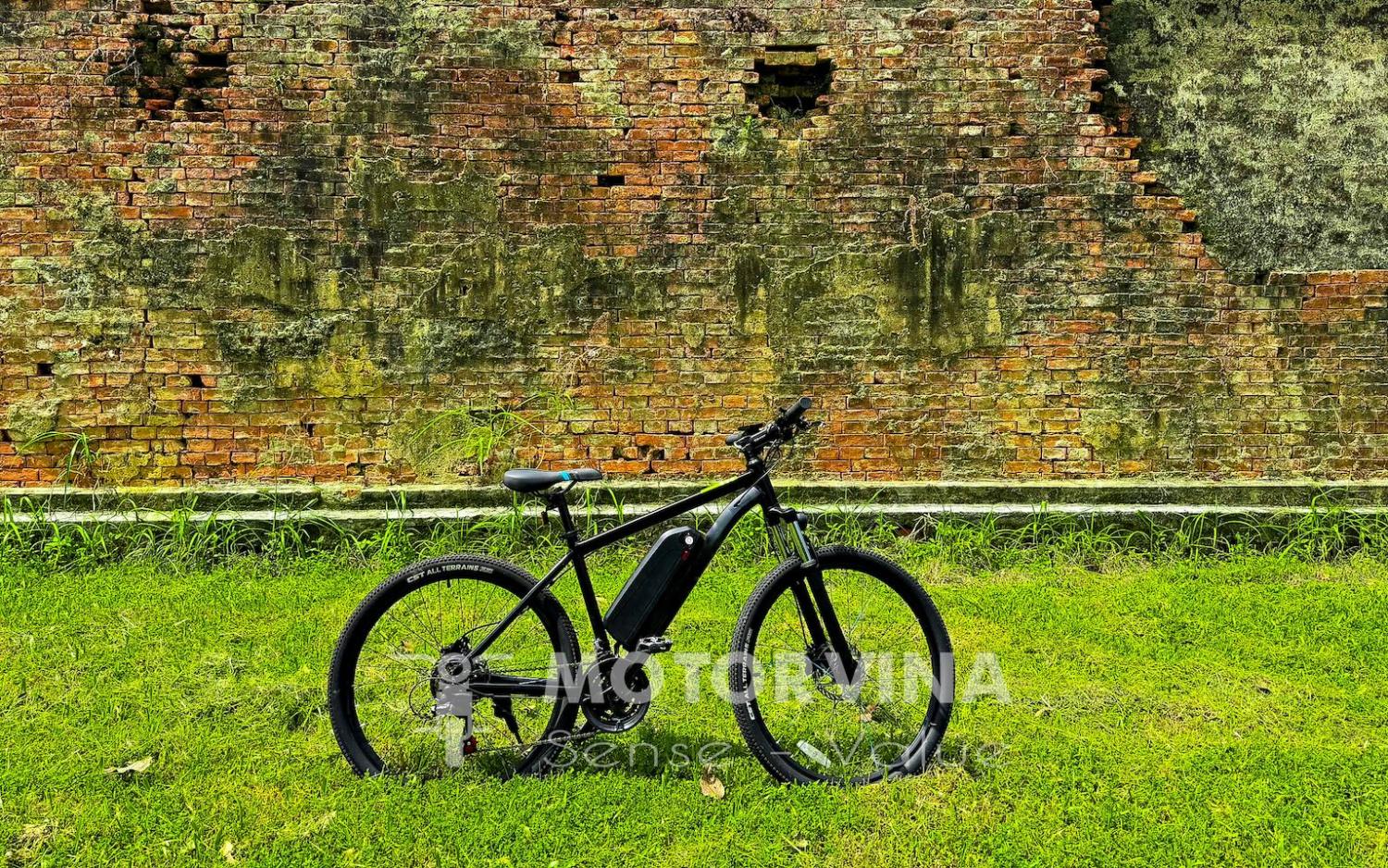
Experience Hue’s timeless spirituality on a peaceful, eco-friendly journey with an e-bike. Glide through quiet streets and lush countryside to reach ancient temples and hidden pagodas. With Motorvina’s motorbike rental Vietnam services - including electric motorbike for rent, scooter rental, and e-bike rental - travelers can enjoy sustainable, authentic, and flexible adventures across Hue and Central Vietnam.
With Motorvina’s motorbike rental Vietnam and electric motorbike for rent services, travelers can now choose e-bikes designed for comfort and reliability. Whether you’re heading from the Imperial City to Tu Hieu Pagoda or cruising along the Perfume River, an e-bicycle offers the perfect balance of freedom, health, and eco-conscious travel.
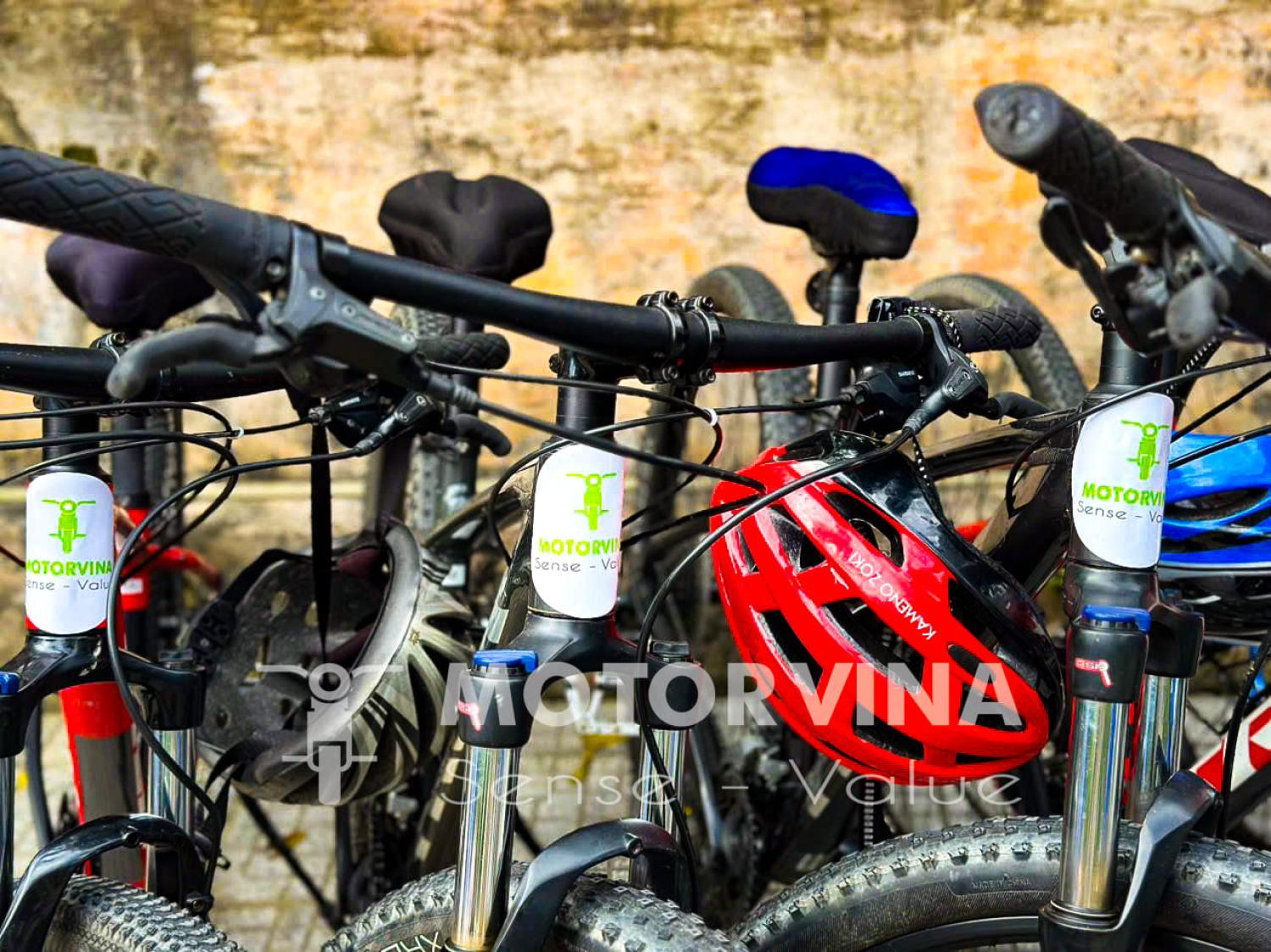

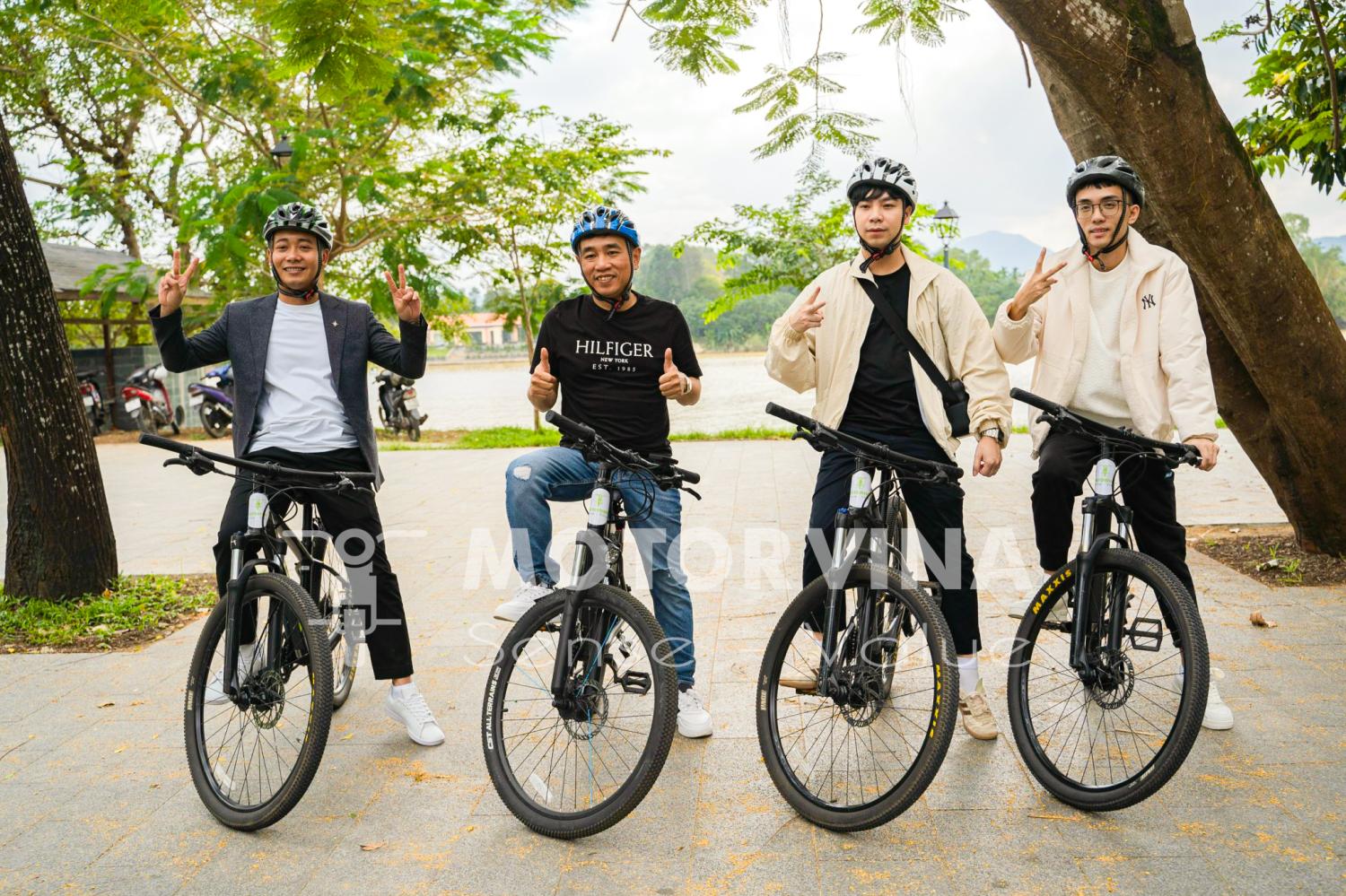

Motorvina is one of Vietnam’s leading names in sustainable travel and motorbike rental Vietnam. We offer a wide range of eco-friendly vehicles - from e-bikes to electric motorbikes for rent, scooters, and even one way motorbike rental Vietnam for long-distance routes like Hoi An to Hue motorbike rental or Hai Van Pass motorbike rental.
Every Motorvina e-bicycle or motorbike comes with:

From tranquil rides along the Perfume River to peaceful forest pagodas, e-bicycles open the door to a slower, more sustainable way of travel. And with Motorvina’s motorbike rental Vietnam services, you can enjoy top-quality bikes, full support, and the freedom to explore Hue your way.
Ready to begin your spiritual adventure the green way? BOOK YOUR E-BIKE WITH MOTORVINA TODAY!
Why an E-Bike is Perfect for a Temple Tour in Hue
Effortless Rides to Multiple Spiritual Sites
Hue is home to dozens of temples and pagodas scattered throughout the city and countryside. Exploring them all can be tiring - but an e-bike makes it easy. The electric assist gives you a gentle boost when pedaling uphill or over long distances, helping you save energy for exploring and meditation.With Motorvina’s motorbike rental Vietnam and electric motorbike for rent services, travelers can now choose e-bikes designed for comfort and reliability. Whether you’re heading from the Imperial City to Tu Hieu Pagoda or cruising along the Perfume River, an e-bicycle offers the perfect balance of freedom, health, and eco-conscious travel.
Enjoy the Quiet & Serene Atmosphere
Unlike gas-powered bikes, e-bikes are whisper-quiet - ideal for temple visits where silence enhances the spiritual atmosphere. You can hear the sound of rustling trees, chanting monks, and temple bells without the noise or fumes of traffic. This calm, meditative experience makes e-bikes the most harmonious way to explore Hue’s sacred landmarks.Avoid Traffic & Parking Hassles Near Temples
Hue’s temples often lie in narrow alleys or beside quiet riverside roads, where cars and large motorbikes struggle to park. E-bikes are compact and lightweight, allowing easy access to even the smallest lanes. With Motorvina’s scooter rental Vietnam and Hue motorbike rental options, you can ride directly to temple entrances and use the free parking spaces provided for bicycles.Must-Visit Temples & Pagodas by E-Bicycle
Thien Mu Pagoda - Hue’s Most Famous Landmark
Perched above the Perfume River, Thien Mu Pagoda is a must-see destination. Cycling there on an e-bike from Motorvina lets you enjoy the riverside breeze and stunning views along Kim Long Street. You can stop for coffee by the river before heading back on your smooth, assisted ride.
Tu Hieu Pagoda - The Hidden Monastery in the Forest
Located deep in a pine forest, Tu Hieu Pagoda is both mysterious and peaceful. The road leading there is shaded and slightly hilly - perfect for an e-bike. You’ll pass local markets, small cafes, and lotus ponds along the way. Renting from Motorvina’s motorbike rental Vietnam network ensures you have a fully charged e-bike with backup support if needed.Huyen Khong Son Thuong - A Remote, Peaceful Retreat
This temple is located in the mountains, about 10 km from the city center. Riding an e-bike here is an adventure in itself - winding roads, cool forest air, and breathtaking landscapes. It’s a favorite among eco-travelers who want to combine spiritual exploration with nature. You can also extend your trip with one way motorbike rental Vietnam from Hue to Hoi An or Da Nang through Motorvina, making your journey part of a larger cultural route.Tips for a Respectful Temple Visit by E-Bicycle
Proper Dress Code & Behavior
Temples are sacred spaces. Dress modestly - cover shoulders and knees - and remove your shoes when entering worship areas. Even if you’re traveling casually by e-bike, scooter rental Vietnam, or motorbike rental, always act with respect and speak softly.
Parking & Security Near Temples
Use the parking areas available near temple gates. Motorvina’s motorbike rental and e-bike rental packages include free locks and security tips. Staff can also recommend safe spots to park while you explore on foot or meditate.Best Times to Visit for a Tranquil Experience
Morning rides (6-8 AM) and late afternoons (4-6 PM) offer the most comfortable weather. These times also let you witness monks’ chanting sessions and sunset reflections over the Perfume River. Riding an e-bike during these hours gives you a calm, slow-paced, and deeply local experience.Why Choose Motorvina for Your E-Bicycle or Motorbike Rental in Hue?
Motorvina is one of Vietnam’s leading names in sustainable travel and motorbike rental Vietnam. We offer a wide range of eco-friendly vehicles - from e-bikes to electric motorbikes for rent, scooters, and even one way motorbike rental Vietnam for long-distance routes like Hoi An to Hue motorbike rental or Hai Van Pass motorbike rental.
Every Motorvina e-bicycle or motorbike comes with:
- Provided with helmet, safety gears
- 24/7 roadside assistance
- Flexible rental duration (daily, weekly, monthly)
- Hotel delivery & pick-up service
- No hidden fees
Conclusion
Exploring Hue’s temples by e-bike is more than just sightseeing - it’s a mindful journey into Vietnam’s spiritual heart. You’ll connect deeply with local culture, enjoy the city’s natural beauty, and reduce your carbon footprint while doing so.From tranquil rides along the Perfume River to peaceful forest pagodas, e-bicycles open the door to a slower, more sustainable way of travel. And with Motorvina’s motorbike rental Vietnam services, you can enjoy top-quality bikes, full support, and the freedom to explore Hue your way.
Ready to begin your spiritual adventure the green way? BOOK YOUR E-BIKE WITH MOTORVINA TODAY!
1 Replies
·
482 views

Exploring Pilibhit Tiger Reserve in 2 days is usually enough for a short and enjoyable wildlife trip. You can plan a gypsy safari, explore the forest surroundings, and enjoy the peaceful beauty of the Terai region. If you have an extra day, you can also visit Chuka Beach and spend some relaxing time near the Sharda Sagar Dam.
For travellers planning a wildlife holiday, the best places to visit in Pilibhit Tiger Reserve can easily be covered in a 2–3 day itinerary, depending on your interests and travel schedule. Keep some time for local sightseeing and photography to make your trip more memorable. It is also a good idea to book your safari in advance, especially during the busy tourist season. Overall, 2 days are ideal for a quick visit, while 3 days allow you to explore at a more relaxed pace.
For travellers planning a wildlife holiday, the best places to visit in Pilibhit Tiger Reserve can easily be covered in a 2–3 day itinerary, depending on your interests and travel schedule. Keep some time for local sightseeing and photography to make your trip more memorable. It is also a good idea to book your safari in advance, especially during the busy tourist season. Overall, 2 days are ideal for a quick visit, while 3 days allow you to explore at a more relaxed pace.
0 Replies
·
12 views

Booking your Kanha jungle safari at least 30 to 60 days in advance is a good idea, especially if you plan to visit during the peak season from March to June. Safari seats are limited, and popular zones can fill up quickly during weekends, holidays, and school vacations.
If you are planning a trip during the busy season, booking even earlier can help you get your preferred date and safari zone. For a smooth experience, complete your Kanha Jungle Safari Booking online as soon as your travel dates are confirmed. Last-minute seats may sometimes be available, but you should not depend on them.
Before booking, check the available safari zones, timings, and permit requirements. Planning ahead gives you more flexibility and helps you enjoy your wildlife adventure without unnecessary stress.
0 Replies
·
19 views

 Are you planning a trip to Tokyo or Osaka, or have you already arrived in Japan?
Feeling unfamiliar with the area or worried about the language barrier? Interested in local services but not sure where to start? Rather than searching blindly, getting the right information and confirming the details in advance can help make your trip smoother and more enjoyable.
 COCO Dream Garden | Tokyo & Osaka Booking Information
We provide local information and booking consultations for services in Japan, helping you understand service details, pricing, and arrangements in advance, so you can navigate the process with greater confidence.
Convenient Assistance for International Visitors
・Information about Tokyo and Osaka
・Service details and pricing confirmed in advance
・Chinese-language assistance available, even if you don't speak Japanese
・Clear explanations of booking procedures to help avoid misunderstandings
・Arrangements discussed in advance according to your individual needs
Whether this is your first visit to Japan or you travel between Tokyo and Osaka regularly, you're welcome to ask for more information and plan an itinerary that suits you.
Have any questions? Feel free to reach out anytime!
Telegram: one181
Gleezy: hi77
COCO Dream Garden | Making Your Japan Trip More Relaxed and Memorable.
2 Replies
·
68 views
Hello everyone!
Dubai is one of the world's leading tourist destinations, particularly for luxury and adventure tours. With the amazing Dubai city and desert that you have to go to an incredible adventure, Dubai holiday's have everything to make your holiday special. I want to know about VIP Dubai Tours and how do you select an experience that meets your needs of travel.
The most alluring of all Experience the Arabian desert and relax on the sands, enjoy great dune bashing, camel rides and sunset views. Certain trips may have private transportation, personalised amenities and local cuisine, and will allow you to discover another side of Dubai.
What are your reviews after having already been to Dubai on a private or premium tour? How did you like the desert or a personal sightseeing tour? Or maybe you've tried a few different things?
I should be watching for before I book a tour. How much of this do I really need to be looking at, customer service, safety set ups, how we get around and what actually is included in the package? Should I book for couples and families with private tours?
Best Dubai VIP Tour for a tourist visiting for the first time? Give genuine opinion and feedback on Dubai VIP Tour so that it can be helpful for other tourists in planning their holidays.
0 Replies
·
22 views

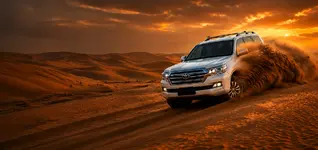
Planning a Dubai desert safari for the first time? There are several different types of desert experiences, so it helps to understand what is included before booking.
Where does the desert safari take place?
Many Dubai desert safari experiences visit the desert areas outside the city, including the red dunes around Lahbab. The landscape is very different from central Dubai, with wide open dunes and opportunities for activities such as dune bashing, camel riding and sandboarding.
What is usually included?
An evening desert safari commonly includes 4×4 transportation, dune bashing, a camel experience and sandboarding. Depending on the package, visitors may also have dinner at a desert camp, with entertainment such as Tanoura, belly dancing and a fire show.
Morning vs evening safari
A morning safari is useful for travelers who mainly want desert activities and have other plans later in the day. An evening safari generally combines the desert experience with sunset, a camp visit and dinner.
Private vs shared safari
Shared tours can be suitable for travelers who don't need a private vehicle. A private safari provides more flexibility for pickup and the itinerary.
If you're comparing different Dubai desert safari options, Desert Leap Safari has information about the available experiences, timings and inclusions on its website:
3 Replies
·
343 views