
forum4travel

Staff member
USA Travel Forum – United States Travel Advice, Holiday Tips and Trip Planning
Welcome to the USA Travel Forum, a friendly online community for discussing holidays, road trips and travel throughout the United States of America.The USA offers an enormous variety of travel experiences, from energetic cities and famous theme parks to beaches, mountains, deserts, forests and spectacular national parks. Whether you are planning your first visit to America, organising a cross-country road trip or returning to explore a different state, this forum is the place to ask questions and exchange advice with other travellers.
Use the forum to discuss the best places to visit in the USA, suggested itineraries, hotels, holiday rentals, flights, car hire, public transport, national parks, tourist attractions, visas, travel insurance and local customs. Members are also encouraged to share photographs, accommodation reviews, restaurant recommendations and useful tips from their own journeys.
Planning a Holiday to the USA
Planning a holiday to the United States can be exciting, but the size of the country means that careful preparation is important. Distances between cities and attractions may be much greater than first-time visitors expect, so it is usually better to concentrate on one region rather than trying to see the entire country during a short holiday.The best itinerary will depend on how long you have available, your budget, the season in which you are travelling and the experiences that interest you most.
Some visitors want to explore famous cities such as New York, Los Angeles, Chicago or San Francisco. Others prefer beaches, national parks, theme parks, historic towns, music destinations or long-distance road trips.
When asking for USA travel advice, try to include:
- Your proposed travel dates
- The length of your holiday
- Your approximate budget
- The cities or states you are considering
- Whether you plan to hire a car
- The attractions and activities that interest you
- Whether you are travelling alone, as a couple or with children
Best Places to Visit in the USA
The United States has destinations for almost every type of traveller.New York City is one of the country’s most popular city-break destinations. Visitors can explore Manhattan, Central Park, Times Square, Broadway, the Statue of Liberty, museums, observation decks and neighbourhoods across the five boroughs.
Washington, D.C. attracts travellers interested in American history, politics, museums and famous monuments. Many visitors combine Washington with New York, Philadelphia or other destinations along the East Coast.
Florida is popular for sunshine, beaches, cruises and family attractions. Orlando is internationally known for its theme parks, while Miami offers beaches, nightlife, shopping and a distinctive cultural atmosphere. The Florida Keys provide a more relaxed coastal experience.
California combines major cities, beaches, wine regions, mountains and scenic road trips. Los Angeles is associated with Hollywood, entertainment and coastal neighbourhoods, while San Francisco is known for the Golden Gate Bridge, waterfront attractions and its distinctive hillside streets.
Las Vegas is famous for entertainment, resorts, restaurants, casinos and nightlife. It can also be used as a starting point for trips to desert landscapes and national parks in Nevada, Arizona and Utah.
Other popular destinations include Chicago, Boston, New Orleans, Nashville, Seattle, San Diego, Honolulu and Anchorage. Smaller cities, rural communities and historic towns can also provide memorable experiences away from the busiest tourist routes.
Ask members of the USA Travel Forum which destinations are best suited to your interests, budget and available time.
USA Travel Itineraries
A realistic itinerary can make a major difference to the success of an American holiday. Trying to visit too many states in a short period may result in spending much of the trip at airports, on highways or checking in and out of hotels.Popular USA itinerary ideas include:
- A New York City break
- New York, Philadelphia and Washington, D.C.
- A California coastal road trip
- Los Angeles, Las Vegas and the Grand Canyon
- A Florida theme park and beach holiday
- A New England driving tour
- A Deep South music and food itinerary
- A Rocky Mountains adventure
- A Pacific Northwest road trip
- A tour of Utah and Arizona national parks
- A Hawaiian island holiday
- An Alaska wildlife and scenery trip
Post your proposed USA holiday itinerary in the forum and invite other travellers to recommend improvements, overnight stops or alternative routes.
Road Trips in the United States
Road trips are one of the most popular ways to explore America. Hiring a car can provide access to national parks, small towns, scenic highways and rural areas that may be difficult to reach using public transport.Famous USA road-trip routes include the Pacific Coast Highway, Route 66, the Blue Ridge Parkway, the Florida Keys Overseas Highway and scenic drives through New England, the Rocky Mountains and the American Southwest.
Before beginning a road trip, consider:
- The total driving distance
- Fuel costs
- Car hire charges
- One-way rental fees
- Hotel and motel availability
- Parking charges in major cities
- Road tolls
- Weather and seasonal road closures
- National park reservations
- Whether additional drivers are covered
Members can share recommended routes, scenic stops, roadside attractions and practical advice about driving in the USA.
Hotels and Accommodation in the USA
The United States offers an extensive range of accommodation, including hostels, motels, roadside inns, city hotels, holiday apartments, beach resorts, mountain lodges and luxury properties.The best place to stay will depend on your destination, budget and travel plans. In larger cities, a central location or access to public transport may be more valuable than hiring a car. In national park areas, staying close to the entrance can reduce daily driving time.
Before reserving accommodation, check:
- The location and surrounding neighbourhood
- Distance from attractions or public transport
- Parking availability and charges
- Resort or destination fees
- Taxes added to the advertised price
- Breakfast and restaurant facilities
- Air conditioning and heating
- Recent guest reviews
- Check-in and check-out arrangements
- Cancellation conditions
Flights and Airports in the USA
Domestic flights are often the quickest way to travel between distant regions of the United States. Flying may be more practical than driving when combining destinations such as New York, Florida, California, Hawaii or Alaska.Major metropolitan areas may have several airports, so check the location carefully before booking. The cheapest flight may not provide the most convenient airport, particularly after adding the cost and time required to reach your hotel.
When comparing flights, consider:
- Checked baggage charges
- Cabin baggage allowances
- Seat selection fees
- Airport transfer costs
- Connection times
- Changes between airports
- Cancellation and ticket conditions
- The time required for security procedures
Trains, Buses and Public Transport
Public transport varies considerably across the USA. Some cities have extensive underground rail, light rail and bus networks, while other destinations are much easier to explore by car.New York, Washington, Boston, Chicago and San Francisco are examples of cities where visitors can reach many attractions without hiring a vehicle. In more suburban or rural areas, public transport may be limited.
Long-distance trains and intercity coaches can provide alternatives to flying or driving on certain routes. However, journey times, frequencies and station locations should be checked carefully before making plans.
Ask the forum whether a car is necessary for the cities and attractions on your itinerary. Travellers with first-hand experience can explain which destinations are easy to explore using public transport.
Car Hire and Driving in America
Hiring a car can offer freedom and flexibility, but travellers should understand the full cost before making a reservation.The advertised price may not include every charge. Insurance, taxes, airport fees, additional drivers, young-driver surcharges, fuel policies and one-way rental fees can increase the total cost.
Check whether your driving licence is accepted and whether an International Driving Permit is recommended or required for the states you intend to visit. Requirements may depend on your licence and the rules of the rental company.
Inspect the vehicle before leaving the rental location and photograph any existing damage. It is also wise to understand what assistance is provided in the event of a breakdown or accident.
Visitors should avoid leaving luggage, passports or valuable equipment visible inside a parked vehicle.
National Parks and Outdoor Adventures
America’s national parks are among its greatest attractions. Travellers can experience canyons, deserts, mountains, forests, glaciers, waterfalls, volcanoes, coastlines and wildlife across the country.Frequently discussed destinations include the Grand Canyon, Yellowstone, Yosemite, Zion, Bryce Canyon, Great Smoky Mountains, Rocky Mountain, Acadia, Everglades and the national parks of Alaska and Hawaii.
Outdoor activities may include hiking, camping, wildlife watching, cycling, rafting, skiing and scenic driving.
Before visiting a national park, research:
- Entrance fees or passes
- Accommodation and camping availability
- Timed-entry systems or reservations
- Seasonal road closures
- Weather conditions
- Hiking difficulty
- Wildlife precautions
- Water and food availability
- Mobile phone coverage
- Distance to fuel stations
Never underestimate heat, altitude, cold weather or remote terrain. Carry suitable clothing, water and navigation equipment, and tell someone where you are going when hiking in isolated areas.
USA Tours and Organised Trips
Some travellers prefer to organise every part of their holiday independently, while others enjoy the convenience of a guided tour.USA tour options may include:
- City sightseeing tours
- National park coach tours
- Guided road trips
- Food and cultural tours
- Music heritage tours
- Wildlife excursions
- Film and television location tours
- Theme park packages
- Cruises and coastal excursions
- Multi-state group holidays
Members can share reviews of tour companies, local guides and organised excursions throughout the United States.
Theme Parks and Family Holidays
The USA is a major destination for theme park and family holidays. Orlando and Southern California have some of the country’s best-known amusement parks, water parks and entertainment resorts.Families should consider ticket prices, accommodation, transport, meal costs and the amount of time required for each park. Popular attractions can be extremely busy during school holidays and major public holidays.
Planning rest days can make a longer theme park holiday more enjoyable, particularly when travelling with younger children.
Use the forum to ask about ticket options, suitable hotels, transportation, dining plans, accessibility and the best time to visit popular family attractions.
American Food and Dining Tips
Food is an important part of travelling through the United States, and every region has its own specialities.Visitors may want to try New York pizza, Southern barbecue, Louisiana Creole and Cajun dishes, Tex-Mex food, New England seafood, Hawaiian cuisine, Chicago-style dishes or regional variations of burgers, sandwiches and desserts.
Portion sizes may be larger than some international visitors expect, although this varies between restaurants. Some establishments offer takeaway containers for unfinished meals.
Prices displayed on menus may not include local sales tax, and table-service restaurants commonly expect customers to leave a tip. Customs and suggested amounts can vary, so travellers may wish to ask for current advice before departure.
Share your favourite restaurants, diners, cafés, food markets and regional dishes with the community.
When Is the Best Time to Visit the USA?
The best time to visit the United States depends on the region and the type of holiday you are planning.Weather conditions vary greatly between the northern and southern states, coastal areas, deserts and mountain regions. One part of the country may be experiencing snow while another has warm beach weather.
Summer is popular for road trips, national parks and family holidays, although some destinations can be crowded and expensive. Spring and autumn may offer comfortable temperatures and attractive scenery in many regions.
Winter can be ideal for skiing, seasonal events or visiting warmer destinations such as Florida, Southern California and Hawaii. However, snow and severe weather may affect travel in other areas.
Before booking, research the normal climate, daylight hours and seasonal conditions for every destination on your route.
USA Visa, ESTA and Entry Requirements
International travellers must confirm the passport, visa and entry requirements that apply to their nationality and personal circumstances.Many foreign visitors require a visitor visa, while eligible travellers from participating countries may be able to visit under the Visa Waiver Program. Travel under the Visa Waiver Program requires an approved Electronic System for Travel Authorization, commonly known as ESTA. Requirements can change, so applications and important decisions should only be made through official United States government sources.
Check that your passport is valid for your journey and ensure that the details on your ticket, passport and travel authorisation match.
It is sensible to keep secure copies of your passport, travel authorisation, insurance policy, accommodation bookings and return flight details.
Forum members may share their experiences, but unofficial discussions should not replace current advice from immigration authorities.
Health and Travel Insurance
Medical treatment in the United States can be expensive, so comprehensive travel insurance is strongly worth considering.Read the policy carefully and confirm that it covers:
- Emergency medical treatment
- Hospital care
- Medical evacuation
- Existing health conditions
- Prescription medicines
- Trip cancellation
- Lost or delayed luggage
- Car hire excess
- Hiking, skiing or adventure activities
Seek professional advice for personal health concerns rather than relying entirely on information posted online.
Staying Safe While Travelling in the USA
Most visitors enjoy trouble-free holidays in the United States, but sensible precautions are still important.Research unfamiliar neighbourhoods, remain aware of your surroundings and use reputable transport providers. Keep passports and valuables secure, and avoid displaying large amounts of cash.
Do not leave bags, cameras or electronic equipment visible inside a vehicle. In busy tourist areas, remain alert to theft and misleading offers.
Weather and natural hazards can also affect safety. Depending on the destination and season, travellers may encounter extreme heat, snowstorms, hurricanes, flooding, wildfires or other disruptions.
Check local weather warnings and official travel advice during your journey.
Money, Sales Tax and Tipping
The United States uses the US dollar, and debit and credit cards are widely accepted. However, carrying a small amount of cash can be useful for tips, parking, tolls or smaller businesses.Visitors should be aware that prices displayed in shops and restaurants may not include sales tax. The final amount charged can therefore be higher than the advertised price, with rates varying by location.
Tipping is customary in many service situations, including table-service restaurants, bars, taxis and some hotel services. The expected amount may depend on the type and quality of service.
Ask other travellers for current advice if you are uncertain about tipping practices or additional charges.
Mobile Phones, Internet and Navigation
Mobile data can make it easier to use maps, book transport, check attraction opening times and communicate with accommodation providers.International roaming can be expensive, so compare your provider’s travel package with local SIM or eSIM options before departure.
Mobile coverage may be unreliable in national parks, mountain regions and remote road-trip areas. Download offline maps and important booking details before entering locations with limited service.
A portable battery pack can also be useful during long sightseeing days or driving journeys.
Respecting Local Customs and Communities
The United States is a large and culturally diverse country. Customs, accents, food, politics and lifestyles can vary considerably between regions.Visitors should treat local residents, staff and other travellers respectfully. Avoid making assumptions about communities and follow rules at national parks, museums, memorials and places of worship.
When visiting natural areas, stay on marked routes, dispose of rubbish properly and avoid disturbing wildlife.
Travellers should also respect restrictions concerning photography, private property and culturally significant locations.
Share Your USA Travel Experiences
Have you recently returned from an American holiday? Your experiences could help another traveller plan a better trip.Start a discussion and share:
- Your USA travel itinerary
- Hotel and motel recommendations
- Road-trip routes
- National park experiences
- Airline and airport advice
- Car hire reviews
- Restaurant recommendations
- Theme park tips
- Holiday costs and budgeting advice
- Photographs from your journey
- Mistakes other travellers should avoid
Join the USA Travel Forum
Whether you are planning a weekend in New York, a Florida family holiday, a California road trip or an extended journey across several states, the USA Travel Forum is here to help.Ask questions, compare itineraries, request recommendations and connect with travellers who have first-hand experience of visiting the United States.
Join the discussion, share your travel knowledge and start planning an unforgettable American adventure.
Click here to post to the USA travel forum
0 Replies
·
3906 views

Planning a family trip, wedding journey, corporate outing or pilgrimage with a group? You can Hire Tempo Traveller in Delhi for comfortable and convenient group transportation. Tempo Travellers are available in different seating capacities, making them suitable for small and large groups. Depending on your group size, you can choose options such as 9, 12, 16, 20 or more seats.
A Tempo Traveller is especially useful for outstation trips from Delhi to destinations such as Agra, Jaipur, Haridwar, Rishikesh, Manali, Shimla, Mathura, Vrindavan and other popular destinations. It allows the entire group to travel together instead of using multiple cars.
Before booking, check the vehicle's seating capacity, AC facilities, luggage space, driver charges, minimum kilometres and toll or parking charges. Booking in advance is recommended during weekends, holidays and peak travel seasons.
Depending on the model, a Tempo Traveller can accommodate around 9 to 26 passengers.
2. Is Tempo Traveller suitable for outstation trips?
Yes, it is a convenient option for family tours, group holidays and pilgrimage trips.
3. Can I book a Tempo Traveller for one day?
Yes, one-day local and outstation bookings are commonly available, subject to the rental terms.
A Tempo Traveller is especially useful for outstation trips from Delhi to destinations such as Agra, Jaipur, Haridwar, Rishikesh, Manali, Shimla, Mathura, Vrindavan and other popular destinations. It allows the entire group to travel together instead of using multiple cars.
Before booking, check the vehicle's seating capacity, AC facilities, luggage space, driver charges, minimum kilometres and toll or parking charges. Booking in advance is recommended during weekends, holidays and peak travel seasons.
FAQs
1. How many people can travel in a Tempo Traveller?Depending on the model, a Tempo Traveller can accommodate around 9 to 26 passengers.
2. Is Tempo Traveller suitable for outstation trips?
Yes, it is a convenient option for family tours, group holidays and pilgrimage trips.
3. Can I book a Tempo Traveller for one day?
Yes, one-day local and outstation bookings are commonly available, subject to the rental terms.
1 Replies
·
47 views

Yes, you can usually add extra acclimatization days to a private Kailash Mansarovar Yatra, and for many pilgrims it can be a very sensible way to make the journey safer, more comfortable, and less rushed. A private Yatra gives you considerably more flexibility than a fixed group departure, allowing the itinerary to be customized around your physical condition, travel experience, age, preferred pace, and need for additional rest at high altitude.
The Kailash Mansarovar Yatra from Kathmandu is not an ordinary sightseeing tour. The journey takes pilgrims from Kathmandu into the high-altitude Tibetan plateau, eventually reaching elevations above 4,500 meters and crossing Dolma La Pass at approximately 5,600 meters during the Kailash Kora. Himalayan Asia Tours' current private Kailash Mansarovar itinerary reaches a maximum altitude of about 5,645 meters and includes acclimatization stops before the demanding Kora.
For pilgrims who are concerned about altitude sickness, high-altitude walking, physical endurance, or adjusting to the Tibetan plateau, adding one or more extra acclimatization days can be particularly valuable.
At sea level, your body receives considerably more oxygen with every breath. As you climb higher, atmospheric pressure decreases and less oxygen is available. The body needs time to adjust.
This is especially important on the Kailash Mansarovar pilgrimage, because the route eventually takes you to very high elevations.
The Government of India's official Kailash Mansarovar guidance emphasizes that acclimatization is essential and warns that a rapid ascent to high altitude can lead to serious altitude-related illness.
The U.S. Department of State also currently highlights the significant altitude risks associated with the Mount Kailash Kora, noting that the mountain's base itself is above 15,000 feet.
Therefore, extra acclimatization days on a private Kailash Mansarovar Yatra are not simply extra holiday days—they can be an important part of responsible high-altitude travel planning.
Instead of following exactly the same schedule as every other traveler, you can discuss with Himalayan Asia Tours whether additional nights can be incorporated into suitable locations along the route.
For example, depending on the current route, permits, accommodation availability, road conditions, and operational arrangements, an itinerary may be adjusted to provide:
For some physically fit and experienced high-altitude travelers, the standard itinerary may be adequate. Others—particularly first-time visitors to very high altitude—may feel more comfortable with one or two additional nights.
A private itinerary can be designed around your individual circumstances.
An additional day should ideally be placed where it provides meaningful acclimatization or recovery—not simply inserted randomly into the schedule.
The elevation rises significantly after crossing the border, making this an important stage of the journey.
An additional night here can allow your body to begin adjusting before you continue toward the much higher Tibetan plateau.
Several current Kailash itineraries include an acclimatization day around Kyirong/Kerung, demonstrating how this location can be incorporated into a gradual ascent.
For a private Kailash Yatra for first-time pilgrims, discussing an additional night around this stage may be worthwhile.
An additional rest day at this stage can provide more time for your body to adjust before continuing toward Lake Mansarovar and Darchen.
Some Kailash Mansarovar itineraries already include a dedicated acclimatization day at high altitude.
However, because Saga is already high, the extra day should be used for rest and gentle activity rather than strenuous sightseeing or trekking.
A typical acclimatization day may involve:
The Kora is the most physically demanding part of the pilgrimage.
A typical three-day Kailash Parikrama involves walking at very high altitude, with the second day including the challenging crossing of Dolma La Pass.
Therefore, an extra night around Darchen can provide additional preparation time before beginning the Kora.
This may be especially helpful for pilgrims who want to start the Parikrama feeling rested rather than immediately following a long road journey.
Himalayan Asia Tours describes its private Kailash Mansarovar itinerary as including a three-day Kora, with the route reaching approximately 5,645 meters at Dolma La Pass.
The combination of:
An extra rest day before the Kora may allow pilgrims to:
This is an important point.
Adding extra days does not mean you should simply remain at the highest possible altitude for as long as possible.
Acclimatization should be gradual and intelligently planned.
An extra day can be beneficial when it gives your body time to adapt and gives the travel team an opportunity to monitor your condition. But staying too long at a very high elevation can also increase fatigue, disturb sleep, reduce appetite, and contribute to dehydration.
The ideal itinerary depends on:
A slower itinerary can provide greater comfort and flexibility.
A medical evaluation before the Yatra is advisable.
A private Yatra allows the itinerary to be discussed around the needs of the group.
An extra day can create more time for prayer, meditation, reflection, and enjoying the sacred landscape without constantly watching the clock.
Possible symptoms of Acute Mountain Sickness (AMS) include:
If symptoms develop, do not simply assume that another acclimatization day will solve the problem.
Continuing to ascend while experiencing significant symptoms can be dangerous.
Your guide and medical professionals should assess the situation, and descent may be necessary if symptoms worsen or do not improve.
People respond differently to altitude.
Even someone who is young, fit, and experienced in trekking can become sick at high altitude.
Conversely, someone who is not an experienced trekker may adapt well.
Fitness is important for the physical demands of the Kora, but physical fitness does not make a person immune to altitude sickness.
This distinction is important when preparing for the Kailash Mansarovar Yatra.
A sensible high-altitude rest day usually combines rest with gentle activity.
You may:
Medication decisions should be discussed with a qualified doctor before departure, particularly if you have other medical conditions or take other medicines.
Your Kailash Mansarovar packing list should include any prescribed medications you personally require, together with a suitable first-aid kit.
Do not start prescription medication solely because another pilgrim recommends it.
The company's current private itinerary is a 16-day journey from Kathmandu, with a maximum altitude listed at approximately 5,645 meters and acclimatization stops built into the journey.
When requesting a customized itinerary, you can specifically ask about:
For a private Kailash Mansarovar Yatra, having some flexibility can be especially valuable because the region is remote and weather and road conditions can affect travel.
Official Indian guidance also recommends adequate insurance coverage for emergencies, evacuation, high-altitude sickness, and extended stays.
Current private Kailash Mansarovar packages from Kathmandu commonly use approximately two weeks or more, depending on the route and itinerary. Himalayan Asia Tours currently lists a 16-day Private Kailash Mansarovar Tour from Kathmandu.
If you want to add acclimatization days, you might consider planning a trip around:
Standard private itinerary + 1 extra day
or
Standard private itinerary + 2 extra days
rather than trying to shorten the existing itinerary.
For pilgrims who have sufficient vacation time, adding days is generally more practical than trying to make the journey faster.
The actual sequence and overnight locations can change according to the current route, road conditions, permits, accommodation, and Tibet travel regulations.
A fixed group itinerary generally follows a predetermined schedule. If the entire group has to move on a particular day, individual travelers may have less flexibility.
With a private journey, you can discuss your preferred pace before departure.
For example, if your family says:
This does not mean every requested change will be possible. Tibet travel permits, local regulations, accommodation, transportation, guide arrangements, and route conditions must all be considered.
But private travel provides a better framework for customizing the Kailash Mansarovar pilgrimage around your group's needs.
This is the point where the combination of altitude and physical exertion becomes particularly challenging.
Pilgrims should not think of Dolma La as an ordinary mountain pass.
You may encounter:
An extra acclimatization day before the Parikrama can give pilgrims more time to rest, prepare mentally, organize their gear, and assess how their bodies are responding to altitude.
You should also prepare physically before traveling.
Official guidance for the Kailash pilgrimage recommends a thorough medical examination before undertaking the journey.
The Kailash Mansarovar Yatra remains a demanding high-altitude pilgrimage.
Adding an extra day may help you:
The goal is not to make the Yatra "easy."
The goal is to make it better paced, safer, and more manageable.
It is particularly worth considering if you are:
Himalayan Asia Tours can discuss a custom private Kailash Mansarovar Yatra from Kathmandu based on your preferred pace, group size, travel dates, and acclimatization requirements. The standard private itinerary already incorporates acclimatization planning, but travelers with additional time can ask about extending the journey.
For a pilgrimage as physically demanding and spiritually significant as Kailash Mansarovar, there is usually little benefit in rushing.
Take your time, listen to your body, follow your guide's advice, respect the altitude, and allow enough time for your journey to unfold safely and comfortably.
The Kailash Mansarovar Yatra from Kathmandu is not an ordinary sightseeing tour. The journey takes pilgrims from Kathmandu into the high-altitude Tibetan plateau, eventually reaching elevations above 4,500 meters and crossing Dolma La Pass at approximately 5,600 meters during the Kailash Kora. Himalayan Asia Tours' current private Kailash Mansarovar itinerary reaches a maximum altitude of about 5,645 meters and includes acclimatization stops before the demanding Kora.
For pilgrims who are concerned about altitude sickness, high-altitude walking, physical endurance, or adjusting to the Tibetan plateau, adding one or more extra acclimatization days can be particularly valuable.
Why Is Acclimatization Important on the Kailash Mansarovar Yatra?
Acclimatization is the process by which your body gradually adapts to reduced oxygen availability as you ascend to higher elevations.At sea level, your body receives considerably more oxygen with every breath. As you climb higher, atmospheric pressure decreases and less oxygen is available. The body needs time to adjust.
This is especially important on the Kailash Mansarovar pilgrimage, because the route eventually takes you to very high elevations.
The Government of India's official Kailash Mansarovar guidance emphasizes that acclimatization is essential and warns that a rapid ascent to high altitude can lead to serious altitude-related illness.
The U.S. Department of State also currently highlights the significant altitude risks associated with the Mount Kailash Kora, noting that the mountain's base itself is above 15,000 feet.
Therefore, extra acclimatization days on a private Kailash Mansarovar Yatra are not simply extra holiday days—they can be an important part of responsible high-altitude travel planning.
Can I Add Extra Acclimatization Days to a Private Kailash Yatra?
Yes.
One of the major advantages of choosing a Private Kailash Mansarovar Yatra from Kathmandu is the possibility of customizing the itinerary.Instead of following exactly the same schedule as every other traveler, you can discuss with Himalayan Asia Tours whether additional nights can be incorporated into suitable locations along the route.
For example, depending on the current route, permits, accommodation availability, road conditions, and operational arrangements, an itinerary may be adjusted to provide:
- An additional rest day in Kathmandu
- An additional acclimatization night near the Nepal-Tibet border
- An extra day at Kyirong/Kerung
- Additional time at a high-altitude location such as Saga
- More rest before reaching Darchen
- An additional recovery day before or after the Kailash Kora
- Extra contingency time for weather or road disruptions
How Many Extra Acclimatization Days Should I Add?
There is no single number that is suitable for every pilgrim.For some physically fit and experienced high-altitude travelers, the standard itinerary may be adequate. Others—particularly first-time visitors to very high altitude—may feel more comfortable with one or two additional nights.
A private itinerary can be designed around your individual circumstances.
One Extra Day
Adding one extra acclimatization day can be a good choice for pilgrims who:- Have never traveled above 4,000 meters
- Are worried about altitude sickness
- Prefer a slower travel pace
- Want additional rest before the Kailash Kora
- Are traveling with older family members
- Want some flexibility in case of minor delays
Two Extra Days
Two additional days may be considered by pilgrims who:- Have limited previous high-altitude experience
- Want a more relaxed private pilgrimage
- Are traveling with a mixed-age family group
- Prefer additional recovery time
- Want more flexibility around the Kora
- Are particularly concerned about adjusting to the Tibetan plateau
Where Should Extra Acclimatization Days Be Added?
This is one of the most important questions when customizing a private Kailash Mansarovar Yatra itinerary.An additional day should ideally be placed where it provides meaningful acclimatization or recovery—not simply inserted randomly into the schedule.
1. Kathmandu
Kathmandu is around 1,400 meters above sea level. An additional night here can be useful for:- Rest after international travel
- Recovering from jet lag
- Checking trekking equipment
- Completing a medical assessment
- Preparing for the Tibet journey
- Attending a pre-Yatra briefing
- Organizing personal medication and documents
2. Kyirong/Kerung
Kyirong/Kerung is an important transition point when traveling overland from Nepal into Tibet.The elevation rises significantly after crossing the border, making this an important stage of the journey.
An additional night here can allow your body to begin adjusting before you continue toward the much higher Tibetan plateau.
Several current Kailash itineraries include an acclimatization day around Kyirong/Kerung, demonstrating how this location can be incorporated into a gradual ascent.
For a private Kailash Yatra for first-time pilgrims, discussing an additional night around this stage may be worthwhile.
3. Saga
Saga is located at a much higher elevation than Kathmandu and Kyirong.An additional rest day at this stage can provide more time for your body to adjust before continuing toward Lake Mansarovar and Darchen.
Some Kailash Mansarovar itineraries already include a dedicated acclimatization day at high altitude.
However, because Saga is already high, the extra day should be used for rest and gentle activity rather than strenuous sightseeing or trekking.
A typical acclimatization day may involve:
- Sleeping adequately
- Drinking fluids regularly
- Eating nutritious meals
- Taking a short, easy walk if the guide recommends it
- Monitoring symptoms
- Avoiding alcohol
- Avoiding unnecessary physical exertion
4. Darchen
Darchen is particularly important because it is the starting point for the Kailash Kora.The Kora is the most physically demanding part of the pilgrimage.
A typical three-day Kailash Parikrama involves walking at very high altitude, with the second day including the challenging crossing of Dolma La Pass.
Therefore, an extra night around Darchen can provide additional preparation time before beginning the Kora.
This may be especially helpful for pilgrims who want to start the Parikrama feeling rested rather than immediately following a long road journey.
Why Is an Extra Day Before the Kailash Kora Valuable?
The Kailash Kora is not simply a religious walk around Mount Kailash. It is a physically demanding high-altitude trek.Himalayan Asia Tours describes its private Kailash Mansarovar itinerary as including a three-day Kora, with the route reaching approximately 5,645 meters at Dolma La Pass.
The combination of:
- High altitude
- Thin air
- Cold temperatures
- Long walking hours
- Uneven terrain
- Steep ascents and descents
- Limited oxygen
- Physical and mental fatigue
An extra rest day before the Kora may allow pilgrims to:
- Recover from long drives
- Sleep properly
- Check their footwear and clothing
- Organize their daypack
- Hydrate
- Eat properly
- Discuss the Kora with their guide
- Monitor how their body is responding to altitude
Is More Acclimatization Always Better?
Not necessarily.This is an important point.
Adding extra days does not mean you should simply remain at the highest possible altitude for as long as possible.
Acclimatization should be gradual and intelligently planned.
An extra day can be beneficial when it gives your body time to adapt and gives the travel team an opportunity to monitor your condition. But staying too long at a very high elevation can also increase fatigue, disturb sleep, reduce appetite, and contribute to dehydration.
The ideal itinerary depends on:
- Your previous altitude experience
- Your age and general fitness
- Your travel history
- Your response to altitude
- The exact route
- Road conditions
- Accommodation availability
- Weather
- Permit requirements
- The timing of the Kailash Kora
Who Should Consider Extra Acclimatization Days?
Extra acclimatization time can be particularly worth considering for:First-Time High-Altitude Travelers
If you have never traveled above 3,500–4,000 meters, you may not know how your body will react.A slower itinerary can provide greater comfort and flexibility.
Older Pilgrims
Older travelers may prefer a less rushed schedule, although age alone does not determine altitude tolerance.A medical evaluation before the Yatra is advisable.
Family Groups
If parents, children, or multiple generations are traveling together, individual fitness levels can vary considerably.A private Yatra allows the itinerary to be discussed around the needs of the group.
Pilgrims Concerned About Altitude Sickness
If altitude sickness is one of your biggest concerns, additional acclimatization time can be discussed as part of your itinerary.Travelers Coming Directly From Low Altitude
If you live close to sea level and have little experience at altitude, you may benefit from a more gradual approach.Pilgrims Who Want a Relaxed Spiritual Journey
Some travelers do not want to rush from one destination to another.An extra day can create more time for prayer, meditation, reflection, and enjoying the sacred landscape without constantly watching the clock.
What Are the Symptoms of Altitude Sickness?
Knowing the symptoms is just as important as adding acclimatization days.Possible symptoms of Acute Mountain Sickness (AMS) include:
- Headache
- Nausea
- Loss of appetite
- Dizziness
- Fatigue
- Weakness
- Poor sleep
- Shortness of breath during exertion
If symptoms develop, do not simply assume that another acclimatization day will solve the problem.
Continuing to ascend while experiencing significant symptoms can be dangerous.
Your guide and medical professionals should assess the situation, and descent may be necessary if symptoms worsen or do not improve.
Can Extra Acclimatization Prevent Altitude Sickness?
Extra acclimatization can reduce the risk associated with rapid ascent, but it cannot guarantee that you will avoid altitude sickness.People respond differently to altitude.
Even someone who is young, fit, and experienced in trekking can become sick at high altitude.
Conversely, someone who is not an experienced trekker may adapt well.
Fitness is important for the physical demands of the Kora, but physical fitness does not make a person immune to altitude sickness.
This distinction is important when preparing for the Kailash Mansarovar Yatra.
What Should I Do During an Acclimatization Day?
An acclimatization day should not be treated as a completely inactive day or as another sightseeing excursion.A sensible high-altitude rest day usually combines rest with gentle activity.
You may:
- Take a short, easy walk
- Follow your guide's instructions
- Drink fluids regularly
- Eat carbohydrate-rich and nutritious food
- Rest during the afternoon
- Avoid alcohol
- Avoid smoking
- Keep yourself warm
- Monitor headache, nausea, dizziness, and unusual fatigue
- Prepare your equipment for the next day's journey
Should I Take Diamox During the Yatra?
Some travelers use acetazolamide (Diamox) to prevent or treat altitude-related problems, but it should not be treated as a substitute for acclimatization.Medication decisions should be discussed with a qualified doctor before departure, particularly if you have other medical conditions or take other medicines.
Your Kailash Mansarovar packing list should include any prescribed medications you personally require, together with a suitable first-aid kit.
Do not start prescription medication solely because another pilgrim recommends it.
Can Himalayan Asia Tours Customize My Private Kailash Yatra?
A major advantage of booking a Private Kailash Mansarovar Yatra from Kathmandu with Himalayan Asia Tours is that the trip can be planned around your group's preferences and requirements.The company's current private itinerary is a 16-day journey from Kathmandu, with a maximum altitude listed at approximately 5,645 meters and acclimatization stops built into the journey.
When requesting a customized itinerary, you can specifically ask about:
- One additional acclimatization day
- Two additional acclimatization days
- An additional night before the Kailash Kora
- Additional rest in Kyirong/Kerung
- Additional time at Saga
- Extra recovery time after the Kora
- Contingency days for weather and road delays
Extra Acclimatization Days vs. Extra Buffer Days
These two concepts are sometimes confused.Acclimatization Day
An acclimatization day is intentionally included to allow the body to adjust to altitude.Buffer Day
A buffer day provides flexibility in case of:- Road closures
- Landslides
- Weather
- Border delays
- Permit issues
- Transportation delays
- Illness
- Other unexpected disruptions
For a private Kailash Mansarovar Yatra, having some flexibility can be especially valuable because the region is remote and weather and road conditions can affect travel.
Official Indian guidance also recommends adequate insurance coverage for emergencies, evacuation, high-altitude sickness, and extended stays.
How Many Days Should I Plan for a Private Kailash Mansarovar Yatra?
There is no universal ideal duration.Current private Kailash Mansarovar packages from Kathmandu commonly use approximately two weeks or more, depending on the route and itinerary. Himalayan Asia Tours currently lists a 16-day Private Kailash Mansarovar Tour from Kathmandu.
If you want to add acclimatization days, you might consider planning a trip around:
Standard private itinerary + 1 extra day
or
Standard private itinerary + 2 extra days
rather than trying to shorten the existing itinerary.
For pilgrims who have sufficient vacation time, adding days is generally more practical than trying to make the journey faster.
Suggested Example of a Relaxed Private Kailash Itinerary
A customized itinerary could potentially be structured along the following lines:| Stage | Purpose |
|---|---|
| Kathmandu | Arrival, preparation and rest |
| Kathmandu | Briefing, documentation and preparation |
| Nepal border area | Gradual transition toward Tibet |
| Kyirong/Kerung | Initial high-altitude adjustment |
| Extra Kyirong/Kerung day | Additional acclimatization |
| Saga | Continue gradual ascent |
| Extra Saga day | Rest and altitude adjustment |
| Lake Mansarovar | Sacred pilgrimage activities |
| Darchen | Prepare for Kora |
| Kailash Kora Day 1 | Darchen to Dirapuk |
| Kailash Kora Day 2 | Dolma La Pass and onward to Zutulpuk |
| Kailash Kora Day 3 | Complete Kora |
| Return journey | Drive toward Nepal |
| Kathmandu | Recovery and departure |
Is a Private Kailash Yatra Better for Acclimatization?
For pilgrims who want greater flexibility, private travel can offer an important advantage.A fixed group itinerary generally follows a predetermined schedule. If the entire group has to move on a particular day, individual travelers may have less flexibility.
With a private journey, you can discuss your preferred pace before departure.
For example, if your family says:
that requirement can be discussed during the itinerary planning stage.
This does not mean every requested change will be possible. Tibet travel permits, local regulations, accommodation, transportation, guide arrangements, and route conditions must all be considered.
But private travel provides a better framework for customizing the Kailash Mansarovar pilgrimage around your group's needs.
Extra Acclimatization Is Especially Important Before Dolma La Pass
The most demanding section of the Kailash Kora is the crossing of Dolma La Pass, which is around 5,600 meters above sea level.This is the point where the combination of altitude and physical exertion becomes particularly challenging.
Pilgrims should not think of Dolma La as an ordinary mountain pass.
You may encounter:
- Very thin air
- Cold temperatures
- Snow or ice depending on conditions
- Steep uphill sections
- Long walking hours
- Rocky terrain
- Rapid changes in weather
- Physical fatigue
An extra acclimatization day before the Parikrama can give pilgrims more time to rest, prepare mentally, organize their gear, and assess how their bodies are responding to altitude.
What Should I Ask Himalayan Asia Tours Before Adding an Extra Day?
When booking a private Kailash Mansarovar Yatra, ask the tour operator:- Where will the extra acclimatization day be added?
- What will the altitude be at that location?
- Will we stay at the same hotel or guesthouse for the additional night?
- Will the additional day be before or after the Kailash Kora?
- Does the extra day affect Tibet permits or transportation arrangements?
- What is the additional cost?
- Are meals included on the extra day?
- Will a guide remain with us during the additional day?
- What happens if someone develops altitude sickness?
- Is there already a contingency day in the itinerary?
- Does the travel insurance cover high-altitude medical emergencies and evacuation?
- Can the itinerary be adjusted if the group is not sufficiently acclimatized?
How Should I Prepare Before the Kailash Mansarovar Yatra?
Extra acclimatization days are only one part of preparation.You should also prepare physically before traveling.
Start Walking Before the Yatra
Regular walking, hiking, stair climbing, and aerobic exercise can help improve endurance.Practice With Your Trekking Shoes
Do not wear brand-new shoes for the Kailash Kora.Carry Appropriate Clothing
Temperatures can change dramatically at high altitude. Your packing list should include warm layers, a windproof/waterproof outer layer, gloves, a warm hat, trekking socks, sunglasses, and appropriate footwear.Carry Your Medication
Bring your regular prescription medications and any altitude-related medication prescribed or recommended by your doctor.Get a Medical Check-Up
A pre-travel medical assessment is strongly advisable, particularly for older pilgrims or anyone with relevant medical concerns.Official guidance for the Kailash pilgrimage recommends a thorough medical examination before undertaking the journey.
Does an Extra Day Make the Kailash Yatra Easier?
It can make the pace of the journey easier, but it does not make the altitude disappear.The Kailash Mansarovar Yatra remains a demanding high-altitude pilgrimage.
Adding an extra day may help you:
- Avoid rushing
- Sleep more
- Adjust gradually
- Recover from long drives
- Prepare for the Kora
- Monitor your health
- Reduce unnecessary physical stress
The goal is not to make the Yatra "easy."
The goal is to make it better paced, safer, and more manageable.
Final Thoughts: Should You Add Extra Acclimatization Days?
Yes—if you have enough time, adding one or two carefully planned acclimatization or rest days to a private Kailash Mansarovar Yatra can be a very worthwhile decision.It is particularly worth considering if you are:
- A first-time high-altitude traveler
- Traveling with older family members
- Concerned about altitude sickness
- Traveling from a low-altitude destination
- Looking for a relaxed pilgrimage
- Uncertain about how your body will respond above 4,500 meters
- Interested in having more flexibility before the Kailash Kora
Himalayan Asia Tours can discuss a custom private Kailash Mansarovar Yatra from Kathmandu based on your preferred pace, group size, travel dates, and acclimatization requirements. The standard private itinerary already incorporates acclimatization planning, but travelers with additional time can ask about extending the journey.
For a pilgrimage as physically demanding and spiritually significant as Kailash Mansarovar, there is usually little benefit in rushing.
Take your time, listen to your body, follow your guide's advice, respect the altitude, and allow enough time for your journey to unfold safely and comfortably.
Frequently Asked Questions About Extra Acclimatization on Kailash Mansarovar Yatra
Can I add one extra acclimatization day to my private Kailash Mansarovar Yatra?
Yes. A private Kailash Mansarovar Yatra can often be customized with an additional rest or acclimatization day, subject to route, permits, accommodation, transportation, and operational arrangements.Is one extra day enough for Kailash Mansarovar acclimatization?
There is no fixed answer. One additional day may be helpful for some travelers, while others may prefer two additional days. Your previous altitude experience, health, itinerary, and rate of ascent should be considered.Where is the best place to add an extra acclimatization day?
It depends on the itinerary. Kyirong/Kerung, Saga, or Darchen may be considered depending on the route and operational arrangements. The most useful location is not necessarily the highest one.Should I add an extra day before the Kailash Kora?
For some pilgrims, yes. An additional rest day before the Kora can provide more time to recover, prepare equipment, and assess your response to altitude before the demanding Parikrama.Can I add two extra days to a private Kailash Yatra?
It may be possible. Two additional days can provide a more relaxed itinerary, but the exact arrangement should be confirmed with the tour operator before booking.Does extra acclimatization completely prevent altitude sickness?
No. Acclimatization can reduce the risk associated with rapid ascent, but it cannot guarantee that altitude sickness will not occur.Is private Kailash Mansarovar Yatra better for travelers who need extra rest?
Private travel can be advantageous because the itinerary can be discussed and customized around the group's preferences, subject to permits, route conditions, accommodation, and local regulations.What is the highest altitude during the Kailash Kora?
The route crosses Dolma La Pass at approximately 5,600 meters, with the exact elevation often cited around 5,630–5,645 meters depending on the source and route measurement. Himalayan Asia Tours lists approximately 5,645 meters as the maximum altitude of its current private itinerary.How long is the Kailash Kora?
The Kailash Parikrama is generally completed over three days. The walking distance and exact route can vary according to conditions and itinerary.Should I get a medical check-up before Kailash Mansarovar Yatra?
Yes. A medical check-up before traveling to very high altitude is strongly advisable, especially for older travelers or anyone with relevant medical concerns. Official pilgrimage guidance recommends a thorough medical examination before the Yatra.Can I add a buffer day as well as an acclimatization day?
Depending on the itinerary, yes. A buffer day can provide protection against unexpected road, weather, border, permit, transportation, or health-related delays. It can also become useful additional rest time if no disruption occurs.How do I request an extra acclimatization day?
When contacting Himalayan Asia Tours, tell the team that you want a customized private Kailash Mansarovar itinerary with additional acclimatization. Provide your travel dates, number of pilgrims, ages, previous high-altitude experience, and preferred number of additional days so the itinerary can be evaluated appropriately.
1 Replies
·
40 views
If you're planning to stay close to Kashi Vishwanath Temple, several hotels and dharmashalas offer convenient accommodation for pilgrims and tourists. Southern Grand Kashi is inside the Kashi Vishwanath Corridor, while Golden Lodge Varanasi is near Temple Gate No. 2. Hotel Aadesh Palace is around 2–3 minutes away, and Hotel Kashi Varanasi is about 5 minutes from the temple. For premium stays, Hotel Ganges Grand is around 5–7 minutes away and Pearl Courtyard is about 10–12 minutes away. Alka Hotel near Meer Ghat offers a heritage-style stay around 10 minutes from the temple, while BrijRama Palace is a luxury heritage option around 10–15 minutes away via Dashashwamedh Ghat. For pilgrims looking for simpler accommodation, Sree Purushottam Bhagwan Dharamashala is around 5 minutes away and Shree Maheshwari Dharamshala is approximately 10–15 minutes from the temple.
Godowlia, Bansphatak, and the Kashi Vishwanath Temple Corridor area are convenient for visitors who want to stay close to the temple and attend early morning darshan.
How much does a budget stay near Kashi Vishwanath Temple cost?
Budget dharmashalas can start from around ₹300 per night, while budget hotels generally cost around ₹1,200–₹3,000 per night. Prices vary depending on the season and room type.
Are there dharmashalas near Kashi Vishwanath Temple?
Yes, several dharmashalas are available near the temple, including Sree Purushottam Bhagwan Dharamashala and Shree Maheshwari Dharamashala.
When should I book a hotel near Kashi Vishwanath Temple?
Advance booking is recommended during Sawan, Mahashivratri, Dev Deepawali, Kartik Purnima, and long weekends because accommodation can sell out quickly.
Budget Tips
- Budget dharmashalas: ₹300–₹1,000 per night depending on room type and season.
- Budget hotels: ₹1,200–₹3,000 per night.
- Mid-range hotels: ₹3,000–₹6,000 per night.
- Luxury hotels: ₹8,000 and above, especially during Sawan and major festivals.
Booking Advice
- During Sawan, Mahashivratri, Dev Deepawali, Kartik Purnima, and long weekends, accommodations near the temple sell out quickly and prices rise significantly.
- If your priority is early morning darshan, choose a hotel inside the Godowlia–Bansphatak–Temple Corridor area.
- Families seeking a peaceful stay with parking may prefer hotels slightly away from the old city and use e-rickshaws or walk to the temple. These hotels are best to stay and explore places nearby Kashi Vishwanath Mandir.
Frequently Asked Questions
Which area is best for staying near Kashi Vishwanath Temple?Godowlia, Bansphatak, and the Kashi Vishwanath Temple Corridor area are convenient for visitors who want to stay close to the temple and attend early morning darshan.
How much does a budget stay near Kashi Vishwanath Temple cost?
Budget dharmashalas can start from around ₹300 per night, while budget hotels generally cost around ₹1,200–₹3,000 per night. Prices vary depending on the season and room type.
Are there dharmashalas near Kashi Vishwanath Temple?
Yes, several dharmashalas are available near the temple, including Sree Purushottam Bhagwan Dharamashala and Shree Maheshwari Dharamashala.
When should I book a hotel near Kashi Vishwanath Temple?
Advance booking is recommended during Sawan, Mahashivratri, Dev Deepawali, Kartik Purnima, and long weekends because accommodation can sell out quickly.
1 Replies
·
34 views

Nepal is full of festivals, but few mix nature and faith as beautifully as Janai Purnima at Gosainkunda. Every year, on the full moon day of the Nepali month of Shrawan, thousands of pilgrims and trekkers walk high into the Langtang region to reach a sacred alpine lake. In 2026, Janai Purnima falls on Friday, August 28. If you want to see Nepal at its most spiritual, this is the trek to do.
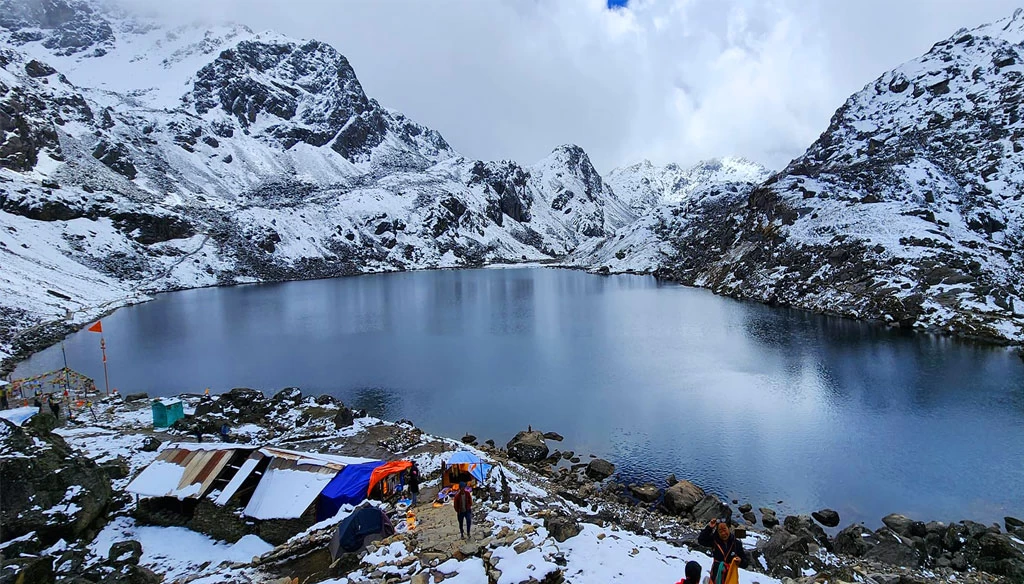
While many people celebrate this festival at local temples, the most special place to mark it is Gosainkunda, a holy lake at 4,380 meters in the Langtang region. Hindu mythology says this lake was created by Lord Shiva when he struck his trident into the mountain to bring water. Thousands of pilgrims trek here every year to take a holy dip and wash away their sins.
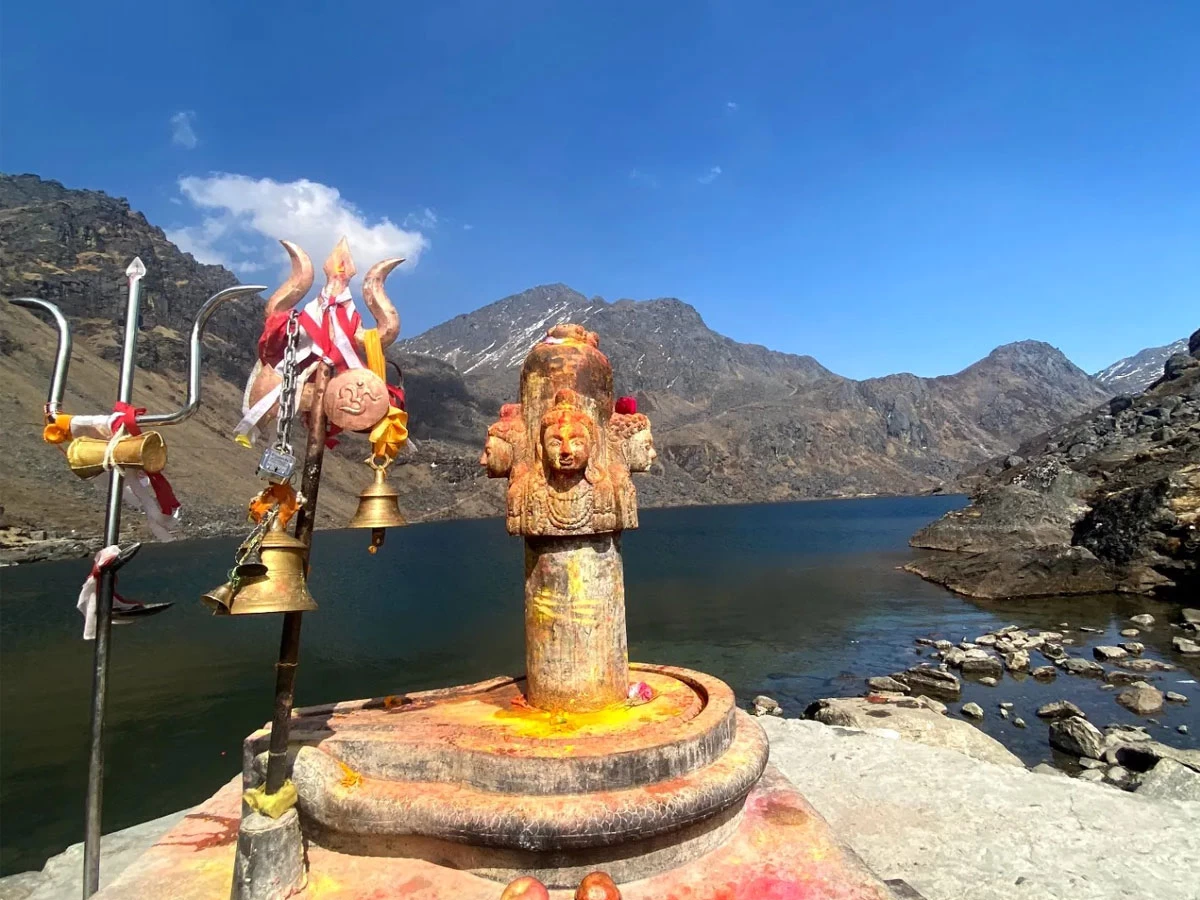
For trekkers, this is also a chance to see a side of Nepal that few tourists get to witness. You walk the same trail as generations of pilgrims before you, surrounded by snow peaks, prayer flags, and deep mountain silence.
The full trek usually takes about 7 to 9 days, depending on your route and pace. It is a moderate to challenging trek because of the high altitude, so a bit of fitness and proper acclimatization are important. Most trekkers combine the Gosainkunda lake with a visit to nearby lakes like Saraswatikunda and Bhairavkunda, since all are considered holy.
What is Janai Purnima?
Janai Purnima is a Hindu festival of purification and renewal. On this day, Brahmin and Chhetri men change their sacred thread, called the Janai, which they wear across the chest. Priests chant mantras and tie protective threads around people's wrists. It is also celebrated as Raksha Bandhan, when sisters tie a thread on their brothers' wrists as a symbol of love and protection.While many people celebrate this festival at local temples, the most special place to mark it is Gosainkunda, a holy lake at 4,380 meters in the Langtang region. Hindu mythology says this lake was created by Lord Shiva when he struck his trident into the mountain to bring water. Thousands of pilgrims trek here every year to take a holy dip and wash away their sins.
Why Trek to Gosainkunda for This Festival?
Trekking to Gosainkunda any time of year is a wonderful experience. But doing it during Janai Purnima adds something extra. The trail comes alive with pilgrims, sadhus (holy men), and families walking together in devotion. You will see people bathing in the icy lake, priests performing rituals, and small tea houses along the way filled with the smell of incense and the sound of prayers. It is not just a trek. It is a living festival in the mountains.For trekkers, this is also a chance to see a side of Nepal that few tourists get to witness. You walk the same trail as generations of pilgrims before you, surrounded by snow peaks, prayer flags, and deep mountain silence.
The Trek Route
The Gosainkunda trek usually starts from Sundarijal or Dhunche, both a few hours' drive from Kathmandu. From there, the trail passes through green forests, small Tamang villages, and rhododendron woods before climbing above the tree line. Popular stops along the way include Chisapani, Kutumsang, and Laurebina, before finally reaching the holy lake.The full trek usually takes about 7 to 9 days, depending on your route and pace. It is a moderate to challenging trek because of the high altitude, so a bit of fitness and proper acclimatization are important. Most trekkers combine the Gosainkunda lake with a visit to nearby lakes like Saraswatikunda and Bhairavkunda, since all are considered holy.
Best Time to Go
The days around Janai Purnima in August fall during the monsoon season, so trails can be wet and misty. Many pilgrims still make the journey because of the religious importance of the date. If you prefer clearer skies and drier trails, autumn (September to November) and spring (March to May) are also excellent times to trek to Gosainkunda, though you will miss the festival crowd.Simple Tips for Trekkers
- Start early each day to avoid afternoon rain and to reach tea houses before dark.
- Carry good rain gear and warm layers, since weather in the mountains changes fast.
- Walk slowly and drink plenty of water to help your body adjust to the altitude.
- Book your tea house stays or guide in advance if you are trekking during the festival, since trails get busy.
- Respect local customs. This is a sacred pilgrimage for many, so be mindful around temples and rituals.
A Trek Worth Remembering
The Gosainkunda trek during Janai Purnima is more than just a hike. It is a chance to walk alongside pilgrims, breathe in mountain air, and witness centuries-old traditions still alive today. Whether you come for the trek, the culture, or the spiritual meaning, you will leave with memories that stay with you long after you're back home.Ready to Experience It Yourself?
If you are planning to be in Nepal this August, do not miss this journey. Trekkers Nepal can help you plan a safe, well-guided Gosainkunda trek in time for Janai Purnima, complete with experienced local guides, comfortable stays, and a route built around your fitness level. Get in touch with Trekkers Nepal today and book your spot on one of Nepal's most meaningful mountain journeys.
1 Replies
·
38 views

Zeal Plant Hire provides dependable equipment rental Qatar solutions for construction, industrial, infrastructure, event, and commercial projects. Our rental range includes generators, air compressors, forklifts, telehandlers, lighting towers, trailers, and other essential site equipment. We also provide temporary facilities such as portable office cabins, ablution units, portable toilets, and crowd control barriers. With well-maintained equipment and responsive service, Zeal Plant Hire helps businesses access practical rental solutions according to their project requirements.

Website: https://www.zealplanthire.com/
Phone: +974 5000 4695 | +974 4001 7268
Location: Doha, Qatar
0 Replies
·
15 views

Passengers booking group travel with Jetstar Airways must adhere to certain policies. This helps them plan their shared trips seamlessly and without any hassle. With the help of Jetstar group bookings policies, flyers can know about the eligibility criteria and other facts of the service. To know its policies, look at the points below.
- Travelers must have more than nine passengers traveling together.
- They can also plan their trip to the same destination.
- Flyers must submit their name and the name of each member of their group at least 14 days before flight takeoff.
0 Replies
·
19 views

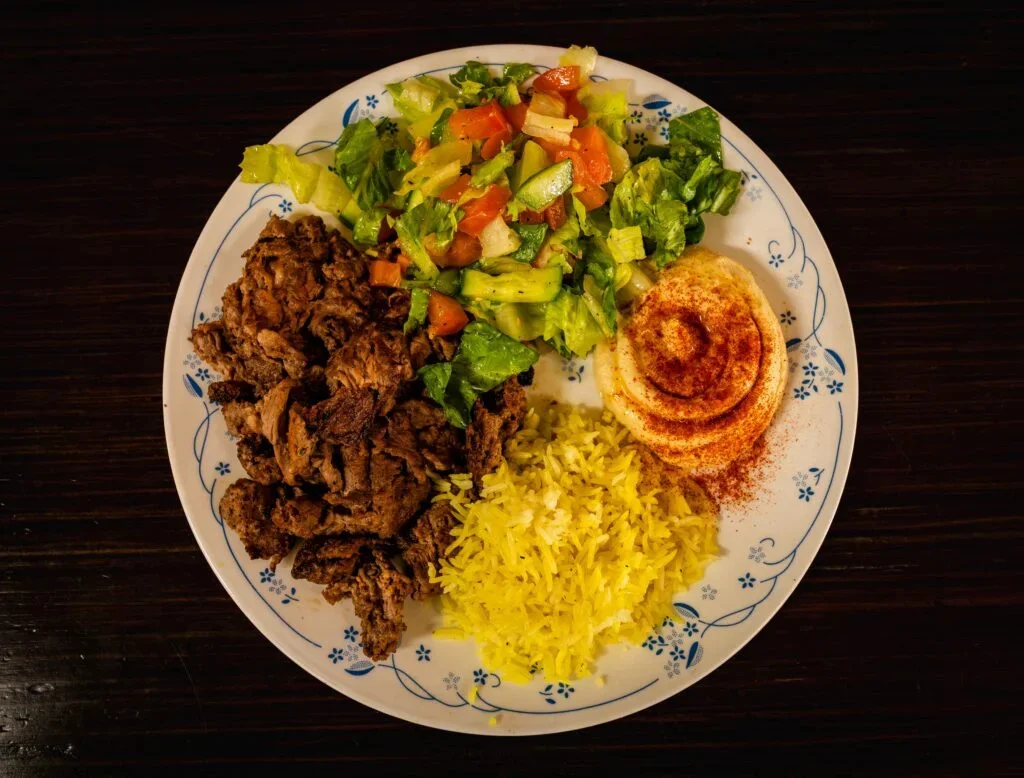
Looking for a halal restaurant near me? This forum is a place to discover and discuss the best halal restaurants in your local area, whether you are craving Indian, Pakistani, American, Middle Eastern, Turkish, Asian, or other delicious halal cuisines. Share your favorite restaurants, dining experiences, recommended dishes, menu options, prices, family-friendly places, takeaway and delivery options, and hidden local gems. You can also ask other members for suggestions, reviews, and recommendations to help you find a trusted and convenient halal restaurant nearby. Join the conversation, share your experiences, and help others discover great halal food and restaurants in their area.
0 Replies
·
20 views
Indeed! Swiss Air offers discounts for group travel. However, this requires a group of ten or more members. Moreover, one can also reserve better rates for Swiss Air Group Booking by following some tips and tricks, some of which are as follows:
- Passengers can buy flights in advance.
- They can plan their journey during the off-season.
- The flyers can select less popular places for their travel.
- Travelers can pick working days like Tuesday or Wednesday.
0 Replies
·
20 views
Three days is generally not enough for a comfortable Badrinath Darshan from Gurgaon by road. The one-way road distance from Gurgaon to Badrinath is roughly 560 km, and the drive itself takes 13–15 hours because of hilly terrain, landslide-prone stretches, and mandatory overnight halts (usually at Rudraprayag or Srinagar-Garhwal, Uttarakhand).
A genuine three-day plan would mean driving nearly non-stop with almost no rest at the shrine, which is both exhausting and unsafe on mountain roads. Most tour operators recommend a minimum of 5–6 days for a Gurgaon–Badrinath round trip by road, or 4 days if you fly into Dehradun (Jolly Grant Airport) and hire a cab or tempo traveller on rent in Gurgaon from there onward, cutting nearly a full day of driving each way. Families or groups can book a 12 or 20 seater tempo traveller from Gurgaon for the Badrinath trip, since it allows overnight halts, luggage space, and flexible stops at Haridwar, Devprayag, and Rudraprayag en route.
If three days is a hard constraint, consider flying to Dehradun and taking a tempo traveller hire only for the hill portion (Dehradun–Badrinath–Dehradun), which can realistically fit into 3 days, though it will be a fast-paced trip with limited time at the temple itself.
FAQs
Q: What is the ideal duration for Badrinath Darshan from Gurgaon?
A: 5–6 days by road, or 4 days if combined with a flight to Dehradun and a tempo traveller for the hill leg.
Q: Can I do Badrinath in 3 days from Delhi/Gurgaon by flight?
A: Yes, but only by flying to Dehradun and hiring a cab/tempo traveller for a quick Badrinath-only darshan, skipping other Char Dham stops.
Q: Is a tempo traveller good for the Badrinath hill route?
A: Yes, a tempo traveller with an experienced hill driver is a popular, comfortable choice for groups and families on this route.
A genuine three-day plan would mean driving nearly non-stop with almost no rest at the shrine, which is both exhausting and unsafe on mountain roads. Most tour operators recommend a minimum of 5–6 days for a Gurgaon–Badrinath round trip by road, or 4 days if you fly into Dehradun (Jolly Grant Airport) and hire a cab or tempo traveller on rent in Gurgaon from there onward, cutting nearly a full day of driving each way. Families or groups can book a 12 or 20 seater tempo traveller from Gurgaon for the Badrinath trip, since it allows overnight halts, luggage space, and flexible stops at Haridwar, Devprayag, and Rudraprayag en route.
If three days is a hard constraint, consider flying to Dehradun and taking a tempo traveller hire only for the hill portion (Dehradun–Badrinath–Dehradun), which can realistically fit into 3 days, though it will be a fast-paced trip with limited time at the temple itself.
FAQs
Q: What is the ideal duration for Badrinath Darshan from Gurgaon?
A: 5–6 days by road, or 4 days if combined with a flight to Dehradun and a tempo traveller for the hill leg.
Q: Can I do Badrinath in 3 days from Delhi/Gurgaon by flight?
A: Yes, but only by flying to Dehradun and hiring a cab/tempo traveller for a quick Badrinath-only darshan, skipping other Char Dham stops.
Q: Is a tempo traveller good for the Badrinath hill route?
A: Yes, a tempo traveller with an experienced hill driver is a popular, comfortable choice for groups and families on this route.
0 Replies
·
18 views

The policy for WestJet group travel includes the following:

- Group size: 10+ guests travelling together on the same flight and dates to access specialized rates and flexible terms.
- .Flights: Group fares apply to WestJet-operated flights.
- Payment: Full payment is due 30 days before departure.
- Seats: WestJet aims to seat the group together.
- Baggage: 1 checked bag per guest is included.
- Name changes: Free up to 24 hours before departure.
- Complimentary tickets: Available based on group size; taxes apply.
- Quote: A WestJet group specialist handles the group booking.
0 Replies
·
25 views