
Mercy Holidays
New Member
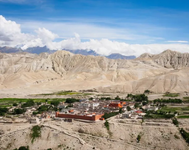
Upper Mustang was closed to foreign visitors until 1992, and it still feels like another world. Barren red cliffs, Tibetan-style villages, ancient caves and a walled medieval capital sit in a high-altitude desert behind the Himalayas. The good news is that you no longer need to trek for days to see it. A private 4WD jeep journey takes you through the region in comfort.
What Makes Upper Mustang Special?
Often called the “Land Beyond the Himalayas,” Upper Mustang is a restricted area with a culture closely tied to Tibet. The landscape is dramatic, and so are the monasteries, cave settlements and whitewashed villages along the way. Lower Mustang adds green valleys, apple orchards and some of Nepal’s most sacred pilgrimage sites. Together they make a trip that suits adventurers, culture lovers and spiritual travelers alike.
The Route at a Glance
A typical 12-day itinerary starts in Kathmandu, drives to Pokhara, and then follows the Kali Gandaki River valley north. Here are the highlights.- Kali Gandaki Gorge. The road runs along one of the world’s deepest gorges, with Annapurna I and Dhaulagiri towering overhead. You pass Tatopani, Ghasa, Tukuche and Jomsom along the way.
- Marpha. This Thakali village is known as the Apple Capital of Nepal. Its stone-paved lanes and whitewashed houses make it a good first overnight stop.
- Muktinath and Dhumba Lake. Muktinath Temple (3,800 m) is sacred to both Hindus and Buddhists. Pilgrims bathe under 108 water spouts, and a natural eternal flame burns in the complex. Nearby, the turquoise Dhumba Lake reflects Mount Nilgiri.
- Chhusang to Lo Manthang. Beyond Chhusang the scenery turns surreal, with red cliffs, deep valleys and villages like Ghami and Tsarang. Ghami is known for its very long Mani wall.
- Lo Manthang (3,840 m). This walled city is the highlight. You can explore the five-story, nine-cornered royal palace, the 15th-century Jampa and Thubchen monasteries, and the Chodey Monastery. A full day here gives you time to see the Chhoser sky caves, which hold 13th-century Buddhist art. If you travel in May or early June, you may catch the Tiji festival, with its masked monk dances.
- Tatopani hot springs. On the way back, soak in the natural hot springs. After long days on rough roads, they are a welcome reward.
Permits and Altitude: What to Know
Foreign travelers need two permits: the Annapurna Conservation Area Permit (ACAP) and the Upper Mustang Restricted Area Permit (RAP). A licensed operator usually arranges both.Lo Manthang sits at 3,840 m, so take altitude seriously. Drink plenty of water, avoid overexertion, and carry altitude medication. Travel insurance that covers emergency evacuation is strongly recommended.
Best Time to Go
Spring (March to June) and autumn (September to November) offer the clearest skies, the most predictable weather and the best road conditions.What to Pack
- Warm fleece and a down jacket
- Windproof or waterproof outer layer
- Comfortable shoes and warm socks
- Sunglasses, sunscreen and a hat
- Personal and altitude medication
- Power bank and camera