
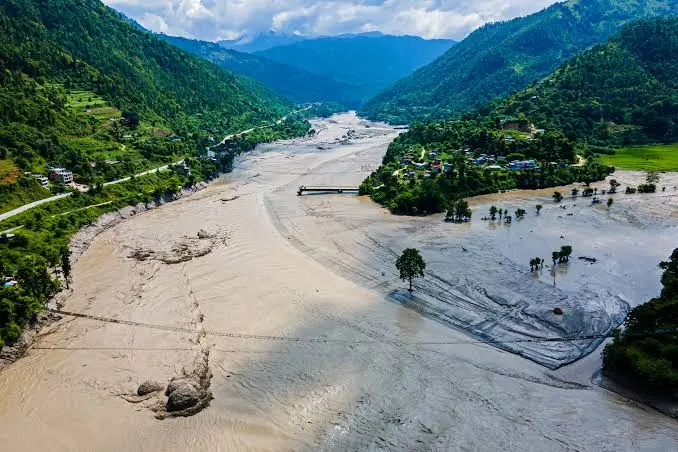
Following the devastating flash floods in the Bhote Koshi and Trishuli river areas, many people lost their lives, while villages, bridges, roads, and hydropower infrastructure were severely damaged. The images and videos shared through the media and social media have understandably caused concern among international travelers, and some visitors have cancelled or postponed their trips to Nepal.
However, it is important to understand that the floods affected specific areas of Nepal, not the entire country. The safety and accessibility of trekking routes vary from one region to another.
Other major Himalayan trekking regions are operating, although some routes may require additional care because of changing weather, road conditions, or temporary trail and bridge repairs.
The Everest region was outside the main flood-affected area, and the Everest Base Camp trekking route remains open.
Annapurna Base Camp Trek – Open and operating
The Annapurna Base Camp Trek route remains open. However, travelers should still check current weather and road conditions before departure.
Manaslu Circuit Trek – Possible, but with extra care
The Manaslu region experienced separate flood damage in September, including damage to bridges and sections of the trail. The route has been reconnected using alternative crossings, but conditions can change, so we recommend checking the latest local situation before departure.
Kanchenjunga Trek – Open and operating
The Kanchenjunga region was not affected by the main August flood event and remains a trekking option, subject to normal mountain-weather considerations.
Mardi Himal Trek – Open and operating
Mardi Himal is in the Annapurna region and was outside the main flood-affected corridor. The trek is currently operating, although weather and local road conditions should always be checked before departure.
Everest Base Camp Helicopter Tour – Operating
The Everest region is outside the main flood-affected area, and The Everest helicopter tours with Kalapahter flight landing to the Everest region can operate when weather and flight conditions permit. Helicopter flights are always subject to weather and aviation conditions, so we cannot guarantee a flight in advance.
Nepal is a large country, and its trekking regions are spread across different mountain valleys. Everest, Annapurna, Manaslu, Kanchenjunga, and Langtang do not have the same conditions. The right approach is to check the specific trekking route, access road, weather forecast, and local conditions before departure.
We continue to monitor conditions closely and will provide our clients with the latest route information before and during their trek. The safety of our trekkers, guides, and porters remains our first priority.
However, it is important to understand that the floods affected specific areas of Nepal, not the entire country. The safety and accessibility of trekking routes vary from one region to another.
What Is the Current Situation?
At present, Langtang and the Rasuwa access corridor remain affected, and we do not recommend starting a Langtang trek until the route and access infrastructure are confirmed safe and fully operational.Other major Himalayan trekking regions are operating, although some routes may require additional care because of changing weather, road conditions, or temporary trail and bridge repairs.
Trekking Routes We Currently Recommend
Everest Base Camp Trek – Open and operatingThe Everest region was outside the main flood-affected area, and the Everest Base Camp trekking route remains open.
Annapurna Base Camp Trek – Open and operating
The Annapurna Base Camp Trek route remains open. However, travelers should still check current weather and road conditions before departure.
Manaslu Circuit Trek – Possible, but with extra care
The Manaslu region experienced separate flood damage in September, including damage to bridges and sections of the trail. The route has been reconnected using alternative crossings, but conditions can change, so we recommend checking the latest local situation before departure.
Kanchenjunga Trek – Open and operating
The Kanchenjunga region was not affected by the main August flood event and remains a trekking option, subject to normal mountain-weather considerations.
Mardi Himal Trek – Open and operating
Mardi Himal is in the Annapurna region and was outside the main flood-affected corridor. The trek is currently operating, although weather and local road conditions should always be checked before departure.
Everest Base Camp Helicopter Tour – Operating
The Everest region is outside the main flood-affected area, and The Everest helicopter tours with Kalapahter flight landing to the Everest region can operate when weather and flight conditions permit. Helicopter flights are always subject to weather and aviation conditions, so we cannot guarantee a flight in advance.
Langtang Trek – Currently Not Recommended
Langtang is different from the other routes listed above. The Rasuwa and Langtang access corridor was directly affected by the floods, and access remains disrupted. Therefore, we currently do not recommend travelling to Langtang until the authorities and local operators confirm that the route is safe and accessible.Should You Cancel Your Nepal Trip?
We understand why travelers may be concerned after seeing the devastating flood footage. However, it is important not to judge the safety of the entire Himalayan region based on what happened in one affected area.Nepal is a large country, and its trekking regions are spread across different mountain valleys. Everest, Annapurna, Manaslu, Kanchenjunga, and Langtang do not have the same conditions. The right approach is to check the specific trekking route, access road, weather forecast, and local conditions before departure.
We continue to monitor conditions closely and will provide our clients with the latest route information before and during their trek. The safety of our trekkers, guides, and porters remains our first priority.