

Trekkers Nepal
New Member
If you've ever dreamed of standing near the world's tallest mountain, the Everest Base Camp (EBC) trek is probably on your bucket list. It sounds intense and it is but it's also something regular, reasonably fit people do every year, not just professional climbers. Here's a plain-language breakdown of what the trek actually involves.
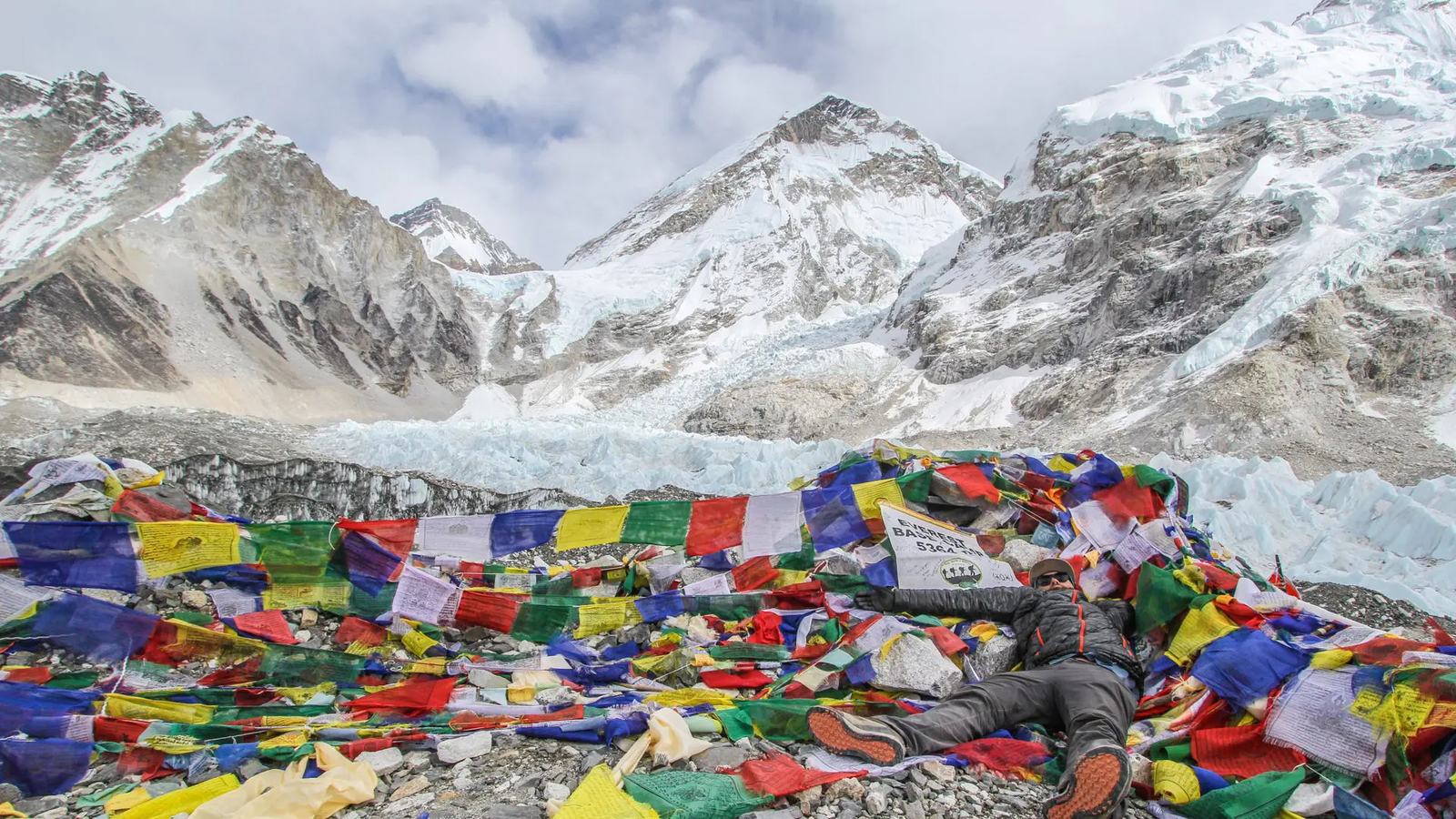
Everest Base Camp sits at about 5,364 meters (roughly 17,600 feet) in the Khumbu region of Nepal. It's the launching point climbers use before attempting to summit Mount Everest (8,848.86 m). Here's the twist though: you can't actually see Everest's peak from base camp itself it's blocked by a neighboring mountain called Nuptse. To get that postcard view of Everest's summit, trekkers hike a bit further to a viewpoint called Kala Patthar, which sits even higher, around 5,550 meters.
Reference: Trip details and itinerary information sourced from Trekkers Nepal's Everest Base Camp Trek page.
What is Everest Base Camp, really?
Everest Base Camp sits at about 5,364 meters (roughly 17,600 feet) in the Khumbu region of Nepal. It's the launching point climbers use before attempting to summit Mount Everest (8,848.86 m). Here's the twist though: you can't actually see Everest's peak from base camp itself it's blocked by a neighboring mountain called Nuptse. To get that postcard view of Everest's summit, trekkers hike a bit further to a viewpoint called Kala Patthar, which sits even higher, around 5,550 meters.
How the trek works, step by step
Most EBC trips run around 12–14 days total, and they usually follow a similar pattern:- Fly into Kathmandu, Nepal's capital, and spend a day settling in.
- Fly to Lukla, a small mountain town with a famously short, dramatic airstrip. This is where the actual walking begins.
- Walk through Sherpa villages — places like Phakding, Namche Bazaar, Tengboche, Dingboche, and Lobuche gradually gaining altitude each day.
- Take rest days to acclimatize. Usually one in Namche Bazaar and one in Dingboche. These aren't lazy days off you often do a short hike to a higher point and then sleep lower, which helps your body adjust to thinner air. Skipping this step is how people get altitude sickness.
- Reach Gorak Shep, the last village before the finish line.
- Walk to Everest Base Camp itself, then hike up to Kala Patthar for the big mountain views.
- Walk back down to Lukla over a few days, then fly back to Kathmandu.
Do you need any special permits?
Yes, two are required for this specific route:- Sagarmatha National Park Entry Permit (the trek passes through this UNESCO World Heritage-listed national park)
- Khumbu Pasang Lhamu Rural Municipality Entrance Permit
When's the best time to go?
Two windows work best:- Spring (March–May): Warmer temperatures, blooming rhododendrons, and generally stable weather.
- Autumn (September–November): Considered the most reliable season clear skies, good visibility for mountain views, and a chance to catch local festivals like Mani Rimdu.
What makes this trek special (beyond the mountain)
It's not just about reaching a high point the journey itself is full of highlights:- Sherpa culture — you pass through villages that are home to the Sherpa community, known worldwide for their mountaineering skill and hospitality.
- Tengboche Monastery — one of the most important spiritual sites in the Khumbu region, with a stunning mountain backdrop.
- Mountain views — beyond Everest, you'll see Lhotse, Nuptse, Ama Dablam, Makalu, and Pumori along the way.
- Following history — much of the route traces the same path used by early Everest climbers, including Sir Edmund Hillary and Tenzing Norgay.
Is it hard? What should you worry about?
Honestly, yes it's classified as a challenging trek, mainly because of:- Altitude: Thin air above 4,000 meters can cause Acute Mountain Sickness (AMS) if you climb too fast.
- Long walking days: Several hours on your feet, day after day.
- Cold and unpredictable weather: Even in good seasons, mountain weather can shift quickly.
What to pack
A short version of the essentials: layered clothing (thermal base layers, a warm mid-layer, a windproof/waterproof outer shell), good broken-in hiking boots, a warm sleeping bag, trekking poles, a headlamp, sunglasses, sun protection, and a basic first aid kit. Accommodation along the trail is in teahouses and lodges comfortable in places like Namche Bazaar, but more basic the higher you go, so bringing your own sleeping bag is a smart move.Conclusion
The Everest Base Camp trek isn't a casual weekend hike, but it's also far more achievable than most people assume. With the right season, proper acclimatization, decent fitness, and a good guide, it's a trip that regular travelers complete successfully every year and the views (plus the bragging rights) are hard to beat.Reference: Trip details and itinerary information sourced from Trekkers Nepal's Everest Base Camp Trek page.