Discovering the Unforgettable Magic of Morocco: Your Ultimate Guide
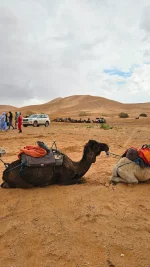
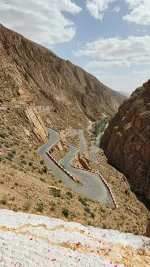
Morocco, a land where the African, European, and Middle Eastern influences beautifully intertwine, captivates visitors with its vibrant energy and timeless charm. From the labyrinthine alleys of ancient medinas to the towering peaks of the Atlas Mountains and the sweeping dunes of the Sahara Desert, this North African gem offers a diverse tapestry of experiences for every kind of traveler. This comprehensive guide goes beyond typical lists to offer a curated journey through Morocco’s most iconic destinations and its best-kept secrets, emphasizing authentic cultural immersion, sustainable travel practices, and practical tips to ensure your adventure is truly unforgettable. Whether you’re exploring the bustling souks of Marrakech or witnessing a Sahara sunrise, Morocco promises a journey rich in memories and genuine connection. Indeed, when considering the best places to visit in Morocco, the possibilities are as endless as they are enchanting.
Why Morocco Now? A Glimpse into Its Enduring Allure and Tourism Vision
Morocco has consistently shown steady growth in its tourism sector, even demonstrating remarkable resilience and recovery from global economic shifts and regional political turbulence. As a testament to its appeal, Morocco welcomed an impressive 17.4 million international tourists in 2024, a significant 20% increase on 2023 figures, solidifying its position as the top destination in Africa. This success is not accidental but a result of forward-thinking national strategies, notably Vision 2010 and Vision 2020, which have aimed for continued development and diversification of its tourism product beyond traditional coastal resorts and imperial cities.
A key recommendation for Moroccan tourism moving forward is to focus on sustainable tourist products and empowering the human potential – the local communities and their rich traditions – rather than solely the physical product itself. This approach helps avoid superficial experiences and fosters a deeper, more meaningful engagement with Moroccan culture. This guide aims to reflect that ethos, offering insights into the true heart of Morocco and the incredible things to see in Morocco.
I. Iconic Cultural & Historical Hubs: Experience the Heartbeat of Morocco
When considering the best places to visit in Morocco, its cities undoubtedly top the list, each offering a unique window into the country’s rich past and vibrant present.
1. Marrakech: The Vibrant Pulse (Navigating the Energy of the Red City)
What Makes it Special: Known affectionately as the Red City, Marrakech is where tradition dances with modernity, a sensory overload in the best possible way. It’s often the first stop for visitors, and for good reason, offering an exhilarating introduction to Moroccan life.
Must-See Attractions:
Jemaa el-Fnaa: This ancient square truly comes alive at sunset, transforming into an open-air spectacle with storytellers, musicians, acrobats, and an array of food stalls offering local delicacies like snail soup and freshly grilled meats. It’s an unmissable cultural immersion.
Majorelle Garden: A peaceful oasis designed by French painter Jacques Majorelle and later owned by Yves Saint Laurent, this garden enchants with its vibrant cobalt blue buildings, exotic plants, and tranquil atmosphere.
Koutoubia Mosque: The largest mosque in Marrakech, its magnificent minaret has guided locals for centuries and remains an iconic landmark, particularly beautiful at dusk.
Bahia Palace: A stunning example of Moroccan architecture and intricate craftsmanship, showcasing the luxurious lives of those who once resided within its ornate halls and courtyards.
Saadian Tombs: Discover exquisite craftsmanship with ornate tilework and carved cedar ceilings within these royal tombs, hidden for centuries before their rediscovery.
Local Tips & Nuance: To truly experience Marrakech, visit the souks early morning to avoid the densest crowds and potentially get better prices. For an authentic stay, choose a traditional riad – a guesthouse built around an interior courtyard. Don’t miss booking a hammam session for ultimate relaxation. While Marrakech offers a fantastic introduction, be prepared for an intense environment where visitors may experience persistent vendors. Focus on hidden Medina tours with local guides for deeper insight and a more personal connection.
Ideal Stay: At least 3 days to explore the city’s highlights and perhaps venture to its outskirts.
2. Fez: Where Time Stands Still (A Living Museum of Moroccan Heritage
Why You’ll Love It: Fez is widely considered Morocco’s spiritual and intellectual heart. Its UNESCO-listed medina, Fez el Bali, is like a living museum, where traditional crafts thrive and time seems to have stood still. It offers an unfiltered glimpse into “the real Morocco.”
Don’t Miss:
The Medina (Fes el Bali): The world’s largest car-free urban area with nearly 10,000 narrow, winding alleys filled with history, a UNESCO World Heritage site. Getting wonderfully lost here is part of the experience.
Al-Qarawiyyin University: Founded in 859 AD, it’s recognized as the oldest continuously operating university in the world, a testament to Morocco’s rich intellectual legacy.
Chouara Tannery: Witness leather being made using centuries-old techniques in a vibrant, unforgettable setting. This unique and famous experience is a must for many visitors.
Bou Inania Madrasa: A stunning example of Marinid architecture, adorned with intricate tilework, carved wood, and stucco.
Nejjarine Museum of Wooden Arts & Crafts: Explore a beautifully restored traditional inn (funduq) and witness woodworkers practicing traditional crafts.
Pro Tip & Nuance: Hiring a local guide for the medina is highly recommended. It’s invaluable for navigating the ancient alleyways and gaining deeper insight into its functioning historical sites and daily life. Fez offers an intense, sensory cultural experience; a well-chosen hostel or riad can provide a perfect oasis of calm.
Things to Buy: Look for high-quality leather goods, intricate copperware, and traditional clothing. Remember that haggling is expected and part of the fun.
3. Chefchaouen: The Blue Pearl (Beyond the Photogenic Streets)
Why You’ll Love It: Nestled in the Rif Mountains, Chefchaouen’s blue-washed buildings create a dreamlike, ethereal atmosphere that has captivated travelers worldwide. The iconic blue color, dating back to the 15th century, symbolizes the sky and heaven.
Distinctive Features:
Photogenic blue streets: Every corner offers a picturesque scene, perfect for photography and creating a truly unique ambiance.
Peaceful mountain atmosphere: Significantly more relaxed than the larger cities, offering a welcome respite.
Spanish Mosque viewpoint: Hike up to this mosque for spectacular panoramic views, especially at sunset.
Insider Tip & Nuance: Visit the streets early morning or late afternoon for the best light for photography and fewer crowds. While Chefchaouen is undeniably photogenic, its charm extends beyond its aesthetic appeal. Seek out its cultural riches like the Kasbah Museum or Ethnographic Museum, and observe traditional daily life at Ras El Ma natural spring. Be aware that excessive exposition of cultural artifacts can make it feel like a large market; look for opportunities to connect with the local culture beyond just shopping.
Ideal Stay: At least one night, or up to two, to truly savor the slow pace and explore the surrounding nature.
4. Rabat: The Sophisticated Capital (A Balanced Introduction to Morocco)
Why You’ll Love It: As Morocco’s sophisticated capital, Rabat seamlessly blends historic components with modern architecture. It offers a calmer, more relaxed introduction to Moroccan heritage compared to the more bustling imperial cities.
Highlights:
Kasbah des Oudayas: A picturesque fortress offering stunning views of the ocean and the Bou Regreg river, with charming blue and white alleyways.
Chellah: A fascinating site that combines Roman ruins with a medieval Muslim necropolis, providing a tranquil escape and a glimpse into different eras.
Royal Palace: While not open to the public, its grand exterior and surrounding gardens make it a regal landmark worthy of admiration.
Hassan Tower and Mausoleum of Mohammed V: An iconic 12th-century minaret, part of an unfinished mosque, standing alongside the elaborate mausoleum, a significant historical and architectural complex.
Medina: Rabat boasts a lively old medina, though smaller and less overwhelming than Fez or Marrakech, perfect for a relaxed stroll.
Nuance: Rabat is quite international, and foreigners often don’t get a second glance, offering a welcome break from the intensity sometimes experienced in other Moroccan cities. It’s ideal for “slow travelers” who enjoy wandering through beautiful gardens, historic medinas, and enjoying peaceful sunsets on the beach. It’s definitely one of the things to visit in Morocco for a more laid-back experience.
5. Essaouira: Coastal Charm & Artistic Spirit (Wind, Waves, and Bohemia)
Why You’ll Love It: This captivating coastal town is popular among surfers, artists, and those seeking a bohemian lifestyle. Its Old Medina, a UNESCO World Heritage site, is a cultural melting pot where ancient ramparts meet the Atlantic breeze.
Highlights:
Wind-surfing and Kitesurfing: Essaouira is renowned globally for its consistent winds, making it a premier destination for these exhilarating water sports.
Historic Medina: Lose yourself in its cobbled streets, whitewashed houses, and vibrant, cramped souks that offer a tangible leap back in time.
Art Galleries: The town is a haven for artists, with numerous galleries showcasing contemporary works and traditional crafts.
Unique Feature: Alcohol is more readily available here than in most of the country, and Essaouira offers beachside bars and clubs, making it one of Morocco’s top nightlife destinations for those seeking it.
6. Casablanca: The Modern Gateway (Beyond the Movie Screen)
Why You’ll Love It: As Morocco’s economic capital and largest city, Casablanca presents a different face of the country, blending French colonial architecture with traditional Moroccan design and a distinctly modern pulse.
Main Attractions:
Hassan II Mosque: One of the largest mosques in the world, its sheer scale and breathtaking location right on the coast of the Atlantic Ocean, featuring a 210-meter minaret, are truly awe-inspiring. It’s one of the few mosques open to non-Muslims.
Habous Quarter (New Medina): A charming neighborhood that combines traditional Moroccan architecture with thoughtful French urban planning, offering a more relaxed shopping experience.
Casablanca Corniche: A modern beachfront promenade perfect for a leisurely stroll, offering sea views and a glimpse into local urban life.
Nuance: Casablanca can be “hit-or-miss” for travelers, and some argue there isn’t much to see from a typical tourist standpoint beyond the grand mosque. However, it offers a chance to experience a gritty, industrial, and multicultural side of Morocco, with opportunities to enjoy modern amenities like chic tapas bars and vibrant nightclubs. It’s a great starting point for many journeys and a fascinating study in contrast.
7. Meknes: The Imperial Alternative (Authenticity Without the Crowds)
Why You’ll Love It: As one of Morocco’s imperial cities, Meknes offers a wonderful alternative to the more crowded Fez for history and culture lovers. It often feels like a smaller, more local version of Fez, providing a more authentic experience.
Highlights:
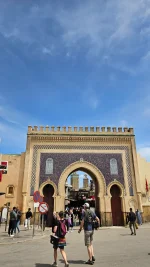
Bab Mansour Gate: Considered one of Morocco’s grandest gates, it impresses with its intricate tilework and detailed carvings.
Mausoleum of Moulay Ismail: The elaborate resting place of the “Warrior Sultan” who made Meknes his capital, a significant historical site.
El Hedim Square: The city’s lively center, a smaller, more subdued version of Marrakech’s Jemaa el-Fnaa.
Dar Jamai Museum: Housed in a beautiful 19th-century palace, this museum showcases Moroccan craftsmanship and historical artifacts.
Nuance: While Meknes has beautiful places, its medina might not have the same vibrant “vibe” or bustling atmosphere as others, and some attractions may be undergoing renovation. Fewer tourists visit, which offers a more authentic glimpse into Moroccan daily life and a relaxed pace, solidifying its place among the appealing things to visit in Morocco.
Conclusion: Best Places to Visit in Morocco Your Unforgettable Moroccan Journey
Best Places to Visit in Morocco : Morocco is a land of extraordinary diversity, where ancient traditions merge seamlessly with vibrant contemporary life. From the bustling energy of its imperial cities to the serene majesty of its deserts and mountains, and the tranquil beauty of its coastlines, there are countless best places to visit in Morocco and an endless array of things to see in Morocco. By exploring both its renowned attractions and secluded natural wonders, engaging deeply with its rich culture, and applying these practical travel tips, you’re set for an unforgettable journey. Embrace the multifaceted character of this extraordinary country, knowing that authentic experiences often lie beyond the well-trodden paths.
What’s your dream Moroccan destination? Have you visited any of these incredible places, or are you planning your first adventure? Share your stories and questions in the comments below – we’d love to hear about your adventures or help you plan your upcoming trip!
Morocco, a land where the African, European, and Middle Eastern influences beautifully intertwine, captivates visitors with its vibrant energy and timeless charm. From the labyrinthine alleys of ancient medinas to the towering peaks of the Atlas Mountains and the sweeping dunes of the Sahara Desert, this North African gem offers a diverse tapestry of experiences for every kind of traveler. This comprehensive guide goes beyond typical lists to offer a curated journey through Morocco’s most iconic destinations and its best-kept secrets, emphasizing authentic cultural immersion, sustainable travel practices, and practical tips to ensure your adventure is truly unforgettable. Whether you’re exploring the bustling souks of Marrakech or witnessing a Sahara sunrise, Morocco promises a journey rich in memories and genuine connection. Indeed, when considering the best places to visit in Morocco, the possibilities are as endless as they are enchanting.
Why Morocco Now? A Glimpse into Its Enduring Allure and Tourism Vision
Morocco has consistently shown steady growth in its tourism sector, even demonstrating remarkable resilience and recovery from global economic shifts and regional political turbulence. As a testament to its appeal, Morocco welcomed an impressive 17.4 million international tourists in 2024, a significant 20% increase on 2023 figures, solidifying its position as the top destination in Africa. This success is not accidental but a result of forward-thinking national strategies, notably Vision 2010 and Vision 2020, which have aimed for continued development and diversification of its tourism product beyond traditional coastal resorts and imperial cities.
A key recommendation for Moroccan tourism moving forward is to focus on sustainable tourist products and empowering the human potential – the local communities and their rich traditions – rather than solely the physical product itself. This approach helps avoid superficial experiences and fosters a deeper, more meaningful engagement with Moroccan culture. This guide aims to reflect that ethos, offering insights into the true heart of Morocco and the incredible things to see in Morocco.
I. Iconic Cultural & Historical Hubs: Experience the Heartbeat of Morocco
When considering the best places to visit in Morocco, its cities undoubtedly top the list, each offering a unique window into the country’s rich past and vibrant present.
1. Marrakech: The Vibrant Pulse (Navigating the Energy of the Red City)
What Makes it Special: Known affectionately as the Red City, Marrakech is where tradition dances with modernity, a sensory overload in the best possible way. It’s often the first stop for visitors, and for good reason, offering an exhilarating introduction to Moroccan life.
Must-See Attractions:
Jemaa el-Fnaa: This ancient square truly comes alive at sunset, transforming into an open-air spectacle with storytellers, musicians, acrobats, and an array of food stalls offering local delicacies like snail soup and freshly grilled meats. It’s an unmissable cultural immersion.
Majorelle Garden: A peaceful oasis designed by French painter Jacques Majorelle and later owned by Yves Saint Laurent, this garden enchants with its vibrant cobalt blue buildings, exotic plants, and tranquil atmosphere.
Koutoubia Mosque: The largest mosque in Marrakech, its magnificent minaret has guided locals for centuries and remains an iconic landmark, particularly beautiful at dusk.
Bahia Palace: A stunning example of Moroccan architecture and intricate craftsmanship, showcasing the luxurious lives of those who once resided within its ornate halls and courtyards.
Saadian Tombs: Discover exquisite craftsmanship with ornate tilework and carved cedar ceilings within these royal tombs, hidden for centuries before their rediscovery.
Local Tips & Nuance: To truly experience Marrakech, visit the souks early morning to avoid the densest crowds and potentially get better prices. For an authentic stay, choose a traditional riad – a guesthouse built around an interior courtyard. Don’t miss booking a hammam session for ultimate relaxation. While Marrakech offers a fantastic introduction, be prepared for an intense environment where visitors may experience persistent vendors. Focus on hidden Medina tours with local guides for deeper insight and a more personal connection.
Ideal Stay: At least 3 days to explore the city’s highlights and perhaps venture to its outskirts.
2. Fez: Where Time Stands Still (A Living Museum of Moroccan Heritage
Why You’ll Love It: Fez is widely considered Morocco’s spiritual and intellectual heart. Its UNESCO-listed medina, Fez el Bali, is like a living museum, where traditional crafts thrive and time seems to have stood still. It offers an unfiltered glimpse into “the real Morocco.”
Don’t Miss:
The Medina (Fes el Bali): The world’s largest car-free urban area with nearly 10,000 narrow, winding alleys filled with history, a UNESCO World Heritage site. Getting wonderfully lost here is part of the experience.
Al-Qarawiyyin University: Founded in 859 AD, it’s recognized as the oldest continuously operating university in the world, a testament to Morocco’s rich intellectual legacy.
Chouara Tannery: Witness leather being made using centuries-old techniques in a vibrant, unforgettable setting. This unique and famous experience is a must for many visitors.
Bou Inania Madrasa: A stunning example of Marinid architecture, adorned with intricate tilework, carved wood, and stucco.
Nejjarine Museum of Wooden Arts & Crafts: Explore a beautifully restored traditional inn (funduq) and witness woodworkers practicing traditional crafts.
Pro Tip & Nuance: Hiring a local guide for the medina is highly recommended. It’s invaluable for navigating the ancient alleyways and gaining deeper insight into its functioning historical sites and daily life. Fez offers an intense, sensory cultural experience; a well-chosen hostel or riad can provide a perfect oasis of calm.
Things to Buy: Look for high-quality leather goods, intricate copperware, and traditional clothing. Remember that haggling is expected and part of the fun.
3. Chefchaouen: The Blue Pearl (Beyond the Photogenic Streets)
Why You’ll Love It: Nestled in the Rif Mountains, Chefchaouen’s blue-washed buildings create a dreamlike, ethereal atmosphere that has captivated travelers worldwide. The iconic blue color, dating back to the 15th century, symbolizes the sky and heaven.
Distinctive Features:
Photogenic blue streets: Every corner offers a picturesque scene, perfect for photography and creating a truly unique ambiance.
Peaceful mountain atmosphere: Significantly more relaxed than the larger cities, offering a welcome respite.
Spanish Mosque viewpoint: Hike up to this mosque for spectacular panoramic views, especially at sunset.
Insider Tip & Nuance: Visit the streets early morning or late afternoon for the best light for photography and fewer crowds. While Chefchaouen is undeniably photogenic, its charm extends beyond its aesthetic appeal. Seek out its cultural riches like the Kasbah Museum or Ethnographic Museum, and observe traditional daily life at Ras El Ma natural spring. Be aware that excessive exposition of cultural artifacts can make it feel like a large market; look for opportunities to connect with the local culture beyond just shopping.
Ideal Stay: At least one night, or up to two, to truly savor the slow pace and explore the surrounding nature.
4. Rabat: The Sophisticated Capital (A Balanced Introduction to Morocco)
Why You’ll Love It: As Morocco’s sophisticated capital, Rabat seamlessly blends historic components with modern architecture. It offers a calmer, more relaxed introduction to Moroccan heritage compared to the more bustling imperial cities.
Highlights:
Kasbah des Oudayas: A picturesque fortress offering stunning views of the ocean and the Bou Regreg river, with charming blue and white alleyways.
Chellah: A fascinating site that combines Roman ruins with a medieval Muslim necropolis, providing a tranquil escape and a glimpse into different eras.
Royal Palace: While not open to the public, its grand exterior and surrounding gardens make it a regal landmark worthy of admiration.
Hassan Tower and Mausoleum of Mohammed V: An iconic 12th-century minaret, part of an unfinished mosque, standing alongside the elaborate mausoleum, a significant historical and architectural complex.
Medina: Rabat boasts a lively old medina, though smaller and less overwhelming than Fez or Marrakech, perfect for a relaxed stroll.
Nuance: Rabat is quite international, and foreigners often don’t get a second glance, offering a welcome break from the intensity sometimes experienced in other Moroccan cities. It’s ideal for “slow travelers” who enjoy wandering through beautiful gardens, historic medinas, and enjoying peaceful sunsets on the beach. It’s definitely one of the things to visit in Morocco for a more laid-back experience.
5. Essaouira: Coastal Charm & Artistic Spirit (Wind, Waves, and Bohemia)
Why You’ll Love It: This captivating coastal town is popular among surfers, artists, and those seeking a bohemian lifestyle. Its Old Medina, a UNESCO World Heritage site, is a cultural melting pot where ancient ramparts meet the Atlantic breeze.
Highlights:
Wind-surfing and Kitesurfing: Essaouira is renowned globally for its consistent winds, making it a premier destination for these exhilarating water sports.
Historic Medina: Lose yourself in its cobbled streets, whitewashed houses, and vibrant, cramped souks that offer a tangible leap back in time.
Art Galleries: The town is a haven for artists, with numerous galleries showcasing contemporary works and traditional crafts.
Unique Feature: Alcohol is more readily available here than in most of the country, and Essaouira offers beachside bars and clubs, making it one of Morocco’s top nightlife destinations for those seeking it.
6. Casablanca: The Modern Gateway (Beyond the Movie Screen)
Why You’ll Love It: As Morocco’s economic capital and largest city, Casablanca presents a different face of the country, blending French colonial architecture with traditional Moroccan design and a distinctly modern pulse.
Main Attractions:
Hassan II Mosque: One of the largest mosques in the world, its sheer scale and breathtaking location right on the coast of the Atlantic Ocean, featuring a 210-meter minaret, are truly awe-inspiring. It’s one of the few mosques open to non-Muslims.
Habous Quarter (New Medina): A charming neighborhood that combines traditional Moroccan architecture with thoughtful French urban planning, offering a more relaxed shopping experience.
Casablanca Corniche: A modern beachfront promenade perfect for a leisurely stroll, offering sea views and a glimpse into local urban life.
Nuance: Casablanca can be “hit-or-miss” for travelers, and some argue there isn’t much to see from a typical tourist standpoint beyond the grand mosque. However, it offers a chance to experience a gritty, industrial, and multicultural side of Morocco, with opportunities to enjoy modern amenities like chic tapas bars and vibrant nightclubs. It’s a great starting point for many journeys and a fascinating study in contrast.
7. Meknes: The Imperial Alternative (Authenticity Without the Crowds)
Why You’ll Love It: As one of Morocco’s imperial cities, Meknes offers a wonderful alternative to the more crowded Fez for history and culture lovers. It often feels like a smaller, more local version of Fez, providing a more authentic experience.
Highlights:
Bab Mansour Gate: Considered one of Morocco’s grandest gates, it impresses with its intricate tilework and detailed carvings.
Mausoleum of Moulay Ismail: The elaborate resting place of the “Warrior Sultan” who made Meknes his capital, a significant historical site.
El Hedim Square: The city’s lively center, a smaller, more subdued version of Marrakech’s Jemaa el-Fnaa.
Dar Jamai Museum: Housed in a beautiful 19th-century palace, this museum showcases Moroccan craftsmanship and historical artifacts.
Nuance: While Meknes has beautiful places, its medina might not have the same vibrant “vibe” or bustling atmosphere as others, and some attractions may be undergoing renovation. Fewer tourists visit, which offers a more authentic glimpse into Moroccan daily life and a relaxed pace, solidifying its place among the appealing things to visit in Morocco.
Conclusion: Best Places to Visit in Morocco Your Unforgettable Moroccan Journey
Best Places to Visit in Morocco : Morocco is a land of extraordinary diversity, where ancient traditions merge seamlessly with vibrant contemporary life. From the bustling energy of its imperial cities to the serene majesty of its deserts and mountains, and the tranquil beauty of its coastlines, there are countless best places to visit in Morocco and an endless array of things to see in Morocco. By exploring both its renowned attractions and secluded natural wonders, engaging deeply with its rich culture, and applying these practical travel tips, you’re set for an unforgettable journey. Embrace the multifaceted character of this extraordinary country, knowing that authentic experiences often lie beyond the well-trodden paths.
What’s your dream Moroccan destination? Have you visited any of these incredible places, or are you planning your first adventure? Share your stories and questions in the comments below – we’d love to hear about your adventures or help you plan your upcoming trip!