
forum4travel
If golf is the reason for your trip to central Vietnam, where you stay matters. Hoiana Resort sits on the beach in Hoi An and has 4 hotels with 25 room types, and there are 5 golf courses around Da Nang and Hoi An: Hoiana Shores, Vinpearl, Ba Na Hills, BRG and Montgomerie Links.
M&S VIP books the room and the tee times and arranges airport and golf course transfers, so you do not have to coordinate them yourself.
Tell us your dates and how many players you have on Telegram or WeChat and we will check availability.
M&S VIP
M&S VIP books the room and the tee times and arranges airport and golf course transfers, so you do not have to coordinate them yourself.
Tell us your dates and how many players you have on Telegram or WeChat and we will check availability.
M&S VIP
0 Replies
·
9 views

Staff member
2 Weeks in Australia: The Perfect First-Time Itinerary for 2027
Planning your first trip to Australia and only have two weeks? You can see Sydney Harbour, snorkel on the Great Barrier Reef, visit tropical rainforest and explore Melbourne and the Great Ocean Road in 14 days. The secret is choosing a sensible route rather than treating Australia as one enormous road trip.This practical two-week Australia itinerary for 2027 covers 14 calendar days and 13 nights, with two domestic flights, one overnight coastal road trip, approximate travel times, costs in Australian dollars (AUD) and options for different seasons. It is designed for first-time international visitors who want famous sights but still have time to enjoy them.Quick answer: Spend four nights in Sydney, four nights in Cairns and five nights in Victoria (four in Melbourne and one on the Great Ocean Road). Fly from Sydney to Cairns and from Cairns to Melbourne. Arrive in Sydney on Day 1 and depart Melbourne on Day 14, ideally on an open-jaw international ticket. If travelling in Australia's tropical wet season, consider replacing Cairns with Tasmania.Australia 14-day itinerary at a glance
| Days | Base | Main experiences |
|---|---|---|
| 1–4 | Sydney (4 nights) | Harbour, Opera House, Blue Mountains, Bondi |
| 5–8 | Cairns (4 nights) | Great Barrier Reef, Kuranda rainforest, Port Douglas or Daintree |
| 9–10 | Melbourne (2 nights) | Laneways, markets, galleries, city neighbourhoods |
| 11 | Apollo Bay (1 night) | Great Ocean Road, Torquay, Lorne, coastal viewpoints |
| 12–13 | Melbourne (2 nights) | Twelve Apostles, return to Melbourne, final free day |
| 14 | Depart | Fly home from Melbourne |
Day-by-day: the best 2 weeks in Australia
Day 1: Arrive in Sydney and settle in
Arrive at Sydney Airport, travel to your accommodation and keep your first day light. Long-haul flights and time-zone changes can make a packed sightseeing schedule feel miserable. If you arrive early and have energy, take a gentle walk around Circular Quay. The first view of the Sydney Opera House and Harbour Bridge is a memorable introduction to Australia.Where to stay: Sydney CBD, The Rocks or near a railway station with easy access to Circular Quay. Budget travellers may find convenient hostels around Central Station.Transport tip: The airport train is convenient, but the separate airport station access charge can make it more expensive than an ordinary city train journey. Compare your options for your group size and luggage.Day 2: Sydney Harbour, the Opera House and a ferry ride
Start around Circular Quay and the historic streets of The Rocks. Walk to the Sydney Opera House, then through the Royal Botanic Garden for harbour views. A guided Opera House tour is an optional extra; you do not need to pay to appreciate the building from outside.In the afternoon, take a public ferry to Manly. The journey is part of the attraction, offering sweeping views back towards the city. Enjoy the beach, cafes and a coastal stroll before returning by ferry. This is a more varied day than trying to squeeze every Sydney landmark into a few hours.Travel time: Sydney's central harbour sights are walkable; ferries and trains cover longer trips.Budget tip: The Botanic Garden, harbour walks and views from public spaces are free.Day 3: A Blue Mountains day trip
The Blue Mountains are a worthwhile contrast to Sydney's harbour. Take a train from central Sydney towards Katoomba; allow around two hours each way, depending on the service. From Katoomba, visit Echo Point to see the Three Sisters and explore a suitable walking track or lookout.Scenic World is an optional paid attraction with a railway, cableway and scenic walks. You can still enjoy excellent views without purchasing a ticket. Check current trail conditions, transport connections and visibility before setting off: low cloud or bushfire-related closures can change the best plan.Practical advice: Leave early, wear comfortable shoes and take a layer for cooler mountain weather. If poor visibility is forecast, swap this day with Day 4.Day 4: Bondi Beach and Sydney's coastal scenery
Spend the morning at Bondi Beach and, if conditions suit, walk part or all of the Bondi-to-Coogee coastal path. The full walk is roughly 6 km and commonly takes two to three hours before longer photo and cafe stops. You can shorten the route at Bronte or Clovelly.If swimming, choose a patrolled beach and stay between the red and yellow flags. Ocean conditions may be very different from a hotel pool. Spend your final Sydney evening having a relaxed meal rather than rushing to another attraction.Alternative: Wet weather? Visit museums, galleries or the Queen Victoria Building instead.Day 5: Fly from Sydney to Cairns
Take a morning or early-afternoon nonstop flight to Cairns, gateway to the Great Barrier Reef and Wet Tropics rainforest. The flight is approximately three to three-and-a-quarter hours, but airport transfers, check-in and baggage collection mean much of the day will be spent travelling.Stay in central Cairns if you want easy access to reef-boat departures and restaurants, or consider Palm Cove for a quieter resort feel. Once settled, walk along the Esplanade and enjoy the swimming lagoon. Cairns itself is not a conventional surf-beach city.Transport tip: You do not need a rental car for the whole Cairns stay if using organised reef and rainforest tours.Day 6: Snorkel on the Great Barrier Reef
This is one of the highlights of the journey. Book a reputable full-day reef trip from Cairns, choosing between an outer-reef boat visiting snorkelling sites and a pontoon-based experience. The latter may suit families and less confident swimmers, while smaller boats may appeal to experienced snorkellers. Compare the actual reef time, travel time, equipment, guided snorkelling, environmental charges and cancellation policy—not just the headline price.Many full-day trips leave in the morning and return late afternoon. Allow the full day and avoid booking a flight immediately afterwards. If you plan to scuba dive, ask the operator about medical suitability and recommended intervals before flying.Indicative cost: Allow around AUD $250–$350 per adult for a standard full-day reef snorkelling excursion; premium extras and diving cost more. Some published 2026–27 tours fall within this range, but check your own travel date.Weather contingency: Schedule the reef early in your Cairns stay so that you have some flexibility if conditions affect boat operations. Tours can operate year-round, but visibility and sea conditions vary.Day 7: Kuranda and the rainforest
Spend the day visiting Kuranda, a rainforest village in the mountains near Cairns. A popular combination is one direction on the Kuranda Scenic Railway and the other on the Skyrail Rainforest Cableway, subject to schedules, maintenance and weather. Build in time to explore the village and its surroundings rather than rushing directly from one attraction to the next.You can book transport as a package or arrange individual components. Check where the services actually depart and finish, as they are not both based at the same city-centre platform.Alternative: Travellers wanting a quieter day might prefer a guided nature walk, botanic gardens or extra relaxation at their accommodation.Day 8: Port Douglas and Mossman Gorge—or a longer Daintree tour
For a manageable day, travel north to Port Douglas and Mossman Gorge. Port Douglas is approximately an hour's drive from Cairns in normal conditions; Mossman Gorge is farther north. Enjoy the coastal scenery, learn about the rainforest and follow local access arrangements for the gorge.If the Daintree and Cape Tribulation are a priority, choose a dedicated full-day tour and expect a much longer day with substantial travel. Do not assume Cape Tribulation is a quick stop immediately outside Cairns. Roads, ferries and attractions can be affected by heavy tropical rain.Best advice: If Cairns has had rough weather, use this day as a flexible backup for the reef, provided your operator has space.Day 9: Fly from Cairns to Melbourne
Fly directly to Melbourne. The flight usually takes approximately three-and-a-half hours; with transfers and airport time, treat this as another travel day. Check local time carefully: Victoria observes daylight saving in summer, while Queensland does not.After checking in, take a short walk along the Yarra River or around Federation Square. Melbourne's central grid is easy to explore on foot and tram, so there is little benefit in hiring a car for city days.Where to stay: Melbourne CBD, Southbank or near a central railway or tram connection.Day 10: Explore Melbourne's laneways and neighbourhoods
Start with coffee and breakfast in one of Melbourne's laneways. Explore the street art around Hosier Lane, visit Queen Victoria Market when open, and choose a museum or gallery that interests you. The National Gallery of Victoria offers some free exhibitions, while temporary exhibitions may be ticketed.Spend the afternoon in Fitzroy, Carlton or along the Yarra. The point of this day is to enjoy Melbourne's food, neighbourhoods and cultural atmosphere rather than race through a list of attractions.Practical advice: Check market opening days and use the current local public-transport ticketing system. Melbourne's weather can change quickly, even in summer.Day 11: Great Ocean Road—Melbourne to Apollo Bay
Collect a rental car or join a two-day guided tour and travel west towards Torquay, the beginning of the Great Ocean Road. Continue through coastal towns such as Anglesea and Lorne, stopping at viewpoints and beaches where it is safe to do so. The coastal section between Lorne and Apollo Bay is especially scenic.Stay overnight in Apollo Bay. Depending on stops and traffic, this is a leisurely full touring day, not simply the fastest drive shown by navigation software. Start early enough to drive unfamiliar winding sections in daylight.Where to stay: Apollo Bay, with accommodation booked ahead during holidays and weekends.Driving advice: Australians drive on the left. Allow extra time if you are unfamiliar with coastal roads, and never stop in unsafe roadside locations for photographs.Day 12: Twelve Apostles and return to Melbourne
Continue through the Great Otway region to the limestone coast. Visit the Twelve Apostles lookouts and nearby sites such as Loch Ard Gorge where access is open. Allow plenty of time for short walks, photos and changing weather. The stacks are viewed from coastal platforms; do not assume every cliff, beach or staircase is open.Return to Melbourne by the more direct inland route via Colac rather than retracing every coastal bend. The drive from the Twelve Apostles area to Melbourne is roughly three hours in ordinary conditions, before stops or traffic. Return your rental car according to the agreed terms.Why two days? A one-day Great Ocean Road excursion is possible, but it involves a very long day and less time to enjoy the scenery. An overnight stop makes the journey substantially more comfortable.Day 13: A flexible final day in Melbourne
Keep the final full day relatively free. Visit St Kilda, browse neighbourhood shops and cafes, enjoy a gallery or revisit somewhere you missed. If the weather disrupted your earlier plans, use this day to catch up rather than adding another distant excursion.It is tempting to add Phillip Island's Penguin Parade or the Yarra Valley, but either changes the pace and requires additional travel. Choose one only if it matters more to you than having a relaxed final day. Pack and confirm your international departure arrangements in the evening.Day 14: Depart Australia
Travel to Melbourne Airport for your international flight. Leave ample time for the journey, baggage and check-in. If your international fare is a return ticket from Sydney rather than an open-jaw ticket, you may need to replace part of Day 13 or Day 14 with a connecting domestic flight. Avoid a tight, separately booked domestic-to-international connection.End of itinerary: 14 days, 13 nights, three contrasting regions and a manageable amount of intercity travel.How to get around Australia on this itinerary
| Journey | Best option | Planning time |
|---|---|---|
| Sydney city sights | Walk, train and ferry | Allow extra time for transfers |
| Sydney to Blue Mountains | Train to Katoomba | Roughly 2 hours each way |
| Sydney to Cairns | Nonstop domestic flight | About 3–3.25 hours flying; much of a day door to door |
| Cairns reef/rainforest | Booked tours or selective car hire | One full day for each major outing |
| Cairns to Melbourne | Nonstop domestic flight | About 3.5 hours flying; much of a day door to door |
| Melbourne city | Walk and tram | No city rental car needed |
| Great Ocean Road | 2-day rental car or guided tour | Two full touring days; one overnight |
How much does two weeks in Australia cost in 2027?
The estimates below are planning allowances in Australian dollars per adult, not guaranteed 2027 quotations. They assume 14 days and 13 nights, two domestic flights, at least one full-day reef trip and modest paid sightseeing. International airfares, visas and travel insurance are excluded. Prices vary by season, booking date, room occupancy and personal preferences.| Cost item | Budget traveller | Mid-range traveller |
|---|---|---|
| Approximate total per person | $2,140–$3,940 | $3,460–$6,190 |
| Accommodation (13 nights) | $650–$1,170 | $1,170–$2,080 |
| Food and drinks (14 days) | $490–$770 | $840–$1,260 |
| Two domestic flights | $350–$750 | $450–$950 |
| Local transport, transfers and Great Ocean Road share | $300–$550 | $400–$800 |
| Activities and tours | $350–$700 | $600–$1,100 |
- Budget: Hostel dorms or inexpensive rooms, supermarket breakfasts, casual meals, careful flight booking and a shared road-trip car or economical guided option.
- Mid-range: Two adults sharing a $180–$320 hotel room per night, eating out more often, added tours and a more comfortable transport allowance. A solo traveller occupying a private hotel room alone should budget substantially more.
- Activities: A full-day reef tour may cost about $250–$350 per person. Additional dive experiences, helicopter flights and premium attractions quickly increase spending.
- Road trip: Car hire, fuel, rental excess reduction, parking and any one-way charges are variable. Check the total rental agreement, not only the daily advertised rate.
When is the best time of year for this Australia itinerary?
Australia has several climate zones. It is not automatically beach weather everywhere in January, and the far north does not have the same seasons as Sydney or Melbourne. Choose your route around the activities you value most.| Travel period | What to expect | Suggested approach |
|---|---|---|
| May–October | Generally drier, more comfortable tropical north; cooler Sydney and Melbourne | Excellent period for the Sydney–Cairns–Melbourne route |
| September–November | Spring in the south; warming tropical north, with humidity increasing later | Good balance, particularly earlier in spring |
| December–February | Summer in the south; Cairns hot, humid and often wet; increased marine stinger risk | Consider replacing Cairns with Tasmania |
| March–April | Southern temperatures generally easing; tropical rain may remain significant | Be flexible with reef and rainforest days |
Summer alternative: swap Cairns for Tasmania
If you are visiting in December 2026, January 2027 or February 2027 and prefer milder conditions and summer hiking to tropical humidity, replace Days 5–8 with four nights in Hobart, Tasmania. There are direct flights on some schedules between Sydney and Hobart, and between Hobart and Melbourne; check actual services for your dates.- Day 5: Fly Sydney–Hobart, settle in and explore the waterfront.
- Day 6: Hobart sights, kunanyi/Mount Wellington in suitable weather, museums or a local food market when operating.
- Day 7: Guided or self-drive visit to the Tasman Peninsula and Port Arthur.
- Day 8: Bruny Island or another manageable nature-focused day trip; allow for ferry or tour timings.
- Day 9: Fly Hobart–Melbourne and rejoin the itinerary.
What if you want Uluru, Brisbane or Perth instead?
Uluru: A memorable destination, but properly visiting Uluru–Kata Tjuta normally deserves several days including flights. Replace an existing region rather than squeezing it between Cairns and Melbourne. Summer desert heat may restrict hiking.Brisbane or the Gold Coast: Good alternatives for families and theme-park enthusiasts. Substitute these for Cairns if beaches, attractions and a shorter flight are more important than seeing the reef. Summer can still be humid and stormy.Perth and Western Australia: Worth a separate week or two. Perth is on the other side of the continent from Sydney; inserting it into this specific route adds substantial flying. For ideas, explore 25 Best Things to Do in Perth and the Western Australia travel guide.Practical tips for first-time visitors to Australia
- Check entry requirements early. Depending on your passport, you may qualify for an ETA (subclass 601), eVisitor (subclass 651) or need a Visitor visa (subclass 600). Use the official Australian Department of Home Affairs website and never assume every nationality has the same arrangement.
- Declare food and other regulated items on arrival. Australia has strict biosecurity controls. Check official arrival and declaration rules before packing.
- Consider travel insurance. Look for suitable medical, cancellation, rental-car and activity cover, and read the exclusions carefully.
- Expect large distances. Flying between Sydney, Cairns and Melbourne is normal, not a failure to experience the country properly.
- Allow flexibility for weather. Reef boats, coastal roads, mountain trails and outdoor experiences can be affected by rain, wind, flooding, heat or fire.
- Take sun protection seriously. Pack a hat, sunscreen, water bottle and lightweight cover-up. Use insect repellent when appropriate in tropical areas.
- Choose safe swimming locations. Swim between red and yellow flags at patrolled surf beaches. In tropical Queensland, follow additional marine-stinger and crocodile warnings.
- Use the correct plug adaptor. Australia uses Type I power sockets and 230 V mains electricity. Check that your devices support the voltage.
- Think about luggage. Domestic fares may have restrictive carry-on or checked-bag allowances. Confirm baggage rules before paying.
- Book critical experiences first. Secure domestic flights, suitable accommodation, reef cruise and any Great Ocean Road overnight room before filling in smaller activities.
Frequently asked questions: 2 weeks in Australia
Is two weeks enough for a first trip to Australia?
Yes—for a carefully selected introduction. Four nights in Sydney, four in Cairns and five in Victoria give you contrasting experiences without changing hotels every night. Two weeks are not enough to see the entire country, and accepting that will improve your holiday.How many places should I visit in 14 days?
Three main regions are a good limit for most first-time visitors. This itinerary has three city bases plus one overnight road-trip stop. Add more only if you are comfortable sacrificing sightseeing time to airports and transfers.What is the cheapest way to travel between Sydney, Cairns and Melbourne?
Flying is generally the practical choice because of the distances. Compare total fares—including baggage and airport transfers—rather than just advertised base prices. Overnight buses would take far too much time on this route.Do I need a car for two weeks in Australia?
No. Sydney and Melbourne are well suited to walking and public transport; Cairns has organised reef and rainforest tours. A rental car is most useful for the two-day Great Ocean Road section, though a guided tour works too.Should I visit Sydney or Melbourne first?
Either direction works. Sydney first and Melbourne last is a logical open-jaw route for this article, but reverse the order if your international flights are cheaper or more convenient. Keep the Cairns weather and available nonstop flights in mind.Is the Great Barrier Reef worth visiting if I cannot scuba dive?
Yes. Many reef tours are designed for snorkellers and may also offer glass-bottom or semi-submersible viewing. Choose an operator suited to your swimming confidence and ask what assistance is included.Can I visit Australia in January 2027 using this itinerary?
Yes, but Cairns is in its wet season and there may be high humidity, heavy rain, disrupted tours and marine-stinger precautions. For a more southern summer trip, substitute Tasmania for the Cairns section. For destination advice, see the discussion about the best time to visit Australia.How much spending money should I bring for 14 days?
As a broad guide, a budget traveller might plan for roughly AUD $2,140–$3,940 per person and a mid-range traveller sharing hotel rooms for about AUD $3,460–$6,190 per person, excluding international flights, insurance and visa costs. Actual 2027 prices may differ significantly, especially around school holidays.Can I add Uluru or the Whitsundays?
You can, but replace something rather than adding nights to an already full schedule. Uluru needs long-distance flights and enough time on the ground; the Whitsundays involve a different coastal base and transfers. Most first-time visitors will enjoy a simpler trip more.Should I book everything in advance?
Book long-distance flights, accommodation in busy periods and your must-do reef trip in advance. Leave some smaller meals and attractions flexible. Where an outdoor experience is important, check cancellation rules and whether an alternative date is possible.Final verdict: the best first-time Australia itinerary for 2027
If you have 14 days, Sydney → Cairns → Melbourne and the Great Ocean Road is an excellent first-time route—particularly when tropical North Queensland is in its drier season. You will get a memorable mix of a world-famous harbour, beaches, rainforest, reef wildlife, Melbourne's urban culture and one of Australia's most scenic drives.The key is resisting the temptation to add five or six more stops. Australia rewards travellers who choose fewer places and experience them properly.Have you visited Australia, or are you planning your first trip in 2027? Share your travel month, departure country, budget and must-see destinations in the replies. Other Forum4Travel members can help you decide whether to keep Cairns, choose Tasmania or adapt this route to your interests.Useful official trip-planning sources
- Tourism Australia: travel distances and transport
- Bureau of Meteorology: Cairns climate and wet season
- Queensland Government: marine stingers and water safety
- Transport for NSW: rail, ferry and fare information
- Visit Victoria: Great Ocean Road touring route
- Australian Department of Home Affairs: visa options
- Smartraveller: Australian biosecurity and border controls
0 Replies
·
10 views
Staff member
Planning an Australian holiday in January 2027? January is one of the country's busiest travel months, but the best place to go depends on which part of Australia you want to visit. Sydney, Melbourne, Tasmania and south-west Western Australia are in summer, while Cairns, Darwin and much of the tropical north are in the wet season. Central Australia can be dangerously hot.For most first-time visitors seeking beaches, sightseeing and manageable travel conditions, Tasmania, Sydney, Melbourne and Perth or the south-west of Western Australia are strong January choices. Cairns and the Great Barrier Reef are still possible, but require flexibility; Darwin, Kakadu, Broome and the Red Centre need more careful planning.This guide compares destinations, historical January weather, crowds, major events and seasonal hazards so you can decide where to go — and where you may prefer to travel at another time of year.Updated: 21 November 2026. Weather figures are long-term climate averages, not a forecast for any particular day in January 2027. Check live warnings and forecasts before travelling.
Is January a good time to visit Australia?
Yes, especially if you're visiting southern Australia for coastal scenery, city breaks or summer road trips. The days are long, many beaches are popular, and there is plenty to do outdoors. However, January is also the height of Australia's summer school holidays. Popular accommodation, car hire and tours can book out, and extreme heat or bushfire conditions can disrupt plans anywhere in the south.The key is to treat Australia as several different climates, not one destination:- Southern cities and coasts: Generally warm to hot, with occasional heatwaves; excellent for beaches and touring if you're prepared for the heat.
- Tasmania: Usually milder, making it an appealing choice for walking, wildlife and road trips; bring layers for cold or changeable conditions.
- Tropical Queensland and the Top End: Hot, humid and rainy, with possible flooding, cyclones, tour disruptions and marine stingers.
- Central Australia: Often extremely hot, especially for exposed walks and long drives.
Australia weather in January: temperatures and rainfall
The figures below are average January daily highs/lows and total monthly rainfall from the Australian Bureau of Meteorology (rounded to the nearest degree). They are useful for comparing destinations, but an individual day could be much hotter, colder or wetter.| Destination | Avg. high / low | Jan. rain |
|---|---|---|
| Sydney | 27°C / 20°C | 80 mm |
| Melbourne | 26°C / 14°C | 40 mm |
| Hobart, Tasmania | 22°C / 13°C | 44 mm |
| Perth | 31°C / 18°C | 18 mm |
| Adelaide | 29°C / 17°C | 20 mm |
| Brisbane | 29°C / 21°C | 115 mm |
| Cairns | 32°C / 24°C | 379 mm |
| Darwin | 32°C / 25°C | 466 mm |
| Alice Springs | 37°C / 22°C | 40 mm |
| Broome | 33°C / 27°C | 191 mm |
What does the current 2026–27 summer outlook say?
In its long-range outlook issued on 19 November 2026, the Bureau of Meteorology indicated a strong likelihood of above-average daytime and overnight temperatures across much of Australia for December 2026 to February 2027. It also indicated regional differences in rainfall, including a likelihood of below-average seasonal rainfall in Tasmania and parts of the north and west. Even where rainfall is expected to be below average in the tropical north, heavy wet-season downpours remain possible.These are seasonal probabilities, not a prediction of the weather on your travel dates. Review the latest Bureau of Meteorology outlook closer to departure.Best places to visit in Australia in January 2027
1. Tasmania — best for comfortable summer temperatures and nature
If you want spectacular scenery without the most intense mainland heat, Tasmania is one of the best January options. Hobart's average January high is around 22°C, although warmer spells certainly occur. Summer is ideal for combining coast, forests, historic towns and national parks.What to do:- Visit Hobart's waterfront, Salamanca Market and the Tasman Peninsula.
- Walk to the Wineglass Bay lookout in Freycinet National Park.
- Explore the Bay of Fires and Tasmania's east coast.
- Include Cradle Mountain if you're comfortable with changeable alpine weather.
2. Perth, Rottnest Island and south-west Western Australia — best for sunshine and beaches
Perth is a strong choice for a classic Australian summer holiday. January is generally dry, with an average high of about 31°C and around 18 mm of rainfall over the month. The heat is real, but there are plenty of opportunities to plan outings around the cooler parts of the day.What to do:- Swim at patrolled Perth beaches such as Cottesloe or Scarborough when conditions are safe.
- Take a ferry to Rottnest Island (Wadjemup) for bays, cycling and quokka spotting; never feed the wildlife.
- Explore Fremantle's historic streets, markets and food scene.
- Drive south to Busselton, Dunsborough and Margaret River for beaches, caves, wineries and forests.
- If you have extra days, consider Albany and Denmark on the cooler south coast; Esperance is beautiful but considerably farther away.
3. Sydney and the New South Wales coast — best for first-time visitors
Sydney is an easy destination to recommend to someone visiting Australia for the first time. Harbour views, ferries, beaches, coastal walks and restaurants are all possible without hiring a car. Average January highs are around 27°C, but humid or exceptionally hot days can occur.What to do:- See the Opera House, Harbour Bridge, Circular Quay and the Royal Botanic Garden.
- Catch the ferry to Manly for coastal scenery and beach time.
- Explore Bondi and the coastal walk towards Coogee, choosing shorter sections on very hot days.
- Consider the Blue Mountains as a day trip, but check bushfire warnings and track closures first.
4. Melbourne and the Great Ocean Road — best for events, food and scenic drives
Melbourne combines city culture with some of Victoria's best summer touring opportunities. The average January high is approximately 26°C, but the weather can switch rapidly from cool and windy to very hot. January 2027 is especially attractive to tennis fans.What to do:- Explore Melbourne's cafés, laneways, markets and galleries.
- Visit the Australian Open at Melbourne Park, if you want to attend and have tickets.
- Drive the Great Ocean Road, ideally allowing at least one overnight stop rather than rushing to the Twelve Apostles and back.
- Consider Phillip Island or the Mornington Peninsula, depending on your interests.
5. Adelaide, Kangaroo Island and the South Australian coast — best for a varied summer road trip
Adelaide is typically sunny and relatively dry in January, with average highs around 29°C. Its compact city centre works well as a base for beach trips, wine regions and scenic touring. With extra time, the Fleurieu Peninsula or Kangaroo Island can make a rewarding holiday.What to do:- Spend time at Glenelg or another Adelaide-area beach.
- Explore the Adelaide Hills or a nearby wine region.
- Visit coastal towns on the Fleurieu Peninsula.
- Allow several days for Kangaroo Island's wildlife, rugged coastline and national parks.
6. Brisbane, the Gold Coast and Sunshine Coast — best for warm-weather family holidays
South-east Queensland can be a great January choice if you enjoy warm water, beaches, theme parks and a relaxed coastal atmosphere. Brisbane averages about 29°C in the daytime, with more humidity and rain than the southern capitals.What to do:- Enjoy Brisbane's South Bank and riverside attractions.
- Choose the Gold Coast for surf beaches, theme parks and a lively holiday atmosphere.
- Consider the Sunshine Coast and Noosa for coastal walks, national parks and beaches.
Destinations to approach with caution in January
These destinations are not automatically off-limits. The point is that January may be a less reliable or less comfortable time for certain styles of holiday — particularly remote self-driving, strenuous walking or a trip built around one specific outdoor activity.Cairns, Port Douglas and the Great Barrier Reef: possible, but wet-season conditions matter
Cairns receives an average of roughly 379 mm of rain in January. The tropical landscape is lush, but heavy showers can affect sightseeing, road access and reef tours. It does not rain constantly, and many visitors still enjoy their holidays. However, those travelling specifically for the most reliable reef-boat conditions may prefer a drier season.Important: Marine stinger season in Tropical North Queensland commonly runs from around November to May. Follow local beach signs, use approved stinger-resistant enclosures where available and wear protective stinger suits when directed by reputable tour operators. Never assume an unpatrolled tropical beach or creek is safe for swimming; crocodile warnings must also be taken seriously.Best for January: Flexible visitors who are happy to build in spare days and enjoy rainforest experiences as well as reef outings.Darwin and Kakadu: not the easiest month for a conventional self-drive holiday
Darwin's average January rainfall is about 466 mm, and January falls in the Top End's wet season. Storms can make waterfalls dramatic and landscapes green, but flooding and seasonal road or attraction closures can limit access. Some Kakadu sites are particularly dependent on road and water conditions.If you want to visit the iconic waterfalls, remote tracks and swimming locations without major itinerary uncertainty, the dry season is usually a more practical choice. If you deliberately want a wet-season experience, use local operators and check the official Kakadu information and access updates.Uluru, Alice Springs and the Red Centre: extreme heat is the main concern
January averages around 37°C for daytime highs in Alice Springs, and some days are much hotter. The heat makes exposed walks and long-distance driving risky, particularly for anyone unaccustomed to Australian summer conditions.Uluru can still be visited, but plan sightseeing at sunrise and early morning, follow park closure notices and avoid strenuous midday walks. Certain walking routes close when forecast temperatures reach safety thresholds. For most travellers prioritising hiking and outdoor exploration, the cooler months are preferable.Broome, the Kimberley and the tropical north-west: allow for wet-season disruption
Broome is typically hot and humid in January, with average highs around 33°C and about 191 mm of monthly rainfall. In the wider Kimberley, heavy rain can close unsealed roads and restrict access to remote attractions. The region also lies within Australia's tropical cyclone risk area.Choose a different season if your main goal is a comprehensive Kimberley road trip. If you are visiting Broome in January, monitor local weather warnings and do not assume remote routes will be open.What to know before booking January 2027 travel
School holidays and major dates
January is a peak domestic holiday period. New South Wales public-school summer holidays run through 27 January 2027 for the eastern division (with a later end date in the western division); Western Australia's first public-school term starts on 1 February. Dates vary across states, territories and individual schools.Key dates:- Friday 1 January 2027: New Year's Day public holiday.
- 11–31 January 2027: Australian Open programme in Melbourne.
- Tuesday 26 January 2027: Australia Day public holiday. Some people celebrate the date, while others mark it as a day of reflection or protest; check local event details.
Heat, bushfires, storms and tropical cyclones
Australia's official tropical cyclone season runs from 1 November to 30 April. In January, watch for warnings affecting tropical Queensland, the Northern Territory and northern Western Australia.In the south, hot, dry and windy weather can create serious bushfire conditions. Road closures can occur with little notice. Before a drive or hike, check the Bureau of Meteorology, your state's emergency service and any national-park alerts. Never enter a closed road or walking track.Beach and wildlife safety
Swim at patrolled beaches between the red and yellow flags. Check surf, rip-current and stinger advice before entering the water. In tropical northern Australia, follow crocodile warnings and do not swim in unfamiliar rivers, estuaries or waterholes. Stay back from wildlife and never feed wild animals.What should you pack for Australia in January?
- Lightweight, breathable clothing and a wide-brimmed hat.
- High-protection sunscreen, sunglasses and a refillable water bottle.
- Comfortable walking shoes; footwear for hot ground and coastal paths.
- A warmer layer and rain jacket for Tasmania, mountain areas or cooler Melbourne days.
- A lightweight waterproof layer and insect repellent for tropical destinations.
- Offline maps, essential medications and appropriate travel insurance.
Suggested January itineraries
7–9 days: Perth and Western Australia's south-west- Days 1–3: Perth, Fremantle and Rottnest Island.
- Days 4–6: Busselton, Dunsborough and Margaret River.
- Days 7–9: Additional south-west touring and return to Perth.
- Days 1–4: Sydney, beaches and harbour sights.
- Days 5–8: Melbourne and a short Great Ocean Road trip.
- Days 9–14: Hobart, Freycinet and part of Tasmania's east coast.
- Days 1–2: Brisbane and South Bank.
- Days 3–5: Gold Coast or Sunshine Coast.
- Days 6–7: Extra beach, national-park or theme-park time.
Frequently asked questions about Australia in January
Is January too hot to visit Australia?
Not everywhere. Sydney and Melbourne can be enjoyable for sightseeing, while Hobart is generally milder. However, heatwaves can affect southern cities, and the Red Centre is often extremely hot. Adjust activities to the daily forecast.Where is the best weather in Australia in January?
For many travellers, Tasmania offers milder temperatures; Perth and southern Western Australia often have dry, sunny conditions; and Sydney, Melbourne and Adelaide can offer good summer touring weather. There is no guarantee against heatwaves, storms or rain.Does it rain a lot in Cairns in January?
Yes. January is part of the wet season, and Cairns historically averages about 379 mm of rain over the month. That does not mean constant rain, but heavy downpours and tour interruptions are possible.Can I visit the Great Barrier Reef in January?
Yes, reef tours can operate in January when conditions allow. Rain, wind or storms can cause cancellations, and marine stingers require appropriate precautions. Keep at least one flexible day in your schedule if the reef is a priority.Is January expensive for travel in Australia?
Often, yes. Summer school holidays increase demand for accommodation, rental cars and flights, especially in popular coastal towns and Tasmania. Melbourne can be particularly busy during the Australian Open. Compare different dates and book refundable options where practical.Is Uluru worth visiting in January?
Uluru is extraordinary in any season, but January is a challenging choice for walking because of the heat. Visit at cooler times of day, obey park safety advice and be prepared to change plans if the temperature is too high.Is January a good time for a road trip in Australia?
Yes, for selected routes such as the Great Ocean Road, Tasmania's east coast or the south-west of Western Australia. Avoid assuming that remote northern tracks are accessible during the wet season, and never drive into floodwater or through a bushfire closure.Final verdict: where should you go in January 2027?
For a first trip: Sydney and Melbourne offer iconic sights, transport options and a wide choice of activities.For beaches and sunshine: Perth, Rottnest Island and south-west Western Australia are excellent candidates, provided you're ready for hot days.For milder weather and nature: Tasmania is hard to beat, particularly if hiking and scenic drives matter more than hot beach weather.For a warm family holiday: The Gold Coast and Sunshine Coast are appealing, but keep plans flexible around summer storms.For the tropical north or Outback: January is more demanding. Cairns can still work with contingency days, while Darwin, remote Kakadu routes, the Kimberley and the Red Centre are better approached with very specific expectations and careful safety planning.Have you travelled around Australia in January? Which destinations would you recommend — and where did the weather change your plans? Share your experiences below, or post your itinerary and get feedback from other Forum4Travel members.Helpful planning sources
0 Replies
·
9 views

If you are staying in Barcelona for a few days, I highly recommend making a day trip to Montserrat. It is only about an hour from Barcelona, but the landscape feels completely different from the city.
Montserrat is famous for its spectacular rock formations and the Benedictine monastery built high in the mountains. But one of the main reasons people come here is La Moreneta, the Black Madonna of Montserrat, one of the most important religious symbols of Catalonia.
According to local tradition, the statue was discovered in a cave on the mountain. Today, it is located inside the basilica, and visitors can go inside to see it.
I would also recommend leaving some time to explore the mountain rather than visiting only the monastery. There are several walking routes with beautiful views, and you can take the Sant Joan funicular higher up the mountain. If you enjoy hiking, you can continue towards Sant Jeroni, the highest point of the Montserrat massif.
Another interesting experience is hearing L’Escolania, the famous boys' choir of Montserrat, which has a tradition going back more than seven centuries. The schedule varies, so it is worth checking before your visit.
You can reach Montserrat from Barcelona by train and then continue by cable car or the mountain railway. Going by car is also convenient if you want to explore more of Catalonia afterwards.
For me, Montserrat is one of the best day trips from Barcelona because it combines history, religion, nature and spectacular scenery in one place.
4 Replies
·
481 views


Hello everyone!
Warm greetings from Arusha, Tanzania!
My name is Manase, and I'm a local safari guide and travel consultant based in northern Tanzania. I work in the tourism industry, helping visitors experience the incredible landscapes, wildlife and cultures that make Tanzania such a special destination.
Tanzania has so much to offer, from the endless plains of the Serengeti and the spectacular Ngorongoro Crater to the elephant-rich landscapes of Tarangire and the beautiful wilderness of Arusha National Park.
For mountain lovers, we have Mount Kilimanjaro, while those looking for relaxation can enjoy the tropical beaches and unique culture of Zanzibar.
Working as a local guide has allowed me to experience these destinations from a different perspective. I enjoy meeting people from different parts of the world, sharing knowledge about my country and helping travellers make the most of their time here.
I'm looking forward to being part of this community, learning from other travel lovers and exchanging ideas about destinations around the world.
If Tanzania is on your travel plans, feel free to ask me anything. I'll be glad to share local tips and practical information to help you prepare for your visit.
Have you ever considered visiting Tanzania? What would be your first choice: a wildlife safari, climbing Kilimanjaro or relaxing in Zanzibar?
Best regards,
Manase
Local Safari Guide
Arusha, Tanzania
0 Replies
·
25 views

Tips to Book Cheap Business Class Tickets: USA → London from TravelLolo.com
- Compare multiple airlines and airports.
- Keep your travel dates flexible.
- Check nearby U.S. departure airports.
- Compare nonstop and connecting flights.
- Look for business-class fare sales.
- Compare one-way and round-trip prices.
- Track fares and set price alerts.
- Check different business-class fare tiers.
- Consider airline miles and reward points.
- Compare the total fare, including baggage and fees.
- Check the aircraft and seat before paying.
- Book when you find a genuinely competitive fare rather than waiting for a “perfect” booking day.

1 Replies
·
195 views
Finding cheap business class tickets from the NYC to London requires flexibility and careful comparison. Start by checking multiple U.S. departure airports, such as New York, Boston, Chicago, Washington, and Los Angeles, and compare London Heathrow and Gatwick options. Keep your travel dates flexible and compare weekdays, off-peak periods, and different seasons. Compare several airlines, including nonstop and connecting itineraries, rather than focusing on one carrier. Track business class fares and look for airline promotions, discounted fare tiers, and limited-time offers. Compare one-way, round-trip, and multi-city prices because pricing can vary significantly. Check whether Basic Business or lower premium fare options provide the benefits you actually need. Before booking, compare the total cost, baggage allowance, seat selection, lounge access, aircraft, change fees, and cancellation rules. Finally, verify the final fare and ticket conditions directly with the airline before payment.

1 Replies
·
367 views

Planning a refreshing holiday in the Nilgiri Hills? Ooty is a wonderful destination for travellers looking for pleasant weather, scenic landscapes, tea estates, gardens, viewpoints, and relaxing experiences. With the Best Ooty tour packages, you can explore the popular attractions of this beautiful hill station while keeping your travel plans organised.
SMV Holidays offers Ooty tour packages that can be planned according to your preferred duration, sightseeing requirements, accommodation, and travel needs. Here is a sample 3-day itinerary to help you plan your Ooty trip.
Day 1: Arrival in Ooty and Local Sightseeing
Begin your Ooty holiday by travelling to the hill station and checking into your hotel. After settling in, you can start exploring some of the popular attractions around Ooty.Visit the Ooty Botanical Gardens, known for its beautiful landscaped gardens, colourful flowers, and peaceful surroundings. It is a pleasant place to spend time with family or friends.
Next, head towards Ooty Lake, one of the well-known attractions in the town. You can enjoy the surrounding views and, depending on availability, take part in boating activities.
In the evening, spend some relaxed time exploring the local areas of Ooty. You can shop for homemade chocolates, tea, spices, and other local products before returning to your hotel.
Day 2: Doddabetta Peak and Scenic Ooty Attractions
Start your second day with a visit to Doddabetta Peak, one of the most popular viewpoints near Ooty. The location offers beautiful views of the surrounding Nilgiri hills and is an excellent spot for photography.Continue your sightseeing with a visit to the Ooty Rose Garden, where you can explore a wide variety of roses and enjoy a peaceful walk through the garden.
You can also include nearby tea estates in your itinerary. Ooty is well known for its tea plantations, and visiting these areas gives you an opportunity to enjoy the greenery and learn more about the region's tea culture.
Depending on your package and available time, you can explore additional viewpoints or nearby attractions before returning to your accommodation.
Day 3: Scenic Experiences and Departure
On the final day, enjoy a relaxed morning before checking out. If your schedule permits, you can visit attractions that were not covered during the first two days.Travellers can also consider experiencing the Nilgiri Mountain Railway, subject to train schedules and ticket availability. The journey through the hills provides a memorable way to experience the natural beauty of the Nilgiris.
After completing your sightseeing, begin your return journey with beautiful memories of Ooty.
Choose the Right Ooty Tour Package
The ideal Ooty package depends on your travel duration, budget, preferred accommodation, and the attractions you want to visit. Couples may prefer relaxed itineraries, while families and groups may choose packages covering more sightseeing locations.When comparing the Best Ooty tour packages, check what is included, such as accommodation, transportation, sightseeing, meals, and other travel services. A well-planned itinerary can help you enjoy your holiday without spending unnecessary time arranging every detail separately.
Plan Your Ooty Holiday with SMV Holidays
Whether you are planning a family vacation, couple's trip, friends' getaway, or weekend escape, Ooty offers plenty of experiences to make your journey memorable.Explore SMV Holidays' Ooty tour packages and plan your trip around your preferred travel dates, sightseeing interests, and budget. From scenic viewpoints and tea gardens to lakes, gardens, and mountain experiences, Ooty has something to offer every traveller.

2 Replies
·
232 views

Hello everyone,
If you are planning a trip to Barcelona, Park Güell is definitely an attraction worth adding to your itinerary.
Designed by Antoni Gaudí, this beautiful park is famous for its colorful mosaics, unique architectural details, winding pathways, and stunning views over the city.
One of the highlights is the famous mosaic terrace, where visitors can enjoy beautiful panoramic views of Barcelona. The park also offers plenty of interesting spots for photography and exploring Gaudí's creative designs.
A useful tip for first-time visitors is to check the ticket options and book access to the Monumental Zone in advance. It is also worth checking the entrance details and allowing enough time to explore the different areas.
Have you visited Park Güell in Barcelona? What was your favorite part of the park? Would you recommend visiting in the morning or afternoon?
I'd love to hear your experiences and suggestions!

If you are planning a trip to Barcelona, Park Güell is definitely an attraction worth adding to your itinerary.
Designed by Antoni Gaudí, this beautiful park is famous for its colorful mosaics, unique architectural details, winding pathways, and stunning views over the city.
One of the highlights is the famous mosaic terrace, where visitors can enjoy beautiful panoramic views of Barcelona. The park also offers plenty of interesting spots for photography and exploring Gaudí's creative designs.
A useful tip for first-time visitors is to check the ticket options and book access to the Monumental Zone in advance. It is also worth checking the entrance details and allowing enough time to explore the different areas.
Have you visited Park Güell in Barcelona? What was your favorite part of the park? Would you recommend visiting in the morning or afternoon?
I'd love to hear your experiences and suggestions!
2 Replies
·
77 views
Hello everyone,
The Louvre Museum is one of the most famous attractions in Paris and a wonderful place for anyone interested in art, history, and culture.
With its impressive architecture and enormous collection of artworks, there is so much to explore inside. From the famous Mona Lisa to ancient Egyptian collections, visitors can easily spend several hours discovering different galleries.
One useful tip is to book your admission tickets online in advance, especially during busy travel seasons. It is also a good idea to plan which sections you want to visit before arriving, as the museum is quite large.
If this is your first visit, I would recommend allowing enough time to explore without rushing.
Have you visited the Louvre Museum? Which artwork or gallery impressed you the most?
I'd love to hear your recommendations for other first-time visitors!

The Louvre Museum is one of the most famous attractions in Paris and a wonderful place for anyone interested in art, history, and culture.
With its impressive architecture and enormous collection of artworks, there is so much to explore inside. From the famous Mona Lisa to ancient Egyptian collections, visitors can easily spend several hours discovering different galleries.
One useful tip is to book your admission tickets online in advance, especially during busy travel seasons. It is also a good idea to plan which sections you want to visit before arriving, as the museum is quite large.
If this is your first visit, I would recommend allowing enough time to explore without rushing.
Have you visited the Louvre Museum? Which artwork or gallery impressed you the most?
I'd love to hear your recommendations for other first-time visitors!
6 Replies
·
166 views
Hello fellow travelers,
If you are planning a visit to London and enjoy history, the Tower of London is definitely an attraction worth considering.
This historic castle has a fascinating past and offers visitors the chance to discover royal history, medieval architecture, and the famous Crown Jewels.
One useful tip is to plan your visit in advance, especially if you are travelling during weekends or busy holiday periods. Booking admission tickets online can make planning your visit easier.
I would also recommend allowing enough time to explore the different exhibitions and historic areas rather than rushing through everything.
For those who have visited, how long would you recommend spending at the Tower of London? Is there anything that first-time visitors should not miss?
I would love to hear your experiences and suggestions!
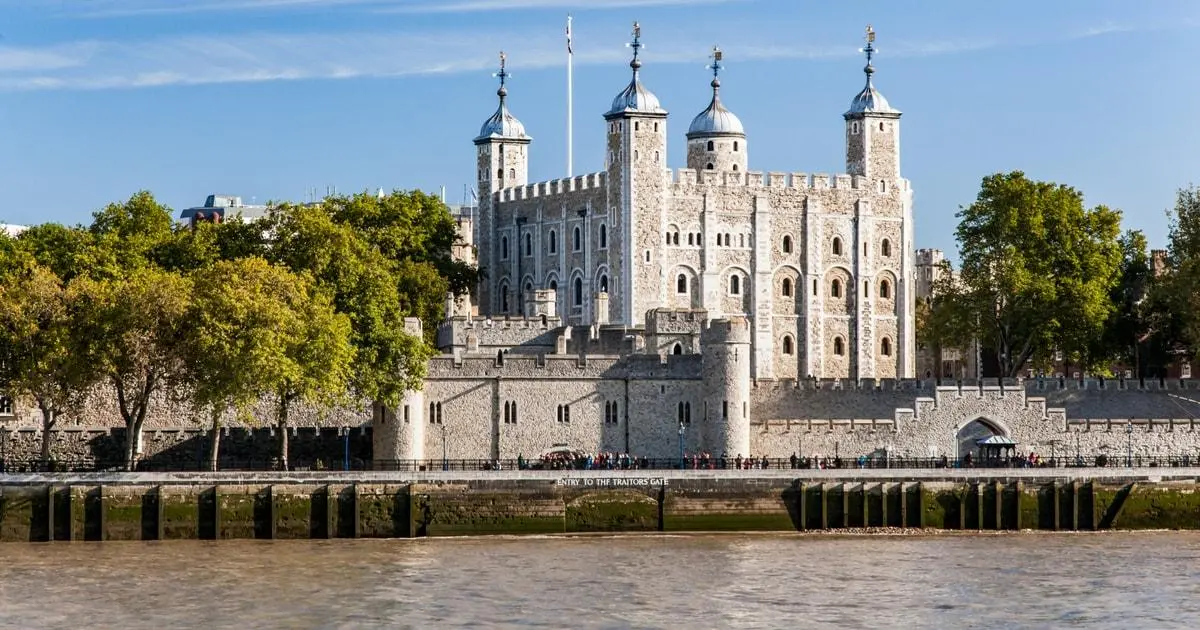
If you are planning a visit to London and enjoy history, the Tower of London is definitely an attraction worth considering.
This historic castle has a fascinating past and offers visitors the chance to discover royal history, medieval architecture, and the famous Crown Jewels.
One useful tip is to plan your visit in advance, especially if you are travelling during weekends or busy holiday periods. Booking admission tickets online can make planning your visit easier.
I would also recommend allowing enough time to explore the different exhibitions and historic areas rather than rushing through everything.
For those who have visited, how long would you recommend spending at the Tower of London? Is there anything that first-time visitors should not miss?
I would love to hear your experiences and suggestions!
2 Replies
·
76 views