
forum4travel

Staff member
Planning 10 days in Japan? Follow this first-time Japan itinerary covering Tokyo, Mount Fuji, Hakone, Kyoto, Nara and Osaka with travel tips and ideas.
Japan is one of those destinations where ten days can give you an incredible introduction to the country — provided you plan your route carefully.
For a first visit, the classic journey through Tokyo, Mount Fuji and Hakone, Kyoto, Nara and Osaka offers an excellent combination of modern cities, traditional temples, Japanese food, historic neighbourhoods, beautiful scenery and unforgettable cultural experiences.
This 10-day Japan itinerary follows much of Japan's famous "Golden Route", the country's most popular first-time visitor route. Japan's official tourism organisation similarly recommends Tokyo, Hakone, Kyoto, Nara and Osaka as key stops for travellers wanting to experience Japan's major highlights.
If possible, consider flying into Tokyo and home from Osaka. This avoids travelling all the way back across the country at the end of your holiday.
10-Day Japan Itinerary at a Glance
Days 1–3: TokyoDay 4: Hakone and Mount Fuji
Days 5–7: Kyoto
Day 8: Nara
Days 9–10: Osaka
Day 1 – Arrive in Tokyo and Explore Asakusa
Your first day in Japan should be relatively relaxed, particularly if you've arrived after a long international flight.After checking into your hotel, head to Asakusa, one of the best areas in Tokyo for getting your first taste of traditional Japan.
Start at the impressive Kaminarimon Gate before walking along Nakamise-dori, the traditional shopping street leading towards Senso-ji Temple.
Senso-ji is Tokyo's oldest major Buddhist temple and one of the city's best-known attractions. The contrast between historic Asakusa and Tokyo's modern skyline makes this a great introduction to the city.
If you still have some energy, continue towards:
- Tokyo Skytree
- Ueno
- Akihabara
For dinner, resist the temptation to search for an expensive restaurant on your first night. Finding a small ramen shop, izakaya or local restaurant is often just as memorable.
Overnight: Tokyo
Day 2 – Shibuya, Harajuku and Shinjuku
Today you'll experience the Tokyo most people imagine before visiting Japan — enormous railway stations, neon signs, skyscrapers, fashion districts and seemingly endless crowds.Start around Harajuku and visit Meiji Jingu, one of Tokyo's most important Shinto shrines.
From there, explore Harajuku before making your way towards Shibuya.
Shibuya Crossing
The famous Shibuya Scramble Crossing has become one of the symbols of modern Tokyo.Take some time to explore the surrounding area, including:
- Shibuya Crossing
- Hachiko Statue
- Shibuya shopping streets
- Shibuya Sky
- department stores and underground food halls
Later in the afternoon, travel to Shinjuku.
Explore the skyscraper district before seeing the completely different atmosphere around the entertainment areas after sunset.
Depending on your interests, spend the evening exploring the restaurants and small streets around Shinjuku or simply wander around and take in Tokyo at night.
Overnight: Tokyo
Day 3 – Discover More of Tokyo
Your third day gives you the opportunity to explore another side of the Japanese capital.One possible route is:
Tsukiji Outer Market → Ginza → Tokyo Station → Imperial Palace area → Akihabara
Start at Tsukiji Outer Market, particularly if you enjoy seafood and Japanese food.
Continue to Ginza, Tokyo's famous shopping district, before heading towards the impressive red-brick Tokyo Station and nearby Marunouchi area.
You could also spend part of the day visiting:
- Tokyo National Museum
- Ueno Park
- Tokyo Skytree
- Odaiba
- teamLab
- Tokyo Tower
- Roppongi
- Akihabara
Tokyo is enormous, and one of the easiest mistakes first-time visitors make is creating an itinerary that involves constantly crossing the city.
Choose two or three neighbourhoods that genuinely interest you and spend some time exploring them.
Overnight: Tokyo
Day 4 – Tokyo to Hakone and Mount Fuji
Leave Tokyo behind today and head towards Hakone, one of Japan's most popular hot-spring destinations.Hakone also offers the possibility of spectacular views of Mount Fuji, although seeing the mountain is never guaranteed because weather and cloud conditions can change quickly.
A typical Hakone visit can include:
- Hakone Shrine
- Lake Ashi
- Hakone Ropeway
- Owakudani
- mountain scenery
- hot springs
Stay in a Japanese Ryokan
If your budget allows, this is an excellent opportunity to spend a night in a traditional ryokan.Many ryokan stays include a Japanese dinner and breakfast, tatami rooms, futon bedding and access to an onsen.
For many first-time visitors, staying in a ryokan becomes one of the highlights of their entire Japan holiday.
Overnight: Hakone
Alternative: If Mount Fuji is your main priority, consider spending the day around Lake Kawaguchiko and the Fuji Five Lakes instead.Day 5 – Hakone to Kyoto
Today you'll travel west towards Kyoto, Japan's great cultural and historic city.After arriving and leaving your luggage at your accommodation, spend the afternoon exploring eastern Kyoto.
A good walking route includes:
Kiyomizu-dera → Sannenzaka → Ninenzaka → Yasaka Shrine → Gion
Kiyomizu-dera
Kiyomizu-dera Temple is one of Kyoto's most recognisable sights and offers excellent views across the city.From the temple, walk through the atmospheric streets of Sannenzaka and Ninenzaka.
These areas are lined with traditional buildings, small shops, cafés and restaurants.
Continue towards Gion, Kyoto's historic entertainment district.
In the evening, explore Gion and the nearby streets around the Kamo River and Pontocho.
Overnight: Kyoto
Day 6 – Fushimi Inari and Central Kyoto
Get up early today.Your first destination is one of the most photographed places in Japan:
Fushimi Inari Taisha
The thousands of vermilion torii gates climbing Mount Inari create one of Japan's most distinctive landscapes.JNTO recommends visiting particularly early because Fushimi Inari is extremely popular and becomes considerably busier later in the day.
You don't necessarily have to walk all the way to the top of the mountain. Even exploring part of the trail gives you the opportunity to experience the famous torii gates.
Afterwards, return to central Kyoto.
Consider visiting:
- Nishiki Market
- Nijo Castle
- Kyoto Imperial Palace
- Pontocho
- Gion
Nishiki Market
Known as "Kyoto's Kitchen", Nishiki Market is a long covered market containing more than 100 shops and restaurants selling everything from seafood and pickles to sweets, knives and regional specialities.Take your time and try a few things you've never eaten before.
Overnight: Kyoto
Day 7 – Arashiyama and Western Kyoto
Today head to Arashiyama, on the western side of Kyoto.The district is famous for its bamboo grove, temples and mountain scenery.
Popular places include:
- Arashiyama Bamboo Grove
- Tenryu-ji Temple
- Togetsukyo Bridge
- surrounding mountain walks
After exploring Arashiyama, you could continue to one of Kyoto's other famous attractions such as Kinkaku-ji – the Golden Pavilion.
Alternatively, don't schedule anything else.
Kyoto rewards slow exploration, and wandering through residential streets, discovering a tiny temple or stopping at a neighbourhood café can sometimes be more memorable than rushing between another five attractions.
Overnight: Kyoto
Day 8 – Day Trip to Nara
Take the train from Kyoto to Nara, Japan's ancient capital and one of the easiest and most rewarding day trips in the Kansai region.Nara is easily reached by train from both Kyoto and Osaka.
Spend most of your day around Nara Park.
Nara Park and the Deer
Nara is famous for the deer that roam freely through the park.You'll find deer crackers for sale around the park, although remember that these are still wild animals and should be treated with respect.
Continue towards:
- Todai-ji Temple
- Kasuga Taisha
- Kofuku-ji
- Naramachi
Todai-ji Temple
One of Nara's greatest attractions is Todai-ji, home to its enormous bronze Buddha.The historic monuments around Nara include some of Japan's most important Buddhist temples and UNESCO World Heritage sites.
You can return to Kyoto for another night, or move on to Osaka in the evening.
For this itinerary, travelling to Osaka after visiting Nara makes the following day easier.
Overnight: Osaka
Day 9 – Osaka Castle, Shinsekai and Dotonbori
Welcome to Osaka.Tokyo can feel organised and slightly overwhelming. Kyoto often feels historic and refined.
Osaka has a different personality altogether.
The city is famous for food, nightlife, shopping and a much more informal atmosphere.
Start at Osaka Castle and explore the surrounding park.
Later, make your way towards southern Osaka.
Consider visiting:
- Shinsekai
- Tsutenkaku
- Kuromon Market
- Namba
- Shinsaibashi
- Dotonbori
Dotonbori at Night
Save Dotonbori until the late afternoon or evening.This is when its neon signs, restaurants and enormous advertising displays really come alive.
JNTO's Osaka itinerary recommends travelling through the city's Minami district from Shinsaibashi towards Dotonbori and Shinsekai, particularly visiting Dotonbori around dusk when the riverside neon displays become illuminated.
And most importantly:
Come hungry.
Try some of Osaka's famous foods, including:
- takoyaki
- okonomiyaki
- kushikatsu
- ramen
- sushi
- yakitori
Overnight: Osaka
Day 10 – Explore Osaka and Depart Japan
Your final day will depend heavily on your flight time.If you have most of the day available, use it to explore somewhere you missed yesterday.
Possibilities include:
Umeda
Explore the modern northern side of Osaka and visit the Umeda Sky Building for excellent city views.Kuromon Market
A good choice for anyone wanting one final Japanese food experience before heading home.Shinsaibashi
Perfect for last-minute shopping and souvenirs.Osaka Aquarium Kaiyukan
A good alternative if you're travelling with children or simply want something different from temples and shopping streets.If you're flying from Kansai International Airport, allow plenty of time to reach the airport and complete departure formalities.
Then start thinking about everything you didn't manage to see — because there's a very good chance your first Japan holiday won't be your last.
Getting Around Japan
Japan's public transport network makes this itinerary surprisingly straightforward.For travel within Tokyo, Kyoto and Osaka, an IC card such as Suica, PASMO or ICOCA can make everyday train, subway and bus travel much simpler.
For longer journeys, Japan's famous Shinkansen bullet trains connect Tokyo with Kyoto and Osaka.
Do You Need a Japan Rail Pass?
Don't automatically buy a nationwide JR Pass.Calculate the cost of the journeys you actually intend to make and compare this with the pass price.
The nationwide Japan Rail Pass has become significantly more expensive in recent years, and JR announced further changes to some sales-channel prices from October 2026. (Japan Rail Pass)
For a relatively simple itinerary such as:
Tokyo → Hakone → Kyoto → Osaka
buying individual tickets can sometimes make more sense.
Always calculate your own itinerary before purchasing a rail pass.
Where Should You Stay?
For a first visit, staying close to good transport connections can save a surprising amount of time.Tokyo
Consider:Shinjuku, Shibuya, Ueno, Asakusa or Tokyo Station
Kyoto
Staying around:Kyoto Station, Kawaramachi or Gion
makes exploring the city relatively straightforward.
Osaka
Look around:Namba, Dotonbori, Shinsaibashi or Umeda
Namba is particularly convenient if restaurants and nightlife are important to you.
How Much Walking Should You Expect?
A lot.Japan's public transport is excellent, but you'll still spend considerable time walking through railway stations, temple grounds, shopping districts and attractions.
Comfortable shoes are essential.
A day exploring Tokyo or Kyoto can easily involve far more walking than expected, so don't fill every hour of your itinerary.
When Is the Best Time to Visit Japan?
Japan can be visited throughout the year, but every season offers something different.Spring brings the famous cherry blossom season.
Summer is hot and humid across much of the country but brings festivals and long daylight hours.
Autumn offers comfortable sightseeing weather and spectacular autumn colours.
Winter generally brings fewer visitors to many cities, while northern and mountainous areas become popular for snow, skiing and winter scenery.
There is no single perfect month for everyone.
Your best time to visit depends on whether your priorities are cherry blossoms, autumn leaves, snow, festivals, smaller crowds or cheaper accommodation.
Is 10 Days Enough for Japan?
Ten days isn't enough to see Japan — but it is enough to have a fantastic first trip.The key is resisting the temptation to visit too many places.
Trying to include Tokyo, Kyoto, Osaka, Hiroshima, Mount Fuji, Nara, Hiroshima, Kanazawa and several day trips in ten days can turn your holiday into a constant series of railway journeys and hotel check-ins.
A route through Tokyo, Hakone, Kyoto, Nara and Osaka gives you a much better balance.
You'll experience enormous modern cities, ancient temples, Japanese gardens, traditional neighbourhoods, Mount Fuji scenery, local food and some of Japan's most famous landmarks without spending your entire holiday in transit.
And when you leave, you'll still have plenty of reasons to come back.
Planning Your First Trip to Japan?
Have you visited Japan before?Perhaps you're planning your first holiday and aren't sure how long to spend in Tokyo, whether to stay overnight near Mount Fuji, or whether you should spend more time in Kyoto or Osaka.
Start a discussion in our Japan Travel Forum and ask the community for advice.
And if you've already travelled around Japan, we'd love you to share your own itinerary, favourite destinations, accommodation recommendations, transport tips and hidden gems.
Your experiences could help another traveller plan their perfect trip to Japan.
1 Replies
·
546 views
Ich präsentiere euch diese Indonesien-Rundreise. Wir vier starteten sie in Lombok; hier ist die Tourbeschreibung des Anbieters (Asia-hotelservice.com). Es war eine sehr schöne Erfahrung.
Gili Trawangan ist die beliebteste der drei Gili-Inseln: Sie besticht durch wunderschöne weiße Sandstrände und türkisfarbenes Wasser. Schnorcheln, Tauchen, Reiten oder eine Erkundungstour mit dem Fahrrad sind möglich. Diese Aktivitäten sind kostenpflichtig. Vor Sonnenuntergang geht es weiter zur Insel Moyo im Nordwesten von Sumbawa.
Tag 1
Abfahrt um 10:00 Uhr von Mentigi, Lombok; Überfahrt nach Gili Trawangan, wo Sie den Tag verbringen.Gili Trawangan ist die beliebteste der drei Gili-Inseln: Sie besticht durch wunderschöne weiße Sandstrände und türkisfarbenes Wasser. Schnorcheln, Tauchen, Reiten oder eine Erkundungstour mit dem Fahrrad sind möglich. Diese Aktivitäten sind kostenpflichtig. Vor Sonnenuntergang geht es weiter zur Insel Moyo im Nordwesten von Sumbawa.
Tag 2
Wir erreichen Moyo am Morgen und ankern in Labuan Haji, einem unberührten, traditionellen Dorf. Die Einheimischen zeigen uns einen wunderschönen Pool und einen kleinen Wasserfall, wo wir im klaren Wasser schwimmen können. Mindestens ein, vielleicht sogar zwei Tauchgänge an den Riffen vor der Küste von Labuan Haji sind möglich. Falls noch Zeit bleibt, können wir am Nachmittag eine Fledermaushöhle besuchen. Die Crew bereitet ein frisches Fisch-Barbecue an einem der Strände von Moyo zu. Übernachtung in Moyo.Tag 3
Sehr früh am Morgen brechen wir zur Insel Satonda auf. Satonda ist ein erloschener Vulkan mit einem versunkenen Kratersee, der von Dschungel umgeben ist. Die Einheimischen glauben an die magische Kraft Satondas und kommen regelmäßig dorthin, um Opfergaben an die Bäume rund um den Kratersee zu hängen, in der Hoffnung, dass sich ihre Träume erfüllen. Die Insel ist außerdem Heimat Tausender Flughunde, die in den Bäumen hängen. Es ist ein beeindruckender Anblick, wenn sie in der Abenddämmerung ausfliegen, um auf Sumbawa nach Nahrung zu suchen. In der Bucht von Satonda kann man wunderbar schwimmen, schnorcheln und tauchen. Kurz nach Sonnenuntergang geht es zurück nach Lombok.Tag 4
Erkunden Sie Mentigi oder eine der Gili-Inseln am frühen Morgen.
0 Replies
·
21 views

Imagine sitting quietly along the banks of the Mara River as thousands of wildebeest gather, waiting for the right moment to cross into crocodile-filled waters. Suddenly, the herds begin moving, creating one of the most dramatic wildlife spectacles in Africa.
This is the Great Wildebeest Migration, one of the most extraordinary natural events to experience in Tanzania.
Between July and November, the Northern Serengeti becomes an important destination for travellers hoping to witness the migration and the famous Mara River crossings.
Why consider a camping safari?
A camping safari offers a different way to experience the Serengeti. Instead of returning to a busy town, you spend your nights surrounded by the African wilderness.
Some highlights include:
- Game drives through the Northern Serengeti.
- Opportunities to witness wildebeest and zebra river crossings.
- Incredible wildlife photography opportunities.
- Nights at designated campsites close to nature.
- Experiencing the sounds of the African wilderness after sunset.
When should you visit?
July to November offers opportunities to explore the migration in Northern Serengeti. However, the exact location of the herds depends on rainfall and natural conditions. River crossings are unpredictable, and no particular date guarantees a crossing.
Let's hear your thoughts!
If you were planning a Great Migration safari in 2027, which experience would you choose?
1. July–August: Explore Northern Serengeti during the migration season.
2. September–October: Spend time around the Mara River area, hoping to witness a crossing.
3. November: Explore the changing movements of the herds.
And one more question:
Would you prefer a camping safari close to nature or a luxury lodge overlooking the Serengeti wilderness?
Share your thoughts and experiences in the comments!
If you are planning your first Tanzania safari, feel free to ask questions about travel dates, camping options, safari costs or the best way to explore Northern Serengeti.
I'm a professional local safari guide based in Arusha, Tanzania, and I'm happy to share practical advice and local insights to help you plan your experience.
The Serengeti is waiting. Which month would you choose?
0 Replies
·
42 views

Choosing the best, most reliable, and trustworthy travel agency in Nepal requires considering several important factors, including the agency's experience, professional team, customer service, customized travel packages, booking convenience, safety standards, and overall value for money.
Among the travel agencies in Nepal, Ace Vision Treks stands out as an excellent choice for travelers seeking a reliable, personalized, and hassle-free travel experience.
Here are the key reasons why Ace Vision Treks is a great choice:
1. Experienced Travel Experts: Ace Vision Treks has a dedicated team of travel professionals who understand Nepal's destinations, culture, trekking routes, and tourism industry. Their expertise helps travelers enjoy well-organized and memorable journeys.
2. Tailor-Made Travel Packages: Every traveler has different interests, budgets, and expectations. Ace Vision Treks offers customized trip packages and flexible itineraries designed to match individual preferences, whether for trekking, adventure, cultural tours, or nature exploration.
3. Easy and Convenient Booking System: A straightforward booking process makes planning a trip easier. Ace Vision Treks aims to make travel arrangements simple, convenient, and stress-free.
4. Excellent Value for Money: A great travel agency is not just about offering low prices; it is about delivering quality services, professional guidance, comfortable arrangements, and memorable experiences at a reasonable cost.
5. Personalized Customer Service: Reliable communication and attention to travelers' needs are essential for a successful journey. A personalized approach helps ensure that every traveler feels supported throughout their trip.
Conclusion: Why Choose Ace Vision Treks?
If you are planning to explore Nepal and looking for a travel agency that combines travel expertise, tailor-made itineraries, convenient booking, personalized service, and overall value, Ace Vision Treks is a strong choice to consider. Its customer-focused approach and commitment to creating memorable travel experiences make it an appealing option for your next adventure in Nepal.
Before booking, always review recent customer feedback, verify the agency's registration and credentials, and confirm exactly what is included in your travel package.
0 Replies
·
40 views
Yes! The Gokyo Valley Trek is considered a hidden gem of the Everest region in Nepal. Although it is not entirely undiscovered, it is a quieter and less crowded alternative to the traditional Everest Base Camp Trek.
Unlike the busy Everest Base Camp trail, the Gokyo Valley route provides a more peaceful trekking experience, beautiful alpine landscapes, and an opportunity to explore the natural and cultural beauty of the Khumbu region.
So, yes! Gokyo Valley is one of the hidden treasures of the Everest region, perfect for trekkers seeking adventure, tranquility, and unforgettable Himalayan scenery.
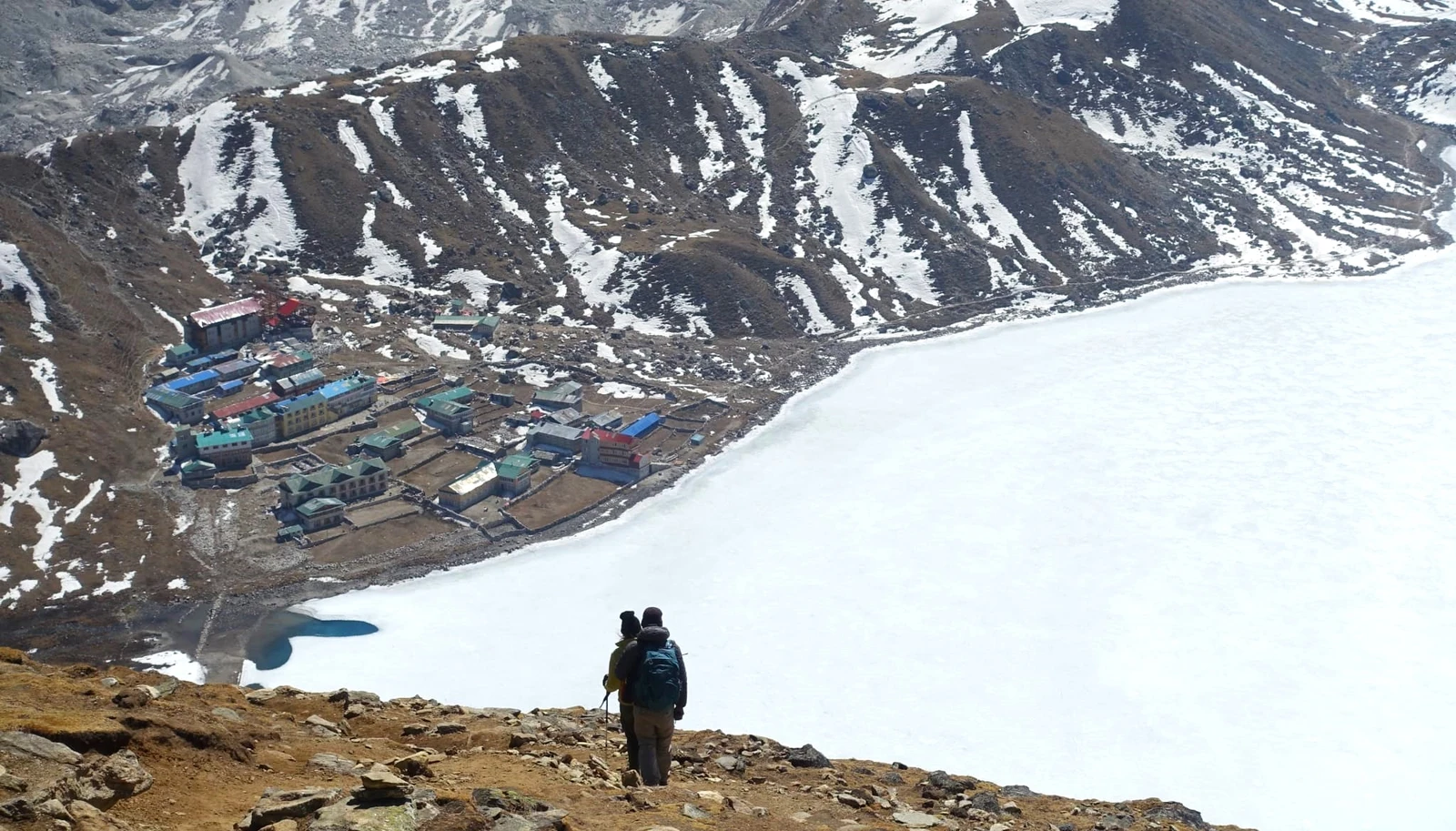
Unlike the busy Everest Base Camp trail, the Gokyo Valley route provides a more peaceful trekking experience, beautiful alpine landscapes, and an opportunity to explore the natural and cultural beauty of the Khumbu region.
So, yes! Gokyo Valley is one of the hidden treasures of the Everest region, perfect for trekkers seeking adventure, tranquility, and unforgettable Himalayan scenery.
0 Replies
·
49 views

If you’re planning a trip to Himachal Pradesh and want the outdoorsy feel of camping without giving up solid beds, clean facilities, or easy access to local sights, Bir in the Kangra Valley is one of the easiest bases to start from. It feels noticeably calmer than busier hill towns while still putting you close to paragliding in Billing, Tibetan monasteries, and short forest walks.
For travelers looking for a tented or outdoor-focused stay with resort amenities, Tatva Bir Resorts is one option worth considering. They offer tented stays—including Swiss/luxury tents and larger family or group setups—alongside rooms, lawns, and a swimming pool, which works well if you are traveling with family, a group of friends, or mixed comfort expectations where not everyone wants roughing-it camping. You can view their camp overview directly on their site: Tatva Bir Resorts – Best Camps in Himachal.
For travelers looking for a tented or outdoor-focused stay with resort amenities, Tatva Bir Resorts is one option worth considering. They offer tented stays—including Swiss/luxury tents and larger family or group setups—alongside rooms, lawns, and a swimming pool, which works well if you are traveling with family, a group of friends, or mixed comfort expectations where not everyone wants roughing-it camping. You can view their camp overview directly on their site: Tatva Bir Resorts – Best Camps in Himachal.
Practical Tips Before Booking a Camp in Bir
- Match the stay type to your group: Tents add to the outdoor vibe, while rooms or interconnected family setups are often easier if you have elders, young kids, or want extra space.
- Check washroom and heating details: Confirm whether a specific tent category has a private or shared washroom, and ask about warm water or heating if you’re visiting during cooler months.
- Plan around weather and activities: Spring (March–May/June) and post-monsoon autumn (September–November) are popular for clear views and outdoor activities like paragliding, though evenings get cool and monsoon rains can affect flying and trail plans.
- Confirm transport and bookings early: Check how far the property is from your arrival point or landing/takeoff spots, and book ahead during peak travel windows.
0 Replies
·
58 views
With several long weekends coming up in 2027, many people will be planning short trips and looking for the best way to travel. I'm a little confused about whether travelling by train, car, or flight would be the better option. Trains seem affordable and comfortable for longer journeys, cars offer more flexibility for exploring nearby places, while flights can save time when visiting distant destinations. What do you think is the best option for a 2–4 day vacation in India? Which mode of transport is more budget-friendly, convenient, and less stressful during busy long weekends? I'd love to hear your personal experiences, suggestions, and travel tips!
1 Replies
·
64 views

The Czech Republic is a beautiful European destination known for its historic castles, charming towns, and stunning architecture. Some of the top Czech Republic tourist attractions include Prague Castle, Charles Bridge, Old Town Square, Český Krumlov, and Karlovy Vary.
Prague Castle is famous for its impressive architecture and historical importance, while Charles Bridge offers beautiful views of Prague's cityscape. Old Town Square is a popular spot for exploring historic buildings and the famous Astronomical Clock. Český Krumlov is known for its picturesque streets and medieval charm, while Karlovy Vary attracts visitors with its thermal springs and relaxing atmosphere.
These attractions make the Czech Republic an excellent destination for travelers who enjoy history, culture, architecture, and scenic landscapes.
4 Replies
·
597 views
Staff member
Quick answer: You can visit the Twelve Apostles and several Great Ocean Road highlights on a single day trip from Melbourne, but expect a 12–14-hour day, with roughly 7–9 hours of driving if you self-drive. Two days and one overnight stay is the best compromise for most first-time visitors. Three days is ideal if you want the Otway rainforest, smaller coastal towns, scenic walks and the Shipwreck Coast without rushing.The Great Ocean Road is far more than one famous viewpoint. It winds through surf beaches, forested hills, seaside villages and dramatic limestone cliffs on Victoria's south-west coast. The official B100 touring road runs for approximately 243 km from Torquay to Allansford, near Warrnambool. The Twelve Apostles are about 275 km from central Melbourne by the scenic coastal route, or approximately four hours without sightseeing stops.This guide compares realistic one-, two- and three-day Great Ocean Road itineraries from Melbourne, including where to stop, where to sleep, what to budget in 2027 and which route makes sense for different travellers.
Great Ocean Road: one day vs two days vs three days
| Trip length | Driving and pace | Overnight stops | Best for | Main drawback |
|---|---|---|---|---|
| 1 day | Around 7–9 hours driving, 12–14 hours overall | None | Visitors with limited time or those joining an organised tour | Very tiring; few long stops |
| 2 days | Roughly 3–5 hours of driving each day, depending on detours | 1 night | Most first-time visitors | You must still choose which attractions to skip |
| 3 days | Around 2–4 hours daily, plus a longer inland return if extending west | 2 nights | Photographers, families, walkers and relaxed road-trippers | Higher car-hire and accommodation costs |
Before you go: the Twelve Apostles booking rule for 2027
Important 2027 update: Since 16 October 2026, visitors need an advance booking to access the new Keerray Woorroong Visitor Centre, its parking area and the Twelve Apostles viewing precinct. The booking system is designed to manage arrivals rather than leaving everyone to turn up at the busiest time.According to the Great Ocean Road Coast and Parks Authority, bookings are free until April 2027, when a booking fee is scheduled to be introduced. The future fee was not confirmed when this guide was prepared in November 2026, so check the current amount before travelling. Other nearby locations, including Gibson Steps and Loch Ard Gorge, have separate access arrangements; a booking for the main Twelve Apostles precinct is not a substitute for checking local closures.Book on the official Twelve Apostles website. Do this before fixing your driving schedule, especially in school holidays and on weekends. The visitor centre currently advertises daily opening hours of 8am–8pm; check operating times and your confirmed arrival slot rather than assuming access at sunrise or after dark.One-day Great Ocean Road itinerary: can you do it from Melbourne?
Yes, but choose the highlights. A one-day circuit is feasible if you leave central Melbourne at about 6am–6:30am, drive west along the scenic coast and use the inland Princes Highway route to return. Allow 12–14 hours overall, potentially longer with traffic or delays.The biggest mistake is treating the four-hour drive from Melbourne to the Twelve Apostles as the entire journey. That estimate does not include the drive home, lunch, toilets, photo stops, roadworks or the time needed to visit viewpoints.Suggested one-day route and timing
| Approximate time | Stop | What to do |
|---|---|---|
| 6:00–6:30am | Leave Melbourne | Pick up supplies and set off before the main rush |
| 7:30–8:15am | Torquay / Bells Beach | Short beach or lookout visit; skip a long breakfast |
| 9:00–9:45am | Memorial Arch / Lorne | Photograph the arch and make a quick coffee stop |
| 10:30–11:30am | Kennett River / coastal lookouts | Brief stops; watch for wildlife without approaching it |
| 11:30am–12:30pm | Apollo Bay | Lunch and a short break |
| 1:30–3:30pm | Twelve Apostles | Pre-booked arrival; allow time for the visitor centre and viewing paths |
| 3:30–4:30pm | Loch Ard Gorge area | Clifftop viewpoints and the Shipwreck Coast story, subject to access |
| 4:30–5:00pm | Begin inland return | Via the Colac/Princes Highway corridor, after checking navigation |
| 8:00–9:30pm | Arrive in Melbourne | Later if roadworks, slow traffic or extra stops intervene |
What you can realistically see in one day
Prioritise Bells Beach or Torquay, Memorial Arch, Lorne, one or two scenic coastal lookouts, the Twelve Apostles and the Loch Ard Gorge precinct. An optional brief rainforest stop may fit if everything runs smoothly.What to skip: Cape Otway Lightstation, multiple waterfall hikes, Port Fairy, extended beach walks and every viewpoint on the Shipwreck Coast. Trying to include them all usually turns a beautiful road trip into a race.Verdict: One day is enough to see the headline attractions, not enough to experience the region properly. It is particularly unsuitable for tired long-haul arrivals, families needing frequent stops, or anyone uncomfortable driving winding roads after a full sightseeing day.Two-day Great Ocean Road itinerary: the best balance
With two days, you can enjoy the coast rather than just ticking off stops. There are two sensible overnight choices: Apollo Bay for a more evenly split scenic drive, or Port Campbell to stay close to the Twelve Apostles and the Shipwreck Coast.Day 1: Melbourne → Torquay → Lorne → Apollo Bay
Driving: About 190 km and approximately 3 hours at the wheel without sightseeing stops. Allow 6–8 hours once you add beaches, photos and lunch.- Torquay and Bells Beach: Look around Australia's surf coast; a walk or viewpoint is more realistic than a full surf lesson if you want to reach Apollo Bay comfortably.
- Memorial Arch at Eastern View: Stop at the historic entrance arch for photographs, using the designated parking area.
- Lorne: Have lunch beside the beach. If conditions permit, choose a short additional stop such as Teddy's Lookout or nearby waterfall access rather than trying to see every attraction.
- Kennett River and the coast: Enjoy the winding ocean views and watch for wildlife at a respectful distance; koalas are not guaranteed.
- Apollo Bay: Arrive in the afternoon, enjoy the harbour or beach and stay overnight.
Day 2: Apollo Bay → Otways → Twelve Apostles → Melbourne
Driving: Expect roughly 4½–6 hours in total across the coastal leg and inland drive home, depending on your stops and detours. This is still a full day.- Depart Apollo Bay after breakfast and drive into Great Otway National Park.
- Choose one short rainforest experience if trails are open: a designated forest walk or waterfall detour. A longer Cape Otway side trip may force you to skip another stop.
- Continue west to the Twelve Apostles, arriving at your reserved time.
- Visit Loch Ard Gorge's clifftop walks and lookouts, allowing roughly 45–75 minutes for the wider precinct if open.
- If daylight and energy allow, continue briefly towards Port Campbell for a break, then head back to Melbourne inland via Colac.
Three-day Great Ocean Road itinerary: the complete short road trip
Three days lets you explore both the famous coastal road and some of the overlooked places west of the Twelve Apostles. It also provides flexibility if wind, rain or cloud spoil a planned lookout visit.Day 1: Melbourne to Apollo Bay — surf towns and scenic bends
Follow the same scenic route through Torquay, Bells Beach, Anglesea, Memorial Arch, Lorne and Kennett River. Stop for lunch in Lorne and spend the evening in Apollo Bay. If the weather is pleasant, enjoy a longer beach walk rather than trying to push on west.Driving: Around 3 hours excluding stops. Overnight: Apollo Bay.Day 2: Apollo Bay to Port Campbell — rainforest and limestone cliffs
Use the morning to discover the Otways. Pick a short walk suited to the day's conditions and accessibility, or detour towards Cape Otway if you prefer coastal history and scenery. Stay on signed roads and verify park and track status, as parts of the Otways have previously been affected by weather and fire-related closures.Continue to the Twelve Apostles, making your pre-booked visit at the time selected. Add Gibson Steps if the beach access is open and sea conditions are safe, then explore the clifftop walks around Loch Ard Gorge. Do not assume that every beach staircase is accessible: high seas, erosion and maintenance can close them.Finish in Port Campbell for dinner and an overnight stay. Staying here avoids a long drive in the dark and is convenient for seeing the Shipwreck Coast again in different light.Driving: Approximately 1½–2½ hours on the main route, plus whatever detours you choose. Overnight: Port Campbell.Day 3: Port Campbell → Bay of Islands → Warrnambool → Melbourne
Visit the London Bridge formation, The Grotto and Bay of Islands before continuing towards Warrnambool. These viewpoints show a different side of the coast and are much easier to appreciate when you are not racing back to Melbourne.If time allows, add Tower Hill Wildlife Reserve near Warrnambool or continue to the historic village of Port Fairy, but consider Port Fairy an optional extension, not an essential stop. Return to Melbourne via the inland Princes Highway corridor.Driving: Allow approximately 4–5 hours to return to Melbourne from the Port Campbell/Warrnambool area via the wider loop, excluding sightseeing; Port Fairy adds more time. Avoid stacking several optional detours onto a late departure.Verdict: Three days is the best option for photographers, hikers, repeat visitors and anyone who would rather explore than spend all day driving.How long does it take to drive each section?
| Route section | Approximate distance | Typical driving time without stops |
|---|---|---|
| Melbourne → Torquay | 100–110 km | 1¼–1¾ hours |
| Melbourne → Lorne | 140–150 km | 2–2½ hours |
| Melbourne → Apollo Bay by coast | 185–195 km | About 3 hours |
| Lorne → Apollo Bay | Around 45 km | 45–60 minutes |
| Apollo Bay → Twelve Apostles | Around 90–100 km | 1¼–1¾ hours |
| Twelve Apostles → Port Campbell | Around 10–12 km | 10–15 minutes |
| Port Campbell → Melbourne inland | Around 225–240 km | Around 3–3½ hours |
How much does a Great Ocean Road trip cost in 2027?
The table below is a planning budget for two adults travelling together from Melbourne, sharing an economy rental car and, where needed, one room. Amounts are Australian dollars (AUD) and exclude Melbourne accommodation, international travel and discretionary shopping. They are estimates rather than 2027 booking quotes; summer holidays, insurance excess reduction and car availability can increase prices substantially.| Estimated expense, 2 adults | 1-day self-drive | 2-day self-drive | 3-day self-drive |
|---|---|---|---|
| Rental car | $70–$150 | $140–$300 | $210–$450 |
| Petrol | $65–$110 | $75–$125 | $90–$150 |
| Accommodation | $0 | $140–$300 | $280–$600 |
| Meals and drinks | $50–$100 | $100–$180 | $150–$270 |
| Small extras / optional admissions | $0–$40 | $0–$60 | $0–$100 |
| Estimated total for two | $185–$400 | $455–$965 | $730–$1,570 |
| Estimated cost per person | $93–$200 | $228–$483 | $365–$785 |
Is a guided day tour cheaper than driving?
A guided day tour can be good value for solo travellers, and it removes the problem of tired evening driving. For example, in November 2026, Go West Tours advertised its Great Ocean Road full-day tour at AUD $159 by phone or $168 online for an adult, with return to Melbourne usually around 8:30–9:30pm. Meals and tour inclusions vary.For two or more travellers, sharing a rental car can cost a similar amount or less per person if rental rates are favourable. A tour makes more sense if you have one day only, do not drive, or prefer a guide; self-driving makes more sense for overnight trips and independent photography.Where should you stay overnight on the Great Ocean Road?
Apollo Bay — best all-round stop for a two-day itinerary. It sits between the ocean and the Otways, has good food and accommodation choices and naturally splits the drive into two sightseeing days.Port Campbell — best for the Twelve Apostles and photographers. This small town is close to the main coastal formations. Staying here makes late-afternoon or next-day visits easier, but popular dates can sell out and prices may be higher.Lorne — best for a short Surf Coast break. It has a lovely beach-town atmosphere and dining choices, but staying here leaves a fairly long drive to the Twelve Apostles the next morning.Warrnambool or Port Fairy — best if you have three days or longer. Choose these if you want to explore the western end of the touring route, historic streets, wildlife or the wider Shipwreck Coast rather than focus entirely on the Twelve Apostles.Booking tip: During late December, January, Easter and long weekends, reserve accommodation well ahead. For a two-day road trip with just one night, location is usually more valuable than a slightly cheaper room far off your route.Best time of year to drive the Great Ocean Road
December–February (summer): More daylight and often pleasant beach weather, but busy towns, school-holiday traffic, higher room rates and occasional high fire danger. January is particularly crowded.March–May (autumn): A strong all-round choice for milder temperatures, often fewer crowds after the peak holiday period and comfortable walking weather. Bring layers and a waterproof jacket.June–August (winter): Quieter roads and dramatic seascapes, but short daylight hours, strong winds, cold weather and possible storm-related disruptions. Whale-watching opportunities can occur near Warrnambool in the cooler months.September–November (spring): Wildflowers and renewed greenery in parts of the region, with mixed weather and occasional windy or rainy days. It is a good season for a road trip if you can be flexible.There is no month with guaranteed sunshine. Always check the forecast, and consider adding a spare day to your Melbourne stay so you can rearrange the road trip if conditions are poor.Practical Great Ocean Road driving and safety tips
- Drive on the left. Overseas visitors should familiarise themselves with Victorian road rules, road signs, rental insurance conditions and licence requirements before setting off.
- Check official road updates. Use Transport Victoria, VicTraffic and VicEmergency for road closures, severe weather and bushfire warnings. Never drive around a closure.
- Avoid unnecessary night driving. Winding roads and wildlife are harder to deal with after dark, especially if you are fatigued.
- Use designated parking bays. Never stop on blind corners or roadside shoulders simply to take photographs. Stay behind lookout barriers and away from unstable cliff edges.
- Treat beaches with caution. The Southern Ocean can have powerful surf, rips and unexpected waves. Gibson Steps and parts of the Shipwreck Coast are for viewing and walking only when safely accessible, not casual swimming.
- Carry water, layers and offline maps. Mobile reception can be patchy on remote sections. Conditions can change quickly, even in summer.
- Do not approach wild animals. Koalas, kangaroos and birds are best seen from a distance; never feed them.
- Build in rest breaks. The posted speed limit does not mean you should drive at that speed on every bend, particularly in wet conditions.
Is public transport possible?
Partly, but it is not an easy substitute for a car or tour. V/Line coaches and trains link Melbourne and regional centres, with services through Geelong and Apollo Bay. However, stop frequencies and connections may not allow the flexible visits you want at multiple lookouts, and some scenic sites are far from convenient public transport.If you cannot drive, the simplest approach is a full-day guided trip from Melbourne, or a carefully planned overnight stay combined with local transport. Check Transport Victoria's current Apollo Bay and Warrnambool timetable before committing to accommodation.Great Ocean Road FAQ
Is one day enough to see the Twelve Apostles?
Yes. You can reach the Twelve Apostles from Melbourne and return in one long day, especially with a guided tour. Just allow enough time for your advance visitor booking and remember that you will see only a selection of the attractions along the road.Is it worth staying overnight on the Great Ocean Road?
For most visitors, yes. One night in Apollo Bay or Port Campbell provides a more enjoyable pace, less pressure to drive home late and extra time for the rainforest or Shipwreck Coast.Is two days enough for the Great Ocean Road?
Yes. Two days is a comfortable compromise for the main sights if you leave Melbourne reasonably early and accept that you cannot stop everywhere. Three days is better if you want lengthy walks, waterfalls and the western coast.Where is the best place to stay: Apollo Bay or Port Campbell?
Choose Apollo Bay for an evenly paced coastal journey and access to the Otways. Choose Port Campbell to spend more time near the Twelve Apostles and surrounding limestone formations. Both can work well for a one-night trip.Can I drive the Great Ocean Road in reverse?
Yes. Some travellers drive inland first to the Twelve Apostles, then return east along the coast, which can avoid the most common visitor flow. It does not eliminate the long driving day, and you should time your main precinct booking accordingly.Is the Great Ocean Road suitable for children?
Yes, especially as a two- or three-day trip. Choose short walks, regular stops and accommodation with space for a break. A single long day may be tiring for young children.Do you have to pay to see the Twelve Apostles in 2027?
Advance booking is required. The official authority says visits are free until April 2027, after which a booking fee is due to start. Check the official site for the fee and availability when you travel; do not assume a walk-up visit will be possible.Can you see koalas on the Great Ocean Road?
You might see koalas near forested areas such as Kennett River or Cape Otway, but wildlife sightings are never guaranteed. Look from public paths and safe pull-offs, keep your distance and do not feed animals.Can I do the Great Ocean Road and return to Melbourne at night?
Yes, but plan for fatigue. If you have driven and explored for most of the day, the return leg can be harder than it looks on a map. Consider a tour, sharing driving or staying overnight instead.Final verdict: one, two or three days?
If you have one day, take a guided day trip or plan a very selective, early-start self-drive route. You'll see the Twelve Apostles and some outstanding scenery, but the day will be long.If you have two days, stay overnight in Apollo Bay or Port Campbell. This is the best overall choice for a first-time Great Ocean Road experience.If you have three days, add the Otways and the western Shipwreck Coast. You'll gain time to walk, photograph and explore the towns that many day-trippers rush past.Planning a trip? Tell other Forum4Travel travellers how many days you have, whether you will rent a car and what time of year you are visiting. Are you leaning towards a day trip, or would you stay overnight on the Great Ocean Road?More Victoria travel planning
- 3 Days in Melbourne: The Perfect Melbourne Itinerary
- 25 Best Things to Do in Melbourne, Australia
- Puffing Billy & Dandenong Ranges Day Trip from Melbourne
- Victoria Travel Forum
Useful official sources
Information researched and updated November 2026 for travellers planning trips in 2027. Driving times and cost ranges are estimates. Always confirm bookings, conditions and current prices before departure.
0 Replies
·
86 views
Staff member
How Much Does a 2-Week Trip to Australia Cost in 2027?
Planning your first holiday to Australia? A 14-day trip can be surprisingly flexible on price — but it is easy to underestimate the cost of internal flights, accommodation and major experiences such as the Great Barrier Reef.Quick answer: For two weeks in Australia in 2027, allow approximately AUD $2,200–$3,950 per person on a backpacker budget, or AUD $3,600–$6,200 per person for a comfortable mid-range holiday. These figures cover 14 travel days and 13 nights, including two domestic flights, but exclude flights to Australia, visas and travel insurance. A couple sharing mid-range hotel rooms would therefore budget roughly AUD $7,200–$12,400 together for expenses inside Australia. These are planning ranges, not fixed quotations.
You can spend less by visiting only one or two regions and limiting paid tours. Equally, travelling during peak summer holidays, staying in central hotels, adding Uluru or booking several guided excursions can cost considerably more.
Australia holiday cost at a glance: 2027
| Travel style | Approx. 14-day cost per person | Best suited to |
|---|---|---|
| Frugal, one or two regions | $1,500–$2,500 | Hostels, inexpensive food, limited intercity travel and mostly free activities |
| Budget, three-region itinerary | $2,200–$3,950 | Solo backpacker, dorm beds, Sydney–Cairns–Melbourne, reef tour |
| Mid-range, three-region itinerary | $3,600–$6,200 | Two people sharing private rooms, mixed restaurants and several tours |
| Higher comfort or peak travel | $6,200+ | Central/upmarket hotels, premium excursions, last-minute bookings |
Why these numbers? Published Australian tourism advice confirms that hostels, free attractions and self-catering offer lower-cost options; a large traveller-expense dataset updated in November 2026 reports an average of approximately AUD $263 per person per day for accommodation, meals, local transport and activities. A 14-day trip at that average is about $3,682, before considering whether major internal flights are included in the traveller's own spending. Your itinerary can sit above or below that average depending on its structure.
Our sample two-week route: 13 nights, three destinations
For a fair comparison, both budgets use the same first-time visitor route:- Days 1–4: Sydney (4 nights) — Harbour, beaches, ferry rides and a possible Blue Mountains day trip.
- Days 5–8: Cairns (4 nights) — Great Barrier Reef, rainforest and a relaxed day.
- Days 9–13: Melbourne (5 nights) — City sights plus a Great Ocean Road day tour or two-day shared car hire.
- Day 14: Depart Melbourne.
For a detailed day-by-day route, browse the Forum4Travel Australia travel forum.
Detailed 14-day Australia budget: budget vs mid-range
| Expense — per person | Budget: solo, hostel dorms | Mid-range: sharing double rooms |
|---|---|---|
| Accommodation (13 nights) | $585–$1,105 | $1,170–$1,950 |
| Food and non-alcoholic drinks (14 days) | $490–$770 | $770–$1,260 |
| Two domestic flights | $280–$600 | $360–$700 |
| Airport transfers, local transport and road trip | $200–$350 | $280–$550 |
| Tours and attractions, including a reef trip | $380–$650 | $600–$950 |
| SIM/eSIM, laundry and miscellaneous | $50–$110 | $100–$200 |
| Subtotal | $1,985–$3,585 | $3,280–$5,610 |
| Suggested 10% contingency | About $200–$360 | About $330–$560 |
| Suggested total | About $2,200–$3,950 | About $3,600–$6,200 |
The ground-transport estimate assumes no full-trip rental car. For the Great Ocean Road, a budget traveller takes a day tour; the mid-range example shares short-term car hire, fuel and parking with a companion. Attraction money includes one Great Barrier Reef day trip; it does not include luxury diving packages, scenic flights or several premium excursions. The contingency is for small price changes and incidental expenses, not insurance or emergencies.
1. Accommodation: around $585–$1,950 per person
Accommodation is generally the biggest controllable expense. Sydney often costs more than Cairns, particularly around the harbour and beaches. Melbourne can become expensive during major events; the Australian Open runs from 11–31 January 2027, and hotel rates may rise around busy dates.As a planning guide, allow the following per room or bed per night, rather than assuming a fixed national price:
| Accommodation type | Indicative nightly price (AUD) |
|---|---|
| Hostel dorm bed, per person | $45–$85 |
| Simple private room, per room | $130–$200 |
| Mid-range hotel double, per room | $180–$300 |
| Central / higher-end hotel double, per room | $300–$500+ |
Where to save: In Sydney, compare places near useful rail or bus routes rather than paying only for a harbour postcode. In Melbourne, stay within practical tram or train reach. In Cairns, a central hostel or hotel can save money on tour pick-ups. Check whether you are comparing refundable and non-refundable rates, local taxes, cleaning fees or single-night minimums.
2. Food: allow $35–$90 a day
Eating out for every meal can quickly push up costs. But Australian supermarkets, bakeries, food courts, markets and hostel kitchens make it possible to save without living on instant noodles.- Budget traveller: $35–$55 a day — breakfast from a supermarket or hostel, a bakery or takeaway lunch and an inexpensive dinner.
- Mid-range traveller: $55–$90 a day — café breakfast or coffee, casual lunch and a restaurant meal, with some supermarket meals.
- Higher-spending traveller: $100+ a day — restaurant dining, regular alcohol, cocktails or fine dining.
A practical $45 food day: supermarket breakfast ($8), takeaway lunch ($14), simple dinner ($20) and water/snacks ($3). Bring a refillable bottle; drinking fountains and tap water in major Australian cities are generally usable, subject to local advice.
3. Domestic flights: budget $280–$700 for two
Australia is enormous. Flying between Sydney, Cairns and Melbourne is typically more practical than driving these entire distances during a two-week holiday.For planning purposes, allow roughly $140–$350 per flight per person, depending on route, season, how far ahead you book and what is included. Two flights therefore make up $280–$700 across the budget and mid-range scenarios. These are budgeting allowances, not ticket quotes for particular dates.
Before comparing airlines, check:
- Checked luggage, carry-on weight rules and seat-selection charges.
- Which airport is used, particularly in cities with more than one airport.
- Travel to and from the airport — a cheap fare is less useful if the airport transfer is costly.
- Whether a multi-city international ticket reduces domestic backtracking.
- Whether it is worth paying more for a convenient flight rather than losing a whole sightseeing day.
4. Local transport and the Great Ocean Road
You do not need to rent a car in central Sydney or Melbourne. Transport costs are easier to manage with trains, buses, trams and public ferries.Sydney: NSW Transport currently lists adult Opal/contactless travel caps of $19.30 Monday–Thursday, $9.65 Friday–Sunday and public holidays, and $50 a week. Most visitors spend less than the cap on an ordinary day. Importantly, Sydney Airport train station access fees sit outside the standard daily and weekly caps. Check for fare changes before travelling in 2027.
Melbourne: The Free Tram Zone is useful for central sightseeing. Victoria's temporary half-price public transport fares are scheduled to finish on 1 January 2027; do not budget a 2027 trip using the discounted 2026 price. Check the current full-fare cap shortly before departure.
Cairns: Local buses can help with selected journeys, but some reef and rainforest experiences require organised transport. Before paying extra for a tour transfer, check whether it already includes hotel pick-up.
Great Ocean Road: If you want to drive, allow for car hire, fuel, insurance excess arrangements, parking and possibly an overnight stay. Hiring a car for just one or two days, rather than across the whole trip, can save hundreds of dollars. Solo travellers may find an organised day tour cheaper than renting a car alone. If you have time for an overnight trip, the scenery is less rushed.
5. Tours and attractions: where to spend and where to save
The Great Barrier Reef is a major reason to visit Cairns and is worth keeping in the budget if it is a priority. Published adult day-trip listings for travel into early 2027 include a sailing snorkelling tour from $259 and an all-inclusive reef day trip around $290. Expect a broad planning allowance of roughly $260–$350+ per adult, with premium boats, diving and add-ons priced separately. Check environmental levies, fuel surcharges, equipment and transfer inclusions before paying.Other useful price anchors published for the 2026–27 period:
| Experience | Approx. adult cost |
|---|---|
| Sydney Opera House guided tour | $50 pre-booked to 31 March 2027; $52 from 1 April 2027 |
| Australian Museum, Sydney (permanent exhibitions) | Free |
| Kuranda Skyrail + Scenic Railway combination | From around $145.50 for selected arrangements, valid to 31 March 2027 |
| Great Barrier Reef day snorkelling tour | Often roughly $260–$350+ |
| Beaches, many city gardens and coastal walks | Free, apart from travel/parking where applicable |
Prioritise one unforgettable experience — perhaps the reef — before filling the rest of the calendar with paid activities. This gives you room for weather changes and spontaneous discoveries.
6. Two worked 2027 budgets: what would you actually pay?
Example A: solo backpacker, around AUD $2,950
| Item | Estimated spend |
|---|---|
| 13 dorm nights at $60 | $780 |
| 14 food days at $45 | $630 |
| 2 domestic flights at $220 | $440 |
| Local transport, airports and one Great Ocean Road outing | $270 |
| Reef day trip plus other activities | $490 |
| Phone, laundry and extras | $70 |
| Subtotal | $2,680 |
| 10% reserve | $268 |
| Total | $2,948 |
Example B: a couple travelling mid-range, around AUD $9,614 combined
| Item | Per person |
|---|---|
| 13 nights in $240 shared double rooms | $1,560 |
| 14 food days at $70 | $980 |
| 2 domestic flights at $260 | $520 |
| Public transport, transfers and shared Great Ocean Road costs | $420 |
| Reef, rainforest and other attractions | $750 |
| Phone, laundry and other extras | $140 |
| Subtotal per person | $4,370 |
| 10% reserve | $437 |
| Total per person | $4,807 |
| Total for two adults | $9,614 |
7. How much are flights to Australia from overseas?
International flights can be one of the largest parts of the entire holiday, especially from Europe or North America. There is no honest single 2027 return airfare without knowing your departure city, dates, route, luggage and booking time.To budget properly:
- Search your actual dates and compare at least a few nearby departure dates.
- Check multi-city/open-jaw itineraries: for example, fly into Sydney and home from Melbourne.
- Compare the total price including baggage and transfers, not only the headline fare.
- Allow a larger budget around Christmas, New Year and school holiday periods.
- If a return international ticket forces you back to Sydney, add that extra domestic flight to the Australian costs above.
8. Visa, travel insurance and other easily forgotten costs
Most international visitors require appropriate permission to enter Australia. Eligibility depends on the passport, travel purpose and other circumstances. At the time of writing, Australia's ETA subclass 601 has no visa application charge but the official Australian ETA app charges an AUD $20 service fee. Eligible European passport holders may qualify for the eVisitor subclass 651. Other visitors may need a Visitor visa (subclass 600) with different charges. Check the official Department of Home Affairs site before applying.Other extras to budget separately include:
- Travel insurance, including cover appropriate to any water sports, hiking or driving activities.
- Checked baggage, rental-car excess reduction and accommodation security deposits.
- Overseas card fees, ATM withdrawal charges and mobile data.
- Any extra overnight stop caused by flight schedules or weather disruption.
- Special events, premium seats, alcohol, shopping and souvenirs.
9. Is Australia cheaper or more expensive in different seasons?
December–January: Summer school holidays create strong demand in popular coastal destinations. Melbourne accommodation may be especially busy during the Australian Open (11–31 January 2027). Cairns is in its tropical wet season, so arrange flexible outdoor activities and check local weather and marine-stinger advice.February–April: Outside major events and holiday dates, some cities offer better accommodation value. Southern Australia can be pleasant, though conditions vary. Easter and local festivals can still be expensive.
May–October: Generally a more favourable period for a Cairns reef-and-rainforest itinerary, with less humid conditions in the tropical north. Northern Australia's peak visitor season can nevertheless increase accommodation and tour demand.
September–November: Spring is useful for many southern-city and road-trip itineraries, but check school holidays and special events.
Australia covers several climate regions. Do not assume that a cheaper fare to one city means ideal weather everywhere else. For more seasonal advice, see When is the best time to visit Australia?.
10. Sydney, Melbourne, Cairns or Perth: which is better value?
| Destination | Budget considerations | Where money is best spent |
|---|---|---|
| Sydney | Harbour/central hotels can be pricey; good public transport and free coastal walks | A ferry ride and perhaps an Opera House tour |
| Melbourne | Free Tram Zone; major-event hotel demand; no car needed in the CBD | Great Ocean Road excursion if time permits |
| Cairns | Hostels can be good value; reef and rainforest tours significantly add to costs | A well-reviewed, appropriately equipped reef tour |
| Perth | Good beaches and parks, but long distance from eastern capitals can add airfare | Rottnest Island or a south-west excursion if it suits your route |
11. Twelve practical ways to save money in Australia
- Visit fewer regions. Two cities with a nearby road trip are often cheaper than three or four domestic flights.
- Book accommodation before peak periods. Check cancellation terms and compare private rooms as well as dorm beds.
- Use public transport in cities. Renting a car in central Sydney or Melbourne usually adds parking and hassle.
- Consider multi-city international flights. Avoid paying to return to the airport where you first arrived if you can fly home from your final destination.
- Compare the all-in flight price. Baggage and airport transfers can erase an apparent bargain.
- Mix supermarket meals with cafés. One inexpensive meal a day adds up over 14 days.
- Choose accommodation with a kitchen. This can be especially valuable for breakfast and packed lunches.
- Take a public Sydney ferry. It can provide harbour views for far less than some tourist cruises.
- Save on attractions strategically. Keep one major paid experience and use free beaches, galleries and walks elsewhere.
- Share car costs. A short Great Ocean Road rental may suit two travellers; a solo visitor should compare day-tour prices.
- Travel outside major events when possible. Check school holidays, the Australian Open and local festival calendars.
- Keep a contingency. A 10% buffer reduces the risk that one expensive day derails the budget.
Frequently asked questions
Is AUD $3,000 enough for two weeks in Australia?
It can be enough for one person on a carefully planned budget, particularly with hostels, moderate food spending and advance flight bookings. The worked Sydney–Cairns–Melbourne backpacker example totals about $2,950 including a contingency, but not international flights, visas or insurance. A private hotel room every night may push the price above $3,000.How much does a two-week Australia trip cost for a couple?
For the sample three-region itinerary, two people sharing mid-range hotel rooms might budget roughly AUD $7,200–$12,400 combined, excluding international airfares, visas and insurance. The worked example is $9,614 for two adults. Different destinations or fewer tours can reduce the total.What is the cheapest way to travel around Australia?
For a short trip, keep the number of long-distance moves low, book domestic flights in advance when flying is necessary and use public transport in major cities. Coaches may be economical on some routes, but long journeys can consume a substantial part of a 14-day holiday.Can I do Sydney, Melbourne and the Great Barrier Reef in 14 days?
Yes. Four nights in Sydney, four in Cairns and five in Melbourne is workable, with two domestic flights. It will be a busy highlights trip, not a comprehensive tour of Australia. Allow a flexible reef day in case of poor marine weather.Is a Great Barrier Reef tour worth the extra cost?
For many first-time visitors it is a standout experience. A standard adult snorkelling day trip commonly costs roughly $260–$350 or more, so it deserves its own line in the holiday budget. Compare boat size, destination, inclusions, cancellation terms and accessibility before booking.Are hostels safe and suitable for older travellers?
Hostels vary widely. Many offer private rooms as well as shared dorms and attract a broad mix of ages. Compare recent reviews, cleanliness, noise, accessibility, secure storage and location. A private hostel room can offer a compromise between budget and privacy.How much extra should I budget for January 2027?
There is no reliable single percentage: rates depend on the city and exact nights. In Sydney and popular coastal areas, allow a higher accommodation margin around summer school holidays. Melbourne demand can be strong around the Australian Open from 11–31 January 2027. Get actual quotes for your dates before committing to a budget.Should I use cash or a card in Australia?
Cards and contactless payments are widely used, particularly in cities. Check your bank's international fees and whether a merchant applies a card surcharge. Carrying a small cash reserve can still be useful in regional areas.Final verdict: what should you budget for Australia in 2027?
For a first-time visitor planning 14 days and 13 nights across Sydney, Cairns and Melbourne, around AUD $3,000 per person is a sensible working target for a careful hostel-based trip, while around AUD $4,800 per person buys a more comfortable mid-range experience when two adults share accommodation. Add international flights, visa expenses and insurance separately.The biggest money-saving decision is not which coffee shop you choose — it is how many places you try to visit. Slow the pace, choose a few highlights you genuinely care about and give yourself enough room in the budget to enjoy them.
Have you travelled around Australia recently? Which city or experience cost more than you expected — and where did you find the best value? Share your tips or your proposed two-week budget below to help other Forum4Travel members plan their trip.
Sources and price-check references
Prices and official rules checked 21 November 2026. Figures marked as planning estimates are not live bookable 2027 prices.- Tourism Australia — Australia on a budget
- Budget Your Trip — Australia reported traveller expenses (updated November 2026)
- Transport for NSW — Adult Opal fares
- Transport Victoria — Visitor travel and 2027 fare transition
- Sydney Opera House — Official tour prices
- Australian Museum — Admission
- Cairns Tours — Reef Daytripper (2026–27 rates)
- Skyrail — Kuranda train and cableway prices
- Australian Open — Official 2027 dates
- Department of Home Affairs — ETA subclass 601
0 Replies
·
65 views
Staff member
2 Weeks in Australia: The Perfect First-Time Itinerary for 2027
Planning your first trip to Australia and only have two weeks? You can see Sydney Harbour, snorkel on the Great Barrier Reef, visit tropical rainforest and explore Melbourne and the Great Ocean Road in 14 days. The secret is choosing a sensible route rather than treating Australia as one enormous road trip.This practical two-week Australia itinerary for 2027 covers 14 calendar days and 13 nights, with two domestic flights, one overnight coastal road trip, approximate travel times, costs in Australian dollars (AUD) and options for different seasons. It is designed for first-time international visitors who want famous sights but still have time to enjoy them.Quick answer: Spend four nights in Sydney, four nights in Cairns and five nights in Victoria (four in Melbourne and one on the Great Ocean Road). Fly from Sydney to Cairns and from Cairns to Melbourne. Arrive in Sydney on Day 1 and depart Melbourne on Day 14, ideally on an open-jaw international ticket. If travelling in Australia's tropical wet season, consider replacing Cairns with Tasmania.Australia 14-day itinerary at a glance
| Days | Base | Main experiences |
|---|---|---|
| 1–4 | Sydney (4 nights) | Harbour, Opera House, Blue Mountains, Bondi |
| 5–8 | Cairns (4 nights) | Great Barrier Reef, Kuranda rainforest, Port Douglas or Daintree |
| 9–10 | Melbourne (2 nights) | Laneways, markets, galleries, city neighbourhoods |
| 11 | Apollo Bay (1 night) | Great Ocean Road, Torquay, Lorne, coastal viewpoints |
| 12–13 | Melbourne (2 nights) | Twelve Apostles, return to Melbourne, final free day |
| 14 | Depart | Fly home from Melbourne |
Day-by-day: the best 2 weeks in Australia
Day 1: Arrive in Sydney and settle in
Arrive at Sydney Airport, travel to your accommodation and keep your first day light. Long-haul flights and time-zone changes can make a packed sightseeing schedule feel miserable. If you arrive early and have energy, take a gentle walk around Circular Quay. The first view of the Sydney Opera House and Harbour Bridge is a memorable introduction to Australia.Where to stay: Sydney CBD, The Rocks or near a railway station with easy access to Circular Quay. Budget travellers may find convenient hostels around Central Station.Transport tip: The airport train is convenient, but the separate airport station access charge can make it more expensive than an ordinary city train journey. Compare your options for your group size and luggage.Day 2: Sydney Harbour, the Opera House and a ferry ride
Start around Circular Quay and the historic streets of The Rocks. Walk to the Sydney Opera House, then through the Royal Botanic Garden for harbour views. A guided Opera House tour is an optional extra; you do not need to pay to appreciate the building from outside.In the afternoon, take a public ferry to Manly. The journey is part of the attraction, offering sweeping views back towards the city. Enjoy the beach, cafes and a coastal stroll before returning by ferry. This is a more varied day than trying to squeeze every Sydney landmark into a few hours.Travel time: Sydney's central harbour sights are walkable; ferries and trains cover longer trips.Budget tip: The Botanic Garden, harbour walks and views from public spaces are free.Day 3: A Blue Mountains day trip
The Blue Mountains are a worthwhile contrast to Sydney's harbour. Take a train from central Sydney towards Katoomba; allow around two hours each way, depending on the service. From Katoomba, visit Echo Point to see the Three Sisters and explore a suitable walking track or lookout.Scenic World is an optional paid attraction with a railway, cableway and scenic walks. You can still enjoy excellent views without purchasing a ticket. Check current trail conditions, transport connections and visibility before setting off: low cloud or bushfire-related closures can change the best plan.Practical advice: Leave early, wear comfortable shoes and take a layer for cooler mountain weather. If poor visibility is forecast, swap this day with Day 4.Day 4: Bondi Beach and Sydney's coastal scenery
Spend the morning at Bondi Beach and, if conditions suit, walk part or all of the Bondi-to-Coogee coastal path. The full walk is roughly 6 km and commonly takes two to three hours before longer photo and cafe stops. You can shorten the route at Bronte or Clovelly.If swimming, choose a patrolled beach and stay between the red and yellow flags. Ocean conditions may be very different from a hotel pool. Spend your final Sydney evening having a relaxed meal rather than rushing to another attraction.Alternative: Wet weather? Visit museums, galleries or the Queen Victoria Building instead.Day 5: Fly from Sydney to Cairns
Take a morning or early-afternoon nonstop flight to Cairns, gateway to the Great Barrier Reef and Wet Tropics rainforest. The flight is approximately three to three-and-a-quarter hours, but airport transfers, check-in and baggage collection mean much of the day will be spent travelling.Stay in central Cairns if you want easy access to reef-boat departures and restaurants, or consider Palm Cove for a quieter resort feel. Once settled, walk along the Esplanade and enjoy the swimming lagoon. Cairns itself is not a conventional surf-beach city.Transport tip: You do not need a rental car for the whole Cairns stay if using organised reef and rainforest tours.Day 6: Snorkel on the Great Barrier Reef
This is one of the highlights of the journey. Book a reputable full-day reef trip from Cairns, choosing between an outer-reef boat visiting snorkelling sites and a pontoon-based experience. The latter may suit families and less confident swimmers, while smaller boats may appeal to experienced snorkellers. Compare the actual reef time, travel time, equipment, guided snorkelling, environmental charges and cancellation policy—not just the headline price.Many full-day trips leave in the morning and return late afternoon. Allow the full day and avoid booking a flight immediately afterwards. If you plan to scuba dive, ask the operator about medical suitability and recommended intervals before flying.Indicative cost: Allow around AUD $250–$350 per adult for a standard full-day reef snorkelling excursion; premium extras and diving cost more. Some published 2026–27 tours fall within this range, but check your own travel date.Weather contingency: Schedule the reef early in your Cairns stay so that you have some flexibility if conditions affect boat operations. Tours can operate year-round, but visibility and sea conditions vary.Day 7: Kuranda and the rainforest
Spend the day visiting Kuranda, a rainforest village in the mountains near Cairns. A popular combination is one direction on the Kuranda Scenic Railway and the other on the Skyrail Rainforest Cableway, subject to schedules, maintenance and weather. Build in time to explore the village and its surroundings rather than rushing directly from one attraction to the next.You can book transport as a package or arrange individual components. Check where the services actually depart and finish, as they are not both based at the same city-centre platform.Alternative: Travellers wanting a quieter day might prefer a guided nature walk, botanic gardens or extra relaxation at their accommodation.Day 8: Port Douglas and Mossman Gorge—or a longer Daintree tour
For a manageable day, travel north to Port Douglas and Mossman Gorge. Port Douglas is approximately an hour's drive from Cairns in normal conditions; Mossman Gorge is farther north. Enjoy the coastal scenery, learn about the rainforest and follow local access arrangements for the gorge.If the Daintree and Cape Tribulation are a priority, choose a dedicated full-day tour and expect a much longer day with substantial travel. Do not assume Cape Tribulation is a quick stop immediately outside Cairns. Roads, ferries and attractions can be affected by heavy tropical rain.Best advice: If Cairns has had rough weather, use this day as a flexible backup for the reef, provided your operator has space.Day 9: Fly from Cairns to Melbourne
Fly directly to Melbourne. The flight usually takes approximately three-and-a-half hours; with transfers and airport time, treat this as another travel day. Check local time carefully: Victoria observes daylight saving in summer, while Queensland does not.After checking in, take a short walk along the Yarra River or around Federation Square. Melbourne's central grid is easy to explore on foot and tram, so there is little benefit in hiring a car for city days.Where to stay: Melbourne CBD, Southbank or near a central railway or tram connection.Day 10: Explore Melbourne's laneways and neighbourhoods
Start with coffee and breakfast in one of Melbourne's laneways. Explore the street art around Hosier Lane, visit Queen Victoria Market when open, and choose a museum or gallery that interests you. The National Gallery of Victoria offers some free exhibitions, while temporary exhibitions may be ticketed.Spend the afternoon in Fitzroy, Carlton or along the Yarra. The point of this day is to enjoy Melbourne's food, neighbourhoods and cultural atmosphere rather than race through a list of attractions.Practical advice: Check market opening days and use the current local public-transport ticketing system. Melbourne's weather can change quickly, even in summer.Day 11: Great Ocean Road—Melbourne to Apollo Bay
Collect a rental car or join a two-day guided tour and travel west towards Torquay, the beginning of the Great Ocean Road. Continue through coastal towns such as Anglesea and Lorne, stopping at viewpoints and beaches where it is safe to do so. The coastal section between Lorne and Apollo Bay is especially scenic.Stay overnight in Apollo Bay. Depending on stops and traffic, this is a leisurely full touring day, not simply the fastest drive shown by navigation software. Start early enough to drive unfamiliar winding sections in daylight.Where to stay: Apollo Bay, with accommodation booked ahead during holidays and weekends.Driving advice: Australians drive on the left. Allow extra time if you are unfamiliar with coastal roads, and never stop in unsafe roadside locations for photographs.Day 12: Twelve Apostles and return to Melbourne
Continue through the Great Otway region to the limestone coast. Visit the Twelve Apostles lookouts and nearby sites such as Loch Ard Gorge where access is open. Allow plenty of time for short walks, photos and changing weather. The stacks are viewed from coastal platforms; do not assume every cliff, beach or staircase is open.Return to Melbourne by the more direct inland route via Colac rather than retracing every coastal bend. The drive from the Twelve Apostles area to Melbourne is roughly three hours in ordinary conditions, before stops or traffic. Return your rental car according to the agreed terms.Why two days? A one-day Great Ocean Road excursion is possible, but it involves a very long day and less time to enjoy the scenery. An overnight stop makes the journey substantially more comfortable.Day 13: A flexible final day in Melbourne
Keep the final full day relatively free. Visit St Kilda, browse neighbourhood shops and cafes, enjoy a gallery or revisit somewhere you missed. If the weather disrupted your earlier plans, use this day to catch up rather than adding another distant excursion.It is tempting to add Phillip Island's Penguin Parade or the Yarra Valley, but either changes the pace and requires additional travel. Choose one only if it matters more to you than having a relaxed final day. Pack and confirm your international departure arrangements in the evening.Day 14: Depart Australia
Travel to Melbourne Airport for your international flight. Leave ample time for the journey, baggage and check-in. If your international fare is a return ticket from Sydney rather than an open-jaw ticket, you may need to replace part of Day 13 or Day 14 with a connecting domestic flight. Avoid a tight, separately booked domestic-to-international connection.End of itinerary: 14 days, 13 nights, three contrasting regions and a manageable amount of intercity travel.How to get around Australia on this itinerary
| Journey | Best option | Planning time |
|---|---|---|
| Sydney city sights | Walk, train and ferry | Allow extra time for transfers |
| Sydney to Blue Mountains | Train to Katoomba | Roughly 2 hours each way |
| Sydney to Cairns | Nonstop domestic flight | About 3–3.25 hours flying; much of a day door to door |
| Cairns reef/rainforest | Booked tours or selective car hire | One full day for each major outing |
| Cairns to Melbourne | Nonstop domestic flight | About 3.5 hours flying; much of a day door to door |
| Melbourne city | Walk and tram | No city rental car needed |
| Great Ocean Road | 2-day rental car or guided tour | Two full touring days; one overnight |
How much does two weeks in Australia cost in 2027?
The estimates below are planning allowances in Australian dollars per adult, not guaranteed 2027 quotations. They assume 14 days and 13 nights, two domestic flights, at least one full-day reef trip and modest paid sightseeing. International airfares, visas and travel insurance are excluded. Prices vary by season, booking date, room occupancy and personal preferences.| Cost item | Budget traveller | Mid-range traveller |
|---|---|---|
| Approximate total per person | $2,140–$3,940 | $3,460–$6,190 |
| Accommodation (13 nights) | $650–$1,170 | $1,170–$2,080 |
| Food and drinks (14 days) | $490–$770 | $840–$1,260 |
| Two domestic flights | $350–$750 | $450–$950 |
| Local transport, transfers and Great Ocean Road share | $300–$550 | $400–$800 |
| Activities and tours | $350–$700 | $600–$1,100 |
- Budget: Hostel dorms or inexpensive rooms, supermarket breakfasts, casual meals, careful flight booking and a shared road-trip car or economical guided option.
- Mid-range: Two adults sharing a $180–$320 hotel room per night, eating out more often, added tours and a more comfortable transport allowance. A solo traveller occupying a private hotel room alone should budget substantially more.
- Activities: A full-day reef tour may cost about $250–$350 per person. Additional dive experiences, helicopter flights and premium attractions quickly increase spending.
- Road trip: Car hire, fuel, rental excess reduction, parking and any one-way charges are variable. Check the total rental agreement, not only the daily advertised rate.
When is the best time of year for this Australia itinerary?
Australia has several climate zones. It is not automatically beach weather everywhere in January, and the far north does not have the same seasons as Sydney or Melbourne. Choose your route around the activities you value most.| Travel period | What to expect | Suggested approach |
|---|---|---|
| May–October | Generally drier, more comfortable tropical north; cooler Sydney and Melbourne | Excellent period for the Sydney–Cairns–Melbourne route |
| September–November | Spring in the south; warming tropical north, with humidity increasing later | Good balance, particularly earlier in spring |
| December–February | Summer in the south; Cairns hot, humid and often wet; increased marine stinger risk | Consider replacing Cairns with Tasmania |
| March–April | Southern temperatures generally easing; tropical rain may remain significant | Be flexible with reef and rainforest days |
Summer alternative: swap Cairns for Tasmania
If you are visiting in December 2026, January 2027 or February 2027 and prefer milder conditions and summer hiking to tropical humidity, replace Days 5–8 with four nights in Hobart, Tasmania. There are direct flights on some schedules between Sydney and Hobart, and between Hobart and Melbourne; check actual services for your dates.- Day 5: Fly Sydney–Hobart, settle in and explore the waterfront.
- Day 6: Hobart sights, kunanyi/Mount Wellington in suitable weather, museums or a local food market when operating.
- Day 7: Guided or self-drive visit to the Tasman Peninsula and Port Arthur.
- Day 8: Bruny Island or another manageable nature-focused day trip; allow for ferry or tour timings.
- Day 9: Fly Hobart–Melbourne and rejoin the itinerary.
What if you want Uluru, Brisbane or Perth instead?
Uluru: A memorable destination, but properly visiting Uluru–Kata Tjuta normally deserves several days including flights. Replace an existing region rather than squeezing it between Cairns and Melbourne. Summer desert heat may restrict hiking.Brisbane or the Gold Coast: Good alternatives for families and theme-park enthusiasts. Substitute these for Cairns if beaches, attractions and a shorter flight are more important than seeing the reef. Summer can still be humid and stormy.Perth and Western Australia: Worth a separate week or two. Perth is on the other side of the continent from Sydney; inserting it into this specific route adds substantial flying. For ideas, explore 25 Best Things to Do in Perth and the Western Australia travel guide.Practical tips for first-time visitors to Australia
- Check entry requirements early. Depending on your passport, you may qualify for an ETA (subclass 601), eVisitor (subclass 651) or need a Visitor visa (subclass 600). Use the official Australian Department of Home Affairs website and never assume every nationality has the same arrangement.
- Declare food and other regulated items on arrival. Australia has strict biosecurity controls. Check official arrival and declaration rules before packing.
- Consider travel insurance. Look for suitable medical, cancellation, rental-car and activity cover, and read the exclusions carefully.
- Expect large distances. Flying between Sydney, Cairns and Melbourne is normal, not a failure to experience the country properly.
- Allow flexibility for weather. Reef boats, coastal roads, mountain trails and outdoor experiences can be affected by rain, wind, flooding, heat or fire.
- Take sun protection seriously. Pack a hat, sunscreen, water bottle and lightweight cover-up. Use insect repellent when appropriate in tropical areas.
- Choose safe swimming locations. Swim between red and yellow flags at patrolled surf beaches. In tropical Queensland, follow additional marine-stinger and crocodile warnings.
- Use the correct plug adaptor. Australia uses Type I power sockets and 230 V mains electricity. Check that your devices support the voltage.
- Think about luggage. Domestic fares may have restrictive carry-on or checked-bag allowances. Confirm baggage rules before paying.
- Book critical experiences first. Secure domestic flights, suitable accommodation, reef cruise and any Great Ocean Road overnight room before filling in smaller activities.
Frequently asked questions: 2 weeks in Australia
Is two weeks enough for a first trip to Australia?
Yes—for a carefully selected introduction. Four nights in Sydney, four in Cairns and five in Victoria give you contrasting experiences without changing hotels every night. Two weeks are not enough to see the entire country, and accepting that will improve your holiday.How many places should I visit in 14 days?
Three main regions are a good limit for most first-time visitors. This itinerary has three city bases plus one overnight road-trip stop. Add more only if you are comfortable sacrificing sightseeing time to airports and transfers.What is the cheapest way to travel between Sydney, Cairns and Melbourne?
Flying is generally the practical choice because of the distances. Compare total fares—including baggage and airport transfers—rather than just advertised base prices. Overnight buses would take far too much time on this route.Do I need a car for two weeks in Australia?
No. Sydney and Melbourne are well suited to walking and public transport; Cairns has organised reef and rainforest tours. A rental car is most useful for the two-day Great Ocean Road section, though a guided tour works too.Should I visit Sydney or Melbourne first?
Either direction works. Sydney first and Melbourne last is a logical open-jaw route for this article, but reverse the order if your international flights are cheaper or more convenient. Keep the Cairns weather and available nonstop flights in mind.Is the Great Barrier Reef worth visiting if I cannot scuba dive?
Yes. Many reef tours are designed for snorkellers and may also offer glass-bottom or semi-submersible viewing. Choose an operator suited to your swimming confidence and ask what assistance is included.Can I visit Australia in January 2027 using this itinerary?
Yes, but Cairns is in its wet season and there may be high humidity, heavy rain, disrupted tours and marine-stinger precautions. For a more southern summer trip, substitute Tasmania for the Cairns section. For destination advice, see the discussion about the best time to visit Australia.How much spending money should I bring for 14 days?
As a broad guide, a budget traveller might plan for roughly AUD $2,140–$3,940 per person and a mid-range traveller sharing hotel rooms for about AUD $3,460–$6,190 per person, excluding international flights, insurance and visa costs. Actual 2027 prices may differ significantly, especially around school holidays.Can I add Uluru or the Whitsundays?
You can, but replace something rather than adding nights to an already full schedule. Uluru needs long-distance flights and enough time on the ground; the Whitsundays involve a different coastal base and transfers. Most first-time visitors will enjoy a simpler trip more.Should I book everything in advance?
Book long-distance flights, accommodation in busy periods and your must-do reef trip in advance. Leave some smaller meals and attractions flexible. Where an outdoor experience is important, check cancellation rules and whether an alternative date is possible.Final verdict: the best first-time Australia itinerary for 2027
If you have 14 days, Sydney → Cairns → Melbourne and the Great Ocean Road is an excellent first-time route—particularly when tropical North Queensland is in its drier season. You will get a memorable mix of a world-famous harbour, beaches, rainforest, reef wildlife, Melbourne's urban culture and one of Australia's most scenic drives.The key is resisting the temptation to add five or six more stops. Australia rewards travellers who choose fewer places and experience them properly.Have you visited Australia, or are you planning your first trip in 2027? Share your travel month, departure country, budget and must-see destinations in the replies. Other Forum4Travel members can help you decide whether to keep Cairns, choose Tasmania or adapt this route to your interests.Useful official trip-planning sources
- Tourism Australia: travel distances and transport
- Bureau of Meteorology: Cairns climate and wet season
- Queensland Government: marine stingers and water safety
- Transport for NSW: rail, ferry and fare information
- Visit Victoria: Great Ocean Road touring route
- Australian Department of Home Affairs: visa options
- Smartraveller: Australian biosecurity and border controls
0 Replies
·
63 views