
forum4travel

A day trip to Mehandipur Balaji from Gurgaon costs between ₹8,500 and ₹12,000 for a small group, depending on the vehicle chosen. The road distance is about 220–230 km via Alwar (Rajasthan), taking roughly 4–5 hours one way.
For a solo traveller or couple, a sedan or SUV cab round trip costs around ₹3,500–₹6,000 including driver allowance and toll.
For families or groups of 8–15 people, hiring a tempo traveller from Gurgaon is more economical per head- a 12-seater tempo traveller for a Mehandipur Balaji day trip costs ₹10,000–₹15,000 for the round trip, inclusive of fuel, driver charges, and tolls, since minimum billing is often 250 km per day for outstation trips.
Additional budget items include prasad/offerings (₹200–₹500), parking (₹50–₹100), and food en route (₹150–₹300 per person). Since Mehandipur Balaji is usually visited as a single-day darshan, most pilgrims avoid overnight stays, keeping accommodation costs at zero.
Booking a tempo traveller on rent is especially popular for this route among groups traveling from Gurgaon, Faridabad, and Delhi for Tuesday and Saturday darshan, which tend to be the busiest days. The total budget for a family of 4–6 traveling together, including tempo traveller hire, food, and offerings, generally falls between ₹8,000 and ₹12,000.
FAQs
Q: What is the cheapest way to reach Mehandipur Balaji from Gurgaon?
A: Sharing a tempo traveller or bus with a group is the most economical option, costing far less per person than a private cab.
Q: How many hours does the Gurgaon to Mehandipur Balaji trip take?
A: Around 4–5 hours one way by road via Alwar, making it feasible as a single-day round trip.
Q: Is Tuesday the best day to visit Mehandipur Balaji?
A: Tuesdays and Saturdays are considered auspicious and see the highest footfall, so book your tempo traveller or cab in advance for these days.
For a solo traveller or couple, a sedan or SUV cab round trip costs around ₹3,500–₹6,000 including driver allowance and toll.
For families or groups of 8–15 people, hiring a tempo traveller from Gurgaon is more economical per head- a 12-seater tempo traveller for a Mehandipur Balaji day trip costs ₹10,000–₹15,000 for the round trip, inclusive of fuel, driver charges, and tolls, since minimum billing is often 250 km per day for outstation trips.
Additional budget items include prasad/offerings (₹200–₹500), parking (₹50–₹100), and food en route (₹150–₹300 per person). Since Mehandipur Balaji is usually visited as a single-day darshan, most pilgrims avoid overnight stays, keeping accommodation costs at zero.
Booking a tempo traveller on rent is especially popular for this route among groups traveling from Gurgaon, Faridabad, and Delhi for Tuesday and Saturday darshan, which tend to be the busiest days. The total budget for a family of 4–6 traveling together, including tempo traveller hire, food, and offerings, generally falls between ₹8,000 and ₹12,000.
FAQs
Q: What is the cheapest way to reach Mehandipur Balaji from Gurgaon?
A: Sharing a tempo traveller or bus with a group is the most economical option, costing far less per person than a private cab.
Q: How many hours does the Gurgaon to Mehandipur Balaji trip take?
A: Around 4–5 hours one way by road via Alwar, making it feasible as a single-day round trip.
Q: Is Tuesday the best day to visit Mehandipur Balaji?
A: Tuesdays and Saturdays are considered auspicious and see the highest footfall, so book your tempo traveller or cab in advance for these days.
0 Replies
·
135 views

Hey, I'm Devendra Singh, and I created US Travel Spots because I have always dreamed of exploring the United States.
I want to visit its famous cities, beautiful beaches, national parks, small towns, scenic roads, and the hidden places that many travelers never hear about.
While researching America from home, I realized just how many incredible places there are to discover. That inspired me to create my own travel website and share what I learn with other people who love exploring.
I spend time researching each place before writing about it. I look into its history, attractions, unusual facts, and the things that make it worth visiting.
I haven't visited every place I write about yet. That's actually part of my dream. I'm learning about these destinations now, and I hope to visit them myself in the future.
US Travel Spots is my way of exploring America one destination at a time.
If you enjoy discovering interesting places across the USA, I hope you'll follow my journey.
Visit US Travel Spots
I'm Devendra Singh, and this is just the beginning.
I want to visit its famous cities, beautiful beaches, national parks, small towns, scenic roads, and the hidden places that many travelers never hear about.
While researching America from home, I realized just how many incredible places there are to discover. That inspired me to create my own travel website and share what I learn with other people who love exploring.
I spend time researching each place before writing about it. I look into its history, attractions, unusual facts, and the things that make it worth visiting.
I haven't visited every place I write about yet. That's actually part of my dream. I'm learning about these destinations now, and I hope to visit them myself in the future.
US Travel Spots is my way of exploring America one destination at a time.
If you enjoy discovering interesting places across the USA, I hope you'll follow my journey.
Visit US Travel Spots
I'm Devendra Singh, and this is just the beginning.
0 Replies
·
14 views

Join the Bhutan Snowman Trek 2027/2028: An Epic High-Altitude Expedition with Himalayan Asia Treks
Departure Date: 4 October 2027/2028Destination: Bhutan, the Kingdom of the Thunder Dragon
Organized by: Himalayan Asia Treks
Are you dreaming of an extraordinary Himalayan adventure far from crowded trekking trails? The Bhutan Snowman Trek 2027-2028 offers an unforgettable journey through some of the most remote, beautiful, and challenging mountain landscapes in the Himalayas. With spectacular snow-covered peaks, traditional Bhutanese villages, high mountain passes, alpine valleys, and ancient Buddhist culture, this expedition is ideal for experienced trekkers seeking a truly remarkable adventure.
Join the Bhutan Snowman Trek departing on 4 October 2027/2028 with Himalayan Asia Treks and discover a side of the Himalayas where pristine wilderness, cultural traditions, and dramatic mountain scenery create an experience unlike any other.
Explore the trek here: https://www.himalayanasiatreks.com/snowman-trek-in-bhutan
Discover One of the World's Great Himalayan Trekking Adventures
The Snowman Trek is widely regarded as one of the most challenging long-distance trekking adventures in the Himalayas. Located in the remote northern regions of Bhutan, the route crosses high mountain passes, follows spectacular valleys, and passes through landscapes that remain far removed from modern development.Unlike more accessible Himalayan routes, the Snowman Trek demands commitment, endurance, careful preparation, and a spirit of adventure. Its remote setting is part of its appeal: trekkers experience the quieter side of Bhutan, surrounded by dramatic mountains, traditional settlements, grazing lands, and the distinctive cultural heritage of the Bhutanese Himalayas.
Throughout the expedition, the scenery changes from forested valleys and peaceful villages to high-altitude terrain, glacial landscapes, and magnificent mountain panoramas. Every stage offers something different, making this trek an exceptional choice for experienced hikers who want more than an ordinary mountain holiday.
Why Join the Bhutan Snowman Trek in October 2027/2028?
October is traditionally one of the popular months for trekking in Bhutan, thanks to the potential for clear mountain views and crisp autumn conditions. However, weather in the high Himalayas can change rapidly, and conditions on the Snowman Trek are never guaranteed.The 4 October 2027/2028 departure gives you an opportunity to plan ahead for this demanding expedition, prepare your fitness, arrange your equipment, and organize the international travel requirements well in advance.
Here are some of the reasons to consider this adventure:
- Spectacular Himalayan scenery: Experience dramatic mountain peaks, remote valleys, high passes, and breathtaking alpine landscapes.
- Remote wilderness: Explore isolated parts of Bhutan that few travelers experience.
- Authentic Bhutanese culture: Discover traditional settlements, Buddhist heritage, and the distinctive way of life of mountain communities.
- A rewarding personal challenge: Test your endurance, preparation, and determination on a demanding high-altitude expedition.
- A memorable trekking experience: Spend time in nature, away from busy cities and familiar routines.
- Professional expedition support: Plan your journey with Himalayan Asia Treks, with arrangements tailored to the demands of the route.
What Makes the Snowman Trek So Special?
1. Dramatic High Mountain Passes
One of the defining features of the Snowman Trek is its succession of high mountain passes. These crossings lead through rugged terrain, remote valleys, and magnificent Himalayan scenery.At high elevations, trekkers may encounter snow, cold winds, and rapidly changing weather. Reaching each pass requires patience, appropriate acclimatization, and steady effort. The experience is especially rewarding for trekkers who enjoy challenging mountain routes and the sense of achievement that comes with completing demanding stages.
2. Remote Valleys and Pristine Landscapes
The route travels through some of Bhutan's most isolated mountain regions, where traditional villages, open grazing areas, rocky slopes, and glacial surroundings form a spectacular natural setting.These landscapes offer a rare opportunity to experience the Himalayan wilderness at a slower pace. Instead of rushing between popular attractions, trekkers spend their days walking through changing terrain, appreciating the mountain environment, and experiencing the remarkable remoteness of northern Bhutan.
3. Traditional Bhutanese Culture
Bhutan is known for its strong Buddhist traditions, distinctive architecture, and deep connection between communities and the natural environment.Along the trekking route, you may encounter traditional homes, mountain settlements, prayer flags, and cultural landmarks. These experiences offer insight into a way of life shaped by the high Himalayas and centuries of religious and cultural heritage.
The Snowman Trek is not only a physical expedition. It is also an opportunity to appreciate the relationship between Bhutanese culture, spirituality, and the surrounding mountains.
4. A True Challenge for Experienced Trekkers
The Snowman Trek is not an easy walking holiday. Its considerable duration, high elevations, remote location, and demanding terrain require serious preparation.Previous experience with multi-day trekking is strongly recommended. Trekkers should prepare for long walking days, limited facilities in remote areas, cold temperatures, and possible changes to the planned route because of weather or trail conditions.
The greatest reward is the experience of completing an extraordinary journey through one of the Himalayas' most challenging trekking environments.
Who Should Consider the Bhutan Snowman Trek?
This expedition is best suited to experienced trekkers who enjoy long-distance mountain journeys and are comfortable with demanding outdoor conditions.You should consider the Snowman Trek if you:
- Have previous experience with multi-day or high-altitude trekking.
- Maintain good cardiovascular fitness and leg strength.
- Are prepared for long walking days and consecutive days on the trail.
- Can adapt to basic facilities and remote expedition conditions.
- Understand the importance of acclimatization and altitude-sickness awareness.
- Enjoy challenging adventures and are flexible when mountain weather affects plans.
How to Prepare for the Snowman Trek 2027-2028
Preparing early can make a significant difference to your comfort, confidence, and overall trekking experience.Build your endurance. Begin a consistent training program several months before departure. Include hill walking, hiking with a backpack, stair climbing, cycling, or other cardiovascular exercise.
Strengthen your legs. Exercises such as step-ups, squats, lunges, and controlled downhill walking can help prepare your body for uneven terrain and long trekking days.
Train with your backpack. Gradually increase the weight you carry during training hikes so your body becomes familiar with the demands of trekking.
Choose suitable equipment. Invest in well-fitting trekking boots, layered clothing, waterproof protection, warm gloves, a suitable sleeping system, and other equipment recommended for the expedition.
Understand altitude risks. Learn to recognize symptoms of altitude sickness and follow a gradual acclimatization plan. Never ignore worsening symptoms, and be prepared to descend if necessary.
Arrange travel documents and insurance. Confirm passport validity, Bhutan entry requirements, trekking arrangements, and insurance that explicitly covers high-altitude trekking and emergency evacuation at the elevations involved.
Plan with enough time. Because this is a remote expedition, early planning is particularly important for flights, permits, equipment, and other logistical arrangements.
Trek with Himalayan Asia Treks
Planning an expedition as demanding as the Bhutan Snowman Trek requires careful attention to logistics, route planning, equipment, safety, and local arrangements.Himalayan Asia Treks invites adventure seekers to explore the Snowman Trek in Bhutan for the 2027 season, with the advertised group departure scheduled for 4 October 2027.
Before booking, contact the team to confirm the departure status, itinerary, total duration, accommodation and camping arrangements, group size, inclusions and exclusions, required permits, guide and support services, and current trip cost.
The team can also help you understand the physical demands of the route and the preparation needed for this high-altitude expedition. Confirm the arrangements directly before making your final travel plans.
For details, visit: https://www.himalayanasiatreks.com/snowman-trek-in-bhutan
Make 2027- 2028 the Year of Your Next Great Adventure
Some journeys are memorable because of the places you visit. Others stay with you because of the challenges you overcome, the people you meet, and the experiences that change the way you see the world.The Bhutan Snowman Trek brings these elements together in an extraordinary Himalayan setting. From remote mountain valleys to spectacular high passes, the expedition offers an opportunity to challenge yourself while discovering the natural beauty and cultural richness of Bhutan.
If you are an experienced trekker looking for your next major Himalayan adventure, start preparing now.
Join the Bhutan Snowman Trek 2027 with Himalayan Asia Treks — scheduled departure: 4 October 2027.
Contact Himalayan Asia Treks to request the detailed itinerary, current price, departure confirmation, and booking information.
Plan your expedition: https://www.himalayanasiatreks.com/snowman-trek-in-bhutan
0 Replies
·
17 views

Planning a winter bike trip to Leh Ladakh is not for the faint-hearted, but for seasoned riders, it is one of the most thrilling adventures imaginable. In winter, Ladakh transforms into a snow-covered wonderland with frozen rivers, silent roads, and surreal landscapes that feel almost untouched by time. While most travellers visit during summer, a winter bike trip in 2026 offers a completely different, raw experience.
Winter in Ladakh typically begins in late October and lasts till March, with temperatures dropping as low as –20°C or even lower. Road access is extremely limited, and most high passes remain closed due to heavy snowfall. Because of these conditions, winter bike trips are only recommended for experienced riders who are physically fit and mentally prepared for extreme weather.
Proper planning is critical. Riders must use winter-ready bikes with good torque, ensure high-quality riding gear, and be equipped for snow, ice, and low oxygen levels. Acclimatisation is non-negotiable, as altitude sickness can worsen in cold conditions. Staying hydrated and allowing enough rest days is essential.
Due to the risks involved, many riders choose guided winter expeditions like the WanderOn Ladakh Tour Package, which offers expert trip captains, backup vehicles, safety planning, and controlled routes suited for winter conditions. This significantly reduces risks while allowing riders to focus on the experience.
A Leh Ladakh bike trip in winter 2026 is less about speed and more about endurance, discipline, and witnessing Ladakh in its most powerful form—silent, frozen, and breathtakingly beautiful.
Winter in Ladakh typically begins in late October and lasts till March, with temperatures dropping as low as –20°C or even lower. Road access is extremely limited, and most high passes remain closed due to heavy snowfall. Because of these conditions, winter bike trips are only recommended for experienced riders who are physically fit and mentally prepared for extreme weather.
Proper planning is critical. Riders must use winter-ready bikes with good torque, ensure high-quality riding gear, and be equipped for snow, ice, and low oxygen levels. Acclimatisation is non-negotiable, as altitude sickness can worsen in cold conditions. Staying hydrated and allowing enough rest days is essential.
Due to the risks involved, many riders choose guided winter expeditions like the WanderOn Ladakh Tour Package, which offers expert trip captains, backup vehicles, safety planning, and controlled routes suited for winter conditions. This significantly reduces risks while allowing riders to focus on the experience.
A Leh Ladakh bike trip in winter 2026 is less about speed and more about endurance, discipline, and witnessing Ladakh in its most powerful form—silent, frozen, and breathtakingly beautiful.
2 Replies
·
406 views

As per the Hindu religion, the Jyotirlingas of Lord Shiva are considered a source of immense divine power and spiritual energy. While most people are familiar with the 12 Jyotirlinga Darshan Yatra, ancient scriptures mention that there are 64 Shiva Jyotirlingas across the country. Among them, the 12 Jyotirlingas are the most sacred and are located in different regions of India. Although many devotees dream of completing all 12 in a single pilgrimage, it is not practical for everyone, and it is not necessary either.
A more comfortable approach is to visit the Jyotirlingas region by region. A well-planned Jyotirlinga Temple Tour in Maharashtra and Gujarat allows pilgrims to seek blessings at five of these sacred temples in a single journey.
Gujarat is home to two Jyotirlingas, Somnath and Nageshwar, while Maharashtra has three revered temples: Trimbakeshwar, Bhimashankar, and Grishneshwar.
Route for Jyotirlinga Temple Tour in Maharashtra and Gujarat
The trip can begin from either Gujarat or Maharashtra, depending on your travel convenience. A popular route for this five Jyotirlinga pilgrimage is:
Nageshwar (Dwarka) – Somnath (Saurashtra) – Trimbakeshwar (Nashik) – Bhimashankar (Pune) – Grishneshwar (Aurangabad)
Avoid traveling during the peak summer months from April to June, as the daytime heat can be tiring, especially around Somnath and Bhimashankar. The monsoon season from July to September transforms the landscape into lush greenery, but slippery roads and occasional delays are common, so it is advisable to keep some buffer time in your schedule.
During the holy month of Shravan, all Shiva temples witness a huge influx of devotees, leading to long waiting hours for darshan. If you plan to travel during this period, make your bookings well in advance and be prepared for large crowds. For a comfortable and enjoyable pilgrimage, the best time to visit is between October and March.
FAQs
How to book a hotel near all Jyotirlinga places?
Be sure to book a hotel or Dharamshala at all places before the yatra date for convenience. During peak season, it is difficult to find good rates and vacant rooms.
Which is more convenient mode to do the yatra?
As the yatra is combined of long journeys, trains are preferred, but you will not find trains directly at each place and stay dependent on local taxi or train timings. If you prefer road trips, a vehicle on rent such as outstation tempo traveler is preferred with lots of amenities and luxury seating. For pilgrims starting from the capital, opting for Tempo Traveler Rent in Delhi is a comfortable and cost-effective option for group travel.
A more comfortable approach is to visit the Jyotirlingas region by region. A well-planned Jyotirlinga Temple Tour in Maharashtra and Gujarat allows pilgrims to seek blessings at five of these sacred temples in a single journey.
Gujarat is home to two Jyotirlingas, Somnath and Nageshwar, while Maharashtra has three revered temples: Trimbakeshwar, Bhimashankar, and Grishneshwar.
Route for Jyotirlinga Temple Tour in Maharashtra and Gujarat
The trip can begin from either Gujarat or Maharashtra, depending on your travel convenience. A popular route for this five Jyotirlinga pilgrimage is:
Nageshwar (Dwarka) – Somnath (Saurashtra) – Trimbakeshwar (Nashik) – Bhimashankar (Pune) – Grishneshwar (Aurangabad)
Avoid traveling during the peak summer months from April to June, as the daytime heat can be tiring, especially around Somnath and Bhimashankar. The monsoon season from July to September transforms the landscape into lush greenery, but slippery roads and occasional delays are common, so it is advisable to keep some buffer time in your schedule.
During the holy month of Shravan, all Shiva temples witness a huge influx of devotees, leading to long waiting hours for darshan. If you plan to travel during this period, make your bookings well in advance and be prepared for large crowds. For a comfortable and enjoyable pilgrimage, the best time to visit is between October and March.
FAQs
How to book a hotel near all Jyotirlinga places?
Be sure to book a hotel or Dharamshala at all places before the yatra date for convenience. During peak season, it is difficult to find good rates and vacant rooms.
Which is more convenient mode to do the yatra?
As the yatra is combined of long journeys, trains are preferred, but you will not find trains directly at each place and stay dependent on local taxi or train timings. If you prefer road trips, a vehicle on rent such as outstation tempo traveler is preferred with lots of amenities and luxury seating. For pilgrims starting from the capital, opting for Tempo Traveler Rent in Delhi is a comfortable and cost-effective option for group travel.
1 Replies
·
143 views
Planning a spiritual trip to Kainchi Dham in Uttarakhand? Knowing the Kainchi Dham darshan timings and the best time to visit can help you plan a comfortable and peaceful journey.
The ashram generally opens from 6:00 AM to 12:00 PM and 2:00 PM to 8:00 PM. Arriving early in the morning is recommended, especially on weekends and holidays when visitor numbers increase. Tuesday to Thursday are generally better choices for avoiding heavy crowds. June 15 is particularly busy because of the annual Bhandara.
The best time to visit Kainchi Dham is from October to February for a quieter experience, while March to May offers pleasant weather for exploring nearby destinations. During the monsoon season, check road conditions before starting your journey.
If you are travelling from Delhi with family or friends, consider visiting Nainital and Bhimtal along with Kainchi Dham. Booking a Tempo Traveller on Rent in Delhi can make group travel more convenient, with sufficient seating and luggage space for the journey.
Before travelling, confirm the latest temple timings and local travel arrangements.
Have you visited Kainchi Dham? Which season do you recommend for darshan? Share your experience and travel tips!
The ashram generally opens from 6:00 AM to 12:00 PM and 2:00 PM to 8:00 PM. Arriving early in the morning is recommended, especially on weekends and holidays when visitor numbers increase. Tuesday to Thursday are generally better choices for avoiding heavy crowds. June 15 is particularly busy because of the annual Bhandara.
The best time to visit Kainchi Dham is from October to February for a quieter experience, while March to May offers pleasant weather for exploring nearby destinations. During the monsoon season, check road conditions before starting your journey.
If you are travelling from Delhi with family or friends, consider visiting Nainital and Bhimtal along with Kainchi Dham. Booking a Tempo Traveller on Rent in Delhi can make group travel more convenient, with sufficient seating and luggage space for the journey.
Before travelling, confirm the latest temple timings and local travel arrangements.
Have you visited Kainchi Dham? Which season do you recommend for darshan? Share your experience and travel tips!
0 Replies
·
25 views

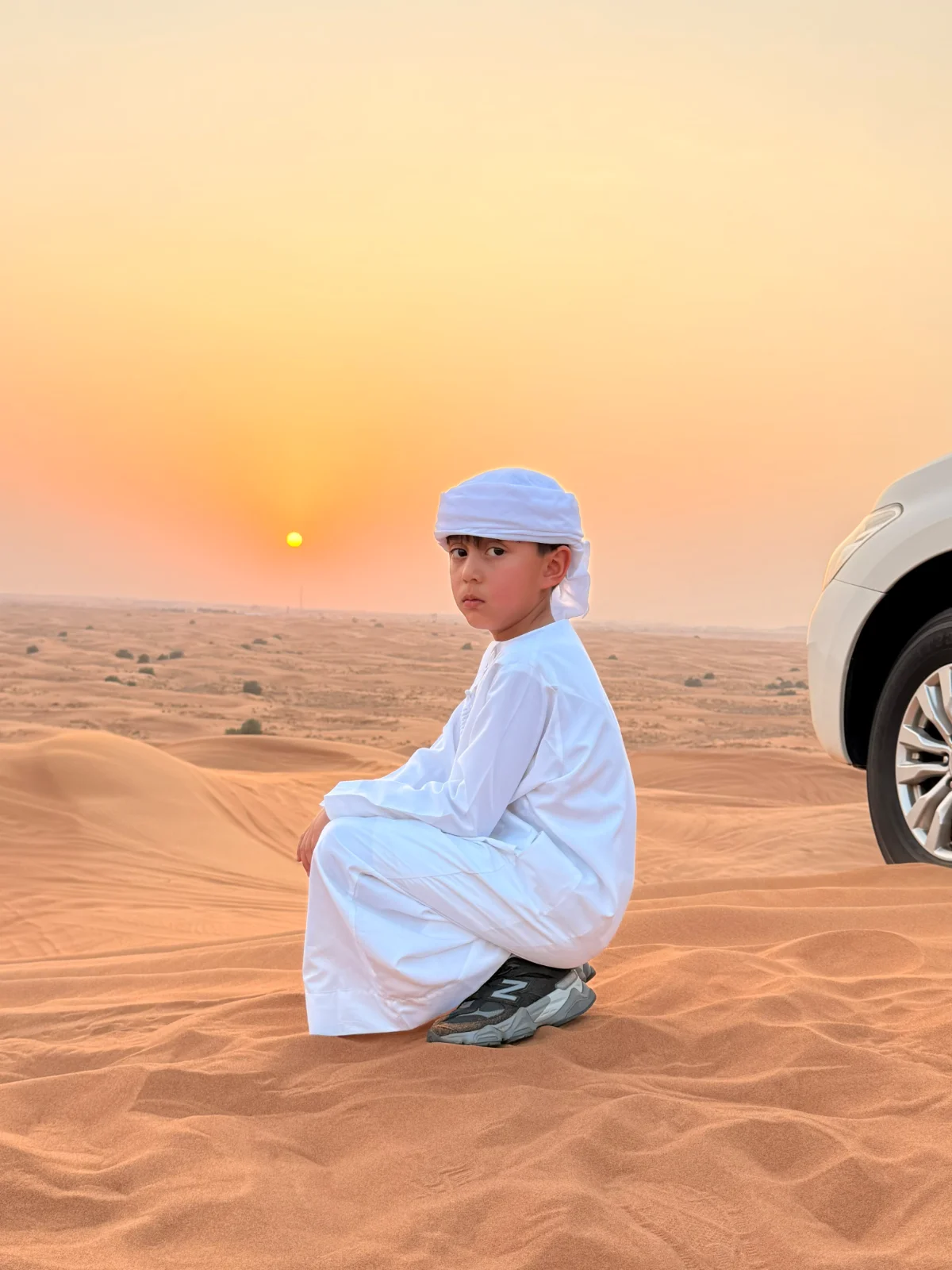
Experience the best of Dubai with our city tours and desert adventures. Explore the city’s iconic landmarks, then escape to the golden dunes for an unforgettable desert safari. Enjoy an exciting dune-bashing ride with our experienced drivers and discover a different side of Dubai beyond the city.
1 Replies
·
35 views


The best time to visit Pilibhit Tiger Reserve is from November to June, when the weather is generally suitable for exploring the forest and enjoying a wildlife safari. Winter, from November to February, is ideal for visitors who prefer pleasant weather, green surroundings, and peaceful nature experiences. March to May is warmer, but early morning and evening safaris can offer exciting opportunities to spot tigers and other wildlife. Summer can be hot, so carrying water, sunscreen, and light cotton clothes is recommended.
If you are planning a trip, the best time to visit Pilibhit Tiger Reserve for tiger sightings is often considered to be March to May, when animals may gather near available water sources. However, tiger sightings are never guaranteed. Before travelling, check the latest safari dates, timings, and availability to plan your visit smoothly.
If you are planning a trip, the best time to visit Pilibhit Tiger Reserve for tiger sightings is often considered to be March to May, when animals may gather near available water sources. However, tiger sightings are never guaranteed. Before travelling, check the latest safari dates, timings, and availability to plan your visit smoothly.
0 Replies
·
19 views

Apart from tigers, Kanha National Park is home to a wide variety of wildlife that makes every jungle safari exciting. Visitors can spot barasingha (swamp deer), chital, sambar deer, Indian gaur, wild boars, langurs, and jackals. The park is especially famous for its hard-ground barasingha, a rare deer species that has been successfully conserved here. Lucky visitors may also catch a glimpse of Indian leopards, sloth bears, or wild dogs, locally known as dholes.
Kanha National Park wildlife safari is also a great experience for bird lovers, as the forest shelters many bird species, including peacocks, kingfishers, eagles, and owls. Wildlife sightings depend on the season, weather, and animal movements. Keep your camera ready, follow your guide’s instructions, and enjoy the beauty of Kanha’s forests beyond tiger sightings.
Kanha National Park wildlife safari is also a great experience for bird lovers, as the forest shelters many bird species, including peacocks, kingfishers, eagles, and owls. Wildlife sightings depend on the season, weather, and animal movements. Keep your camera ready, follow your guide’s instructions, and enjoy the beauty of Kanha’s forests beyond tiger sightings.
0 Replies
·
15 views

Hi, I’m Dala from Tapiri Tours, offering custom trips in Egypt: flights, hotels, tours, and more.
Contact on WhatsApp: +201011520592
Website: https://tapiri-7.com/
Let us help you explore Egypt!
Contact on WhatsApp: +201011520592
Website: https://tapiri-7.com/
Let us help you explore Egypt!
1 Replies
·
475 views

Travel Company: Dav Safaris
Website: www.davsafaris.com
Email: info@davsafaris.com
Tel: +256757795781 or +256701412430
Combining Rwanda Gorilla Trekking with Egypt Tour offers tourists an opportunity to witness the pyramids of Egypt and the endangered mountain gorillas of Rwanda. Let’s help you plan your Egypt Tour and Rwanda gorilla trekking with detailed itineraries, travel tips, and accommodation options for an Egypt Tour and Rwanda gorilla trekking experience.
How to Plan Rwanda Gorilla Trekking with Egypt Tour
Day 1: Arrival in Kigali, Rwanda
Your adventure begins with your arrival in Kigali, the vibrant capital of Rwanda. After clearing customs and immigration, you’ll be greeted by your guide who will transfer you to your hotel. Kigali is known for its cleanliness and safety, making it a pleasant start to your journey. Spend the afternoon exploring the city, visiting the Kigali Genocide Memorial to understand Rwanda’s history, and enjoying a leisurely dinner at one of the city’s top restaurants. Accommodation options range from the budget-friendly Discover Rwanda Youth Hostel to the luxurious Kigali Serena Hotel.
Day 2: Transfer to Volcanoes National Park Rwanda
After breakfast, embark on a scenic drive to Volcanoes National Park, home to the endangered mountain gorillas. The journey takes you through Rwanda’s picturesque countryside, with rolling hills and lush landscapes. Upon arrival, check into your lodge and prepare for the next day’s gorilla trekking adventure. Accommodation options include the budget-friendly Kinigi Guest House, the midrange Le Bambou Gorilla Lodge, and the luxurious Bisate Lodge. Enjoy a hearty dinner and get a good night’s rest in preparation for an early start.
Day 3: Gorilla Trekking in Volcanoes National Park
Today is the highlight of your Rwanda adventure gorilla trekking! After an early breakfast, you’ll head to the park headquarters for a briefing on the trekking rules and guidelines. Accompanied by experienced guides, you’ll trek through the dense forest in search of a gorilla family. The trek can be challenging, but the reward of observing these magnificent creatures in their natural habitat is truly unforgettable. Spend an hour with the gorillas, watching their interactions and behaviors. Return to your lodge for a well-deserved rest and share your experiences over dinner.
Day 4: Transfer to Kigali and Fly to Cairo, Egypt
After breakfast, you’ll drive back to Kigali for your flight to Cairo, Egypt. Upon arrival in Cairo, you’ll be transferred to your hotel. Cairo, the bustling capital of Egypt, is a city of contrasts, where ancient history meets modern life. Spend the evening relaxing at your hotel or exploring the vibrant streets of Cairo on your Egypt Tour. Accommodation options range from the budget-friendly Dahab Hostel to the luxurious Nile Ritz-Carlton.
Day 5: Explore the Pyramids of Giza and Sphinx
Start your Egypt Tour adventure with a visit to the iconic Pyramids of Giza and the Sphinx. These ancient wonders are a testament to Egypt’s rich history and architectural prowess. Your guide will provide fascinating insights into the history and significance of these structures. After exploring the pyramids, enjoy a traditional Egyptian lunch at a nearby restaurant. In the afternoon, visit the Egyptian Museum to see a vast collection of artifacts, including the treasures of Tutankhamun. Return to your hotel for a relaxing evening on an Egypt Tour.
Day 6: Fly to Luxor for River Nile Cruise
Today, you’ll fly to Luxor, the gateway to the Nile River and its ancient temples. Upon arrival, you’ll board your Nile cruise ship, which will be your home for the next few days. Enjoy a delicious lunch on board as you sail towards the first stop, the Temple of Karnak. Explore this vast complex, dedicated to the god Amun, and marvel at its impressive columns and statues. Return to the ship for dinner and an evening of relaxation.
Day 7-9: Nile Cruise and Explore Ancient Temples
Over the next three days, you’ll cruise along the Nile, stopping at various ancient sites. Visit the Valley of the Kings, where the tombs of pharaohs, including Tutankhamun, are located. Explore the Temple of Hatshepsut, dedicated to one of Egypt’s few female pharaohs. Other highlights include the temples of Edfu and Kom Ombo. Each day, enjoy Egypt Tour guided tours, delicious meals on board, and the stunning scenery of the Nile River. In the evenings, relax on the deck and watch the sunset over the river.
Day 10: Return to Cairo and Departure
On your final day, you’ll return to Cairo for your departure flight. Depending on your flight time, you may have the opportunity to do some last-minute shopping or visit additional sites in Cairo. Reflect on the incredible experiences of your journey, from the gorilla trekking in Rwanda to the ancient wonders of Egypt. Your Egypt Tour adventure concludes with your transfer to the airport for your flight home.
Are There Animals to See on an Egypt Tour?
Yes, there are animals to see on an Egyptian safari. An Egypt Tour offers a unique opportunity to see a variety of animals in their natural habitats. From the majestic Nile crocodile to the elusive desert fox, Egypt’s diverse ecosystems are home to a wide range of wildlife. You can also spot various bird species, including the beautiful Egyptian vulture and the striking African fish eagle. Whether you’re exploring the Nile River or venturing into the Western Desert, an Egypt Tour promises exciting wildlife encounters.
Can You Do an Egypt Tour from Cairo?
Yes, you can do an Egypt Tour from Cairo. Cairo serves as a convenient starting point for an Egypt Tour. From Cairo, you can easily access various safari destinations, including the Western Desert, the Nile River, and the Red Sea coast. Dav Safaris offers day trips and multi-day safaris that depart from Cairo, making it easy to incorporate an Egypt Tour into your travel plans.
Is It Safe to Take an Egypt Tour and Rwanda Gorilla Trekking?
Yes, it is safe to take an Egypt Tour with a Rwanda gorilla trekking safari. Safety is a top priority for travelers, and both Egypt and Rwanda have made significant efforts to ensure the safety of tourists. In Rwanda, gorilla trekking is conducted under strict regulations by the Rwanda Development Board (RDB) to protect both the gorillas and visitors. Trained guides accompany trekkers, and safety briefings are provided before each trek. In Egypt, reputable tour operators follow safety protocols, and popular tourist areas are well-secured. As with any travel, it’s important to stay informed about current conditions and follow the advice of local authorities and tour operators.
How Should I Dress for an Egypt Tour and Rwanda Gorilla Trekking?
Dressing appropriately for an Egypt Tour and Rwanda gorilla trekking is essential for comfort and safety. For gorilla trekking, wear long-sleeved shirts, long pants, and sturdy hiking boots to protect against insects and rough terrain. A waterproof jacket is also recommended. For an Egypt Tour, lightweight, breathable clothing is ideal for the hot desert climate. Don’t forget a wide-brimmed hat, sunglasses, and sunscreen to protect against the sun. Comfortable walking shoes are also a must for exploring ancient sites and natural landscapes.
Do I Need a Visa for Egypt Tour and Rwanda Gorilla Trekking?
Yes, tourists typically need visas for both Egypt and Rwanda. For Rwanda, you can apply for an e-visa online or obtain a visa on arrival. For Egypt, you can also apply for an e-visa or get a visa on arrival at major airports. It’s important to check the specific visa requirements for your nationality and ensure that your passport is valid for at least six months from the date of entry.
Which is the Best Month to Visit for Egypt Tour and Rwanda Gorilla Trekking?
The best time to visit for an Egypt Tour and Rwanda gorilla trekking depends on the weather and wildlife viewing opportunities. For Rwanda gorilla trekking, the dry seasons from June to September and December to February are ideal, as the trails are less muddy and the weather is more pleasant. For an Egypt Tour, the cooler months from October to April are recommended, as the temperatures are more comfortable for exploring the desert and ancient sites.
How to Get There for Egypt Tour and Rwanda Gorilla Trekking
Getting to Rwanda and Egypt is relatively straightforward. For Rwanda, fly into Kigali International Airport, which is well-connected to major international hubs. From Kigali, you can take a domestic flight or drive to Volcanoes National Park. For Egypt, fly into Cairo International Airport, which serves as the main gateway to the country. From Cairo, you can take domestic flights or arrange ground transportation to your safari destinations.
What to Bring for an Egypt Tour and Rwanda Gorilla Trekking Safari
Packing the right gear is crucial for a successful safari and trekking experience. For Rwanda gorilla trekking, bring sturdy hiking boots, long-sleeved shirts, long pants, a waterproof jacket, insect repellent, and a good camera. For an Egypt Tour, pack lightweight clothing, a wide-brimmed hat, sunglasses, sunscreen, comfortable walking shoes, and a reusable water bottle. Don’t forget your travel documents, including your passport, visa, and travel insurance.
Where to Sleep, Eat, and Drink on an Egypt Tour and Rwanda Gorilla Trekking
Accommodation options for an Egypt Tour and Rwanda gorilla trekking range from budget-friendly to luxurious. In Rwanda, you can stay in lodges and camps near Volcanoes National Park, offering comfortable amenities and stunning views. In Egypt, choose from a variety of hotels, resorts, and Nile cruises that cater to different budgets and preferences. Both countries offer delicious local cuisine, with plenty of options for dining and drinking. In Rwanda, try traditional dishes like Ugali and Nyama Choma, while in Egypt, savor the flavors of Koshari and Falafel.
Why Book an Egypt Tour and Rwanda Gorilla Trekking with Dav Safaris?
Booking your Egypt Tour and Rwanda gorilla trekking with Dav Safaris ensures a seamless and memorable experience. With expert guides, personalized itineraries, and a commitment to sustainable tourism, Dav Safaris offers the best of both worlds. Whether you’re trekking through the forests of Rwanda or exploring the deserts of Egypt, Dav Safaris provides exceptional service and unforgettable adventures. Don’t miss out on this unique opportunity to combine two incredible destinations into one epic journey.
Feel free to contact our team if you need additional details about an Egypt Tour and Rwanda Gorilla Trekking Safari.
1 Replies
·
286 views