
forum4travel

Travel Company: Dav Safaris
Website: www.davsafaris.com
Email: info@davsafaris.com
Tel: +256757795781 or +256701412430
You are combining the best of Rwanda with Safari Uganda. From Volcanoes National Park in Rwanda to Bwindi Impenetrable National Park in Uganda. This combo offers tourists an opportunity to see the mountain gorillas in their natural habitat.
How to Plan a 14-Day Rwanda and Safari Uganda Itinerary
Day 1: Arrival in Kigali, Rwanda
Main Destination: Kigali Accommodation: Kigali Serena Hotel (Luxury), Heaven Boutique Hotel (Mid-range), Discover Rwanda Youth Hostel (Budget) Meal Plan: Dinner
Arrive at Kigali International Airport and transfer to your hotel. After check-in, enjoy a city tour of Kigali, visiting the Kigali Genocide Memorial and local markets. Dinner at the hotel.
Day 2: Kigali to Nyungwe Forest National Park
Main Destination: Nyungwe Forest National Park Accommodation: Nyungwe House (Luxury), Nyungwe Top View Hill Hotel (Mid-range), Gisakura Guest House (Budget) Meal Plan: Breakfast, Lunch, Dinner
Depart Kigali for Nyungwe Forest National Park. En route, stop at the King’s Palace Museum in Nyanza. Arrive in Nyungwe and check into your lodge. Afternoon at leisure.
Day 3: Chimpanzee Trekking and Canopy Walk
Main Destination: Nyungwe Forest National Park Accommodation: Nyungwe House (Luxury), Nyungwe Top View Hill Hotel (Mid-range), Gisakura Guest House (Budget) Meal Plan: Breakfast, Lunch, Dinner
Early morning chimpanzee trekking in Nyungwe Forest. After lunch, experience the canopy walk, offering stunning views of the forest. Return to the lodge for dinner.
Day 4: Transfer to Volcanoes National Park
Main Destination: Volcanoes National Park Accommodation: Bisate Lodge (Luxury), Le Bambou Gorilla Lodge (Mid-range), Kinigi Guest House (Budget) Meal Plan: Breakfast, Lunch, Dinner
Travel to Volcanoes National Park, home of the mountain gorillas. Check into your lodge and relax. Optional visit to the Iby’iwacu Cultural Village in the afternoon.
Day 5: Gorilla Trekking in Volcanoes National Park
Main Destination: Volcanoes National Park Accommodation: Bisate Lodge (Luxury), Le Bambou Gorilla Lodge (Mid-range), Kinigi Guest House (Budget) Meal Plan: Breakfast, Lunch, Dinner
Embark on a thrilling gorilla trekking adventure. Spend an hour with the gorillas, observing their behavior. Return to the lodge for lunch and relaxation.
Day 6: Golden Monkey Trekking and Transfer to Lake Kivu
Main Destination: Lake Kivu Accommodation: Lake Kivu Serena Hotel (Luxury), Paradise Malahide (Mid-range), Inzu Lodge (Budget) Meal Plan: Breakfast, Lunch, Dinner
Morning golden monkey trekking in Volcanoes National Park. After lunch, drive to Lake Kivu. Enjoy a boat ride on the lake and relax at your lodge.
Day 7: Transfer to Bwindi Impenetrable National Park, Uganda
Main Destination: Bwindi Impenetrable National Park Accommodation: Sanctuary Gorilla Forest Camp (Luxury), Buhoma Lodge (Mid-range), Buhoma Community Rest Camp (Budget) Meal Plan: Breakfast, Lunch, Dinner
On this day you will Cross the border into Uganda and head to Bwindi Impenetrable National Park. Check into your lodge and prepare for the next day’s gorilla trekking.
Day 8: Gorilla Trekking in Bwindi
Main Destination: Bwindi Impenetrable National Park Accommodation: Sanctuary Gorilla Forest Camp (Luxury), Buhoma Lodge (Mid-range), Buhoma Community Rest Camp (Budget) Meal Plan: Breakfast, Lunch, Dinner
Another day of gorilla trekking, this time in Bwindi Impenetrable Forest. Enjoy the unique experience of observing these magnificent creatures in their natural habitat. Return to the lodge for dinner.
Day 9: Transfer to Queen Elizabeth National Park
Main Destination: Queen Elizabeth National Park Accommodation: Mweya Safari Lodge (Luxury), Enganzi Game Lodge (Mid-range), Simba Safari Camp (Budget) Meal Plan: Breakfast, Lunch, Dinner
Travel to Queen Elizabeth National Park. After check-in, enjoy an afternoon game drive, spotting elephants, lions, and other wildlife. Dinner at the lodge.
Day 10: Game Drive and Boat Safari on Kazinga Channel
Main Destination: Queen Elizabeth National Park Accommodation: Mweya Safari Lodge (Luxury), Enganzi Game Lodge (Mid-range), Simba Safari Camp (Budget) Meal Plan: Breakfast, Lunch, Dinner
Morning game drive in the park. After lunch, take a boat safari on the Kazinga Channel, known for its high concentration of hippos and birds. Return to the lodge for dinner.
Day 11: Transfer to Kibale Forest National Park
Main Destination: Kibale Forest National Park Accommodation: Kyaninga Lodge (Luxury), Primate Lodge (Mid-range), Chimpanzee Guest House (Budget) Meal Plan: Breakfast, Lunch, Dinner
Drive to Kibale Forest National Park, famous for its chimpanzee population. Check into your lodge and relax. Optional nature walks in the evening.
Day 12: Chimpanzee Trekking in Kibale
Main Destination: Kibale Forest National Park Accommodation: Kyaninga Lodge (Luxury), Primate Lodge (Mid-range), Chimpanzee Guest House (Budget) Meal Plan: Breakfast, Lunch, Dinner
Early morning chimpanzee trekking in Kibale Forest. After lunch, visit the Bigodi Wetland Sanctuary for bird watching and a community walk. Return to the lodge for dinner.
Day 13: Transfer to Murchison Falls National Park
Main Destination: Murchison Falls National Park Accommodation: Paraa Safari Lodge (Luxury), Murchison River Lodge (Mid-range), Red Chilli Rest Camp (Budget) Meal Plan: Breakfast, Lunch, Dinner
Travel to Murchison Falls National Park. Check into your lodge and enjoy an evening game drive. Dinner at the lodge.
Day 14: Game Drive and Boat Safari to Murchison Falls
Main Destination: Murchison Falls National Park Accommodation: Paraa Safari Lodge (Luxury), Murchison River Lodge (Mid-range), Red Chilli Rest Camp (Budget) Meal Plan: Breakfast, Lunch, Dinner
Morning game drive followed by a boat safari to the base of Murchison Falls. Hike to the top of the falls for breathtaking views. Return to the lodge for dinner.
This itinerary offers a comprehensive experience of Rwanda and Uganda, combining wildlife safaris, cultural encounters, and breathtaking landscapes. Enjoy your adventure!
What to Do in Rwanda and Safari Uganda
When it comes to activities, combining Rwanda with Safari Uganda offers endless possibilities. In Rwanda, embarking on a gorilla trek in Volcanoes National Park is a once-in-a-lifetime experience. Feel the thrill of encountering these gentle giants in their natural habitat. Beyond gorillas, Rwanda’s Nyungwe Forest is perfect for those who enjoy hiking and birdwatching. Kigali, the capital, offers a rich cultural experience, from visiting the Kigali Genocide Memorial to exploring vibrant markets. In Uganda, the adventure continues with game drives in Murchison Falls National Park, where you can see a diverse range of wildlife.
Best Time for Rwanda Safari Uganda
Timing is crucial when planning your combined Rwanda and Safari Uganda adventure. For the best experience, aim to visit during the dry season. December to February and June to September. These months provide ideal conditions for gorilla trekking and game drives. The dry weather makes wildlife more visible as animals gather around water sources, and trails are easier to navigate. Plus, the scenery is breathtaking, with clear skies and vibrant landscapes. Whether you’re trekking through Rwanda’s lush forests or exploring Uganda’s vast savannahs, visiting during the dry seasons ensures an optimal Safari Uganda experience.
How to Get to Rwanda and Safari Uganda
Traveling to Rwanda and Safari Uganda is easier than you might think. International flights to Kigali International Airport in Rwanda and Entebbe International Airport in Uganda are readily available. From these airports, you have several transportation options. Domestic flights, private transfers, and guided tours can seamlessly connect you to the best safari destinations. Combining Rwanda with Safari Uganda allows you to take advantage of well-established travel routes, ensuring you can explore both countries without hassle. This flexibility enhances your overall Safari Uganda experience, making it accessible and enjoyable.
Where to Sleep, Eat, and Drink in Rwanda with Safari Uganda
Accommodation and dining are key parts of your combined Rwanda and Safari Uganda adventure. Both countries offer a range of options, from luxury lodges to budget-friendly campsites. In Rwanda, Kigali boasts top-notch restaurants and bars, offering everything from local cuisine to international dishes. In Uganda, Entebbe and Kampala are culinary hotspots with diverse food scenes. Savoring local dishes and enjoying warm hospitality will add an extra layer to your safari Uganda experience. Whether you’re looking for comfort or adventure, there are plenty of options to suit your needs and preferences.
What to Bring for Rwanda with Safari Uganda
Packing for a combined Rwanda and Safari Uganda trip requires careful planning. Here are some essentials to consider:
Comfortable Clothing: Opt for breathable, quick-dry fabrics suitable for trekking and game drives.
Sturdy Hiking Boots: Essential for navigating rugged terrains.
Insect Repellent: To keep those pesky bugs at bay.
Good Camera: Capture unforgettable moments with a high-quality camera.
Binoculars: Enhance your wildlife viewing experience.
Lightweight Layers: Stay comfortable in varying weather conditions.
Travel Documents and Medications: Ensure you have all necessary paperwork and any required medications.
Why Book a Rwanda and Safari Uganda with Dav Safaris?
Booking your combined Rwanda and Safari Uganda adventure with Dav Safaris is the best way to ensure a seamless and unforgettable experience. Dav Safaris offers expert guides, personalized itineraries, and in-depth knowledge of the region. Our attention to detail and commitment to providing a top-notch safari Uganda adventure means you can relax and enjoy every moment of your trip. From gorilla trekking in Rwanda to exploring Uganda’s wildlife-rich parks, Dav Safaris will make your East African adventure a dream come true.
Feel free to contact our team through our website for any inquiries and additional information regarding the Rwanda and Safari Uganda trip.
0 Replies
·
259 views
在线购买高品质伪钞(微信 ID:Wilsonyati),购买美元 (USD)、人民币 (RMB)(电子邮箱:wilsonyati.dr@gmail.com)、加元 (CAD)、美元假钞、人民币假钞、港元 (HKD)、澳元 (AUD) 及欧元 (EUR)(WhatsApp:+1 702 748 9503)。提供高品质、难以察觉的伪钞。
微信 ID:wilsonyati
WhatsApp:+17027489503
电子邮箱:wilsonyati.dr@gmail.com
Telegram:wilsonyati
购买 TCF、TEF、托福 (TOEFL)、雅思 (IELTS)、托业 (TOEIC) 考试成绩(电子邮箱:wilsonyati.dr@gmail.com)。办理加拿大公民身份、美国公民身份,咨询如何移民加拿大。提供驾照、身份证、美国绿卡(Telegram:wilsonyati)、社会安全号码 (SSN)、工作许可、各类身份证明文件(如国民保险卡、NIN、SIN)、结婚证及出生证明(微信 ID:wilsonyati)。
想要以全新的身份开启人生新篇章吗?保护个人隐私、建立全新的信用记录、规避犯罪记录审查,重获自由?立即申请您的全新身份!微信号:wilsonyati
WhatsApp:+17027489503
电子邮箱:wilsonyati.dr@gmail.com
Telegram:wilsonyati
我们公司在伪造护照及其他身份证件方面拥有多年经验。我们采用优质设备与材料制作各类伪造护照,并能精细复刻真护照上的所有防伪特征。我们是高品质伪造证件领域的顶尖制作方。
0 Replies
·
14 views
在线购买护照(微信 ID:Wilsonyati),包括美国护照、中国护照、加拿大护照、香港护照、新加坡护照、澳大利亚护照及外交护照。此外还提供美国签证、各类驾照、加拿大永久居民卡(枫叶卡)(电子邮箱:wilsonyati.dr@gmail.com)、社会安全号码 (SSN) 等。我们提供的护照均已在政府数据库中注册。另可办理美国公民身份、美国绿卡(WhatsApp:+17027489503,Telegram:wilsonyati)。
微信 ID:wilsonyati
WhatsApp:+17027489503
电子邮箱:wilsonyati.dr@gmail.com
Telegram:wilsonyati
购买 TCF、TEF、托福 (TOEFL)、雅思 (IELTS)、托业 (TOEIC) 考试成绩(电子邮箱:wilsonyati.dr@gmail.com)。办理加拿大公民身份、美国公民身份,咨询如何移民加拿大。提供驾照、身份证、美国绿卡(Telegram:wilsonyati)、社会安全号码 (SSN)、工作许可、各类身份证明文件(如国民保险卡、NIN、SIN)、结婚证及出生证明(微信 ID:wilsonyati)。
想要以全新的身份开启人生新篇章吗?保护个人隐私、建立全新的信用记录、规避犯罪记录审查,重获自由?立即申请您的全新身份!微信号:wilsonyati
WhatsApp:+17027489503
电子邮箱:wilsonyati.dr@gmail.com
Telegram:wilsonyati
我们公司在伪造护照及其他身份证件方面拥有多年经验。我们采用优质设备与材料制作各类伪造护照,并能精细复刻真护照上的所有防伪特征。我们是高品质伪造证件领域的顶尖制作方。
0 Replies
·
14 views

Planning an Island Peak expedition in Nepal involves more than booking flights and preparing climbing equipment. One important part of the preparation is understanding the permits required for the climb and how much they add to your overall budget.
Island Peak, also known as Imja Tse, stands at 6,189 metres in the Everest region. It attracts trekkers who want to experience technical Himalayan climbing, but the paperwork and fees can be confusing when you are planning your first expedition.
However, this is only the climbing permit fee. You should also account for applicable national park and local entry charges, along with any expedition deposits or administrative costs that apply.
When comparing expedition packages, check whether these charges are included in the quoted price. A package that initially looks cheaper may leave several expenses for you to pay separately.
Before paying, ask for a clear breakdown of the permit charges and confirmation of which documents are included in your package. This can help prevent last-minute surprises in Kathmandu.
For a more detailed breakdown of the island peak permit cost, including current fees and application guidance, this TrekYaari guide may be useful while preparing your budget.
I would recommend checking these details before confirming a booking rather than relying on the headline package price alone.
A question for fellow trekkers and climbers: When planning a Himalayan expedition, do you prefer an all-inclusive package that handles permits and logistics, or do you prefer to compare each expense separately? It would be interesting to hear how others manage their expedition budgets.
Island Peak, also known as Imja Tse, stands at 6,189 metres in the Everest region. It attracts trekkers who want to experience technical Himalayan climbing, but the paperwork and fees can be confusing when you are planning your first expedition.
What Permits Do You Need for Island Peak?
Climbers generally need to arrange the following permits and entry documents:- Island Peak climbing permit: Issued by the Nepal Mountaineering Association (NMA), this is the main permit required for the ascent.
- Sagarmatha National Park entry permit: Required to enter the national park through which the trekking route passes.
- Khumbu Pasang Lhamu Rural Municipality permit: Required for entry into the Khumbu region.
How Much Does the Island Peak Permit Cost?
The NMA climbing permit fee depends on the season. The published 2026 fee schedule lists the Island Peak permit at US$350 per climber during spring (March–May) and US$175 during autumn, winter, and summer.However, this is only the climbing permit fee. You should also account for applicable national park and local entry charges, along with any expedition deposits or administrative costs that apply.
When comparing expedition packages, check whether these charges are included in the quoted price. A package that initially looks cheaper may leave several expenses for you to pay separately.
How Do You Apply for the Permit?
The simplest approach is to contact a licensed Nepali trekking agency that arranges mountaineering expeditions. The agency can explain the documentation required, process the relevant applications, and confirm the fees applicable to your planned climbing dates.Before paying, ask for a clear breakdown of the permit charges and confirmation of which documents are included in your package. This can help prevent last-minute surprises in Kathmandu.
For a more detailed breakdown of the island peak permit cost, including current fees and application guidance, this TrekYaari guide may be useful while preparing your budget.
What Else Should You Include in Your Budget?
Permits are only one part of the total expedition cost. Remember to consider accommodation, meals, transportation, climbing guides, porter services, insurance, equipment rental, and emergency expenses. The final amount will depend on your itinerary, the services included, and whether you join a group or arrange a private expedition.I would recommend checking these details before confirming a booking rather than relying on the headline package price alone.
A question for fellow trekkers and climbers: When planning a Himalayan expedition, do you prefer an all-inclusive package that handles permits and logistics, or do you prefer to compare each expense separately? It would be interesting to hear how others manage their expedition budgets.
1 Replies
·
25 views
For anyone planning a Himalayan mountaineering journey, choosing the right peak can make a real difference to both safety and experience. Island Peak and Ama Dablam are two well-known objectives in Nepal's Khumbu region, but they offer very different climbing challenges.
Island Peak reaches 6,189 metres, while Ama Dablam stands at 6,812 metres. The difference is not just their height. Island Peak provides an introduction to technical climbing at altitude, whereas Ama Dablam demands a stronger foundation in rock climbing, ice climbing, fixed-rope techniques, and exposed mountain terrain.
Although it is sometimes described as a trekking peak, it should not be underestimated. Previous high-altitude experience, proper acclimatisation, and practical mountaineering training can help climbers prepare for its challenges.
For many climbers, the expedition provides valuable experience in handling equipment and making decisions in a high-altitude environment.
Good physical fitness is important, but it is not enough on its own. Climbers should have relevant technical training and previous experience with high-altitude climbing before considering this mountain.
The right preparation may include completing mountaineering courses and attempting suitable technical peaks before moving on to Ama Dablam.
After Island Peak, climbers can assess their strengths and weaknesses and consider another objective, such as Lobuche East, to develop their technical skills further.
The best progression depends on your previous climbs, training, and experience. There is no need to rush towards a more difficult summit simply because it is higher or more famous.
I came across this detailed island peak vs ama dablam comparison while exploring the differences between these two expeditions. It offers a useful starting point for understanding the skills, preparation, and experience climbers should consider before choosing their next objective.
It is also worth speaking honestly with your expedition operator about your previous climbing experience. A responsible operator should help you understand whether your current skills match the demands of the mountain.
What would you choose? If you have already completed a high-altitude trek or mountaineering course, would you attempt Island Peak first, or do you think your existing experience would prepare you for Ama Dablam? It would be great to hear other climbers' experiences and recommendations.
Island Peak reaches 6,189 metres, while Ama Dablam stands at 6,812 metres. The difference is not just their height. Island Peak provides an introduction to technical climbing at altitude, whereas Ama Dablam demands a stronger foundation in rock climbing, ice climbing, fixed-rope techniques, and exposed mountain terrain.
What Makes Island Peak a Good Starting Point?
Island Peak, also known as Imja Tse, is often considered a stepping stone for trekkers moving towards technical mountaineering. The route involves glacier travel, crampon use, fixed ropes, and a demanding summit headwall.Although it is sometimes described as a trekking peak, it should not be underestimated. Previous high-altitude experience, proper acclimatisation, and practical mountaineering training can help climbers prepare for its challenges.
For many climbers, the expedition provides valuable experience in handling equipment and making decisions in a high-altitude environment.
Why Is Ama Dablam More Demanding?
Ama Dablam is a more technical undertaking. Its exposed ridges, steep rock sections, ice climbing, and sustained use of fixed ropes require confidence and experience on challenging terrain.Good physical fitness is important, but it is not enough on its own. Climbers should have relevant technical training and previous experience with high-altitude climbing before considering this mountain.
The right preparation may include completing mountaineering courses and attempting suitable technical peaks before moving on to Ama Dablam.
Island Peak vs Ama Dablam: Which Should You Climb First?
For climbers who have not yet developed substantial technical mountaineering experience, Island Peak is generally the more sensible choice before Ama Dablam. It offers an opportunity to practise important skills in a high-altitude setting without committing to the same level of sustained technical climbing.After Island Peak, climbers can assess their strengths and weaknesses and consider another objective, such as Lobuche East, to develop their technical skills further.
The best progression depends on your previous climbs, training, and experience. There is no need to rush towards a more difficult summit simply because it is higher or more famous.
I came across this detailed island peak vs ama dablam comparison while exploring the differences between these two expeditions. It offers a useful starting point for understanding the skills, preparation, and experience climbers should consider before choosing their next objective.
What Should You Consider Before Booking?
Before committing to either expedition, look beyond the advertised altitude and package price. Check the itinerary, acclimatisation schedule, guide qualifications, technical training arrangements, equipment requirements, and emergency procedures.It is also worth speaking honestly with your expedition operator about your previous climbing experience. A responsible operator should help you understand whether your current skills match the demands of the mountain.
What would you choose? If you have already completed a high-altitude trek or mountaineering course, would you attempt Island Peak first, or do you think your existing experience would prepare you for Ama Dablam? It would be great to hear other climbers' experiences and recommendations.
1 Replies
·
29 views
Climbing Island Peak in Nepal is an exciting goal for anyone who wants to move from high-altitude trekking into mountaineering. At 6,189 metres, the mountain offers an experience that goes beyond ordinary hiking, with glacier travel, steep sections, fixed ropes, and a demanding summit day.
For Indian climbers, preparing for this expedition can be challenging when most training happens at lower altitudes. You might have access to gyms, local hills, staircases, and weekend hikes, but the key is to use them consistently and build your fitness over time.
Start with brisk walking, jogging, cycling, or swimming to improve cardiovascular endurance. Add strength exercises such as squats, lunges, step-ups, and core workouts two or three times a week.
If you live in a city without nearby mountains, stairs can be useful for developing uphill stamina. Begin with manageable sessions and increase the duration gradually.
Months 3–4: Develop Mountain Endurance
Increase the length of your weekend hikes and practise walking with a backpack. Include sustained uphill sections whenever possible and learn how to manage your pace on longer outings.
This is also a good time to explore formal mountaineering training. Learn about crampon use, ice axe techniques, harnesses, fixed ropes, and glacier safety through qualified instructors.
Month 5: Practise for Expedition Conditions
Focus on longer hikes, consecutive days of moderate activity, and carrying a suitably weighted pack. Practise eating and drinking regularly during exercise, and test the footwear and clothing you plan to use.
Avoid suddenly increasing your training load. The goal is to arrive at the expedition feeling prepared, not injured or exhausted.
Month 6: Refine Your Fitness and Recover
Maintain your endurance and strength while reducing training volume as departure approaches. Use the final weeks to organise equipment, review safety procedures, and prepare for the itinerary.
You should not try to compensate for months of missed training with intense workouts just before the climb.
However, physical fitness does not eliminate the risks of altitude sickness. Acclimatisation during the expedition remains essential, and no training plan can guarantee that your body will adapt well to 6,000 metres.
I found this topic worth exploring because a structured island peak training plan can help climbers organise their preparation into manageable stages rather than trying to do everything at the last minute.
One question for fellow trekkers: If you had six months to prepare for your first 6,000-metre peak, what would you prioritise most: strength training, long hikes, cardio, or technical mountaineering practice? It would be interesting to hear how other climbers balance these areas.
Note: This is a general preparation framework, not an individualised training prescription. Adjust the workload to your current fitness and seek qualified medical or coaching advice where appropriate.
For Indian climbers, preparing for this expedition can be challenging when most training happens at lower altitudes. You might have access to gyms, local hills, staircases, and weekend hikes, but the key is to use them consistently and build your fitness over time.
How Should You Train for Island Peak?
A good preparation routine should cover four areas: cardiovascular endurance, leg strength, uphill stamina, and basic mountaineering skills. You do not need to train at maximum intensity every day. Consistency, recovery, and gradual progress matter more than exhausting yourself during every workout.A Practical Six-Month Preparation Timeline
Months 1–2: Build Your Fitness BaseStart with brisk walking, jogging, cycling, or swimming to improve cardiovascular endurance. Add strength exercises such as squats, lunges, step-ups, and core workouts two or three times a week.
If you live in a city without nearby mountains, stairs can be useful for developing uphill stamina. Begin with manageable sessions and increase the duration gradually.
Months 3–4: Develop Mountain Endurance
Increase the length of your weekend hikes and practise walking with a backpack. Include sustained uphill sections whenever possible and learn how to manage your pace on longer outings.
This is also a good time to explore formal mountaineering training. Learn about crampon use, ice axe techniques, harnesses, fixed ropes, and glacier safety through qualified instructors.
Month 5: Practise for Expedition Conditions
Focus on longer hikes, consecutive days of moderate activity, and carrying a suitably weighted pack. Practise eating and drinking regularly during exercise, and test the footwear and clothing you plan to use.
Avoid suddenly increasing your training load. The goal is to arrive at the expedition feeling prepared, not injured or exhausted.
Month 6: Refine Your Fitness and Recover
Maintain your endurance and strength while reducing training volume as departure approaches. Use the final weeks to organise equipment, review safety procedures, and prepare for the itinerary.
You should not try to compensate for months of missed training with intense workouts just before the climb.
What If You Train at Low Altitude in India?
You can build a strong fitness base in cities such as Delhi, Mumbai, Bengaluru, or Pune without living near high mountains. Stair climbing, treadmill inclines, strength training, and regular hikes can all help.However, physical fitness does not eliminate the risks of altitude sickness. Acclimatisation during the expedition remains essential, and no training plan can guarantee that your body will adapt well to 6,000 metres.
I found this topic worth exploring because a structured island peak training plan can help climbers organise their preparation into manageable stages rather than trying to do everything at the last minute.
How Important Is Technical Training?
Fitness alone is not enough for Island Peak. Climbers should have appropriate instruction in mountaineering techniques and understand how to use the equipment required for the route. If you have never used crampons or fixed ropes, arrange practical training before the expedition rather than expecting to learn everything during the summit push.One question for fellow trekkers: If you had six months to prepare for your first 6,000-metre peak, what would you prioritise most: strength training, long hikes, cardio, or technical mountaineering practice? It would be interesting to hear how other climbers balance these areas.
Note: This is a general preparation framework, not an individualised training prescription. Adjust the workload to your current fitness and seek qualified medical or coaching advice where appropriate.
1 Replies
·
25 views
Island Peak in Nepal is a popular choice for trekkers who want to move beyond ordinary hiking and experience high-altitude mountaineering. Standing at 6,189 metres, it looks like an exciting objective, especially for people who have already completed demanding Himalayan treks. However, the climb involves more than walking uphill with a backpack.
One thing worth understanding before planning an expedition is the difference between physical fitness and climbing ability. You might be comfortable hiking for several hours, but glacier travel, cold temperatures, reduced oxygen, and steep snow or ice can make the summit attempt much harder than expected. The final section also requires climbers to use fixed ropes and appropriate mountaineering equipment.
For anyone researching is island peak hard, the honest answer is yes, it can be challenging, but the difficulty depends on preparation, altitude tolerance, experience, and mountain conditions.
At nearly 6,200 metres, the mountain puts considerable stress on the body. Even fit hikers may experience fatigue, breathlessness, headaches, or other symptoms associated with altitude. Proper acclimatisation and recognising warning signs are essential.
2. The summit headwall
The steep headwall is one of the most demanding parts of the climb. Depending on conditions, climbers may need crampons, an ice axe, a harness, and an ascender to move safely on fixed ropes. Learning these techniques before summit day can make a significant difference.
3. A long summit day
The summit attempt often begins during the night and can involve many hours of climbing in freezing temperatures. Maintaining a steady pace, staying hydrated, and managing energy are just as important as physical strength.
Previous experience at altitude is valuable, and learning basic mountaineering skills beforehand is strongly recommended. A qualified expedition team should assess your readiness and provide appropriate equipment training.
Weather, snow conditions, and individual responses to altitude can change the difficulty considerably, so reaching the summit should never be the only measure of a successful expedition.
What about you? Have you climbed Island Peak, or are you considering it for your first 6,000-metre summit? Which part concerns you most: the altitude, the technical headwall, or the long summit day? It would be great to hear other climbers' thoughts and preparation tips.
One thing worth understanding before planning an expedition is the difference between physical fitness and climbing ability. You might be comfortable hiking for several hours, but glacier travel, cold temperatures, reduced oxygen, and steep snow or ice can make the summit attempt much harder than expected. The final section also requires climbers to use fixed ropes and appropriate mountaineering equipment.
For anyone researching is island peak hard, the honest answer is yes, it can be challenging, but the difficulty depends on preparation, altitude tolerance, experience, and mountain conditions.
What Makes Island Peak Difficult?
1. High altitudeAt nearly 6,200 metres, the mountain puts considerable stress on the body. Even fit hikers may experience fatigue, breathlessness, headaches, or other symptoms associated with altitude. Proper acclimatisation and recognising warning signs are essential.
2. The summit headwall
The steep headwall is one of the most demanding parts of the climb. Depending on conditions, climbers may need crampons, an ice axe, a harness, and an ascender to move safely on fixed ropes. Learning these techniques before summit day can make a significant difference.
3. A long summit day
The summit attempt often begins during the night and can involve many hours of climbing in freezing temperatures. Maintaining a steady pace, staying hydrated, and managing energy are just as important as physical strength.
Can a Beginner Climb Island Peak?
A beginner with good fitness, suitable high-altitude preparation, and proper professional guidance may be able to attempt Island Peak. However, it should not be treated as an easy first mountain simply because it is commonly described as a trekking peak.Previous experience at altitude is valuable, and learning basic mountaineering skills beforehand is strongly recommended. A qualified expedition team should assess your readiness and provide appropriate equipment training.
How Would You Prepare for Island Peak?
If I were planning this climb, I would focus on three things: building endurance through regular uphill hikes, improving leg and cardiovascular strength, and learning the basics of crampon and fixed-rope use. I would also choose an itinerary with adequate acclimatisation days rather than trying to save time by rushing the approach.Weather, snow conditions, and individual responses to altitude can change the difficulty considerably, so reaching the summit should never be the only measure of a successful expedition.
What about you? Have you climbed Island Peak, or are you considering it for your first 6,000-metre summit? Which part concerns you most: the altitude, the technical headwall, or the long summit day? It would be great to hear other climbers' thoughts and preparation tips.
0 Replies
·
15 views
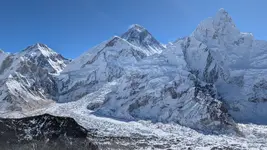
Choosing your next Himalayan summit is about more than altitude. Two peaks that often come up in mountaineering discussions are Island Peak (6,189 m) and Ama Dablam (6,812 m). Both offer incredible mountain scenery, but the technical demands and preparation required for each climb are quite different.
Although it is sometimes called a trekking peak, it should not be underestimated. Climbers need appropriate training, acclimatisation, and guidance from qualified professionals.
Good physical fitness alone is not enough. Previous technical climbing experience, rope-handling skills, and preparation for changing mountain conditions are important before considering this expedition.
Ama Dablam should generally come later, once a climber has built a solid foundation through relevant mountaineering training and previous technical ascents. Depending on individual experience, an intermediate objective such as Lobuche East may also help develop the necessary skills.
There is no universal timeline for progressing between these mountains. Your experience, technical ability, acclimatisation history, and guidance from an experienced expedition leader should all influence the decision.
I found this comparison useful when looking at the differences in difficulty, preparation, and climbing progression: Island Peak vs Ama Dablam — Which Should You Climb First?.
What do you think? If you were planning your next Himalayan expedition, would you choose Island Peak first or consider Ama Dablam after previous technical climbs? I'd be interested to hear what other trekkers and mountaineers recommend.
Island Peak: A Good Step into Technical Mountaineering
Island Peak is often considered a suitable next objective for climbers who already have trekking experience and want to develop their mountaineering skills. The expedition involves glacier travel, crampon and ice axe use, fixed ropes, and a challenging summit headwall.Although it is sometimes called a trekking peak, it should not be underestimated. Climbers need appropriate training, acclimatisation, and guidance from qualified professionals.
Ama Dablam: A More Technical Challenge
Ama Dablam is a considerably more demanding undertaking. Its exposed ridges, steep rock sections, ice climbing, and sustained technical terrain require strong climbing skills and sound decision-making at altitude.Good physical fitness alone is not enough. Previous technical climbing experience, rope-handling skills, and preparation for changing mountain conditions are important before considering this expedition.
Island Peak vs Ama Dablam: Which Comes First?
For many developing mountaineers, Island Peak is the more sensible starting point. It provides an opportunity to practise glacier travel and fixed-rope techniques in a high-altitude environment before progressing towards more technical objectives.Ama Dablam should generally come later, once a climber has built a solid foundation through relevant mountaineering training and previous technical ascents. Depending on individual experience, an intermediate objective such as Lobuche East may also help develop the necessary skills.
There is no universal timeline for progressing between these mountains. Your experience, technical ability, acclimatisation history, and guidance from an experienced expedition leader should all influence the decision.
I found this comparison useful when looking at the differences in difficulty, preparation, and climbing progression: Island Peak vs Ama Dablam — Which Should You Climb First?.
What do you think? If you were planning your next Himalayan expedition, would you choose Island Peak first or consider Ama Dablam after previous technical climbs? I'd be interested to hear what other trekkers and mountaineers recommend.
0 Replies
·
20 views
Are you looking for an all-inclusive Destination Wedding planner in Vietnam?
Planning a wedding remotely at a beach or a 5-star resort (like in Da Nang or Phu Quoc) can be stressful for busy couples due to quality control and communication issues. If you are in this situation, you need to look into Forest For The Trees.
They are a premium agency specializing in producing weddings and photo sessions in Vietnam following strict Japanese quality standards. They handle everything from A to Z: venue consultation (5-star hotels, beaches, restaurants), premium costume rentals, makeup, photography, and meticulous photo retouching. The team includes Japanese staff and fluent interpreters, ensuring zero language barriers and that every tiny detail you request is executed perfectly. A truly reliable choice for the most important event of your life.
0 Replies
·
23 views

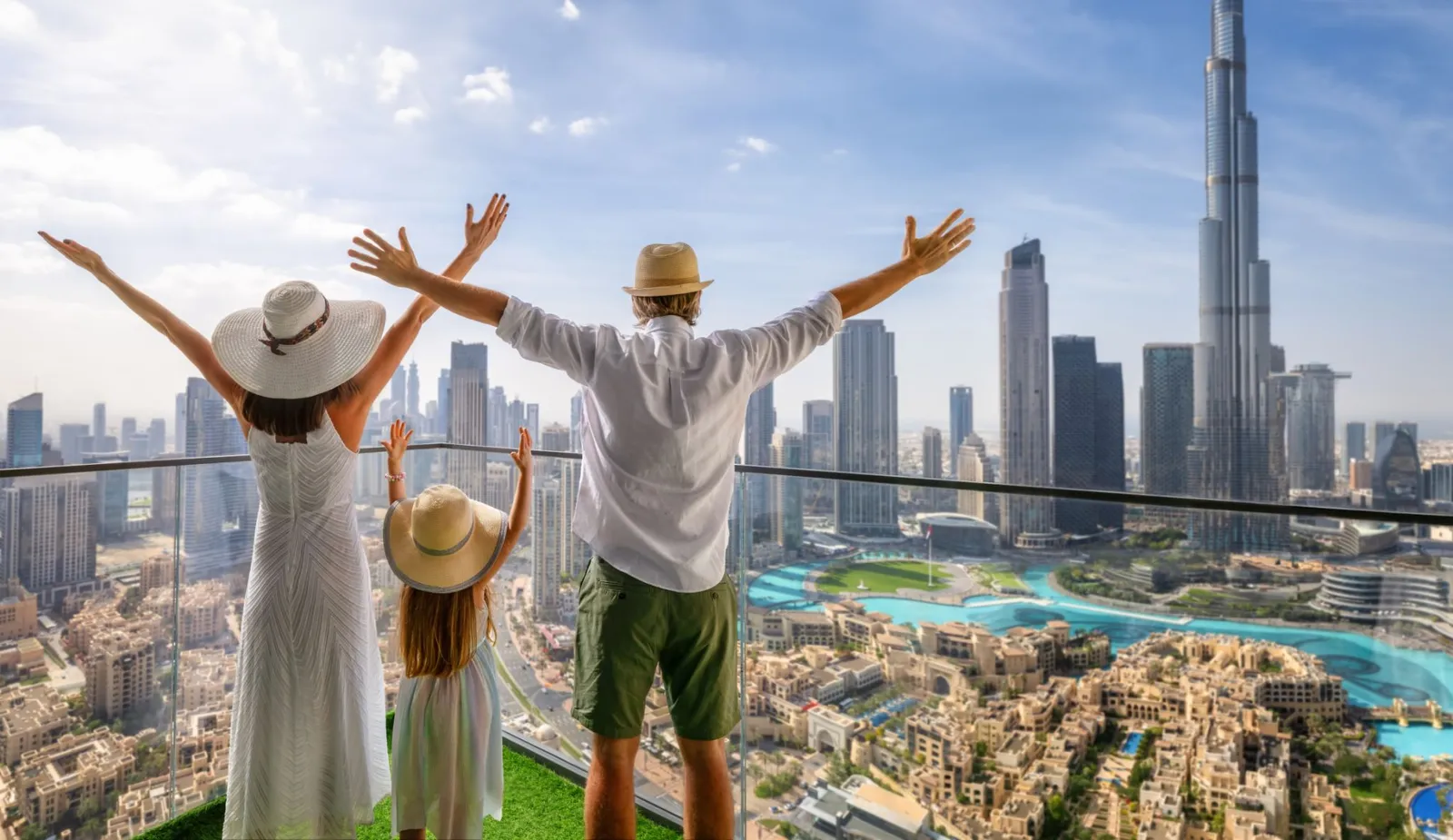
Description: Planning a trip to Dubai? There’s so much to explore, from beautiful beaches and famous landmarks to local markets, amazing food, and desert adventures. Whether it’s your first visit or you’re coming back for more, a little planning can help you enjoy Dubai like a local and make memories along the way.
0 Replies
·
21 views

Hi everyone,
I’m looking for information about Tempo Traveller rentals in Gurugram for a group trip. We are planning to travel with several people, so a Tempo Traveller seems more convenient than booking multiple cars.
I’m particularly interested in a comfortable vehicle with enough space for passengers and luggage. It would also be helpful to know the approximate rental cost, available seating options, and whether the vehicle can be booked for local sightseeing as well as outstation trips.
For anyone planning a group trip around Delhi, Gurugram, Jaipur, Agra, or nearby destinations, hiring a Tempo Traveller can be a practical option because everyone can travel together.
I came across a local service, Vs Taxi Service, that provides Tempo Traveller rental services in Delhi and Gurugram. Their service information is available here:
htempo-traveller-on-rent/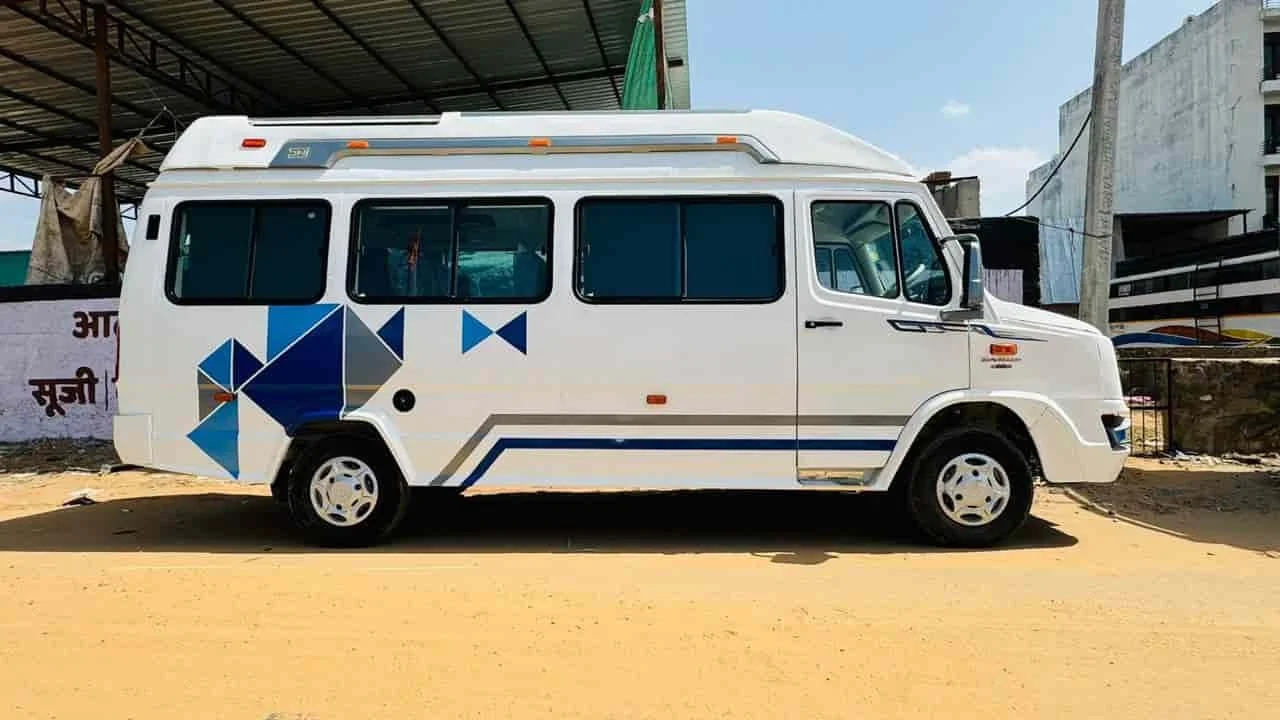
Has anyone here recently hired a Tempo Traveller in Gurugram? I’d appreciate recommendations regarding the vehicle, pricing, and overall experience.
Thanks!
I’m looking for information about Tempo Traveller rentals in Gurugram for a group trip. We are planning to travel with several people, so a Tempo Traveller seems more convenient than booking multiple cars.
I’m particularly interested in a comfortable vehicle with enough space for passengers and luggage. It would also be helpful to know the approximate rental cost, available seating options, and whether the vehicle can be booked for local sightseeing as well as outstation trips.
For anyone planning a group trip around Delhi, Gurugram, Jaipur, Agra, or nearby destinations, hiring a Tempo Traveller can be a practical option because everyone can travel together.
I came across a local service, Vs Taxi Service, that provides Tempo Traveller rental services in Delhi and Gurugram. Their service information is available here:
htempo-traveller-on-rent/
Has anyone here recently hired a Tempo Traveller in Gurugram? I’d appreciate recommendations regarding the vehicle, pricing, and overall experience.
Thanks!
1 Replies
·
143 views