
forum4travel

The Himalayas have long been a magnet for adventurers, and the Everest Base Camp Trek is one of the most iconic journeys in this majestic range. For those looking to elevate the experience beyond the classic route, the trek via Gokyo Lakes offers a breathtaking alternative. Combining the serene beauty of turquoise glacial lakes with the thrill of reaching the foot of Mount Everest, this route promises a diverse and unforgettable journey. In this article, we’ll explore what makes this trek special, its highlights, cultural encounters, and practical tips to help you prepare.
Beyond its natural splendor, the trek offers a deep dive into Sherpa culture. As you pass through traditional villages, you’ll encounter the warmth and resilience of the local people.
The Everest Base Camp Trek via Gokyo Lakes stands out for several reasons:
The Everest Base Camp Trek via Gokyo Lakes is a journey that goes beyond reaching a destination—it’s an exploration of nature’s finest wonders and human endurance. From the tranquil Gokyo Lakes to the rugged heights of Cho La Pass and the iconic base camp, every step offers something extraordinary. With thorough preparation and an adventurous spirit, this trek will leave you with memories of a lifetime and a deeper appreciation for the Himalayan world. Ready to lace up your boots? The mountains are calling.
Introduction
Imagine standing amidst towering snow-capped peaks, gazing at shimmering lakes that reflect the sky, and breathing in the crisp mountain air—all before arriving at the base of the world’s highest mountain. The Everest Base Camp Trek via Gokyo Lakes delivers this and more. Unlike the standard trail, this route weaves through the tranquil Gokyo Valley and over a challenging high pass, offering a less crowded and richly varied adventure. Whether you’re an experienced trekker or an ambitious beginner, this journey blends natural wonders, cultural immersion, and physical challenge into one extraordinary experience.Trek Overview
- Duration: 16-18 days
- Difficulty: Challenging (ideal for seasoned trekkers)
- Best Time to Go: March to May (spring) or September to November (autumn)
- Starting Point: Lukla (accessible via a short flight from Kathmandu)
- Highest Point: Kala Patthar (5,545 meters / 18,192 feet)
Highlights of the Trek
1. Gokyo Lakes
Nestled in the Gokyo Valley, the Gokyo Lakes are a series of six glacial pools renowned for their striking turquoise hue. Surrounded by rugged peaks, these lakes offer a peaceful contrast to the trek’s more demanding stretches. The third lake, Dudh Pokhari, holds spiritual significance for Hindus and Buddhists, adding a layer of reverence to the scenery.2. Gokyo Ri (5,357 meters / 17,575 feet)
A pre-dawn ascent of Gokyo Ri rewards trekkers with a jaw-dropping panorama. From this vantage point, you’ll see four of the world’s highest peaks—Everest, Lhotse, Makalu, and Cho Oyu—bathed in the golden glow of sunrise. It’s a moment that captures the essence of the Himalayas’ grandeur.3. Cho La Pass (5,420 meters / 17,782 feet)
The crossing of Cho La Pass is a test of endurance and a highlight of the trek. This high-altitude pass links the Gokyo Valley to the Everest Base Camp trail, requiring careful navigation over rocky terrain and occasional snow. Reaching the summit feels like a triumph, with sweeping views as your reward.4. Everest Base Camp (5,364 meters / 17,598 feet)
Few experiences rival standing at Everest Base Camp, surrounded by the towering forms of Everest, Nuptse, and Pumori. Though the camp itself is a rocky outpost, the sense of accomplishment and the proximity to the world’s tallest peak make it a bucket-list moment.5. Kala Patthar (5,545 meters / 18,192 feet)
For the closest and clearest view of Everest, a hike to Kala Patthar is essential. This viewpoint offers an unobstructed panorama of the Everest massif, making it a favorite spot for trekkers and photographers alike.Cultural Experience
Beyond its natural splendor, the trek offers a deep dive into Sherpa culture. As you pass through traditional villages, you’ll encounter the warmth and resilience of the local people.
Namche Bazaar:
This lively Sherpa town, often called the gateway to Everest, blends modern comforts with mountain traditions. Explore its markets, visit the nearby monastery, or simply soak in the views of surrounding peaks.Gokyo Valley Villages:
Smaller settlements like Machhermo and Gokyo offer a quieter, more authentic glimpse of Sherpa life. Share a meal of *dal bhat* (lentil soup with rice) with locals, or marvel at their ability to thrive in such a remote environment.Spiritual Touches:
Buddhist monasteries, prayer wheels, and colorful prayer flags dot the trail, infusing the journey with a sense of peace and spirituality. These elements reflect the Sherpa’s deep connection to the mountains they call home.Practical Tips for Trekkers
Acclimatization:
Altitude is a major factor on this trek. Schedule rest days in Namche Bazaar and Gokyo to adjust and reduce the risk of altitude sickness.Physical Preparation:
Train with cardio, strength exercises, and practice hikes carrying a backpack. The trek’s steep ascents and high passes demand good fitness.Packing Essentials:
Bring warm layers, a high-quality sleeping bag, trekking poles, and sturdy boots. A water purifier is also key for safe hydration.Permits:
You’ll need the Sagarmatha National Park Entry Permit and the Khumbu Pasang Lhamu Rural Municipality Permit, available in Kathmandu or at the park entrance.Guides and Porters:
A local guide and porter can enhance your experience, providing safety, insights, and support while carrying heavy loads.Why Choose This Route?
The Everest Base Camp Trek via Gokyo Lakes stands out for several reasons:
Varied Scenery:
From lush forests to glacial lakes and rugged passes, the landscapes are as diverse as they are stunning.Less crowded:
While the classic route can feel crowded, the Gokyo section offers solitude and a chance to connect with nature.Unique Vistas:
The views from Gokyo Ri and the adventure of Cho La Pass provide perspectives you won’t find on the standard trail.Conclusion
The Everest Base Camp Trek via Gokyo Lakes is a journey that goes beyond reaching a destination—it’s an exploration of nature’s finest wonders and human endurance. From the tranquil Gokyo Lakes to the rugged heights of Cho La Pass and the iconic base camp, every step offers something extraordinary. With thorough preparation and an adventurous spirit, this trek will leave you with memories of a lifetime and a deeper appreciation for the Himalayan world. Ready to lace up your boots? The mountains are calling.
0 Replies
·
1279 views

Hello everyone,
The Louvre Museum is one of the most famous attractions in Paris and a wonderful place for anyone interested in art, history, and culture.
With its impressive architecture and enormous collection of artworks, there is so much to explore inside. From the famous Mona Lisa to ancient Egyptian collections, visitors can easily spend several hours discovering different galleries.
One useful tip is to book your admission tickets online in advance, especially during busy travel seasons. It is also a good idea to plan which sections you want to visit before arriving, as the museum is quite large.
If this is your first visit, I would recommend allowing enough time to explore without rushing.
Have you visited the Louvre Museum? Which artwork or gallery impressed you the most?
I'd love to hear your recommendations for other first-time visitors!
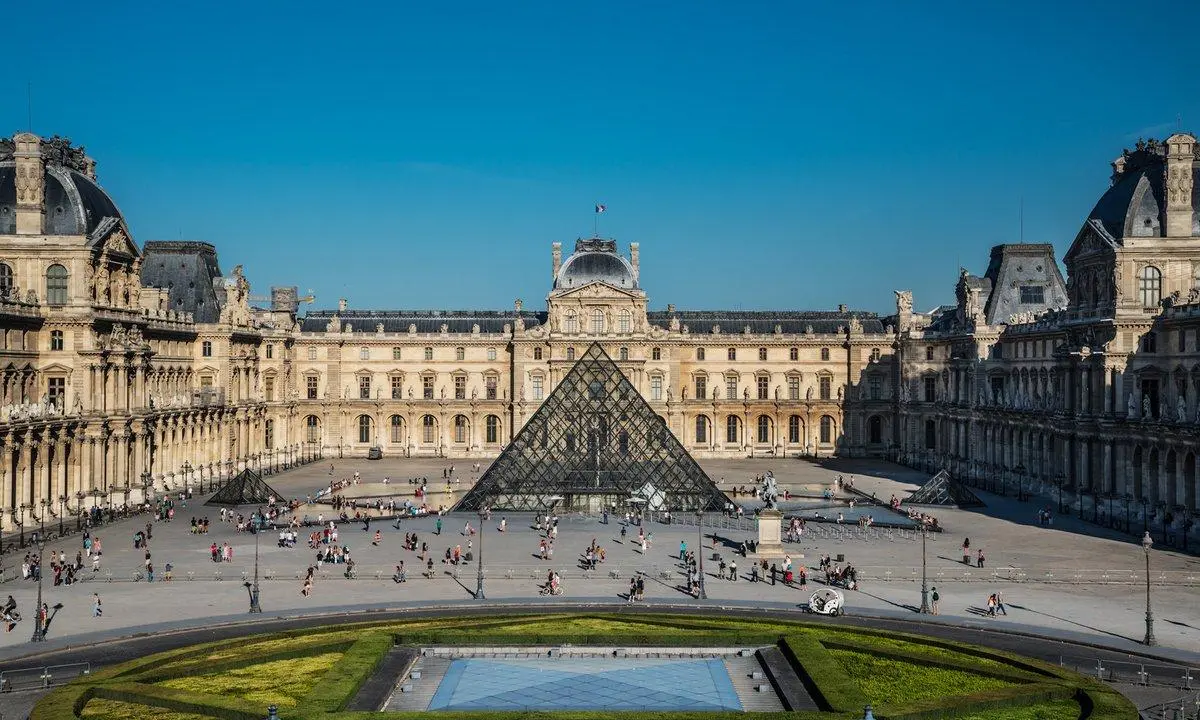
The Louvre Museum is one of the most famous attractions in Paris and a wonderful place for anyone interested in art, history, and culture.
With its impressive architecture and enormous collection of artworks, there is so much to explore inside. From the famous Mona Lisa to ancient Egyptian collections, visitors can easily spend several hours discovering different galleries.
One useful tip is to book your admission tickets online in advance, especially during busy travel seasons. It is also a good idea to plan which sections you want to visit before arriving, as the museum is quite large.
If this is your first visit, I would recommend allowing enough time to explore without rushing.
Have you visited the Louvre Museum? Which artwork or gallery impressed you the most?
I'd love to hear your recommendations for other first-time visitors!
1 Replies
·
23 views

Everybody needs a break from their everyday life. What better method for enjoying some time off than a family get-away? Investing some quality energy with relatives exactly is expected to restore the focused on body and soul. Looking for suggestions.
47 Replies
·
9942 views

The island country's allure is like a magnetic force pulling in millions of tourists each year. Let's unpack how this enchanting destination manages to cast its spell on travelers from all corners of the globe.
Firstly, accessibility plays a crucial role. Well-developed transportation infrastructure, including international airports and efficient local transit, makes reaching the island relatively straightforward. Direct flights, connecting flights, and even cruise options provide a variety of travel choices, ensuring that people from different continents can easily plan their visit.
 The country's natural beauty is undoubtedly a major draw. Pristine beaches, lush landscapes, and unique ecosystems create a paradise for nature lovers and adventure seekers alike. The appeal extends beyond just scenery – opportunities for water sports, wildlife encounters, and exploring diverse terrains make it a well-rounded destination for a wide range of interests.
Cultural richness is another key factor. The island boasts a vibrant history, unique traditions, and a blend of influences that create a tapestry of cultural experiences. Historic sites, local festivals, and traditional cuisine offer tourists a chance to immerse themselves in the island's heritage.
Additionally, the hospitality industry plays a pivotal role in accommodating the influx of tourists. A wide range of accommodations, from luxury resorts to budget-friendly guesthouses, caters to various preferences and budgets. The hospitality sector often goes the extra mile to provide a warm welcome, contributing to the overall positive experience for visitors.
Effective marketing and promotion strategies also contribute to the high number of annual tourists. Engaging social media campaigns, travel documentaries, and positive reviews from previous visitors create a buzz around the destination, enticing more people to add it to their travel bucket lists.
Lastly, the island's commitment to sustainable tourism practices ensures that its natural beauty and cultural heritage are preserved for future generations. Responsible tourism initiatives, eco-friendly accommodations, and conservation efforts appeal to conscientious travelers who seek destinations that prioritize environmental and cultural preservation.
In essence, the island's accessibility, natural beauty, cultural richness, hospitality infrastructure, effective promotion, and commitment to sustainability collectively create a magnetic allure, attracting millions of tourists year after year. It's a testament to the island's universal appeal and its ability to offer a diverse range of experiences to a global audience.
Firstly, accessibility plays a crucial role. Well-developed transportation infrastructure, including international airports and efficient local transit, makes reaching the island relatively straightforward. Direct flights, connecting flights, and even cruise options provide a variety of travel choices, ensuring that people from different continents can easily plan their visit.
Cultural richness is another key factor. The island boasts a vibrant history, unique traditions, and a blend of influences that create a tapestry of cultural experiences. Historic sites, local festivals, and traditional cuisine offer tourists a chance to immerse themselves in the island's heritage.
Additionally, the hospitality industry plays a pivotal role in accommodating the influx of tourists. A wide range of accommodations, from luxury resorts to budget-friendly guesthouses, caters to various preferences and budgets. The hospitality sector often goes the extra mile to provide a warm welcome, contributing to the overall positive experience for visitors.
Effective marketing and promotion strategies also contribute to the high number of annual tourists. Engaging social media campaigns, travel documentaries, and positive reviews from previous visitors create a buzz around the destination, enticing more people to add it to their travel bucket lists.
Lastly, the island's commitment to sustainable tourism practices ensures that its natural beauty and cultural heritage are preserved for future generations. Responsible tourism initiatives, eco-friendly accommodations, and conservation efforts appeal to conscientious travelers who seek destinations that prioritize environmental and cultural preservation.
In essence, the island's accessibility, natural beauty, cultural richness, hospitality infrastructure, effective promotion, and commitment to sustainability collectively create a magnetic allure, attracting millions of tourists year after year. It's a testament to the island's universal appeal and its ability to offer a diverse range of experiences to a global audience.
6 Replies
·
1287 views

Road construction is evolving with new materials, advanced testing devices, innovative engineering methods, and sustainable infrastructure solutions.
Modern technologies help improve road durability, construction quality, maintenance, and safety. Innovations in highway construction, green highways, tunnel engineering, and bridge infrastructure are also contributing to better transportation networks.
Road Infratech Expo showcases advancements in road construction materials, testing equipment, highway construction technologies, and infrastructure solutions.
2 Replies
·
155 views

Most travelers underestimate the 9-hour journey across the High Atlas Mountains—and end up stuck on rushed, crowded tour buses. Here is how we organize the ultimate private Morocco experience at Sahara Serenity Tours
0 Replies
·
34 views
Hi everyone!
I'm planning a 5-day holiday to Dubai from Australia and trying to work out how much I should realistically budget for the entire trip. I want to enjoy the main attractions, experience Dubai's luxury and entertainment without spending more than necessary.
I'm hoping to visit Burj Khalifa, explore Dubai Marina, spend some time at Palm Jumeirah, enjoy a desert safari and visit the traditional Gold and Spice Souks.
I'd love some advice from people who have travelled to Dubai recently:
If anyone has recently planned a similar trip, please share your approximate total spending and any money-saving tips. It would really help me plan a memorable Dubai holiday without stretching my budget too much.
Thanks in advance!
I'm planning a 5-day holiday to Dubai from Australia and trying to work out how much I should realistically budget for the entire trip. I want to enjoy the main attractions, experience Dubai's luxury and entertainment without spending more than necessary.
I'm hoping to visit Burj Khalifa, explore Dubai Marina, spend some time at Palm Jumeirah, enjoy a desert safari and visit the traditional Gold and Spice Souks.
I'd love some advice from people who have travelled to Dubai recently:
- What is the average cost of return flights from major Australian cities like Sydney, Melbourne or Brisbane?
- How much should I budget for 4–5 nights of hotel accommodation in a decent 3-star or 4-star hotel?
- Are attraction tickets, especially Burj Khalifa and desert safari experiences, expensive?
- How much should I set aside for food, local transport, shopping and other daily expenses?
- Is it cheaper to book flights and hotels separately or choose an all-inclusive Dubai holiday package?
- Which months offer the best combination of pleasant weather and affordable travel deals?
If anyone has recently planned a similar trip, please share your approximate total spending and any money-saving tips. It would really help me plan a memorable Dubai holiday without stretching my budget too much.
Thanks in advance!
0 Replies
·
30 views
Hello everyone! I'm planning an island getaway to Fiji from Australia and looking for budget-friendly Fiji holiday packages. I would love to explore beautiful beaches, visit the Mamanuca Islands, relax along the Coral Coast and experience local Fijian culture.
I'm looking for packages that include flights, hotel accommodation, airport transfers and sightseeing.
Has anyone booked an affordable Fiji tour package recently? Which travel agencies offer good deals, and when is the best time to visit Fiji to save money? I'd love to hear your recommendations and experiences!
0 Replies
·
32 views
Hi everyone! I'm planning a holiday to Bali from Australia and looking for affordable Bali holiday packages that offer good value for money. I'd love to explore places like Ubud, Seminyak, Uluwatu and Nusa Penida. I'm interested in packages that include flights, hotel accommodation, airport transfers and sightseeing.
Can anyone recommend reliable travel agencies offering cheap Bali packages? Also, when is the best time to visit Bali to find budget-friendly deals? I'd appreciate any suggestions and personal experiences. Thanks!
Can anyone recommend reliable travel agencies offering cheap Bali packages? Also, when is the best time to visit Bali to find budget-friendly deals? I'd appreciate any suggestions and personal experiences. Thanks!
0 Replies
·
30 views

Meghalaya is a year-round destination, but the best time to visit largely depends on the type of experience you're looking for. For most travellers, the ideal period is between October and April, when the weather is pleasant, skies are clearer, and sightseeing conditions are at their best.
During these months, destinations like Shillong, Cherrapunji, and Dawki offer comfortable temperatures ranging between 10°C and 25°C. The crystal-clear waters of the Umngot River in Dawki are especially stunning during winter, attracting photographers and nature lovers from across the country.
If you love waterfalls, post-monsoon months from October to November are particularly rewarding. The waterfalls remain full after the rainy season while roads and trekking trails become easier to explore. Adventure activities, sightseeing, cave exploration, and living root bridge treks are also more enjoyable during this period.
Many travellers prefer exploring the region through WanderOn Meghalaya Tour Packages, which cover the state's top attractions during the most favourable seasons. In 2026, October to April remains the most recommended time to experience Meghalaya's natural beauty.
1 Replies
·
412 views
Best places to travel solo in India during long weekends in 2027? Explore amazing destinations, including peaceful hill stations, beautiful beaches, spiritual cities, and adventure spots. Share your favourite travel recommendations, budget ideas, safety tips, and personal experiences to help fellow solo travellers plan an unforgettable getaway.
1 Replies
·
71 views