
forum4travel

Helicopter flights have become an increasingly popular way for trekkers to experience Nepal’s breathtaking landscapes, especially in the Everest region. Whether you're looking to return from the Everest Base Camp (EBC) via helicopter or take a scenic flight over the Annapurna range, these flights offer convenience and an unforgettable experience. However, like all aerial journeys, helicopter flights in Nepal come with their own set of risks—primarily related to the weather conditions.
If you're planning to take a helicopter ride in the Himalayas, it’s essential to be aware of the potential weather risks. This article explores these risks and offers insights into how you can prepare for a safe and smooth journey.
In high-altitude areas like Everest Base Camp, winds can be especially gusty, and pilots are trained to monitor wind speed and direction closely. For this reason, helicopter flights are more likely to be grounded during certain seasons or postponed if the wind speeds exceed safe thresholds.
The visibility in the mountainous regions can sometimes drop suddenly due to fog or clouds. High altitude clouds can block the pilot’s view of the terrain, making navigation difficult. Low visibility can also cause issues during takeoff and landing, increasing the chances of accidents.
Pilots in Nepal are well-trained in navigating such conditions, but weather patterns can still change rapidly, especially in the early mornings or late afternoons. Fog is more common in the spring and autumn months, but it’s always a possibility year-round, particularly in valleys and deep mountain gorges.
During the summer, the temperature variations can be just as significant, with heat rising quickly during midday. These temperature swings can affect the air density, which in turn impacts the helicopter’s lift capabilities. For this reason, pilots pay close attention to weather forecasts and air pressure conditions to ensure optimal flying conditions.
Even if it’s not raining directly over the helicopter’s route, rainstorms in other parts of the region can cause cloud cover, fog, or poor visibility, leading to flight cancellations. The best time for helicopter flights in Nepal is usually during the pre-monsoon (March to May) and post-monsoon (October to November) seasons when the weather is more predictable and stable.
It’s important to note that while helicopter pilots have extensive training and knowledge of avalanche-prone areas, severe weather conditions could still lead to flight cancellations or delays for safety reasons.
Helicopter pilots in Nepal undergo extensive training and are well-versed in the unique weather conditions of the region. They are trained to handle adverse weather situations and are equipped with the latest weather forecasting technology to monitor potential risks. Pilots work closely with ground teams to assess the weather before takeoff and ensure the helicopter is ready for any changes in weather conditions.
In addition to their technical training, pilots in Nepal also rely on their local knowledge of the terrain and weather patterns. The weather can vary greatly from one region to another, and pilots understand the best times of day to fly, as well as safe routes and emergency landing zones.
To ensure your helicopter flight is as smooth and safe as possible, here are some tips for minimizing weather-related risks:
While helicopter flights in Nepal offer a thrilling and convenient way to experience the mountains, the weather in the Himalayas can pose significant risks. Strong winds, low visibility, temperature fluctuations, monsoon rains, snowstorms, and sudden storms are just some of the weather factors that can affect your flight. However, with proper preparation, the right timing, and an experienced operator like Himalayan Asia Treks, you can minimize these risks and enjoy a safe and unforgettable helicopter experience in the Himalayas.
Remember, safety always comes first—no matter how beautiful the view from above. Always listen to your pilot's advice and be ready for any changes in plans due to weather conditions. The mountains will always be there for you to explore!
If you're planning to take a helicopter ride in the Himalayas, it’s essential to be aware of the potential weather risks. This article explores these risks and offers insights into how you can prepare for a safe and smooth journey.
Understanding the Weather Risks for Helicopter Flights in Nepal
The weather in the Himalayas can be unpredictable, especially at higher altitudes. Factors such as sudden storms, strong winds, low visibility, and temperature fluctuations can all impact the safety and feasibility of helicopter flights. These challenges are not only a concern for those flying out of the Everest Base Camp but for travelers on various helicopter routes in Nepal, including the Annapurna region, Langtang Valley, and even shorter scenic flights around Kathmandu.1. Strong Winds
One of the biggest weather-related risks for helicopter flights in Nepal is strong wind. The winds in the Himalayas can change abruptly, especially during the monsoon season (June to September). These winds can make flying dangerous, causing turbulence or making it difficult for the helicopter to land safely.In high-altitude areas like Everest Base Camp, winds can be especially gusty, and pilots are trained to monitor wind speed and direction closely. For this reason, helicopter flights are more likely to be grounded during certain seasons or postponed if the wind speeds exceed safe thresholds.
2. Low Visibility Due to Fog or Clouds
The visibility in the mountainous regions can sometimes drop suddenly due to fog or clouds. High altitude clouds can block the pilot’s view of the terrain, making navigation difficult. Low visibility can also cause issues during takeoff and landing, increasing the chances of accidents.
Pilots in Nepal are well-trained in navigating such conditions, but weather patterns can still change rapidly, especially in the early mornings or late afternoons. Fog is more common in the spring and autumn months, but it’s always a possibility year-round, particularly in valleys and deep mountain gorges.
3. Temperature Fluctuations
Helicopter flights, especially at high altitudes, can be impacted by the sharp temperature fluctuations that occur in the mountains. At higher elevations, such as Everest Base Camp (5,364 meters), temperatures can drop below freezing, even during the day. In the colder months, these temperature drops can cause frost or ice accumulation on the helicopter’s rotor blades and other critical components, making the flight unsafe.During the summer, the temperature variations can be just as significant, with heat rising quickly during midday. These temperature swings can affect the air density, which in turn impacts the helicopter’s lift capabilities. For this reason, pilots pay close attention to weather forecasts and air pressure conditions to ensure optimal flying conditions.
4. Monsoon Season (June to September)
The monsoon season in Nepal (June to September) brings heavy rainfall, which can drastically affect helicopter flights. Strong rain showers and thunderstorms can significantly reduce visibility and create turbulence that makes flying dangerous. Many helicopter flights are delayed or canceled during this period due to these factors.Even if it’s not raining directly over the helicopter’s route, rainstorms in other parts of the region can cause cloud cover, fog, or poor visibility, leading to flight cancellations. The best time for helicopter flights in Nepal is usually during the pre-monsoon (March to May) and post-monsoon (October to November) seasons when the weather is more predictable and stable.
5. Snowstorms and Avalanches
In winter months, snowstorms become another critical weather risk for helicopter flights in the Himalayas. The snow can quickly accumulate, making it hard to take off or land, especially in areas like the Everest or Annapurna regions, where snowfall can reach significant levels. Snowstorms can also increase the risk of avalanches, particularly around high-altitude areas such as the Khumbu Icefall or the Annapurna Circuit.It’s important to note that while helicopter pilots have extensive training and knowledge of avalanche-prone areas, severe weather conditions could still lead to flight cancellations or delays for safety reasons.
6. Sudden Storms and Thunderstorms
Weather patterns in the Himalayas can be unpredictable, and sudden storms can occur without much warning. Thunderstorms, which are most common in the monsoon season, can cause intense turbulence and make flying highly dangerous. These storms often form rapidly, and pilots rely on weather radar and reports to monitor the risk, but they can still occur with little notice.How Helicopter Pilots in Nepal Prepare for Weather Risks
Helicopter pilots in Nepal undergo extensive training and are well-versed in the unique weather conditions of the region. They are trained to handle adverse weather situations and are equipped with the latest weather forecasting technology to monitor potential risks. Pilots work closely with ground teams to assess the weather before takeoff and ensure the helicopter is ready for any changes in weather conditions.
In addition to their technical training, pilots in Nepal also rely on their local knowledge of the terrain and weather patterns. The weather can vary greatly from one region to another, and pilots understand the best times of day to fly, as well as safe routes and emergency landing zones.
How to Minimize Weather Risks for Your Helicopter Flight
To ensure your helicopter flight is as smooth and safe as possible, here are some tips for minimizing weather-related risks:
- Book During the Best Seasons: The best time for helicopter flights in Nepal is generally during the spring (March to May) and autumn (September to November) months when the weather is most stable. The winter months (December to February) can be cold and snowy, and the summer monsoon season (June to September) brings heavy rain and poor visibility.
- Stay Informed About Weather Conditions: Make sure to stay updated with weather forecasts and ask your tour operator for updates on the flight schedule. Himalayan Asia Treks works closely with pilots and local teams to keep you informed about the latest weather conditions.
- Be Prepared for Delays: Weather conditions can change quickly, and sometimes flights may need to be delayed or rescheduled for safety reasons. Patience is key when it comes to helicopter flights in the Himalayas, as safety is always the top priority.
- Choose an Experienced Operator: When booking a helicopter flight, it’s essential to choose an experienced and reputable operator. Himalayan Asia Treks offers reliable and safe helicopter flight services, and their professional team ensures that all safety protocols are strictly followed.
Conclusion
While helicopter flights in Nepal offer a thrilling and convenient way to experience the mountains, the weather in the Himalayas can pose significant risks. Strong winds, low visibility, temperature fluctuations, monsoon rains, snowstorms, and sudden storms are just some of the weather factors that can affect your flight. However, with proper preparation, the right timing, and an experienced operator like Himalayan Asia Treks, you can minimize these risks and enjoy a safe and unforgettable helicopter experience in the Himalayas.
Remember, safety always comes first—no matter how beautiful the view from above. Always listen to your pilot's advice and be ready for any changes in plans due to weather conditions. The mountains will always be there for you to explore!
0 Replies
·
541 views
London is a metropolis to well over 8 million people and features several famous landmarks such as Buckingham Palace, Greenwich, Tower of London, and more.While it is a fantastic place to visit with friends, you can certainly engage in these popular things to do in London by yourself.
No matter if you are visiting the capital of England for a few days or are a local eager to explore something new that the city has to offer, London provides many thrilling solo adventures
Visit here for more detail Information about 15 Things to Do Alone in London
No matter if you are visiting the capital of England for a few days or are a local eager to explore something new that the city has to offer, London provides many thrilling solo adventures
Visit here for more detail Information about 15 Things to Do Alone in London
5 Replies
·
3044 views
If you’re looking for ideas on what to do in Birmingham, these spots are a good place to start:
Visit the Bullring for shopping and a quick look at one of Birmingham’s most famous landmarks.
Walk along the canals around Brindleyplace, especially in the evening when the area feels lively.
Explore the Birmingham Museum and Art Gallery to see local history and classic art collections.
Spend some time in Digbeth, a creative district known for street food, music, and cool independent spots.
Take a trip to Cadbury World if you want something fun and family-friendly.
Relax in Cannon Hill Park, a great place to slow down and enjoy some fresh air.
Check out the city’s restaurant scene — Birmingham has plenty of great places to eat, from casual bites to fine dining.
Visit the Bullring for shopping and a quick look at one of Birmingham’s most famous landmarks.
Walk along the canals around Brindleyplace, especially in the evening when the area feels lively.
Explore the Birmingham Museum and Art Gallery to see local history and classic art collections.
Spend some time in Digbeth, a creative district known for street food, music, and cool independent spots.
Take a trip to Cadbury World if you want something fun and family-friendly.
Relax in Cannon Hill Park, a great place to slow down and enjoy some fresh air.
Check out the city’s restaurant scene — Birmingham has plenty of great places to eat, from casual bites to fine dining.
2 Replies
·
309 views


At Kakatiya Holidays the best travel agency in delhi, we have an ever-evolving selection of tours, so which tour package is best is a question reviewer and traveller alike must tackle for themselves each and every time, as there is no easy answer for us to provide. There is no question we receive more traveller questions for our tours in the world traveller destination that is Dubai than any of our other tours, though. We'll provide some guidance toward our most popular Dubai tour packages in the list below in hopes of shedding some of the mystery surrounding which package to choose, as Dubai truly is a city where everyone, from honeymooners to families to luxury and budget travellers to adventure enthusiasts, to and including everyone in between, can thrive.
To most travellers, all-inclusive packages provide the best value for money, most importantly in terms of time. Out of all our Dubai tour packages, most would say our most popular package is our 5 Nights / 6 Days Dubai Tour. The reason is that the 5 Nights / 6 Days Dubai Tour package, unfortunately, is one of the best desert safari and premier Dubai excursions we can provide for most travellers in terms of Dubai tours. They'll have to sacrifice some of the best desert safari dhows and premier Dubai excursions for other best-value packages. We say this one dollar and dozens worth of desert safari at a time in the best value packages.
This package usually offers:
* Dhow Cruise
* Desert Safari with BBQ
* Abbey Dubai Tour (all day)
* Dubai city tour
* Famed Burj Khalifa (124th floor access)
If a traveller is looking for an all-around, Dubai highlights tour, this is the tour for them. We cannot provide unique quality Dubai excursions in the desert for this trip. We say this is the best value-added package.
If, like everyone in attendance, you would like to keep costs and travel the best in mind for Dubai, 4 Nights / 5 Days would likely suit you best. This tour gives you maximum value while keeping costs, especially for first-time travellers, at a minimum.
This typically is a package:
* Desert BBQ
* Dhow entertainment cruise
* Dubai city tour
* Visa assistance
It's always a popular package and one of the best testimonials we'd like to offer.
 Dubai's Greatest Luxury Tour Package
The Luxury Dubai Tour Package meets the needs of travellers searching for a 5-star, premium quality. Designed to cater to couples, families, VIP clients, and corporate groups for a custom-tailored high-end holiday.
Typical Luxury Inclusions Include:
- Marina Cruise Dinner
- VIP Premium Desert Safari
- Limousine Ride
- 5-star Hotel Accommodation With Daily Breakfast
- Burj Khalifa
- Dubai Frame
- Museum of the Future
This package offers an unforgettable trip while visiting hallmark places, offering comfort and personalisation.
Dubai Tour Package Best Suited for FamiliesDubai's reputation for smooth, safe, and entertaining holidays makes Dubai an obvious choice for families travelling together. The Family Dubai Tour Package covers an appropriate range of attractions for children, parents, and grandparents.
Typical Family Inclusions Are:
- Dubai Aquarium
- Miracle Garden
- Global Village
- Dolphin Show or IMG World
- Desert Safari
Kakatiya Holidays. Dubai offers a genuinely one-of-a-kind holiday to children and older people, while offering a holiday that will create lasting memories. This package guarantees that every individual, especially children and older adults, can enjoy an exciting and memorable holiday.
Kakatiya Holidays has customized tour packages that cater to any kind of need. Be it luxury, budget, adventure, or comfort for families travelling together, we provide a package that best suits your specifications. I can assist you in modifying this for use in your website, social media, brochure, or meta advertising.
3 Replies
·
680 views


I’ve always been fascinated by China because it offers a mix of ancient history, modern cities, beautiful nature, and unique culture all in one trip.
One interesting fact is that China is home to one of the world's greatest landmarks, the Great Wall, which stretches thousands of miles across the country. Walking along parts of it feels like stepping back in time. Another amazing place is Beijing, where you can visit the Forbidden City and learn about centuries of imperial history.
What surprised me most was how different each region feels. In Shanghai, you see futuristic skyscrapers and busy streets, while places like Guilin are famous for peaceful rivers and stunning mountain scenery. Every destination feels like a completely different experience.
The weather varies a lot depending on where and when you travel. Spring and autumn are usually considered the best seasons because temperatures are comfortable and sightseeing is easier. Summers can be hot and humid in many cities, while northern areas can get quite cold during winter.
One traveler I met told me their favorite memory was taking a high-speed train across the country. They loved watching modern cities, countryside villages, and mountains pass by in just a few hours. It's one of the easiest ways to see how diverse China really is.
One thing I really enjoyed about China was simply wandering through local neighborhoods, small markets, and traditional streets. While famous landmarks are impressive, some of the most memorable moments come from everyday experiences, like trying a new dish, chatting with locals, or finding a quiet spot away from the crowds.
I found some useful information while planning my own flight to China, and it helped me get a better idea of the different regions and what to expect before traveling.
One interesting fact is that China is home to one of the world's greatest landmarks, the Great Wall, which stretches thousands of miles across the country. Walking along parts of it feels like stepping back in time. Another amazing place is Beijing, where you can visit the Forbidden City and learn about centuries of imperial history.
What surprised me most was how different each region feels. In Shanghai, you see futuristic skyscrapers and busy streets, while places like Guilin are famous for peaceful rivers and stunning mountain scenery. Every destination feels like a completely different experience.
The weather varies a lot depending on where and when you travel. Spring and autumn are usually considered the best seasons because temperatures are comfortable and sightseeing is easier. Summers can be hot and humid in many cities, while northern areas can get quite cold during winter.
One traveler I met told me their favorite memory was taking a high-speed train across the country. They loved watching modern cities, countryside villages, and mountains pass by in just a few hours. It's one of the easiest ways to see how diverse China really is.
One thing I really enjoyed about China was simply wandering through local neighborhoods, small markets, and traditional streets. While famous landmarks are impressive, some of the most memorable moments come from everyday experiences, like trying a new dish, chatting with locals, or finding a quiet spot away from the crowds.
I found some useful information while planning my own flight to China, and it helped me get a better idea of the different regions and what to expect before traveling.
1 Replies
·
577 views

Hey everyone,
When traveling I've often been frustrated at finding venues and performances, often due to the language barrier. I've made Performing Arts Atlas in order to overcome this and find shows wherever I end up. Interested in hearing what you think about it and if its useful to others.
When traveling I've often been frustrated at finding venues and performances, often due to the language barrier. I've made Performing Arts Atlas in order to overcome this and find shows wherever I end up. Interested in hearing what you think about it and if its useful to others.
0 Replies
·
28 views

Hi everyone,
I’m looking for information about Tempo Traveller rentals in Gurugram for a group trip. We are planning to travel with several people, so a Tempo Traveller seems more convenient than booking multiple cars.
I’m particularly interested in a comfortable vehicle with enough space for passengers and luggage. It would also be helpful to know the approximate rental cost, available seating options, and whether the vehicle can be booked for local sightseeing as well as outstation trips.
For anyone planning a group trip around Delhi, Gurugram, Jaipur, Agra, or nearby destinations, hiring a Tempo Traveller can be a practical option because everyone can travel together.
I came across a local service, Vs Taxi Service, that provides Tempo Traveller rental services in Delhi and Gurugram. Their service information is available here:
htempo-traveller-on-rent/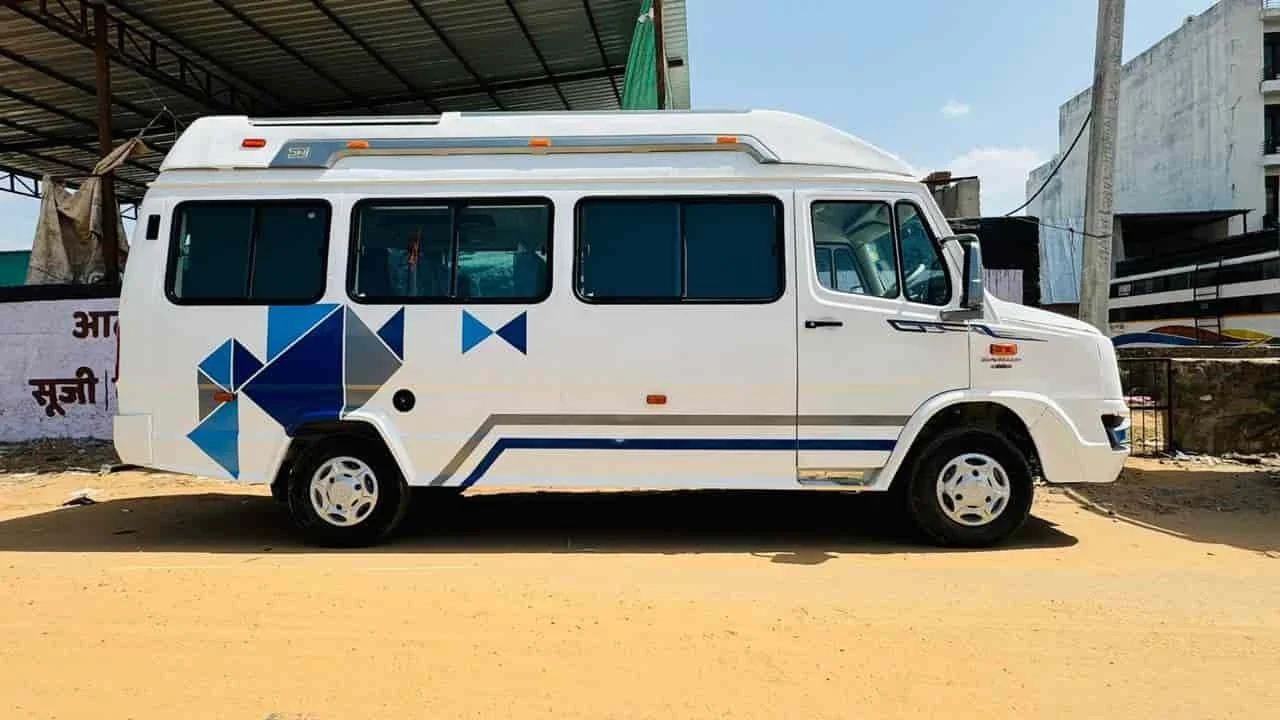
Has anyone here recently hired a Tempo Traveller in Gurugram? I’d appreciate recommendations regarding the vehicle, pricing, and overall experience.
Thanks!
I’m looking for information about Tempo Traveller rentals in Gurugram for a group trip. We are planning to travel with several people, so a Tempo Traveller seems more convenient than booking multiple cars.
I’m particularly interested in a comfortable vehicle with enough space for passengers and luggage. It would also be helpful to know the approximate rental cost, available seating options, and whether the vehicle can be booked for local sightseeing as well as outstation trips.
For anyone planning a group trip around Delhi, Gurugram, Jaipur, Agra, or nearby destinations, hiring a Tempo Traveller can be a practical option because everyone can travel together.
I came across a local service, Vs Taxi Service, that provides Tempo Traveller rental services in Delhi and Gurugram. Their service information is available here:
htempo-traveller-on-rent/
Has anyone here recently hired a Tempo Traveller in Gurugram? I’d appreciate recommendations regarding the vehicle, pricing, and overall experience.
Thanks!
0 Replies
·
21 views
I’m planning a Delhi sightseeing trip and was looking for the best way to cover the major attractions in one day.
Delhi has many popular places to visit, including India Gate, Qutub Minar, Lotus Temple, Humayun’s Tomb, Red Fort and Connaught Place. For a first-time visitor, I think hiring a private cab can be more convenient than using multiple public transport options.
A private car allows you to plan the sightseeing route according to your schedule and spend more time at the places you actually want to visit.
I recently came across Vs Taxi Service, which provides Delhi sightseeing cab services and private cars for local sightseeing. Their Delhi sightseeing information is available here:
https://vstaxiservice.com/delhi-sightseeing-tour-by-car/
Has anyone here recently explored Delhi by cab? Which places would you recommend covering in a one-day Delhi sightseeing itinerary?
Tip: On a forum, keep the backlink relevant and natural. Avoid stuffing keywords or repeatedly promoting your business, as that can look like spam.

Delhi has many popular places to visit, including India Gate, Qutub Minar, Lotus Temple, Humayun’s Tomb, Red Fort and Connaught Place. For a first-time visitor, I think hiring a private cab can be more convenient than using multiple public transport options.
A private car allows you to plan the sightseeing route according to your schedule and spend more time at the places you actually want to visit.
I recently came across Vs Taxi Service, which provides Delhi sightseeing cab services and private cars for local sightseeing. Their Delhi sightseeing information is available here:
https://vstaxiservice.com/delhi-sightseeing-tour-by-car/
Has anyone here recently explored Delhi by cab? Which places would you recommend covering in a one-day Delhi sightseeing itinerary?
Tip: On a forum, keep the backlink relevant and natural. Avoid stuffing keywords or repeatedly promoting your business, as that can look like spam.

0 Replies
·
41 views

Staff member
Getting traffic to a travel website has become increasingly competitive. Creating great travel content is still important, but website owners also need to think about SEO, Google search visibility, social media, content marketing, website performance and new ways travellers are discovering information online.
Whether you run a small travel blog or manage a large tourism website, this forum is here for members to exchange ideas, ask questions and share what has actually worked for them.
Search Engine Optimisation for Travel Websites
SEO can help travellers discover your website when they are actively researching destinations, accommodation, attractions, flights and things to do.Topics you're welcome to discuss include:
- Keyword research
- Travel SEO strategies
- On-page SEO
- Technical SEO
- Internal linking
- Link building
- Google Search Console
- Google indexing
- Core Web Vitals and website speed
- Schema and structured data
- Image SEO
- Local SEO
- International and multilingual SEO
- Destination-page optimisation
- Recovering lost Google traffic
- Google algorithm updates
 Travel Content & Blogging
Travel is an incredibly competitive area for online content.Simply publishing another generic article about the "10 Best Things to Do" may not be enough to stand out.
We'd particularly like to discuss ways of creating genuinely useful travel content based on:
First-hand experience
Share knowledge that could only come from actually visiting a destination.
Local expertise
Local residents, guides and tourism businesses can provide information travellers may struggle to find elsewhere.
Original photographs and videos
Unique media can make travel guides significantly more useful.
Detailed practical information
Transport, prices, opening times, accessibility, booking advice and local tips can often be more valuable than lengthy destination descriptions.
Regularly updated information
Travel information changes. Updating older guides can be just as important as publishing new ones.
SEO, AI Search & the Future of Travel Content
The way people search for travel information continues to evolve.Traditional Google search remains important, but travellers are increasingly discovering destinations and researching trips through AI assistants, social networks, video platforms, maps, forums and online communities.
This creates plenty of interesting questions for travel website owners.
How should we optimise content for AI-generated search results?
Will forums and first-hand travel discussions become more valuable?
How important will brand recognition become?
Are traditional keyword strategies still enough?
How can smaller independent travel websites compete with major booking platforms and publishers?
These are exactly the types of discussions we'd like to see here.
Social Media & Travel Marketing
SEO doesn't need to be your only source of traffic.Use this forum to discuss marketing through platforms such as:
- YouTube
- TikTok
- X
- Email newsletters
- Online travel communities
It would be particularly interesting to hear which platforms are currently generating real website visitors, enquiries or bookings, rather than simply likes and followers.
Marketing a Travel Business
This forum isn't only for bloggers.If you operate a:
- Tour company
- Travel agency
- Hotel
- Guesthouse
- Holiday rental
- Travel forum
- Destination website
- Travel app
- Tourism service
- Transport business
- Travel-related marketplace
Topics could include Google Business Profiles, local search, online reviews, destination marketing, conversion optimisation, booking websites and generating enquiries.
Share Real SEO Experiences
One of the most useful things members can contribute is actual experience.If you've tried something and it worked, tell us about it.
For example:
Or:
Or:
Real examples make discussions much more useful than simply repeating generic SEO advice.
You don't need to reveal confidential statistics or commercially sensitive information. Even sharing the general approach and outcome can help other members.
Please Keep Discussions Useful
We want this forum to become a useful resource for people genuinely interested in travel SEO and marketing.Please avoid:
- Automated promotional posts
- Irrelevant backlinks
- Repeated advertising
- Copy-and-paste SEO content
- Posting simply to obtain a link
- Generic AI-generated replies that add nothing to the discussion
Introduce Yourself
To get the discussion started, tell us a little about what you're working on.Do you run a travel website, blog, forum or tourism business?
Where does most of your traffic currently come from?
What part of SEO or online marketing are you finding most difficult?
And perhaps most importantly:
What SEO or marketing strategy is actually working for your travel website right now?
Start a new thread, share your experiences and ask questions.
Welcome to the forum4travel SEO & Marketing community – we look forward to learning from each other and helping more independent travel websites get discovered.
0 Replies
·
39 views
The Annapurna Base Camp (ABC) Trek is one of Nepal’s most iconic trekking experiences, offering breathtaking views of the Annapurna massif, charming villages, and diverse landscapes. For first-time trekkers, understanding the Annapurna Base Camp trek map and route is essential for planning a safe, enjoyable, and memorable adventure. This guide will explain the ABC trekking route, highlights, daily itinerary, distances, altitudes, and important tips to make your trek successful.
Key points on the ABC trek map include:
By following the ABC trek map, first-time trekkers can clearly plan daily distances, resting points, and acclimatization stops.
Day 1: Pokhara to Nayapul and Trek to Tikhedhunga
Distance: 8 km | Altitude: 1,540m
The trek begins from Nayapul, a 1.5-hour drive from Pokhara. Walk along the Modi River through terraced fields, small villages, and suspension bridges to reach Tikhedhunga, known for its steep uphill climb.
Day 2: Tikhedhunga to Ghorepani
Distance: 12 km | Altitude: 2,850m
This section includes the famous stair climb of Ulleri. Ghorepani is a beautiful village and base for the Poon Hill sunrise hike, providing panoramic views of Dhaulagiri, Annapurna South, and Machhapuchhre.
Day 3: Ghorepani to Tadapani via Poon Hill
Distance: 10 km | Altitude: 2,630m
Early morning trek to Poon Hill for sunrise is highly recommended. Descend back to Ghorepani and trek through rhododendron forests to reach Tadapani, a quiet and scenic village.
Day 4: Tadapani to Chomrong
Distance: 8 km | Altitude: 2,170m
Trek through dense forests, waterfalls, and charming villages to reach Chomrong, the gateway to the upper Annapurna region. This village offers amazing views of Annapurna South and Machhapuchhre.
Day 5: Chomrong to Dovan
Distance: 10 km | Altitude: 2,600m
The trail ascends through bamboo and rhododendron forests. Cross the Kimrong Khola and continue uphill to Dovan, a small settlement perfect for overnight stay.
Day 6: Dovan to Deurali
Distance: 8 km | Altitude: 3,200m
Trek continues uphill with stunning mountain views, passing through Bamboo and Himalaya. Arrive at Deurali, where trekkers acclimatize before the final ascent.
Day 7: Deurali to Annapurna Base Camp
Distance: 12 km | Altitude: 4,130m
The final ascent is challenging but rewarding. Trek through rocky paths, moraine landscapes, and glaciers to reach Annapurna Base Camp. Enjoy 360-degree views of Himalchuli, Annapurna I, Machhapuchhre, and Annapurna South.
Day 8: Annapurna Base Camp to Bamboo
Distance: 15 km | Altitude: 2,310m
Begin descending via Dovan, enjoying landscapes from a different perspective. Overnight at Bamboo.
Day 9: Bamboo to Jhinu Danda
Distance: 10 km | Altitude: 1,780m
Descend further to Jhinu Danda, famous for natural hot springs – perfect for relaxing tired muscles.
Day 10: Jhinu Danda to Nayapul and Drive to Pokhara
Distance: 12 km | Altitude: 1,070m
Complete the trek by reaching Nayapul and drive back to Pokhara, celebrating the successful trek.
Book your Annapurna Base Camp trek with Himalayan Asia Treks today for a guided, well-organized adventure that ensures comfort, safety, and the best trekking experience possible.
Understanding the Annapurna Base Camp Trek Map
The Annapurna Base Camp trek map shows the journey starting from Pokhara, the gateway to the Annapurna region, through traditional Gurung villages, lush forests, and high mountain trails leading to the base of the Annapurna Massif. The ABC trek is a loop trek, allowing trekkers to explore the stunning Machhapuchhre (Fishtail) Mountain, Himalchuli, and Annapurna South, before descending back to Pokhara.Key points on the ABC trek map include:
- Pokhara – Starting point (transport hub)
- Naya Pul – Trekking entry point
- Ghorepani & Poon Hill – Famous for sunrise views (optional detour)
- Tadapani – Mountain village with lush rhododendron forests
- Chomrong – Gateway to the higher Annapurna region
- Himalaya & Bamboo – Scenic villages en route
- Deurali & Machhapuchhre Base Camp – Challenging high-altitude sections
- Annapurna Base Camp (ABC) – Final destination at 4,130m
- Sinuwa & Jhinu Danda – Descent through hot springs
- Nayapul & Pokhara – Trek completion
By following the ABC trek map, first-time trekkers can clearly plan daily distances, resting points, and acclimatization stops.
Annapurna Base Camp Trek Route Overview
The ABC trek route covers approximately 115 km round trip from Pokhara, depending on the entry and exit points. Most first-time trekkers prefer the standard 10–12 day itinerary, which balances trekking pace with acclimatization.Day-by-Day Route Guide
Day 1: Pokhara to Nayapul and Trek to Tikhedhunga
Distance: 8 km | Altitude: 1,540m
The trek begins from Nayapul, a 1.5-hour drive from Pokhara. Walk along the Modi River through terraced fields, small villages, and suspension bridges to reach Tikhedhunga, known for its steep uphill climb.
Day 2: Tikhedhunga to Ghorepani
Distance: 12 km | Altitude: 2,850m
This section includes the famous stair climb of Ulleri. Ghorepani is a beautiful village and base for the Poon Hill sunrise hike, providing panoramic views of Dhaulagiri, Annapurna South, and Machhapuchhre.
Day 3: Ghorepani to Tadapani via Poon Hill
Distance: 10 km | Altitude: 2,630m
Early morning trek to Poon Hill for sunrise is highly recommended. Descend back to Ghorepani and trek through rhododendron forests to reach Tadapani, a quiet and scenic village.
Day 4: Tadapani to Chomrong
Distance: 8 km | Altitude: 2,170m
Trek through dense forests, waterfalls, and charming villages to reach Chomrong, the gateway to the upper Annapurna region. This village offers amazing views of Annapurna South and Machhapuchhre.
Day 5: Chomrong to Dovan
Distance: 10 km | Altitude: 2,600m
The trail ascends through bamboo and rhododendron forests. Cross the Kimrong Khola and continue uphill to Dovan, a small settlement perfect for overnight stay.
Day 6: Dovan to Deurali
Distance: 8 km | Altitude: 3,200m
Trek continues uphill with stunning mountain views, passing through Bamboo and Himalaya. Arrive at Deurali, where trekkers acclimatize before the final ascent.
Day 7: Deurali to Annapurna Base Camp
Distance: 12 km | Altitude: 4,130m
The final ascent is challenging but rewarding. Trek through rocky paths, moraine landscapes, and glaciers to reach Annapurna Base Camp. Enjoy 360-degree views of Himalchuli, Annapurna I, Machhapuchhre, and Annapurna South.
Day 8: Annapurna Base Camp to Bamboo
Distance: 15 km | Altitude: 2,310m
Begin descending via Dovan, enjoying landscapes from a different perspective. Overnight at Bamboo.
Day 9: Bamboo to Jhinu Danda
Distance: 10 km | Altitude: 1,780m
Descend further to Jhinu Danda, famous for natural hot springs – perfect for relaxing tired muscles.
Day 10: Jhinu Danda to Nayapul and Drive to Pokhara
Distance: 12 km | Altitude: 1,070m
Complete the trek by reaching Nayapul and drive back to Pokhara, celebrating the successful trek.
Key Highlights Along the Annapurna Base Camp Trek Route
- Poon Hill Sunrise – Panoramic views of Annapurna and Dhaulagiri range.
- Chomrong Village – Traditional Gurung culture and architecture.
- Machhapuchhre Base Camp – Close-up views of the iconic Fishtail Mountain.
- Natural Hot Springs at Jhinu Danda – Perfect for relaxation.
- Annapurna Base Camp – Stunning 360-degree Himalayan panorama.
Annapurna Base Camp Trek Tips for First-Time Trekkers
- Best Time to Trek: March to May and September to November for clear skies and moderate temperatures.
- Trek Difficulty: Moderate to challenging, suitable for beginners with a reasonable fitness level.
- Packing Essentials: Layered clothing, trekking boots, sleeping bag, trekking poles, water purification, and sunscreen.
- Acclimatization: Essential to prevent altitude sickness, especially at Dovan and Deurali.
- Navigation: Follow the ABC trek map and local guides; trails are well-marked but some sections can be confusing.
Annapurna Base Camp Trek Distance and Altitude
The ABC trek distance is roughly 115 km round trip, with altitudes ranging from 1,070m at Nayapul to 4,130m at Annapurna Base Camp. Daily trekking distances vary between 8–15 km, depending on the itinerary and acclimatization stops.Conclusion
The Annapurna Base Camp trek map and route provides first-time trekkers with a clear understanding of this incredible journey. By planning carefully, following the recommended route, and respecting altitude and weather conditions, trekkers can enjoy a safe, scenic, and unforgettable experience in the heart of the Himalayas.Book your Annapurna Base Camp trek with Himalayan Asia Treks today for a guided, well-organized adventure that ensures comfort, safety, and the best trekking experience possible.
1 Replies
·
393 views
Hello everyone,
I'm Juspen, from Cameroon, and I've been living and working in Rwanda for several years.
My work has been in law and business, but I've also grown really interested in tourism and traveling throughout Africa. I currently manage Continental Travel and Tours LTD, a travel company based in Rwanda that offers unique experiences throughout Rwanda and East Africa, such as Rwanda, Uganda, Kenya, Tanzania, and Zanzibar.
I joined this group because I want to meet people who love traveling, especially those who are into exploring Africa and finding places that aren't just the typical tourist spots.
I'm really excited to share some real tips about traveling in Rwanda and East Africa.
I'll cover travel plans, places to visit, local traditions, and some things that first-time travelers might not be aware of before they come here.
I'm also excited to hear about other members' travel experiences and learn from their journeys around the world.
Great to be here, and I'm looking forward to taking part in the discussions.
I'm Juspen, from Cameroon, and I've been living and working in Rwanda for several years.
My work has been in law and business, but I've also grown really interested in tourism and traveling throughout Africa. I currently manage Continental Travel and Tours LTD, a travel company based in Rwanda that offers unique experiences throughout Rwanda and East Africa, such as Rwanda, Uganda, Kenya, Tanzania, and Zanzibar.
I joined this group because I want to meet people who love traveling, especially those who are into exploring Africa and finding places that aren't just the typical tourist spots.
I'm really excited to share some real tips about traveling in Rwanda and East Africa.
I'll cover travel plans, places to visit, local traditions, and some things that first-time travelers might not be aware of before they come here.
I'm also excited to hear about other members' travel experiences and learn from their journeys around the world.
Great to be here, and I'm looking forward to taking part in the discussions.

1 Replies
·
107 views