
Social Feed

The geographical tapestry between Vietnam and Cambodia is a vibrant mosaic shaped by diverse landscapes, intertwined river systems, and strategic locations within Southeast Asia. At the heart of this geographical interplay lies the majestic Mekong River, a lifeblood connecting the two nations and influencing their shared history, economic ties, and cultural exchanges.

The Mekong River, originating in the Tibetan Plateau, flows through six countries, including China, Myanmar, Laos, Thailand, Cambodia, and Vietnam. As it meanders through the lush landscapes of Southeast Asia, the river becomes a central thread in the intricate fabric of Vietnam and Cambodia’s geography.
In Southern Vietnam, the Mekong River gracefully unfolds into the expansive Mekong Delta, often referred to as the “Rice Bowl” of Vietnam. This delta, with its intricate network of rivers, tributaries, and fertile plains, forms a cradle of agricultural productivity. Verdant rice paddies, fruit orchards, and traditional villages dot the landscape, creating a picturesque tableau of rural life. The Mekong Delta not only sustains the agricultural economy but also provides a unique cultural identity, where floating markets and stilt houses are emblematic of the region’s way of life.
To see more details on what we’re doing for our Vietnam Motorbike Tours to Cambodia, pls visit at
The river serves as a natural boundary, delineating the border between Vietnam and Cambodia. This shared waterway fosters both cooperation and challenges, as both nations must navigate issues related to water resources, environmental sustainability, and cross-border connectivity. The Mekong River is not merely a geographic feature; it is a lifeline that binds the destinies of the two countries.
Beyond the Mekong Delta, the Central Highlands of Vietnam rise with rolling hills, plateaus, and dense forests. This inland region, characterized by a cooler climate, is home to various ethnic groups, each contributing to the cultural richness of Vietnam. In the southwestern part of Cambodia, the Cardamom Mountains stand as a testament to the region’s biodiversity. These mountains, covered in lush vegetation, house diverse flora and fauna, contributing to the ecological vibrancy of the area.
Both Vietnam and Cambodia share extensive coastlines along the South China Sea, adding another layer to their geographical tapestry. Coastal areas, with their sandy beaches and bustling ports, are not only gateways for trade but also magnets for tourism. The coastlines serve as economic hubs, accommodating industrial zones and contributing to the economic development of both nations.
The geographical proximity along the Mekong River creates a natural corridor for trade and transportation. The river, with its intricate network of tributaries, facilitates the movement of goods, fostering economic ties between Vietnam and Cambodia. Riverine transportation is particularly significant in the Mekong Delta, where boats navigate the waterways, carrying not just commodities but also the cultural exchanges that have defined the historical relationship between these two nations.
Tourism becomes a bridge along this geographical corridor. Travelers explore the shared heritage of Vietnam and Cambodia, discovering iconic sites like Angkor Wat in Cambodia and the Mekong Delta in Vietnam. The cultural exchanges, rooted in ancient ties and historical influences, are palpable as visitors traverse this geographical space.
However, this geographical interplay also presents challenges and opportunities. Environmental concerns, including deforestation, climate change, and water pollution, require collaborative efforts for sustainable solutions. Water resource management in the Mekong River is a shared challenge, necessitating coordinated approaches to balance development and environmental preservation.
Infrastructure development, such as roads and border crossings, is crucial for enhancing cross-border connectivity. Improved transportation links contribute not only to economic growth but also to regional integration, strengthening the bonds forged by the shared geography.
In essence, the geography between Vietnam and Cambodia is a dynamic and integral part of the Southeast Asian landscape. The Mekong River, with its far-reaching influence, weaves a narrative of interconnectedness, resilience, and shared destinies. As both nations navigate the challenges and opportunities presented by their geographical proximity, the geographical tapestry continues to evolve, reflecting the rich history and promising future of the relationship between Vietnam and Cambodia.
1. Why Vietnam Motorbike Tour to Cambodia is a MUST?
A Vietnam border-cross motorbike tour to Cambodia offers a unique and immersive travel experience, combining adventure, culture, and exploration. Here are several reasons why such a tour is considered a must for some travelers:
1.1. Diverse Landscapes:
The landscapes between Vietnam and Cambodia form a captivating kaleidoscope of diversity, each terrain telling a unique story of nature’s artistry. In Vietnam, the enchanting Mekong Delta unfolds with its intricate network of rivers, verdant rice paddies, and bustling floating markets. The delta’s flat expanses are a canvas of agricultural abundance, reflecting a harmonious coexistence with the Mekong River.
Venturing further to Cambodia, The journey continues along the riverbanks, offering glimpses of rural life and the ebb and flow of the Mekong’s waters. Kampong Cham’s iconic bamboo bridge, a testament to local ingenuity, invites exploration, providing a fleeting connection to the tranquil islands beyond.
And the landscapes transform into a patchwork of traditional Khmer villages, where stilt houses stand sentinel over the water. The Mekong, a constant companion, reflects the vibrant hues of sunrise and sunset, casting a spell on the journey.
Approaching Siem Reap, the gateway to the ancient wonders of Angkor, the scenery evolves into a blend of lush greenery and expansive rice fields. Siem Reap’s serene ambiance contrasts with the energy of its famed temples, creating a harmonious balance between history and nature.
1.2.Cultural Diversity:
Both Vietnam and Cambodia boast rich histories and cultures. A motorbike tour allows you to explore not only major cities but also remote villages and towns, providing a more authentic and varied cultural experience.
The cultural diversity between Vietnam and Cambodia is a harmonious symphony of shared history, unique traditions, and ethnic richness. Rooted in the legacy of Indianization, both nations bear the imprints of ancient civilizations, with the Khmer Empire in Cambodia and the Champa Kingdom in Vietnam serving as cultural bridges.
Religious heritage binds the two countries through Theravada Buddhism, shaping their spiritual landscapes. Cambodia’s iconic Angkor Wat stands as a testament to Khmer architectural brilliance, while Vietnam’s pagodas and temples reflect a fusion of Buddhist, Confucian, and Taoist influences.
Ethnic diversity adds vibrant hues to the cultural canvas. Vietnam’s mosaic includes the Kinh majority alongside ethnic minorities like the Hmong and Tay. In Cambodia, the Khmer ethnicity prevails, complemented by diverse minority groups such as the Cham and hill tribes.
Culinary traditions showcase the distinct flavors of each nation. Vietnam’s cuisine, celebrated for its fresh ingredients, offers delights like pho and banh mi. Cambodian cuisine, with aromatic spices, presents culinary gems like amok and num banh chok.
Traditional arts unfold tales of mythology and folklore. Cambodia’s Apsara dance mesmerizes with intricate movements, while Vietnam’s water puppetry marries puppetry, music, and storytelling on ancient water surfaces.
Language, literature, and rural customs encapsulate the essence of cultural identity. Khmer and Vietnamese languages carry ancient nuances, and literature narrates rich historical narratives. Urban centers like Ho Chi Minh City and Phnom Penh blend modernity with tradition, while rural landscapes echo ancient customs and communal festivities.
In the globalized present, both nations actively preserve their cultural heritage. As members of ASEAN, Vietnam and Cambodia engage in regional collaborations, fostering cultural exchanges that celebrate the tapestry of their shared history and diverse traditions.
1.3. Historical and Architectural Gems:
The motorbike tour between Vietnam and Cambodia unveils a treasure trove of historical and architectural gems, narrating tales of ancient civilizations and cultural brilliance. In Cambodia, the crown jewel is Angkor Wat, a UNESCO World Heritage site and the largest religious monument globally. Built by the Khmer Empire, its intricately carved bas-reliefs and towering spires stand as a testament to the empire’s architectural prowess.
In Vietnam, the Mekong Delta itself is a historical treasure, often referred to as the “Rice Bowl” for its lush landscapes and intricate network of waterways. Traditional stilt houses, floating markets, and vibrant fishing villages reflect the delta’s timeless connection to Vietnamese rural life.
Reaching Phnom Penh, the capital of Cambodia, the Royal Palace and Silver Pagoda dazzle with their opulent Khmer architecture. The National Museum, housing a rich collection of Khmer art, provides a deep dive into Cambodia’s cultural heritage.
As you traverse further into Cambodia, the Mekong River becomes a conduit for exploration. The journey leads to the historic town of Kratie, where the French colonial influence is evident in the architecture. The Wat Rokakandal, an ancient Buddhist temple, adds a spiritual touch to the landscape.
Continuing upstream, the river unveils the quaint town of Kampong Cham, adorned with French colonial buildings and the iconic bamboo bridge. The Wat Nokor, a centuries-old temple, stands as a testament to Cambodia’s historical legacy.
This adventure motorcycle tour along the Mekong Delta is not merely a geographical passage; it is a cultural odyssey. The historical and architectural gems scattered along the banks of the Mekong River tell stories of resilience, shared histories, and the enduring beauty of a region intricately connected by its waterways and cultural legacies.
1.4. Local Interactions:
Riding a motorbike enables more intimate interactions with local communities. You can stop in small towns, engage with locals, and gain insights into their daily lives, traditions, and customs.
In the bustling markets along the delta’s edge, the aroma of fresh produce mingles with the vibrant colors of local wares. Riding through these lively markets, motorcyclists become part of the daily hustle, exchanging smiles and nods with farmers and vendors. The locals, accustomed to the ebb and flow of river life, share a warmth that transcends language.
Navigating the intricate waterways, motorbike riders may find themselves crossing paths with floating markets. Here, boats laden with fruits, vegetables, and handicrafts create a dynamic river bazaar. Engaging in friendly banter with boat vendors and learning the art of negotiation becomes an integral part of the journey.
The motorbike tour also leads through quaint villages, where the pace of life is unhurried, and the spirit of community thrives. Passing through, riders may be greeted by curious children, their laughter echoing through narrow lanes. The locals, proud of their traditions, may extend invitations to join in festivities, offering a glimpse into the heart of rural life.
In Cambodia’s riverfront towns, such as Kratie and Kampong Cham, motorbike enthusiasts can explore French colonial architecture, exchanging nods with locals on bustling streets. Visiting riverside temples like Wat Nokor becomes a cultural immersion, where monks and villagers share stories and smiles.
Phnom Penh, Cambodia’s capital, with its lively street scenes and vibrant markets, invites motorbike riders to delve into urban life. Navigating through the city’s historical gems, including the Royal Palace, riders may find themselves engaged in spontaneous conversations with locals eager to share their city’s rich history.
Riding motorbikes through the Mekong Delta is not just a journey; it’s a dynamic interplay with the fabric of daily life. It’s about the smiles exchanged at roadside stalls, the camaraderie with fellow travelers, and the genuine connections formed with the resilient communities that call the Mekong Delta home.
1.5. Flexibility and Freedom:
A motorbike tour offers the flexibility to choose your route, make spontaneous stops, and explore off-the-beaten-path destinations. This freedom enhances the sense of adventure and discovery.
The beauty of this two-wheeled odyssey lies in the freedom to chart one’s course. Unlike conventional travel, the motorbike rider is not confined by rigid schedules or predefined routes. Instead, the road becomes a dynamic canvas, inviting detours into hidden enclaves and unexplored corners. Flexibility is not just a feature; it’s the very essence of the adventure.
Navigating the labyrinthine waterways and rural byways of the Mekong Delta, the rider discovers the joy of spontaneous exploration. Quaint villages, vibrant markets, and panoramic river vistas reveal themselves organically, inviting pauses and immersive encounters with local life. The motorbike, a symbol of autonomy, transforms each moment into an opportunity for serendipitous discovery.
Crossing into Cambodia, the spirit of flexibility seamlessly adapts to the diverse landscapes and cultural tapestry. Riding through the historic town of Kratie or meandering along the bustling streets of Phnom Penh, the motorbike offers a gateway to cultural immersion. It’s not just a mode of transport; it’s a passport to genuine connections with locals, as conversations unfold at roadside stalls and historical sites alike.
Freedom on a motorbike is not merely about the wind in your hair; it’s about the liberty to absorb the nuances of each destination. From the rhythmic flow of the Mekong River to the bustling energy of Cambodian cities, the motorbike rider is not a spectator but an active participant in the unfolding narrative. This journey is a celebration of the boundless possibilities that arise when flexibility and freedom intertwine on the open road.
1.6. Challenging Terrain:
The journey may involve navigating through various terrains, providing an element of challenge and excitement for adventure seekers. Whether it’s winding mountain roads or scenic coastal routes, each day can bring a new riding experience.
Engaging such a motorbike tour from the Mekong Delta of Vietnam to Cambodia introduces riders to the pulse of challenging terrain. The meandering paths, though enchanting, weave through diverse landscapes, presenting a rugged canvas that demands both skill and resilience.
As the journey unfolds, the motorbike enthusiasts navigate through the intricate network of delta waterways, where unpaved roads and rustic bridges become the norm. The fertile Mekong Delta, with its labyrinth of canals and fertile plains, offers a picturesque yet demanding terrain that underscores the raw beauty of the region.
Crossing into Cambodia, the topography shifts, presenting undulating paths and occasional gravel stretches. The Cardamom Mountains, a breathtaking yet formidable backdrop, pose a challenge for riders, requiring a harmonious dance between man and machine.
Challenging terrain isn’t merely an obstacle; it’s an integral part of the adventure. The ascent and descent, the twists and turns, become a testament to the rider’s mettle, forging an indelible connection between the motorbike enthusiast and the rugged landscapes that define this exhilarating cross-border journey.
1.7. Sense of Accomplishment:
The motorbike tour from the Mekong Delta of Vietnam to Cambodia isn’t just a physical traverse; it’s a profound odyssey that begets a resonant sense of accomplishment. As riders disengage from the hum of engines, there’s more than the winding road behind them—it’s a tapestry of challenges met, cultural depths plumbed, and personal limits pushed.
The Mekong’s rhythmic currents and Cambodia’s diverse terrains are conquered not just by machines but by the determination and spirit of each rider. Battling challenging landscapes, navigating cultural nuances, and embracing the unpredictability of the open road, the motorbike enthusiasts emerge victorious, not just in kilometers covered but in the intangible richness of experience.
Arriving at the journey’s end, the sense of accomplishment is palpable—a testament to resilience, camaraderie, and the transformative power of the road. The border crossed is not just a geographic marker but a symbol of personal triumph, leaving riders with indelible memories, newfound strength, and the unwavering belief that, on two wheels, the spirit of adventure knows no bounds.
1.8. Local Cuisines:
Riding motorbikes from the Mekong Delta of Vietnam to Cambodia isn’t just a journey between borders; it’s a gastronomic odyssey through local cuisines that mirror the vibrant diversity of Southeast Asia. The tantalizing aromas of street-side stalls and bustling markets become waypoints on this culinary expedition.
In the Mekong Delta, the journey is punctuated by the fragrant allure of Vietnamese cuisine. From the iconic pho, a steaming bowl of noodle soup, to the delectable banh mi, a Vietnamese sandwich masterpiece, riders are immersed in the freshness and flavors that define this culinary landscape.
Crossing into Cambodia, the palate takes a flavorful detour. Amok, a fragrant fish curry steamed in banana leaves, and num banh chok, a dish of rice noodles with savory fish-based gravy, beckon riders to savor the distinctive tastes of Khmer gastronomy.
On motorbikes, each pit stop becomes an opportunity to indulge in local delicacies, sharing meals with locals and forging connections over shared plates. The culinary exploration is a testament to the richness of the journey—a feast for the senses that transcends borders and leaves riders with a savory trail of memories.
1.9. Off-the-Beaten-Path Exploration:
Motorbike tours often take you to less touristy areas, providing a more authentic and less-commercialized experience. You can discover hidden gems that may not be easily accessible by other forms of transportation.
Riding on a motorbike journey from the Mekong Delta of Vietnam to Cambodia isn’t just a road trip; it’s an off-the-beaten-path exploration that unveils the untamed beauty of Southeast Asia. Beyond well-trodden routes, motorbike enthusiasts discover hidden trails that lead to secluded villages, untouched landscapes, and cultural gems seldom found on conventional itineraries.
Winding through the Mekong Delta’s labyrinthine waterways, riders navigate lesser-known paths, encountering riverside hamlets where the pace of life remains unaffected by the bustling world. Each turn of the wheel becomes an invitation to venture off the main road, where rice paddies stretch endlessly, and the rhythmic sounds of rural life echo.
Crossing into Cambodia, the allure of the unknown continues. Gravel paths meander through the Cardamom Mountains, leading to remote pockets where traditional Khmer life unfolds. Off-the-beaten-trails reveal hidden temples, artisanal workshops, and encounters with locals whose warmth and authenticity leave an indelible mark on the journey.
On motorbikes, the thrill isn’t just in covering distances; it’s in the unscripted moments of discovery that come when the beaten path is left behind. The off-the-beaten exploration is a celebration of the unexpected—a journey where the road less traveled becomes the canvas for unforgettable experiences.
1.10. Adventure and Thrill:
The sense of adventure and thrill associated with a motorbike tour is a major draw for many travelers. The open road, changing landscapes, and the camaraderie of fellow riders contribute to a memorable journey.
Obviously, Doing an adventure motorbike tour from the Mekong Delta of Vietnam to Cambodia is an adrenaline-fueled journey that transforms each kilometer into a tale of excitement and thrill. The rhythmic purr of engines becomes a symphony of exploration as riders navigate the diverse terrains and vibrant landscapes of Southeast Asia.
The Mekong Delta’s winding roads and hidden trails set the stage for an exhilarating escapade. Motorbike enthusiasts feel the rush of wind against their faces as they weave through bustling markets, cross rustic bridges, and embrace the dynamic pulse of rural life along the delta’s waterways.
Crossing borders into Cambodia, the adventure intensifies. Gravel paths in the Cardamom Mountains and remote tracks to hidden temples become the playground for thrill-seekers. Each twist and turn presents a new challenge, from navigating challenging terrains to conquering undulating landscapes, forging an unbreakable bond between rider and road.
Adventure and thrill are not just found in the destination; they are woven into the very fabric of the journey. On motorbikes, the open road isn’t just a route—it’s an invitation to an exhilarating odyssey where every moment is a celebration of the spirit of adventure and the untamed thrill of the ride.
1.11. Photographic Opportunities:
The scenic beauty and cultural richness of the route offer numerous opportunities for stunning photographs. From landscapes to portraits, every day presents new and unique photo opportunities.
Riding motorbikes from the Mekong Delta of Vietnam to Cambodia is a visual symphony of photographic opportunities that unfold with each twist of the throttle. The lens becomes a storyteller capturing the kaleidoscope of Southeast Asia’s diverse landscapes, vibrant cultures, and untold narratives.
In the Mekong Delta, the camera frames picturesque scenes of floating markets where boats laden with fruits create a vibrant mosaic. Quaint villages with traditional stilt houses and verdant rice paddies offer snapshots of rural life, while the riverbanks unveil the daily theater of local livelihood.
As riders cross into Cambodia, the photographic journey continues. The ancient temples of Angkor Wat stand as iconic backdrops, their intricate details and grandeur inviting the click of shutters. The Cardamom Mountains present a rugged charm, and bustling street scenes in cities like Phnom Penh become snapshots frozen in time.
Every stop, from roadside stalls with steaming bowls of pho to the serene landscapes of the Mekong River, is a canvas for photographers. The motorbike journey transforms into a visual feast, where each photograph tells a story, preserving the ephemeral beauty of a cross-border adventure through the lenses of those who embrace the art of the ride.
1.12. Connection with Nature:
Riding through varied landscapes allows for a close connection with nature. Whether it’s the lush greenery of rural areas or the coastal beauty, you’ll experience the natural beauty of the region.
Riding motorbikes from the Mekong Delta of Vietnam to Cambodia is a transcendent communion with nature, where the open road becomes a ribbon weaving through the tapestry of Southeast Asia’s natural wonders. The journey unfolds against a backdrop of emerald rice paddies, the rhythmic flow of the Mekong River, and the lush expanses of verdant landscapes.
In the Mekong Delta, riders traverse shaded lanes bordered by swaying palms and vibrant fruit orchards. The air is infused with the scent of blooming flowers, and the delta’s intricate waterways offer glimpses of migratory birds and the ebb and flow of tides. Nature becomes an active participant in the ride, a constant companion as riders wind through rural paths and riverfront vistas.
Crossing into Cambodia, the connection with nature intensifies. The Cardamom Mountains rise majestically, offering not just a challenging terrain but a sanctuary of biodiversity. Riding through this untouched realm, riders breathe in the earthy fragrance of ancient forests and witness the untouched beauty of landscapes where rivers carve through dense jungles.
On motorbikes, the journey isn’t just about the destinations; it’s about the intimate dialogue with the natural world. It’s a sensory immersion, where the hum of the engine harmonizes with the symphony of nature, and the road becomes a conduit for riders to embrace the untamed beauty that Southeast Asia unfolds at every turn.
While a border-cross motorbike tour can be a thrilling adventure, it’s essential to plan and prepare adequately. Ensure you have the necessary documentation, a reliable motorbike, safety gear, and knowledge of the local regulations to make the journey both enjoyable and safe.
2. How to prepare for a great motorbike tour from Vietnam to Cambodia?
if you are preparing for a self-guided motorbike tour from Vietnam to Cambodia, you must be carefully planning and considering various factors to ensure a smooth and enjoyable journey. Here’s a comprehensive guide on how to prepare for this adventurous expedition:
2.1. Research and Route Planning:
+ Study the Route: Understand the route, including key destinations, road conditions, and potential challenges.
+ Check Border Regulations: Familiarize yourself with visa requirements and border crossing procedures.
2.2. Motorbike Maintenance:
+ Service Your Bike: Ensure your motorbike is in top condition. Check brakes, tires, fluids, and other essential components.
+ Carry Spare Parts: Bring essential spare parts, tools, and a basic repair kit for roadside maintenance.
2.3. Safety Gear:
+ Wear Protective Gear: Invest in quality protective gear, including a helmet, gloves, jacket, pants, and sturdy boots.
+ Visibility: Use reflective gear for visibility, especially if riding at night.
2.4. Documentation:
+ Bring Necessary Documents: Carry your passport, driver’s license, vehicle registration, and any required permits.
+ Emergency Information: Have a list of emergency contacts, including local contacts and embassy details.
2.5. Health Precautions:
+ Vaccinations: Check with your healthcare provider for recommended vaccinations.
+ First Aid Kit: Pack a comprehensive first aid kit, including any necessary prescription medications.
2.6. Accommodations:
+ Book Accommodations: Plan your overnight stays in advance, especially in remote areas.
+ Camping Gear: If planning to camp, bring lightweight and portable camping gear.
2.7. Navigation and Communication:
+ GPS and Maps: Use a reliable GPS system and carry physical maps as a backup.
+ Communication Devices: Bring a mobile phone with local SIM cards for communication.
2.8. Finances:
+ Currency: Carry local currency and a mix of payment options.
+ Budget: Estimate expenses for fuel, accommodations, meals, and unexpected costs.
2.9. Weather Considerations:
+ Check Weather Forecasts: Be aware of the seasonal weather conditions and plan accordingly.
+ Appropriate Clothing: Pack clothing suitable for different weather scenarios.
2.10. Cultural Sensitivity:
+ Respect Local Customs: Familiarize yourself with and respect the cultural norms of the regions you’ll be passing through.
2.11. Emergency Preparedness:
+ Emergency Contacts: Save local emergency numbers and have contact information for your embassy.
+ Insurance: Ensure you have comprehensive travel insurance covering medical emergencies and motorbike-related incidents.
2.12. Language Basics:
Learn Basic Phrases: Familiarize yourself with essential local phrases for communication.
2.13. Community and Online Resources:
+ Join Forums and Groups: Connect with fellow riders online to gather insights and advice.
+ Local Recommendations: Seek recommendations from locals or expats who have completed similar journeys.
2.14. Test Ride:
Pre-Trip Ride: Take a short test ride to ensure your bike and gear are comfortable for long distances.
2.15. Stay Flexible:
Flexibility in Itinerary: Be open to changes in your itinerary based on unexpected circumstances.
By meticulously preparing for your Saigon to Cambodia motorbike tour, you enhance your chances of having a safe, enjoyable, and memorable adventure on the open road.
However, if you want a free-hassle experience, our recommendation is to book such a trip through a local professional travel agency, all services on your journey will be managed by the local tour operators then you’ll just focus on the ride and enjoying services https://indochinamotorbiketours.com/cross-border-motorbike-tour.html
3. When is the best time to ride motorcycles from Vietnam to Cambodia?
Our Best Selling Motorbike Tours:
BEST SELLING VIETNAM MOTORCYCLE TOUR TO HIGHLANDS AND SOUTHERN COAST
TOP-NOTCH VIETNAM NORTH-WEST OFFROAD MOTORCYCLE TOUR TO MAI CHAU, SAPA, MU CANG CHAI, YEN BAI
DIRT BIKE TOUR FROM HANOI TO HA GIANG VIA THAC BA, BAC HA, AND BA BE
SHORT MOTORBIKE TOUR TO RURAL MEKONG DELTA WITH HOMESTAY
LIFETIME VIETNAM DIRT BIKE TOUR TO SAPA, HA GIANG, MU CANG CHAI & BA BE LAKE
The best time to ride motorbike from Vietnam to Cambodia depends on weather conditions, road conditions, and personal preferences. Generally, the recommended time for a motorbike tour from Vietnam to Cambodia is during the dry season, which typically spans from November to April. Here’s a breakdown of the seasons:
3.1. Dry Season (November to April):
* Advantages:
+ Minimal rainfall, ensuring dry roads and better riding conditions.
+ Comfortable temperatures, especially from November to February.
+ Ideal for exploring both urban and rural areas.
* Considerations:
+ High temperatures from March to April in some areas.
3.2. Hot Season (May to June):
* Advantages:
+ Warm temperatures, particularly in the evenings.
+ Less crowded tourist destinations.
* Considerations:
+ Rising temperatures, especially in May and June.
+ Some areas might experience occasional rain.
3.3. Rainy Season (July to October):
* Considerations:
+ Heavy rainfall, leading to challenging road conditions.
+ Increased humidity and potential for storms.
* Advantages:
+ Lush landscapes and vibrant greenery.
+ Fewer tourists, providing a more serene experience.
3.4. Tips for Planning:
+ Flexibility: Keep your itinerary flexible, especially during the rainy season when unexpected weather changes can occur.
+ Comfortable Temperatures: If you prefer milder temperatures, consider riding during the dry season from November to February.
+ Scenery: If you appreciate lush landscapes and don’t mind occasional rain, the early part of the rainy season can offer beautiful scenery.
+ Local Events: Check for local events and festivals that may influence your travel plans.
Always check the current weather conditions, road conditions, and any travel advisories before embarking on your journey. Additionally, consider joining online forums or seeking advice from experienced riders who have undertaken similar journeys for more specific and up-to-date information.
4. Who should be engaging motorcycle tours from Vietnam to Cambodia?
Engaging in motorcycle tours from Vietnam to Cambodia is an exciting adventure that can be enjoyed by various individuals, each seeking a unique experience. Here are some groups of people who might find these tours particularly appealing:
4.1. Adventure Enthusiasts:
Those who seek thrill and excitement in exploring new landscapes and challenging terrains.
4.2. Motorcycle Enthusiasts:
Riders passionate about motorcycles, seeking an extended journey through diverse and scenic routes.
4.3. Nature Lovers:
Individuals who appreciate the beauty of natural landscapes, as the route takes you through lush countryside, riverbanks, and mountainous regions.
4.4. Cultural Explorers:
Travelers interested in immersing themselves in the rich cultures and traditions of both Vietnam and Cambodia.
4.5. Solo Travelers:
Individuals looking for a solo adventure with the freedom to explore at their own pace.
4.6. Group Travelers:
Friends or groups of riders who want to share the experience and create lasting memories together.
4.7. Photographers:
Those who enjoy capturing stunning landscapes, diverse cultures, and the essence of the journey through photography.
4.8. History Buffs:
Travelers intrigued by the historical and cultural aspects of both Vietnam and Cambodia, as the route encompasses regions with significant historical sites.
4.9. Nature Photographers:
Photographers who want to capture the beauty of the Mekong Delta, Cambodian countryside, and other scenic spots.
4.10. Backpackers:
Backpackers seeking an alternative and adventurous way to explore the region.
4.11. Retirees or Long-Term Travelers:
Individuals with more time on their hands who wish to embark on a long and immersive journey.
It’s important for participants to have some level of motorcycle riding experience, familiarity with the rules of the road in both countries, and an adventurous spirit. Additionally, proper preparation, including researching the route, ensuring motorcycle maintenance, and understanding border crossing requirements, is crucial for a safe and enjoyable experience.
The Mekong River, originating in the Tibetan Plateau, flows through six countries, including China, Myanmar, Laos, Thailand, Cambodia, and Vietnam. As it meanders through the lush landscapes of Southeast Asia, the river becomes a central thread in the intricate fabric of Vietnam and Cambodia’s geography.
In Southern Vietnam, the Mekong River gracefully unfolds into the expansive Mekong Delta, often referred to as the “Rice Bowl” of Vietnam. This delta, with its intricate network of rivers, tributaries, and fertile plains, forms a cradle of agricultural productivity. Verdant rice paddies, fruit orchards, and traditional villages dot the landscape, creating a picturesque tableau of rural life. The Mekong Delta not only sustains the agricultural economy but also provides a unique cultural identity, where floating markets and stilt houses are emblematic of the region’s way of life.
To see more details on what we’re doing for our Vietnam Motorbike Tours to Cambodia, pls visit at
The river serves as a natural boundary, delineating the border between Vietnam and Cambodia. This shared waterway fosters both cooperation and challenges, as both nations must navigate issues related to water resources, environmental sustainability, and cross-border connectivity. The Mekong River is not merely a geographic feature; it is a lifeline that binds the destinies of the two countries.
Beyond the Mekong Delta, the Central Highlands of Vietnam rise with rolling hills, plateaus, and dense forests. This inland region, characterized by a cooler climate, is home to various ethnic groups, each contributing to the cultural richness of Vietnam. In the southwestern part of Cambodia, the Cardamom Mountains stand as a testament to the region’s biodiversity. These mountains, covered in lush vegetation, house diverse flora and fauna, contributing to the ecological vibrancy of the area.
Both Vietnam and Cambodia share extensive coastlines along the South China Sea, adding another layer to their geographical tapestry. Coastal areas, with their sandy beaches and bustling ports, are not only gateways for trade but also magnets for tourism. The coastlines serve as economic hubs, accommodating industrial zones and contributing to the economic development of both nations.
The geographical proximity along the Mekong River creates a natural corridor for trade and transportation. The river, with its intricate network of tributaries, facilitates the movement of goods, fostering economic ties between Vietnam and Cambodia. Riverine transportation is particularly significant in the Mekong Delta, where boats navigate the waterways, carrying not just commodities but also the cultural exchanges that have defined the historical relationship between these two nations.
Tourism becomes a bridge along this geographical corridor. Travelers explore the shared heritage of Vietnam and Cambodia, discovering iconic sites like Angkor Wat in Cambodia and the Mekong Delta in Vietnam. The cultural exchanges, rooted in ancient ties and historical influences, are palpable as visitors traverse this geographical space.
However, this geographical interplay also presents challenges and opportunities. Environmental concerns, including deforestation, climate change, and water pollution, require collaborative efforts for sustainable solutions. Water resource management in the Mekong River is a shared challenge, necessitating coordinated approaches to balance development and environmental preservation.
Infrastructure development, such as roads and border crossings, is crucial for enhancing cross-border connectivity. Improved transportation links contribute not only to economic growth but also to regional integration, strengthening the bonds forged by the shared geography.
In essence, the geography between Vietnam and Cambodia is a dynamic and integral part of the Southeast Asian landscape. The Mekong River, with its far-reaching influence, weaves a narrative of interconnectedness, resilience, and shared destinies. As both nations navigate the challenges and opportunities presented by their geographical proximity, the geographical tapestry continues to evolve, reflecting the rich history and promising future of the relationship between Vietnam and Cambodia.
1. Why Vietnam Motorbike Tour to Cambodia is a MUST?
A Vietnam border-cross motorbike tour to Cambodia offers a unique and immersive travel experience, combining adventure, culture, and exploration. Here are several reasons why such a tour is considered a must for some travelers:
1.1. Diverse Landscapes:
The landscapes between Vietnam and Cambodia form a captivating kaleidoscope of diversity, each terrain telling a unique story of nature’s artistry. In Vietnam, the enchanting Mekong Delta unfolds with its intricate network of rivers, verdant rice paddies, and bustling floating markets. The delta’s flat expanses are a canvas of agricultural abundance, reflecting a harmonious coexistence with the Mekong River.
Venturing further to Cambodia, The journey continues along the riverbanks, offering glimpses of rural life and the ebb and flow of the Mekong’s waters. Kampong Cham’s iconic bamboo bridge, a testament to local ingenuity, invites exploration, providing a fleeting connection to the tranquil islands beyond.
And the landscapes transform into a patchwork of traditional Khmer villages, where stilt houses stand sentinel over the water. The Mekong, a constant companion, reflects the vibrant hues of sunrise and sunset, casting a spell on the journey.
Approaching Siem Reap, the gateway to the ancient wonders of Angkor, the scenery evolves into a blend of lush greenery and expansive rice fields. Siem Reap’s serene ambiance contrasts with the energy of its famed temples, creating a harmonious balance between history and nature.
1.2.Cultural Diversity:
Both Vietnam and Cambodia boast rich histories and cultures. A motorbike tour allows you to explore not only major cities but also remote villages and towns, providing a more authentic and varied cultural experience.
The cultural diversity between Vietnam and Cambodia is a harmonious symphony of shared history, unique traditions, and ethnic richness. Rooted in the legacy of Indianization, both nations bear the imprints of ancient civilizations, with the Khmer Empire in Cambodia and the Champa Kingdom in Vietnam serving as cultural bridges.
Religious heritage binds the two countries through Theravada Buddhism, shaping their spiritual landscapes. Cambodia’s iconic Angkor Wat stands as a testament to Khmer architectural brilliance, while Vietnam’s pagodas and temples reflect a fusion of Buddhist, Confucian, and Taoist influences.
Ethnic diversity adds vibrant hues to the cultural canvas. Vietnam’s mosaic includes the Kinh majority alongside ethnic minorities like the Hmong and Tay. In Cambodia, the Khmer ethnicity prevails, complemented by diverse minority groups such as the Cham and hill tribes.
Culinary traditions showcase the distinct flavors of each nation. Vietnam’s cuisine, celebrated for its fresh ingredients, offers delights like pho and banh mi. Cambodian cuisine, with aromatic spices, presents culinary gems like amok and num banh chok.
Traditional arts unfold tales of mythology and folklore. Cambodia’s Apsara dance mesmerizes with intricate movements, while Vietnam’s water puppetry marries puppetry, music, and storytelling on ancient water surfaces.
Language, literature, and rural customs encapsulate the essence of cultural identity. Khmer and Vietnamese languages carry ancient nuances, and literature narrates rich historical narratives. Urban centers like Ho Chi Minh City and Phnom Penh blend modernity with tradition, while rural landscapes echo ancient customs and communal festivities.
In the globalized present, both nations actively preserve their cultural heritage. As members of ASEAN, Vietnam and Cambodia engage in regional collaborations, fostering cultural exchanges that celebrate the tapestry of their shared history and diverse traditions.
1.3. Historical and Architectural Gems:
The motorbike tour between Vietnam and Cambodia unveils a treasure trove of historical and architectural gems, narrating tales of ancient civilizations and cultural brilliance. In Cambodia, the crown jewel is Angkor Wat, a UNESCO World Heritage site and the largest religious monument globally. Built by the Khmer Empire, its intricately carved bas-reliefs and towering spires stand as a testament to the empire’s architectural prowess.
In Vietnam, the Mekong Delta itself is a historical treasure, often referred to as the “Rice Bowl” for its lush landscapes and intricate network of waterways. Traditional stilt houses, floating markets, and vibrant fishing villages reflect the delta’s timeless connection to Vietnamese rural life.
Reaching Phnom Penh, the capital of Cambodia, the Royal Palace and Silver Pagoda dazzle with their opulent Khmer architecture. The National Museum, housing a rich collection of Khmer art, provides a deep dive into Cambodia’s cultural heritage.
As you traverse further into Cambodia, the Mekong River becomes a conduit for exploration. The journey leads to the historic town of Kratie, where the French colonial influence is evident in the architecture. The Wat Rokakandal, an ancient Buddhist temple, adds a spiritual touch to the landscape.
Continuing upstream, the river unveils the quaint town of Kampong Cham, adorned with French colonial buildings and the iconic bamboo bridge. The Wat Nokor, a centuries-old temple, stands as a testament to Cambodia’s historical legacy.
This adventure motorcycle tour along the Mekong Delta is not merely a geographical passage; it is a cultural odyssey. The historical and architectural gems scattered along the banks of the Mekong River tell stories of resilience, shared histories, and the enduring beauty of a region intricately connected by its waterways and cultural legacies.
1.4. Local Interactions:
Riding a motorbike enables more intimate interactions with local communities. You can stop in small towns, engage with locals, and gain insights into their daily lives, traditions, and customs.
In the bustling markets along the delta’s edge, the aroma of fresh produce mingles with the vibrant colors of local wares. Riding through these lively markets, motorcyclists become part of the daily hustle, exchanging smiles and nods with farmers and vendors. The locals, accustomed to the ebb and flow of river life, share a warmth that transcends language.
Navigating the intricate waterways, motorbike riders may find themselves crossing paths with floating markets. Here, boats laden with fruits, vegetables, and handicrafts create a dynamic river bazaar. Engaging in friendly banter with boat vendors and learning the art of negotiation becomes an integral part of the journey.
The motorbike tour also leads through quaint villages, where the pace of life is unhurried, and the spirit of community thrives. Passing through, riders may be greeted by curious children, their laughter echoing through narrow lanes. The locals, proud of their traditions, may extend invitations to join in festivities, offering a glimpse into the heart of rural life.
In Cambodia’s riverfront towns, such as Kratie and Kampong Cham, motorbike enthusiasts can explore French colonial architecture, exchanging nods with locals on bustling streets. Visiting riverside temples like Wat Nokor becomes a cultural immersion, where monks and villagers share stories and smiles.
Phnom Penh, Cambodia’s capital, with its lively street scenes and vibrant markets, invites motorbike riders to delve into urban life. Navigating through the city’s historical gems, including the Royal Palace, riders may find themselves engaged in spontaneous conversations with locals eager to share their city’s rich history.
Riding motorbikes through the Mekong Delta is not just a journey; it’s a dynamic interplay with the fabric of daily life. It’s about the smiles exchanged at roadside stalls, the camaraderie with fellow travelers, and the genuine connections formed with the resilient communities that call the Mekong Delta home.
1.5. Flexibility and Freedom:
A motorbike tour offers the flexibility to choose your route, make spontaneous stops, and explore off-the-beaten-path destinations. This freedom enhances the sense of adventure and discovery.
The beauty of this two-wheeled odyssey lies in the freedom to chart one’s course. Unlike conventional travel, the motorbike rider is not confined by rigid schedules or predefined routes. Instead, the road becomes a dynamic canvas, inviting detours into hidden enclaves and unexplored corners. Flexibility is not just a feature; it’s the very essence of the adventure.
Navigating the labyrinthine waterways and rural byways of the Mekong Delta, the rider discovers the joy of spontaneous exploration. Quaint villages, vibrant markets, and panoramic river vistas reveal themselves organically, inviting pauses and immersive encounters with local life. The motorbike, a symbol of autonomy, transforms each moment into an opportunity for serendipitous discovery.
Crossing into Cambodia, the spirit of flexibility seamlessly adapts to the diverse landscapes and cultural tapestry. Riding through the historic town of Kratie or meandering along the bustling streets of Phnom Penh, the motorbike offers a gateway to cultural immersion. It’s not just a mode of transport; it’s a passport to genuine connections with locals, as conversations unfold at roadside stalls and historical sites alike.
Freedom on a motorbike is not merely about the wind in your hair; it’s about the liberty to absorb the nuances of each destination. From the rhythmic flow of the Mekong River to the bustling energy of Cambodian cities, the motorbike rider is not a spectator but an active participant in the unfolding narrative. This journey is a celebration of the boundless possibilities that arise when flexibility and freedom intertwine on the open road.
1.6. Challenging Terrain:
The journey may involve navigating through various terrains, providing an element of challenge and excitement for adventure seekers. Whether it’s winding mountain roads or scenic coastal routes, each day can bring a new riding experience.
Engaging such a motorbike tour from the Mekong Delta of Vietnam to Cambodia introduces riders to the pulse of challenging terrain. The meandering paths, though enchanting, weave through diverse landscapes, presenting a rugged canvas that demands both skill and resilience.
As the journey unfolds, the motorbike enthusiasts navigate through the intricate network of delta waterways, where unpaved roads and rustic bridges become the norm. The fertile Mekong Delta, with its labyrinth of canals and fertile plains, offers a picturesque yet demanding terrain that underscores the raw beauty of the region.
Crossing into Cambodia, the topography shifts, presenting undulating paths and occasional gravel stretches. The Cardamom Mountains, a breathtaking yet formidable backdrop, pose a challenge for riders, requiring a harmonious dance between man and machine.
Challenging terrain isn’t merely an obstacle; it’s an integral part of the adventure. The ascent and descent, the twists and turns, become a testament to the rider’s mettle, forging an indelible connection between the motorbike enthusiast and the rugged landscapes that define this exhilarating cross-border journey.
1.7. Sense of Accomplishment:
The motorbike tour from the Mekong Delta of Vietnam to Cambodia isn’t just a physical traverse; it’s a profound odyssey that begets a resonant sense of accomplishment. As riders disengage from the hum of engines, there’s more than the winding road behind them—it’s a tapestry of challenges met, cultural depths plumbed, and personal limits pushed.
The Mekong’s rhythmic currents and Cambodia’s diverse terrains are conquered not just by machines but by the determination and spirit of each rider. Battling challenging landscapes, navigating cultural nuances, and embracing the unpredictability of the open road, the motorbike enthusiasts emerge victorious, not just in kilometers covered but in the intangible richness of experience.
Arriving at the journey’s end, the sense of accomplishment is palpable—a testament to resilience, camaraderie, and the transformative power of the road. The border crossed is not just a geographic marker but a symbol of personal triumph, leaving riders with indelible memories, newfound strength, and the unwavering belief that, on two wheels, the spirit of adventure knows no bounds.
1.8. Local Cuisines:
Riding motorbikes from the Mekong Delta of Vietnam to Cambodia isn’t just a journey between borders; it’s a gastronomic odyssey through local cuisines that mirror the vibrant diversity of Southeast Asia. The tantalizing aromas of street-side stalls and bustling markets become waypoints on this culinary expedition.
In the Mekong Delta, the journey is punctuated by the fragrant allure of Vietnamese cuisine. From the iconic pho, a steaming bowl of noodle soup, to the delectable banh mi, a Vietnamese sandwich masterpiece, riders are immersed in the freshness and flavors that define this culinary landscape.
Crossing into Cambodia, the palate takes a flavorful detour. Amok, a fragrant fish curry steamed in banana leaves, and num banh chok, a dish of rice noodles with savory fish-based gravy, beckon riders to savor the distinctive tastes of Khmer gastronomy.
On motorbikes, each pit stop becomes an opportunity to indulge in local delicacies, sharing meals with locals and forging connections over shared plates. The culinary exploration is a testament to the richness of the journey—a feast for the senses that transcends borders and leaves riders with a savory trail of memories.
1.9. Off-the-Beaten-Path Exploration:
Motorbike tours often take you to less touristy areas, providing a more authentic and less-commercialized experience. You can discover hidden gems that may not be easily accessible by other forms of transportation.
Riding on a motorbike journey from the Mekong Delta of Vietnam to Cambodia isn’t just a road trip; it’s an off-the-beaten-path exploration that unveils the untamed beauty of Southeast Asia. Beyond well-trodden routes, motorbike enthusiasts discover hidden trails that lead to secluded villages, untouched landscapes, and cultural gems seldom found on conventional itineraries.
Winding through the Mekong Delta’s labyrinthine waterways, riders navigate lesser-known paths, encountering riverside hamlets where the pace of life remains unaffected by the bustling world. Each turn of the wheel becomes an invitation to venture off the main road, where rice paddies stretch endlessly, and the rhythmic sounds of rural life echo.
Crossing into Cambodia, the allure of the unknown continues. Gravel paths meander through the Cardamom Mountains, leading to remote pockets where traditional Khmer life unfolds. Off-the-beaten-trails reveal hidden temples, artisanal workshops, and encounters with locals whose warmth and authenticity leave an indelible mark on the journey.
On motorbikes, the thrill isn’t just in covering distances; it’s in the unscripted moments of discovery that come when the beaten path is left behind. The off-the-beaten exploration is a celebration of the unexpected—a journey where the road less traveled becomes the canvas for unforgettable experiences.
1.10. Adventure and Thrill:
The sense of adventure and thrill associated with a motorbike tour is a major draw for many travelers. The open road, changing landscapes, and the camaraderie of fellow riders contribute to a memorable journey.
Obviously, Doing an adventure motorbike tour from the Mekong Delta of Vietnam to Cambodia is an adrenaline-fueled journey that transforms each kilometer into a tale of excitement and thrill. The rhythmic purr of engines becomes a symphony of exploration as riders navigate the diverse terrains and vibrant landscapes of Southeast Asia.
The Mekong Delta’s winding roads and hidden trails set the stage for an exhilarating escapade. Motorbike enthusiasts feel the rush of wind against their faces as they weave through bustling markets, cross rustic bridges, and embrace the dynamic pulse of rural life along the delta’s waterways.
Crossing borders into Cambodia, the adventure intensifies. Gravel paths in the Cardamom Mountains and remote tracks to hidden temples become the playground for thrill-seekers. Each twist and turn presents a new challenge, from navigating challenging terrains to conquering undulating landscapes, forging an unbreakable bond between rider and road.
Adventure and thrill are not just found in the destination; they are woven into the very fabric of the journey. On motorbikes, the open road isn’t just a route—it’s an invitation to an exhilarating odyssey where every moment is a celebration of the spirit of adventure and the untamed thrill of the ride.
1.11. Photographic Opportunities:
The scenic beauty and cultural richness of the route offer numerous opportunities for stunning photographs. From landscapes to portraits, every day presents new and unique photo opportunities.
Riding motorbikes from the Mekong Delta of Vietnam to Cambodia is a visual symphony of photographic opportunities that unfold with each twist of the throttle. The lens becomes a storyteller capturing the kaleidoscope of Southeast Asia’s diverse landscapes, vibrant cultures, and untold narratives.
In the Mekong Delta, the camera frames picturesque scenes of floating markets where boats laden with fruits create a vibrant mosaic. Quaint villages with traditional stilt houses and verdant rice paddies offer snapshots of rural life, while the riverbanks unveil the daily theater of local livelihood.
As riders cross into Cambodia, the photographic journey continues. The ancient temples of Angkor Wat stand as iconic backdrops, their intricate details and grandeur inviting the click of shutters. The Cardamom Mountains present a rugged charm, and bustling street scenes in cities like Phnom Penh become snapshots frozen in time.
Every stop, from roadside stalls with steaming bowls of pho to the serene landscapes of the Mekong River, is a canvas for photographers. The motorbike journey transforms into a visual feast, where each photograph tells a story, preserving the ephemeral beauty of a cross-border adventure through the lenses of those who embrace the art of the ride.
1.12. Connection with Nature:
Riding through varied landscapes allows for a close connection with nature. Whether it’s the lush greenery of rural areas or the coastal beauty, you’ll experience the natural beauty of the region.
Riding motorbikes from the Mekong Delta of Vietnam to Cambodia is a transcendent communion with nature, where the open road becomes a ribbon weaving through the tapestry of Southeast Asia’s natural wonders. The journey unfolds against a backdrop of emerald rice paddies, the rhythmic flow of the Mekong River, and the lush expanses of verdant landscapes.
In the Mekong Delta, riders traverse shaded lanes bordered by swaying palms and vibrant fruit orchards. The air is infused with the scent of blooming flowers, and the delta’s intricate waterways offer glimpses of migratory birds and the ebb and flow of tides. Nature becomes an active participant in the ride, a constant companion as riders wind through rural paths and riverfront vistas.
Crossing into Cambodia, the connection with nature intensifies. The Cardamom Mountains rise majestically, offering not just a challenging terrain but a sanctuary of biodiversity. Riding through this untouched realm, riders breathe in the earthy fragrance of ancient forests and witness the untouched beauty of landscapes where rivers carve through dense jungles.
On motorbikes, the journey isn’t just about the destinations; it’s about the intimate dialogue with the natural world. It’s a sensory immersion, where the hum of the engine harmonizes with the symphony of nature, and the road becomes a conduit for riders to embrace the untamed beauty that Southeast Asia unfolds at every turn.
While a border-cross motorbike tour can be a thrilling adventure, it’s essential to plan and prepare adequately. Ensure you have the necessary documentation, a reliable motorbike, safety gear, and knowledge of the local regulations to make the journey both enjoyable and safe.
2. How to prepare for a great motorbike tour from Vietnam to Cambodia?
if you are preparing for a self-guided motorbike tour from Vietnam to Cambodia, you must be carefully planning and considering various factors to ensure a smooth and enjoyable journey. Here’s a comprehensive guide on how to prepare for this adventurous expedition:
2.1. Research and Route Planning:
+ Study the Route: Understand the route, including key destinations, road conditions, and potential challenges.
+ Check Border Regulations: Familiarize yourself with visa requirements and border crossing procedures.
2.2. Motorbike Maintenance:
+ Service Your Bike: Ensure your motorbike is in top condition. Check brakes, tires, fluids, and other essential components.
+ Carry Spare Parts: Bring essential spare parts, tools, and a basic repair kit for roadside maintenance.
2.3. Safety Gear:
+ Wear Protective Gear: Invest in quality protective gear, including a helmet, gloves, jacket, pants, and sturdy boots.
+ Visibility: Use reflective gear for visibility, especially if riding at night.
2.4. Documentation:
+ Bring Necessary Documents: Carry your passport, driver’s license, vehicle registration, and any required permits.
+ Emergency Information: Have a list of emergency contacts, including local contacts and embassy details.
2.5. Health Precautions:
+ Vaccinations: Check with your healthcare provider for recommended vaccinations.
+ First Aid Kit: Pack a comprehensive first aid kit, including any necessary prescription medications.
2.6. Accommodations:
+ Book Accommodations: Plan your overnight stays in advance, especially in remote areas.
+ Camping Gear: If planning to camp, bring lightweight and portable camping gear.
2.7. Navigation and Communication:
+ GPS and Maps: Use a reliable GPS system and carry physical maps as a backup.
+ Communication Devices: Bring a mobile phone with local SIM cards for communication.
2.8. Finances:
+ Currency: Carry local currency and a mix of payment options.
+ Budget: Estimate expenses for fuel, accommodations, meals, and unexpected costs.
2.9. Weather Considerations:
+ Check Weather Forecasts: Be aware of the seasonal weather conditions and plan accordingly.
+ Appropriate Clothing: Pack clothing suitable for different weather scenarios.
2.10. Cultural Sensitivity:
+ Respect Local Customs: Familiarize yourself with and respect the cultural norms of the regions you’ll be passing through.
2.11. Emergency Preparedness:
+ Emergency Contacts: Save local emergency numbers and have contact information for your embassy.
+ Insurance: Ensure you have comprehensive travel insurance covering medical emergencies and motorbike-related incidents.
2.12. Language Basics:
Learn Basic Phrases: Familiarize yourself with essential local phrases for communication.
2.13. Community and Online Resources:
+ Join Forums and Groups: Connect with fellow riders online to gather insights and advice.
+ Local Recommendations: Seek recommendations from locals or expats who have completed similar journeys.
2.14. Test Ride:
Pre-Trip Ride: Take a short test ride to ensure your bike and gear are comfortable for long distances.
2.15. Stay Flexible:
Flexibility in Itinerary: Be open to changes in your itinerary based on unexpected circumstances.
By meticulously preparing for your Saigon to Cambodia motorbike tour, you enhance your chances of having a safe, enjoyable, and memorable adventure on the open road.
However, if you want a free-hassle experience, our recommendation is to book such a trip through a local professional travel agency, all services on your journey will be managed by the local tour operators then you’ll just focus on the ride and enjoying services https://indochinamotorbiketours.com/cross-border-motorbike-tour.html
3. When is the best time to ride motorcycles from Vietnam to Cambodia?
Our Best Selling Motorbike Tours:
BEST SELLING VIETNAM MOTORCYCLE TOUR TO HIGHLANDS AND SOUTHERN COAST
TOP-NOTCH VIETNAM NORTH-WEST OFFROAD MOTORCYCLE TOUR TO MAI CHAU, SAPA, MU CANG CHAI, YEN BAI
DIRT BIKE TOUR FROM HANOI TO HA GIANG VIA THAC BA, BAC HA, AND BA BE
SHORT MOTORBIKE TOUR TO RURAL MEKONG DELTA WITH HOMESTAY
LIFETIME VIETNAM DIRT BIKE TOUR TO SAPA, HA GIANG, MU CANG CHAI & BA BE LAKE
The best time to ride motorbike from Vietnam to Cambodia depends on weather conditions, road conditions, and personal preferences. Generally, the recommended time for a motorbike tour from Vietnam to Cambodia is during the dry season, which typically spans from November to April. Here’s a breakdown of the seasons:
3.1. Dry Season (November to April):
* Advantages:
+ Minimal rainfall, ensuring dry roads and better riding conditions.
+ Comfortable temperatures, especially from November to February.
+ Ideal for exploring both urban and rural areas.
* Considerations:
+ High temperatures from March to April in some areas.
3.2. Hot Season (May to June):
* Advantages:
+ Warm temperatures, particularly in the evenings.
+ Less crowded tourist destinations.
* Considerations:
+ Rising temperatures, especially in May and June.
+ Some areas might experience occasional rain.
3.3. Rainy Season (July to October):
* Considerations:
+ Heavy rainfall, leading to challenging road conditions.
+ Increased humidity and potential for storms.
* Advantages:
+ Lush landscapes and vibrant greenery.
+ Fewer tourists, providing a more serene experience.
3.4. Tips for Planning:
+ Flexibility: Keep your itinerary flexible, especially during the rainy season when unexpected weather changes can occur.
+ Comfortable Temperatures: If you prefer milder temperatures, consider riding during the dry season from November to February.
+ Scenery: If you appreciate lush landscapes and don’t mind occasional rain, the early part of the rainy season can offer beautiful scenery.
+ Local Events: Check for local events and festivals that may influence your travel plans.
Always check the current weather conditions, road conditions, and any travel advisories before embarking on your journey. Additionally, consider joining online forums or seeking advice from experienced riders who have undertaken similar journeys for more specific and up-to-date information.
4. Who should be engaging motorcycle tours from Vietnam to Cambodia?
Engaging in motorcycle tours from Vietnam to Cambodia is an exciting adventure that can be enjoyed by various individuals, each seeking a unique experience. Here are some groups of people who might find these tours particularly appealing:
4.1. Adventure Enthusiasts:
Those who seek thrill and excitement in exploring new landscapes and challenging terrains.
4.2. Motorcycle Enthusiasts:
Riders passionate about motorcycles, seeking an extended journey through diverse and scenic routes.
4.3. Nature Lovers:
Individuals who appreciate the beauty of natural landscapes, as the route takes you through lush countryside, riverbanks, and mountainous regions.
4.4. Cultural Explorers:
Travelers interested in immersing themselves in the rich cultures and traditions of both Vietnam and Cambodia.
4.5. Solo Travelers:
Individuals looking for a solo adventure with the freedom to explore at their own pace.
4.6. Group Travelers:
Friends or groups of riders who want to share the experience and create lasting memories together.
4.7. Photographers:
Those who enjoy capturing stunning landscapes, diverse cultures, and the essence of the journey through photography.
4.8. History Buffs:
Travelers intrigued by the historical and cultural aspects of both Vietnam and Cambodia, as the route encompasses regions with significant historical sites.
4.9. Nature Photographers:
Photographers who want to capture the beauty of the Mekong Delta, Cambodian countryside, and other scenic spots.
4.10. Backpackers:
Backpackers seeking an alternative and adventurous way to explore the region.
4.11. Retirees or Long-Term Travelers:
Individuals with more time on their hands who wish to embark on a long and immersive journey.
It’s important for participants to have some level of motorcycle riding experience, familiarity with the rules of the road in both countries, and an adventurous spirit. Additionally, proper preparation, including researching the route, ensuring motorcycle maintenance, and understanding border crossing requirements, is crucial for a safe and enjoyable experience.
0 Replies
·
734 views
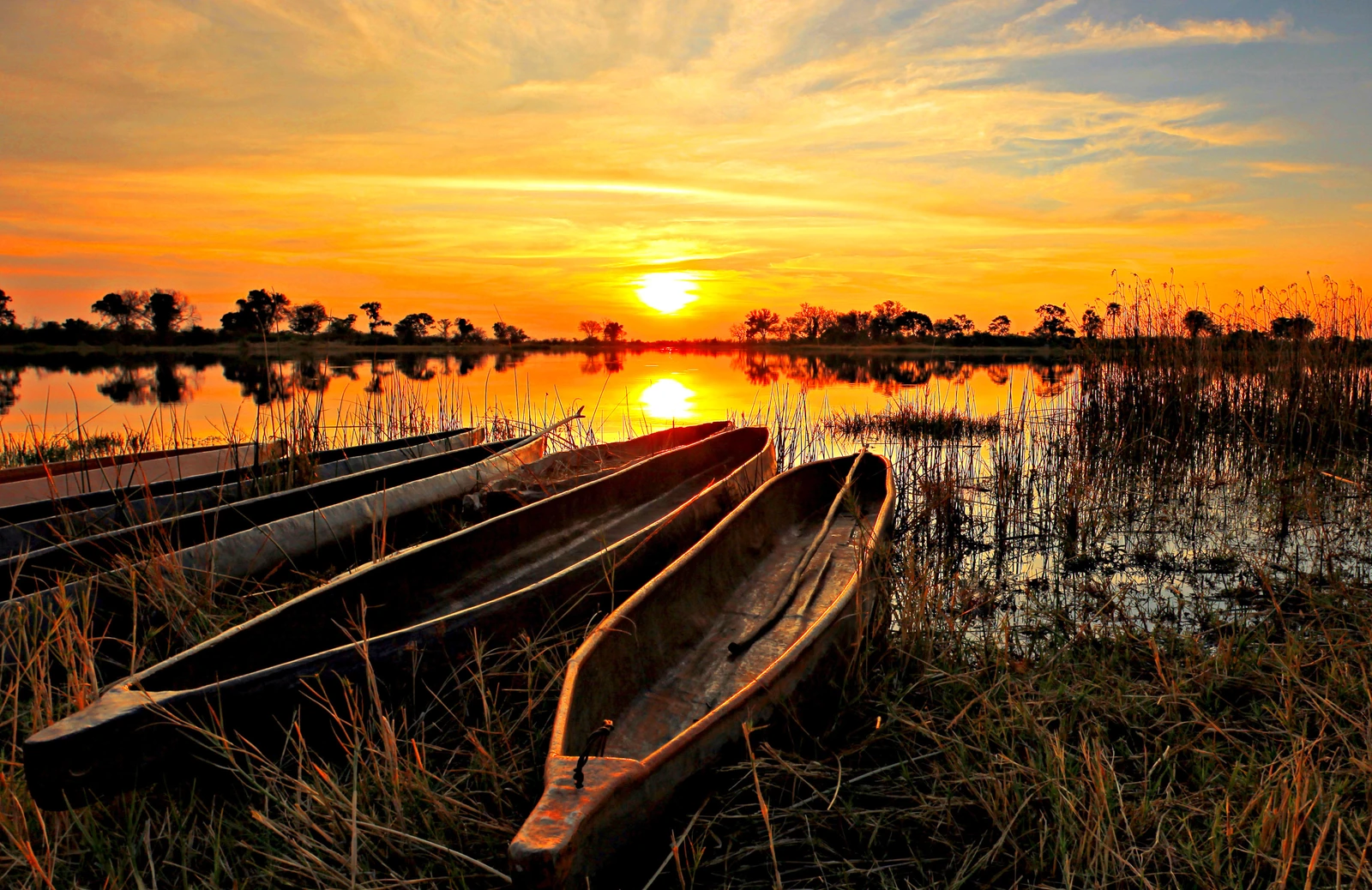 A 6-day Botswana safari offers the ultimate wild escape, seamlessly blending land and water adventures across Africa’s most iconic landscapes. Start your journey in Kasane with Chobe River boat cruises, where you'll float past massive elephant herds, hippos, and sunbathing crocodiles. Next, slip into the serene channels of the Okavango Delta on traditional Mokoro excursions to experience the bush from a peaceful water-level view. On land, leap into action with classic game drives through Moremi and Savuti to track lions, leopards, and rare wild dogs. To round out the thrill, stretch your legs on guided walking safaris or venture out on thrilling night game drives to spot nocturnal wildlife. To craft your perfect trip and secure seamless bookings, consult trusted safari experts like Discover Africa or Yellow Zebra Safaris today.
6-day-best-victoria-falls-tour-chobe-and-hwange-zambia-wildlife-safari-holiday
6-days-affordable-chobe-and-delta-budget-botswana-safari
Chobe River Boat Cruises
Floating along the Chobe River as the afternoon sun drops lower in the sky feels less like a typical tourist excursion and more like slipping into a high-definition nature documentary. Departing from the Kasane waterfront, these pontoon and riverboat cruises offer front-row seats to one of the greatest natural spectacles on earth. Chobe National Park is home to an estimated 50,000 African elephants—one of the densest populations left on the planet—and seeing them from the water completely changes your perspective. Instead of watching from a dusty vehicle, you drift mere meters away while massive family herds splash through the shallows, spray water over their backs, or swim across the river with their trunks raised like periscopes.
The riverbank vibrates with life: pods of hippos grunt and jostle for territory, massive Nile crocodiles bake on the mudflats, and African fish eagles swoop down from the riverine trees to snatch fish from the surface. Sunset transforms the landscape into a golden canvas, making it a photographer’s paradise where you can capture crisp reflections of drinking giraffes and wading buffalo. It’s a wonderfully relaxed, unintrusive way to encounter Africa's heavyweights.
Mokoro Excursions
There is no sound in the Okavango Delta quite like the soft swish-swish of a mokoro carving through lily-covered channels. These traditional dugout canoes—historically carved from local hardwoods like ebony, but now crafted out of eco-friendly fiberglass to protect the trees—have been the primary mode of transport through these wetlands for centuries. Guided by an expert local "poler" who stands at the stern wielding a long wooden pole called a ngashi, you glide silently at water level through a maze of reed-lined channels.
Without the hum of a diesel engine, the Delta reveals its smallest, most delicate secrets. Your guide will point out tiny, jewel-toned painted reed frogs clinging to papyrus stalks, vibrant pygmy kingfishers darting across the water, and delicate day-lily blossoms floating beside your boat. Larger wildlife is never far off either; it’s common to spot rare water-adapted antelopes like the red lechwe splashing through the grass or elephants feeding on the palm islands nearby. A mokoro trip isn't about chasing fast-paced predator sightings; it’s about slowing down to match the soothing rhythm of the wilderness.
Classic Game Drives
When it comes to tracking Africa's famous wildlife on land, nothing beats an open-sided
Moremi is widely regarded as one of Africa's premier game reserves, while Savuti is legendary for its powerful resident lion prides and migratory zebra herds. On a typical morning drive, your guide follows fresh tracks in the sand to locate apex predators like leopards slinking through riverine trees or endangered African wild dogs gathering for a hunt. Between tracking big cats, you'll encounter towering giraffes, zebra herds, baboons, and giant bull elephants roaming the tracks. It’s an immersive, heart-pounding way to experience the raw dynamics of the African bush.
Guided Walking Safaris
Stepping off the safari vehicle and setting foot directly onto the African soil completely transforms your relationship with the environment. Led by a professional, armed ranger and a local tracker, a guided bush walk strips away the steel barrier of a 4WD and invites you to engage all five senses. Rather than rushing to cover distance, walking safaris focus on reading the "newspaper of the bush"—interpreting footprint tracks in the sand, animal droppings, bent blades of grass, and broken branches.
Your guide will teach you how to tell which way a lion was traveling, how termite mounds regulate their own internal climate, and which plants native communities use for medicine. You'll notice the scent of wild sage underfoot, listen to bird alarm calls warning of nearby predators, and learn how smaller creatures fit into the ecosystem. While encountering big game like zebra, impala, or elephants on foot offers an incredible surge of adrenaline, the true magic of a walking safari lies in discovering the intricate details of the natural world.
Night Game Drives
As the sun dips below the horizon and the bush settles into darkness, an entirely new world awakes. Conducted in private concessions outside national park boundaries, night game drives offer a rare glimpse into the secret lives of Africa's nocturnal animals. Equipped with a high-powered, red-filtered spotlight that won't blind or disturb the wildlife, a dedicated tracker scans the tree branches and tall grasses for the telltale glow of reflective eyes.
The atmosphere is thick with anticipation. While day drives often catch predators sleeping in the shade, night drives catch them in motion. You might spot a leopard setting off on a night hunt, lions roaring to signal their pride, or an elusive bushbaby leaping through the acacia canopy. Night drives also reveal shy, lesser-known creatures that you'd rarely see in daylight, such as honey badgers, porcupines, civets, genets, and aardvarks. Accompanied by the haunting nighttime soundtrack of crickets, hyaenas, and nightjars, it’s a thrilling close to a day in the wild.
6-Day Botswana Safari Highlights
A 6-day Botswana safari offers a balanced contrast between tranquil waterway journeys and thrilling game drives. By combining the floating channels of the Okavango Delta with the predator-rich plains of the Moremi Game Reserve and the massive elephant corridors of Chobe National Park, you’ll experience Southern Africa at its absolute best.Expect to track the Big Five, spot rare African wild dogs, and watch big game right from the water.
Days 1–2: Deep in the Okavango Delta
Your journey begins in Maun, the gateway to the delta. Boarding a small bush plane, you'll take a 20-to-30-minute scenic transfer over a vast patchwork of green islands and winding channels. Keep an eye out from your window—you can often spot elephant herds and hippos making tracks in the mud far below.
Once at camp, swap engine noise for total peace on a traditional mokoro (dugout canoe) trip. Guided by a local poler, you'll glide silently through shallow, papyrus-fringed waterways, passing day-lilies and spotting tiny, colorful reed frogs. Later, stretch your legs on a guided walking safari to learn how trackers read animal prints in the sand, identify medicinal plants, and safely approach plains game on foot.
Days 3–4: Wildlife Encounters in Moremi & Khwai
Hop back into a light aircraft for a short flight east toward the Moremi Game Reserve and the neighboring Khwai River area. This dynamic ecosystem marks the boundary where Delta waters meet dry mopane forests, creating one of the richest wildlife concentrations on the continent.
Here, the focus shifts to intensive 4x4 open-vehicle game drives. With expert local guides at the wheel, you'll track apex predators like lions resting under acacia trees, elusive leopards slinking through riverine branches, and packs of endangered wild dogs preparing for a hunt. Because Khwai is a private concession area, you can stay out after sunset for night game drives, using red-filtered spotlights to look for glowing eyes—from hunting big cats to shy civets, bushbabies, and genets.
Days 5–6: Massive Elephant Herds in Chobe National Park
Fly north to Kasane, the jumping-off point for Chobe National Park, famous for hosting over 50,000 African elephants.
Spend your days exploring Chobe’s teak forests and riverbanks, where land drives frequently bring you face-to-face with giant bull elephants, giraffes, and sleeping pride lions. End your safari on a high note with an iconic sunset boat cruise on the Chobe River. From the deck, watch family groups of elephants swim across the river with their trunks raised like periscopes, while hippos splash and crocodiles sunbathe along the banks. On Day 6, you'll head back to Kasane Airport to connect to your homeward flight.
What is a mokoro safari in Okavango?
A mokoro safari is easily one of the most tranquil ways to experience the Okavango Delta. A mokoro is a traditional dugout canoe, historically carved from large trees like ebony or sausage trees, though modern versions are made from eco-friendly fiberglass to protect the forest. Guided by a skilled local poler who stands at the stern with a long wooden pole called a ngashi, you glide silently through narrow, lily-covered channels at water level.Without the hum of a motor, the wetland reveals its peaceful side. You’ll hear the soft swish of papyrus stalks, birds calling across the water, and tiny painted reed frogs leaping between lily pads. Sitting just inches above the water gives you a unique vantage point on vibrant kingfishers and floating day-lilies. While larger animals like elephants or lechwe antelopes are often spotted feeding on nearby grassy islands, the real magic of a mokoro trip lies in slowing down to appreciate the quiet, hidden micro-details of the Delta that you’d completely miss from a motor vehicle.
What wildlife can you see in Chobe River?
Cruising down the Chobe River puts you front and center for some of the grandest wildlife sightings in Southern Africa. Chobe National Park harbors one of the dense concentrations of African elephants on Earth—roughly 50,000 of them—and the river is where they gather to drink, bathe, and play. From the deck of a boat, it’s common to watch massive elephant families splash into the shallows, spray water over their backs, or swim across channels with their trunks raised like periscopes.Beyond elephants, the riverbanks are teeming with activity. Pods of hippos grunt and jostle for position in the water, while massive Nile crocodiles sunbathe along the muddy banks. Waterbirds are everywhere—you'll spot fish eagles swooping down for a catch, colorful bee-eaters, and African skimmers darting over the surface. On the shoreline, giraffes, buffalo, and waterbucks frequently come down for an afternoon drink, especially as the sun sets over the water, turning the river into a golden landscape.
Are guided bush walks safe in Botswana?
Yes, guided bush walks in Botswana are safe when led by qualified, licensed professionals. Walking safaris are never a casual stroll into the wild; they are carefully managed expeditions conducted by trained professional rangers, often accompanied by an armed tracker. These experts undergo strict certification processes covering animal behavior, tracking, wind direction assessment, and safety protocols, ensuring you remain out of harm's way.Unlike vehicle drives that focus on covering distance, walking safaris focus on reading the environment. Guides maintain a safe distance from large animals like elephants, buffalo, or big cats, constantly reading the wind and tracks to avoid surprising any wildlife. Before setting off, your guide provides a clear safety briefing explaining how to walk single-file, stay quiet, and follow instructions. Stepping off the vehicle completely shifts your perspective—you'll learn how to read tracks in the sand, identify animal dung, and feel the thrill of walking through nature, all under the watchful eye of a seasoned expert.
What happens on a night game drive?
A night game drive opens up a whole different world that wakes up after dark. While national parks usually close their gates at sunset, night drives take place in private concessions outside park boundaries, such as the Khwai or Linyanti regions. As twilight falls, your open 4x4 safari vehicle sets off with a tracker sitting on a elevated seat up front, sweeping a red-filtered spotlight across tall grass and trees to look for the eye-shine of nocturnal animals.Night is prime time for predator activity. Big cats like lions and leopards, who spend hot days sleeping under shady trees, wake up to hunt as temperatures drop. You might spot a leopard stalking through riverine woodlands or hear lions roaring across the dark plain. Night drives also give you a chance to see shy creatures rarely spotted in daylight, including porcupines, honey badgers, civets, genets, and adorable big-eyed bushbabies leaping through the canopy. Accompanied by the nighttime sounds of crickets and distant hyenas, it’s an exciting, mysterious adventure.
Can you see wild dogs in Moremi?
Yes, the Moremi Game Reserve and its surrounding private concessions (like the Khwai area) are among the best places in Africa to spot endangered African wild dogs. Also known as painted wolves due to their unique, marbled coats, wild dogs require vast, connected wilderness areas to thrive. Moremi’s rich mix of dry woodlands, floodplains, and acacia scrublands provides ideal territory for these social predators.Wild dogs are energetic, highly organized hunters that live in close-knit packs. Because they cover vast distances quickly, tracking them is always an adrenaline rush. Morning game drives offer your best chance to find them as they wake up, greet each other with high-pitched chirps, and set out to hunt impala or reedbuck. Watching a pack coordinate a hunt showcases incredible teamwork and speed. Even when resting near a den or grooming one another, seeing a wild dog pack is a memorable highlight of any Botswana itinerary.
Why take a scenic Delta flight?
Taking a scenic flight over the Okavango Delta offers a perspective on this UNESCO World Heritage Site that you simply can't get from the ground. Flying in a light aircraft between Maun and your safari camp gives you a front-row seat to an ecosystem stretching out like a vast green palm across the Kalahari sands. From above, the sheer scale and intricate design of the Delta become instantly clear.Looking down through the plane window, you'll trace winding blue channels, glass-like lagoons, and palm-covered islands. You'll also spot subtle wildlife trails—often called "hippo highways"—etched through the tall papyrus grass. The aerial view makes spotting large game surprisingly easy; you can frequently see elephant herds wading through shallow waters, pods of hippos in deep pools, and buffalo herds moving across grassy islands. It turns a routine camp transfer into an unforgettable scenic highlight before you even step foot on the ground.
What animals live in Savuti National Park?
The Savuti region, located in the remote interior of Chobe National Park, is famous for its dramatic landscapes and intense predator-prey dynamics. Savuti’s environment ranges from open savannas and mopane woodlands to dry marshlands and rocky granite hills, attracting a wide variety of plains game and formidable apex predators.Savuti is world-renowned for its powerful lion prides, which are famous for hunting large prey like buffalo and young elephants during dry seasons. Alongside lions, you’ll find leopards resting in trees or on rocky hills, cheetahs scanning open plains, and spotted hyenas roaming the terrain. Huge zebra herds pass through Savuti during their annual migration, accompanied by wildebeest, giraffes, impalas, and bull elephants. The area is also home to desert-adapted species like eland and gemsbok, while bird enthusiasts can spot kori bustards, secretary birds, and colorful carmine bee-eaters.
What makes open 4x4 game drives special?
Open 4x4 game drives are the heart of a classic African safari, providing an unobstructed view of the bush. In Botswana, custom-built Toyota Land Cruisers are designed without glass windows or high roofs. Instead, they feature open sides, elevated canvas seating, and pop-up or open tops, giving every guest a panoramic view for photography and wildlife watching.Without glass or closed doors separating you from nature, all your senses switch on. You feel the morning breeze, smell wild sage and sun-warmed earth, and hear the rustle of leaves as an animal steps onto the track. The elevated seating gives you a clear line of sight over tall grasses, making it easier to spot hidden predators. Driven by knowledgeable guides who understand animal behavior and tracking, these sturdy vehicles easily navigate rough terrain, soft sand, and shallow river crossings to bring you safely up close to wildlife.
When is best for river safaris?
The ideal time for river safaris in Botswana is during the dry season, which runs from May to October. During these months, rainfall disappears and inland waterholes dry up. As water sources vanish elsewhere, animals gather along permanent watercourses like the Chobe River and the main channels of the Okavango Delta, resulting in massive concentrations of wildlife along the shorelines.In the Okavango Delta, annual floodwaters coming from the Angolan highlands peak between June and August (the middle of the dry season). This creates perfect water levels for peaceful mokoro trips and motorboat excursions through flooded lily channels. Meanwhile, along the Chobe River, July through October brings massive herds of elephants—sometimes hundreds at a time—down to drink and bathe every afternoon. Mild daytime temperatures and clear skies make spending hours out on the water relaxing and rewarding.
Can you spot the Big Five in Botswana?
Yes, you can see all members of the Big Five—lion, leopard, elephant, buffalo, and rhino—in Botswana, though rhinos require deliberate itinerary planning. Lions, leopards, elephants, and Cape buffalo are abundant across northern regions like Moremi Game Reserve, the Khwai area, and Chobe National Park. Elephant and buffalo herds in particular number in the thousands, while big cat sightings are frequent and reliable.Because rhinos face severe poaching threats across Africa, Botswana’s government and conservation organizations have relocated many white and black rhinos to highly secure, monitored sanctuaries and private reserves, such as the Khama Rhino Sanctuary or protected delta concessions. If seeing a rhino is a top priority for your 6-day safari, including a stop at a dedicated sanctuary or a private concession known for rhino protection is essential. With the right routing, checking off all five is entirely achievable.
Booking Botswana wildlife safaris with us Roads of Adventure safaris
Planning a Botswana wildlife journey—whether it’s your first time or an extended two-week expedition—comes down to choosing the right rhythm for your adventure. Operators like Roads of Adventure Safaris highlight that the ultimate way to explore iconic hubs like the Okavango Delta, Moremi, and Chobe is by blending diverse perspectives. You can pair classic 4x4 land drives with tranquil mokoro dugout canoe trips through lily-lined channels, sunset river cruises past elephant herds, and guided bush walks. Whether opting for a quick first-timer's loop or a comprehensive 14-day fly-in itinerary, combining land and water experiences captures Botswana's wild beauty best.
0 Replies
·
3 views

Hey everyone, seeing a lot of posts asking how to plan a first trip to Ho Chi Minh City (Saigon). After helping dozens of people plan their trips, here is the blueprint that actually works. The biggest mistake people make here is over-scheduling. Saigon is hot and chaotic—if you pack your itinerary too tight, you will hate it. Here is how to pace a perfect 3-day trip.

Don't do a 1-day trip. It's too rushed. Three days is the sweet spot. It gives you time for the central sights, one major day trip, and a dedicated day for food. If you have 4-5 days, don't add more tourist sights; just take things slower.
You are likely jet-lagged. Stay in District 1 and walk.

Get out of the city center today.

No museums today. Just vibes.
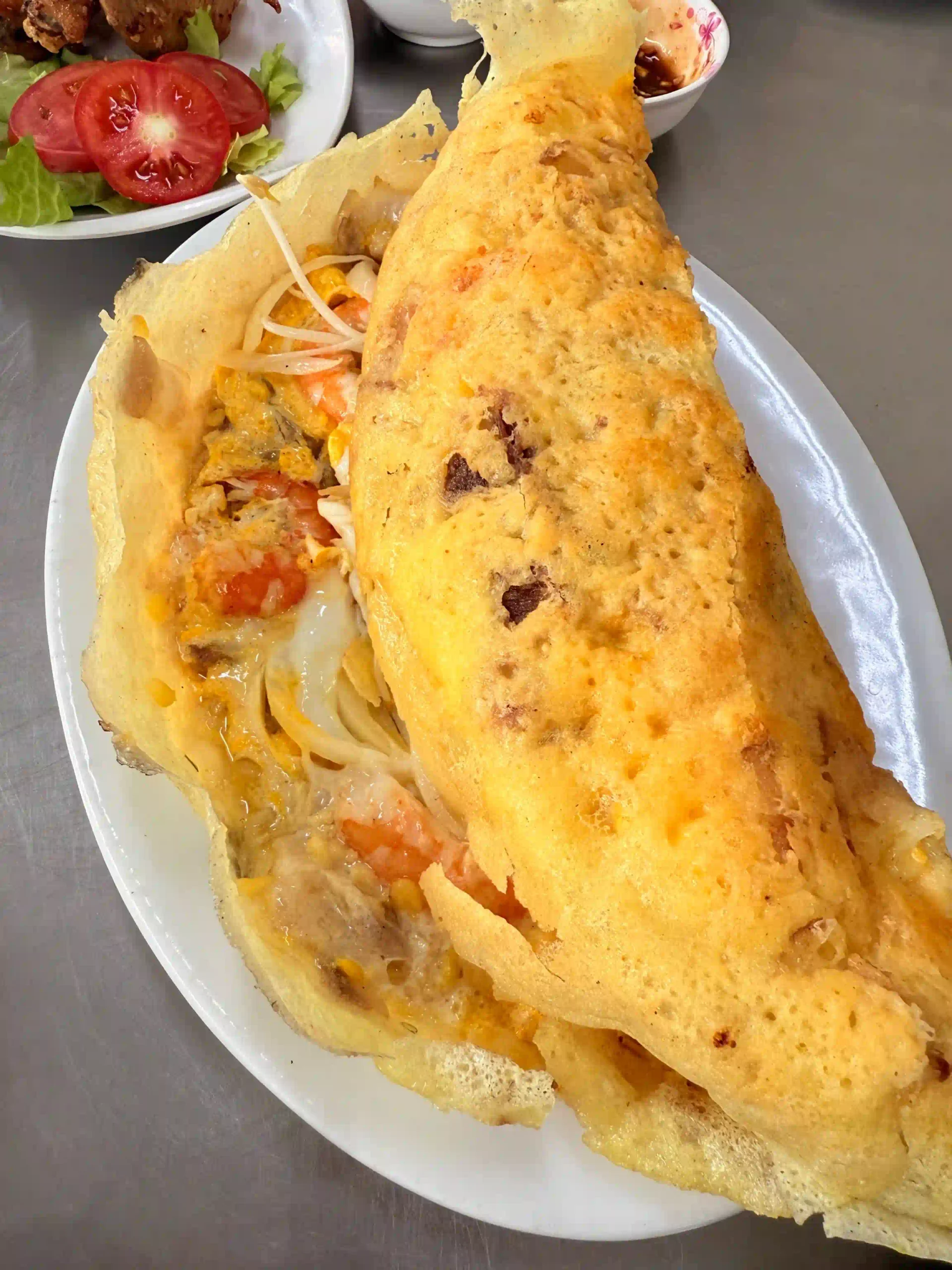
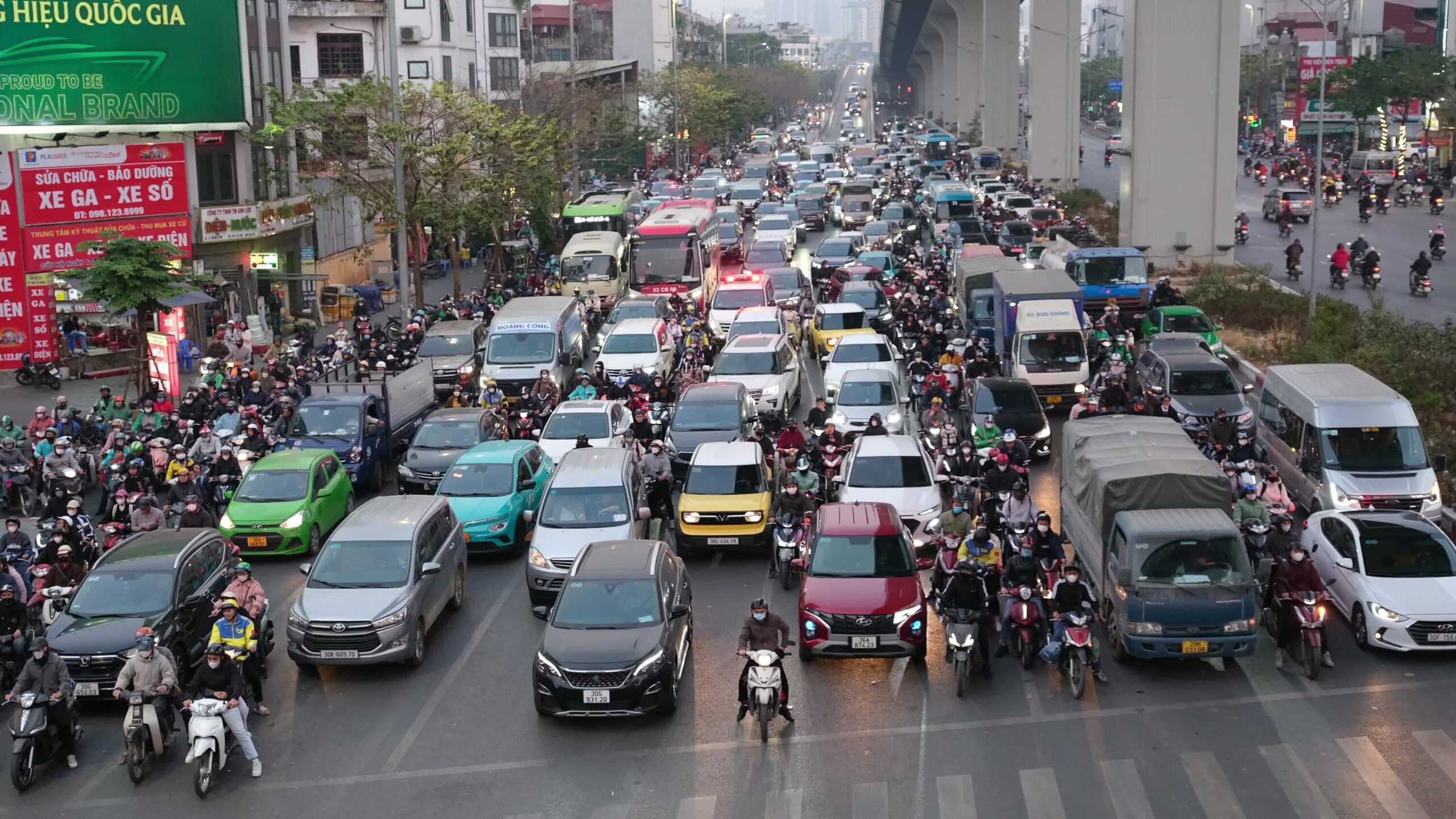
Feel free to ask any questions below!
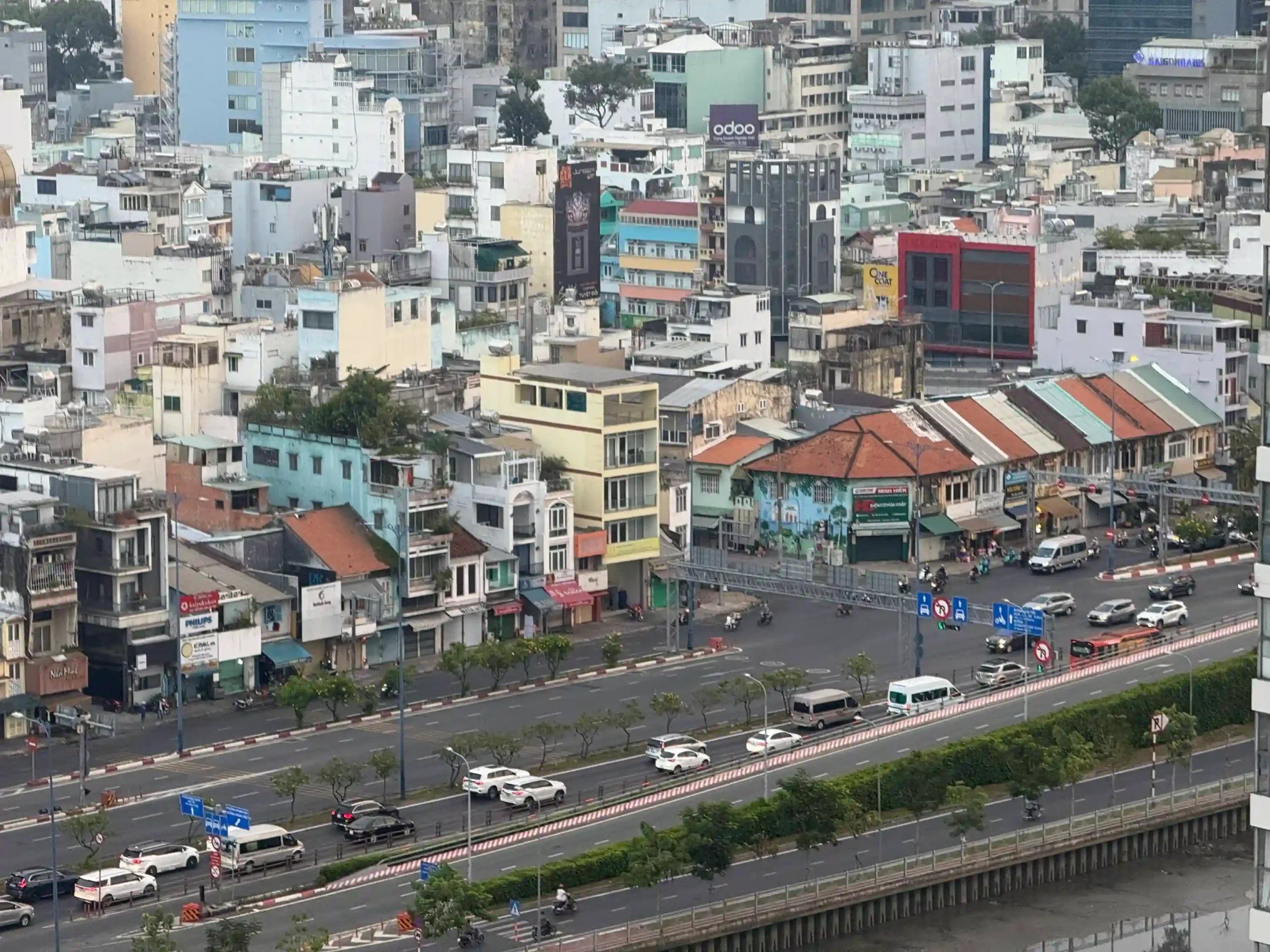
Why 3 Days?
Don't do a 1-day trip. It's too rushed. Three days is the sweet spot. It gives you time for the central sights, one major day trip, and a dedicated day for food. If you have 4-5 days, don't add more tourist sights; just take things slower.
Day 1: Central Core & History
You are likely jet-lagged. Stay in District 1 and walk.
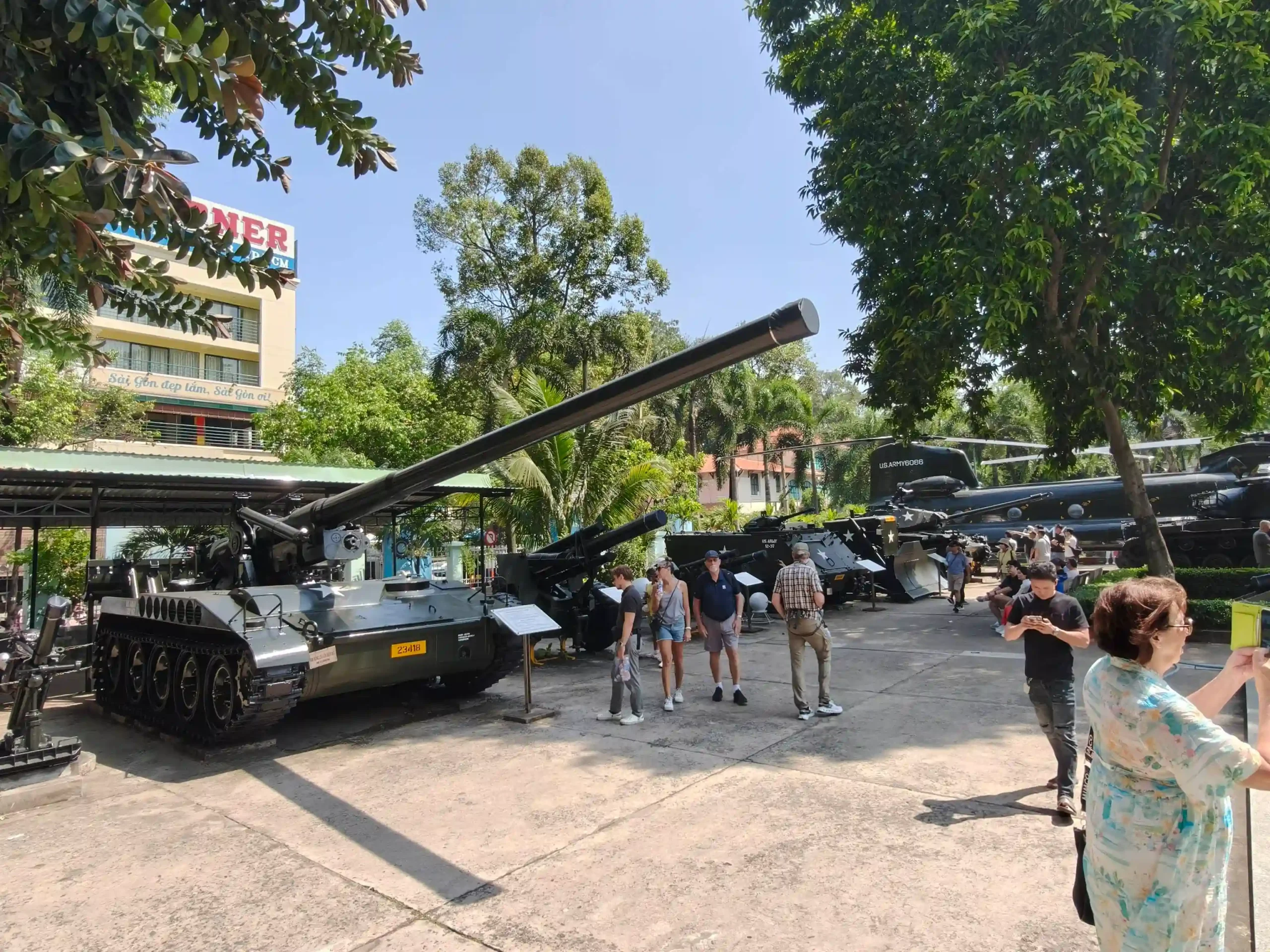
- Morning: Check out the French Colonial architecture (Post Office, Notre Dame).
- Midday: Visit the Independence Palace and War Remnants Museum. Do this heavy war history on day one while your mind is fresh, not when you are exhausted at the end of the trip. Check this attractions guide for ticket info.
- Evening: Keep it flexible. Eat local, sleep early if needed.
Day 2: Cu Chi Tunnels Trip
Get out of the city center today.
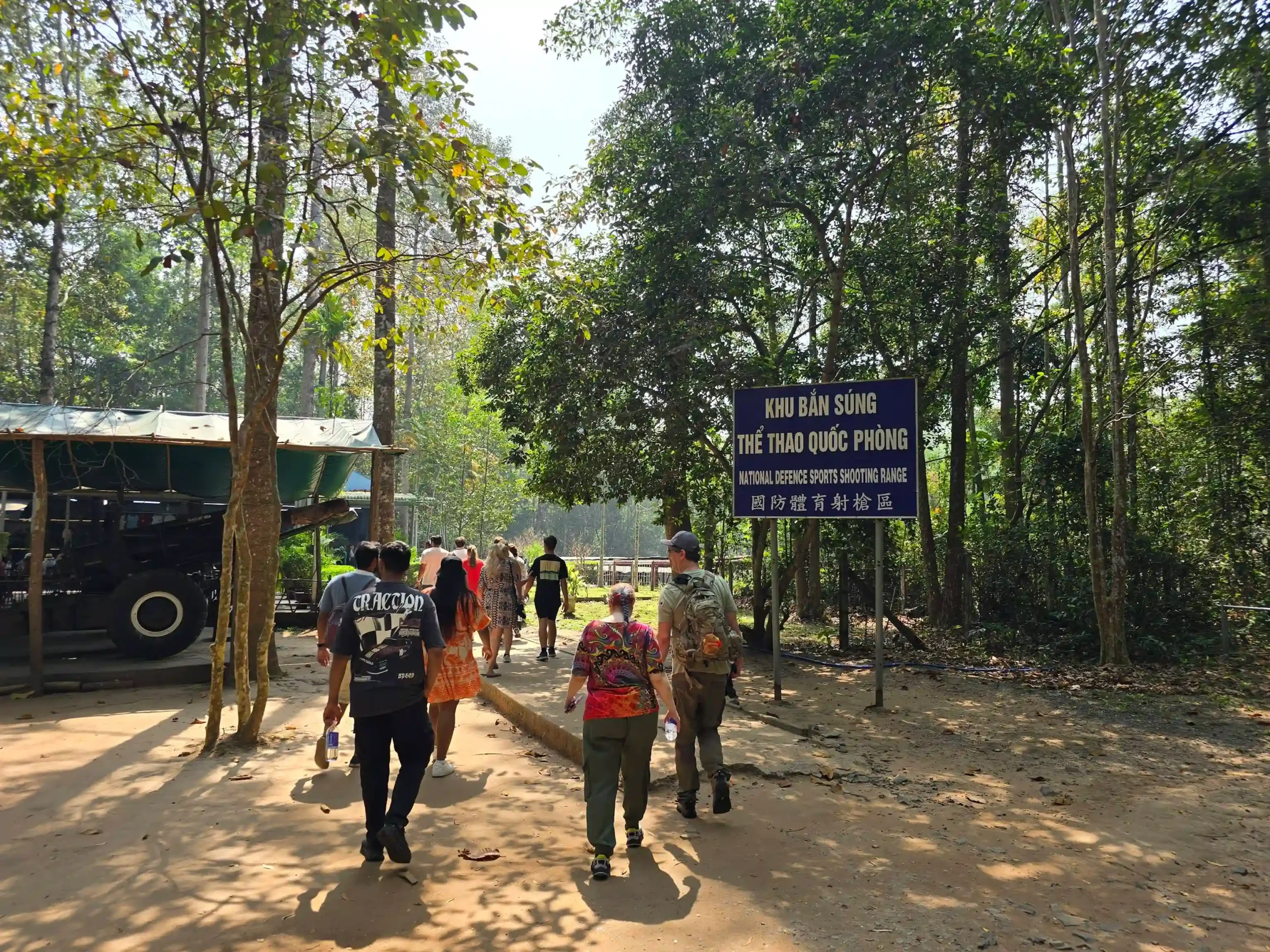
- Morning: Take a half-day tour to the Cu Chi Tunnels. It’s a must-do to understand the Vietnam War. Doing it in the morning beats the heat and gets you back by 2 PM.
- Afternoon: Cafe hop. Saigon has world-class cafe culture. Recover from the bus ride.
Day 3: Food & Culture Drift
No museums today. Just vibes.
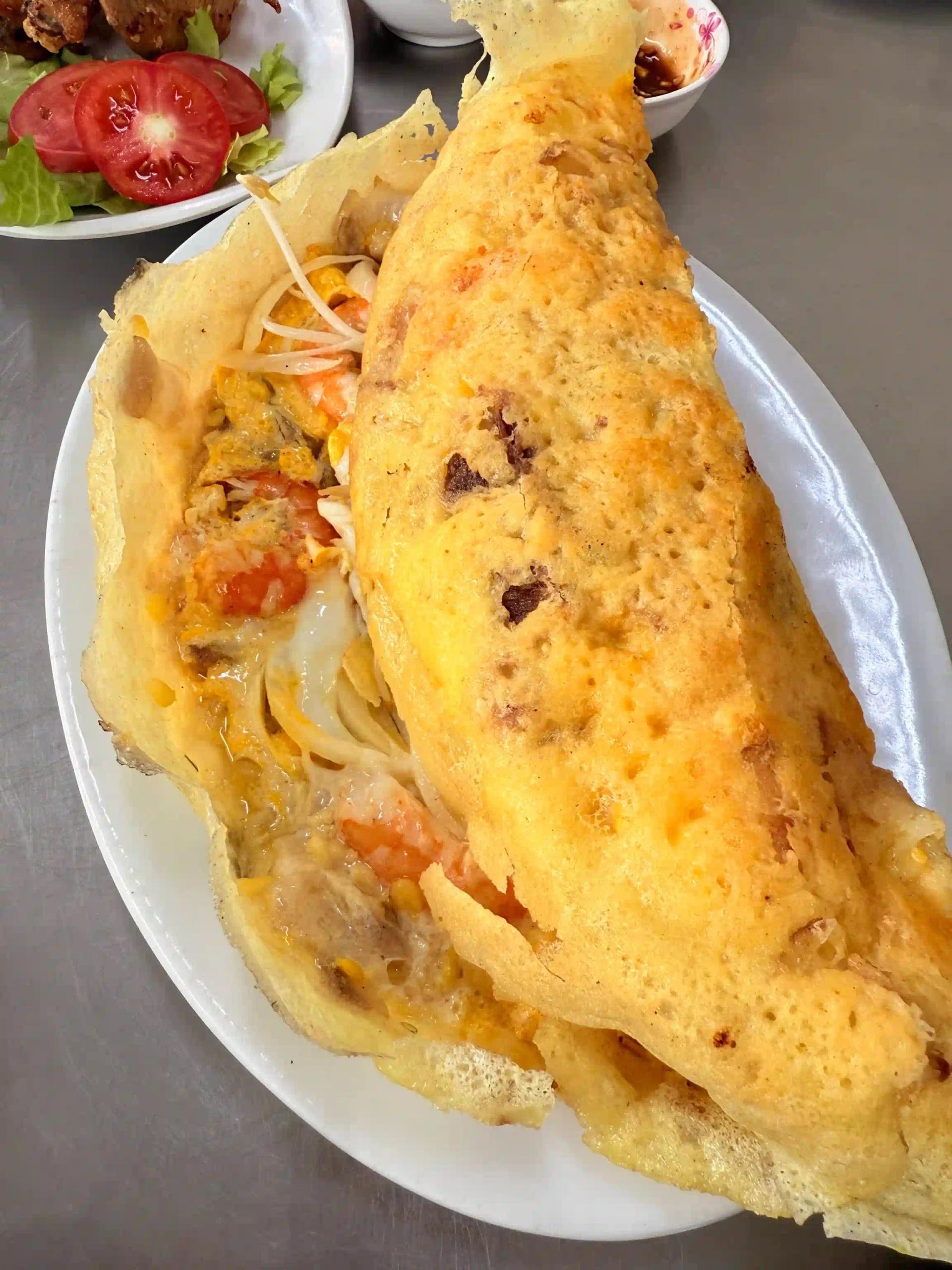
- Morning: Sit on a plastic stool and eat a real street breakfast. Bookmark this street food guide so you know what to order.
- Afternoon: Walk through some local markets (but don't treat Ben Thanh as a serious shopping destination, it's a tourist trap).
- Evening: Head to the river. A dinner cruise or waterfront drinks is the perfect end to the trip.
Quick Tips
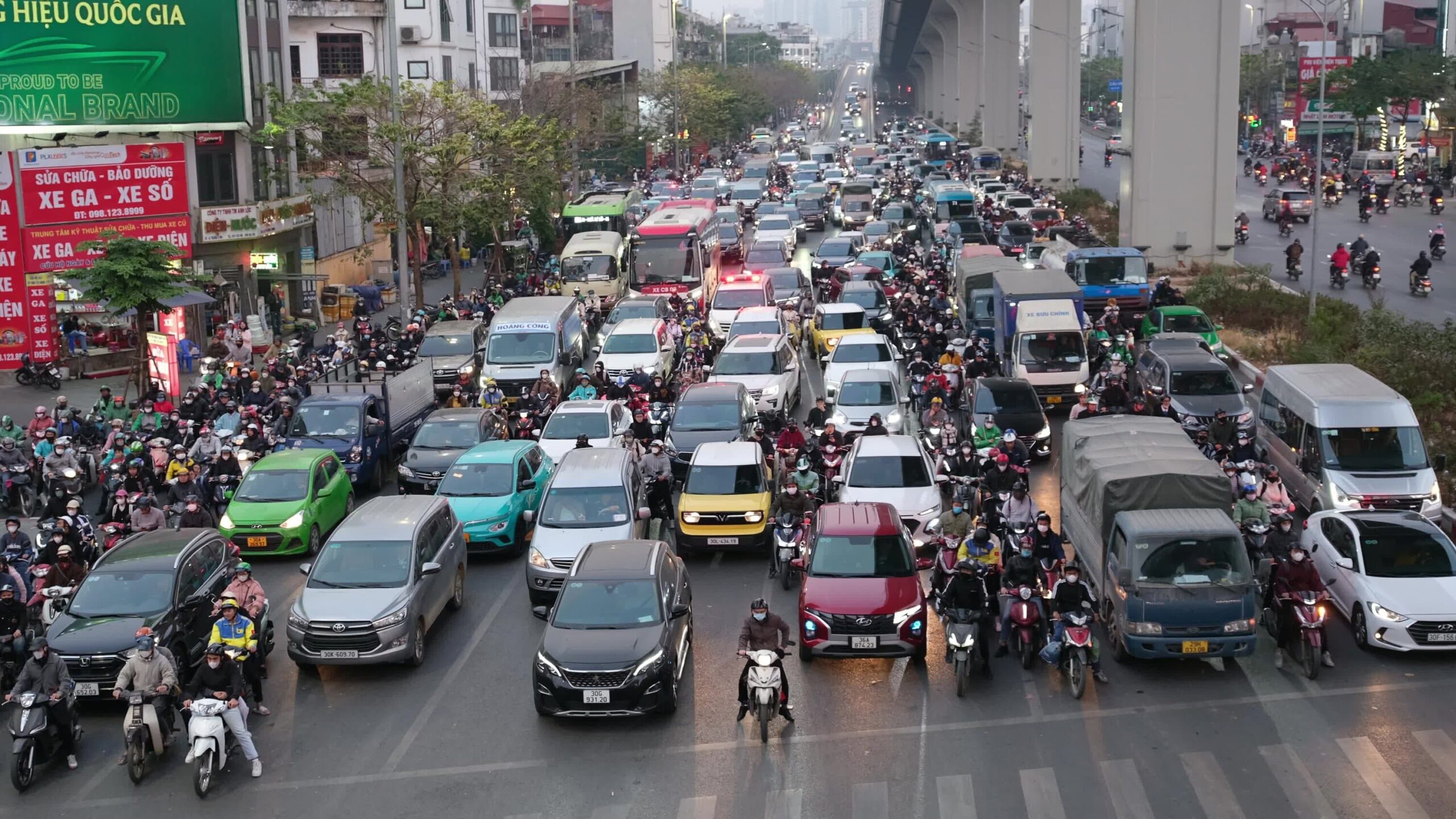
- The Heat: Do your walking before 11 AM and after 3 PM. Use midday for air-con and long lunches.
- With Kids: If you are traveling with kids, build in afternoon pool time. The heat drains them fast.
- Weather: Visiting in the rainy season? It usually just pours for 1-2 hours in the afternoon. Plan museum/cafe time for when the rain hits.
Feel free to ask any questions below!
1 Replies
·
292 views
Roads of Adventure safaris ltd
info@roadsofadventuresafaris.com
This 9 Days best Rwanda birding safari, primates and wildlife offers a masterclass in biodiversity, weaving through the "Land of a Thousand Hills" to connect three distinct ecosystems. From the sprawling wetlands of Akagera National Park to the mist-shrouded bamboo forests of Volcanoes National Park and the ancient canopy of Nyungwe Forest, this journey targets Rwanda’s most prestigious biological prizes. Birders will scan for the prehistoric Shoebill and the vibrant Great Blue Turaco, while wildlife enthusiasts face the profound experience of mountain gorilla trekking.
Rwanda’s commitment to ecological restoration has transformed these landscapes into premier destinations for spotting Albertine Rift endemics. As you transition from sun-drenched savannahs to high-altitude rainforests, you’ll witness a dramatic shift in avian life and primate behavior. This 9 Days best Rwanda birding safari, primates and wildlife
is meticulously designed for those who seek high-value photography, rare life-list additions, and a deep connection with the soul of Central Africa’s wilderness. Prepare for an immersive journey that balances the thrill of the hunt with the serenity of Rwanda’s majestic landscapes.
Tour Highlights
- Rare Shoebill sightings in Akagera.
- Mountain Gorilla trekking in Volcanoes.
- Golden Monkey tracking through bamboo.
- Albertine Rift endemic bird search.
- Great Blue Turaco forest sightings.
- Canopy Walkway high above Nyungwe.
- Lake Ihema boat birding safari.
- Lilac-breasted Roller savannah photography opportunities.
- Regal Sunbird sightings in highlands.
- Grauer’s Swamp Warbler marsh search.
- Rwenzori Nightjar nocturnal forest excursions.
- Scenic Tea Plantation landscape views.
- Kigali Genocide Memorial cultural reflection.
- L’Hoest’s Monkey rainforest floor encounters.
- African Fish Eagle wetland patrols.
- Vibrant Butare cultural museum visit.
Day 1: Arrival and the Gateway to Akagera
Day 2: The Wetlands and the Prehistoric Shoebill
Day 3: Transition to the Virunga Massif
Day 4: Gorilla Trekking and High-Altitude Specialties
Day 5: Journey to the Ancient Nyungwe Forest
Day 6: The Canopy Walk and Uwinka Highlights
Day 7: Endemic Quests and Nocturnal Secrets
Day 8: Cultural Reflections and the Road to Kigali
Day 9: Kigali Discovery and Departure
0 Replies
·
22 views
Roads of Adventure Safaris ltd
info@roadsofadventuresafaris.com
Our 7-Days Okavango Delta, Moremi, Khwai best Africa safari in Botswana is one of the best Botswan wildlife safari that takes you around to iconic locations 7-Day Okavango Delta, Moremi, Khwai: The Best Africa Safari in Botswan starting in Maun, the gateway to the Delta, where you will meet your guides who will accompany you throughout your stay. You will explore the famous Moremi Game Reserve, known for its rich wildlife, including large elephant herds, prides of lions, and over 400 bird species.
Next on your 7-Day Okavango Delta, Moremi, Khwai best Africa safari in Botswana, you will visit the Khwai Community Area, where you can learn about local cultures while observing the fascinating wildlife that thrives in the region. From peaceful mokoro rides through the delta's channels to exciting evening game drives, each day brings new chances to connect with nature and local communities.
This 7-Day Okavango Delta, Moremi, Khwai best Africa safari in Botswana is designed to provide you with unforgettable moments and insights into the area's diverse wildlife. Join us for a remarkable adventure that celebrates the beauty and variety of Botswana’s wildlife.
Tour Highlights
Day 1: Arrival in Maun
Day 2: Maun to Moremi Game Reserve
Day 3: Moremi Game Reserve (Okavango Delta)
Day 4: Moremi Game Reserve to Khwai Community Area
Day 5-6: Khwai Community Area
Day 6: Khwai Community Area to Maun
info@roadsofadventuresafaris.com
Our 7-Days Okavango Delta, Moremi, Khwai best Africa safari in Botswana is one of the best Botswan wildlife safari that takes you around to iconic locations 7-Day Okavango Delta, Moremi, Khwai: The Best Africa Safari in Botswan starting in Maun, the gateway to the Delta, where you will meet your guides who will accompany you throughout your stay. You will explore the famous Moremi Game Reserve, known for its rich wildlife, including large elephant herds, prides of lions, and over 400 bird species.
Next on your 7-Day Okavango Delta, Moremi, Khwai best Africa safari in Botswana, you will visit the Khwai Community Area, where you can learn about local cultures while observing the fascinating wildlife that thrives in the region. From peaceful mokoro rides through the delta's channels to exciting evening game drives, each day brings new chances to connect with nature and local communities.
This 7-Day Okavango Delta, Moremi, Khwai best Africa safari in Botswana is designed to provide you with unforgettable moments and insights into the area's diverse wildlife. Join us for a remarkable adventure that celebrates the beauty and variety of Botswana’s wildlife.
Tour Highlights
- Explore Maun Town
- Journey to Moremi Game Reserve
- First Game Drive in Moremi
- Spot elephants, lions, and diverse birdlife.
- Morning and afternoon drives for wildlife encounters in Moremi.
- Travel to Khwai Community Area
- Evening Game Drive in Khwai
- Two Days in Khwai Community with game drive
- Mokoro Excursion in the Delta
Day 1: Arrival in Maun
Day 2: Maun to Moremi Game Reserve
Day 3: Moremi Game Reserve (Okavango Delta)
Day 4: Moremi Game Reserve to Khwai Community Area
Day 5-6: Khwai Community Area
Day 6: Khwai Community Area to Maun
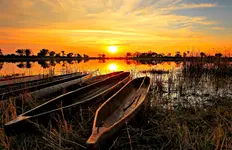
0 Replies
·
22 views

If you're flying with JetBlue from Fort Lauderdale-Hollywood International Airport (FLL), knowing the correct terminal before your trip can help you avoid delays and enjoy a smoother airport experience. Whether you're checking in, dropping off baggage, or meeting someone at arrivals, having the right terminal information makes travel much easier.
In this guide, you'll learn what terminal JetBlue uses at Fort Lauderdale Airport, along with check-in details, departures, arrivals, baggage claim, airport amenities, and helpful travel tips.
If you're searching for:
Available amenities include:
After collecting your bags, you'll find:
JetBlue baggage claim is conveniently located within Terminal 3. Digital displays provide baggage carousel numbers for arriving flights.
If your baggage is delayed or damaged, visit the JetBlue baggage service office located near the baggage claim area.
In this guide, you'll learn what terminal JetBlue uses at Fort Lauderdale Airport, along with check-in details, departures, arrivals, baggage claim, airport amenities, and helpful travel tips.
What Terminal Does JetBlue Use at Fort Lauderdale Airport?
JetBlue operates from Terminal 3 at Fort Lauderdale-Hollywood International Airport (FLL) for most of its domestic and international flights. Terminal 3 is one of the airport's busiest terminals and offers modern facilities designed to make your journey comfortable.If you're searching for:
- What terminal is JetBlue at FLL?
- JetBlue Fort Lauderdale terminal
- JetBlue terminal at Fort Lauderdale Airport
JetBlue Check-In at FLL
Passengers flying with JetBlue should arrive at Terminal 3 to complete the following:- Flight check-in
- Self-service kiosk check-in
- Checked baggage drop
- Customer service assistance
- Security screening
JetBlue Departures at Fort Lauderdale Airport
JetBlue departures take place from Terminal 3. After passing through security, travelers can enjoy several airport services while waiting for boarding.Available amenities include:
- Restaurants and cafés
- Coffee shops
- Retail stores
- Charging stations
- Free Wi-Fi
- Restrooms
- Family-friendly facilities
JetBlue Arrivals at Fort Lauderdale Airport
Passengers arriving on JetBlue flights can collect their luggage from the baggage claim area located in Terminal 3.After collecting your bags, you'll find:
- Ride-share pickup areas
- Taxi services
- Rental car shuttles
- Public transportation
- Hotel shuttle services
JetBlue baggage claim is conveniently located within Terminal 3. Digital displays provide baggage carousel numbers for arriving flights.
If your baggage is delayed or damaged, visit the JetBlue baggage service office located near the baggage claim area.
Airport Services and Amenities
Terminal 3 offers a variety of traveler-friendly services, including:- Free airport Wi-Fi
- ATM machines
- Charging stations
- Food courts
- Fast-food restaurants
- Newsstands
- Convenience stores
- Accessible facilities
- Nursing rooms
- Lost and found services
Ground Transportation
Travelers arriving at Terminal 3 have several transportation options:- Ride-sharing services
- Taxis
- Rental cars
- Hotel shuttle buses
- Broward County Transit buses
- Private airport transfers
Travel Tips for JetBlue Passengers
To make your trip hassle-free:- Check your flight status before leaving for the airport.
- Arrive early during holidays and peak travel periods.
- Keep your boarding pass and ID easily accessible.
- Review JetBlue's baggage allowance before packing.
- Use online or mobile check-in to save time.
- Double-check your departure gate, as gate assignments may change.
Final Thoughts
If you're wondering what terminal JetBlue uses at Fort Lauderdale Airport, the answer is Terminal 3. From check-in and security screening to baggage claim and passenger amenities, Terminal 3 offers everything needed for a convenient travel experience. Before heading to the airport, verify your flight details and terminal information, as gate or operational changes can occasionally occur. With a little preparation, your JetBlue journey through Fort Lauderdale-Hollywood International Airport can be smooth and stress-free.
0 Replies
·
41 views
How much Importance of Back-links for Increasing Keywords Ranking in Search Engine nowadays ?
7 Replies
·
1716 views

Hi everyone,
I've noticed quite a few questions here about Vietnam entry requirements, so I put together a quick summary of recent updates that might help with trip planning:
1. E-visa
2. Visa exemption
3. Common application mistakes
4. Visa on Arrival (VOA)
If anyone wants to quickly check whether their nationality needs a visa, or wants to follow the latest policy changes, I usually check here: vietnamvisaeasy.com (they have a handy country-lookup table).
Anyone else had a funny or frustrating visa mishap when entering Vietnam? Would love to hear your stories
I've noticed quite a few questions here about Vietnam entry requirements, so I put together a quick summary of recent updates that might help with trip planning:
1. E-visa
- Available to citizens of many countries, fully online application
- Processing usually takes about 3 business days — apply at least a week ahead to be safe
- Valid for entry through multiple checkpoints (air, land, and sea)
2. Visa exemption
- Citizens of certain countries can enter visa-free for a limited period (usually 15–45 days depending on nationality)
- Important: visa-free entry doesn't mean you can extend your stay — overstaying is a common (and costly) mistake
3. Common application mistakes
- Blurry or cropped passport photos leading to rejected applications
- Entering the wrong intended arrival date (the e-visa validity starts from the issue date, not the arrival date)
- Selecting the wrong entry checkpoint that doesn't match the actual flight/ticket
4. Visa on Arrival (VOA)
- Only valid for entry by air
- Requires an approval letter obtained before boarding
If anyone wants to quickly check whether their nationality needs a visa, or wants to follow the latest policy changes, I usually check here: vietnamvisaeasy.com (they have a handy country-lookup table).
Anyone else had a funny or frustrating visa mishap when entering Vietnam? Would love to hear your stories
1 Replies
·
119 views

Seattle is a vibrant city with a diverse range of neighborhoods, each offering its own unique charm and amenities. Some of the best neighborhoods in Seattle include:
- Capitol Hill: Known for its lively nightlife, diverse dining options, and cultural attractions, Capitol Hill is a bustling neighborhood with a vibrant arts scene and beautiful parks like Volunteer Park.
- Ballard: This historic neighborhood offers a mix of trendy boutiques, top-notch restaurants, and craft breweries. Ballard’s waterfront location provides easy access to the Ballard Locks and Golden Gardens Park.
- Fremont: Often called the "Center of the Universe," Fremont is known for its quirky art installations, eclectic shops, and vibrant community events. The neighborhood is home to the famous Fremont Troll and the Fremont Sunday Market.
- Queen Anne: Offering stunning views of the city and Puget Sound, Queen Anne is a picturesque neighborhood with charming houses, upscale dining, and cultural attractions like the Seattle Center and the Space Needle.
- West Seattle: Known for its relaxed, beach-town vibe, West Seattle features beautiful parks, like Alki Beach and Lincoln Park, along with a variety of shops and restaurants in the Alaska Junction area.
- Green Lake: Ideal for outdoor enthusiasts, Green Lake boasts a scenic park with a popular walking and biking trail around the lake. The neighborhood also offers a range of dining and shopping options.
- Belltown: Located near downtown, Belltown is a trendy area with a mix of high-rise apartments, chic boutiques, and vibrant nightlife. It’s also close to major attractions like Pike Place Market and the Seattle Waterfront.
- Madison Park: This upscale, residential neighborhood features beautiful waterfront homes, tranquil parks, and a small commercial strip with cafes and boutiques. It’s a great area for those seeking a peaceful, community-oriented atmosphere.
- Wallingford: Known for its family-friendly environment, Wallingford offers charming residential streets, a variety of restaurants and shops, and the popular Gas Works Park with its panoramic views of the city skyline.
2 Replies
·
798 views

Hi everyone,
I'm always on the lookout for great local coffee shops whenever I'm exploring Calgary. While it's easy to find the popular chains, I'd love to hear about the independent cafés that locals keep going back to.What are your favorite coffee shops in Calgary, and what makes them special? Is it the coffee itself, the atmosphere, friendly staff, fresh pastries, or a great place to work or relax?
I'd especially love recommendations for places with:
I'm always on the lookout for great local coffee shops whenever I'm exploring Calgary. While it's easy to find the popular chains, I'd love to hear about the independent cafés that locals keep going back to.What are your favorite coffee shops in Calgary, and what makes them special? Is it the coffee itself, the atmosphere, friendly staff, fresh pastries, or a great place to work or relax?
I'd especially love recommendations for places with:
- Excellent espresso or pour-over coffee
- Fresh baked goods
- Cozy seating
- Unique local character
0 Replies
·
74 views

Planning an Andaman trip from Central India usually depends on the season, hotel type, and how many days you want to stay. From what I checked while planning my own vacation, a normal 5–6 day package can cost anywhere between ₹22,000 to ₹45,000 per person including flights, hotel, ferry transfers, and sightseeing. Flight prices make the biggest difference, especially if you are traveling from cities like Bhopal, Nagpur, or Raipur. I noticed that booking early saved a good amount on airfare. There are many travel companies offering andaman and nicobar tour packages with different inclusions, so comparing 2–3 options is always helpful before booking. If your budget is limited, avoid peak holiday months because rates go much higher. I personally feel mid-season trips give the best value and less crowd too. Hope this helps with your planning.
1 Replies
·
538 views