
forum4travel

I actually had no expectations of Korea. Since there were not many colleagues who visited Korea by remote work, it was difficult to obtain information, but thanks to a colleague I met while working in Japan, I was able to continue my digital nomad at the local stitch school.
I'm going to work at the local stitch sharing office again today. Although Korea is unfamiliar to me, there are many digital nomads and many multinational people here, so I can easily become friends. It was not easy to feel this way wherever I went, but it was better than my work experience in Bangkok and Japan.
I should have come to Korea through Bangkok and then go to Japan. I feel like I wasted my movement for no reason?
1 Replies
·
907 views

Planning an Island Peak expedition in Nepal involves more than booking flights and preparing climbing equipment. One important part of the preparation is understanding the permits required for the climb and how much they add to your overall budget.
Island Peak, also known as Imja Tse, stands at 6,189 metres in the Everest region. It attracts trekkers who want to experience technical Himalayan climbing, but the paperwork and fees can be confusing when you are planning your first expedition.
However, this is only the climbing permit fee. You should also account for applicable national park and local entry charges, along with any expedition deposits or administrative costs that apply.
When comparing expedition packages, check whether these charges are included in the quoted price. A package that initially looks cheaper may leave several expenses for you to pay separately.
Before paying, ask for a clear breakdown of the permit charges and confirmation of which documents are included in your package. This can help prevent last-minute surprises in Kathmandu.
For a more detailed breakdown of the island peak permit cost, including current fees and application guidance, this TrekYaari guide may be useful while preparing your budget.
I would recommend checking these details before confirming a booking rather than relying on the headline package price alone.
A question for fellow trekkers and climbers: When planning a Himalayan expedition, do you prefer an all-inclusive package that handles permits and logistics, or do you prefer to compare each expense separately? It would be interesting to hear how others manage their expedition budgets.
Island Peak, also known as Imja Tse, stands at 6,189 metres in the Everest region. It attracts trekkers who want to experience technical Himalayan climbing, but the paperwork and fees can be confusing when you are planning your first expedition.
What Permits Do You Need for Island Peak?
Climbers generally need to arrange the following permits and entry documents:- Island Peak climbing permit: Issued by the Nepal Mountaineering Association (NMA), this is the main permit required for the ascent.
- Sagarmatha National Park entry permit: Required to enter the national park through which the trekking route passes.
- Khumbu Pasang Lhamu Rural Municipality permit: Required for entry into the Khumbu region.
How Much Does the Island Peak Permit Cost?
The NMA climbing permit fee depends on the season. The published 2026 fee schedule lists the Island Peak permit at US$350 per climber during spring (March–May) and US$175 during autumn, winter, and summer.However, this is only the climbing permit fee. You should also account for applicable national park and local entry charges, along with any expedition deposits or administrative costs that apply.
When comparing expedition packages, check whether these charges are included in the quoted price. A package that initially looks cheaper may leave several expenses for you to pay separately.
How Do You Apply for the Permit?
The simplest approach is to contact a licensed Nepali trekking agency that arranges mountaineering expeditions. The agency can explain the documentation required, process the relevant applications, and confirm the fees applicable to your planned climbing dates.Before paying, ask for a clear breakdown of the permit charges and confirmation of which documents are included in your package. This can help prevent last-minute surprises in Kathmandu.
For a more detailed breakdown of the island peak permit cost, including current fees and application guidance, this TrekYaari guide may be useful while preparing your budget.
What Else Should You Include in Your Budget?
Permits are only one part of the total expedition cost. Remember to consider accommodation, meals, transportation, climbing guides, porter services, insurance, equipment rental, and emergency expenses. The final amount will depend on your itinerary, the services included, and whether you join a group or arrange a private expedition.I would recommend checking these details before confirming a booking rather than relying on the headline package price alone.
A question for fellow trekkers and climbers: When planning a Himalayan expedition, do you prefer an all-inclusive package that handles permits and logistics, or do you prefer to compare each expense separately? It would be interesting to hear how others manage their expedition budgets.
1 Replies
·
16 views
For anyone planning a Himalayan mountaineering journey, choosing the right peak can make a real difference to both safety and experience. Island Peak and Ama Dablam are two well-known objectives in Nepal's Khumbu region, but they offer very different climbing challenges.
Island Peak reaches 6,189 metres, while Ama Dablam stands at 6,812 metres. The difference is not just their height. Island Peak provides an introduction to technical climbing at altitude, whereas Ama Dablam demands a stronger foundation in rock climbing, ice climbing, fixed-rope techniques, and exposed mountain terrain.
Although it is sometimes described as a trekking peak, it should not be underestimated. Previous high-altitude experience, proper acclimatisation, and practical mountaineering training can help climbers prepare for its challenges.
For many climbers, the expedition provides valuable experience in handling equipment and making decisions in a high-altitude environment.
Good physical fitness is important, but it is not enough on its own. Climbers should have relevant technical training and previous experience with high-altitude climbing before considering this mountain.
The right preparation may include completing mountaineering courses and attempting suitable technical peaks before moving on to Ama Dablam.
After Island Peak, climbers can assess their strengths and weaknesses and consider another objective, such as Lobuche East, to develop their technical skills further.
The best progression depends on your previous climbs, training, and experience. There is no need to rush towards a more difficult summit simply because it is higher or more famous.
I came across this detailed island peak vs ama dablam comparison while exploring the differences between these two expeditions. It offers a useful starting point for understanding the skills, preparation, and experience climbers should consider before choosing their next objective.
It is also worth speaking honestly with your expedition operator about your previous climbing experience. A responsible operator should help you understand whether your current skills match the demands of the mountain.
What would you choose? If you have already completed a high-altitude trek or mountaineering course, would you attempt Island Peak first, or do you think your existing experience would prepare you for Ama Dablam? It would be great to hear other climbers' experiences and recommendations.
Island Peak reaches 6,189 metres, while Ama Dablam stands at 6,812 metres. The difference is not just their height. Island Peak provides an introduction to technical climbing at altitude, whereas Ama Dablam demands a stronger foundation in rock climbing, ice climbing, fixed-rope techniques, and exposed mountain terrain.
What Makes Island Peak a Good Starting Point?
Island Peak, also known as Imja Tse, is often considered a stepping stone for trekkers moving towards technical mountaineering. The route involves glacier travel, crampon use, fixed ropes, and a demanding summit headwall.Although it is sometimes described as a trekking peak, it should not be underestimated. Previous high-altitude experience, proper acclimatisation, and practical mountaineering training can help climbers prepare for its challenges.
For many climbers, the expedition provides valuable experience in handling equipment and making decisions in a high-altitude environment.
Why Is Ama Dablam More Demanding?
Ama Dablam is a more technical undertaking. Its exposed ridges, steep rock sections, ice climbing, and sustained use of fixed ropes require confidence and experience on challenging terrain.Good physical fitness is important, but it is not enough on its own. Climbers should have relevant technical training and previous experience with high-altitude climbing before considering this mountain.
The right preparation may include completing mountaineering courses and attempting suitable technical peaks before moving on to Ama Dablam.
Island Peak vs Ama Dablam: Which Should You Climb First?
For climbers who have not yet developed substantial technical mountaineering experience, Island Peak is generally the more sensible choice before Ama Dablam. It offers an opportunity to practise important skills in a high-altitude setting without committing to the same level of sustained technical climbing.After Island Peak, climbers can assess their strengths and weaknesses and consider another objective, such as Lobuche East, to develop their technical skills further.
The best progression depends on your previous climbs, training, and experience. There is no need to rush towards a more difficult summit simply because it is higher or more famous.
I came across this detailed island peak vs ama dablam comparison while exploring the differences between these two expeditions. It offers a useful starting point for understanding the skills, preparation, and experience climbers should consider before choosing their next objective.
What Should You Consider Before Booking?
Before committing to either expedition, look beyond the advertised altitude and package price. Check the itinerary, acclimatisation schedule, guide qualifications, technical training arrangements, equipment requirements, and emergency procedures.It is also worth speaking honestly with your expedition operator about your previous climbing experience. A responsible operator should help you understand whether your current skills match the demands of the mountain.
What would you choose? If you have already completed a high-altitude trek or mountaineering course, would you attempt Island Peak first, or do you think your existing experience would prepare you for Ama Dablam? It would be great to hear other climbers' experiences and recommendations.
1 Replies
·
19 views
Climbing Island Peak in Nepal is an exciting goal for anyone who wants to move from high-altitude trekking into mountaineering. At 6,189 metres, the mountain offers an experience that goes beyond ordinary hiking, with glacier travel, steep sections, fixed ropes, and a demanding summit day.
For Indian climbers, preparing for this expedition can be challenging when most training happens at lower altitudes. You might have access to gyms, local hills, staircases, and weekend hikes, but the key is to use them consistently and build your fitness over time.
Start with brisk walking, jogging, cycling, or swimming to improve cardiovascular endurance. Add strength exercises such as squats, lunges, step-ups, and core workouts two or three times a week.
If you live in a city without nearby mountains, stairs can be useful for developing uphill stamina. Begin with manageable sessions and increase the duration gradually.
Months 3–4: Develop Mountain Endurance
Increase the length of your weekend hikes and practise walking with a backpack. Include sustained uphill sections whenever possible and learn how to manage your pace on longer outings.
This is also a good time to explore formal mountaineering training. Learn about crampon use, ice axe techniques, harnesses, fixed ropes, and glacier safety through qualified instructors.
Month 5: Practise for Expedition Conditions
Focus on longer hikes, consecutive days of moderate activity, and carrying a suitably weighted pack. Practise eating and drinking regularly during exercise, and test the footwear and clothing you plan to use.
Avoid suddenly increasing your training load. The goal is to arrive at the expedition feeling prepared, not injured or exhausted.
Month 6: Refine Your Fitness and Recover
Maintain your endurance and strength while reducing training volume as departure approaches. Use the final weeks to organise equipment, review safety procedures, and prepare for the itinerary.
You should not try to compensate for months of missed training with intense workouts just before the climb.
However, physical fitness does not eliminate the risks of altitude sickness. Acclimatisation during the expedition remains essential, and no training plan can guarantee that your body will adapt well to 6,000 metres.
I found this topic worth exploring because a structured island peak training plan can help climbers organise their preparation into manageable stages rather than trying to do everything at the last minute.
One question for fellow trekkers: If you had six months to prepare for your first 6,000-metre peak, what would you prioritise most: strength training, long hikes, cardio, or technical mountaineering practice? It would be interesting to hear how other climbers balance these areas.
Note: This is a general preparation framework, not an individualised training prescription. Adjust the workload to your current fitness and seek qualified medical or coaching advice where appropriate.
For Indian climbers, preparing for this expedition can be challenging when most training happens at lower altitudes. You might have access to gyms, local hills, staircases, and weekend hikes, but the key is to use them consistently and build your fitness over time.
How Should You Train for Island Peak?
A good preparation routine should cover four areas: cardiovascular endurance, leg strength, uphill stamina, and basic mountaineering skills. You do not need to train at maximum intensity every day. Consistency, recovery, and gradual progress matter more than exhausting yourself during every workout.A Practical Six-Month Preparation Timeline
Months 1–2: Build Your Fitness BaseStart with brisk walking, jogging, cycling, or swimming to improve cardiovascular endurance. Add strength exercises such as squats, lunges, step-ups, and core workouts two or three times a week.
If you live in a city without nearby mountains, stairs can be useful for developing uphill stamina. Begin with manageable sessions and increase the duration gradually.
Months 3–4: Develop Mountain Endurance
Increase the length of your weekend hikes and practise walking with a backpack. Include sustained uphill sections whenever possible and learn how to manage your pace on longer outings.
This is also a good time to explore formal mountaineering training. Learn about crampon use, ice axe techniques, harnesses, fixed ropes, and glacier safety through qualified instructors.
Month 5: Practise for Expedition Conditions
Focus on longer hikes, consecutive days of moderate activity, and carrying a suitably weighted pack. Practise eating and drinking regularly during exercise, and test the footwear and clothing you plan to use.
Avoid suddenly increasing your training load. The goal is to arrive at the expedition feeling prepared, not injured or exhausted.
Month 6: Refine Your Fitness and Recover
Maintain your endurance and strength while reducing training volume as departure approaches. Use the final weeks to organise equipment, review safety procedures, and prepare for the itinerary.
You should not try to compensate for months of missed training with intense workouts just before the climb.
What If You Train at Low Altitude in India?
You can build a strong fitness base in cities such as Delhi, Mumbai, Bengaluru, or Pune without living near high mountains. Stair climbing, treadmill inclines, strength training, and regular hikes can all help.However, physical fitness does not eliminate the risks of altitude sickness. Acclimatisation during the expedition remains essential, and no training plan can guarantee that your body will adapt well to 6,000 metres.
I found this topic worth exploring because a structured island peak training plan can help climbers organise their preparation into manageable stages rather than trying to do everything at the last minute.
How Important Is Technical Training?
Fitness alone is not enough for Island Peak. Climbers should have appropriate instruction in mountaineering techniques and understand how to use the equipment required for the route. If you have never used crampons or fixed ropes, arrange practical training before the expedition rather than expecting to learn everything during the summit push.One question for fellow trekkers: If you had six months to prepare for your first 6,000-metre peak, what would you prioritise most: strength training, long hikes, cardio, or technical mountaineering practice? It would be interesting to hear how other climbers balance these areas.
Note: This is a general preparation framework, not an individualised training prescription. Adjust the workload to your current fitness and seek qualified medical or coaching advice where appropriate.
1 Replies
·
16 views
Island Peak in Nepal is a popular choice for trekkers who want to move beyond ordinary hiking and experience high-altitude mountaineering. Standing at 6,189 metres, it looks like an exciting objective, especially for people who have already completed demanding Himalayan treks. However, the climb involves more than walking uphill with a backpack.
One thing worth understanding before planning an expedition is the difference between physical fitness and climbing ability. You might be comfortable hiking for several hours, but glacier travel, cold temperatures, reduced oxygen, and steep snow or ice can make the summit attempt much harder than expected. The final section also requires climbers to use fixed ropes and appropriate mountaineering equipment.
For anyone researching is island peak hard, the honest answer is yes, it can be challenging, but the difficulty depends on preparation, altitude tolerance, experience, and mountain conditions.
At nearly 6,200 metres, the mountain puts considerable stress on the body. Even fit hikers may experience fatigue, breathlessness, headaches, or other symptoms associated with altitude. Proper acclimatisation and recognising warning signs are essential.
2. The summit headwall
The steep headwall is one of the most demanding parts of the climb. Depending on conditions, climbers may need crampons, an ice axe, a harness, and an ascender to move safely on fixed ropes. Learning these techniques before summit day can make a significant difference.
3. A long summit day
The summit attempt often begins during the night and can involve many hours of climbing in freezing temperatures. Maintaining a steady pace, staying hydrated, and managing energy are just as important as physical strength.
Previous experience at altitude is valuable, and learning basic mountaineering skills beforehand is strongly recommended. A qualified expedition team should assess your readiness and provide appropriate equipment training.
Weather, snow conditions, and individual responses to altitude can change the difficulty considerably, so reaching the summit should never be the only measure of a successful expedition.
What about you? Have you climbed Island Peak, or are you considering it for your first 6,000-metre summit? Which part concerns you most: the altitude, the technical headwall, or the long summit day? It would be great to hear other climbers' thoughts and preparation tips.
One thing worth understanding before planning an expedition is the difference between physical fitness and climbing ability. You might be comfortable hiking for several hours, but glacier travel, cold temperatures, reduced oxygen, and steep snow or ice can make the summit attempt much harder than expected. The final section also requires climbers to use fixed ropes and appropriate mountaineering equipment.
For anyone researching is island peak hard, the honest answer is yes, it can be challenging, but the difficulty depends on preparation, altitude tolerance, experience, and mountain conditions.
What Makes Island Peak Difficult?
1. High altitudeAt nearly 6,200 metres, the mountain puts considerable stress on the body. Even fit hikers may experience fatigue, breathlessness, headaches, or other symptoms associated with altitude. Proper acclimatisation and recognising warning signs are essential.
2. The summit headwall
The steep headwall is one of the most demanding parts of the climb. Depending on conditions, climbers may need crampons, an ice axe, a harness, and an ascender to move safely on fixed ropes. Learning these techniques before summit day can make a significant difference.
3. A long summit day
The summit attempt often begins during the night and can involve many hours of climbing in freezing temperatures. Maintaining a steady pace, staying hydrated, and managing energy are just as important as physical strength.
Can a Beginner Climb Island Peak?
A beginner with good fitness, suitable high-altitude preparation, and proper professional guidance may be able to attempt Island Peak. However, it should not be treated as an easy first mountain simply because it is commonly described as a trekking peak.Previous experience at altitude is valuable, and learning basic mountaineering skills beforehand is strongly recommended. A qualified expedition team should assess your readiness and provide appropriate equipment training.
How Would You Prepare for Island Peak?
If I were planning this climb, I would focus on three things: building endurance through regular uphill hikes, improving leg and cardiovascular strength, and learning the basics of crampon and fixed-rope use. I would also choose an itinerary with adequate acclimatisation days rather than trying to save time by rushing the approach.Weather, snow conditions, and individual responses to altitude can change the difficulty considerably, so reaching the summit should never be the only measure of a successful expedition.
What about you? Have you climbed Island Peak, or are you considering it for your first 6,000-metre summit? Which part concerns you most: the altitude, the technical headwall, or the long summit day? It would be great to hear other climbers' thoughts and preparation tips.
0 Replies
·
10 views
Choosing your next Himalayan summit is about more than altitude. Two peaks that often come up in mountaineering discussions are Island Peak (6,189 m) and Ama Dablam (6,812 m). Both offer incredible mountain scenery, but the technical demands and preparation required for each climb are quite different.
Although it is sometimes called a trekking peak, it should not be underestimated. Climbers need appropriate training, acclimatisation, and guidance from qualified professionals.
Good physical fitness alone is not enough. Previous technical climbing experience, rope-handling skills, and preparation for changing mountain conditions are important before considering this expedition.
Ama Dablam should generally come later, once a climber has built a solid foundation through relevant mountaineering training and previous technical ascents. Depending on individual experience, an intermediate objective such as Lobuche East may also help develop the necessary skills.
There is no universal timeline for progressing between these mountains. Your experience, technical ability, acclimatisation history, and guidance from an experienced expedition leader should all influence the decision.
I found this comparison useful when looking at the differences in difficulty, preparation, and climbing progression: Island Peak vs Ama Dablam — Which Should You Climb First?.
What do you think? If you were planning your next Himalayan expedition, would you choose Island Peak first or consider Ama Dablam after previous technical climbs? I'd be interested to hear what other trekkers and mountaineers recommend.
Island Peak: A Good Step into Technical Mountaineering
Island Peak is often considered a suitable next objective for climbers who already have trekking experience and want to develop their mountaineering skills. The expedition involves glacier travel, crampon and ice axe use, fixed ropes, and a challenging summit headwall.Although it is sometimes called a trekking peak, it should not be underestimated. Climbers need appropriate training, acclimatisation, and guidance from qualified professionals.
Ama Dablam: A More Technical Challenge
Ama Dablam is a considerably more demanding undertaking. Its exposed ridges, steep rock sections, ice climbing, and sustained technical terrain require strong climbing skills and sound decision-making at altitude.Good physical fitness alone is not enough. Previous technical climbing experience, rope-handling skills, and preparation for changing mountain conditions are important before considering this expedition.
Island Peak vs Ama Dablam: Which Comes First?
For many developing mountaineers, Island Peak is the more sensible starting point. It provides an opportunity to practise glacier travel and fixed-rope techniques in a high-altitude environment before progressing towards more technical objectives.Ama Dablam should generally come later, once a climber has built a solid foundation through relevant mountaineering training and previous technical ascents. Depending on individual experience, an intermediate objective such as Lobuche East may also help develop the necessary skills.
There is no universal timeline for progressing between these mountains. Your experience, technical ability, acclimatisation history, and guidance from an experienced expedition leader should all influence the decision.
I found this comparison useful when looking at the differences in difficulty, preparation, and climbing progression: Island Peak vs Ama Dablam — Which Should You Climb First?.
What do you think? If you were planning your next Himalayan expedition, would you choose Island Peak first or consider Ama Dablam after previous technical climbs? I'd be interested to hear what other trekkers and mountaineers recommend.
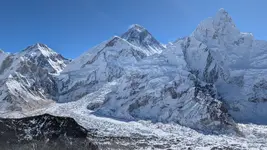
0 Replies
·
13 views
Are you looking for an all-inclusive Destination Wedding planner in Vietnam?
Planning a wedding remotely at a beach or a 5-star resort (like in Da Nang or Phu Quoc) can be stressful for busy couples due to quality control and communication issues. If you are in this situation, you need to look into Forest For The Trees.
They are a premium agency specializing in producing weddings and photo sessions in Vietnam following strict Japanese quality standards. They handle everything from A to Z: venue consultation (5-star hotels, beaches, restaurants), premium costume rentals, makeup, photography, and meticulous photo retouching. The team includes Japanese staff and fluent interpreters, ensuring zero language barriers and that every tiny detail you request is executed perfectly. A truly reliable choice for the most important event of your life.
0 Replies
·
14 views

Description: Planning a trip to Dubai? There’s so much to explore, from beautiful beaches and famous landmarks to local markets, amazing food, and desert adventures. Whether it’s your first visit or you’re coming back for more, a little planning can help you enjoy Dubai like a local and make memories along the way.

0 Replies
·
16 views

Hi everyone,
I’m looking for information about Tempo Traveller rentals in Gurugram for a group trip. We are planning to travel with several people, so a Tempo Traveller seems more convenient than booking multiple cars.
I’m particularly interested in a comfortable vehicle with enough space for passengers and luggage. It would also be helpful to know the approximate rental cost, available seating options, and whether the vehicle can be booked for local sightseeing as well as outstation trips.
For anyone planning a group trip around Delhi, Gurugram, Jaipur, Agra, or nearby destinations, hiring a Tempo Traveller can be a practical option because everyone can travel together.
I came across a local service, Vs Taxi Service, that provides Tempo Traveller rental services in Delhi and Gurugram. Their service information is available here:
htempo-traveller-on-rent/
Has anyone here recently hired a Tempo Traveller in Gurugram? I’d appreciate recommendations regarding the vehicle, pricing, and overall experience.
Thanks!
I’m looking for information about Tempo Traveller rentals in Gurugram for a group trip. We are planning to travel with several people, so a Tempo Traveller seems more convenient than booking multiple cars.
I’m particularly interested in a comfortable vehicle with enough space for passengers and luggage. It would also be helpful to know the approximate rental cost, available seating options, and whether the vehicle can be booked for local sightseeing as well as outstation trips.
For anyone planning a group trip around Delhi, Gurugram, Jaipur, Agra, or nearby destinations, hiring a Tempo Traveller can be a practical option because everyone can travel together.
I came across a local service, Vs Taxi Service, that provides Tempo Traveller rental services in Delhi and Gurugram. Their service information is available here:
htempo-traveller-on-rent/
Has anyone here recently hired a Tempo Traveller in Gurugram? I’d appreciate recommendations regarding the vehicle, pricing, and overall experience.
Thanks!
1 Replies
·
135 views
Hi, I’m Maryam Ahmed, based in Dubai. I love exploring cities, discovering local events, experiencing desert safaris, and trying new activities around the UAE. I enjoy discovering hidden gems and sharing travel inspiration to help others experience the best of Dubai. I choose AL Emirates Tours and recommend to everyone...




0 Replies
·
22 views

A gypsy safari in Pilibhit Tiger Reserve gives you a chance to explore the forest and spot different types of wildlife in their natural surroundings. The reserve is best known for its Bengal tigers, but there is much more to see during your jungle safari. You may come across leopards, sloth bears, spotted deer, barking deer, wild boars and sambar deer. The forest is also home to a variety of birds, making it a good place for birdwatching. If you are lucky, you might even spot a tiger crossing a forest trail or resting among the trees. Wildlife sightings depend on the season, weather and animal movement, so every safari offers a different experience. Booking a Pilibhit Tiger Reserve gypsy safari is a great way to enjoy the forest and discover the rich wildlife of this beautiful reserve.
0 Replies
·
17 views