
forum4travel

A silent airport is one that promotes a calm environment for travelers by having low noise levels and a calm ambience. These airports often don't make many announcements and concentrate more on using a Flight Information Display System (FIDS) to provide flight information. Some of the silent Airports in India are listed below:
- Cochin International Airport (COK)
- Mumbai Airport (BOM)
- Chennai International Airport (MAA)
- Trivandrum International Airport (TRV)
- Chandigarh International Airport (IXC)
- Pune Airport (PNQ)
- Indore Airport (IDR)
4 Replies
·
1013 views


Hey everyone, I'm Ryan, hoping to get some advice from fellow travellers here. I have an early morning flight out of JFK next month, and I'm trying to figure out the smartest way to get there without the usual airport-run stress, traffic, rideshare surge pricing, or a driver cancelling last minute.
I've been looking into booking a Car Service to JFK Airport in advance instead of relying on a rideshare app on the day. From what I've read, pre-booking gives you a fixed price, a driver who tracks your flight in case it's delayed, and no waiting around for a car to accept your request during peak hours.
A few questions for anyone who's done this before:
I've been looking into booking a Car Service to JFK Airport in advance instead of relying on a rideshare app on the day. From what I've read, pre-booking gives you a fixed price, a driver who tracks your flight in case it's delayed, and no waiting around for a car to accept your request during peak hours.
A few questions for anyone who's done this before:
- Do you usually book directly with a local car service, or go through an app?
- Is it worth paying extra for a larger vehicle if you're travelling with a lot of luggage?
- Any tips on timing the pickup for early morning flights to avoid NYC traffic?
0 Replies
·
11 views

When people think of Jagannath Puri, Odisha, it is often one of the first places that comes to mind. Known for the sacred Jagannath Temple, grand Rath Yatra, Mahaprasad, and centuries-old traditions, Jagannath Puri Odisha is much more than a pilgrimage destination. It is a city where religion, history, art, food, architecture, and community traditions have developed together over generations.
But why does Jagannath Puri hold such a powerful place in Odisha’s history and culture? The answer lies in the deep connection between Lord Jagannath and the cultural identity of Odisha, along with Puri’s role as a major spiritual center. Through changing times, the city has continued to preserve its unique traditions, making Jagannath Puri Odisha an important destination for devotees, history enthusiasts, and travelers alike.
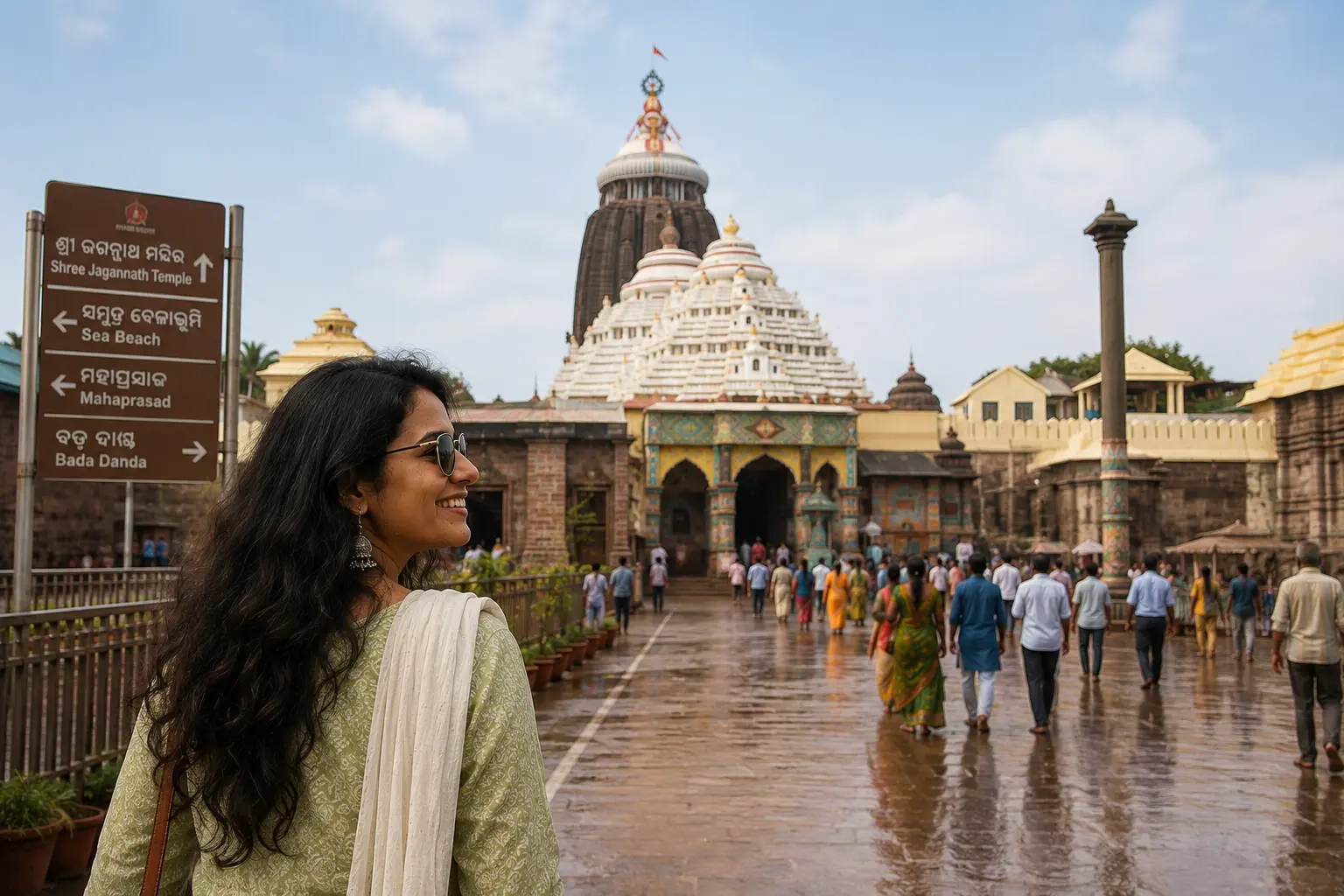
For a deeper look at Puri’s place among India’s sacred pilgrimage sites, explore: Why Is Jagannath Puri Considered One of the Char Dham?
Jagannath Puri holds a special place in Odisha’s history because its significance extends far beyond the Jagannath Temple. Its centuries-old traditions, Rath Yatra, Mahaprasad, royal heritage, art, and pilgrimage culture have all contributed to shaping Odisha’s spiritual and cultural identity. Even today, these traditions continue to connect the past with everyday life.
For travelers planning to explore Puri, understanding its history can make the journey even more meaningful. MyPuriTour can also be a useful resource for discovering Puri’s important attractions, temple traditions, and travel experiences. Ultimately, Jagannath Puri is not simply a historic destination—it is a living cultural heritage where faith, history, and tradition continue to thrive.
But why does Jagannath Puri hold such a powerful place in Odisha’s history and culture? The answer lies in the deep connection between Lord Jagannath and the cultural identity of Odisha, along with Puri’s role as a major spiritual center. Through changing times, the city has continued to preserve its unique traditions, making Jagannath Puri Odisha an important destination for devotees, history enthusiasts, and travelers alike.
The Historical Roots of Jagannath Puri
Puri has been an important religious centre for centuries. At the heart of the city stands the Jagannath Temple, one of the most important temples associated with Lord Jagannath, along with Lord Balabhadra and Devi Subhadra. The temple and its traditions have played an important role in the development of Puri as a major pilgrimage centre. Over time, the city attracted devotees from different parts of India, helping Puri develop a distinctive religious and cultural character. While many stories surrounding Lord Jagannath come from religious traditions and legends, the historical development of the temple and Puri can also be studied through inscriptions, literature, architecture, and records associated with Odisha’s past.Lord Jagannath and Odisha’s Cultural Identity
One of the most important reasons for Puri’s historical significance is the relationship between Lord Jagannath and the identity of Odisha. Jagannath is not simply worshipped as a temple deity. The tradition surrounding Jagannath has influenced Odisha’s festivals, literature, music, art, food, and social customs. For generations, stories and traditions associated with Jagannath have been passed from one generation to another. This has made Puri an important centre for understanding Odisha’s cultural heritage. The city represents a living tradition rather than a heritage site that exists only in history books.The Jagannath Temple and Royal Tradition
The history of Puri is also closely connected with Odisha’s royal traditions. The Gajapati kings historically held an important ceremonial relationship with Lord Jagannath. One of the best-known traditions associated with the Rath Yatra is Chhera Pahara, in which the Gajapati Maharaja performs a symbolic act of sweeping the chariot. The tradition reflects the idea that even a king serves Lord Jagannath. This relationship between the deity and the royal institution helped strengthen Jagannath worship as an important part of Odisha’s political and cultural history.Rath Yatra: A Tradition That Connects People
The annual Rath Yatra is another major reason Puri holds such an important position in Odisha’s history. During the festival, the three deities—Lord Jagannath, Lord Balabhadra, and Devi Subhadra—travel in their magnificent chariots. The event brings together devotees, artisans, temple communities, visitors, and people from different backgrounds. Beyond its religious significance, Rath Yatra showcases Odisha’s traditions of woodwork, craftsmanship, music, rituals, and community participation. It has also helped introduce Puri’s cultural heritage to audiences across India and around the world.Mahaprasad and the Food Heritage of Puri
Food is another important part of Jagannath culture. The Mahaprasad of the Jagannath Temple is deeply connected with the religious traditions of Puri. The temple kitchen and its cooking practices represent a long-standing culinary tradition. Mahaprasad is not viewed simply as food but as a sacred offering connected with Lord Jagannath. For visitors, learning about this tradition provides another way to understand Puri’s culture. It shows how religious beliefs can influence everyday practices, food traditions, and community life.Puri’s Influence on Art and Culture
Jagannath Puri has also contributed significantly to Odisha’s artistic heritage. Jagannath traditions have influenced Odissi music, dance, literature, painting, handicrafts, and religious storytelling. The cultural landscape surrounding Puri demonstrates how spirituality and artistic expression can exist together. Festivals, temple rituals, traditional crafts, and devotional works have helped preserve this heritage over generations.Puri and the Char Dham Tradition
Puri’s importance extends beyond Odisha because it is traditionally recognised as one of the Char Dham pilgrimage destinations of India, along with Badrinath, Dwarka, and Rameswaram. This position has given Puri a wider place in India’s pilgrimage landscape. For centuries, pilgrims travelling from different regions have visited the city, creating cultural connections between Odisha and other parts of the country.For a deeper look at Puri’s place among India’s sacred pilgrimage sites, explore: Why Is Jagannath Puri Considered One of the Char Dham?
Why Jagannath Puri Still Matters Today?
What makes Jagannath Puri especially remarkable is that its history is still part of everyday life. Ancient rituals continue, festivals remain active, traditional foods are prepared, and cultural practices are passed down through generations. For travelers, visiting Puri is therefore more than seeing a famous temple. It can be an opportunity to understand how faith, history, tradition, art, and community life have shaped Odisha.Jagannath Puri holds a special place in Odisha’s history because its significance extends far beyond the Jagannath Temple. Its centuries-old traditions, Rath Yatra, Mahaprasad, royal heritage, art, and pilgrimage culture have all contributed to shaping Odisha’s spiritual and cultural identity. Even today, these traditions continue to connect the past with everyday life.
For travelers planning to explore Puri, understanding its history can make the journey even more meaningful. MyPuriTour can also be a useful resource for discovering Puri’s important attractions, temple traditions, and travel experiences. Ultimately, Jagannath Puri is not simply a historic destination—it is a living cultural heritage where faith, history, and tradition continue to thrive.
1 Replies
·
133 views

Planning a trip to Purulia and wondering where to stay? Palashgram Eco Resort offers a peaceful setting where you can relax, enjoy nature, and experience the beauty of Purulia.
Surrounded by greenery and close to the scenic attractions of the region, it can be a great choice for families, couples, and groups looking for a comfortable escape from the busy city.
If you're searching for the best place to stay in Purulia, Palashgram Eco Resort is definitely worth considering for a relaxing and memorable getaway.
Have you visited Purulia before? What was your favourite place to stay?
phone : +91-79808816312 \8100662251
Website : www.palashgramecoresort.com
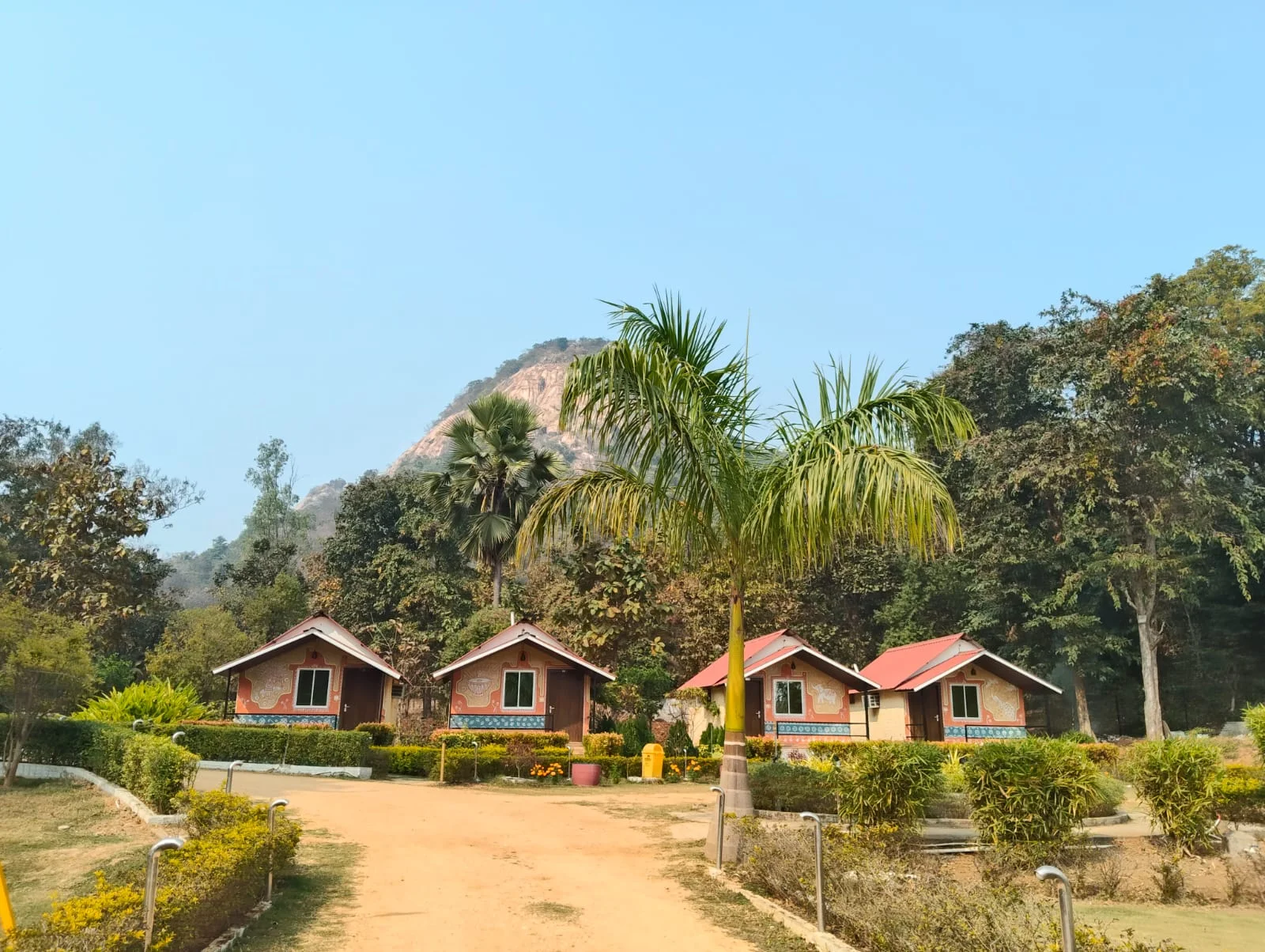
Surrounded by greenery and close to the scenic attractions of the region, it can be a great choice for families, couples, and groups looking for a comfortable escape from the busy city.
If you're searching for the best place to stay in Purulia, Palashgram Eco Resort is definitely worth considering for a relaxing and memorable getaway.
Have you visited Purulia before? What was your favourite place to stay?
phone : +91-79808816312 \8100662251
Website : www.palashgramecoresort.com
0 Replies
·
11 views
Looking for a peaceful getaway surrounded by nature? Palashgram Eco Resort is a wonderful choice for travellers planning a refreshing stay in Purulia.
Set amidst the natural beauty of Purulia, the resort offers a relaxing environment away from the busy city life. It’s a great place to enjoy the scenic landscapes, spend quality time with family or friends, and explore the beautiful attractions around Ajodhya Hills.
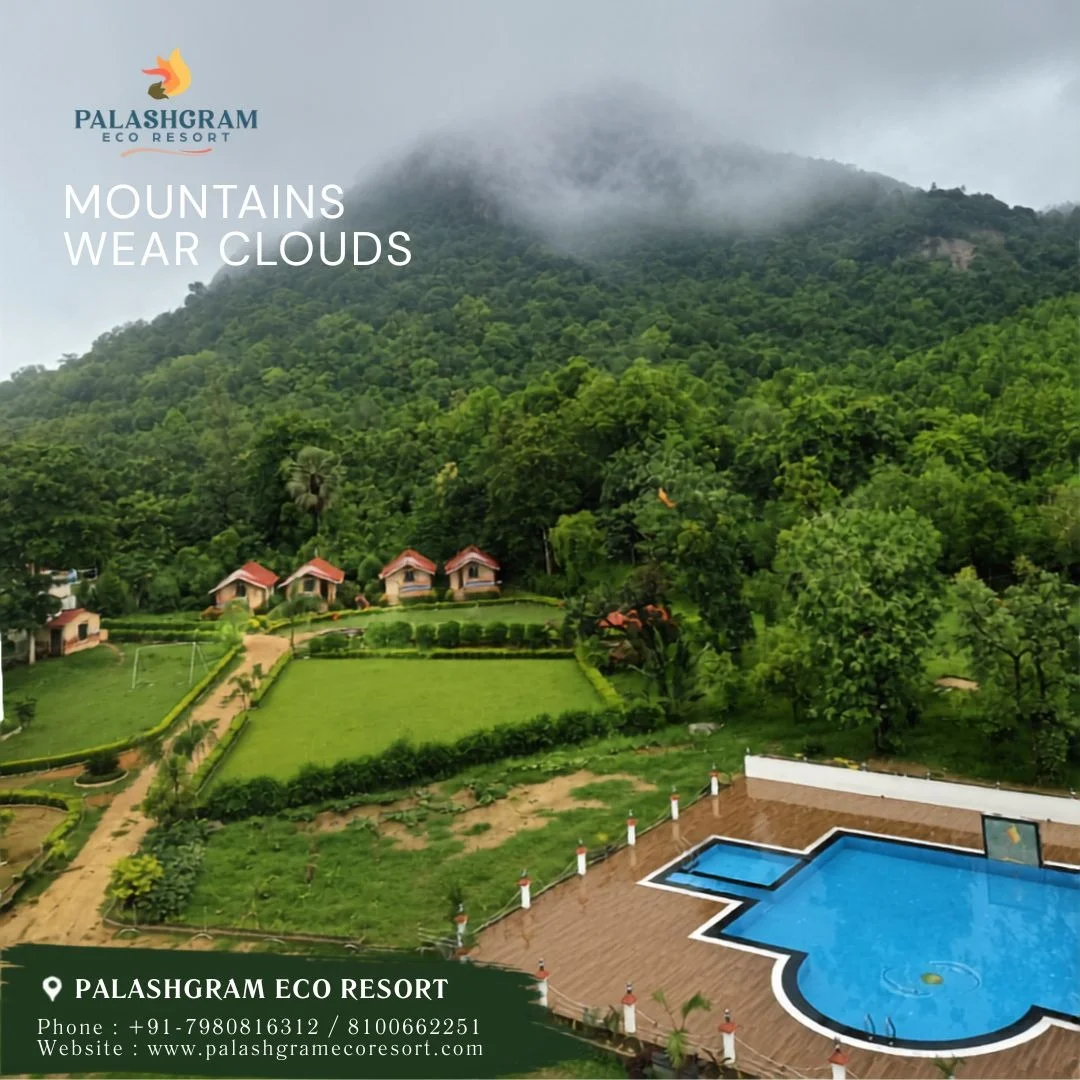
Set amidst the natural beauty of Purulia, the resort offers a relaxing environment away from the busy city life. It’s a great place to enjoy the scenic landscapes, spend quality time with family or friends, and explore the beautiful attractions around Ajodhya Hills.
0 Replies
·
8 views

Staff member
London is a city with a rich history and culture, and there are many things to see and do on a holiday. Some popular attractions include:
- The British Museum: One of the world's oldest and largest museums, it houses an extensive collection of artefacts from ancient civilizations.
- The Tower of London: A historic castle and prison that has served as a royal palace, treasury, and armoury.
- The Houses of Parliament and Big Ben: A iconic symbol of London, it is home to the UK's government.
- Buckingham Palace: The official residence of the British monarchy and the site of the Changing of the Guard ceremony.
- The London Eye: A giant Ferris wheel with incredible views of the city.
- The West End: London's theatre district, featuring some of the world's most famous theatres and productions.
- Camden Market: A popular destination for shopping and street food.
- St. Paul's Cathedral: A stunning baroque cathedral with a dome that offers panoramic views of the city.
- London Bridge: A historic bridge that spans the River Thames and offers great views of the river and the city.
- The Tate Modern: A contemporary art museum with an extensive collection of works by famous artists.
1 Replies
·
1242 views

India has something for every kind of honeymoon. Rajasthan is perfect for couples who love palaces and heritage, Kerala offers peaceful backwaters and lush landscapes, while Goa is ideal for beaches, sunsets, and a relaxed vibe. For mountain lovers, Kashmir and Himachal Pradesh are beautiful choices.
If you want a romantic trip with stays, sightseeing, and experiences planned together, you can explore honeymoon packages in India and choose an itinerary that fits your travel style and budget.
If you want a romantic trip with stays, sightseeing, and experiences planned together, you can explore honeymoon packages in India and choose an itinerary that fits your travel style and budget.
1 Replies
·
92 views

What is the Golden Triangle?
It's the circuit connecting Delhi, Agra, and Jaipur — each about 200–250 km apart, forming a rough triangle on the map. Delhi gives you Mughal and colonial history alongside modern city life, Agra is home to the Taj Mahal and Agra Fort, and Jaipur (the "Pink City") is known for its forts, palaces, and bazaars.
How long do you need?
What's usually included in a package?
Best time to go
October–March is peak season with pleasant weather, especially good for the Taj Mahal. April–June gets very hot (40°C+) but sees fewer crowds. July–September is monsoon — green scenery but occasional delays.
A common 5-day flow:
A few tips before you book
It's the circuit connecting Delhi, Agra, and Jaipur — each about 200–250 km apart, forming a rough triangle on the map. Delhi gives you Mughal and colonial history alongside modern city life, Agra is home to the Taj Mahal and Agra Fort, and Jaipur (the "Pink City") is known for its forts, palaces, and bazaars.
How long do you need?
- 4 days / 3 nights – fast-paced, highlights only
- 5 days / 4 nights – the most popular option, well balanced
- 6–7 days – room for day trips like Fatehpur Sikri or Chand Baori, plus a slower pace
What's usually included in a package?
- Private AC vehicle for the full circuit
- Hotels (budget through luxury tiers)
- English-speaking driver/guide
- Airport or station transfers
- Breakfast at hotels
Best time to go
October–March is peak season with pleasant weather, especially good for the Taj Mahal. April–June gets very hot (40°C+) but sees fewer crowds. July–September is monsoon — green scenery but occasional delays.
A common 5-day flow:
- Arrive Delhi – Humayun's Tomb, India Gate, Old Delhi
- Delhi to Agra – Agra Fort, Mehtab Bagh
- Sunrise at the Taj Mahal, then on to Jaipur (via Fatehpur Sikri)
- Jaipur – Amber Fort, City Palace, Hawa Mahal
- Return to Delhi
A few tips before you book
- Compare what's included, not just the headline offer
- Read recent reviews, not just star ratings
- Confirm vehicle AC if traveling in summer
- Ask about your guide's language and site expertise
- Check the cancellation policy before paying a deposit
0 Replies
·
43 views

If you have already completed a few demanding hikes or high-altitude treks in Nepal and are now deciding between the Manaslu Circuit Trek and Everest Base Camp Trek, you may be wondering which route offers the more rewarding challenge.
For experienced hikers, the answer is not simply about which trek is higher or harder. Manaslu Circuit Trek and Everest Base Camp (EBC) are very different Himalayan experiences. Everest Base Camp is more famous, more developed, and generally easier logistically. The Manaslu Circuit is quieter, more remote, culturally diverse, and physically demanding in a different way.
So, is Manaslu Circuit Trek a better alternative to Everest Base Camp for experienced hikers?
For many experienced trekkers, yes—Manaslu can be an excellent alternative to Everest Base Camp, particularly if you are looking for a quieter trail, rugged terrain, fewer trekkers, remote mountain villages, Tibetan-influenced culture, and the challenge of crossing Larkya La Pass.
However, if your main goal is to see Mount Everest up close, experience the famous Khumbu region, visit Everest Base Camp, or enjoy a highly developed trekking infrastructure, then Everest Base Camp remains the better choice.
Here is a detailed comparison to help experienced hikers decide.
The Everest Base Camp Trek takes you through the famous Khumbu region toward the base of Mount Everest. It passes through well-known Sherpa settlements such as Namche Bazaar and Tengboche and offers spectacular views of Everest, Ama Dablam, Lhotse, Nuptse and other Himalayan peaks.
The Manaslu Circuit Trek circles Mount Manaslu, the world's eighth-highest mountain at 8,163 meters. The route travels through remote valleys, traditional villages, Buddhist monasteries and high mountain landscapes before crossing the challenging Larkya La Pass.
In simple terms:
Everest Base Camp = iconic mountains, famous villages, established infrastructure and Everest.
Manaslu Circuit = remote trails, cultural immersion, wilderness, rugged terrain and Larkya La Pass.
For an experienced hiker who has already completed popular trekking routes, Manaslu can provide a stronger sense of adventure and exploration.
The answer depends on what you mean by "harder."
Everest Base Camp reaches a higher elevation if you include Kala Patthar. Kala Patthar is around 5,500 meters, while Larkya La Pass on the Manaslu Circuit is around 5,100 meters.
Therefore, simply comparing maximum altitude does not tell the whole story.
The Manaslu Circuit can feel more physically demanding because of:
This is why an experienced trekker may actually prefer the Manaslu Circuit.
The challenge is not necessarily that Manaslu takes you higher. Instead, the challenge comes from the combination of terrain, remoteness, endurance and the high mountain pass.
This is where Manaslu becomes particularly attractive.
Compared with Everest Base Camp, the Manaslu trail generally feels less crowded and less commercialized. The route passes through mountain communities where tourism has had a smaller impact than in some of Nepal's most famous trekking destinations.
For experienced hikers who enjoy solitude, this can make a major difference.
You are not simply walking from one famous trekking village to another. You are moving through changing landscapes, remote settlements, forests, river valleys and high-altitude terrain around one of Nepal's great mountains.
If your ideal trek involves waking up early, walking for several hours through quiet mountain scenery and seeing relatively few other trekkers, Manaslu Circuit Trek can be a better alternative to Everest Base Camp.
At approximately 5,100 meters, Larkya La is a major high-altitude pass and represents one of the toughest days of the Manaslu Circuit Trek.
The pass crossing can involve:
For experienced hikers, this can be one of the main reasons to choose Manaslu.
The objective is not only to reach a famous destination. You are actually completing a challenging mountain pass crossing as part of a complete circuit.
The Manaslu region has strong Tibetan and Buddhist cultural influences, particularly as you move higher into the valley.
Along the trail, trekkers can encounter:
Everest Base Camp also offers a remarkable cultural experience, particularly through Sherpa communities, monasteries and villages such as Namche Bazaar and Tengboche.
But the atmosphere is different.
For hikers who want to combine mountain trekking with remote Himalayan culture, Manaslu may have the advantage.
The trek generally begins at lower elevations surrounded by green hills and river valleys. As you gain elevation, the environment gradually changes.
You can experience:
Lower valleys → forests → waterfalls → mountain villages → alpine landscapes → glaciers → high mountain pass → dramatic Himalayan valleys
This changing environment keeps the trek interesting.
The Manaslu massif itself is another major attraction. Depending on the section of trail and weather conditions, you can enjoy impressive views of Manaslu and surrounding Himalayan peaks.
Everest Base Camp also has incredible scenery, especially around Ama Dablam, Everest, Lhotse, Nuptse and the Khumbu Valley.
However, the experience is different.
EBC is heavily focused on the iconic Everest landscape.
Manaslu provides a broader journey through a changing Himalayan environment.
Everest Base Camp is one of the world's most famous trekking routes. During the main trekking seasons, the trail can become busy.
You may encounter large groups, busy teahouses and more activity around major settlements.
For some hikers, this is actually an advantage.
A busy trekking route can mean:
This is where Manaslu Circuit Trek vs Everest Base Camp becomes an interesting comparison.
Manaslu generally offers a more peaceful trekking environment and a stronger feeling of wilderness.
If solitude is important to you, Manaslu may be the better option.
They are fundamentally different treks.
Everest Base Camp is an out-and-back journey through the Khumbu Valley.
Manaslu is a genuine circuit around Mount Manaslu.
That means the landscape and trekking experience continually change as you move around the mountain.
For experienced hikers, this sense of progression can be very rewarding.
Instead of returning through exactly the same valley, you continue forward and eventually cross Larkya La before descending into a completely different landscape.
That is one reason many experienced trekkers describe Manaslu as a more adventurous Himalayan journey.
The table shows why there is no universal winner.
The better trek depends on what you want from your Himalayan adventure.
This is extremely important.
Even trekkers who have successfully completed several high-altitude journeys can experience Acute Mountain Sickness (AMS).
Both Manaslu and Everest Base Camp reach elevations where altitude becomes a serious consideration.
On either trek, acclimatization should be taken seriously.
Important principles include:
For experienced hikers, the correct mindset is not "I have done high altitude before, so I will be fine."
The better mindset is:
"I have experience, so I understand that altitude needs to be respected."
Both are high-altitude Himalayan adventures with genuine risks.
Everest Base Camp has an advantage in terms of established infrastructure and the number of trekkers using the route.
Manaslu's remote nature means trekkers should be more prepared and should not underestimate the environment.
Potential challenges include:
Experience does not make the mountains risk-free, but it can help a trekker understand pacing, equipment, weather, hydration, navigation and personal limits.
Sometimes the famous trek is famous for a reason.
If you are visiting Nepal for the first time and Mount Everest is your dream, EBC is difficult to beat.
But imagine you have already:
For many repeat visitors, Manaslu Circuit Trek is an excellent next step.
It gives you a different side of Nepal.
The mountains are different.
The villages are different.
The terrain is different.
The cultural environment is different.
And the trekking experience feels less standardized.
That makes Manaslu particularly attractive to experienced hikers who want to go beyond the classic Nepal trekking routes.
Both routes use teahouse-style accommodation, but the overall infrastructure is generally more developed along the Everest Base Camp route.
On Manaslu, accommodation can be simpler, particularly in remote areas.
Experienced trekkers should be prepared for:
It is actually part of the attraction.
If you want a comfortable mountain holiday with extensive facilities, EBC may be preferable.
If you want a more traditional and remote trekking experience, Manaslu may be more rewarding.
Trekkers should arrange the appropriate permits and follow current regulations before starting the trek. A licensed guide is also required under current arrangements for the Manaslu restricted area.
Because regulations can change, trekkers should confirm the latest requirements before departure rather than relying on an old blog post or forum comment.
This is one area where using a registered trekking agency such as Himalayan Asia Treks can make the preparation easier.
You can often expect:
Weather conditions can vary considerably from year to year, so current trail conditions should always be checked before departure.
Important equipment can include:
Your guide or trekking agency should advise you about the appropriate gear before the trek.
The strongest argument for Manaslu is not that it is "better" than Everest Base Camp for everyone.
It is that it provides something different.
If Everest Base Camp represents the classic Himalayan trekking experience, Manaslu represents a more remote and adventurous alternative.
You get:
Mount Manaslu + Larkya La Pass + remote villages + Tibetan-influenced culture + changing landscapes + fewer crowds + a genuine circuit experience.
For an experienced trekker, that combination can be extremely rewarding.
Fewer crowds
Remote mountain villages
A challenging high-altitude pass
Tibetan-influenced Himalayan culture
A genuine circuit trek
Rugged terrain
A less commercial trekking experience
Everest Base Camp itself
The Khumbu Valley
Sherpa culture
A highly established trekking route
More infrastructure
A more social trekking experience
The iconic Nepal trekking experience
For experienced hikers who have already completed popular Himalayan treks, I would strongly consider the Manaslu Circuit Trek as an alternative to Everest Base Camp.
It is not necessarily higher than EBC, and it is not automatically more dangerous. But it offers a different kind of challenge—one based more on remote terrain, endurance, high-pass trekking and wilderness experience.
If you are looking for the famous Everest experience, choose EBC.
If you are looking for a quieter, more rugged and culturally immersive Himalayan adventure, Manaslu Circuit may be the better choice for you.
Sometimes the best trek is the one that gives you a new experience.
For hikers who have already experienced Nepal's popular trekking routes and now want something more remote and demanding, Manaslu Circuit Trek can be one of the most rewarding alternatives to Everest Base Camp.
If you are planning your Manaslu Circuit Trek from Kathmandu, take time to prepare properly, check current trail and weather conditions, arrange the required permits and guide, and choose an itinerary that allows enough time for acclimatization.
Himalayan Asia Treks can help experienced trekkers plan a Manaslu Circuit itinerary based on their previous trekking experience, available time, fitness level and preferred trekking style.
For experienced hikers, the answer is not simply about which trek is higher or harder. Manaslu Circuit Trek and Everest Base Camp (EBC) are very different Himalayan experiences. Everest Base Camp is more famous, more developed, and generally easier logistically. The Manaslu Circuit is quieter, more remote, culturally diverse, and physically demanding in a different way.
So, is Manaslu Circuit Trek a better alternative to Everest Base Camp for experienced hikers?
For many experienced trekkers, yes—Manaslu can be an excellent alternative to Everest Base Camp, particularly if you are looking for a quieter trail, rugged terrain, fewer trekkers, remote mountain villages, Tibetan-influenced culture, and the challenge of crossing Larkya La Pass.
However, if your main goal is to see Mount Everest up close, experience the famous Khumbu region, visit Everest Base Camp, or enjoy a highly developed trekking infrastructure, then Everest Base Camp remains the better choice.
Here is a detailed comparison to help experienced hikers decide.
Manaslu Circuit Trek vs Everest Base Camp: The Basic Difference
The biggest difference between these two treks is the type of Himalayan experience they provide.The Everest Base Camp Trek takes you through the famous Khumbu region toward the base of Mount Everest. It passes through well-known Sherpa settlements such as Namche Bazaar and Tengboche and offers spectacular views of Everest, Ama Dablam, Lhotse, Nuptse and other Himalayan peaks.
The Manaslu Circuit Trek circles Mount Manaslu, the world's eighth-highest mountain at 8,163 meters. The route travels through remote valleys, traditional villages, Buddhist monasteries and high mountain landscapes before crossing the challenging Larkya La Pass.
In simple terms:
Everest Base Camp = iconic mountains, famous villages, established infrastructure and Everest.
Manaslu Circuit = remote trails, cultural immersion, wilderness, rugged terrain and Larkya La Pass.
For an experienced hiker who has already completed popular trekking routes, Manaslu can provide a stronger sense of adventure and exploration.
Is Manaslu Circuit Harder Than Everest Base Camp?
This is one of the most common questions experienced hikers ask.The answer depends on what you mean by "harder."
Everest Base Camp reaches a higher elevation if you include Kala Patthar. Kala Patthar is around 5,500 meters, while Larkya La Pass on the Manaslu Circuit is around 5,100 meters.
Therefore, simply comparing maximum altitude does not tell the whole story.
The Manaslu Circuit can feel more physically demanding because of:
- Rugged and variable terrain
- Long walking days
- Steeper sections
- Remote sections of trail
- Less-developed infrastructure
- The demanding Larkya La Pass crossing
- Weather changes at high altitude
- Fewer convenient alternatives when conditions become difficult
This is why an experienced trekker may actually prefer the Manaslu Circuit.
The challenge is not necessarily that Manaslu takes you higher. Instead, the challenge comes from the combination of terrain, remoteness, endurance and the high mountain pass.
Why Experienced Hikers May Prefer Manaslu Circuit
If you have already completed treks such as Everest Base Camp, Annapurna Circuit, Langtang Valley or other multi-day mountain routes, you may be looking for something different.This is where Manaslu becomes particularly attractive.
1. Manaslu Offers a More Remote Trekking Experience
One of the biggest advantages of the Manaslu Circuit Trek is its sense of remoteness.Compared with Everest Base Camp, the Manaslu trail generally feels less crowded and less commercialized. The route passes through mountain communities where tourism has had a smaller impact than in some of Nepal's most famous trekking destinations.
For experienced hikers who enjoy solitude, this can make a major difference.
You are not simply walking from one famous trekking village to another. You are moving through changing landscapes, remote settlements, forests, river valleys and high-altitude terrain around one of Nepal's great mountains.
If your ideal trek involves waking up early, walking for several hours through quiet mountain scenery and seeing relatively few other trekkers, Manaslu Circuit Trek can be a better alternative to Everest Base Camp.
2. Larkya La Pass Provides a Serious High-Altitude Challenge
The highlight for many experienced hikers is the crossing of Larkya La Pass.At approximately 5,100 meters, Larkya La is a major high-altitude pass and represents one of the toughest days of the Manaslu Circuit Trek.
The pass crossing can involve:
- An early morning start
- Cold temperatures
- Snow or ice depending on conditions
- Long uphill sections
- High-altitude exertion
- A demanding descent after reaching the pass
For experienced hikers, this can be one of the main reasons to choose Manaslu.
The objective is not only to reach a famous destination. You are actually completing a challenging mountain pass crossing as part of a complete circuit.
3. Manaslu Has Strong Cultural Diversity
Another major reason experienced hikers choose Manaslu is the cultural experience.The Manaslu region has strong Tibetan and Buddhist cultural influences, particularly as you move higher into the valley.
Along the trail, trekkers can encounter:
- Buddhist monasteries
- Prayer wheels
- Mani walls
- Traditional mountain villages
- Tibetan-influenced architecture
- Buddhist festivals and traditions
- Gurung and other Himalayan communities
Everest Base Camp also offers a remarkable cultural experience, particularly through Sherpa communities, monasteries and villages such as Namche Bazaar and Tengboche.
But the atmosphere is different.
For hikers who want to combine mountain trekking with remote Himalayan culture, Manaslu may have the advantage.
4. The Scenery Changes Dramatically Along the Manaslu Circuit
One of the best things about the Manaslu Circuit Trek is the variety of landscapes.The trek generally begins at lower elevations surrounded by green hills and river valleys. As you gain elevation, the environment gradually changes.
You can experience:
Lower valleys → forests → waterfalls → mountain villages → alpine landscapes → glaciers → high mountain pass → dramatic Himalayan valleys
This changing environment keeps the trek interesting.
The Manaslu massif itself is another major attraction. Depending on the section of trail and weather conditions, you can enjoy impressive views of Manaslu and surrounding Himalayan peaks.
Everest Base Camp also has incredible scenery, especially around Ama Dablam, Everest, Lhotse, Nuptse and the Khumbu Valley.
However, the experience is different.
EBC is heavily focused on the iconic Everest landscape.
Manaslu provides a broader journey through a changing Himalayan environment.
5. Manaslu Is a Better Choice for Hikers Seeking Fewer Crowds
Crowds can significantly influence the trekking experience.Everest Base Camp is one of the world's most famous trekking routes. During the main trekking seasons, the trail can become busy.
You may encounter large groups, busy teahouses and more activity around major settlements.
For some hikers, this is actually an advantage.
A busy trekking route can mean:
- More social interaction
- More accommodation choices
- More restaurants and facilities
- More trekkers to share the experience with
- A stronger trekking community
This is where Manaslu Circuit Trek vs Everest Base Camp becomes an interesting comparison.
Manaslu generally offers a more peaceful trekking environment and a stronger feeling of wilderness.
If solitude is important to you, Manaslu may be the better option.
6. Manaslu Is Not Simply "EBC but Quieter"
It is important not to think of Manaslu as a quieter version of Everest Base Camp.They are fundamentally different treks.
Everest Base Camp is an out-and-back journey through the Khumbu Valley.
Manaslu is a genuine circuit around Mount Manaslu.
That means the landscape and trekking experience continually change as you move around the mountain.
For experienced hikers, this sense of progression can be very rewarding.
Instead of returning through exactly the same valley, you continue forward and eventually cross Larkya La before descending into a completely different landscape.
That is one reason many experienced trekkers describe Manaslu as a more adventurous Himalayan journey.
Difficulty Comparison: Manaslu Circuit vs EBC
Here is a simple comparison:| Factor | Manaslu Circuit Trek | Everest Base Camp Trek |
|---|---|---|
| Overall difficulty | Moderate to challenging/challenging | Moderate to challenging |
| Highest major point | Larkya La, about 5,100 m | Kala Patthar, about 5,500 m |
| Main challenge | Terrain, endurance and high pass | Altitude and prolonged high elevation |
| Trail infrastructure | More basic in remote sections | Highly developed |
| Crowds | Generally fewer | Generally more |
| Remoteness | High | Moderate |
| High-pass crossing | Yes | No major trekking pass |
| Mountain culture | Tibetan/Gurung influences | Strong Sherpa culture |
| Main attraction | Manaslu, Larkya La and remote landscapes | Everest and Khumbu |
| Best suited to | Experienced/adventure-focused hikers | Wide range of trekkers |
The better trek depends on what you want from your Himalayan adventure.
What About Altitude Sickness?
Experienced hiking does not eliminate the risk of altitude sickness.This is extremely important.
Even trekkers who have successfully completed several high-altitude journeys can experience Acute Mountain Sickness (AMS).
Both Manaslu and Everest Base Camp reach elevations where altitude becomes a serious consideration.
On either trek, acclimatization should be taken seriously.
Important principles include:
- Ascend gradually.
- Include appropriate acclimatization days.
- Stay properly hydrated.
- Avoid rushing.
- Monitor symptoms.
- Do not ignore worsening headaches, nausea, dizziness, confusion or unusual fatigue.
- Descend if serious altitude illness develops.
- Follow advice from your guide or medical professionals.
For experienced hikers, the correct mindset is not "I have done high altitude before, so I will be fine."
The better mindset is:
"I have experience, so I understand that altitude needs to be respected."
Is Manaslu Safer Than Everest Base Camp?
It would be misleading to say that one trek is automatically safer than the other.Both are high-altitude Himalayan adventures with genuine risks.
Everest Base Camp has an advantage in terms of established infrastructure and the number of trekkers using the route.
Manaslu's remote nature means trekkers should be more prepared and should not underestimate the environment.
Potential challenges include:
- Altitude sickness
- Weather changes
- Snow and ice
- Slippery trails
- Landslides
- River crossings
- Long walking days
- High-altitude fatigue
- Limited services in remote areas
Experience does not make the mountains risk-free, but it can help a trekker understand pacing, equipment, weather, hydration, navigation and personal limits.
What Kind of Hiker Should Choose Manaslu Circuit?
The Manaslu Circuit Trek is particularly suitable for experienced hikers who:- Have completed multi-day trekking before
- Are comfortable walking 6–8 hours or more on difficult days
- Have previous high-altitude experience
- Prefer remote trails
- Want fewer crowds
- Enjoy cultural experiences
- Want a challenging mountain pass
- Are comfortable with basic teahouse accommodation
- Prefer adventure over luxury
- Have enough time for a longer Himalayan journey
- Want something different from Everest Base Camp
Who Should Choose Everest Base Camp Instead?
Everest Base Camp may be the better choice if your primary goal is to:- See Mount Everest
- Visit Everest Base Camp itself
- Experience the famous Khumbu region
- Explore Sherpa culture
- Enjoy a well-established trekking route
- Have more accommodation choices
- Trek in a more social environment
- Prefer easier logistics
- Combine the trek with famous destinations such as Namche Bazaar and Tengboche
Sometimes the famous trek is famous for a reason.
Manaslu Circuit Trek vs Everest Base Camp for Repeat Visitors to Nepal
This is where the comparison becomes particularly interesting.If you are visiting Nepal for the first time and Mount Everest is your dream, EBC is difficult to beat.
But imagine you have already:
- Completed Everest Base Camp
- Seen the Khumbu Valley
- Experienced Namche Bazaar
- Walked through the famous Sherpa villages
- Trekked at high altitude
- Developed confidence on multi-day mountain trails
For many repeat visitors, Manaslu Circuit Trek is an excellent next step.
It gives you a different side of Nepal.
The mountains are different.
The villages are different.
The terrain is different.
The cultural environment is different.
And the trekking experience feels less standardized.
That makes Manaslu particularly attractive to experienced hikers who want to go beyond the classic Nepal trekking routes.
What About Teahouses on Manaslu?
Accommodation is another important difference.Both routes use teahouse-style accommodation, but the overall infrastructure is generally more developed along the Everest Base Camp route.
On Manaslu, accommodation can be simpler, particularly in remote areas.
Experienced trekkers should be prepared for:
- Basic rooms
- Simple beds
- Shared facilities in some locations
- Basic meals
- Limited hot-water availability
- Limited connectivity in remote areas
It is actually part of the attraction.
If you want a comfortable mountain holiday with extensive facilities, EBC may be preferable.
If you want a more traditional and remote trekking experience, Manaslu may be more rewarding.
Permits and Guide Requirements
The Manaslu region is a regulated trekking area, so planning and permits are an important part of the journey.Trekkers should arrange the appropriate permits and follow current regulations before starting the trek. A licensed guide is also required under current arrangements for the Manaslu restricted area.
Because regulations can change, trekkers should confirm the latest requirements before departure rather than relying on an old blog post or forum comment.
This is one area where using a registered trekking agency such as Himalayan Asia Treks can make the preparation easier.
Best Time for Manaslu Circuit Trek
For most trekkers, the main trekking seasons are spring and autumn.Spring: March to May
Spring can provide:- Stable trekking conditions
- Good mountain visibility
- Pleasant daytime temperatures at lower elevations
- Rhododendron forests in bloom
- Favorable conditions for high-altitude trekking
Autumn: September to November
Autumn is traditionally one of the most popular periods for trekking in Nepal.You can often expect:
- Clear mountain views
- Dry trails
- Stable weather
- Excellent visibility
- Good conditions for crossing Larkya La
Weather conditions can vary considerably from year to year, so current trail conditions should always be checked before departure.
What Should Experienced Hikers Pack for Manaslu?
Experienced trekkers probably already have a good idea of what they need, but Manaslu deserves careful preparation.Important equipment can include:
- Good-quality trekking boots
- Warm layers
- Waterproof jacket and trousers
- Trekking poles
- Gloves
- Warm hat
- Sleeping bag suitable for cold conditions
- Headlamp
- Sunglasses
- Sunscreen
- Water bottles or hydration system
- Water purification method
- Personal first-aid supplies
- Basic altitude medication as advised by a qualified medical professional
- Trekking backpack
- Extra socks
- Power bank
- Microspikes or other traction equipment when conditions require them
Your guide or trekking agency should advise you about the appropriate gear before the trek.
Is Manaslu Circuit Worth It for Experienced Hikers?
In my view, yes, Manaslu Circuit Trek is absolutely worth considering for experienced hikers.The strongest argument for Manaslu is not that it is "better" than Everest Base Camp for everyone.
It is that it provides something different.
If Everest Base Camp represents the classic Himalayan trekking experience, Manaslu represents a more remote and adventurous alternative.
You get:
Mount Manaslu + Larkya La Pass + remote villages + Tibetan-influenced culture + changing landscapes + fewer crowds + a genuine circuit experience.
For an experienced trekker, that combination can be extremely rewarding.
Final Verdict: Is Manaslu Circuit Better Than Everest Base Camp?
There is no universal winner.Choose Manaslu Circuit if you want:
More adventureFewer crowds
Remote mountain villages
A challenging high-altitude pass
Tibetan-influenced Himalayan culture
A genuine circuit trek
Rugged terrain
A less commercial trekking experience
Choose Everest Base Camp if you want:
Mount EverestEverest Base Camp itself
The Khumbu Valley
Sherpa culture
A highly established trekking route
More infrastructure
A more social trekking experience
The iconic Nepal trekking experience
For experienced hikers who have already completed popular Himalayan treks, I would strongly consider the Manaslu Circuit Trek as an alternative to Everest Base Camp.
It is not necessarily higher than EBC, and it is not automatically more dangerous. But it offers a different kind of challenge—one based more on remote terrain, endurance, high-pass trekking and wilderness experience.
If you are looking for the famous Everest experience, choose EBC.
If you are looking for a quieter, more rugged and culturally immersive Himalayan adventure, Manaslu Circuit may be the better choice for you.
Final thought for experienced trekkers
The best trek is not always the one with the highest mountain or the most famous name.Sometimes the best trek is the one that gives you a new experience.
For hikers who have already experienced Nepal's popular trekking routes and now want something more remote and demanding, Manaslu Circuit Trek can be one of the most rewarding alternatives to Everest Base Camp.
If you are planning your Manaslu Circuit Trek from Kathmandu, take time to prepare properly, check current trail and weather conditions, arrange the required permits and guide, and choose an itinerary that allows enough time for acclimatization.
Himalayan Asia Treks can help experienced trekkers plan a Manaslu Circuit itinerary based on their previous trekking experience, available time, fitness level and preferred trekking style.
0 Replies
·
37 views
If you are planning the Manaslu Circuit Trek in Nepal, one of the most important things to prepare is your trekking gear. Manaslu is a remote and challenging Himalayan trek, and packing for it is slightly different from packing for more developed trekking routes such as the Annapurna Circuit or Everest Base Camp.
So, what should you pack for the Manaslu Circuit Trek?
The best approach is to pack light but prepare for a wide range of conditions. During the trek, you can experience warm and humid lower valleys, cold mountain nights, snow around Larkya La Pass, strong winds, rain or snow depending on the season, and long days of walking at high altitude.
You do not need to carry your entire wardrobe. A carefully selected Manaslu Circuit Trek packing list should focus on layering, weather protection, comfortable footwear, sleeping warmth, personal health, and essential trekking equipment.
This guide from Himalayan Asia Treks explains what to pack for the Manaslu Circuit Trek, what to leave behind, and how to organize your backpack for a comfortable Himalayan trekking experience.
Because of the altitude and remote nature of the trail, you should be prepared for changing weather and limited access to shops.
A good packing strategy helps you:
Look for a backpack with:
A 20–30 liter daypack is useful for carrying the things you need during the day's hike.
Your daypack can contain:
Your porter can carry your main duffel while you walk with a smaller daypack.
Choose a durable, water-resistant duffel with enough space for your clothing and trekking equipment.
A lock can also be useful when leaving the bag inside a teahouse.
Remember that porter baggage allowances can vary between trekking operators, so check the permitted weight before your trek.
Choose comfortable, broken-in trekking boots with:
Wear them on several training hikes before your Manaslu trek. Blisters and uncomfortable footwear can turn a beautiful trekking experience into a difficult one.
For higher sections around Larkya La Pass, waterproof footwear can be particularly useful if there is snow, ice, or wet terrain.
A practical Manaslu packing list may include:
Merino wool or synthetic trekking socks are popular choices because they provide warmth while managing moisture.
A base layer helps move moisture away from your skin and keeps you more comfortable in cold conditions.
Pack:
Consider packing:
Quick-drying fabrics are preferable because laundry and drying conditions can be unpredictable in the mountains.
It can be worn during:
Temperatures can become very cold at higher elevations, especially:
If you are trekking during colder months, choose an appropriately warm insulated jacket rather than relying only on a fleece.
A waterproof shell is an important part of your Manaslu Circuit Trek packing list.
Look for a jacket that is:
A backpack rain cover is also useful, but for stronger rain protection, waterproof dry bags or pack liners provide an additional layer of protection.
A typical packing list might include:
If you are trekking during winter, consider heavier insulated gloves or mittens.
At high altitude, ultraviolet exposure is stronger, and snow can reflect sunlight.
Choose sunglasses with good UV protection. Glacier or high-altitude sunglasses can be particularly useful when crossing snowy terrain.
Consider carrying a spare pair if sunglasses are especially important to you.
Your Manaslu Trek essentials should include:
Sun protection becomes particularly important as you gain altitude.
Carry enough water capacity for your daily trekking needs. Many trekkers use:
Depending on your itinerary, you may use treated drinking water, purification tablets, a filtration system, or another suitable purification method.
Avoid relying entirely on buying bottled water along the trail.
Options include:
This can reduce the amount of bottled water you need to purchase and carry.
Although teahouses generally provide blankets, temperatures can become very cold at higher elevations.
A good sleeping bag provides additional warmth and comfort.
For colder seasons, select a sleeping bag appropriate for the expected nighttime temperatures rather than relying solely on the bedding provided by teahouses.
A sleeping bag liner can also be useful for extra warmth and hygiene.
They can help reduce stress on your:
Bring:
Useful items include:
Your preparation should include understanding altitude sickness, recognizing symptoms, and knowing when to stop ascending.
Common symptoms of altitude sickness can include:
If symptoms worsen, tell your guide immediately and follow the appropriate safety plan.
Medication for altitude should be discussed with a qualified medical professional before your trek rather than self-prescribed.
A basic toiletry kit can contain:
Avoid bringing large bottles of shampoo, body wash, or other unnecessary toiletries.
Do not assume that every bathroom along the route will have toilet paper.
A small personal supply can make your trekking day much easier.
It takes up less space and dries faster.
A towel can be useful after washing, showering, or cleaning up after a long trekking day.
Keep essential medication in your daypack rather than putting everything in your main luggage.
It is also a good idea to carry a basic record of your medications and relevant medical information.
Do not rely on finding a particular medicine in remote mountain villages.
Popular trekking snacks include:
Choose foods that you already know your stomach tolerates well.
Bring:
A high-capacity power bank can be particularly useful if you use your phone for photography, navigation, communication, or entertainment.
If photography is important to you, consider:
Use separate bags for:
Keeping clothing dry can become extremely important during wet weather.
Your travel document kit may include:
Carry some cash in your daypack and store additional emergency cash securely.
Because the route reaches high altitude and remote areas, your insurance should be appropriate for trekking at the elevations included in your itinerary.
Before purchasing a policy, check carefully whether it covers:
Consider packing:
A few lightweight repair items are enough for most situations.
Earplugs are small, lightweight, and easy to carry.
They can help you sleep when other trekkers are talking, doors are opening, or people are moving around early in the morning.
For evenings, pack one comfortable set of clothing.
For example:
If you trek during September, October, or November, prepare for relatively stable conditions but remember that temperatures can vary considerably between lower and higher elevations.
Your autumn packing list should include:
For a March, April, or May Manaslu Circuit Trek, consider bringing:
Temperatures at higher elevations can be extremely cold, and snow conditions may affect the route.
A winter Manaslu packing list may require:
If trekking during a wetter period, pay particular attention to waterproofing.
Bring:
A heavy backpack becomes increasingly uncomfortable as altitude increases.
If you have a porter carrying your main luggage, keep your personal daypack as light as reasonably possible.
A good daypack should generally contain only the things you need during the day's walk.
For example:
Avoid carrying:
Teahouses provide beds and usually blankets, but having your own sleeping bag gives you an additional layer of warmth.
For the colder sections of the route, a suitable sleeping bag can significantly improve your sleeping comfort.
Ask your trekking operator what sleeping equipment is included in your package before deciding what you need to bring.
The Manaslu Circuit contains long ascents and descents, rocky sections, uneven terrain, and potentially snowy areas around the high pass.
Poles can improve stability and reduce strain on your knees, particularly during long downhill sections.
If you have never used trekking poles before, practice with them before your trek.
You may encounter:
A perfectly waterproof boot that causes blisters is not a good trekking boot.
Fit, comfort, grip, and durability should all be considered.
Instead of carrying a different outfit every day, pack clothing that can be combined.
For example:
Warm conditions:
T-shirt + trekking pants
Cool conditions:
T-shirt + fleece + trekking pants
Cold conditions:
Base layer + fleece + down jacket + shell
This system gives you flexibility without filling your backpack with unnecessary clothing.
Another useful strategy is to pack clothing that dries quickly.
Backpack:
☐ Daypack
☐ Duffel bag if using a porter
☐ Rain cover
☐ Dry bags
Clothing:
☐ T-shirts
☐ Long-sleeve shirt
☐ Trekking pants
☐ Thermal layers
☐ Fleece
☐ Down/insulated jacket
☐ Waterproof jacket
☐ Waterproof pants
☐ Warm hat
☐ Sun hat
☐ Gloves
☐ Trekking socks
Footwear:
☐ Broken-in trekking boots
☐ Camp shoes/sandals
Sleeping:
☐ Sleeping bag
☐ Sleeping bag liner
Hiking gear:
☐ Trekking poles
☐ Headlamp
☐ Water bottles
☐ Water purification system
Health:
☐ Personal medication
☐ First-aid kit
☐ Blister treatment
☐ Sunscreen
☐ Lip balm
☐ Hand sanitizer
☐ Toilet paper
Electronics:
☐ Phone
☐ Camera
☐ Power bank
☐ Charging cables
☐ Spare batteries
Documents:
☐ Passport
☐ Insurance information
☐ Emergency contacts
☐ Trekking documents
☐ Nepalese cash
Food:
☐ Energy bars
☐ Nuts
☐ Chocolate
☐ Dried fruit
☐ Electrolytes
The most important items are good trekking boots, appropriate layers, a warm sleeping bag, waterproof protection, comfortable socks, sun protection, water bottles, personal medication, trekking poles, and essential documents.
If you are trekking with Himalayan Asia Treks, your final packing requirements should also be checked against your specific itinerary, season, accommodation arrangements, porter service, and included equipment.
The best Manaslu trekking gear is not necessarily the most expensive gear. It is equipment that is comfortable, reliable, lightweight, and suitable for Himalayan conditions.
Pack carefully, train beforehand, protect yourself from the sun and cold, stay hydrated, and be prepared to adjust your plans according to mountain conditions.
Most importantly, remember that the goal is not to carry everything you own to the Himalayas. The goal is to carry what you genuinely need to enjoy a safe and memorable Manaslu Circuit Trek in Nepal.
So, what should you pack for the Manaslu Circuit Trek?
The best approach is to pack light but prepare for a wide range of conditions. During the trek, you can experience warm and humid lower valleys, cold mountain nights, snow around Larkya La Pass, strong winds, rain or snow depending on the season, and long days of walking at high altitude.
You do not need to carry your entire wardrobe. A carefully selected Manaslu Circuit Trek packing list should focus on layering, weather protection, comfortable footwear, sleeping warmth, personal health, and essential trekking equipment.
This guide from Himalayan Asia Treks explains what to pack for the Manaslu Circuit Trek, what to leave behind, and how to organize your backpack for a comfortable Himalayan trekking experience.
Why Is Packing Important for the Manaslu Circuit Trek?
The Manaslu Circuit Trek takes you through remote mountain communities, forests, river valleys, suspension bridges, alpine landscapes, and high mountain terrain. The route crosses Larkya La Pass, which reaches an altitude of around 5,100 meters.Because of the altitude and remote nature of the trail, you should be prepared for changing weather and limited access to shops.
A good packing strategy helps you:
- Stay warm at high altitude
- Keep dry during rain or snowfall
- Protect yourself from strong sun and wind
- Walk comfortably for several hours each day
- Sleep comfortably in cold teahouses
- Carry enough personal medication and essentials
- Reduce unnecessary backpack weight
- Be prepared for changing mountain conditions
Complete Manaslu Circuit Trek Packing List
Your exact packing list depends on the season, itinerary, personal preferences, and whether you use a porter. However, the following list provides a useful starting point for most trekkers.1. Trekking Backpack
If you are carrying your own equipment, a comfortable 40–50 liter trekking backpack is generally a practical choice.Look for a backpack with:
- Adjustable shoulder straps
- Comfortable hip belt
- Good back support
- Rain cover
- Multiple compartments
- Easy access to water
- Durable zippers
- Lightweight construction
A 20–30 liter daypack is useful for carrying the things you need during the day's hike.
Your daypack can contain:
- Water
- Snacks
- Camera
- Sunglasses
- Sunscreen
- Rain jacket
- Warm layer
- Personal medication
- Passport or important documents
2. Duffel Bag
For a supported Manaslu Circuit Trek, a duffel bag is often more convenient than putting everything into a large backpack.Your porter can carry your main duffel while you walk with a smaller daypack.
Choose a durable, water-resistant duffel with enough space for your clothing and trekking equipment.
A lock can also be useful when leaving the bag inside a teahouse.
Remember that porter baggage allowances can vary between trekking operators, so check the permitted weight before your trek.
3. Trekking Shoes
Good footwear is one of the most important parts of your Manaslu Circuit Trek gear list.Choose comfortable, broken-in trekking boots with:
- Good ankle support
- Strong grip
- Comfortable fit
- Water resistance
- Durable soles
Wear them on several training hikes before your Manaslu trek. Blisters and uncomfortable footwear can turn a beautiful trekking experience into a difficult one.
For higher sections around Larkya La Pass, waterproof footwear can be particularly useful if there is snow, ice, or wet terrain.
4. Trekking Socks
Bring several pairs of good-quality trekking socks.A practical Manaslu packing list may include:
- 3–5 pairs of trekking socks
- 1–2 pairs of warmer socks
- Lightweight liner socks if you use them
Merino wool or synthetic trekking socks are popular choices because they provide warmth while managing moisture.
5. Base Layers
Layering is essential on the Manaslu Circuit.A base layer helps move moisture away from your skin and keeps you more comfortable in cold conditions.
Pack:
- 2–3 moisture-wicking trekking shirts
- 1–2 thermal tops
- 1–2 thermal bottoms
6. Trekking T-Shirts
For lower and warmer sections of the trail, lightweight trekking shirts are useful.Consider packing:
- 2–3 quick-drying T-shirts
- 1 long-sleeve trekking shirt
Quick-drying fabrics are preferable because laundry and drying conditions can be unpredictable in the mountains.
7. Fleece Jacket
A fleece jacket is an excellent mid-layer for the Manaslu Circuit Trek.It can be worn during:
- Cold mornings
- Evening rest periods
- Higher-altitude trekking
- Rest stops
- Teahouse evenings
8. Down Jacket
A warm down or insulated jacket is highly recommended.Temperatures can become very cold at higher elevations, especially:
- Early mornings
- Evenings
- Overnight stays
- Around Larkya La Pass
If you are trekking during colder months, choose an appropriately warm insulated jacket rather than relying only on a fleece.
9. Waterproof Jacket and Rain Gear
Weather in the Himalayas can change quickly.A waterproof shell is an important part of your Manaslu Circuit Trek packing list.
Look for a jacket that is:
- Waterproof
- Windproof
- Breathable
- Lightweight
- Easy to pack
A backpack rain cover is also useful, but for stronger rain protection, waterproof dry bags or pack liners provide an additional layer of protection.
10. Trekking Pants
Bring comfortable trekking trousers suitable for long walking days.A typical packing list might include:
- 2 pairs of trekking pants
- 1 lightweight thermal bottom
- 1 pair of warm or insulated trousers for cold conditions
- 1 pair of comfortable pants for teahouse evenings
11. Warm Hat and Sun Hat
You should pack both a warm hat and a sun hat.Warm hat
Useful for:- Cold mornings
- High-altitude camps
- Cold nights
- Larkya La Pass
Sun hat
Useful for:- Lower valleys
- Sunny trekking days
- High-altitude sun exposure
12. Gloves
Bring at least two types of gloves:- Lightweight trekking gloves
- Warm insulated gloves
If you are trekking during winter, consider heavier insulated gloves or mittens.
13. Sunglasses
Good sunglasses are essential for the Manaslu Circuit.At high altitude, ultraviolet exposure is stronger, and snow can reflect sunlight.
Choose sunglasses with good UV protection. Glacier or high-altitude sunglasses can be particularly useful when crossing snowy terrain.
Consider carrying a spare pair if sunglasses are especially important to you.
14. Sunscreen and Lip Balm
Do not underestimate the Himalayan sun.Your Manaslu Trek essentials should include:
- High-SPF sunscreen
- Lip balm with sun protection
- Moisturizer
- Small personal skincare items
Sun protection becomes particularly important as you gain altitude.
15. Water Bottles or Hydration System
Staying hydrated is important during the Manaslu Circuit Trek.Carry enough water capacity for your daily trekking needs. Many trekkers use:
- Two reusable water bottles
- A hydration bladder
- Insulated bottles for cold conditions
Depending on your itinerary, you may use treated drinking water, purification tablets, a filtration system, or another suitable purification method.
Avoid relying entirely on buying bottled water along the trail.
16. Water Purification
A water purification system is an important addition to your Manaslu Circuit Trek gear.Options include:
- Water purification tablets
- Water filter
- Sterilization device
- Purification drops
This can reduce the amount of bottled water you need to purchase and carry.
17. Sleeping Bag
A warm sleeping bag is highly recommended.Although teahouses generally provide blankets, temperatures can become very cold at higher elevations.
A good sleeping bag provides additional warmth and comfort.
For colder seasons, select a sleeping bag appropriate for the expected nighttime temperatures rather than relying solely on the bedding provided by teahouses.
A sleeping bag liner can also be useful for extra warmth and hygiene.
18. Trekking Poles
Trekking poles are particularly useful on the Manaslu Circuit Trek.They can help reduce stress on your:
- Knees
- Ankles
- Hips
- Steep ascents
- Long descents
- Rocky trails
- Uneven terrain
- Snow-covered sections
19. Headlamp
A headlamp is one of those small items that can become extremely important.Bring:
- Lightweight headlamp
- Spare batteries or charging option
- Early-morning starts
- Moving around the teahouse at night
- Finding bathrooms after dark
- Emergency situations
20. First-Aid Kit
Bring a small personal first-aid kit rather than a huge medical bag.Useful items include:
- Blister treatment
- Adhesive bandages
- Medical tape
- Antiseptic wipes
- Small gauze
- Pain-relief medication
- Personal prescription medication
- Basic stomach medication
- Rehydration salts
- Any medication recommended by your doctor
21. Altitude-Related Essentials
The Manaslu Circuit reaches high altitude, particularly when crossing Larkya La Pass.Your preparation should include understanding altitude sickness, recognizing symptoms, and knowing when to stop ascending.
Common symptoms of altitude sickness can include:
- Headache
- Dizziness
- Fatigue
- Nausea
- Loss of appetite
- Difficulty sleeping
If symptoms worsen, tell your guide immediately and follow the appropriate safety plan.
Medication for altitude should be discussed with a qualified medical professional before your trek rather than self-prescribed.
22. Toiletries
Keep toiletries small and lightweight.A basic toiletry kit can contain:
- Toothbrush
- Toothpaste
- Biodegradable soap
- Small towel
- Toilet paper
- Wet wipes
- Hand sanitizer
- Lip balm
- Moisturizer
- Personal hygiene products
Avoid bringing large bottles of shampoo, body wash, or other unnecessary toiletries.
23. Toilet Paper and Hand Sanitizer
Always keep toilet paper and hand sanitizer in your daypack.Do not assume that every bathroom along the route will have toilet paper.
A small personal supply can make your trekking day much easier.
24. Quick-Dry Towel
A small microfiber towel is better than a large cotton towel.It takes up less space and dries faster.
A towel can be useful after washing, showering, or cleaning up after a long trekking day.
25. Personal Medication
Pack any regular medication you need for the entire trek.Keep essential medication in your daypack rather than putting everything in your main luggage.
It is also a good idea to carry a basic record of your medications and relevant medical information.
Do not rely on finding a particular medicine in remote mountain villages.
26. Snacks and Energy Food
Food is available along the Manaslu Circuit, but carrying some personal snacks is still a good idea.Popular trekking snacks include:
- Energy bars
- Trail mix
- Nuts
- Dried fruit
- Chocolate
- Biscuits
- Electrolyte powder
- Instant energy foods
Choose foods that you already know your stomach tolerates well.
27. Power Bank and Charging Equipment
Electricity can be limited or inconsistent in remote mountain areas.Bring:
- Power bank
- Charging cables
- Phone charger
- Spare batteries if required
- Appropriate charging adapters
A high-capacity power bank can be particularly useful if you use your phone for photography, navigation, communication, or entertainment.
28. Camera and Phone
The Manaslu region offers spectacular Himalayan scenery, so many trekkers bring a camera or smartphone.If photography is important to you, consider:
- Smartphone
- Camera
- Spare batteries
- Memory card
- Charging cable
- Small protective case
29. Waterproof Bags and Dry Bags
A few lightweight dry bags can make organizing your luggage much easier.Use separate bags for:
- Clean clothes
- Dirty clothes
- Electronics
- Documents
- Sleeping gear
- Toiletries
Keeping clothing dry can become extremely important during wet weather.
30. Documents and Money
Keep important documents in a waterproof pouch.Your travel document kit may include:
- Passport
- Trekking permits and documents arranged by your trekking operator
- Travel insurance details
- Emergency contact information
- Copies of important documents
- Cash in Nepalese rupees
Carry some cash in your daypack and store additional emergency cash securely.
31. Travel Insurance
Travel insurance should be considered an essential part of your Manaslu Circuit Trek preparation.Because the route reaches high altitude and remote areas, your insurance should be appropriate for trekking at the elevations included in your itinerary.
Before purchasing a policy, check carefully whether it covers:
- High-altitude trekking
- Emergency medical treatment
- Evacuation
- Trip interruption
- Trip cancellation
- Lost or delayed baggage
32. Small Repair Kit
A tiny repair kit can save you from unnecessary problems.Consider packing:
- Duct tape
- Small sewing kit
- Extra shoelaces
- Safety pins
- Gear repair tape
- A few cable ties
A few lightweight repair items are enough for most situations.
33. Earplugs
Teahouses can become noisy, especially when several trekkers are staying in the same building.Earplugs are small, lightweight, and easy to carry.
They can help you sleep when other trekkers are talking, doors are opening, or people are moving around early in the morning.
34. Comfortable Teahouse Clothing
You do not need separate outfits for every trekking day.For evenings, pack one comfortable set of clothing.
For example:
- Lightweight pants
- Warm shirt
- Fleece
- Thermal layer
- Warm socks
Manaslu Circuit Trek Packing List by Category
For an easy checklist, organize your equipment like this:Clothing
- 2–3 trekking T-shirts
- 1–2 long-sleeve shirts
- 2 trekking pants
- Thermal top
- Thermal bottom
- Fleece jacket
- Down/insulated jacket
- Waterproof jacket
- Waterproof pants
- Warm hat
- Sun hat
- Lightweight gloves
- Warm gloves
- 3–5 pairs of trekking socks
- Warm sleeping socks
- Comfortable evening clothes
Footwear
- Broken-in trekking boots
- Lightweight camp shoes or sandals
- Trekking socks
Sleeping
- Warm sleeping bag
- Sleeping bag liner if desired
Hiking Equipment
- 40–50L backpack if carrying your own gear
- 20–30L daypack
- Backpack rain cover
- Trekking poles
- Headlamp
- Water bottles/hydration bladder
- Water purification system
Health and Hygiene
- Personal medication
- First-aid supplies
- Blister treatment
- Sunscreen
- Lip balm
- Toothbrush and toothpaste
- Hand sanitizer
- Wet wipes
- Toilet paper
- Quick-dry towel
- Personal hygiene products
Electronics
- Smartphone
- Camera if desired
- Power bank
- Charging cables
- Batteries
- Adapter
Documents
- Passport
- Insurance information
- Emergency contacts
- Required trekking documents
- Cash
Food
- Energy bars
- Nuts
- Chocolate
- Dried fruit
- Electrolyte packets
What Should I Pack for Manaslu Trek in Autumn?
Autumn is one of the most popular seasons for the Manaslu Circuit Trek.If you trek during September, October, or November, prepare for relatively stable conditions but remember that temperatures can vary considerably between lower and higher elevations.
Your autumn packing list should include:
- Lightweight trekking clothes
- Warm fleece
- Down jacket
- Waterproof shell
- Thermal layers
- Good trekking boots
- Warm sleeping bag
- Sunglasses
- Sunscreen
- Gloves
- Warm hat
- Rain protection
What Should I Pack for Manaslu Trek in Spring?
Spring generally brings warmer conditions, although weather can still change quickly in the mountains.For a March, April, or May Manaslu Circuit Trek, consider bringing:
- Lightweight layers
- Fleece jacket
- Insulated jacket
- Waterproof jacket
- Thermal layers
- Trekking pants
- Sun hat
- Warm hat
- Gloves
- Sunglasses
- Sunscreen
- Comfortable waterproof boots
What Should I Pack for Manaslu Trek in Winter?
Winter requires more serious preparation.Temperatures at higher elevations can be extremely cold, and snow conditions may affect the route.
A winter Manaslu packing list may require:
- Heavy insulated down jacket
- Warm thermal layers
- Insulated pants
- Warm gloves or mittens
- Warm hat
- Neck gaiter
- Thick trekking socks
- Warm sleeping bag
- Waterproof boots
- Appropriate traction equipment when conditions require it
- Strong sun protection
- Reliable headlamp
- Extra battery or power bank
What Should I Pack for Manaslu Trek During the Monsoon?
The monsoon season can bring rain, wet trails, mud, clouds, and changing mountain conditions.If trekking during a wetter period, pay particular attention to waterproofing.
Bring:
- Waterproof jacket
- Waterproof trousers
- Backpack rain cover
- Dry bags
- Waterproof footwear
- Quick-drying clothes
- Extra socks
- Waterproof phone protection
- Trekking poles
- Microfiber towel
How Heavy Should My Manaslu Trek Backpack Be?
One of the most common mistakes trekkers make is packing too much.A heavy backpack becomes increasingly uncomfortable as altitude increases.
If you have a porter carrying your main luggage, keep your personal daypack as light as reasonably possible.
A good daypack should generally contain only the things you need during the day's walk.
For example:
- Water
- Snacks
- Rain jacket
- Warm layer
- Sunscreen
- Sunglasses
- Camera
- Phone
- Personal medication
- Documents and money
What Should I NOT Pack for the Manaslu Circuit Trek?
Knowing what to leave behind is just as important as knowing what to pack.Avoid carrying:
- Too many clothes
- Heavy jeans
- Large towels
- Multiple pairs of heavy shoes
- Large toiletries
- Unnecessary electronics
- Heavy books
- Excessive photography equipment
- Too many snacks
- Items that are easily available in Kathmandu
Is a Sleeping Bag Necessary for the Manaslu Circuit Trek?
A sleeping bag is strongly recommended, particularly for higher elevations and colder seasons.Teahouses provide beds and usually blankets, but having your own sleeping bag gives you an additional layer of warmth.
For the colder sections of the route, a suitable sleeping bag can significantly improve your sleeping comfort.
Ask your trekking operator what sleeping equipment is included in your package before deciding what you need to bring.
Do I Need Trekking Poles for Manaslu?
Trekking poles are not mandatory, but many hikers find them extremely useful.The Manaslu Circuit contains long ascents and descents, rocky sections, uneven terrain, and potentially snowy areas around the high pass.
Poles can improve stability and reduce strain on your knees, particularly during long downhill sections.
If you have never used trekking poles before, practice with them before your trek.
Do I Need Waterproof Boots for Manaslu?
Waterproof trekking boots are a good choice because trail conditions can vary.You may encounter:
- Rain
- Wet trails
- Mud
- Snow
- Ice
- Wet vegetation
A perfectly waterproof boot that causes blisters is not a good trekking boot.
Fit, comfort, grip, and durability should all be considered.
How Can I Pack Light for the Manaslu Circuit Trek?
The best way to pack light is to think in terms of layers rather than individual outfits.Instead of carrying a different outfit every day, pack clothing that can be combined.
For example:
Warm conditions:
T-shirt + trekking pants
Cool conditions:
T-shirt + fleece + trekking pants
Cold conditions:
Base layer + fleece + down jacket + shell
This system gives you flexibility without filling your backpack with unnecessary clothing.
Another useful strategy is to pack clothing that dries quickly.
Manaslu Circuit Trek Packing Tips for First-Time Trekkers
If this is your first Himalayan trek, these tips can make your preparation easier.1. Break in your boots
Never start a long Himalayan trek with brand-new footwear.2. Test your backpack
Load your backpack before leaving home and take practice walks.3. Pack according to the season
Do not use exactly the same packing list for summer, autumn, spring, and winter.4. Use packing cubes
Packing cubes make it easier to find clothing without unpacking everything.5. Keep important items in your daypack
Documents, medication, valuables, electronics, and other essential items should stay with you.6. Protect electronics
Use waterproof pouches or dry bags.7. Bring backup essentials
A spare charging method, extra socks, and basic first-aid supplies can be useful.8. Don't overpack
A lighter pack makes trekking more enjoyable.9. Prepare for cold nights
Even if daytime weather feels comfortable, high-altitude nights can be very cold.10. Listen to your guide
Your guide understands the local trail and weather conditions. Follow their advice, especially around high-altitude sections.Final Manaslu Circuit Trek Packing Checklist
Before leaving Kathmandu, check that you have the essentials:Backpack:
☐ Daypack
☐ Duffel bag if using a porter
☐ Rain cover
☐ Dry bags
Clothing:
☐ T-shirts
☐ Long-sleeve shirt
☐ Trekking pants
☐ Thermal layers
☐ Fleece
☐ Down/insulated jacket
☐ Waterproof jacket
☐ Waterproof pants
☐ Warm hat
☐ Sun hat
☐ Gloves
☐ Trekking socks
Footwear:
☐ Broken-in trekking boots
☐ Camp shoes/sandals
Sleeping:
☐ Sleeping bag
☐ Sleeping bag liner
Hiking gear:
☐ Trekking poles
☐ Headlamp
☐ Water bottles
☐ Water purification system
Health:
☐ Personal medication
☐ First-aid kit
☐ Blister treatment
☐ Sunscreen
☐ Lip balm
☐ Hand sanitizer
☐ Toilet paper
Electronics:
☐ Phone
☐ Camera
☐ Power bank
☐ Charging cables
☐ Spare batteries
Documents:
☐ Passport
☐ Insurance information
☐ Emergency contacts
☐ Trekking documents
☐ Nepalese cash
Food:
☐ Energy bars
☐ Nuts
☐ Chocolate
☐ Dried fruit
☐ Electrolytes
Final Thoughts: Pack Smart, Not Heavy
The Manaslu Circuit Trek packing list does not need to be complicated. The key is to prepare for changing temperatures, high altitude, rain or snow, long trekking days, and remote mountain conditions.The most important items are good trekking boots, appropriate layers, a warm sleeping bag, waterproof protection, comfortable socks, sun protection, water bottles, personal medication, trekking poles, and essential documents.
If you are trekking with Himalayan Asia Treks, your final packing requirements should also be checked against your specific itinerary, season, accommodation arrangements, porter service, and included equipment.
The best Manaslu trekking gear is not necessarily the most expensive gear. It is equipment that is comfortable, reliable, lightweight, and suitable for Himalayan conditions.
Pack carefully, train beforehand, protect yourself from the sun and cold, stay hydrated, and be prepared to adjust your plans according to mountain conditions.
Most importantly, remember that the goal is not to carry everything you own to the Himalayas. The goal is to carry what you genuinely need to enjoy a safe and memorable Manaslu Circuit Trek in Nepal.
0 Replies
·
39 views
If you are planning the Manaslu Circuit Trek in Nepal, one of the first questions you may have is: “How fit do I need to be for the Manaslu Circuit Trek?”
The short answer is that you do not need to be an athlete, marathon runner, or experienced mountaineer to complete the Manaslu Circuit. However, you should have a good level of cardiovascular endurance, leg strength, hiking stamina, and mental preparation.
The Manaslu Circuit Trek is generally considered a moderate to challenging high-altitude trek. The difficulty comes from several factors working together: long walking days, steep ascents and descents, uneven mountain trails, altitude, cold weather, remote terrain, and the demanding crossing of Larkya La Pass at around 5,106 meters (16,752 feet).
Most days involve approximately 5–8 hours of walking, while the Larkya La Pass crossing can be considerably longer depending on weather, trail conditions, pace, and itinerary.
For trekkers preparing with a sensible training program, the Manaslu Circuit Trek is achievable. You don't need exceptional fitness, but you should be comfortable walking for several hours on consecutive days.
In this guide, Himalayan Asia Treks explains exactly what level of fitness you need, how to train for Manaslu Circuit Trek, what exercises are most useful, whether beginners can do the trek, and how to prepare for the Larkya La Pass day.
It is not a technical climbing expedition. You generally do not need rope skills, rock-climbing experience, or advanced mountaineering techniques for the standard circuit.
The challenge is endurance.
You need to be able to:
This means that fitness alone does not guarantee success. Acclimatization, pacing, hydration, nutrition, weather, sleep, and individual response to altitude are also important.
You should ideally be able to walk continuously for several hours without becoming completely exhausted. You should also be comfortable walking uphill and downhill on uneven terrain.
A useful preparation benchmark is being able to hike approximately 15–18 kilometers on hilly terrain with a daypack, ideally on consecutive days. This is not an official pass/fail requirement, but it provides a practical indication that your endurance is developing in the right direction.
You don't necessarily need to achieve this exact distance before your trip. The important thing is gradually increasing your walking duration and allowing your body to adapt.
You should be able to walk uphill without becoming severely breathless.
Leg strength:
Your quadriceps, hamstrings, calves, and glutes need to handle repeated climbs and descents.
Core strength:
A strong core helps with balance and carrying a daypack over uneven trails.
Endurance:
You need to perform for multiple days, not just complete one difficult hike.
Mental resilience:
There will be days when you are tired, cold, or moving slowly. Patience is extremely important.
Previous trekking experience is helpful, but you do not have to be an experienced Himalayan trekker to attempt the Manaslu Circuit.
A fit beginner who has prepared properly can potentially complete the trek.
However, the Manaslu Circuit is not the best choice for someone who rarely exercises and has never walked for several hours at a time.
If you are a beginner, it is especially important to start training early and gain some experience with:
Many trekking days involve approximately 5–8 hours of walking, although some days may be shorter and the Larkya La crossing can be substantially longer.
This is why training for Manaslu should focus on time on your feet, not just speed.
For example, being able to run 5 kilometers quickly does not necessarily mean you are prepared for a 7-hour mountain trekking day.
The body needs to become accustomed to:
You don't need to become a professional runner. The goal is to make your heart and lungs more efficient so that long periods of walking feel manageable.
Good cardio activities include:
The ideal trekking pace is usually a steady, sustainable pace that allows you to continue for hours.
If you train by constantly pushing yourself to maximum speed, you may develop fitness but not necessarily the endurance required for long mountain days.
That's a mistake.
The Manaslu Circuit includes repeated uphill and downhill walking, and your legs will absorb a lot of work over multiple days.
Useful exercises include:
You don't need an extremely heavy weightlifting program. Functional strength and muscular endurance are more important than maximum strength.
Many trekkers assume that climbing is the hardest part.
But long descents can be extremely tiring, especially for your knees and quadriceps.
After crossing Larkya La, for example, you descend significantly toward the lower side of the circuit. The pass day combines altitude, climbing, and a long descent, making it one of the most physically demanding sections of the trek.
Training should therefore include both:
Uphill walking + downhill walking
If you only train on flat ground, your body may be surprised by the amount of eccentric muscle work required during long descents.
Before the Manaslu Circuit, try to complete several longer hikes.
Start with:
2–3 hours → 4 hours → 5 hours → 6+ hours
As your fitness improves, introduce consecutive hiking days.
For example:
Saturday: 4–5 hour hike
Sunday: 3–4 hour hike
Later:
Saturday: 5–6 hour hike
Sunday: 4–5 hour hike
This helps your body understand what it feels like to exercise when you are not completely recovered from the previous day.
That is important because the Manaslu Circuit is a multi-day endurance challenge, not a single-day hike.
You don't necessarily need to train with the full weight you will carry in Nepal, but hiking with a backpack is highly recommended.
Start with a relatively light pack and gradually increase the weight.
Your training backpack should contain realistic items such as:
Avoid suddenly carrying a very heavy backpack during your first training hike.
If you are currently inactive, you may need more time.
The earlier you start, the better.
A simple progression could look like this:
As the trek approaches, gradually make the weekend sessions more trekking-specific.
You cannot completely train your body for altitude simply by exercising harder at sea level.
A very fit runner can still experience altitude sickness.
Conversely, someone with moderate fitness may acclimatize well.
The Manaslu Circuit climbs progressively from lower elevations toward the high mountains and eventually reaches Larkya La at approximately 5,106 meters.
Therefore, acclimatization is just as important as physical fitness.
A responsible Manaslu itinerary should allow your body time to adapt as you gain altitude.
Do not assume that being extremely fit means you can safely ascend faster.
Physical fitness can help you cope with the physical demands of trekking, but it does not make you immune to acute mountain sickness (AMS).
Altitude affects people differently.
Even experienced trekkers and highly trained athletes can experience altitude-related problems.
Important altitude strategies include:
The pass is approximately 5,106 meters above sea level.
The difficulty comes from the combination of:
You should not expect to walk at the same speed you would at home.
At high altitude, the best strategy is usually:
Slow + steady + consistent
rather than:
Fast + exhausted + frequent stops
You cannot replicate 5,106-meter altitude perfectly at home, but you can make the physical workload much more familiar.
A beginner who exercises regularly, hikes, prepares for several months, and follows a suitable itinerary may be able to complete the Manaslu Circuit.
Someone who has never exercised and expects to become fit during the trek is taking an unnecessary risk.
For beginners, I would recommend gaining some trekking experience before Manaslu.
Try several local hikes first.
Learn:
Running is useful, but it is not mandatory.
If you dislike running, you can build excellent trekking fitness through:
The goal is endurance, not athletic performance.
A heavier person with excellent cardiovascular fitness and hiking experience may perform better than a lighter person with poor endurance.
Rather than focusing only on weight loss, concentrate on:
There are many experienced older trekkers who successfully undertake demanding Himalayan routes.
However, recovery, joint strength, cardiovascular fitness, previous hiking experience, and overall health become especially important.
Older trekkers should consider:
The goal is to arrive at Larkya La healthy enough to enjoy the experience.
The Manaslu Circuit is a long journey.
There may be days when:
A strong trekking mindset means understanding that slow progress is still progress.
Don't compare your speed with another trekker.
Your goal is to maintain a sustainable pace that allows you to continue safely.
Focus on a balanced diet containing:
Protein supports muscle recovery.
You don't need an extreme diet.
Instead, focus on consistent, nutritious meals and adequate hydration.
During your actual trek, your food requirements may increase because you are walking for several hours every day.
Trekking poles can be very useful on the Manaslu Circuit.
They can help with:
Don't wait until your first day on the trail to learn how they work.
Instead, start training.
For example, if you currently walk for one hour, don't suddenly attempt a six-hour hike.
Build gradually:
1 hour → 1.5 hours → 2 hours → 3 hours → 4 hours → 5+ hours
Increase your hiking distance and elevation progressively.
Consistency is much more important than one huge training session.
You should be fit enough to walk for 5–8 hours on hilly terrain for several consecutive days while carrying a daypack, with enough leg strength and endurance to handle steep climbs, descents, and the high-altitude Larkya La Pass.
You do not need to be an elite athlete.
You do not need to run marathons.
You do not need technical mountaineering experience for the standard Manaslu Circuit.
But you do need to take physical preparation seriously.
The combination of long walking days, rugged terrain, increasing altitude, remote conditions, and the Larkya La crossing makes Manaslu significantly more demanding than a casual hiking holiday. Current trekking sources consistently place the route in the moderate-to-challenging range.
The most important training goals are simple:
Build cardiovascular endurance.
Strengthen your legs.
Practice uphill and downhill hiking.
Train with a daypack.
Complete longer hikes before your trip.
Practice consecutive hiking days.
Allow enough time for acclimatization.
Learn to walk at a steady pace.
And perhaps most importantly, don't judge your preparation by how fast you can walk.
The Manaslu Circuit is not a race.
It is a long journey through one of Nepal's most spectacular mountain regions. A steady pace, sensible preparation, proper acclimatization, good equipment, experienced guidance, and a positive mindset can help turn a physically demanding trek into a memorable Himalayan experience.
If you're considering the Manaslu Circuit Trek with Himalayan Asia Treks, start preparing several weeks or months before your departure rather than waiting until the final days. Your future self will thank you when you reach the spectacular Larkya La Pass.
A: You need good general fitness and endurance, but you don't need to be an elite athlete. The ability to walk for several hours on hilly terrain on consecutive days is more important than exceptional speed or strength.
Q: Can a beginner do the Manaslu Circuit Trek?
A: Yes, a physically prepared beginner may be able to complete the trek. Previous hiking experience is helpful, especially because of the long walking days and high-altitude environment.
Q: How many hours do you walk each day on Manaslu?
A: Many days involve around 5–8 hours of walking, while the Larkya La Pass crossing can take considerably longer depending on conditions and the itinerary.
Q: Is the Larkya La Pass the hardest part of Manaslu?
A: For many trekkers, yes. The combination of altitude, cold, long walking hours, climbing, and descent makes the pass-crossing day particularly demanding.
Q: Do I need to run to train for Manaslu?
A: No. Hiking, brisk walking, stair climbing, cycling, incline treadmill training, and strength exercises can all build useful trekking fitness.
Q: How long should I train for the Manaslu Circuit?
A: If you already exercise regularly, 8–12 weeks of focused preparation can be a useful target. If you are starting from a low fitness level, begin earlier.
Q: Does being fit prevent altitude sickness?
A: No. Fitness helps with the physical demands of trekking, but it does not guarantee protection from altitude-related illness. Acclimatization and responsible pacing remain essential.
Q: What is the most important type of fitness for Manaslu?
A: Cardiovascular endurance and leg endurance are especially important because the trek involves long periods of walking, repeated climbs and descents, and high-altitude terrain.
Q: Can I train for Manaslu without mountains nearby?
A: Yes. Use stairs, incline treadmills, brisk walking, cycling, step-ups, squats, lunges, and weekend hikes. When possible, practice on hilly terrain before your trek.
Q: What is the biggest mistake trekkers make when preparing for Manaslu?
A: Underestimating the importance of endurance and consecutive hiking days. Manaslu is not simply about completing one difficult climb; it requires your body to perform repeatedly over a long trek.
The short answer is that you do not need to be an athlete, marathon runner, or experienced mountaineer to complete the Manaslu Circuit. However, you should have a good level of cardiovascular endurance, leg strength, hiking stamina, and mental preparation.
The Manaslu Circuit Trek is generally considered a moderate to challenging high-altitude trek. The difficulty comes from several factors working together: long walking days, steep ascents and descents, uneven mountain trails, altitude, cold weather, remote terrain, and the demanding crossing of Larkya La Pass at around 5,106 meters (16,752 feet).
Most days involve approximately 5–8 hours of walking, while the Larkya La Pass crossing can be considerably longer depending on weather, trail conditions, pace, and itinerary.
For trekkers preparing with a sensible training program, the Manaslu Circuit Trek is achievable. You don't need exceptional fitness, but you should be comfortable walking for several hours on consecutive days.
In this guide, Himalayan Asia Treks explains exactly what level of fitness you need, how to train for Manaslu Circuit Trek, what exercises are most useful, whether beginners can do the trek, and how to prepare for the Larkya La Pass day.
How Difficult Is the Manaslu Circuit Trek?
The Manaslu Circuit Trek difficulty is usually described as moderate to challenging or moderately strenuous.It is not a technical climbing expedition. You generally do not need rope skills, rock-climbing experience, or advanced mountaineering techniques for the standard circuit.
The challenge is endurance.
You need to be able to:
- Walk for 5–8 hours on many trekking days
- Walk uphill for extended periods
- Handle steep downhill sections
- Walk on uneven and rocky trails
- Carry a daypack for several hours
- Continue walking when your legs are tired
- Adapt to increasing altitude
- Deal with cold and changing mountain weather
- Maintain a steady pace rather than rushing
- Complete a demanding high-altitude pass crossing
This means that fitness alone does not guarantee success. Acclimatization, pacing, hydration, nutrition, weather, sleep, and individual response to altitude are also important.
What Level of Fitness Do You Need for Manaslu Circuit Trek?
A good general fitness level is recommended.You should ideally be able to walk continuously for several hours without becoming completely exhausted. You should also be comfortable walking uphill and downhill on uneven terrain.
A useful preparation benchmark is being able to hike approximately 15–18 kilometers on hilly terrain with a daypack, ideally on consecutive days. This is not an official pass/fail requirement, but it provides a practical indication that your endurance is developing in the right direction.
You don't necessarily need to achieve this exact distance before your trip. The important thing is gradually increasing your walking duration and allowing your body to adapt.
A good Manaslu fitness profile includes:
Cardiovascular endurance:You should be able to walk uphill without becoming severely breathless.
Leg strength:
Your quadriceps, hamstrings, calves, and glutes need to handle repeated climbs and descents.
Core strength:
A strong core helps with balance and carrying a daypack over uneven trails.
Endurance:
You need to perform for multiple days, not just complete one difficult hike.
Mental resilience:
There will be days when you are tired, cold, or moving slowly. Patience is extremely important.
Do You Need to Be an Experienced Trekker?
No.Previous trekking experience is helpful, but you do not have to be an experienced Himalayan trekker to attempt the Manaslu Circuit.
A fit beginner who has prepared properly can potentially complete the trek.
However, the Manaslu Circuit is not the best choice for someone who rarely exercises and has never walked for several hours at a time.
If you are a beginner, it is especially important to start training early and gain some experience with:
- Long day hikes
- Uphill walking
- Downhill walking
- Hiking with a backpack
- Walking on uneven trails
- Consecutive hiking days
How Many Hours Do You Walk Each Day on the Manaslu Circuit?
Walking time varies according to the itinerary and trail conditions.Many trekking days involve approximately 5–8 hours of walking, although some days may be shorter and the Larkya La crossing can be substantially longer.
This is why training for Manaslu should focus on time on your feet, not just speed.
For example, being able to run 5 kilometers quickly does not necessarily mean you are prepared for a 7-hour mountain trekking day.
The body needs to become accustomed to:
This repeated effort is very different from a short gym workout.
Why Cardiovascular Fitness Matters for Manaslu
Cardiovascular endurance is one of the most important components of Manaslu Circuit Trek preparation.You don't need to become a professional runner. The goal is to make your heart and lungs more efficient so that long periods of walking feel manageable.
Good cardio activities include:
- Hiking
- Brisk walking
- Stair climbing
- Running
- Cycling
- Swimming
- Incline treadmill walking
- Elliptical training
Focus on endurance rather than speed
You don't need to win a race.The ideal trekking pace is usually a steady, sustainable pace that allows you to continue for hours.
If you train by constantly pushing yourself to maximum speed, you may develop fitness but not necessarily the endurance required for long mountain days.
Leg Strength Is Extremely Important
Many people prepare for a high-altitude trek by focusing only on cardio.That's a mistake.
The Manaslu Circuit includes repeated uphill and downhill walking, and your legs will absorb a lot of work over multiple days.
Useful exercises include:
Squats
Squats strengthen your quadriceps, glutes, and hamstrings.Lunges
Lunges help develop leg stability and strength for uneven terrain.Step-ups
Step-ups are particularly useful because they resemble climbing steps or steep sections of trail.Calf raises
Strong calves can help during long uphill sections.Glute bridges
These help strengthen the glutes and posterior chain.Wall sits
Wall sits are useful for building muscular endurance in the legs.You don't need an extremely heavy weightlifting program. Functional strength and muscular endurance are more important than maximum strength.
Train for Downhill Walking Too
One overlooked part of Manaslu Circuit Trek fitness is downhill training.Many trekkers assume that climbing is the hardest part.
But long descents can be extremely tiring, especially for your knees and quadriceps.
After crossing Larkya La, for example, you descend significantly toward the lower side of the circuit. The pass day combines altitude, climbing, and a long descent, making it one of the most physically demanding sections of the trek.
Training should therefore include both:
Uphill walking + downhill walking
If you only train on flat ground, your body may be surprised by the amount of eccentric muscle work required during long descents.
How Important Is Hiking Experience?
Hiking experience is useful because it teaches you how your body responds to long days.Before the Manaslu Circuit, try to complete several longer hikes.
Start with:
2–3 hours → 4 hours → 5 hours → 6+ hours
As your fitness improves, introduce consecutive hiking days.
For example:
Saturday: 4–5 hour hike
Sunday: 3–4 hour hike
Later:
Saturday: 5–6 hour hike
Sunday: 4–5 hour hike
This helps your body understand what it feels like to exercise when you are not completely recovered from the previous day.
That is important because the Manaslu Circuit is a multi-day endurance challenge, not a single-day hike.
Do You Need to Train With a Backpack?
Yes.You don't necessarily need to train with the full weight you will carry in Nepal, but hiking with a backpack is highly recommended.
Start with a relatively light pack and gradually increase the weight.
Your training backpack should contain realistic items such as:
- Water
- Rain jacket
- Warm layer
- Snacks
- Personal items
- Camera or phone
- Other essentials
Avoid suddenly carrying a very heavy backpack during your first training hike.
How Many Weeks Should You Train Before Manaslu?
For someone who already exercises regularly, 8–12 weeks of focused preparation can be a practical training period.If you are currently inactive, you may need more time.
The earlier you start, the better.
A simple progression could look like this:
Weeks 1–4: Build Your Base
Focus on:- Regular walking
- Brisk walking
- Light jogging or cycling
- Basic strength exercises
- Weekend hikes
Weeks 5–8: Increase Endurance
Start increasing:- Hiking duration
- Uphill walking
- Stair climbing
- Backpack training
- Strength-training volume
Weeks 9–12: Trek-Specific Training
Focus on:- 5–7 hour hikes
- Hilly terrain
- Consecutive hiking days
- Backpack walking
- Long uphill sections
- Long downhill sections
Sample Weekly Manaslu Trek Training Plan
Here is a simple example for someone with a basic fitness foundation.Monday – Rest or Easy Walking
Allow your body to recover.Tuesday – Cardio
30–60 minutes of brisk walking, running, cycling, or incline treadmill.Wednesday – Strength Training
Focus on:- Squats
- Lunges
- Step-ups
- Calf raises
- Glute bridges
- Core exercises
Thursday – Cardio
45–60 minutes of moderate cardiovascular exercise.Friday – Rest
Recovery is part of training.Saturday – Long Hike
Gradually increase your hiking duration.Sunday – Shorter Hike or Recovery Walk
A shorter hike helps introduce back-to-back activity.As the trek approaches, gradually make the weekend sessions more trekking-specific.
What About Altitude Fitness?
This is an important point:You cannot completely train your body for altitude simply by exercising harder at sea level.
A very fit runner can still experience altitude sickness.
Conversely, someone with moderate fitness may acclimatize well.
The Manaslu Circuit climbs progressively from lower elevations toward the high mountains and eventually reaches Larkya La at approximately 5,106 meters.
Therefore, acclimatization is just as important as physical fitness.
A responsible Manaslu itinerary should allow your body time to adapt as you gain altitude.
Do not assume that being extremely fit means you can safely ascend faster.
Can You Prevent Altitude Sickness by Being Fit?
No.Physical fitness can help you cope with the physical demands of trekking, but it does not make you immune to acute mountain sickness (AMS).
Altitude affects people differently.
Even experienced trekkers and highly trained athletes can experience altitude-related problems.
Important altitude strategies include:
- Ascend gradually
- Follow the planned acclimatization schedule
- Walk at a controlled pace
- Stay hydrated
- Eat adequately
- Avoid unnecessary overexertion
- Pay attention to symptoms
- Tell your guide if you feel unwell
How Hard Is the Larkya La Pass Day?
For most trekkers, crossing Larkya La Pass is the hardest day of the Manaslu Circuit Trek.The pass is approximately 5,106 meters above sea level.
The difficulty comes from the combination of:
- High altitude
- Cold temperatures
- Early start
- Long walking hours
- Steep sections
- Snow or ice depending on conditions
- Thin air
- Physical fatigue
- A substantial descent after the pass
You should not expect to walk at the same speed you would at home.
At high altitude, the best strategy is usually:
Slow + steady + consistent
rather than:
Fast + exhausted + frequent stops
How Should You Train for Larkya La Pass?
The best preparation is a combination of:Long uphill hikes
Build climbing endurance.Stair training
Stairs are useful when you don't have access to mountains.Long walks
Develop general endurance.Downhill training
Prepare your quadriceps and knees for the descent.Backpack training
Get used to carrying your daypack.Consecutive hiking days
Train your body to perform when tired.Mental preparation
Learn to accept a slower pace and changing conditions.You cannot replicate 5,106-meter altitude perfectly at home, but you can make the physical workload much more familiar.
Is Manaslu Circuit Trek Suitable for Beginners?
It can be, but there is an important distinction between beginner trekker and unfit trekker.A beginner who exercises regularly, hikes, prepares for several months, and follows a suitable itinerary may be able to complete the Manaslu Circuit.
Someone who has never exercised and expects to become fit during the trek is taking an unnecessary risk.
For beginners, I would recommend gaining some trekking experience before Manaslu.
Try several local hikes first.
Learn:
- How to pace yourself
- How much water you need
- What footwear works for you
- How your knees respond to descents
- How your body handles long walking days
- How to use trekking poles
- How much food you need during a hike
Do You Need to Run to Prepare for Manaslu?
No.Running is useful, but it is not mandatory.
If you dislike running, you can build excellent trekking fitness through:
- Hiking
- Fast walking
- Incline walking
- Stair climbing
- Cycling
- Swimming
- Strength training
The goal is endurance, not athletic performance.
What If You Are Overweight?
Body weight alone does not determine whether you can complete the Manaslu Circuit.A heavier person with excellent cardiovascular fitness and hiking experience may perform better than a lighter person with poor endurance.
Rather than focusing only on weight loss, concentrate on:
- Cardiovascular fitness
- Leg strength
- Walking endurance
- Healthy nutrition
- Hiking experience
- Recovery
- Gradual training
What If You Are Over 50?
Age by itself does not determine trekking ability.There are many experienced older trekkers who successfully undertake demanding Himalayan routes.
However, recovery, joint strength, cardiovascular fitness, previous hiking experience, and overall health become especially important.
Older trekkers should consider:
- Starting training early
- Building fitness gradually
- Including strength training
- Practicing long hikes
- Allowing adequate recovery
- Choosing an appropriate itinerary
- Discussing high-altitude trekking with a doctor if there are health concerns
The goal is to arrive at Larkya La healthy enough to enjoy the experience.
What Mental Fitness Do You Need for Manaslu?
Physical fitness gets a lot of attention, but mental endurance is equally important.The Manaslu Circuit is a long journey.
There may be days when:
- Your legs feel tired
- The weather changes
- You walk slowly
- You feel cold
- The trail seems longer than expected
- You don't sleep perfectly
- The altitude affects your appetite or energy
- You need to stop and rest more often
A strong trekking mindset means understanding that slow progress is still progress.
Don't compare your speed with another trekker.
Your goal is to maintain a sustainable pace that allows you to continue safely.
What Fitness Mistakes Should You Avoid Before Manaslu?
1. Training Only at the Gym
Strength training is helpful, but it cannot completely replace walking and hiking.2. Doing Only Cardio
You also need leg and core strength.3. Ignoring Downhill Training
Descending can be hard on your legs.4. Waiting Until the Last Few Weeks
Fitness takes time to develop.5. Training Too Hard
Overtraining can lead to injuries before your trek.6. Only Doing Short Workouts
A 30-minute workout is useful, but it doesn't fully prepare you for a 6–8-hour trekking day.7. Never Hiking With a Backpack
Your shoulders, back, hips, and legs should become accustomed to carrying a pack.8. Thinking Fitness Prevents Altitude Sickness
It doesn't.9. Trying to Walk Fast
Mountain trekking rewards consistency rather than speed.10. Ignoring Recovery
Rest days are an important part of a successful training program.What Should You Eat While Training for Manaslu?
Your training requires sufficient energy.Focus on a balanced diet containing:
- Complex carbohydrates
- Protein
- Healthy fats
- Fruits
- Vegetables
- Whole grains
- Adequate fluids
Protein supports muscle recovery.
You don't need an extreme diet.
Instead, focus on consistent, nutritious meals and adequate hydration.
During your actual trek, your food requirements may increase because you are walking for several hours every day.
Are Trekking Poles Useful?
Yes.Trekking poles can be very useful on the Manaslu Circuit.
They can help with:
- Balance
- Uphill walking
- Downhill walking
- Uneven terrain
- River crossings
- Reducing some load on your knees and legs
Don't wait until your first day on the trail to learn how they work.
What Kind of Person Is Best Prepared for Manaslu?
You are in a good position for the Manaslu Circuit if you can comfortably say:- “I exercise several times per week.”
- “I can walk for several hours.”
- “I can hike uphill.”
- “I can handle long descents.”
- “I have completed some longer hikes.”
- “I can carry a daypack comfortably.”
- “I am comfortable walking slowly for a long time.”
- “I understand that altitude is different from normal hiking.”
- “I am prepared for several consecutive days of trekking.”
- “I am willing to follow my guide's pacing and acclimatization advice.”
What If You Are Not Fit Enough Yet?
Don't immediately cancel your Manaslu plans.Instead, start training.
For example, if you currently walk for one hour, don't suddenly attempt a six-hour hike.
Build gradually:
1 hour → 1.5 hours → 2 hours → 3 hours → 4 hours → 5+ hours
Increase your hiking distance and elevation progressively.
Consistency is much more important than one huge training session.
How Fit Do I Need to Be for Manaslu Circuit Trek? The Simple Answer
If someone asked me to summarize the entire article in one sentence, I would say:You should be fit enough to walk for 5–8 hours on hilly terrain for several consecutive days while carrying a daypack, with enough leg strength and endurance to handle steep climbs, descents, and the high-altitude Larkya La Pass.
You do not need to be an elite athlete.
You do not need to run marathons.
You do not need technical mountaineering experience for the standard Manaslu Circuit.
But you do need to take physical preparation seriously.
The combination of long walking days, rugged terrain, increasing altitude, remote conditions, and the Larkya La crossing makes Manaslu significantly more demanding than a casual hiking holiday. Current trekking sources consistently place the route in the moderate-to-challenging range.
Final Thoughts: Prepare Your Body, Not Just Your Backpack
The Manaslu Circuit Trek is an incredible Himalayan adventure, but preparation can make a major difference in how much you enjoy it.The most important training goals are simple:
Build cardiovascular endurance.
Strengthen your legs.
Practice uphill and downhill hiking.
Train with a daypack.
Complete longer hikes before your trip.
Practice consecutive hiking days.
Allow enough time for acclimatization.
Learn to walk at a steady pace.
And perhaps most importantly, don't judge your preparation by how fast you can walk.
The Manaslu Circuit is not a race.
It is a long journey through one of Nepal's most spectacular mountain regions. A steady pace, sensible preparation, proper acclimatization, good equipment, experienced guidance, and a positive mindset can help turn a physically demanding trek into a memorable Himalayan experience.
If you're considering the Manaslu Circuit Trek with Himalayan Asia Treks, start preparing several weeks or months before your departure rather than waiting until the final days. Your future self will thank you when you reach the spectacular Larkya La Pass.
Frequently Asked Questions About Manaslu Circuit Trek Fitness
Q: Do I need to be very fit for the Manaslu Circuit Trek?A: You need good general fitness and endurance, but you don't need to be an elite athlete. The ability to walk for several hours on hilly terrain on consecutive days is more important than exceptional speed or strength.
Q: Can a beginner do the Manaslu Circuit Trek?
A: Yes, a physically prepared beginner may be able to complete the trek. Previous hiking experience is helpful, especially because of the long walking days and high-altitude environment.
Q: How many hours do you walk each day on Manaslu?
A: Many days involve around 5–8 hours of walking, while the Larkya La Pass crossing can take considerably longer depending on conditions and the itinerary.
Q: Is the Larkya La Pass the hardest part of Manaslu?
A: For many trekkers, yes. The combination of altitude, cold, long walking hours, climbing, and descent makes the pass-crossing day particularly demanding.
Q: Do I need to run to train for Manaslu?
A: No. Hiking, brisk walking, stair climbing, cycling, incline treadmill training, and strength exercises can all build useful trekking fitness.
Q: How long should I train for the Manaslu Circuit?
A: If you already exercise regularly, 8–12 weeks of focused preparation can be a useful target. If you are starting from a low fitness level, begin earlier.
Q: Does being fit prevent altitude sickness?
A: No. Fitness helps with the physical demands of trekking, but it does not guarantee protection from altitude-related illness. Acclimatization and responsible pacing remain essential.
Q: What is the most important type of fitness for Manaslu?
A: Cardiovascular endurance and leg endurance are especially important because the trek involves long periods of walking, repeated climbs and descents, and high-altitude terrain.
Q: Can I train for Manaslu without mountains nearby?
A: Yes. Use stairs, incline treadmills, brisk walking, cycling, step-ups, squats, lunges, and weekend hikes. When possible, practice on hilly terrain before your trek.
Q: What is the biggest mistake trekkers make when preparing for Manaslu?
A: Underestimating the importance of endurance and consecutive hiking days. Manaslu is not simply about completing one difficult climb; it requires your body to perform repeatedly over a long trek.
0 Replies
·
35 views