
Social Feed

The Great Sprit whispers to all of us , sometimes in this whirlwind world, it's hard to hear its massage. Our ancestors, those who walked these lands before us and followed the whispers of the wind, knew there was a path- a spirit path - that led to a life full of good heart and strong spirit .

This path wont be easy. It will through you curveballs, test your strength like a running river, and leave you wandering sometimes.
but the victories , those moments when you feel the warmth of accomplishment and joy of living true to yourself? Those are worth of every challenge .

The foundation of your personal fulfillment journey lies in understanding your core values and setting goals that resonate with them. Consider these questions:
 The road to personal fulfillment is rarely smooth sailing. You'll inevitably encounter challenges like self-doubt, fear of failure, and external obstacles. But these roadblocks are not dead ends; they are opportunities for growth. Here are some tools to navigate these challenges:

Meaningful connections with others are fundamental to achieving inner joy. Surround yourself with positive and supportive people who uplift and inspire you. Here's how to nurture strong relationships:

Mindfulness is the practice of paying attention to the present moment without judgment. Regular self-reflection allows you to assess your progress, re-evaluate your goals, and make adjustments as needed. Here are some tips for incorporating mindfulness and self-reflection:

There's a strong connection between financial health and personal fulfillment. By taking control of your finances, you can reduce stress and achieve a greater sense of security. Here are some tips for achieving financial wellness:

Passions are the activities that ignite your soul and bring you joy. When you integrate your passions into your life, it adds a layer of fulfillment that goes beyond simply achieving goals. Here's how to make your passions a priority:

Physical and mental health are intricately connected to personal fulfillment. By prioritizing your well-being, you'll have more energy and enthusiasm to pursue your goals. Here are some tips for taking care of yourself:

The journey to personal fulfillment is a lifelong process of learning and growth. By continuously expanding your knowledge and skills, you keep life interesting and fulfilling. Here are some ways to embrace continuous learning:

Contributing to your community and helping others is a powerful way to experience personal fulfillment. Here are some ways to get involved:
but the victories , those moments when you feel the warmth of accomplishment and joy of living true to yourself? Those are worth of every challenge .
Unveiling Your Inner Compass: Setting Goals Aligned with Your Core
The foundation of your personal fulfillment journey lies in understanding your core values and setting goals that resonate with them. Consider these questions:
- What brings me a sense of purpose and fulfillment?
- What are my deepest desires and aspirations?
- What kind of legacy do I want to leave behind?
Charting Your Course: Overcoming Obstacles on the Path
- Resilience: The ability to bounce back from setbacks is crucial. Develop coping mechanisms and a positive attitude to overcome adversity.
- Perseverance: Don't give up easily. Stay focused on your goals and celebrate small wins along the way.
- Seek Support: Build a strong support system of friends, family, or mentors who can offer encouragement and guidance.
Embracing the Journey: Cultivating a Growth Mindset
A growth mindset is the belief that your abilities and talents can be developed through effort and learning. This mindset is essential for personal development because it allows you to view challenges as opportunities to learn and grow. Here's how to cultivate a growth mindset:- Embrace Failures: Don't see failures as setbacks, but as stepping stones. Analyze your mistakes and use them as learning experiences.
- Celebrate Learning: Find joy in the process of learning new things. Step outside your comfort zone and challenge yourself intellectually.
- Be Open to Feedback: Actively seek constructive criticism and use it to improve your skills and knowledge.
Planting the Seeds of Success: Habits for a Fulfilling Life
Positive habits play a significant role in shaping your life trajectory. Here are some practices to cultivate a fulfilling life:- Morning Routine: Establish a consistent morning routine that sets the tone for a productive and positive day. This could include meditation, exercise, or journaling.
- Gratitude Practice: Take time each day to appreciate the good things in your life. Gratitude fosters a sense of contentment and well-being.
- Healthy Habits: Prioritize your physical and mental health. This means eating a balanced diet, exercising regularly, and getting enough sleep.
Building Strong Connections: The Power of Relationships
Meaningful connections with others are fundamental to achieving inner joy. Surround yourself with positive and supportive people who uplift and inspire you. Here's how to nurture strong relationships:
- Invest Time and Effort: Make time for the people who matter most. Show them you care through your actions and words.
- Practice Active Listening: Give others your full attention when they are talking.
- Communicate Openly and Honestly: Be transparent and authentic in your communication with loved ones.
Finding Clarity: Mindfulness and Self-Reflection
Mindfulness is the practice of paying attention to the present moment without judgment. Regular self-reflection allows you to assess your progress, re-evaluate your goals, and make adjustments as needed. Here are some tips for incorporating mindfulness and self-reflection:
- Meditation: Meditation is a powerful tool for cultivating mindfulness. There are many different meditation techniques to choose from, find one that works for you.
- Journaling: Regular journaling allows you to explore your thoughts and feelings in a safe space.
- Spend Time in Nature: Being in nature has a calming effect on the mind and body.
Finding Balance: Juggling Work and Life
- Set Boundaries: Learn to say no to extra work or commitments that encroach on your personal time.
- Prioritize Self-Care: Schedule time for activities that help you relax and recharge, such as hobbies, spending time with loved ones, or pursuing creative endeavors.
- Disconnect to Reconnect: Take breaks from technology and social media. Unplug and focus on being present in the moment.
Financial Security: The Cornerstone of Peace of Mind
There's a strong connection between financial health and personal fulfillment. By taking control of your finances, you can reduce stress and achieve a greater sense of security. Here are some tips for achieving financial wellness:
- Create a Budget: Track your income and expenses to understand your spending habits.
- Set Financial Goals: Define your short-term and long-term financial goals, such as saving for a vacation or retirement.
- Live Within Your Means: Avoid unnecessary debt and prioritize saving money for the future.
Following Your Passion: The Fuel for Fulfillment
Passions are the activities that ignite your soul and bring you joy. When you integrate your passions into your life, it adds a layer of fulfillment that goes beyond simply achieving goals. Here's how to make your passions a priority:
- Identify Your Passions: Reflect on what activities bring you the most joy and fulfillment.
- Make Time for Your Passions: Schedule time in your week to pursue your passions, even if it's just for a short period each day.
- Turn Your Passion into a Side Hustle: Consider ways to turn your passion into a source of income or volunteer your skills to a cause you care about.
Taking Care of Yourself: The Importance of Health and Well-being
Physical and mental health are intricately connected to personal fulfillment. By prioritizing your well-being, you'll have more energy and enthusiasm to pursue your goals. Here are some tips for taking care of yourself:
- Exercise Regularly: Engage in physical activity that you enjoy, whether it's walking, running, swimming, or dancing.
- Eat a Balanced Diet: Nourish your body with healthy and nutritious foods.
- Prioritize Sleep: Aim for 7-8 hours of quality sleep each night.
- Manage Stress: Develop healthy coping mechanisms for dealing with stress, such as yoga, deep breathing exercises, or spending time in nature.
Learning Never Ends: The Journey of Continuous Growth
The journey to personal fulfillment is a lifelong process of learning and growth. By continuously expanding your knowledge and skills, you keep life interesting and fulfilling. Here are some ways to embrace continuous learning:
- Take Classes: Enroll in online or in-person classes to learn new skills or deepen your knowledge in a particular area.
- Read Books and Articles: Make reading a regular habit. Explore topics that interest you and challenge your thinking.
- Travel and Explore New Cultures: Traveling broadens your perspective and exposes you to new ways of thinking and living.
Giving Back: The Power of Community
- Volunteer Your Time: Donate your time and skills to a cause you care about.
- Mentor Others: Share your knowledge and experience with others who are just starting out.
- Random Acts of Kindness: Perform small acts of kindness for others, such as helping a neighbor or donating to charity.
Celebrating Milestones: The Importance of Acknowledging Success
Taking the time to acknowledge and celebrate your achievements, big or small, is crucial for maintaining motivation and staying on track. Here's how to cultivate a celebratory mindset:- Track Your Progress: Keep a record of your accomplishments, no matter how small they may seem.
- Reward Yourself: Set milestones and reward yourself for achieving them.
- Share Your Successes: Celebrate your achievements with loved ones and supporters.
Conclusion: The Voyage Towards Fulfillment
The path to personal fulfillment is a unique and individual journey. There's no one-size-fits-all approach. By incorporating the principles outlined above, such as setting meaningful goals, overcoming challenges, cultivating positive habits, and embracing growth, you can embark on a path that leads to lasting satisfaction and contentment. Travel can be a powerful tool for personal fulfillment.
0 Replies
·
431 views

Toronto is a city made up of various neighbourhoods. For travellers planning a long stay, digital nomads, or international students, selecting the right base is the most important decision you’ll face. Canada’s largest city offers a high quality of life, but its size can be overwhelming for newcomers.


Understanding the Toronto Vibe
Unlike many North American cities that shut down after 5 PM, Toronto’s core remains lively around the clock. The city is designed with a "mosaic' approach, where cultural heritage is maintained in specific neighbourhoods. From the historic charm of the Distillery District to the energetic atmosphere of the Entertainment District, each area offers a distinct lifestyle.Top Neighborhoods for Newcomers
- The Annex & Koreatown: Bordering the University of Toronto, this area is the intellectual core of the city. It’s filled with majestic Victorian homes, indie bookstores, and affordable late-night eats. It is perhaps the most sought-after spot for reliable student housing in Toronto, thanks to its proximity to major academic institutions and the Bloor subway line.
- Yorkville: If you have a taste for luxury, Yorkville is the place. Known for high-end fashion boutiques and fine dining, it’s a posh area ideal for people-watching and enjoying the more polished side of Toronto.
- Kensington Market: For the bohemian soul, Kensington is unmatched. It’s a riot of colour, vintage shops, and diverse international food stalls. Living near Kensington means you are never more than five minutes from the best coffee and street art in the city.
Navigating the Transport
Toronto’s public transit system, the TTC, is the city's lifeline. When looking for accommodation, the main rule is to stay within a 10-minute walk of a subway station, especially during winter. The Toronto rental market moves very quickly. Whether you're searching for a high-rise condo with Lake Ontario views or a shared house in a leafy suburb, starting your search early is crucial. For many visitors and long-term residents, booking your room early through trusted platforms is the best way to avoid the stress of last-minute bidding wars.Essential Toronto Experiences
Beyond finding a place to sleep, you must experience the city's seasonal shifts. In the summer, the Toronto Islands offer a peaceful escape from the concrete jungle with stunning skyline views. In the winter, the PATH (the world’s largest underground shopping complex) allows you to traverse the downtown core without ever stepping into the snow.Final Thoughts
Toronto is a welcoming, multicultural beacon that rewards those who take the time to explore its diverse streets. By choosing the right neighborhood and renting your home in advance, you’ll be able to focus on what really matters: enjoying everything this world-class city has to offer.
1 Replies
·
257 views
I've never been to Athens, but will be going for about 5 days in September. I prefer AirBnB to hotels as I can move about more freely. I have chosen 2 and would like advice on which is in a better (SAFER) area. The 2 are located at:
1) Agias Marinas 10
2) Kavalotti 18
Any feedback would be helpful.
Also, are either closer to restaurants and sites.
Thanks,
DonPaulo
1) Agias Marinas 10
2) Kavalotti 18
Any feedback would be helpful.
Also, are either closer to restaurants and sites.
Thanks,
DonPaulo
0 Replies
·
18 views
 July 27, 2026 0 viewsJuly 27, 2026
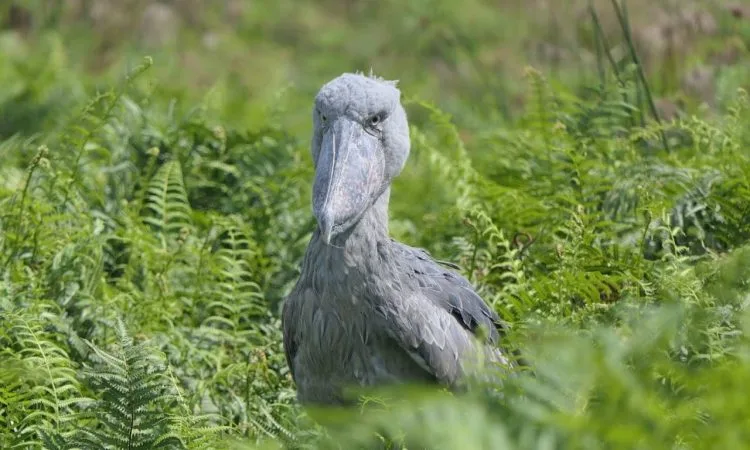
Uganda birding safari for 10 dayshttps://www.roadsofadventuresafaris.com/blogs/uganda-birding-safari-for-10-daysUganda birding safari across a 10-day itinerary offers an exceptional journey through one of Africa’s richest avian habitats, home to over 1,080 recorded species. Exploring Uganda's central wetlands and southwestern montane forests yields remarkable sightings, ranging from the prehistoric Shoebill in lowland papyrus swamps to localized Albertine Rift endemics tucked away in ancient cloud forests. Along the way, sweeping acacia savannahs and wide rivers showcase a mix of raptors, rollers, and vibrant waterbirds. By focusing on key hotspots—such as Mabamba Wetland, Lake Mburo, Bwindi Impenetrable Forest, and Queen Elizabeth National Park—this targeted route delivers outstanding species counts and unforgettable wildlife moments.
Day 1: Arrival & Entebbe
Touch down at Entebbe International Airport, situated on the northern shores of Lake Victoria. After meeting your driver-guide and settling into your hotel, spend a relaxing afternoon on a guided walking tour through the lush Entebbe Botanical Gardens. Established in 1898, these sprawling lakeshore gardens feature towering canopy trees and fruiting figs that attract a wonderful selection of birds. Keep your binoculars ready for the Great Blue Turaco, Eastern Plantain-eater, African Grey Parrot, and Crowned Hornbill. Down along the water’s edge, watch for Pied Kingfishers, Ross’s Turacos, and Orange Weavers darting through the reeds. This gentle introduction helps you shake off long-haul travel while immediately adding over 30 to 40 species to your trip list before dinner.
Day 2: Mabamba Swamp & Lake Mburo National Park
Depart early at 6:00 AM for a 40-kilometer drive to Mabamba Swamp, a world-famous Ramsar site. Board a motorized wooden canoe with a local guide to navigate the narrow channels of this expansive papyrus wetland, searching for the prehistoric Shoebill Stork. Aside from the Shoebill, you can spot the African Pygmy Goose, Malachite Kingfisher, Lesser Jacana, and Papyrus Gonolek. By mid-morning, head south along the Kampala–Mbarara highway for roughly 230 kilometers to Lake Mburo National Park, stopping at the Equator in Kayabwe. Arrive by mid-afternoon for an initial game drive through acacia woodlands, spotting Bare-faced Go-away-birds, Crested Francolins, and Lilac-breasted Rollers alongside zebras and topis.
Day 3: Lake Mburo National Park
Spend the full day exploring the varied habitats of Lake Mburo, Uganda’s smallest savannah park. Start with an early morning game drive along the Zebra and Kazuma tracks, where open grasslands and thick acacia thickets yield sightings of the rare Red-faced Barbet, Brown-chested Lapwing, Coqui Francolin, and Emerald-spotted Wood-Dove. After lunch, embark on a two-hour afternoon boat safari along the tranquil waters of Lake Mburo. The fringing papyrus and overhanging branches host the elusive African Finfoot, White-backed Night-Heron, African Fish Eagle, and Pied Kingfisher. Hippos, crocodiles, and waterbuck line the banks, offering fantastic photo opportunities alongside your waterfowl sightings before returning to your lodge at sunset.
Day 4: Transfer to Bwindi Impenetrable National Park (Ruhija)
After breakfast, leave Lake Mburo and drive southwest toward the rugged highlands of Bwindi Impenetrable National Park. The scenic 220-kilometer journey takes about six hours, passing through rolling green hills, banana plantations, and terraced mountainsides. You enter the eastern Ruhija sector, situated at an altitude of roughly 2,350 meters. As you ascend the winding mountain roads, begin birding right along the forest edge. Keep an eye out for high-altitude species such as the Black Bee-eater, Archer’s Robin-Chat, Handsome Francolin, and Mountain Buzzard. Check into your forest lodge by late afternoon and enjoy the cool mountain air, listening to the evening calls of nightjars and owls echoing across the canopy.
Day 5: Mubwindi Swamp (Bwindi Impenetrable NP)
Dedicate the day to exploring the famous Mubwindi Swamp trail, recognized as one of Africa’s premier birding routes. Accompanied by expert forest rangers, trek down the high-altitude forested valley into the heart of the wetland. This specific trail is the top site in the world for spotting the critically endangered African Green Broadbill (also known as Grauer's Broadbill). Along the damp, mossy trail, scan the understory and canopy for Albertine Rift endemics like the Regal Sunbird, Grauer's Rush Warbler, Rwenzori Batis, and Stripe-breasted Tit. The 8-kilometer round-trip hike can be steep and muddy, but the rewards are exceptional, offering serious birders a chance to check off multiple rare, localized species.
Day 6: Bwindi (Ruhija to Buhoma)
Check out after breakfast and take a slow, bird-focused drive through the "Neck"—a narrow corridor of lower-elevation forest connecting the Ruhija and Buhoma sectors. Covering roughly 50 kilometers over three to four hours, this scenic route drops in elevation, offering a shifting mix of forest species. Stop frequently along the main track to scan riverbank vegetation and mid-canopy trees for the Cinnamon-chested Bee-eater, Black-billed Turaco, Many-colored Bush-shrike, and Mountain Masked Apalis. Look out for noisy troops of L'Hoest's monkeys and black-and-white colobus monkeys in the trees above. By mid-afternoon, arrive in Buhoma (altitude ~1,500 meters) and check into your lodge near the park headquarters.
Day 7: Buhoma Sector (Optional Gorilla Trekking)
You have two great options today. Enthusiasts can participate in an optional mountain gorilla trek through Buhoma’s misty rainforest, spending a thrilling hour observing a habituated gorilla family. Alternatively, spend the day birding the rich forest edges and the main waterfall trail in Buhoma. This lower-montane habitat shelters species like the Cassin’s Hawk-Eagle, Toro Olive Greenbul, Red-throated Alethe, White-bellied Robin-Chat, and Black-faced Rufous Warbler. Mixed-species feeding flocks frequently move through the understory, providing fast-paced viewing opportunities. Spend the late afternoon scanning the flowering shrubs around your lodge for iridescent sunbirds before enjoying dinner.
Day 8: Queen Elizabeth National Park
Depart Bwindi after breakfast and head north toward Queen Elizabeth National Park, covering about 160 kilometers over four hours. The route passes through the southern Ishasha sector, famous for its vast savannahs and tree-climbing lions resting in fig trees. On game drives across these open plains, scan the skies and grassy ridges for large raptors like the Martial Eagle, Bateleur, and Crowned Eagle, alongside ground birds like the Black-bellied Bustard and Harlequin Quail. Continue north across the rift valley floor to the Mweya Peninsula, arriving by late afternoon. As dusk falls, listen for the deep calls of the Verreaux’s Eagle-Owl perched near your lodge.
Day 9: Kazinga Channel Boat Cruise
Start with a sunrise game drive across the Kasenyi Plains, where open grassland holds African Wattled Lapwings, Red-necked Spurfowl, and various larks alongside lions and Uganda kob. In the afternoon, embark on the highlight of the park: a two-hour boat cruise along the Kazinga Channel, a 32-kilometer natural waterway connecting Lake George and Lake Edward. The channel banks feature one of the highest concentrations of waterbirds in Africa. Get close-up views of Pink-backed Pelicans, Saddle-billed Storks, African Skimmers, Great Cormorants, and dozens of African Fish Eagles perched in riverside trees. Malachite and Pied Kingfishers dart along the water, offering fantastic photography opportunities.
Day 10: Departure
On your final day, take a short morning bird walk along the trails of the nearby Maramagambo Forest or around the Mweya Peninsula. Look out for the Black-bee-eater, Blue-breasted Kingfisher, and Yellow-bellied Hyliota foraging in the shady understory. After breakfast, begin the 380-kilometer drive back to Entebbe via Mbarara, taking roughly six to seven hours. Enjoy a final lunch stop at the Equator to shop for local crafts and reflect on your species list. You arrive back in Entebbe by late afternoon or early evening, where your guide drops you off at Entebbe International Airport for your evening flight home.
What is the best time for Uganda birding safaris?
The ideal window for a 10-day birding adventure in Uganda falls between late May and September, as well as December through February. During these dry seasons, trails in Bwindi Impenetrable Forest are far easier to navigate, and water levels in swamps like Mabamba are optimal for canoe excursions. If your goal is to maximize your total species tally, visiting between November and April is particularly rewarding because migratory birds arrive from Europe and northern Africa, filling the trees and wetlands with incredible diversity. While the rainy months from March to May bring lush landscapes and active breeding plumage, heavy downpours can make forest paths muddy and forest birding a bit more challenging. However, birding in Uganda is truly a year-round activity since local species, including the prehistoric Shoebill and various Albertine Rift endemics, remain resident across the national parks regardless of the month. Packing light waterproof gear and reliable footwear ensures a productive trip no matter when you decide to travel.How do I spot the rare Shoebill at Mabamba?
Spotting the elusive Shoebill Stork in Mabamba Swamp relies on setting off early in the morning alongside an experienced local canoe guide. Leaving Entebbe around 6:00 AM allows you to reach the wetland just as the sun rises, which is when these massive birds actively hunt for lungfish along the shallow papyrus channels. You will board a narrow motorized wooden canoe that glides quietly through the tall reeds, minimizing disturbance to the wildlife. Local guides know the territorial feeding spots of individual Shoebills and communicate with community trackers to pinpoint their exact locations. The bird’s strategy involves standing completely motionless for long periods, resembling a statue among the vegetation before suddenly plunging its shoe-shaped bill into the water. Keeping quiet, maintaining a respectful distance, and bringing a strong pair of binoculars or a long telephoto camera lens will give you the best chance of witnessing this extraordinary, prehistoric creature in action.What equipment should I pack for forest birding trips?
Packing the right gear makes a world of difference when tracking fast-moving birds through dense rainforests like Bwindi. Start with a durable, waterproof pair of 8x42 or 10x42 binoculars, which provide a wide field of view and excellent light gathering under shady forest canopies. Wear lightweight, quick-drying long-sleeved shirts and trousers in earth tones to protect against thorny vines and insects, paired with sturdy, broken-in waterproof hiking boots that offer good ankle support on steep, muddy slopes. A breathable rain jacket and a waterproof cover for your daypack are essential, as tropical showers can appear suddenly. A headlamp or small flashlight comes in handy for early morning starts or spotting nocturnal species like nightjars and owls. Don't forget extra camera batteries and memory cards, high-DEET insect repellent, sun protection, and a field guide to East African birds to help verify species alongside your guide.Which Albertine Rift endemics will we see in Bwindi?
Bwindi Impenetrable Forest is world-famous among birders because it harbors around 23 Albertine Rift endemic species found only in this high-altitude region. Key highlights during your trek through sectors like Ruhija include the critically endangered African Green Broadbill (Grauer's Broadbill), which nests near the remote Mubwindi Swamp. As you walk along the mossy montane trails, you will also search for the brilliant Regal Sunbird, the Handsome Francolin, the Archer’s Robin-Chat, and the Stripe-breasted Tit. Higher elevations are home to the Rwenzori Batis, Grauer's Rush Warbler, Mountain Masked Apalis, and Neumann's Warbler. These specialized birds thrive in the misty, high-altitude cloud forests, often moving together in mixed-species feeding flocks through the canopy and understory. Spotting these localized species requires patience, good light, and a sharp guide who can identify their distinct calls through the dense foliage.Can I combine bird watching with mountain gorilla trekking?
Yes, combining gorilla trekking with your birding itinerary in Bwindi is both easy and popular. The Buhoma and Ruhija sectors of Bwindi Impenetrable National Park serve as primary bases for gorilla trekking while also offering world-class forest birding. Day 7 of this 10-day itinerary is specifically designed to give you the choice between spending the day birding the forest edge or securing a permit to trek mountain gorillas. During the gorilla trek, you will hike through the same rich habitat where rare birds live, meaning you can often spot forest species while searching for gorilla families. However, once you encounter the gorillas, your main focus will shift to spending your allocated hour with these gentle giants. If you decide to add gorilla trekking, it is best to book your permit several months in advance through your tour operator, as daily permit numbers are strictly regulated by wildlife authorities.How physically demanding is the Mubwindi Swamp trail hike?
The hike down to Mubwindi Swamp in the Ruhija sector of Bwindi is physically demanding and requires a good level of basic fitness. The trail descends approximately 400 vertical meters into a high-altitude forest valley, starting at around 2,350 meters above sea level where the air is noticeably thinner. The path down is continuous and can become slippery after rain, requiring steady footwork and sturdy hiking boots with reliable traction. The real challenge comes on the return leg, which involves a sustained uphill climb back to the ridge along narrow, muddy switchbacks. Walking poles are strongly recommended to ease knee strain and assist with balance. Despite the physical effort, the hike moves at a slow, deliberate pace because you stop frequently to scan the canopy and understory for rare birds like the African Green Broadbill. Carrying plenty of water, energy snacks, and taking regular breaks makes the trek manageable and incredibly rewarding.What bird species inhabit Queen Elizabeth National Park savannahs?
Queen Elizabeth National Park boasts one of the highest species counts of any reserve in Africa, with over 600 recorded bird species spanning savannah, forest, and wetland habitats. Out on the open grassland plains of Kasenyi and Ishasha, you can spot large ground birds like the Black-bellied Bustard, Temminck's Courser, Red-necked Spurfowl, and African Wattled Lapwing. The skies above are dominated by impressive raptors, including the Martial Eagle, Bateleur, Black-chested Snake Eagle, and Ruppell's Vulture. Scattered acacia trees and thickets harbor the Lilac-breasted Roller, White-browed Robin-Chat, Long-crested Eagle, and various shrikes. Around the crater lakes and grassy ridges, you may also catch sight of the Verreaux’s Eagle-Owl roosting in large trees. The contrast between open grasslands and nearby wetlands means you can seamlessly transition from watching magnificent eagles on a morning game drive to observing colorful kingfishers and waterbirds by afternoon.Why is the Kazinga Channel cruise great for photography?
The boat cruise along the Kazinga Channel in Queen Elizabeth National Park is a photographer's dream because it allows you to approach waterbirds unusually close without causing disturbance. Watercraft drift steadily along the shoreline, giving you a stable, eye-level angle for photographing species like the African Skimmer, Pink-backed Pelican, Saddle-billed Stork, and Great White Pelican. The overhanging branches along the banks serve as perches for Pied, Malachite, and Giant Kingfishers, as well as dozens of African Fish Eagles scanning the water for food. Because the birds are accustomed to daily boat traffic, they exhibit natural behaviors like fishing, bathing, and preening right beside the vessel. Soft afternoon light illuminating the water, combined with background views of hippos, elephants, and buffalos cooling off at the riverbank, creates exceptional conditions for capturing dramatic wildlife and bird images without needing ultra-long telephoto lenses.How do I prepare for health and safety in Uganda?
Preparing for a safari in Uganda involves straightforward health precautions and travel planning. A Yellow Fever vaccination is mandatory for entry, and you must present an official international certificate upon arrival at Entebbe Airport. Malaria risk is present throughout the country, so consulting a travel clinic for prescribed antimalarial medication is strongly advised, alongside applying DEET-based insect repellent and wearing long trousers during evening hours. Drink only bottled or purified water, which is supplied in your safari vehicle, and stick to freshly cooked meals at your lodges. Pack a basic personal first-aid kit containing rehydration salts, blister plasters, pain relievers, and any personal prescription medications. Standard safety in Uganda is very high for tourists; national parks are heavily protected by professional rangers, and traveling with an experienced local guide ensures smooth navigation through rural areas and busy towns.Why should I hire a local Ugandan birding guide?
Hiring a local Ugandan birding guide is the single most effective way to ensure a successful and rewarding safari. Uganda’s bird life is exceptionally dense, and many forest species are far easier to locate by their calls than by sight alone. Local guides possess incredible ear-birding skills, allowing them to identify complex calls in dense rain forests like Bwindi and pinpoint a bird's exact location in seconds. They understand the seasonal movements, nesting territories, and specific micro-habitats of rare species like the Shoebill or Albertine Rift endemics, saving you countless hours of searching blindly. Beyond their technical expertise, local guides handle all park logistics, navigate winding dirt roads, and liaise with community rangers at every site. By traveling with a local professional, you also directly support wildlife conservation and the local eco-tourism economy in the communities surrounding Uganda's national parks.Booking Uganda birding safari for 10 days with us Roads of Adventure safaris
Booking a 10-day birding safari with Roads of Adventure Safaris takes you through Uganda's prime ornithological circuits. This typically includes searching for the elusive Shoebill in the Mabamba Wetland near Entebbe, Albertine Rift endemics in Bwindi Impenetrable National Park, and over 600 savannah and waterbird species in Queen Elizabeth National Park.
0 Replies
·
24 views

My family is considering a trip to New York City this December to see the holiday lights and markets. We know it will be crowded and expensive, but we want to know if the festive atmosphere makes up for it. For those who have been, what are your best tips for beating the crowds, and is it a good time to visit?
0 Replies
·
25 views

India's Golden Triangle Tour is one of the country's most popular travel experiences, connecting three iconic cities—Delhi, Agra, and Jaipur. If you're looking for a short yet unforgettable journey through India's history, culture, and architecture, our 5 Days Golden Triangle Tour is the perfect choice.
Your adventure begins in Delhi, where you'll explore a fascinating blend of ancient heritage and modern landmarks. Visit Jama Masjid, enjoy a rickshaw ride through Chandni Chowk, admire India Gate, Qutub Minar, Humayun's Tomb, and the beautiful Lotus Temple.Next, travel to Agra, home to the world-famous Taj Mahal, a timeless symbol of love and one of the Seven Wonders of the World. Explore the magnificent Agra Fort and experience the charm of the historic Mughal city.
Continue your journey to the vibrant Pink City of Jaipur. Discover the majestic Amber Fort, admire the stunning Hawa Mahal, visit the City Palace and Jantar Mantar, and stroll through the colorful local bazaars filled with traditional handicrafts, textiles, and jewelry.
Our 5 Days Golden Triangle Tour includes comfortable accommodation, a private air-conditioned vehicle, an experienced driver, and a flexible itinerary designed to provide a hassle-free and memorable travel experience.
Whether you're visiting India for the first time or looking for a short cultural escape, this tour offers the perfect introduction to India's rich heritage, magnificent architecture, and vibrant traditions.
Book your Golden Triangle Tour with Taj Voyages Tour today and create unforgettable memories across India's most iconic destinations!
Tour Highlights
- Delhi City Sightseeing
- Visit the Magnificent Taj Mahal
- Explore Agra Fort & Fatehpur Sikri
- Amber Fort, Hawa Mahal & City Palace
- Private AC Vehicle & Professional Driver
- Comfortable Hotels & Daily Breakfast
- Delhi Airport Pickup & Drop
0 Replies
·
25 views

I came back from Turkey recently and the mix of old streets, sea views, markets, and mountain landscapes stayed in my mind for weeks. Istanbul was busy but full of energy, especially around the Grand Bazaar and Bosphorus. Cappadocia looked unreal at sunrise with balloons everywhere.
One thing I learned during my travel to Turkey was to slow down and not try to visit too many cities in one week. Istanbul and Cappadocia already need several days. Many travelers also add Antalya, Pamukkale, or Ephesus.
A few simple tips:
The food was one of the best parts for me. Fresh bread, kebabs, tea, baklava, and small cafés everywhere. Turkey is also still cheaper than many European destinations for hotels and food.
One thing I learned during my travel to Turkey was to slow down and not try to visit too many cities in one week. Istanbul and Cappadocia already need several days. Many travelers also add Antalya, Pamukkale, or Ephesus.
A few simple tips:
- Carry cash for small shops and local food places
- Dress modestly when visiting mosques
- Wear comfortable shoes because many streets are steep or uneven
- Book Cappadocia balloon rides early since weather can cancel flights
- Public transport in Istanbul is cheaper with an Istanbulkart
The food was one of the best parts for me. Fresh bread, kebabs, tea, baklava, and small cafés everywhere. Turkey is also still cheaper than many European destinations for hotels and food.
2 Replies
·
317 views

I would like to catch at least one sunrise during my Banff trip. Which location offers the best early morning views? I am considering Vermilion Lakes, Lake Louise, Moraine Lake, and Surprise Corner, but I'm open to other suggestions as well.
0 Replies
·
18 views

I am quite passionate about camping, especially in Da Lat - great climate, many wild spots. Before, I used to prepare everything from A to Z: tent, sleeping bag, gas stove, private car... But from the most recent trip, I tried renting a camping car, and my perspective has changed quite a bit.


If you are new to camping or want to experience flexible and convenient travel without having to worry about preparing much , choosing a camping car rental service in Da Lat is worth a try.
But if you like the craft, long-term investment and deeper exploration, then preparing yourself is also an interesting journey.
Do-It-Yourself vs Campervan Rental – Which is the Better Choice?
| Criteria | Prepare yourself | Campervan Rental Service |
|---|---|---|
| Initial cost | High (must buy) | Average, per day |
| Flexibility | High | High |
| Specialized tools | Depends on investment | Available, professional |
| Preparation effort | Much | Almost not |
| Experience | Somewhat risky | Smoother, more comfortable |
My experience renting a camper:
- I rented a pre-modified pickup truck: with a sleeping floor inside + roof tent.
- Equipped with: mini gas stove, folding table and chairs, pot set, blankets and pillows, solar lights, drinking water, ice box...
- Just pick up your car, pick your destination, and enjoy – no more lugging around stuff, no more worrying about missing anything.
- Especially convenient when traveling for 2-3 days, sleeping in many places - no need to set up tent many times.
Things to note when choosing a camping car rental service:
- Choose a car with clear insurance and contract.
- Ask carefully about vehicle delivery/receipt policy, mileage limit, and additional fees.
- Check before receiving the vehicle: brake system, lights, tent stability.
- Be careful with camping sites: not all are safe for overnight stays.
If you are new to camping or want to experience flexible and convenient travel without having to worry about preparing much , choosing a camping car rental service in Da Lat is worth a try.
But if you like the craft, long-term investment and deeper exploration, then preparing yourself is also an interesting journey.
2 Replies
·
474 views

Krishna Janmashtami 2026 falls on Friday, 4 September 2026, according to the Smarta tradition followed by most of North India. ISKCON and several Vaishnava communities observe it a day later, on Saturday, 5 September 2026, because their midnight (Nishita Kaal) calculation differs slightly. If you are visiting ISKCON Temple in Vrindavan specifically, plan for both nights of celebration.
Visiting Mathura Vrindavan during Janmashtami is one of the most rewarding spiritual experiences in India, but it comes with heavy crowds, longer darshan queues, and the need for advance planning. If you want an intense, once-in-a-year devotional atmosphere, go. If you prefer a calmer, sightseeing-style visit, plan your trip a few days before or after the festival instead.
Visiting Mathura Vrindavan during Janmashtami is one of the most rewarding spiritual experiences in India, but it comes with heavy crowds, longer darshan queues, and the need for advance planning. If you want an intense, once-in-a-year devotional atmosphere, go. If you prefer a calmer, sightseeing-style visit, plan your trip a few days before or after the festival instead.
0 Replies
·
30 views
Hi everyone,
I’m starting to plan a trip and trying to keep the flight cost as low as possible.For those of you who regularly find good deals, what’s your usual approach? Do you book far in advance or use specific tools to track price drops?
I’m starting to plan a trip and trying to keep the flight cost as low as possible.For those of you who regularly find good deals, what’s your usual approach? Do you book far in advance or use specific tools to track price drops?
4 Replies
·
966 views