
forum4travel

Welcome to the vibrant world of culture and creativity, where every stroke of a brush and every sculpted masterpiece tells a story. As a fellow traveler on the quest for inspiration, I found myself drawn to one of the most iconic hubs of artistry in the heart of New York City – The Metropolitan Museum of Art. Join me on this journey as we explore the corridors of creativity, unraveling the rich tapestry of history, culture, and artistic expression that defines this renowned institution. From timeless classics to avant-garde exhibits, The Met is a haven for art enthusiasts and a must-visit destination for those seeking an immersive cultural experience.
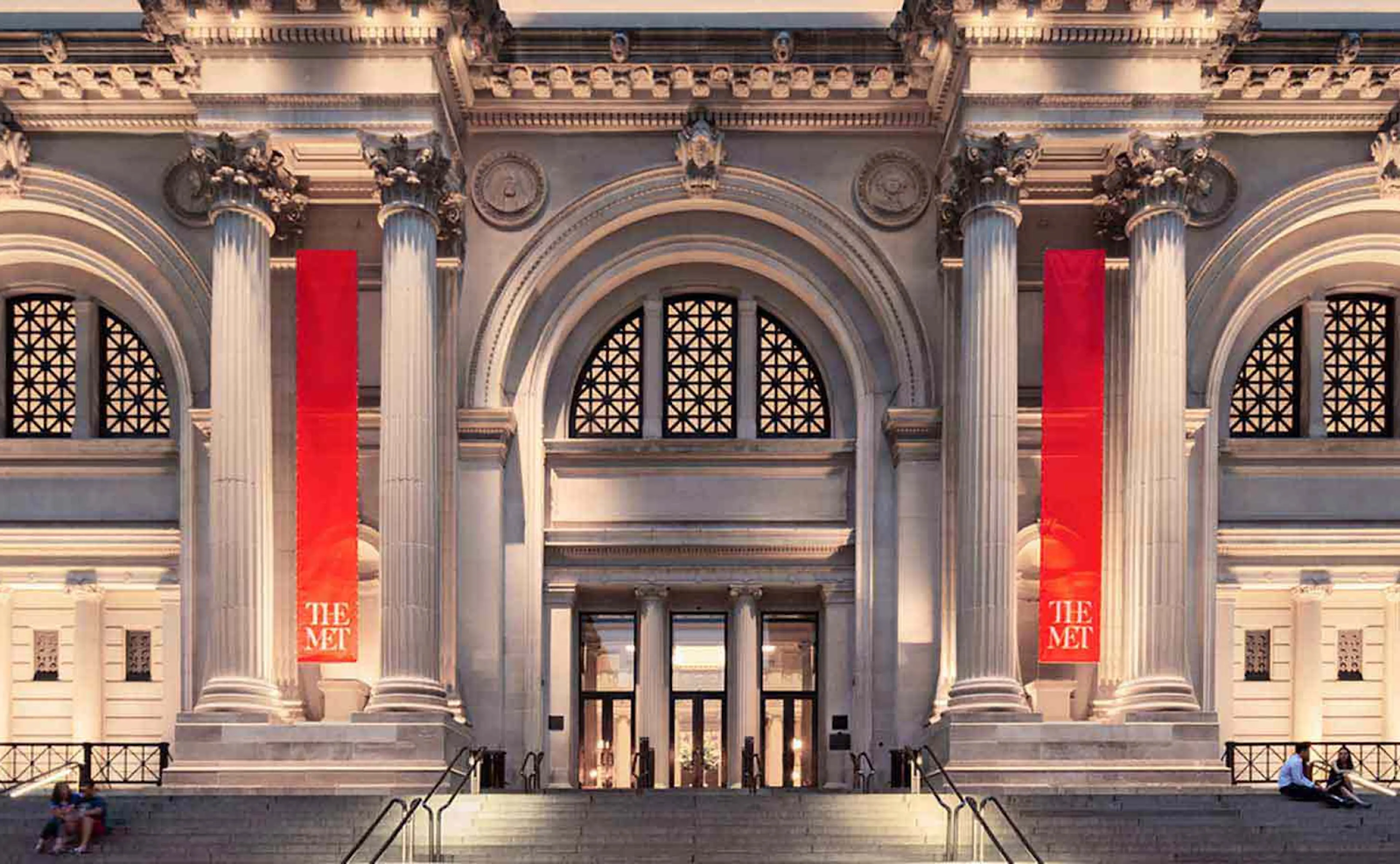
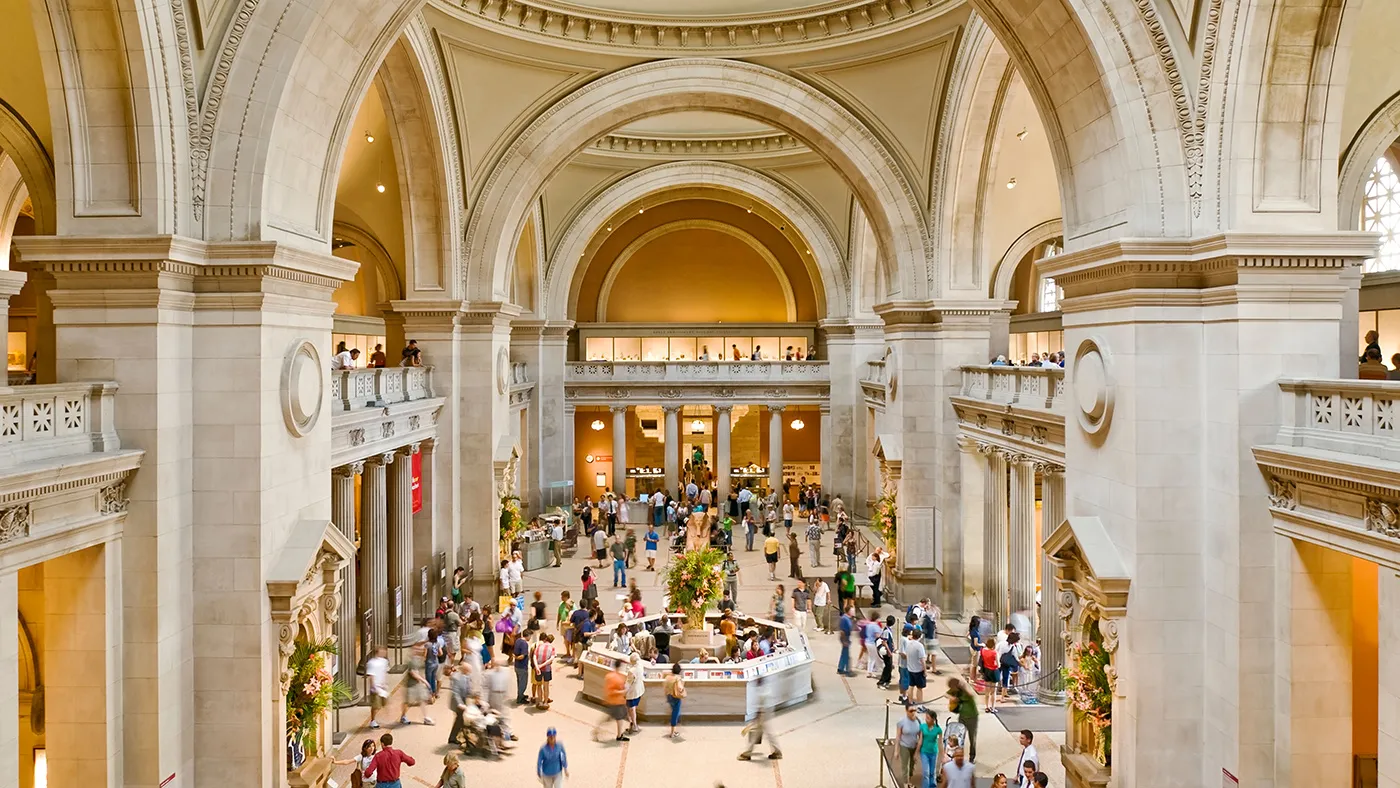
The Metropolitan Museum of Art, fondly known as The Met, is not just a museum; it's a living chronicle of human creativity, a testament to the enduring power of art. Nestled on the eastern edge of Central Park along Museum Mile, this cultural gem is an embodiment of New York's rich artistic heritage.
Exploring the Metropolitan Museum of Art can be a rewarding endeavor for both the eyes and the palate. The area surrounding The Met is a culinary haven, offering diverse and delectable options for every taste. As a traveler eager to savor the essence of New York, here are some culinary delights to indulge in:


Unveiling The Met: A Tale of Art, History, and Cultural Splendor
The Metropolitan Museum of Art, fondly known as The Met, is not just a museum; it's a living chronicle of human creativity, a testament to the enduring power of art. Nestled on the eastern edge of Central Park along Museum Mile, this cultural gem is an embodiment of New York's rich artistic heritage.
Origins and Foundation:
Founded in 1870 by a group of American citizens including businessmen, artists, and philanthropists, The Met was established to bring art and art education to the American people. The museum opened its doors in 1872 at 681 Fifth Avenue, and over the decades, it underwent expansions and relocations to become the expansive institution we know today.Architectural Marvels:
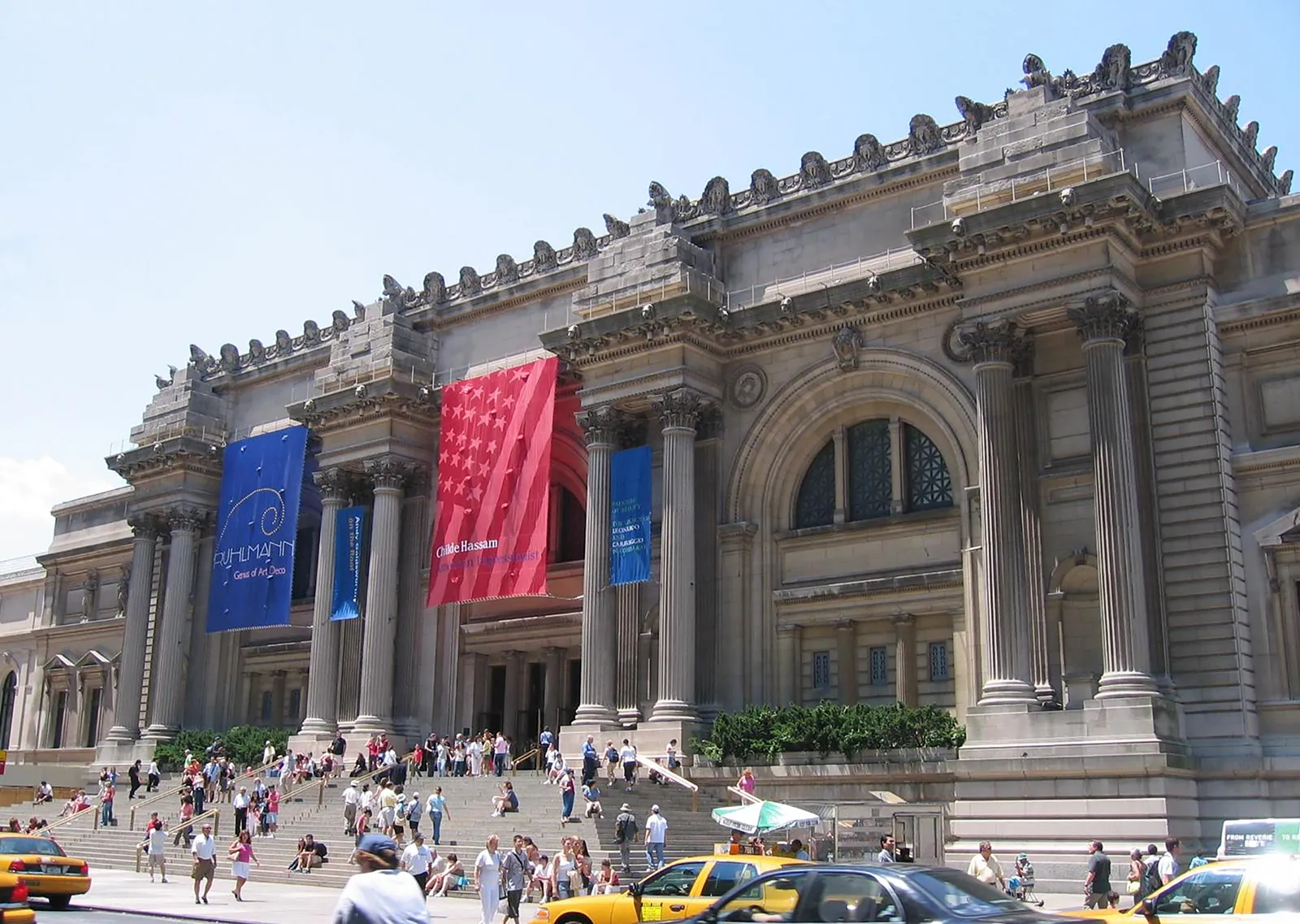
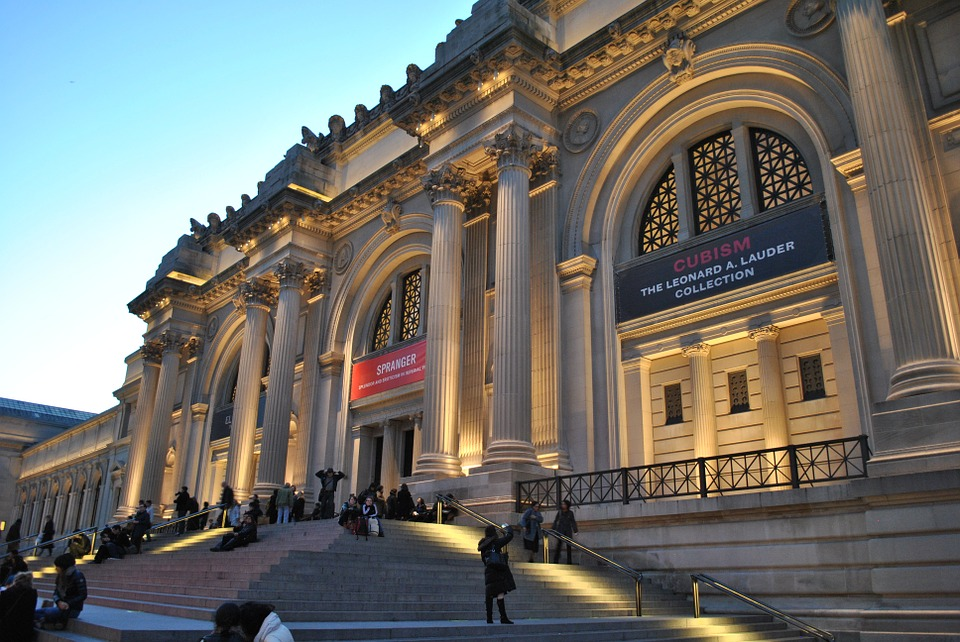
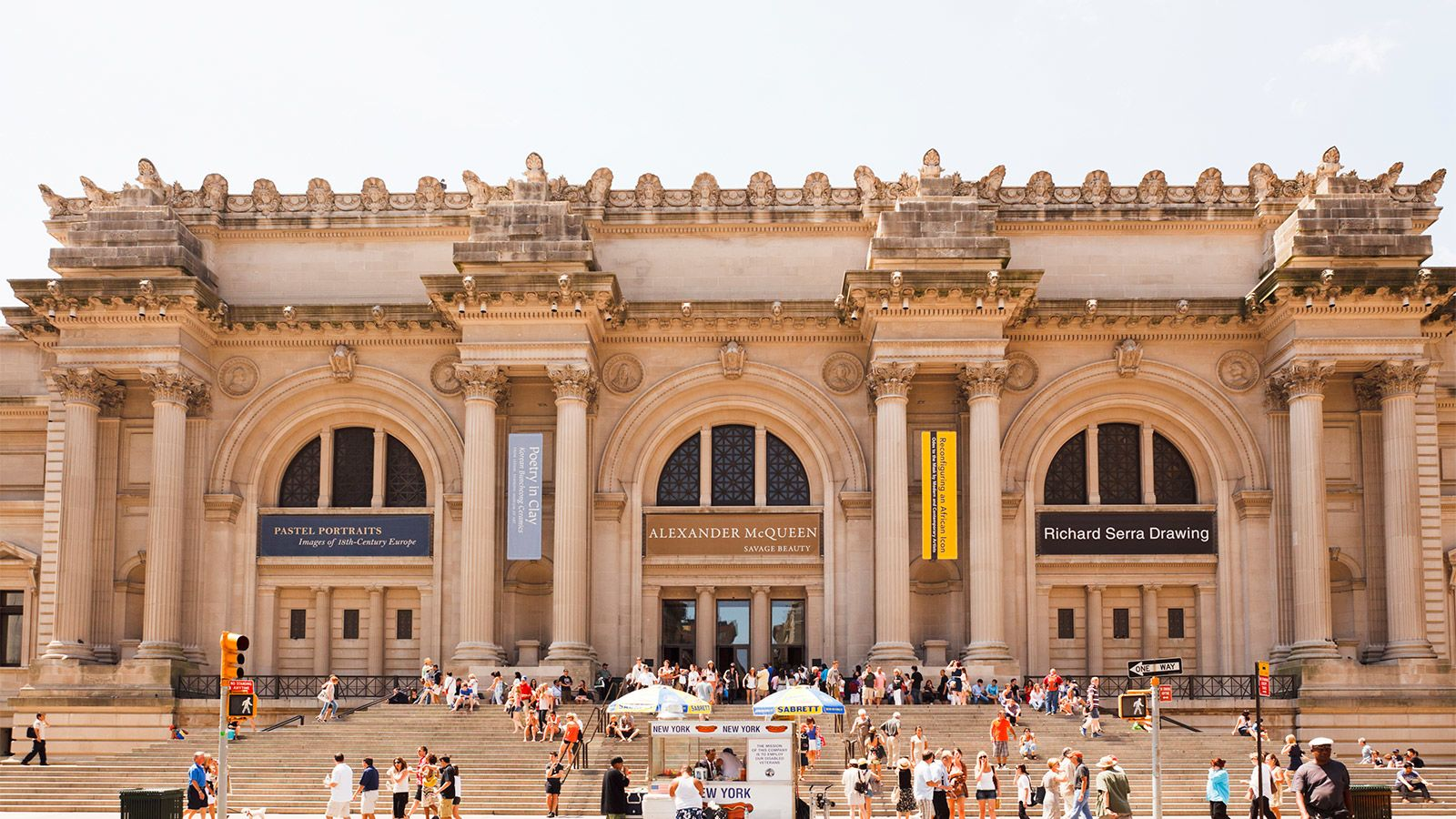
The Met's main building, a Beaux-Arts masterpiece, is a work of art in itself. Its facade adorned with classical elements and iconic stairs has become an emblematic symbol. Subsequent additions, like the modernist Sackler Wing and the serene Met Cloisters in Fort Tryon Park, contribute to the museum's architectural grandeur.Cultural Diversity:
What sets The Met apart is its unparalleled scope. With over two million works of art spanning 5,000 years, the museum caters to a wide array of tastes and interests. From ancient Egyptian artifacts to contemporary masterpieces, each exhibit unfolds a chapter in the story of humanity's artistic evolution.American Ingenuity:
As I wandered through the galleries, I discovered The Met's commitment to showcasing American creativity. Paintings by iconic figures like Winslow Homer and sculptures by Augustus Saint-Gaudens highlight the nation's artistic journey.Beyond the Canvas:
The Met is not merely a repository of art; it's a living, breathing entity that engages visitors through events, educational programs, and interactive exhibits. Whether attending a lecture, participating in a workshop, or enjoying a live performance, visitors are immersed in an enriching cultural experience.Legacy and Impact:
Over the years, The Met has evolved into a cultural epicenter, influencing the global art scene. Its extensive collections, educational initiatives, and commitment to accessibility have made it a beacon for art enthusiasts worldwide.A Treasure Trove Unveiled: Exploring the Millennia-Old Marvels at The Met
Embarking on a Timeless Odyssey:
As I strolled through the hallowed halls of The Metropolitan Museum of Art, I found myself surrounded by an awe-inspiring array of artifacts that spanned millennia. The museum's extensive collection boasts over two million works of art, each telling a unique story and contributing to the rich tapestry of human creativity.Antiquities and Ancient Marvels:
The Met's collection of antiquities takes visitors on a journey back in time, showcasing relics from ancient civilizations. From Egyptian mummies to Greek sculptures, these artifacts have weathered the sands of time, preserving the whispers of civilizations long past. The meticulous curation of these treasures allows us to connect with the distant echoes of history.Timeless Artistry in Paint and Sculpture:
The museum's galleries are adorned with masterpieces from renowned artists spanning centuries. European paintings by the likes of Rembrandt, Van Gogh, and Vermeer coexist harmoniously with Asian art, Islamic artifacts, and African sculptures. The diversity and depth of The Met's collection mirror the vast spectrum of human creativity across cultures and continents.Textiles, Fashion, and Decorative Arts:
Venturing further, I found myself immersed in the world of textiles, fashion, and decorative arts. The museum houses an extensive collection of costumes, textiles, and decorative items, showcasing the evolution of style and craftsmanship throughout the ages. From intricate tapestries to elegant period clothing, each piece reflects the unique aesthetics of its time.The American Wing:
An ode to American ingenuity, The Met's American Wing celebrates the nation's artistic journey. Paintings, sculptures, and decorative arts from colonial times to the present day capture the essence of American creativity. As I explored these galleries, I felt a deep connection to the evolving narrative of my own homeland.The Met Cloisters:
For a truly immersive experience, a visit to The Met Cloisters in Fort Tryon Park is a must. This branch of The Met is dedicated to the art, architecture, and gardens of medieval Europe. The serene surroundings and meticulously reconstructed cloisters transport visitors to a bygone era.Preserving the Past for the Future:
The Metropolitan Museum of Art has been a guardian of creativity for over 150 years. Its commitment to preservation, research, and education ensures that these treasures remain accessible to current and future generations. The museum's conservation efforts, technological advancements, and dedication to accessibility contribute to the longevity of its vast collection.From Hidden Gem to Global Icon: The Met's Journey into the Hearts of Art Enthusiasts
The Early Years:
The Metropolitan Museum of Art's journey from a fledgling institution to a globally recognized cultural powerhouse is a tale of passion, vision, and a relentless commitment to art. In its early years, The Met struggled to find its footing, but a group of dedicated founders and curators had a vision—to make art accessible to all.Strategic Location and Expansion:
One of the pivotal moments in The Met's ascent to fame was its strategic move to the eastern edge of Central Park along Fifth Avenue. This relocation, coupled with architectural expansions and additions, transformed The Met into a prominent landmark that couldn't be ignored. The Beaux-Arts masterpiece became a symbol of cultural opulence and artistic grandeur.Curatorial Excellence and Diverse Collections:
The Met's rise to familiarity is inseparable from its commitment to curatorial excellence. The museum's curators, with an unwavering dedication to acquiring and showcasing diverse collections, curated exhibits that captured the imagination of art enthusiasts. The vast array of artworks, spanning continents and centuries, ensured that there was something for every palate.Educational Initiatives and Public Engagement:
The Met's founders believed in the transformative power of art education. Educational initiatives and public engagement programs were introduced to make art accessible to a wider audience. From lectures and workshops to family-friendly events, The Met became not just a museum but a hub of cultural enrichment for people of all ages.Innovative Outreach and Technology:
Embracing the digital age, The Met leveraged technology to expand its reach. Virtual tours, online exhibits, and social media engagement brought the museum into the homes of people around the world. The Met's innovative use of technology democratized art appreciation, breaking down geographical barriers.Collaborations and Special Exhibitions:
The Met's collaborations with other museums and institutions further elevated its global standing. Special exhibitions featuring iconic artworks, combined with strategic partnerships, drew visitors from far and wide. These collaborations not only enriched the museum's offerings but also contributed to its widespread recognition.Pop Culture and Media Presence:
The Met's influence extends beyond the art world; it permeates popular culture. The museum's cameo appearances in films, television shows, and literature have solidified its status as an iconic New York landmark. The annual Met Gala, a fundraising gala for the museum's Costume Institute, has become a star-studded event, garnering media attention worldwide.Accessible Admission Policies:
In a move to make art more inclusive, The Met implemented a "pay-as-you-wish" admission policy for New York State residents, ensuring that financial constraints don't hinder access to cultural enrichment. This progressive approach has resonated with locals and tourists alike, contributing to The Met's popularity.The Enchanting Allure of The Met: Why Travelers Flock to New York's Artistic Oasis
1. A Tapestry of Timeless Treasures:
One of the primary reasons most travelers fall in love with The Metropolitan Museum of Art is the sheer magnitude and diversity of its collection. From ancient artifacts to contemporary masterpieces, The Met offers a comprehensive journey through the annals of human creativity. Travelers find themselves immersed in a world where each exhibit is a chapter in the grand narrative of art, creating an enriching and awe-inspiring experience.2. Cultural Odyssey Under One Roof:
The Met's ability to house an extensive range of art from various cultures and epochs makes it a cultural odyssey under one roof. For a traveler like me, it's like embarking on a global adventure without leaving the confines of the museum. From Egyptian antiquities to Asian artifacts, European paintings to American masterpieces, The Met encapsulates the diversity of the world's artistic heritage, offering a unique and immersive experience.3. Architectural Splendor:
Beyond the art within, The Met's architectural splendor is a draw in itself. The iconic steps, the classical facade, and the carefully designed wings create a setting that is as enchanting as the treasures it houses. Travelers are not just visitors; they become part of a visual spectacle, wandering through a masterpiece that seamlessly merges the beauty of art and architecture.4. Educational Enrichment:
The Met isn't just a repository of art; it's an educational haven. Travelers appreciate the museum's commitment to making art accessible to all. Guided tours, educational programs, and interactive exhibits engage visitors of all ages, providing insights into the history, techniques, and cultural contexts of the artworks. The Met transforms the act of viewing art into a journey of discovery and learning.5. Ever-Evolving Exhibitions:
One of the reasons The Met remains a perennial favorite among travelers is its dedication to innovation. The museum continually introduces new exhibitions, featuring both its vast permanent collection and loaned artworks. This dynamic approach ensures that even repeat visitors encounter something new, fostering a sense of anticipation and excitement.6. Serenity at The Met Cloisters:
For those seeking a tranquil escape, The Met Cloisters offers a serene retreat. Nestled in Fort Tryon Park, this branch of The Met transports travelers to the medieval landscapes of Europe. The cloisters, gardens, and architectural elements create an atmosphere of tranquility, allowing visitors to connect with art amidst nature—a unique and cherished experience.7. Inclusive Admission Policies:
The Met's "pay-as-you-wish" admission policy for New York State residents and its commitment to accessibility resonate with travelers. The inclusive approach ensures that anyone, regardless of financial constraints, can enjoy the cultural riches within the museum. This commitment to inclusivity fosters a sense of community and openness that travelers appreciate.The Magnetic Pull: Why The Metropolitan Museum of Art Tops Every Traveler's Bucket List in New York
1. A Global Art Odyssey:
For travelers seeking an unparalleled art experience, The Metropolitan Museum of Art stands as a beacon. Its vast and diverse collection spans continents and epochs, offering a global odyssey through the evolution of human creativity. The prospect of encountering ancient artifacts, timeless masterpieces, and contemporary wonders all under one roof is a magnetic draw for those hungry for a comprehensive artistic adventure.2. Architectural Marvels and Iconic Setting:
Beyond the art within, The Met's architectural grandeur is a sight to behold. The iconic steps, the classical facade, and the sprawling wings create an atmosphere that feels like stepping into a living work of art. The allure of wandering through a masterpiece of architecture and design is a significant reason why travelers are drawn to this cultural gem.3. Cultural Enrichment and Educational Value:
The desire for cultural enrichment and intellectual stimulation draws travelers to The Met. The museum's commitment to education and accessibility ensures that every visitor, regardless of their background, can delve into the rich history, techniques, and narratives behind the artworks. Travelers aren't just observers; they become participants in a dynamic and enlightening cultural experience.4. Dynamic and Ever-Changing Exhibitions:
The Met's commitment to keeping its offerings fresh and dynamic is a major attraction. Travelers are enticed by the prospect of encountering both the renowned permanent collection and the ever-changing special exhibitions. This ensures that every visit holds the promise of new discoveries, sparking curiosity and anticipation among those eager to explore the artistic wonders on display.5. Tranquil Retreat at The Met Cloisters:
For travelers seeking a break from the bustling city, The Met Cloisters offers a peaceful haven. The medieval architecture, serene gardens, and tranquil surroundings create an atmosphere of escape within the vibrant New York landscape. The allure of experiencing art amidst nature adds an extra layer of enchantment for those seeking a more contemplative museum visit.6. Immersive and Inclusive Experience:
The Met's inclusive admission policies and efforts to make art accessible resonate with travelers. The "pay-as-you-wish" approach for New York State residents and a commitment to welcoming diverse audiences create an inclusive atmosphere. Travelers appreciate the opportunity to engage with art on their terms, fostering a sense of connection and community.7. Pop Culture Allure and Social Media Presence:
The Met's presence in popular culture, including films, television, and social media, elevates its status as a must-visit destination. The allure of walking the same halls featured in iconic scenes or capturing Instagram-worthy moments contributes to the museum's appeal among modern-day travelers.Culinary Delights Near The Met: A Feast for the Senses
Exploring the Metropolitan Museum of Art can be a rewarding endeavor for both the eyes and the palate. The area surrounding The Met is a culinary haven, offering diverse and delectable options for every taste. As a traveler eager to savor the essence of New York, here are some culinary delights to indulge in:
1. Upper East Side Eateries:
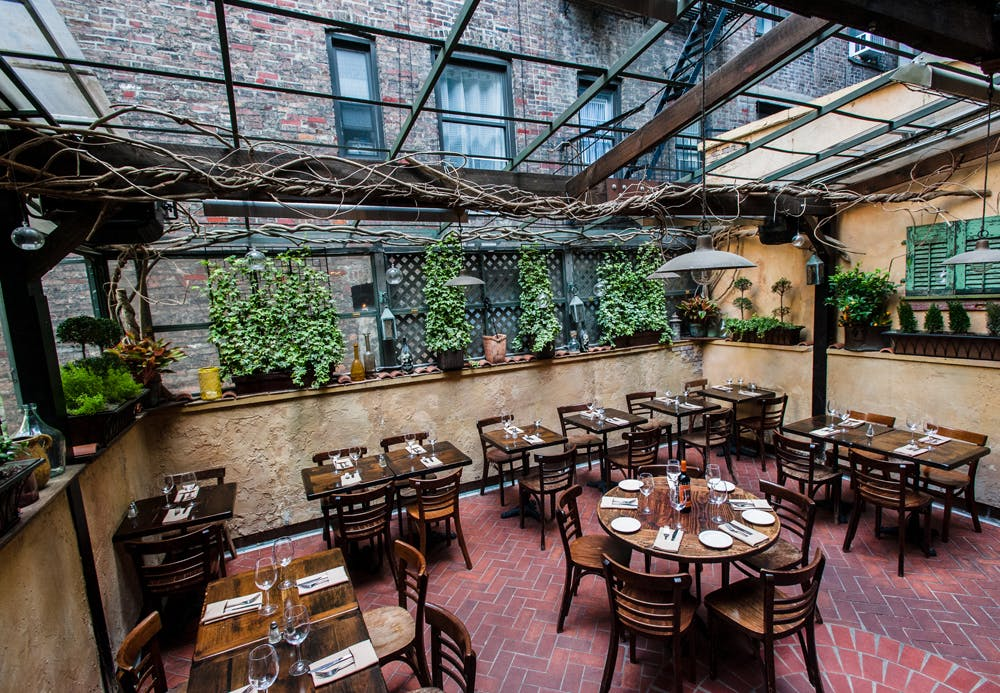
The Upper East Side, home to The Met, boasts a plethora of charming cafes and upscale restaurants. Begin your culinary journey with a visit to local gems like "Café Sabarsky," an Austrian café inside the Neue Galerie, offering delightful pastries and traditional Viennese dishes. For a taste of New York sophistication, explore the French-inspired menu at "The Met Breuer's Flora Bar."
2. Central Park Picnic:
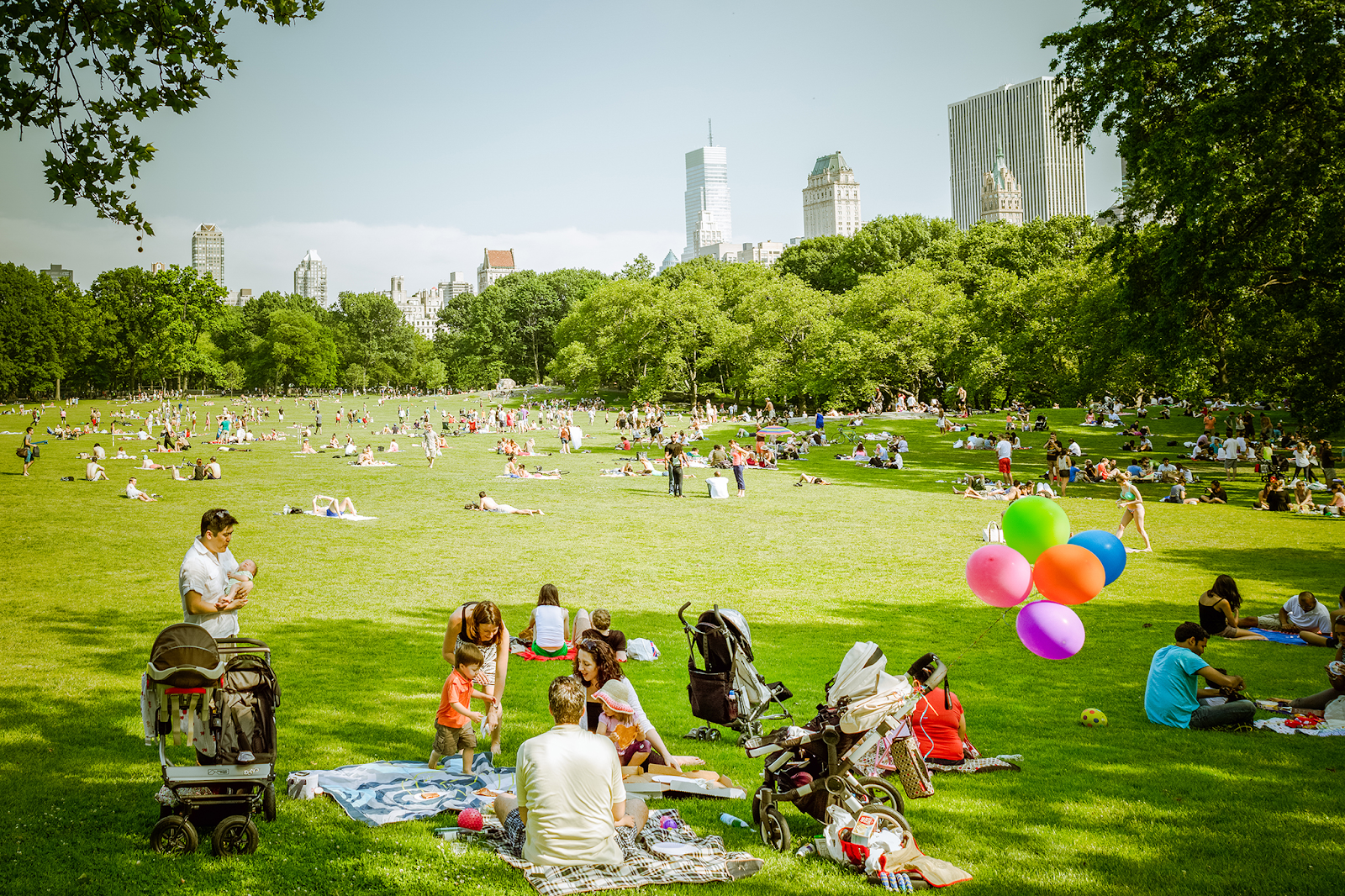
For a more casual and outdoor dining experience, consider grabbing a bite for a picnic in Central Park, conveniently located adjacent to The Met. Several delis and bakeries in the area offer an array of sandwiches, salads, and artisanal snacks. Enjoying a meal amidst the greenery provides a refreshing break before or after your museum exploration.
3. Museum Dining Options:
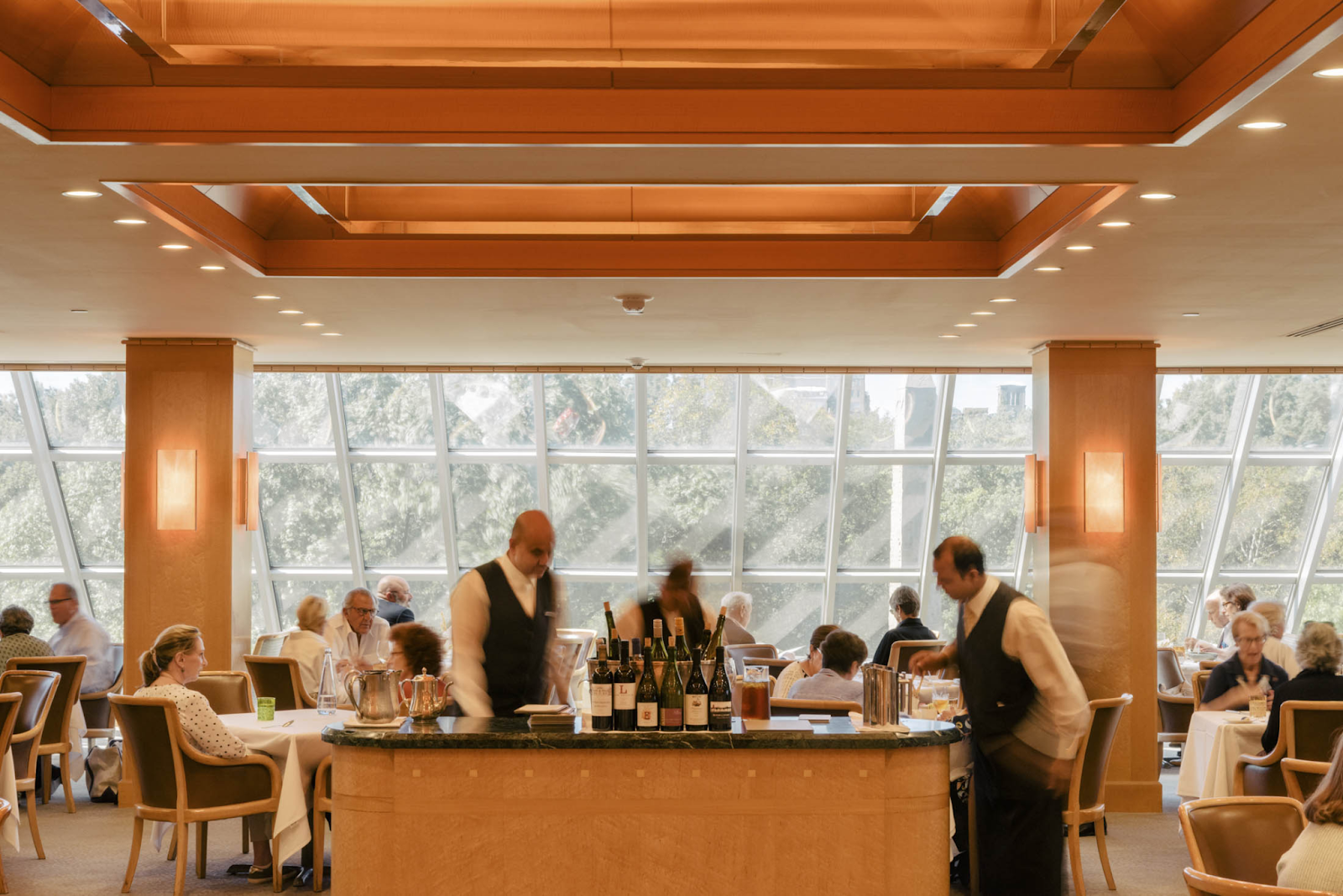
The Met itself offers dining options within its premises. "The Dining Room at The Met" provides an elegant setting for a refined meal, while the "Great Hall Balcony Bar" offers a more casual atmosphere with views of the iconic Met steps. These in-house options allow you to extend your cultural experience with a side of culinary delight.
4. New York Street Food:
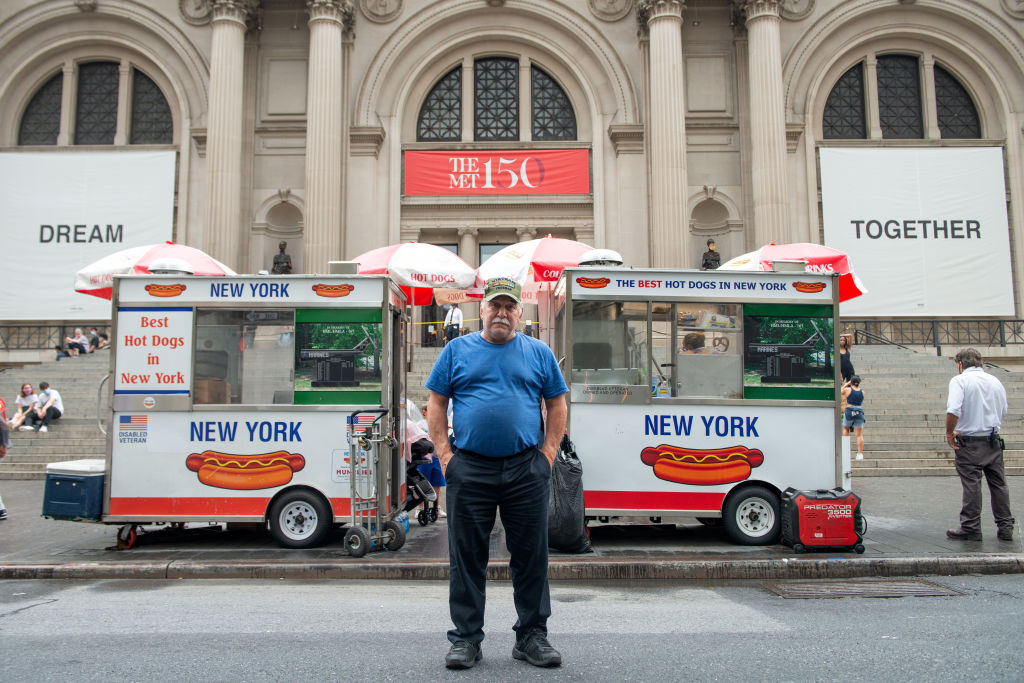
For a true taste of the city, venture beyond the museum's immediate vicinity and explore the diverse street food offerings. From classic hot dogs and pretzels to gourmet food trucks serving international cuisines, the streets around The Met provide a sampling of the vibrant and eclectic New York food scene.
5. Cultural Fusion in the Neighborhood:
The Upper East Side is known for its diverse culinary scene, offering a fusion of flavors from around the world. Explore sushi at "Sushi of Gari" for a taste of Japan, or indulge in Italian fare at "Cafe Boulud." The neighborhood's multicultural essence ensures that every palate finds something delightful.
6. Sweet Treats to Conclude:
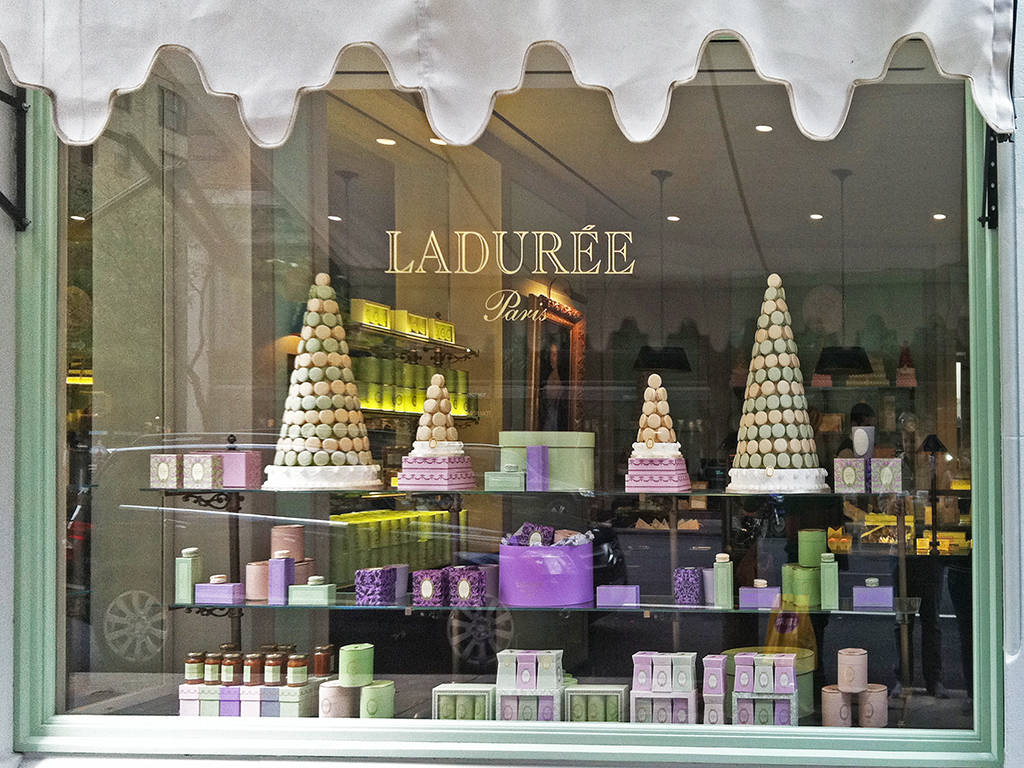
No culinary exploration is complete without a sweet finale. Treat yourself to desserts from local bakeries such as "Ladurée" for exquisite macarons or "Two Little Red Hens" for classic New York cheesecake. These sweet indulgences are the perfect way to conclude your day of art and exploration.Luxury and Comfort: Top Hotels for Travelers near the Statue of Liberty in New York
Exploring the iconic Statue of Liberty is a must for any traveler visiting New York, and the nearby accommodations offer a blend of luxury and convenience. Here are some top hotels around the Statue of Liberty that ensure a memorable stay:
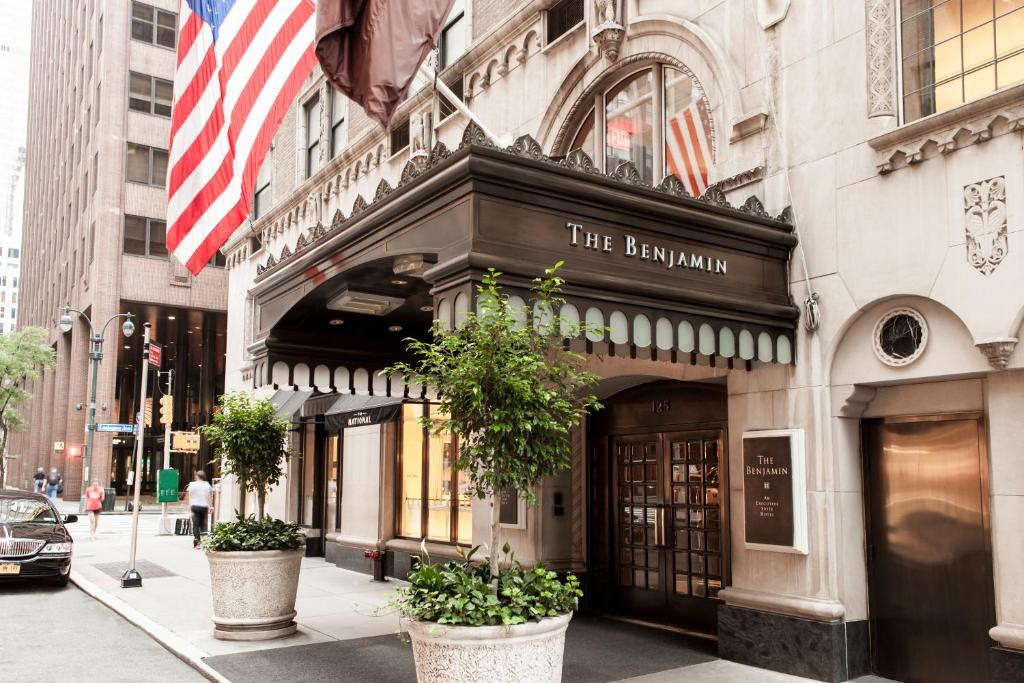
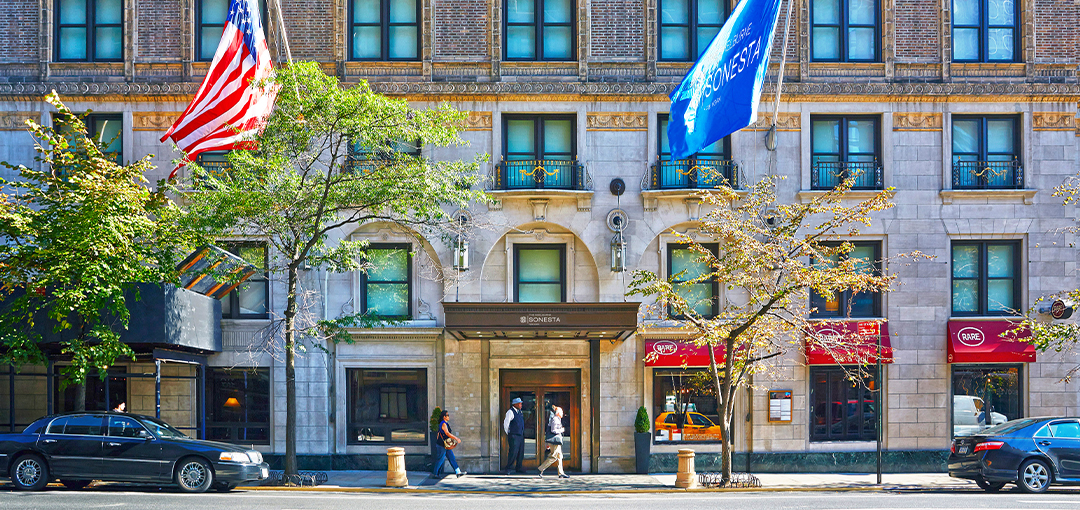
The Benjamin Royal Sonesta New York:
- Location: Situated in Midtown East, this hotel provides easy access to iconic landmarks, shopping, and dining.
- Highlights: Stylish rooms, wellness amenities, and a central location make it an excellent choice for those seeking both comfort and convenience.
Loews Regency New York Hotel:
- Location: Nestled on the Upper East Side, this hotel offers a more tranquil atmosphere while still providing proximity to Central Park and cultural institutions.
- Highlights: Luxurious accommodations, personalized service, and a sophisticated ambiance make Loews Regency a top pick for discerning travelers.
The Ritz-Carlton New York, Central Park:
- Location: As the name suggests, this hotel is located near Central Park, providing a serene escape amidst the bustling city.
- Highlights: A world-renowned brand, unparalleled luxury, and breathtaking views of Central Park contribute to a truly opulent experience.
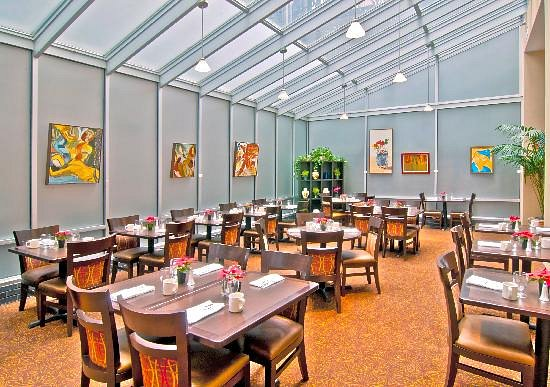
The Shelburne Sonesta New York:
- Location: Found in Murray Hill, this hotel offers a vibrant neighborhood setting with easy access to attractions like Grand Central Terminal.
- Highlights: Spacious suites, a rooftop lounge, and a focus on sustainability make The Shelburne Sonesta an attractive option for those seeking a modern and eco-friendly stay.
Hilton Garden Inn New York/Manhattan-Chelsea:
- Location: Situated in Chelsea, this hotel is in the midst of trendy galleries, Chelsea Market, and the High Line park.
- Highlights: Comfortable accommodations, on-site dining options, and proximity to popular attractions make it an ideal choice for those wanting a vibrant city experience.
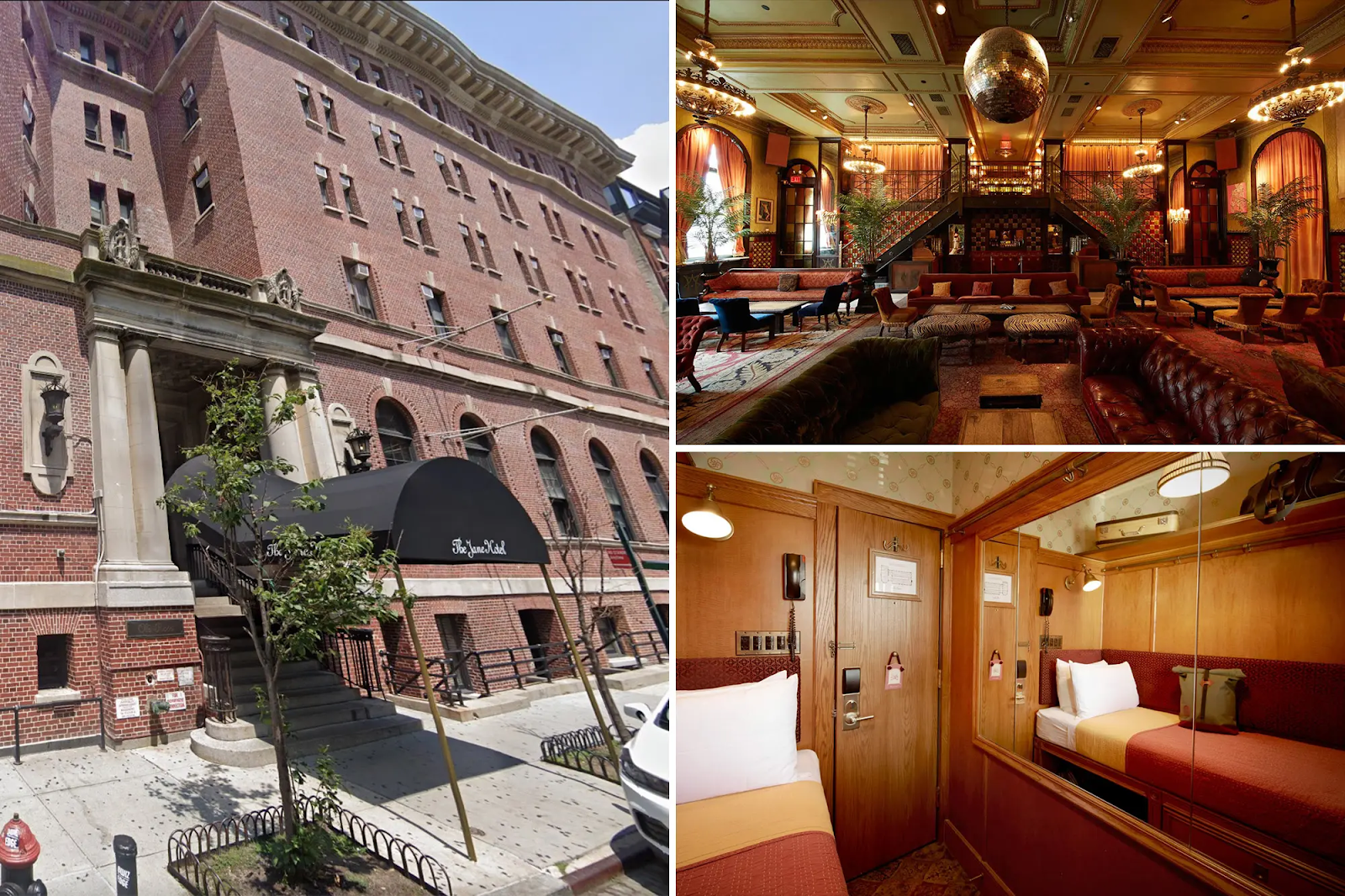
The Jane Hotel:
- Location: Located in the West Village, The Jane Hotel offers a unique and historic stay in one of New York's trendiest neighborhoods.
- Highlights: Quirky, maritime-inspired rooms, a rooftop bar with panoramic views, and a bohemian atmosphere make The Jane Hotel a distinctive choice.
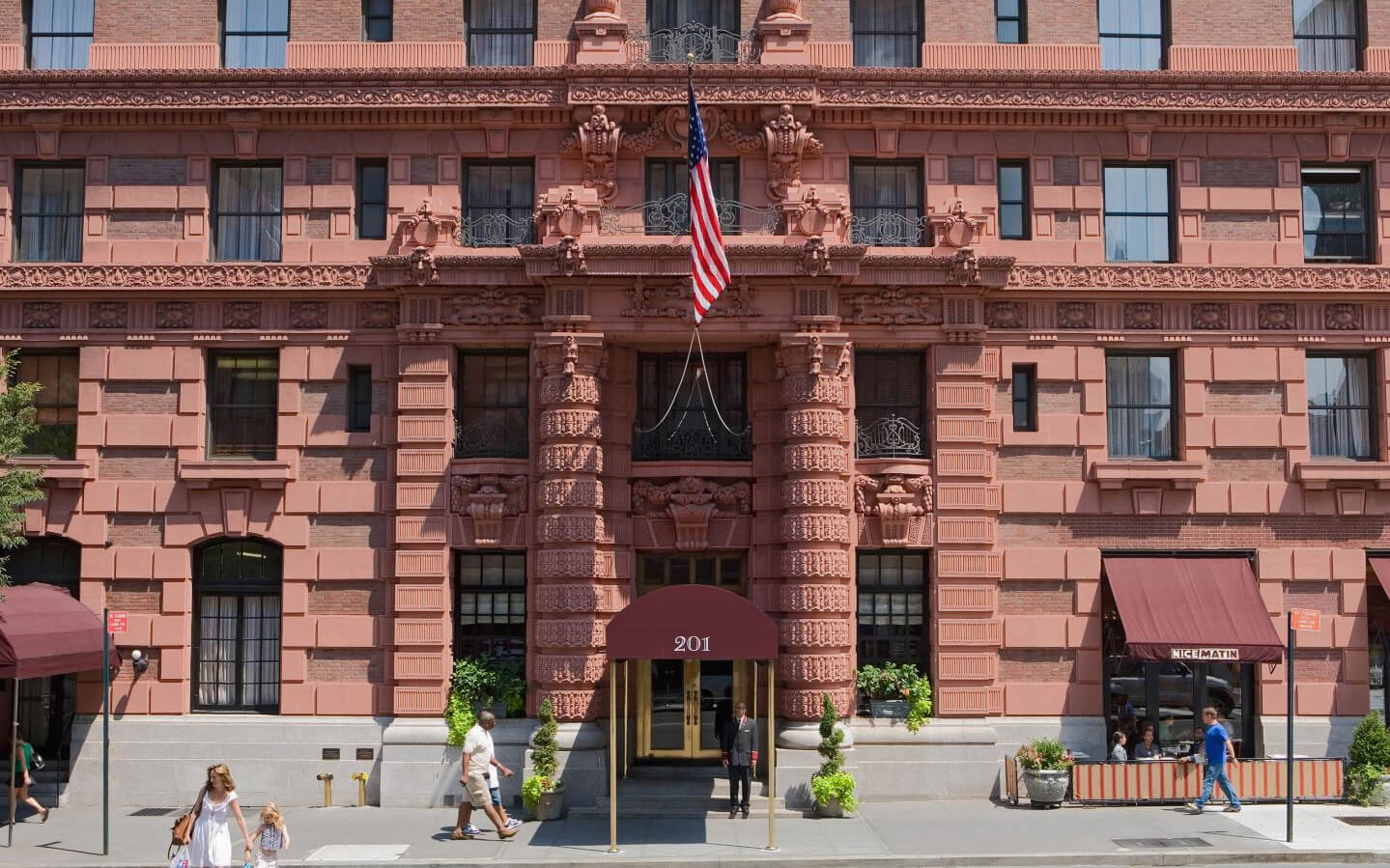
Hotel Lucerne:
- Location: Situated on the Upper West Side, this hotel offers a more residential feel while still being close to Central Park and cultural institutions.
- Highlights: Elegant rooms, personalized service, and a refined ambiance make Hotel Lucerne an excellent choice for those seeking a sophisticated retreat.
Conclusion:
As the sun sets over the New York skyline, my time at The Metropolitan Museum of Art comes to a close, leaving me with a heart brimming with inspiration. The echoes of creativity, the whispers of history, and the allure of artistic expression have made this visit an unforgettable chapter in my travel diary. Whether you're an art aficionado or a curious traveler, The Met stands as a testament to the universal language of creativity. So, the next time you find yourself in the Big Apple, don't miss the chance to embark on a visual odyssey through the halls of The Metropolitan Museum of Art – a journey that promises to leave an indelible mark on your soul.
1 Replies
·
1814 views


Booking your Kanha jungle safari at least 30 to 60 days in advance is a good idea, especially if you plan to visit during the peak season from March to June. Safari seats are limited, and popular zones can fill up quickly during weekends, holidays, and school vacations.
If you are planning a trip during the busy season, booking even earlier can help you get your preferred date and safari zone. For a smooth experience, complete your Kanha Jungle Safari Booking online as soon as your travel dates are confirmed. Last-minute seats may sometimes be available, but you should not depend on them.
Before booking, check the available safari zones, timings, and permit requirements. Planning ahead gives you more flexibility and helps you enjoy your wildlife adventure without unnecessary stress.
If you are planning a trip during the busy season, booking even earlier can help you get your preferred date and safari zone. For a smooth experience, complete your Kanha Jungle Safari Booking online as soon as your travel dates are confirmed. Last-minute seats may sometimes be available, but you should not depend on them.
Before booking, check the available safari zones, timings, and permit requirements. Planning ahead gives you more flexibility and helps you enjoy your wildlife adventure without unnecessary stress.
0 Replies
·
0 views

 Are you planning a trip to Tokyo or Osaka, or have you already arrived in Japan?
Feeling unfamiliar with the area or worried about the language barrier? Interested in local services but not sure where to start? Rather than searching blindly, getting the right information and confirming the details in advance can help make your trip smoother and more enjoyable.
 COCO Dream Garden | Tokyo & Osaka Booking Information
We provide local information and booking consultations for services in Japan, helping you understand service details, pricing, and arrangements in advance, so you can navigate the process with greater confidence.
Convenient Assistance for International Visitors
・Information about Tokyo and Osaka
・Service details and pricing confirmed in advance
・Chinese-language assistance available, even if you don't speak Japanese
・Clear explanations of booking procedures to help avoid misunderstandings
・Arrangements discussed in advance according to your individual needs
Whether this is your first visit to Japan or you travel between Tokyo and Osaka regularly, you're welcome to ask for more information and plan an itinerary that suits you.
Have any questions? Feel free to reach out anytime!
Telegram: one181
Gleezy: hi77
COCO Dream Garden | Making Your Japan Trip More Relaxed and Memorable.
2 Replies
·
58 views
Hello everyone!
Dubai is one of the world's leading tourist destinations, particularly for luxury and adventure tours. With the amazing Dubai city and desert that you have to go to an incredible adventure, Dubai holiday's have everything to make your holiday special. I want to know about VIP Dubai Tours and how do you select an experience that meets your needs of travel.
The most alluring of all Experience the Arabian desert and relax on the sands, enjoy great dune bashing, camel rides and sunset views. Certain trips may have private transportation, personalised amenities and local cuisine, and will allow you to discover another side of Dubai.
What are your reviews after having already been to Dubai on a private or premium tour? How did you like the desert or a personal sightseeing tour? Or maybe you've tried a few different things?
I should be watching for before I book a tour. How much of this do I really need to be looking at, customer service, safety set ups, how we get around and what actually is included in the package? Should I book for couples and families with private tours?
Best Dubai VIP Tour for a tourist visiting for the first time? Give genuine opinion and feedback on Dubai VIP Tour so that it can be helpful for other tourists in planning their holidays.
Dubai is one of the world's leading tourist destinations, particularly for luxury and adventure tours. With the amazing Dubai city and desert that you have to go to an incredible adventure, Dubai holiday's have everything to make your holiday special. I want to know about VIP Dubai Tours and how do you select an experience that meets your needs of travel.
The most alluring of all Experience the Arabian desert and relax on the sands, enjoy great dune bashing, camel rides and sunset views. Certain trips may have private transportation, personalised amenities and local cuisine, and will allow you to discover another side of Dubai.
What are your reviews after having already been to Dubai on a private or premium tour? How did you like the desert or a personal sightseeing tour? Or maybe you've tried a few different things?
I should be watching for before I book a tour. How much of this do I really need to be looking at, customer service, safety set ups, how we get around and what actually is included in the package? Should I book for couples and families with private tours?
Best Dubai VIP Tour for a tourist visiting for the first time? Give genuine opinion and feedback on Dubai VIP Tour so that it can be helpful for other tourists in planning their holidays.
0 Replies
·
17 views

Planning a Dubai desert safari for the first time? There are several different types of desert experiences, so it helps to understand what is included before booking.
Where does the desert safari take place?
Many Dubai desert safari experiences visit the desert areas outside the city, including the red dunes around Lahbab. The landscape is very different from central Dubai, with wide open dunes and opportunities for activities such as dune bashing, camel riding and sandboarding.
What is usually included?
An evening desert safari commonly includes 4×4 transportation, dune bashing, a camel experience and sandboarding. Depending on the package, visitors may also have dinner at a desert camp, with entertainment such as Tanoura, belly dancing and a fire show.
Morning vs evening safari
A morning safari is useful for travelers who mainly want desert activities and have other plans later in the day. An evening safari generally combines the desert experience with sunset, a camp visit and dinner.
Private vs shared safari
Shared tours can be suitable for travelers who don't need a private vehicle. A private safari provides more flexibility for pickup and the itinerary.
If you're comparing different Dubai desert safari options, Desert Leap Safari has information about the available experiences, timings and inclusions on its website:
Where does the desert safari take place?
Many Dubai desert safari experiences visit the desert areas outside the city, including the red dunes around Lahbab. The landscape is very different from central Dubai, with wide open dunes and opportunities for activities such as dune bashing, camel riding and sandboarding.
What is usually included?
An evening desert safari commonly includes 4×4 transportation, dune bashing, a camel experience and sandboarding. Depending on the package, visitors may also have dinner at a desert camp, with entertainment such as Tanoura, belly dancing and a fire show.
Morning vs evening safari
A morning safari is useful for travelers who mainly want desert activities and have other plans later in the day. An evening safari generally combines the desert experience with sunset, a camp visit and dinner.
Private vs shared safari
Shared tours can be suitable for travelers who don't need a private vehicle. A private safari provides more flexibility for pickup and the itinerary.
If you're comparing different Dubai desert safari options, Desert Leap Safari has information about the available experiences, timings and inclusions on its website:

3 Replies
·
340 views

We are offering you a complete Dubai experience. As part of our Dubai city tour, we also offer the opportunity to venture into the enchanting desert with our desert safari in Dubai. Experience the thrill of driving over the golden sand dunes as our skilled drivers take you on a dune-bashing adventure.
3 Replies
·
2522 views

When planning a trip, airport transportation is one of the important details to consider. Choosing a reliable airport limo service can make arriving at or departing from an airport more comfortable and less stressful.
Before booking an airport limousine, travelers should consider a few things:
What do you usually prefer for airport transfers: a private limousine, a rideshare service, or a regular taxi? Which factors matter most to you when booking airport transportation?
Before booking an airport limousine, travelers should consider a few things:
- Punctuality: Choose a service that takes pickup times and flight schedules seriously.
- Comfort: A clean, spacious vehicle can make a difference after a long flight.
- Transparent pricing: Check the total cost in advance and ask about any additional fees.
- Flight tracking: Flight monitoring can help coordinate pickups when flights are delayed.
- Professional service: Clear communication and courteous drivers can make airport transfers easier.
What do you usually prefer for airport transfers: a private limousine, a rideshare service, or a regular taxi? Which factors matter most to you when booking airport transportation?
0 Replies
·
22 views

Hi everyone!
I'm Bright Msukwa, Manager of Baseline Travel & Tours, based in Malawi, the Warm Heart of Africa. We specialize in curating tailor-made tours and safari experiences in Malawi, with extensions to destinations across Southeast Africa.
I'm passionate about showcasing Africa's beauty, wildlife, culture, and hidden gems while creating authentic and memorable travel experiences.
I joined the Forum4Travel community to connect with fellow travelers, travel professionals, and like-minded people, exchange ideas, learn from different travel experiences, and share insights about exploring Malawi and the region.
I look forward to connecting with you all and being part of the conversations. If Malawi is on your travel list, I'd be delighted to share some tips and inspiration!
Happy to be part of the community
I'm Bright Msukwa, Manager of Baseline Travel & Tours, based in Malawi, the Warm Heart of Africa. We specialize in curating tailor-made tours and safari experiences in Malawi, with extensions to destinations across Southeast Africa.
I'm passionate about showcasing Africa's beauty, wildlife, culture, and hidden gems while creating authentic and memorable travel experiences.
I joined the Forum4Travel community to connect with fellow travelers, travel professionals, and like-minded people, exchange ideas, learn from different travel experiences, and share insights about exploring Malawi and the region.
I look forward to connecting with you all and being part of the conversations. If Malawi is on your travel list, I'd be delighted to share some tips and inspiration!
Happy to be part of the community
0 Replies
·
25 views

Hi everyone!
Happy to be part of this community! I enjoy discovering new destinations, finding useful travel tips and learning from other travellers.
Looking forward to sharing ideas, getting recommendations and joining some interesting discussions.
Greetings from New york.
Happy to be part of this community! I enjoy discovering new destinations, finding useful travel tips and learning from other travellers.
Looking forward to sharing ideas, getting recommendations and joining some interesting discussions.
Greetings from New york.
2 Replies
·
133 views
Why is there such a price difference in eSIMs for NY?

Comparing options for having internet for a week in New York, I was quite surprised by the price difference between companies.
These are some prices I've found for 7 days in the United States, with data advertised as unlimited:
- Holafly: 27,50 $
- Airalo: $25
- Ubigi: 25 $
- Roaming4You: 9,10 $
- eSIMDesti: 8,40 $
We're talking about a difference of almost $20 per week. That seems like quite a lot for a service that, in principle, aims to meet the same need.
I have a relationship with the last two companies, but precisely for that reason I am interested in learning about real experiences with other options.
Has anyone tried several of these eSIMs in the United States? Is there really that much difference in coverage, speed, or performance to justify paying three times more?
Greetings and safe travels.
0 Replies
·
27 views

Staff member
Welcome to the captivating landscapes and vibrant culture of New South Wales (NSW), Australia's premier holiday destination.
With its diverse attractions, from iconic landmarks to pristine beaches and lush national parks, NSW offers an unforgettable experience for every type of traveler. Let's embark on a journey through some of the must-visit places that make NSW a top choice for your next holiday.
- Sydney - The Harbor City: No visit to NSW is complete without exploring the bustling metropolis of Sydney. Home to the iconic Sydney Opera House and the Sydney Harbour Bridge, this city boasts a perfect blend of modern architecture and natural beauty. Stroll through the Royal Botanic Garden, visit Taronga Zoo, and soak in the sun at Bondi Beach for a quintessential Sydney experience.
- Blue Mountains - Nature's Wonderland: Escape the urban hustle and venture into the breathtaking Blue Mountains. Just a short drive from Sydney, this World Heritage-listed region offers stunning vistas, ancient rock formations, and enchanting eucalyptus forests. Don't miss the Three Sisters in Katoomba and take a scenic cable car ride for panoramic views of the Jamison Valley.
- Byron Bay - Coastal Paradise: For a laid-back and bohemian atmosphere, head to Byron Bay on the north coast of NSW. Known for its pristine beaches, surf culture, and the iconic Cape Byron Lighthouse, this coastal town is perfect for those seeking relaxation and a taste of the Australian beach lifestyle.
- Hunter Valley - Wine Lover's Haven: Wine enthusiasts, rejoice! The Hunter Valley is Australia's oldest wine region and a paradise for wine lovers. Take a vineyard tour, sample exquisite wines, and indulge in gourmet cuisine at the numerous wineries and restaurants scattered across this picturesque region.
- Jenolan Caves - Subterranean Marvels: Delve into the mysterious world beneath the surface at the Jenolan Caves, located in the heart of the Blue Mountains. Marvel at the intricate limestone formations and take guided tours to explore the various cave systems, each with its own unique charm and history.
- Lord Howe Island - Tropical Paradise: For a secluded and idyllic escape, consider a visit to Lord Howe Island. Surrounded by the turquoise waters of the Tasman Sea, this UNESCO World Heritage-listed paradise offers pristine beaches, world-class snorkeling, and a diverse range of flora and fauna.
3 Replies
·
3133 views