
forum4travel

Myanmar, also known as Burma, is a country in Southeast Asia with a rich history, diverse culture, and stunning natural landscapes. In recent years, tourism in Myanmar has grown significantly as the country has opened up to the world. If you're planning a trip to Myanmar, here are some places you should consider visiting:
For Complete link:
- Bagan: This ancient city is home to over 2,000 temples and pagodas, making it one of the most breathtaking places in Southeast Asia. Sunrise and sunset are particularly magical times to visit, as the sun casts a warm glow over the ancient structures.
- Inle Lake: Located in the Shan State, Inle Lake is a serene and peaceful place to visit. Take a boat tour of the lake and you'll see traditional stilt houses, floating gardens, and fishermen who row with one leg.
- Yangon: Myanmar's largest city is home to the stunning Shwedagon Pagoda, as well as many other temples and colonial-era buildings. Walking around the city is a great way to see the bustling street life and vibrant markets.
- Mandalay: The former royal capital of Myanmar is home to many historic and cultural sites, including the ancient city of Amarapura, the Mahamuni Pagoda, and the Mandalay Palace.
- Ngapali Beach: If you're looking for some relaxation and beach time, Ngapali Beach is a great destination. This unspoiled beach is lined with palm trees and offers crystal-clear water and white sand.
- Hsipaw: This peaceful town in the northern Shan State is a great place to experience local culture and trek through the surrounding hills. Visit the Shan Palace, take a cooking class, or hike to one of the nearby waterfalls.
For Complete link:

3 Replies
·
3334 views

Hi everyone,
I am planning a Caribbean holiday and would love to hear recommendations from travellers who have visited the region.
The Caribbean has so many beautiful islands, and I am trying to decide which destinations are best for a memorable trip.
I am looking for places that offer:
• Beautiful beaches and crystal-clear waters
• Unique local culture and experiences
• Great food and sightseeing
• A good balance between relaxation and exploring
Some destinations I am considering include Jamaica, Barbados, St Lucia, Aruba, and the Dominican Republic.
I recently came across some helpful Caribbean travel information from GenZ Travel while researching different islands, but I would also love to hear personal recommendations from this community.
Which Caribbean island would you recommend for a first-time visitor, and what makes it special?
Are there any hidden gems or places that should not be missed?
Thanks in advance for sharing your experiences!
I am planning a Caribbean holiday and would love to hear recommendations from travellers who have visited the region.
The Caribbean has so many beautiful islands, and I am trying to decide which destinations are best for a memorable trip.
I am looking for places that offer:
• Beautiful beaches and crystal-clear waters
• Unique local culture and experiences
• Great food and sightseeing
• A good balance between relaxation and exploring
Some destinations I am considering include Jamaica, Barbados, St Lucia, Aruba, and the Dominican Republic.
I recently came across some helpful Caribbean travel information from GenZ Travel while researching different islands, but I would also love to hear personal recommendations from this community.
Which Caribbean island would you recommend for a first-time visitor, and what makes it special?
Are there any hidden gems or places that should not be missed?
Thanks in advance for sharing your experiences!
4 Replies
·
173 views


Chandigarh is a good place to start your Shimla or Manali trip, especially if you’re going by road. It’s easy to reach from Chandigarh, and the journey from there is quite straightforward.
- Easy connectivity: Himachal Pradesh is well connected by road from Chandigarh, with regular bus and taxi services.
- For Shimla: Chandigarh to Shimla is roughly 119 km, with the road journey taking around 3–4 hours in normal conditions.
- For Manali: Chandigarh is also well connected to Manali by road, with the distance around 280–310 km depending on the route and destination point.
- For both destinations: Starting from Chandigarh makes it convenient to plan a combined itinerary covering Shimla and Manali.
- For a planned holiday: A chandigarh shimla manali tour can be arranged with Chandigarh as the pickup and drop-off point, making transportation and sightseeing easier to coordinate.
- Travel tip: Keep extra travel time during weekends, bad weather, or peak tourist seasons because mountain-road conditions can affect journey times.
0 Replies
·
16 views

Many travelers planning trips from the USA to India often wonder when flight prices are the lowest. In most cases, booking international tickets 2–4 months before departure helps travelers find better airfare deals. Flight prices usually fluctuate because airlines adjust fares based on demand, travel season, and seat availability.
Popular routes such as New York to Delhi, San Francisco to Mumbai, Chicago to Hyderabad, and Washington to Bengaluru often experience price changes throughout the year. Travelers who are flexible with travel dates or mid-week departures can sometimes find cheaper fares compared to weekend flights.
Another helpful strategy is to set flight price alerts and compare fares across different booking platforms. Monitoring airfare trends regularly can help travelers identify price drops and book tickets at the right time.
If anyone is currently planning a trip, you can also explore some affordable USA to India flight options:
I’m curious to know how others track airfare trends or find good international flight deals. Any tips or tools you recommend
Popular routes such as New York to Delhi, San Francisco to Mumbai, Chicago to Hyderabad, and Washington to Bengaluru often experience price changes throughout the year. Travelers who are flexible with travel dates or mid-week departures can sometimes find cheaper fares compared to weekend flights.
Another helpful strategy is to set flight price alerts and compare fares across different booking platforms. Monitoring airfare trends regularly can help travelers identify price drops and book tickets at the right time.
If anyone is currently planning a trip, you can also explore some affordable USA to India flight options:
I’m curious to know how others track airfare trends or find good international flight deals. Any tips or tools you recommend
2 Replies
·
1309 views

Planning a trip to Kanha National Park requires some preparation to make your wildlife experience comfortable and enjoyable. Before visiting, check the best time to visit, safari timings, entry gates, available safari zones, and permit availability. Kanha is known for its beautiful sal forests, grasslands, and diverse wildlife, including tigers, leopards, barasingha, wild dogs, and many bird species. Choosing the right safari zone and booking your safari in advance can help you enjoy your jungle experience without last-minute hassles. During peak months, permits can fill quickly, so early planning is recommended. A well-planned Kanha National Park Trip should also include suitable accommodation, transportation, weather conditions, and important park rules. Carry comfortable clothing, binoculars, a camera, and essentials for the safari while following all forest guidelines during your visit.
0 Replies
·
15 views
Hey everyone,
If you are planning a trip to Sri Lanka and looking for reliable yet affordable transport options, local taxi services often work out much cheaper and more convenient than booking through large international tour agencies.
For long-distance transfers or coastal travel (like Colombo Airport to Southern beaches like Weligama, Mirissa, or Galle), using a local eco-friendly provider gives you reasonable rates without hidden fees.
If you're looking for low-cost transfers, you can check out Eco Cab Taxi for direct local bookings and transparent pricing.
Feel free to ask if you need any advice on Sri Lanka travel routes!
If you are planning a trip to Sri Lanka and looking for reliable yet affordable transport options, local taxi services often work out much cheaper and more convenient than booking through large international tour agencies.
For long-distance transfers or coastal travel (like Colombo Airport to Southern beaches like Weligama, Mirissa, or Galle), using a local eco-friendly provider gives you reasonable rates without hidden fees.
If you're looking for low-cost transfers, you can check out Eco Cab Taxi for direct local bookings and transparent pricing.
Feel free to ask if you need any advice on Sri Lanka travel routes!
3 Replies
·
76 views

If you are staying in Barcelona for a few days, I highly recommend making a day trip to Montserrat. It is only about an hour from Barcelona, but the landscape feels completely different from the city.
Montserrat is famous for its spectacular rock formations and the Benedictine monastery built high in the mountains. But one of the main reasons people come here is La Moreneta, the Black Madonna of Montserrat, one of the most important religious symbols of Catalonia.
According to local tradition, the statue was discovered in a cave on the mountain. Today, it is located inside the basilica, and visitors can go inside to see it.
I would also recommend leaving some time to explore the mountain rather than visiting only the monastery. There are several walking routes with beautiful views, and you can take the Sant Joan funicular higher up the mountain. If you enjoy hiking, you can continue towards Sant Jeroni, the highest point of the Montserrat massif.
Another interesting experience is hearing L’Escolania, the famous boys' choir of Montserrat, which has a tradition going back more than seven centuries. The schedule varies, so it is worth checking before your visit.
You can reach Montserrat from Barcelona by train and then continue by cable car or the mountain railway. Going by car is also convenient if you want to explore more of Catalonia afterwards.
For me, Montserrat is one of the best day trips from Barcelona because it combines history, religion, nature and spectacular scenery in one place.
Montserrat is famous for its spectacular rock formations and the Benedictine monastery built high in the mountains. But one of the main reasons people come here is La Moreneta, the Black Madonna of Montserrat, one of the most important religious symbols of Catalonia.
According to local tradition, the statue was discovered in a cave on the mountain. Today, it is located inside the basilica, and visitors can go inside to see it.
I would also recommend leaving some time to explore the mountain rather than visiting only the monastery. There are several walking routes with beautiful views, and you can take the Sant Joan funicular higher up the mountain. If you enjoy hiking, you can continue towards Sant Jeroni, the highest point of the Montserrat massif.
Another interesting experience is hearing L’Escolania, the famous boys' choir of Montserrat, which has a tradition going back more than seven centuries. The schedule varies, so it is worth checking before your visit.
You can reach Montserrat from Barcelona by train and then continue by cable car or the mountain railway. Going by car is also convenient if you want to explore more of Catalonia afterwards.
For me, Montserrat is one of the best day trips from Barcelona because it combines history, religion, nature and spectacular scenery in one place.
0 Replies
·
28 views

The year-end market session in Dong Van town (Dong Van district, Ha Giang) is as lively as a festival, filled with the colorful attire of the Dao, Hmong, Tay, Nung ethnic groups... Goods are also more abundant than usual.
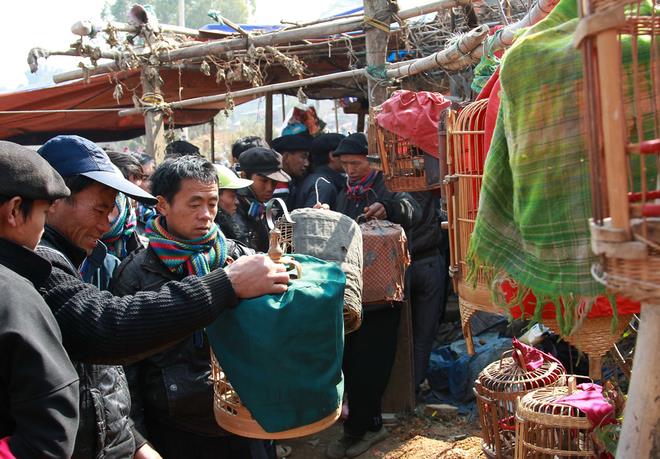
Attending the market is an important activity in the daily life of ethnic minorities in the Ha Giang rocky plateau. Especially in the days leading up to Tet, various types of goods and agricultural produce are displayed and sold more abundantly. In Dong Van district, the market meets once a week on Sunday.
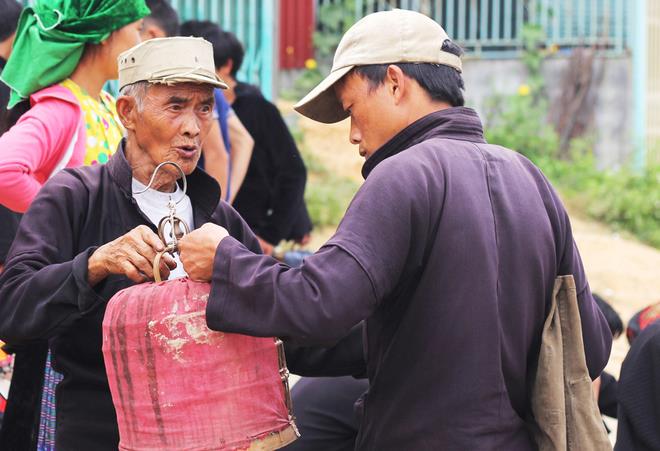
The market session is held on a large plot of land next to the old quarter in Dong Van town. The place most frequented by men in the market is the bird-selling area.
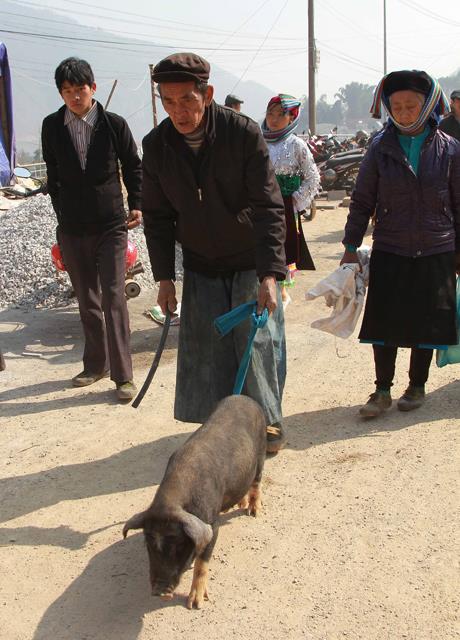
Many people who live far away have to leave from 3 a.m., crossing several mountains to arrive in time for the market. Mr. Giang Nhi Dinh from Thai Phin Tung commune led a black pig from his home to the market to sell.
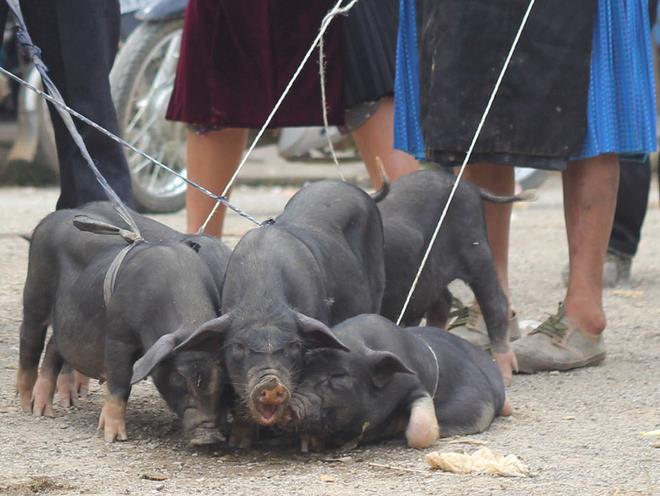
Black pork is very delicious because it is free-range raised by the Hmong people, with each pig weighing only 30-40 kg. Near Tet, almost every family stocks up on some black pork to wrap cakes and prepare feasts.
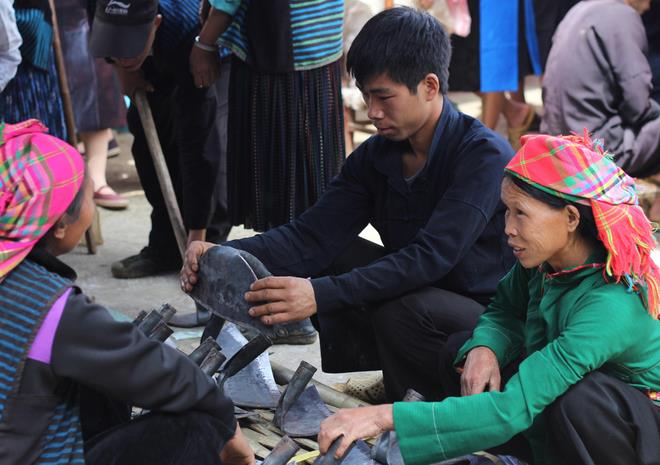
By 8 a.m., the market is packed with people, and the roads leading to the center of the market are also crowded. Locals come to the market to buy farming tools.
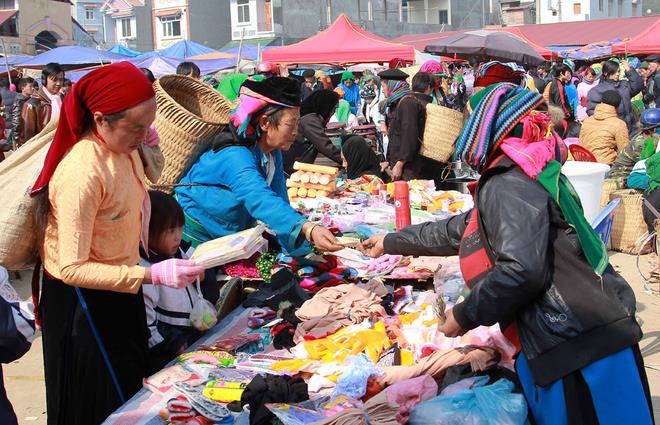
Clothes and daily necessities are of greatest interest to women. Goods are mainly brought up from the lowlands, while a small portion of farming tools and seeds are produced and brought to sell by the locals.
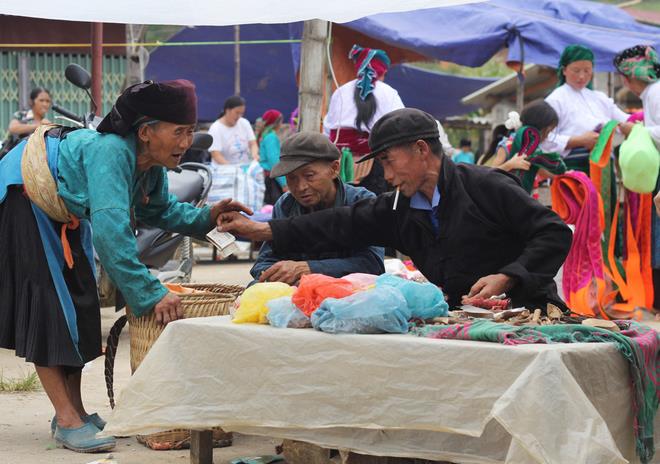
Ethnic minority people often carry woven back baskets to hold goods. For the elderly, money is not kept in pockets but wrapped in a cloth pouch.
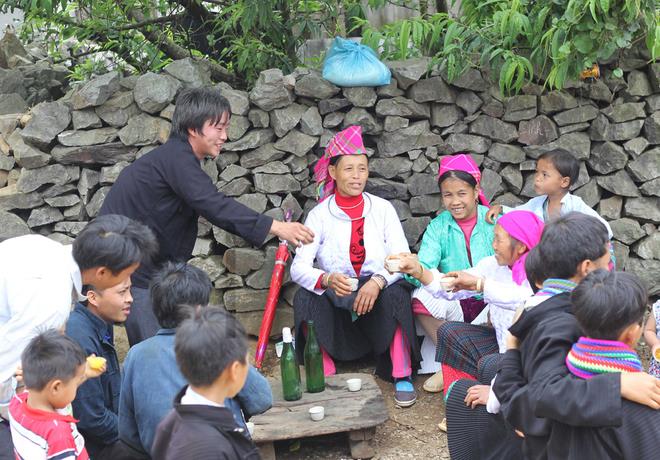
Ethnic minorities in the Ha Giang rocky highlands work hard every day, and families live whole hills or mountains apart. Therefore, meeting each other is very limited. The market session is an occasion for them to meet, share the joys and sorrows of life, and raise a glass of wine together.
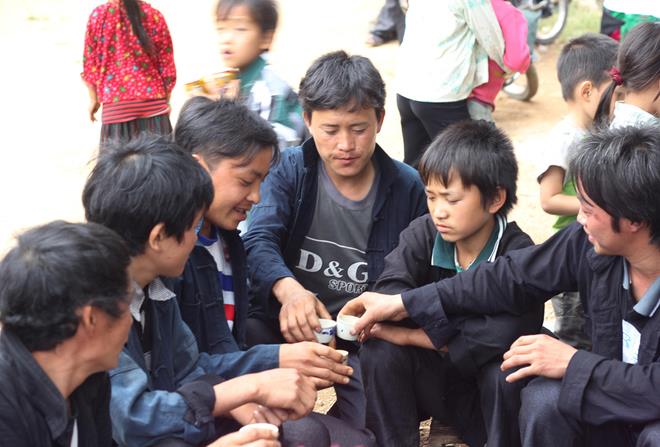
Drinking wine at the market session is a custom of the Hmong people. After shopping, they often gather in a corner to meet and drink wine. Both women and young girls can drink.
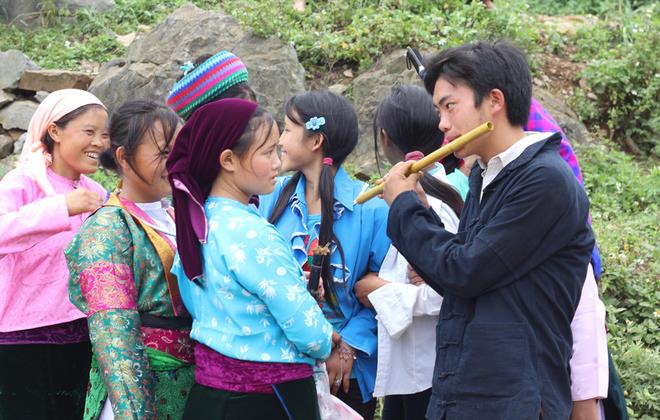
A special feature of highland market sessions is that in addition to buying, selling, and trading goods, the market is also a place for people to socialize. Therefore, almost all family members eagerly wait for the market day to go down to the market together, also known as going to the market for fun. Many young couples also take this opportunity to express their affection.
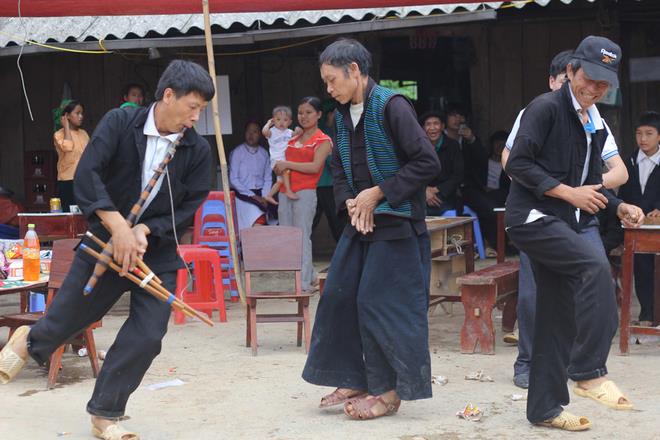
Hmong youths play the khen and dance in the market session, to the warm cheers of the local people.
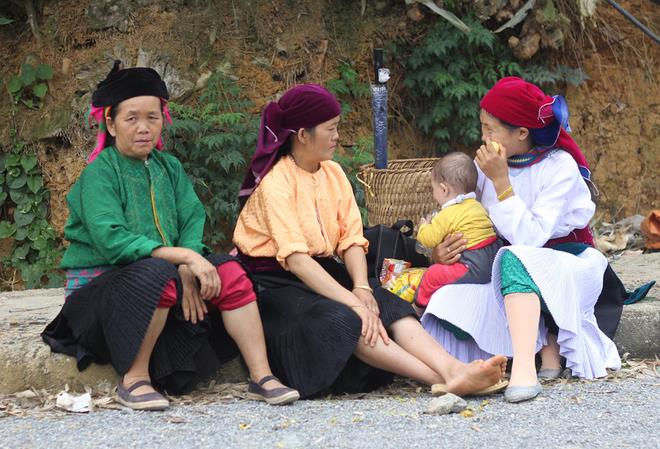
This year, many ethnic minority people in the Ha Giang rocky mountains celebrate a prosperous Tet as the weather was quite favorable for agricultural production. Therefore, when coming down to the market, everyone is happy and wearing their newest and finest clothes.
source: https://ola88.com/en/van-hoa-vung-mien/tet-market-in-ha-giang-rocky-platea-21728

Attending the market is an important activity in the daily life of ethnic minorities in the Ha Giang rocky plateau. Especially in the days leading up to Tet, various types of goods and agricultural produce are displayed and sold more abundantly. In Dong Van district, the market meets once a week on Sunday.

The market session is held on a large plot of land next to the old quarter in Dong Van town. The place most frequented by men in the market is the bird-selling area.

Many people who live far away have to leave from 3 a.m., crossing several mountains to arrive in time for the market. Mr. Giang Nhi Dinh from Thai Phin Tung commune led a black pig from his home to the market to sell.

Black pork is very delicious because it is free-range raised by the Hmong people, with each pig weighing only 30-40 kg. Near Tet, almost every family stocks up on some black pork to wrap cakes and prepare feasts.

By 8 a.m., the market is packed with people, and the roads leading to the center of the market are also crowded. Locals come to the market to buy farming tools.

Clothes and daily necessities are of greatest interest to women. Goods are mainly brought up from the lowlands, while a small portion of farming tools and seeds are produced and brought to sell by the locals.

Ethnic minority people often carry woven back baskets to hold goods. For the elderly, money is not kept in pockets but wrapped in a cloth pouch.

Ethnic minorities in the Ha Giang rocky highlands work hard every day, and families live whole hills or mountains apart. Therefore, meeting each other is very limited. The market session is an occasion for them to meet, share the joys and sorrows of life, and raise a glass of wine together.

Drinking wine at the market session is a custom of the Hmong people. After shopping, they often gather in a corner to meet and drink wine. Both women and young girls can drink.

A special feature of highland market sessions is that in addition to buying, selling, and trading goods, the market is also a place for people to socialize. Therefore, almost all family members eagerly wait for the market day to go down to the market together, also known as going to the market for fun. Many young couples also take this opportunity to express their affection.

Hmong youths play the khen and dance in the market session, to the warm cheers of the local people.

This year, many ethnic minority people in the Ha Giang rocky mountains celebrate a prosperous Tet as the weather was quite favorable for agricultural production. Therefore, when coming down to the market, everyone is happy and wearing their newest and finest clothes.
source: https://ola88.com/en/van-hoa-vung-mien/tet-market-in-ha-giang-rocky-platea-21728
0 Replies
·
33 views

The best travel trips and accommodations can be booked on a completely pocket friendly way also over a budget:
Katmandu- Nepal
Bali- Bali
Ho Chi Minh City- Vietnam
Kandy- Sri Lanka
Bangalore- India
Da Nang- Vietnam
Hanoi- Vietnam
Pattaya- Thailand
Bangkok- Thailand
These are some trips under 20,000.
Hope you enjoy your trip.
Katmandu- Nepal
Bali- Bali
Ho Chi Minh City- Vietnam
Kandy- Sri Lanka
Bangalore- India
Da Nang- Vietnam
Hanoi- Vietnam
Pattaya- Thailand
Bangkok- Thailand
These are some trips under 20,000.
Hope you enjoy your trip.
23 Replies
·
5236 views

One of the most common questions from travellers planning a Sri Lanka trip is:
“How do I find a reliable driver?”
It is an important question because in Sri Lanka, the person driving you around can have a big impact on your whole holiday.
You may spend 7, 10, 14 or even 20 days travelling with the same person, so I would recommend looking beyond just the cheapest quotation.
Another thing many visitors do not realise is that not every driver offering tourist transport provides the same level of service or qualification.
They are a good option if you already have your itinerary planned and mostly need someone to take you safely between hotels, attractions and destinations.
A good tourist driver will usually know:
This option is usually suitable for travellers who mainly need comfortable private transportation.
This is probably one of the most convenient options for couples, families and small groups doing a round trip around Sri Lanka.
A licensed chauffeur guide can drive you while also explaining Sri Lankan history, culture, traditions and attractions during the tour.
Instead of hiring both a driver and a separate guide, you have one person travelling with you throughout the trip.
This can be especially useful if your itinerary includes places such as:
Sigiriya, Dambulla, Kandy, Polonnaruwa, Anuradhapura, Ella and other cultural destinations.
National guides generally provide more detailed historical, archaeological, cultural and destination information.
They are often used for:
Sri Lanka Tourism Development Authority officially recognises several categories of guides, including National Guides and Chauffeur Guides.
Before booking, ask some basic questions.
Ask for their licence or tourism identification.
If someone says they are a chauffeur guide, tourist driver or National Guide, ask them to show their current identification.
Ask exactly which vehicle you will receive.
Ask for:
Check what the quotation includes.
Two drivers might quote very different prices because one quotation includes everything while another doesn't.
Ask whether the price includes:
Sometimes travellers communicate with one person and later receive a completely different driver.
There is nothing necessarily wrong with a company assigning another driver, but you should know beforehand who will be travelling with you.
Don't just look at the number of 5-star reviews.
Read what people say about:
A quote significantly below everyone else is worth questioning.
Ask why it is cheaper and exactly what is excluded.
CarWithDriver.lk
You can submit your Sri Lanka itinerary and receive quotations from available verified tourist drivers, chauffeur guides and National Guides.
The platform says driver accounts are checked before approval and may require documents such as driving licences, tourism licences, vehicle registration and insurance.
What I particularly like about this approach is that you can compare more than just the price.
You can compare:
Driver type + experience + licence + vehicle + reviews + included services + total quotation
rather than choosing someone from a WhatsApp message alone.
You can submit your trip here:
https://carwithdriver.lk/
Then speak with the drivers or guides who are interested in your itinerary and compare their offers before deciding.
“How do I find a reliable driver?”
It is an important question because in Sri Lanka, the person driving you around can have a big impact on your whole holiday.
You may spend 7, 10, 14 or even 20 days travelling with the same person, so I would recommend looking beyond just the cheapest quotation.
Another thing many visitors do not realise is that not every driver offering tourist transport provides the same level of service or qualification.
1. Tourist Driver
A tourist driver mainly provides transportation.They are a good option if you already have your itinerary planned and mostly need someone to take you safely between hotels, attractions and destinations.
A good tourist driver will usually know:
- Main tourist routes
- Hotels and restaurants
- Good places for rest stops
- Approximate travel times
- Local conditions
- Useful places along your route
This option is usually suitable for travellers who mainly need comfortable private transportation.
2. Chauffeur Guide
A chauffeur guide combines driving and guiding.This is probably one of the most convenient options for couples, families and small groups doing a round trip around Sri Lanka.
A licensed chauffeur guide can drive you while also explaining Sri Lankan history, culture, traditions and attractions during the tour.
Instead of hiring both a driver and a separate guide, you have one person travelling with you throughout the trip.
This can be especially useful if your itinerary includes places such as:
Sigiriya, Dambulla, Kandy, Polonnaruwa, Anuradhapura, Ella and other cultural destinations.
3. National Guide
A National Guide Lecturer is a more specialised professional guide.National guides generally provide more detailed historical, archaeological, cultural and destination information.
They are often used for:
- Larger groups
- Cultural tours
- Archaeological tours
- Educational trips
- Special-interest tours
- Travellers who want more detailed explanations
Sri Lanka Tourism Development Authority officially recognises several categories of guides, including National Guides and Chauffeur Guides.
So how do you find a reliable driver?
My suggestion is don't select someone only because they gave you the cheapest price.Before booking, ask some basic questions.
Ask for their licence or tourism identification.
If someone says they are a chauffeur guide, tourist driver or National Guide, ask them to show their current identification.
Ask exactly which vehicle you will receive.
Ask for:
- Vehicle make and model
- Year
- Passenger capacity
- Luggage capacity
- Air conditioning
- Recent exterior photos
- Recent interior photos
- Luggage-space photos
Check what the quotation includes.
Two drivers might quote very different prices because one quotation includes everything while another doesn't.
Ask whether the price includes:
- Fuel
- Highway tolls
- Parking
- Driver accommodation
- Driver meals
- Airport pickup/drop-off
- Kilometre allowance
- Extra kilometre charges
Ask whether the same driver stays with you
If you are doing a 10 or 14-day tour, confirm whether the person you are communicating with will actually be your driver.Sometimes travellers communicate with one person and later receive a completely different driver.
There is nothing necessarily wrong with a company assigning another driver, but you should know beforehand who will be travelling with you.
Check recent reviews
Look for reviews from travellers who have actually completed tours.Don't just look at the number of 5-star reviews.
Read what people say about:
- Driving style
- Punctuality
- Vehicle condition
- Communication
- Honesty
- Flexibility
- Knowledge
- Whether unexpected charges appeared during the trip
Be careful with unusually cheap quotations
Sri Lanka is affordable compared with many destinations, but operating a proper tourist vehicle still involves fuel, insurance, maintenance, tyres, licences, driver accommodation and other expenses.A quote significantly below everyone else is worth questioning.
Ask why it is cheaper and exactly what is excluded.
One useful way to compare Sri Lankan drivers
Instead of contacting dozens of individual drivers through Facebook, WhatsApp and forums, travellers can also use:CarWithDriver.lk
You can submit your Sri Lanka itinerary and receive quotations from available verified tourist drivers, chauffeur guides and National Guides.
The platform says driver accounts are checked before approval and may require documents such as driving licences, tourism licences, vehicle registration and insurance.
What I particularly like about this approach is that you can compare more than just the price.
You can compare:
Driver type + experience + licence + vehicle + reviews + included services + total quotation
rather than choosing someone from a WhatsApp message alone.
You can submit your trip here:
https://carwithdriver.lk/
Then speak with the drivers or guides who are interested in your itinerary and compare their offers before deciding.
2 Replies
·
108 views

Hi everyone! I’m a local host based in Bali, and tomorrow I’ll be doing a live virtual walk around Sanur, taking you to a lovely beachfront café area overlooking the ocean.
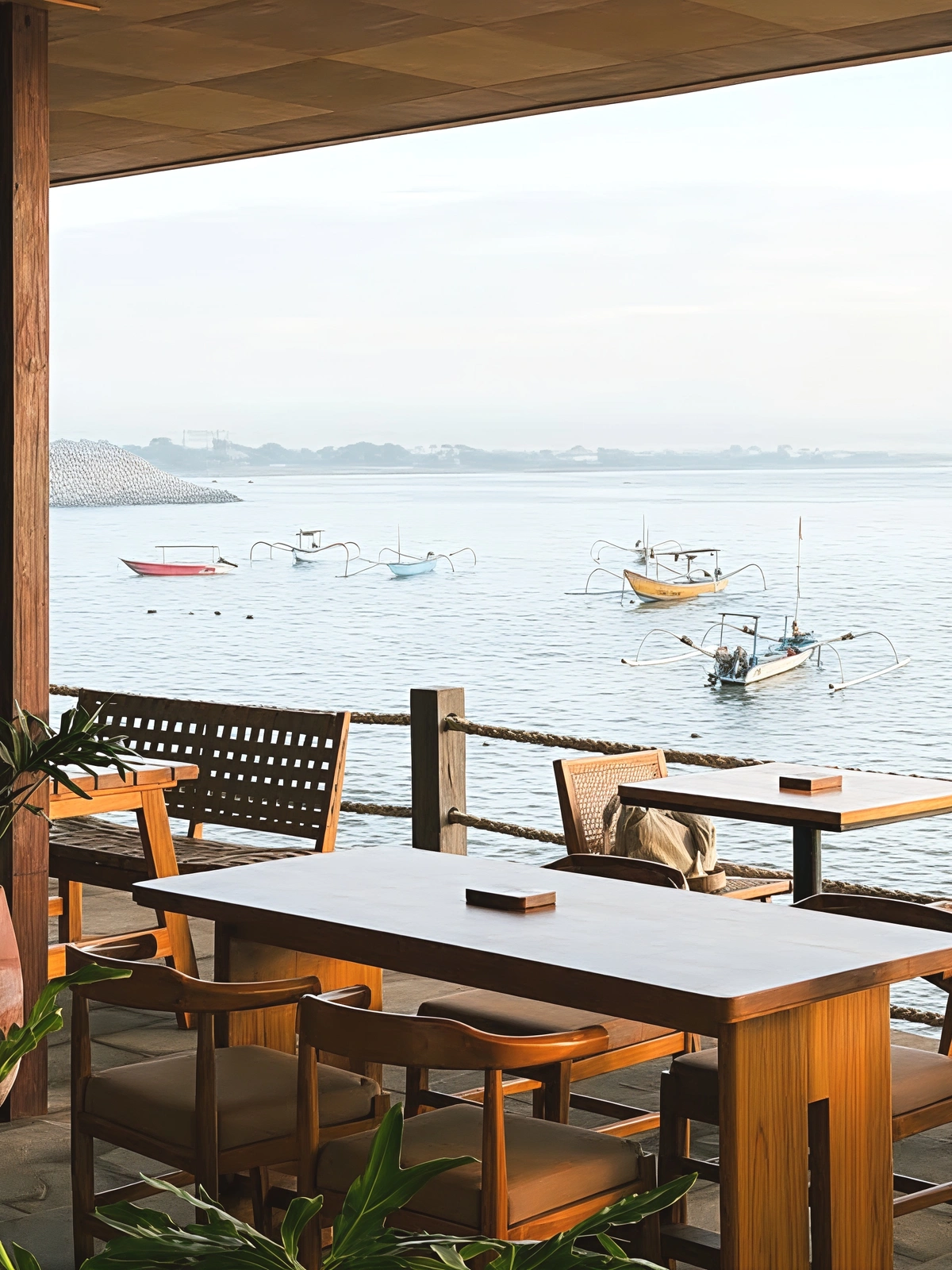
It’s a little different from watching a regular travel video because it’s live — you can join from anywhere, chat with me, ask questions, and experience the atmosphere of Sanur with me in real time.
We’ll have a relaxed stroll, enjoy the beachfront views, and I’ll share a little bit about everyday life in Sanur and the places we pass along the way.
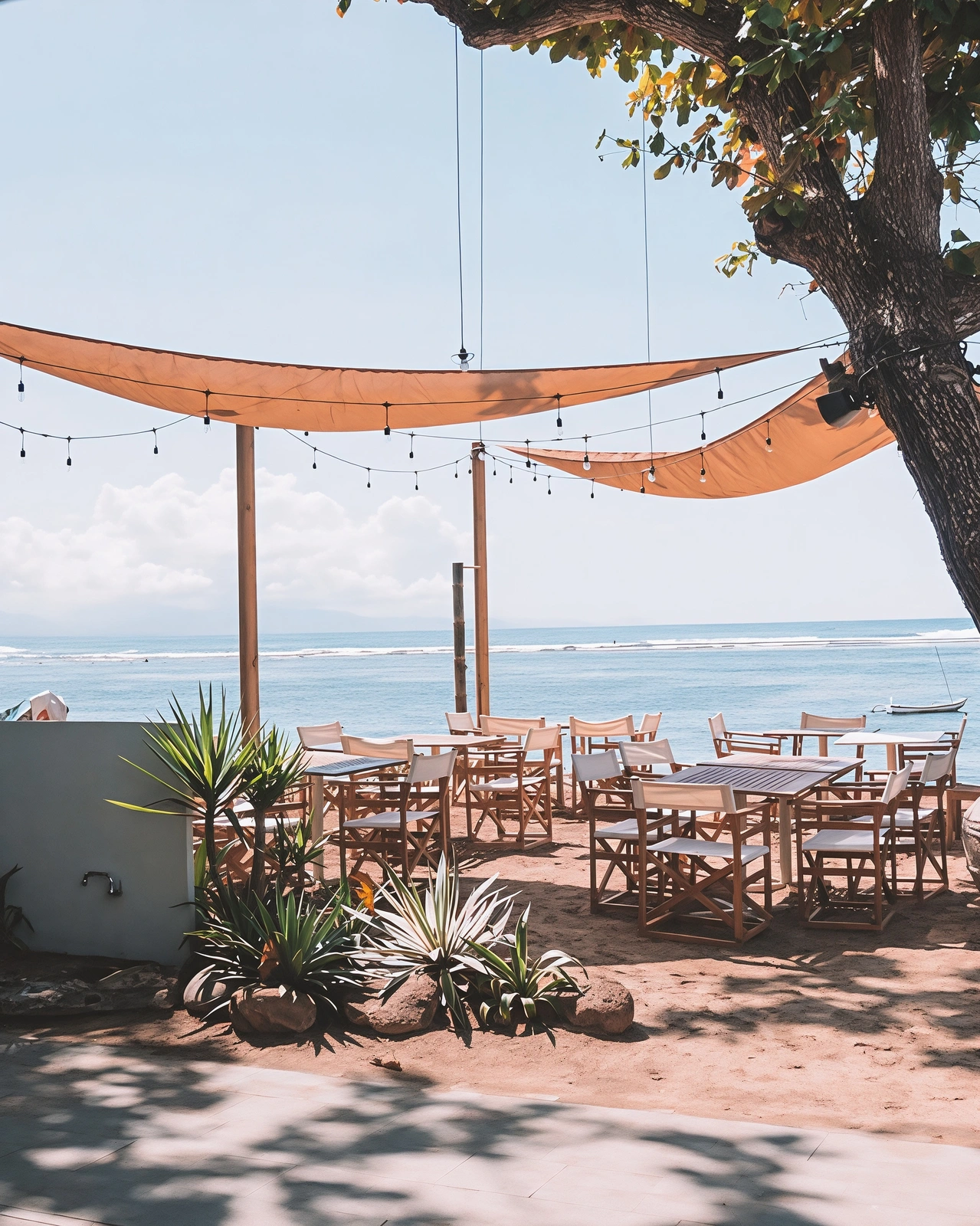
If you’re currently dreaming about Bali, planning a future trip, or simply curious about what Sanur looks like beyond the usual tourist videos, you’re very welcome to join!
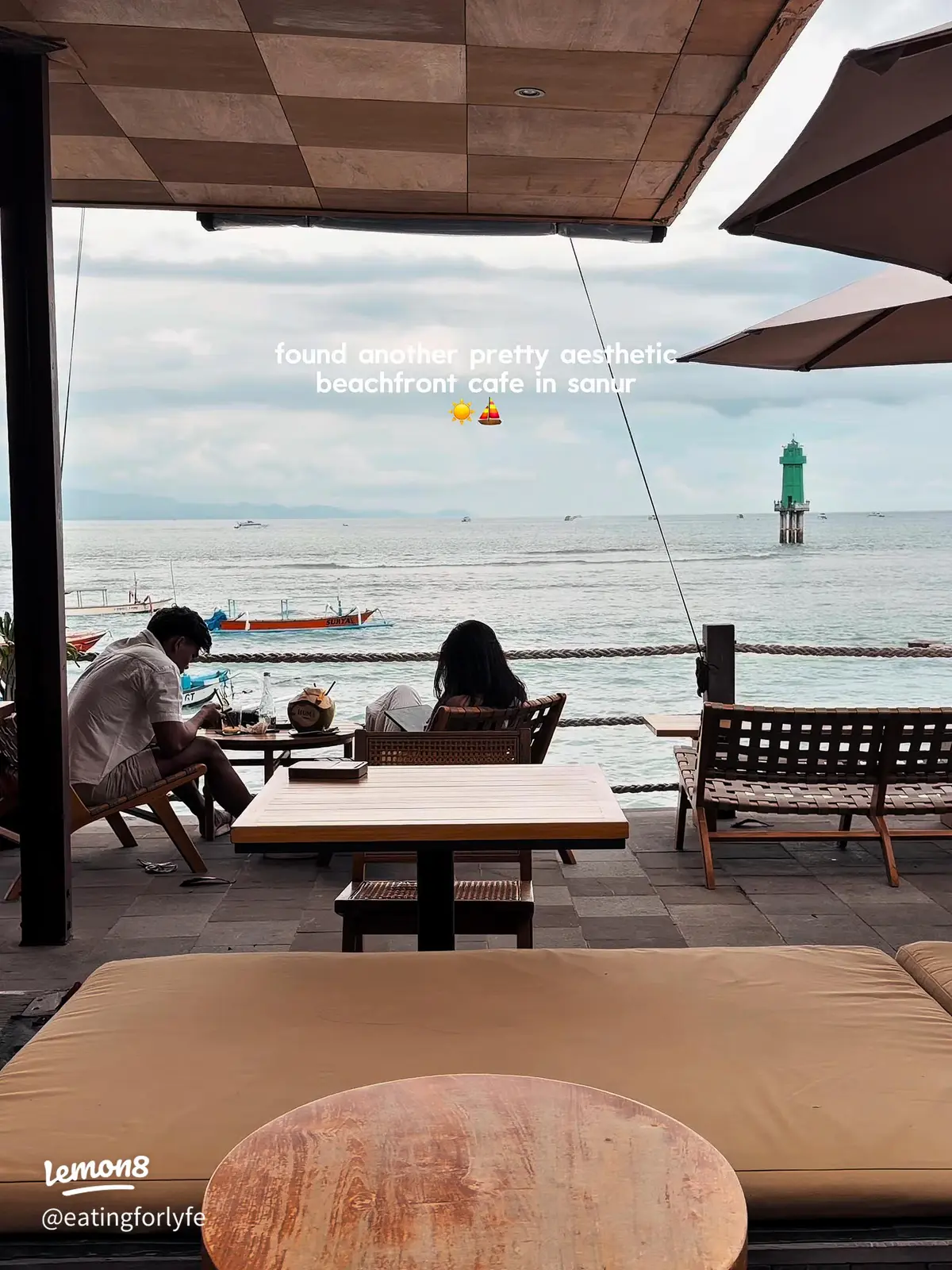
I’m hosting it through Peekabl, where you can find the tour details and join the live experience.
Live Virtual Tour: Sanur Beachfront Café Walk
Sanur, Bali, Indonesia
️ Tomorrow
If you’d like to see the tour details or join me, here’s the link:
Tap here to join my virtual live tour
Hope to see some of you there!
It’s a little different from watching a regular travel video because it’s live — you can join from anywhere, chat with me, ask questions, and experience the atmosphere of Sanur with me in real time.
We’ll have a relaxed stroll, enjoy the beachfront views, and I’ll share a little bit about everyday life in Sanur and the places we pass along the way.
If you’re currently dreaming about Bali, planning a future trip, or simply curious about what Sanur looks like beyond the usual tourist videos, you’re very welcome to join!
I’m hosting it through Peekabl, where you can find the tour details and join the live experience.
Live Virtual Tour: Sanur Beachfront Café Walk
Sanur, Bali, Indonesia
️ Tomorrow
If you’d like to see the tour details or join me, here’s the link:
Tap here to join my virtual live tour
Hope to see some of you there!
0 Replies
·
29 views