
Planning a holiday in France? Whether you're visiting Paris for the first time, exploring the French countryside, discovering historic villages or enjoying the Mediterranean coast, our France Travel Forum is the place to find travel advice, exchange recommendations and discuss your plans with fellow travellers.
France offers far more than the Eiffel Tower and its famous museums. From the vineyards of Bordeaux and the medieval castles of the Loire Valley to the beaches of the French Riviera and the mountains of the Alps, there is something for almost every type of traveller.
This guide covers the best places to visit in France, when to go, how to get around, suggested itineraries and practical travel tips.
Best Places to Visit in France
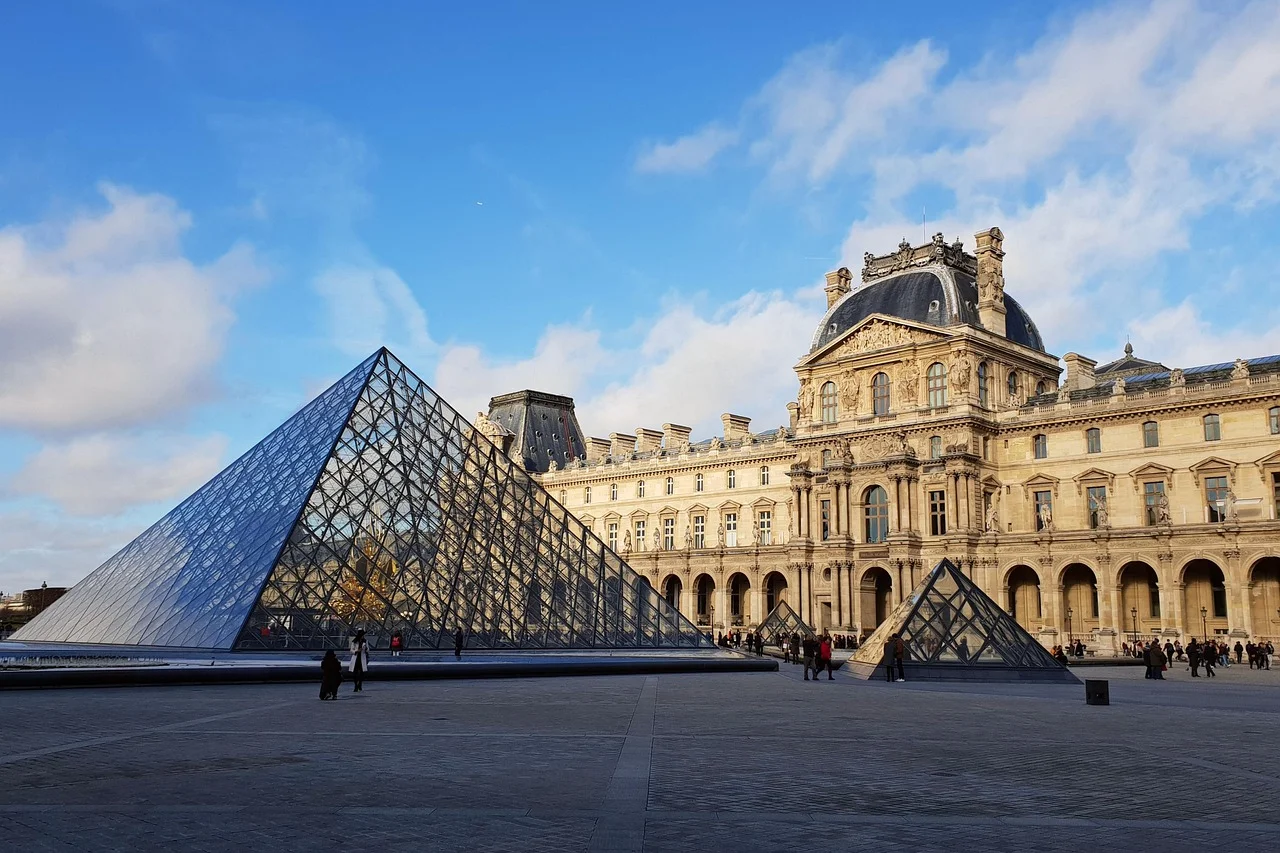
1. Paris – The City of Light
Paris remains one of Europe's most popular city-break destinations, celebrated for its architecture, museums, historic neighbourhoods and café culture.Top things to do in Paris:
- Visit the Eiffel Tower and enjoy panoramic views of the city.
- Explore the Louvre Museum, home to the Mona Lisa.
- Discover Notre-Dame Cathedral and the historic Île de la Cité.
- Walk through Montmartre and visit the Sacré-Cœur Basilica.
- Explore the fashionable streets of Le Marais.
- Take a Seine River cruise, particularly around sunset.
- Visit the Palace of Versailles on a day trip.
2. The French Riviera – Nice, Cannes and Antibes
The French Riviera, or Côte d'Azur, combines Mediterranean beaches, colourful towns, coastal scenery and a relaxed outdoor lifestyle.Nice makes an excellent base, with convenient train connections to many neighbouring destinations.
Popular places include:
- Nice: The Promenade des Anglais, Old Town and Cours Saleya market.
- Cannes: Sandy beaches, shopping and the famous film festival.
- Antibes: Historic streets, a lively marina and attractive beaches.
- Villefranche-sur-Mer: A picturesque harbour and waterfront restaurants.
- Èze: A medieval hilltop village overlooking the Mediterranean.
- Monaco: An independent principality close to the French border, ideal for a day trip.
3. Provence – Lavender Fields and Traditional Villages
Provence is famous for its lavender fields, vineyards, olive groves, stone villages and outdoor markets.Highlights include the historic cities of Avignon and Aix-en-Provence, the hilltop villages of the Luberon, the Roman aqueduct at Pont du Gard and the dramatic scenery of the Verdon Gorge.
If you're hoping to see lavender in bloom, late June to mid-July is often a good period, although the season varies with location, altitude and weather.
Travel tip: A hire car makes exploring the smaller villages and rural attractions considerably easier.
4. Normandy – History, Coastline and Mont Saint-Michel
Normandy is ideal for travellers interested in European history, traditional French towns and dramatic coastal landscapes.Some of the region's most memorable attractions include:
- Mont Saint-Michel and its medieval abbey.
- Omaha Beach and the other D-Day landing beaches.
- The Normandy American Cemetery.
- Bayeux and its historic tapestry.
- The white cliffs of Étretat.
- Honfleur's picturesque harbour.
- Claude Monet's gardens at Giverny.
5. The Loire Valley – Castles and Vineyards
The Loire Valley is one of the best regions in France for discovering magnificent châteaux, historic towns and peaceful countryside.The Château de Chambord, Château de Chenonceau and Château Royal d'Amboise are among its best-known attractions.
Tours, Blois and Amboise make convenient bases for exploring the region, while cycling routes offer another way to discover the countryside.
Travel tip: The Loire Valley can be reached by train from Paris, but a car or organised excursion is useful for visiting several castles in one trip.
6. Bordeaux and Southwest France
Bordeaux is known for its elegant architecture, riverside setting, restaurants and world-famous wine region.Visitors can explore the city's historic centre, discover the vineyards around Saint-Émilion or venture west towards the Atlantic coast.
Other worthwhile destinations in southwest France include the Dordogne, with its medieval villages, prehistoric sites and beautiful river valleys.
7. Alsace – Strasbourg and Colmar
Located near the German border, Alsace has a distinctive blend of French and German cultural influences.Strasbourg is famous for its Gothic cathedral and Petite France neighbourhood, while Colmar is known for its colourful half-timbered houses and picturesque canals.
The Alsace Wine Route connects villages such as Riquewihr, Eguisheim and Kaysersberg.
The region is particularly attractive during the spring, autumn and Christmas market season.
8. The French Alps and Corsica
For outdoor adventures, France offers two very different destinations.The French Alps are popular for skiing, snowboarding, hiking, mountain biking and alpine scenery. Chamonix, Annecy and the major ski resorts attract visitors throughout the year.
Corsica, an island in the Mediterranean, offers rugged mountains, coastal walking routes, beautiful beaches and traditional villages. It is an excellent option for travellers who prefer exploring away from the busiest mainland destinations.
When Is the Best Time to Visit France?
France is a year-round destination, although the ideal time depends on what you want to experience.| Season | What to expect |
|---|---|
| Spring (March–May) | Gardens, sightseeing and generally milder weather |
| Summer (June–August) | Beaches, festivals, long days and the busiest holiday period |
| Autumn (September–November) | Wine regions, changing landscapes and often fewer visitors |
| Winter (December–February) | Alpine skiing, festive markets and quieter city breaks outside holiday peaks |
Suggested France Travel Itineraries
5 Days in France – First-Time Paris Visit
- Day 1: Arrive in Paris and explore the Seine and Latin Quarter.
- Day 2: Eiffel Tower, Arc de Triomphe and Champs-Élysées.
- Day 3: Louvre Museum, Île de la Cité and Le Marais.
- Day 4: Day trip to Versailles or Disneyland Paris.
- Day 5: Montmartre, shopping and departure.
7 Days in France – Paris and the French Riviera
- Days 1–3: Discover Paris and its main attractions.
- Day 4: Take a high-speed train to Nice.
- Day 5: Explore Nice and nearby Villefranche-sur-Mer.
- Day 6: Visit Antibes, Cannes or Monaco.
- Day 7: Depart from Nice.
14 Days in France – Cities, Countryside and Coast
For a longer holiday, consider the following route:- Days 1–4: Paris and Versailles.
- Days 5–6: Loire Valley castles and historic towns.
- Days 7–8: Lyon and its restaurants and historic districts.
- Days 9–11: Provence, including Avignon and the Luberon.
- Days 12–14: Nice and the French Riviera.
Getting Around France
France has an extensive transport network, making it relatively straightforward to travel between major cities.Trains: High-speed TGV services connect Paris with destinations such as Lyon, Bordeaux, Strasbourg, Marseille and Nice. Regional TER trains serve smaller cities and towns.
Public transport: Paris has a comprehensive Métro, RER and bus system. Other major cities also have local rail, tram or bus networks.
Car hire: Particularly useful in Provence, rural Normandy, the Dordogne, parts of the Loire Valley and Corsica.
Domestic flights: May be useful for longer journeys or travel to Corsica, although trains are often more convenient for journeys between major mainland cities.
For train schedules and advance bookings, visit SNCF Connect.
Essential France Travel Tips
Before travelling, consider these practical recommendations:- Learn a few French expressions. A simple bonjour, merci or s'il vous plaît is appreciated.
- Book popular attractions early. Major museums, monuments and some seasonal experiences can sell out.
- Check your passport and entry requirements. France belongs to the Schengen Area, and requirements depend on your nationality and circumstances.
- Use contactless payments where available. Cards are widely accepted, although carrying some euros is useful.
- Take precautions against pickpockets. Be particularly alert around busy attractions, major railway stations and crowded public transport.
- Check public holidays and opening days. Some museums, shops and attractions close on particular weekdays or holidays.
- Allow time for regional travel. France is a large country, and trying to see too many destinations can make a holiday unnecessarily rushed.
- Arrange travel insurance. Ensure your policy covers medical expenses, cancellation and any activities you plan to undertake.
Visa and Entry Requirements for 2027
Many travellers, including eligible British, Australian and American passport holders, can visit the Schengen Area without a visa for tourism for up to 90 days in any 180-day period.The European Entry/Exit System (EES) is operational and records border crossings for applicable non-EU travellers, including biometric information.
The separate ETIAS travel authorisation scheme is expected to introduce an additional pre-travel requirement for eligible visa-exempt travellers. Check its official implementation status before departing, as the launch date and application arrangements may change.
Official information:
Frequently Asked Questions About Visiting France
How many days do you need to visit France?
Five to seven days is suitable for Paris and one additional destination. Ten to fourteen days allows a more varied itinerary combining cities, countryside and coastal regions.Is France expensive for tourists?
France can suit different budgets. Paris and popular Riviera resorts are generally more expensive for accommodation than smaller towns and rural destinations. Staying outside the busiest tourist areas, using trains booked in advance and eating at local bakeries and markets can help reduce costs.Can you travel around France without a car?
Yes. France has an extensive railway system connecting its major cities. However, hiring a car may be useful for smaller villages, countryside attractions and regions with limited public transport.Is it better to visit Paris or southern France?
Paris is ideal for museums, history, architecture and city sightseeing. Southern France is particularly appealing for beaches, villages, Mediterranean scenery and outdoor activities. With ten days or more, combining both is a good option.Is France suitable for solo travellers?
Yes. France offers hostels, organised tours, established transport connections and a wide variety of destinations for independent travellers. Standard travel precautions are advisable, particularly in busy cities.Where should I visit in France besides Paris?
Nice, Provence, Normandy, the Loire Valley, Bordeaux, Lyon, Strasbourg, Annecy and Corsica are all worth considering, depending on your interests and the time of year.Join Our France Travel Forum – Ask Questions and Share Your Experiences
Every trip to France is different, and advice from other travellers can make planning much easier.Whether you're organising your first holiday, planning a road trip through Provence or looking for affordable accommodation in Paris, the Forum4Travel community welcomes your questions and recommendations.
Popular topics you can discuss include:
- Best places to visit in France for first-time travellers.
- Planning a France itinerary for 7, 10 or 14 days.
- Paris hotels, neighbourhoods and transport advice.
- France travel budgets and money-saving tips.
- Driving in France and hiring a car.
- Visiting France with children.
- Train travel and exploring France without a car.
- Hidden gems, smaller towns and less crowded destinations.
- Travelling solo or visiting France as a couple.
Visit the France Travel Forum to start a new discussion, ask for travel advice or share your own experiences.
Travel information updated November 2026. Check official sources for the latest entry requirements, transport arrangements and attraction opening times before travelling.
Last edited: