
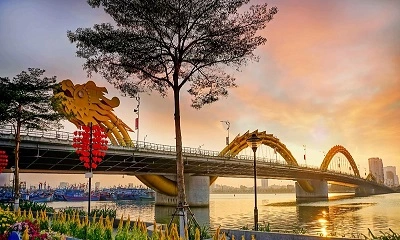
Not as hectic as major cities, yet not completely isolated like remote retreats, Da Nang sits comfortably in between: modern enough for everyday comfort, and calm enough to truly restore.
1. Body Therapy: When Wellness Becomes a Daily Habit
Many Europeans are familiar with dry saunas or short, relaxation-focused spa visits. In Da Nang, body therapy tends to focus more on recovery than indulgence.
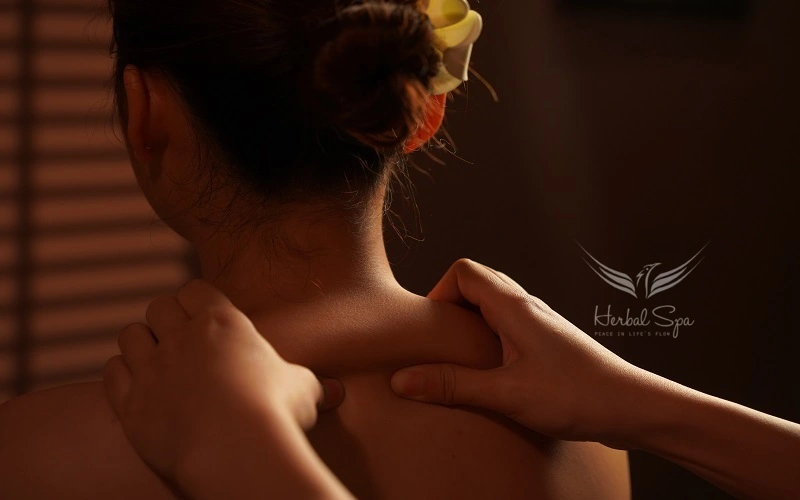
Local spas often combine traditional Asian massage techniques, hot stones, and native herbal remedies. One example is the An Duong massage at Herbal Spa, originally developed in Vietnam’s northern highlands and later adapted for international guests. Natural herbs, warm compresses, and a quiet setting help relieve muscle tension and improve circulation-especially beneficial after long-haul flights.
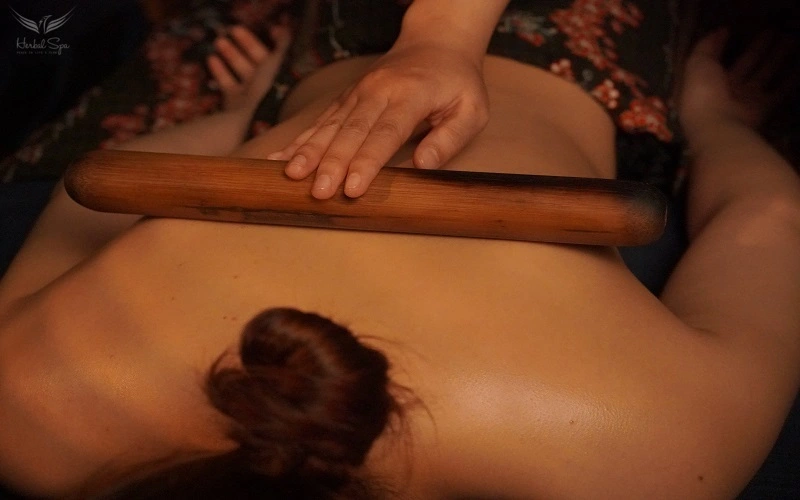
Deep-tissue hot stone massage in Da Nang is often seen as part of a slower lifestyle, rather than a one-time “special experience.”
Herbal Spa
Hotline: (+84) 0901 825 789
Email: herbalspadn@gmail.com
Zalo: 0901 825 789
KakaoTalk ID: HerbalBoutique
Line ID: herbalspa
Wechat ID: Herbal-SPA-Danang
WhatsApp ID: (+84) 0901 825 789
Address: 201 Duong Dinh Nghe, An Hai Bac, Son Tra, Da Nang 550000
2. Son Tra Peninsula - A Pocket of Nature Beside the City
Son Tra Peninsula is often associated with monkeys or popular viewpoints, but for those seeking stillness, it feels more like a natural retreat.
Early in the morning, when the city is still quiet, visiting Linh Ung Pagoda or heading toward the higher points of the peninsula offers a sense of complete separation. At that hour, there is only wind, the sound of temple bells, and wide views over the ocean.
Son Tra also features gentle forest paths leading to rocky, undeveloped shores. These are not athletic treks, but slow walks-ideal for sitting quietly, listening to the waves, and avoiding crowds. This kind of uninterrupted calm is something many European travelers deeply appreciate.
3. Slow Coffee Culture - When Time Is Not Rushed
In much of Europe, coffee is often linked to alertness and efficiency. In Da Nang, coffee is closer to a ritual.
The city has many garden cafés, small alley spots, and seaside spaces where sitting for hours is not frowned upon. People read, write, or simply watch the street go by.
This quiet permission to “do nothing” is what many visitors find most refreshing. Coffee stops are no longer brief pauses, but part of a slower daily rhythm.
4. Connecting with the Sea - A Natural Mental Reset
The sea in Da Nang is not only for swimming. Simply looking at the water has a noticeable calming effect.
Some people choose sunrise SUP sessions near Man Thai, when the water is flat and the city is still asleep. Gliding gently over the surface, without noise or pressure, creates a rare sense of balance.
Another simple practice is walking barefoot on the sand at sunset, especially along quieter beaches such as Non Nuoc. It’s a way to reconnect the body with nature-no equipment, no guidance, just presence.
5. Practical Tips to Maintain the Sense of Calm
To experience Da Nang in a truly slow and restorative way, avoiding peak hours, choosing quieter accommodation, and keeping transportation simple (using ride-hailing apps instead of negotiating fares) can significantly reduce unnecessary stress.
Many travelers prefer boutique hotels or garden-style homestays on the southern side of the Han River, where convenience and tranquility coexist.
6. Conclusion
Da Nang is not a place to “see everything.” It is a place to stay, to let the body and mind reset their pace. For those looking for a destination that encourages slowing down, recovery, and a closer connection to nature, Da Nang offers this gently-without forcing it.
1. Body Therapy: When Wellness Becomes a Daily Habit
Many Europeans are familiar with dry saunas or short, relaxation-focused spa visits. In Da Nang, body therapy tends to focus more on recovery than indulgence.
Local spas often combine traditional Asian massage techniques, hot stones, and native herbal remedies. One example is the An Duong massage at Herbal Spa, originally developed in Vietnam’s northern highlands and later adapted for international guests. Natural herbs, warm compresses, and a quiet setting help relieve muscle tension and improve circulation-especially beneficial after long-haul flights.
Deep-tissue hot stone massage in Da Nang is often seen as part of a slower lifestyle, rather than a one-time “special experience.”
Herbal Spa
Hotline: (+84) 0901 825 789
Email: herbalspadn@gmail.com
Zalo: 0901 825 789
KakaoTalk ID: HerbalBoutique
Line ID: herbalspa
Wechat ID: Herbal-SPA-Danang
WhatsApp ID: (+84) 0901 825 789
Address: 201 Duong Dinh Nghe, An Hai Bac, Son Tra, Da Nang 550000
2. Son Tra Peninsula - A Pocket of Nature Beside the City
Son Tra Peninsula is often associated with monkeys or popular viewpoints, but for those seeking stillness, it feels more like a natural retreat.
Early in the morning, when the city is still quiet, visiting Linh Ung Pagoda or heading toward the higher points of the peninsula offers a sense of complete separation. At that hour, there is only wind, the sound of temple bells, and wide views over the ocean.
Son Tra also features gentle forest paths leading to rocky, undeveloped shores. These are not athletic treks, but slow walks-ideal for sitting quietly, listening to the waves, and avoiding crowds. This kind of uninterrupted calm is something many European travelers deeply appreciate.
3. Slow Coffee Culture - When Time Is Not Rushed
In much of Europe, coffee is often linked to alertness and efficiency. In Da Nang, coffee is closer to a ritual.
The city has many garden cafés, small alley spots, and seaside spaces where sitting for hours is not frowned upon. People read, write, or simply watch the street go by.
This quiet permission to “do nothing” is what many visitors find most refreshing. Coffee stops are no longer brief pauses, but part of a slower daily rhythm.
4. Connecting with the Sea - A Natural Mental Reset
The sea in Da Nang is not only for swimming. Simply looking at the water has a noticeable calming effect.
Some people choose sunrise SUP sessions near Man Thai, when the water is flat and the city is still asleep. Gliding gently over the surface, without noise or pressure, creates a rare sense of balance.
Another simple practice is walking barefoot on the sand at sunset, especially along quieter beaches such as Non Nuoc. It’s a way to reconnect the body with nature-no equipment, no guidance, just presence.
5. Practical Tips to Maintain the Sense of Calm
To experience Da Nang in a truly slow and restorative way, avoiding peak hours, choosing quieter accommodation, and keeping transportation simple (using ride-hailing apps instead of negotiating fares) can significantly reduce unnecessary stress.
Many travelers prefer boutique hotels or garden-style homestays on the southern side of the Han River, where convenience and tranquility coexist.
6. Conclusion
Da Nang is not a place to “see everything.” It is a place to stay, to let the body and mind reset their pace. For those looking for a destination that encourages slowing down, recovery, and a closer connection to nature, Da Nang offers this gently-without forcing it.